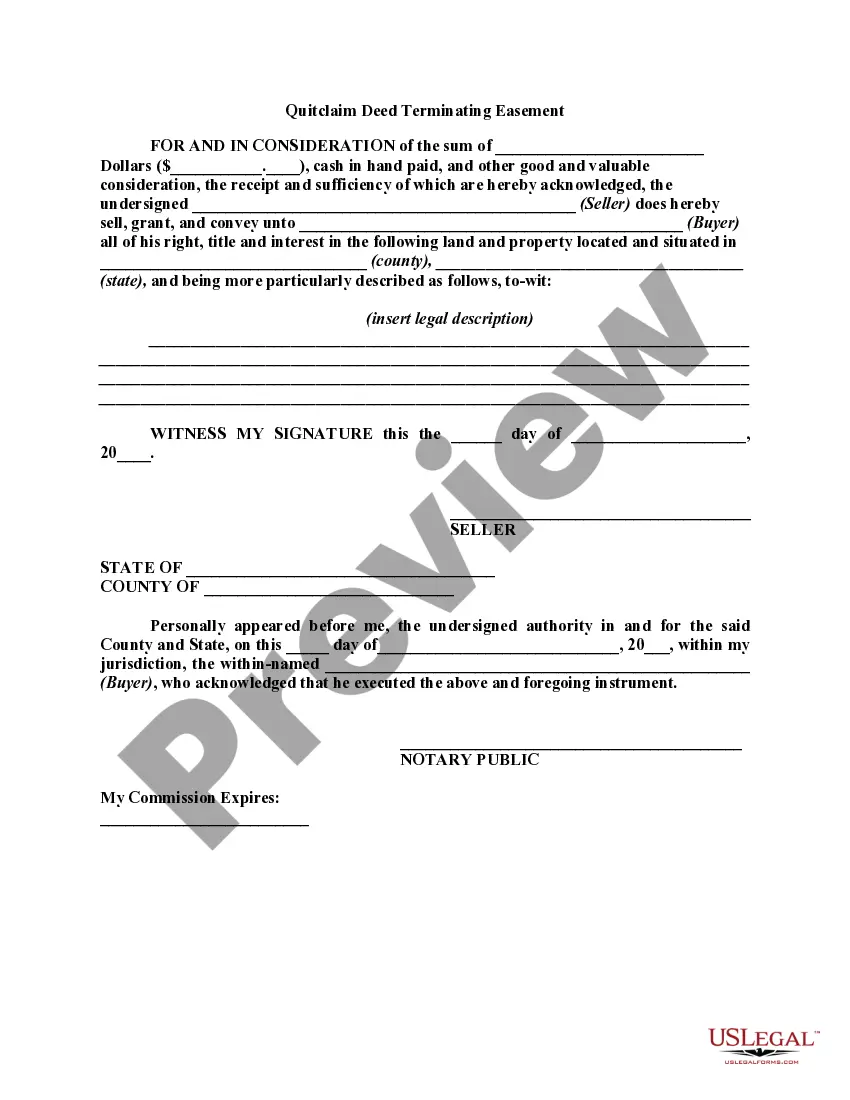
Warranty Deed Vs Quit Claim Deed
Description
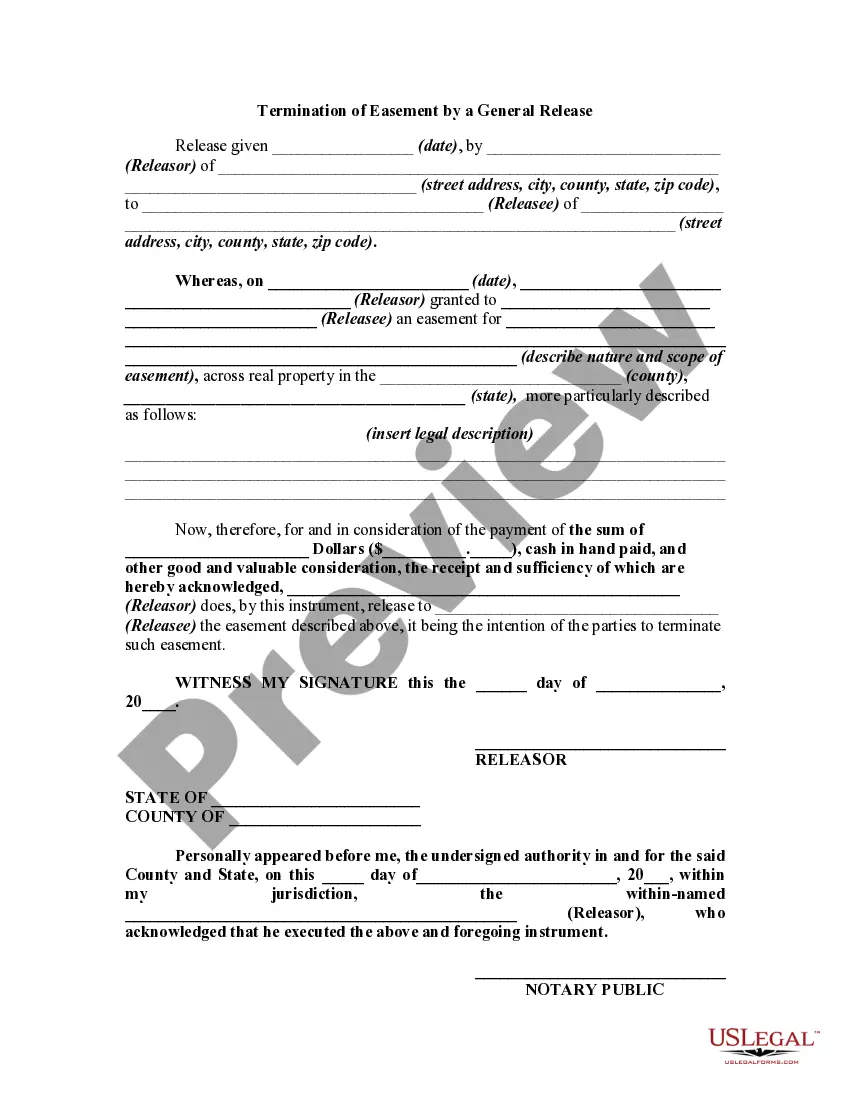
Get your form ready online
Our built-in tools help you complete, sign, share, and store your documents in one place.
Make edits, fill in missing information, and update formatting in US Legal Forms—just like you would in MS Word.
Download a copy, print it, send it by email, or mail it via USPS—whatever works best for your next step.
Sign and collect signatures with our SignNow integration. Send to multiple recipients, set reminders, and more. Go Premium to unlock E-Sign.
If this form requires notarization, complete it online through a secure video call—no need to meet a notary in person or wait for an appointment.
We protect your documents and personal data by following strict security and privacy standards.

Make edits, fill in missing information, and update formatting in US Legal Forms—just like you would in MS Word.

Download a copy, print it, send it by email, or mail it via USPS—whatever works best for your next step.

Sign and collect signatures with our SignNow integration. Send to multiple recipients, set reminders, and more. Go Premium to unlock E-Sign.

If this form requires notarization, complete it online through a secure video call—no need to meet a notary in person or wait for an appointment.

We protect your documents and personal data by following strict security and privacy standards.
Looking for another form?
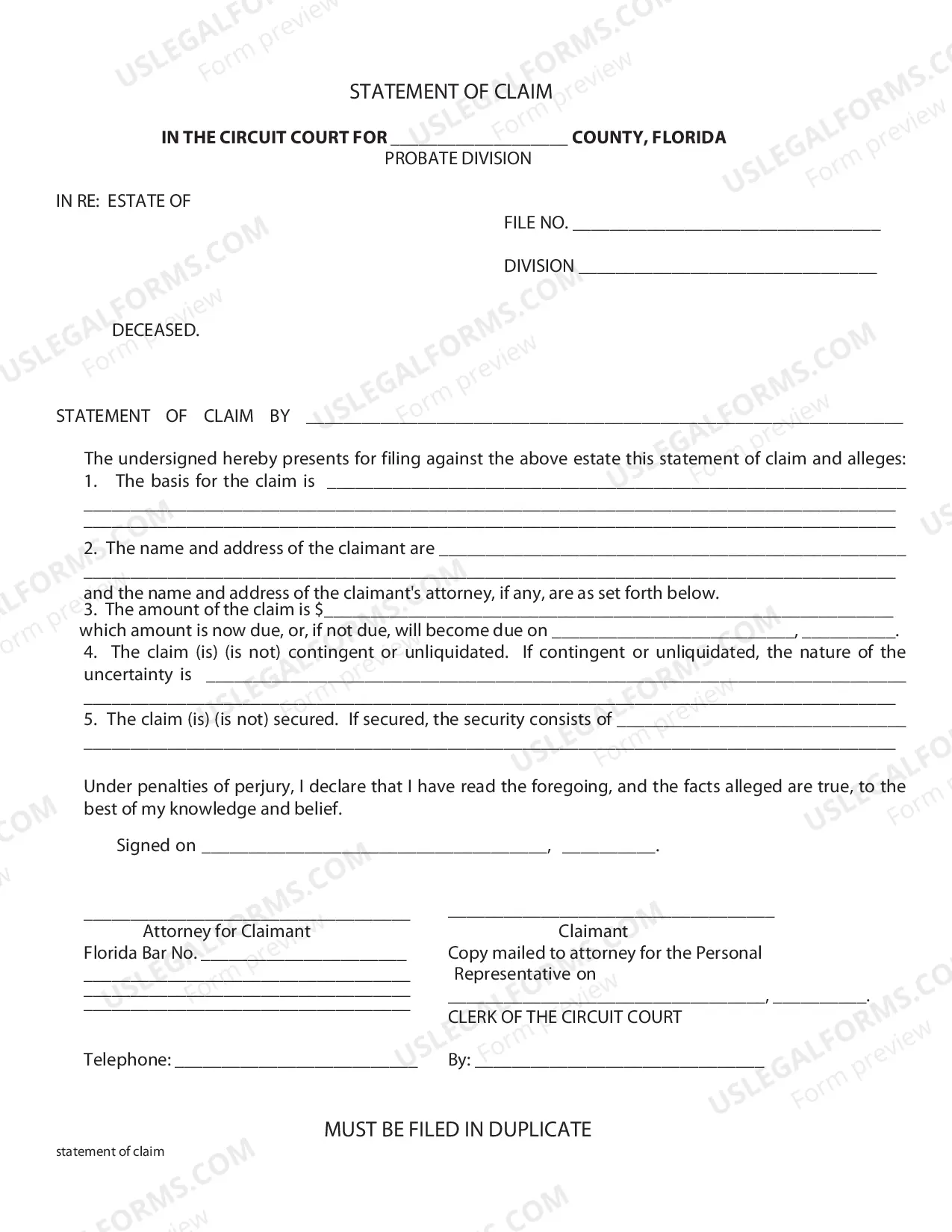



How to fill out Quitclaim Deed Termination Or Terminating Easement?
Legal administration can be perplexing, even for the most informed professionals.
When you're looking for a Warranty Deed Vs Quit Claim Deed and lack the time to seek out the appropriate and recent version, the procedures can be stressful.
US Legal Forms accommodates any requirements you may have, from personal to corporate documentation, all in one location.
Utilize sophisticated tools to complete and manage your Warranty Deed Vs Quit Claim Deed.
Below are the instructions to follow after you download the form you need.
- Access an informative resource library filled with articles, guides, and manuals pertinent to your circumstances and needs.
- Save time and effort in finding the documents you require, and leverage US Legal Forms’ advanced search and Preview feature to uncover Warranty Deed Vs Quit Claim Deed and obtain it.
- If you have a membership, Log In to your US Legal Forms account, search for the form, and download it.
- Check your My documents tab to view the documents you’ve previously downloaded and organize your folders as you desire.
- If you are new to US Legal Forms, create an account and gain unlimited access to all the resources of the library.
- A comprehensive online form repository could be a pivotal tool for anyone wishing to handle these circumstances effectively.
- US Legal Forms is a frontrunner in digital legal forms, offering more than 85,000 state-specific legal documents at your fingertips.
- With US Legal Forms, you can access legal and business forms specific to your state or county.
Form popularity
FAQ
Choosing between a warranty deed and a quitclaim deed depends on your specific needs. A warranty deed provides assurance and legal protection, making it a preferred option for most real estate transactions. In contrast, a quitclaim deed is quicker and simpler, often used for transferring property between family members. If you want to ensure your investment is secure, the warranty deed is generally the better option.
When considering a warranty deed vs quit claim deed, many people find that a warranty deed offers more protection. A warranty deed guarantees that the seller has clear title to the property and can defend that title against any claims. On the other hand, a quitclaim deed transfers whatever interest the seller has without any guarantees. Therefore, if you seek security in your property transfer, a warranty deed is often the better choice.
To obtain a warranty deed, you first need to identify the property you wish to transfer. Then, you can create the document yourself or seek assistance from a legal professional. It's important to include all relevant details such as the property description and the names of the parties involved. Additionally, you can find templates and guidance on platforms like US Legal Forms, which can simplify the process of drafting a warranty deed.
Quitclaim deeds are often viewed with caution due to their lack of guarantees. Unlike a warranty deed, a quitclaim deed does not provide any warranties about the title’s validity, which means you could inherit unresolved issues. This uncertainty makes many people hesitant to use quitclaims for significant transactions. If you need clarity on the warranty deed vs quit claim deed, consider using the US Legal Forms platform for reliable documentation.
Filling out a warranty deed requires specific information to ensure its validity. Start by entering the names of the grantor and grantee, along with the legal description of the property. Next, include the date of the transfer, and ensure both parties sign the document in the presence of a notary. By understanding the differences in the warranty deed vs quit claim deed, you can make an informed choice about your property transfer.
A quitclaim deed does not override a warranty deed; rather, it functions differently. While a quitclaim deed transfers whatever interest the seller has, it does not remove the protections established by a warranty deed. If you are unsure about the implications of these deeds, consider utilizing platforms like US Legal Forms for reliable guidance on the warranty deed vs quit claim deed nuances.
Choosing between a quit claim deed and a warranty deed depends on your specific needs. A warranty deed offers more protection and peace of mind, which is often necessary for buyers. On the other hand, a quit claim deed can be faster and less expensive for transferring property between family members or known parties. Assess your situation and understand the warranty deed vs quit claim deed benefits before deciding.
A quit claim deed has distinct drawbacks that buyers should consider. It offers no guarantees regarding the property's title, which can leave you vulnerable to future claims or disputes. Additionally, if the seller does not hold clear title, you may end up with nothing. Knowing the warranty deed vs quit claim deed implications can help you make the right choice.
In general, a quitclaim deed does not supersede a warranty deed. When a warranty deed is in place, it establishes the seller's promise regarding the property's title. If a quitclaim deed follows, it may transfer interest but does not negate the warranty deed's protections. It's crucial to evaluate the warranty deed vs quit claim deed relationship when considering property transfers.
While a warranty deed provides strong protection for the buyer, it comes with some disadvantages. The seller must guarantee that they have clear title to the property, which can lead to potential legal issues if any claims arise. Additionally, this type of deed may involve more paperwork and higher costs compared to a quit claim deed. Understanding the warranty deed vs quit claim deed differences is essential for making an informed choice.