Civil Lawsuit Action With The Us
Description
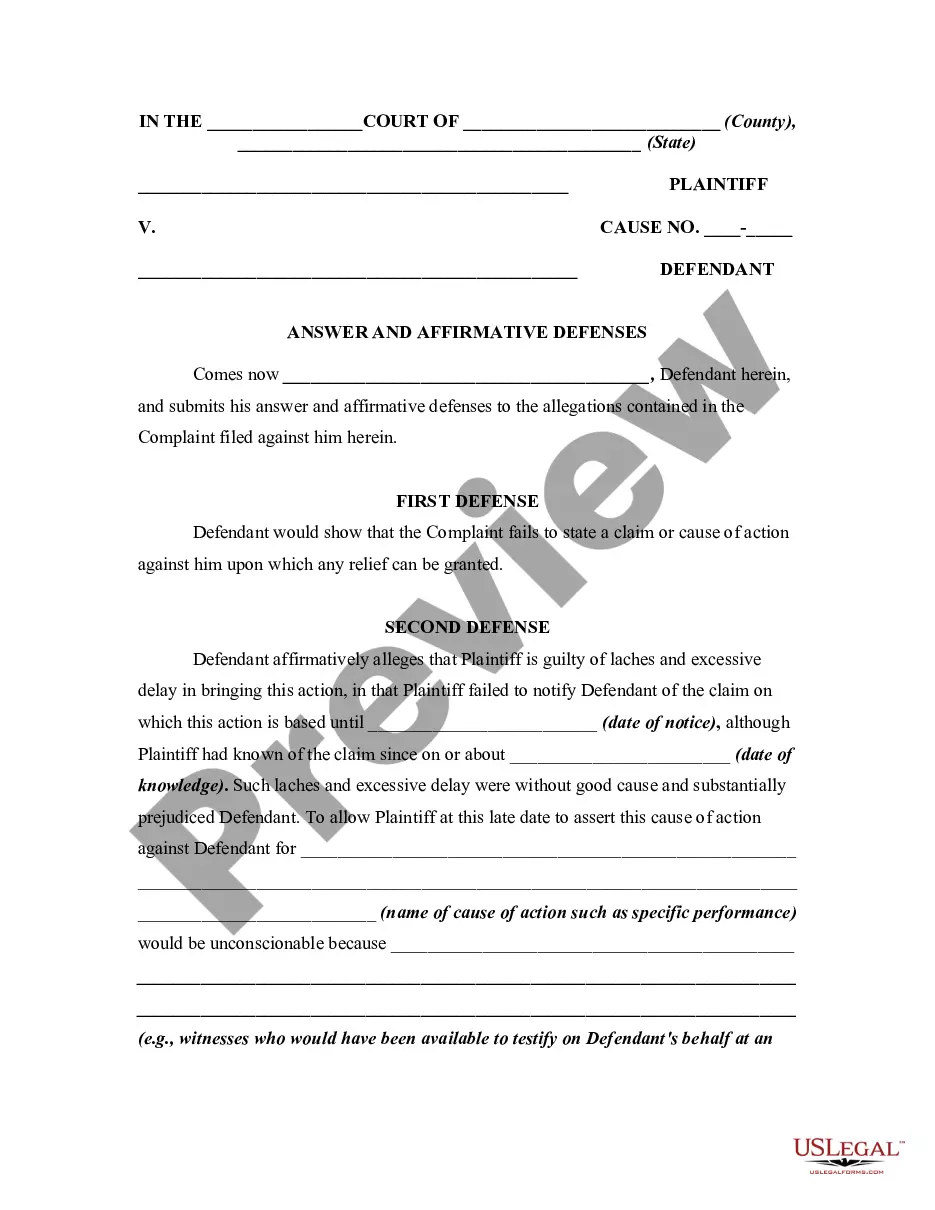
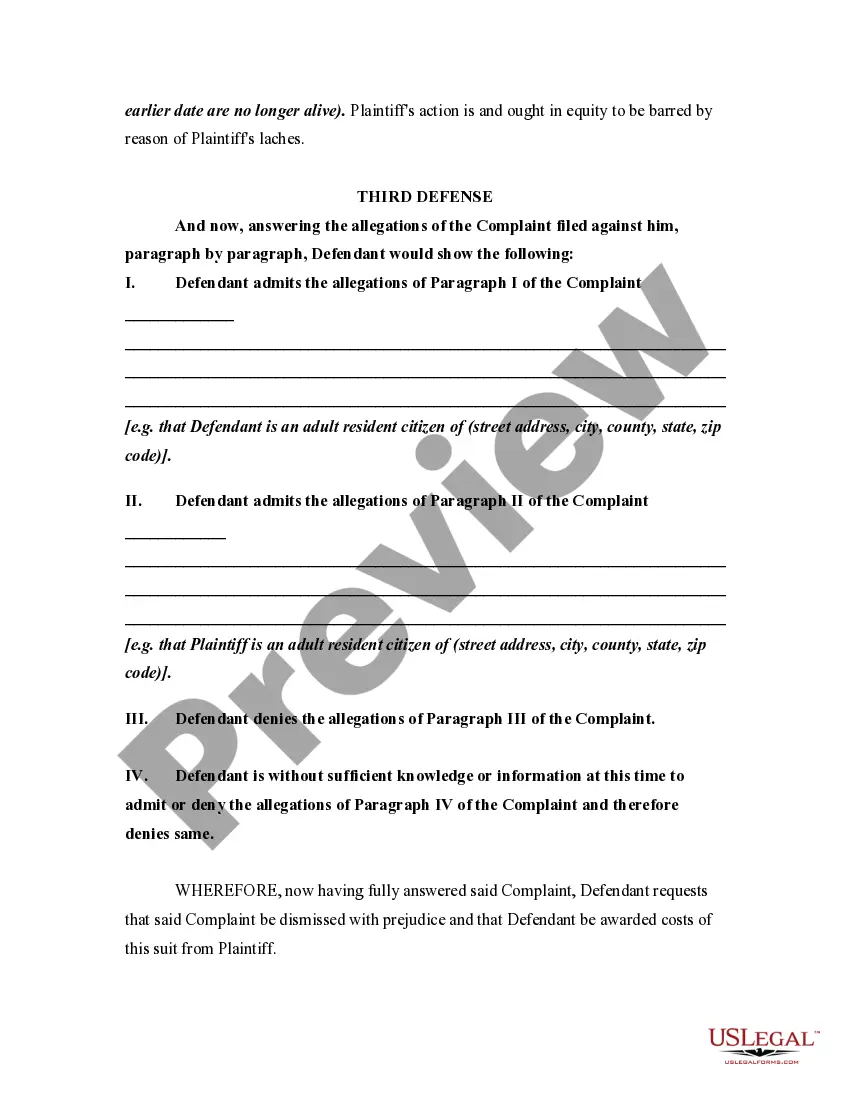
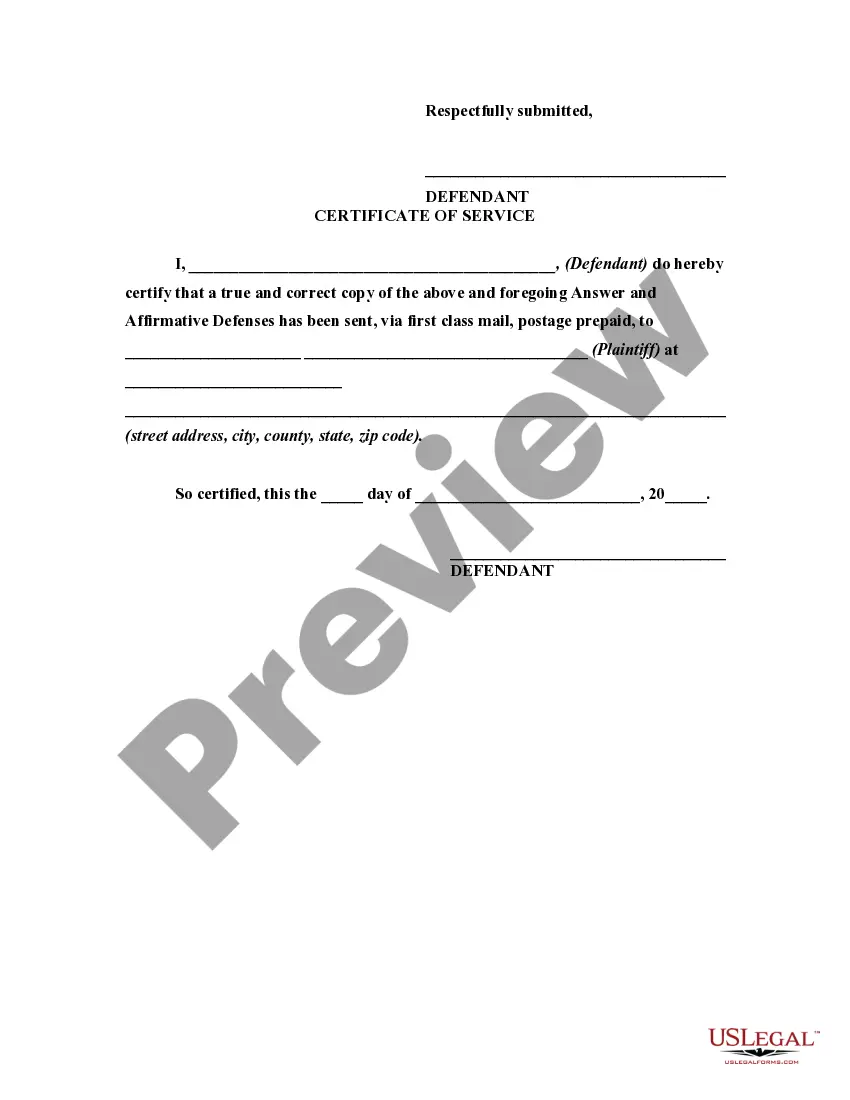
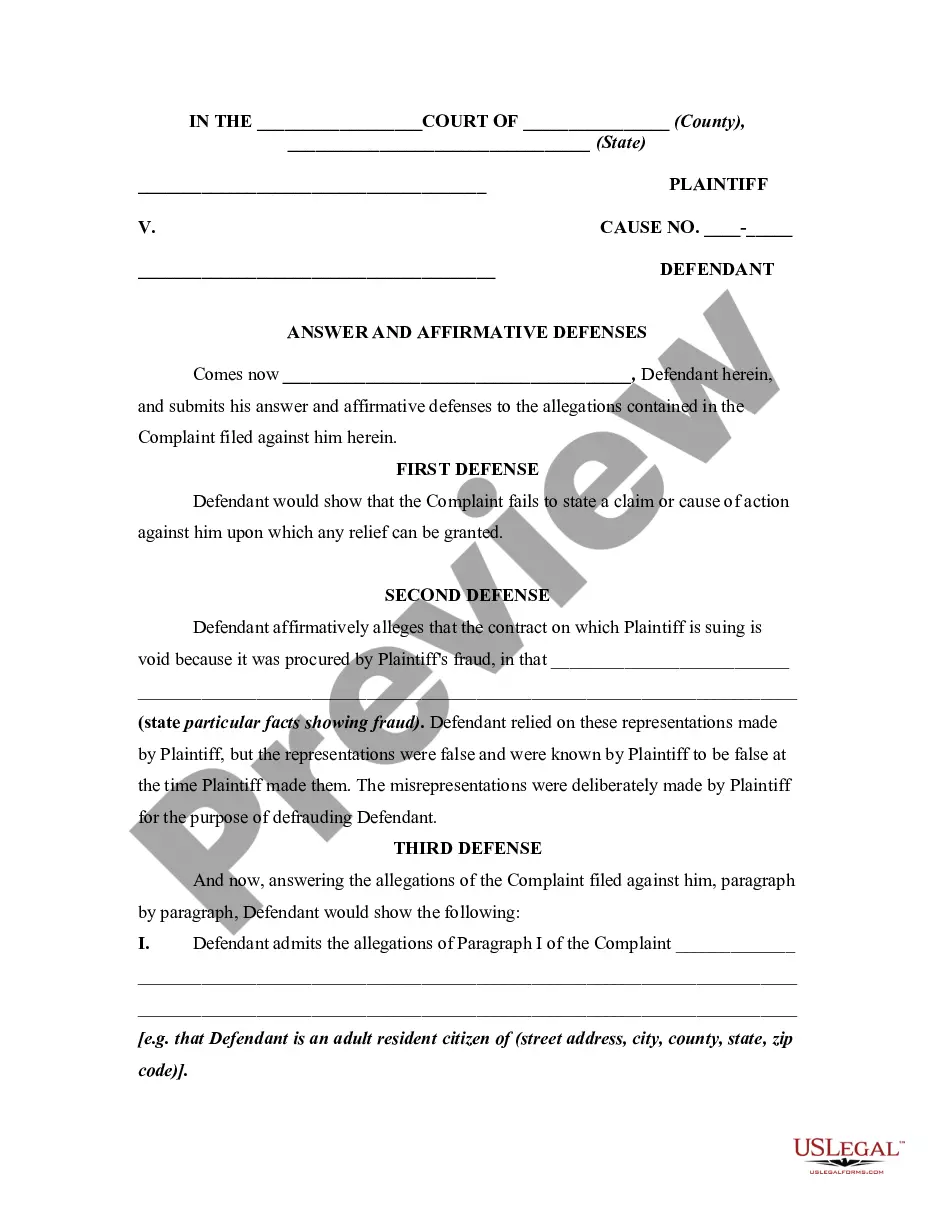
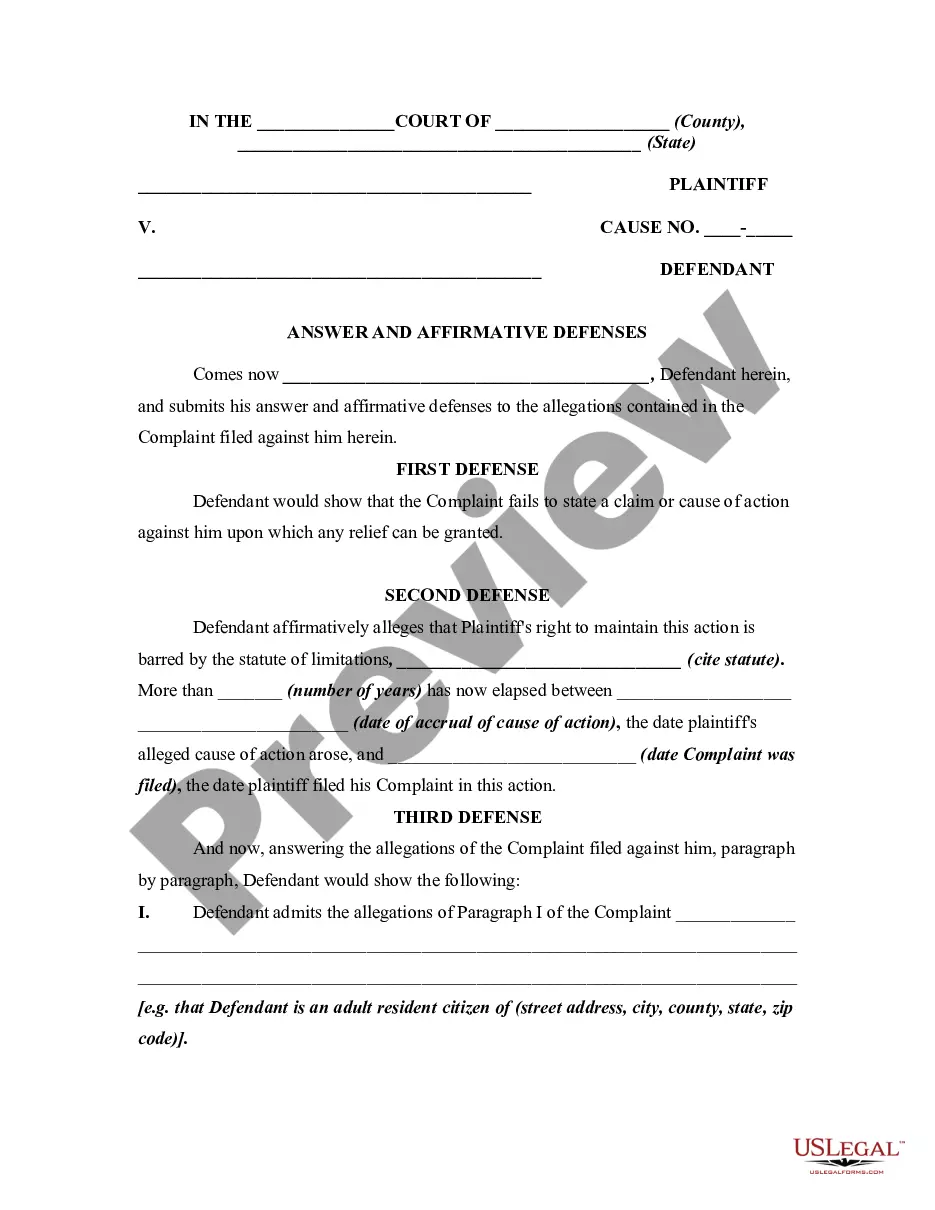
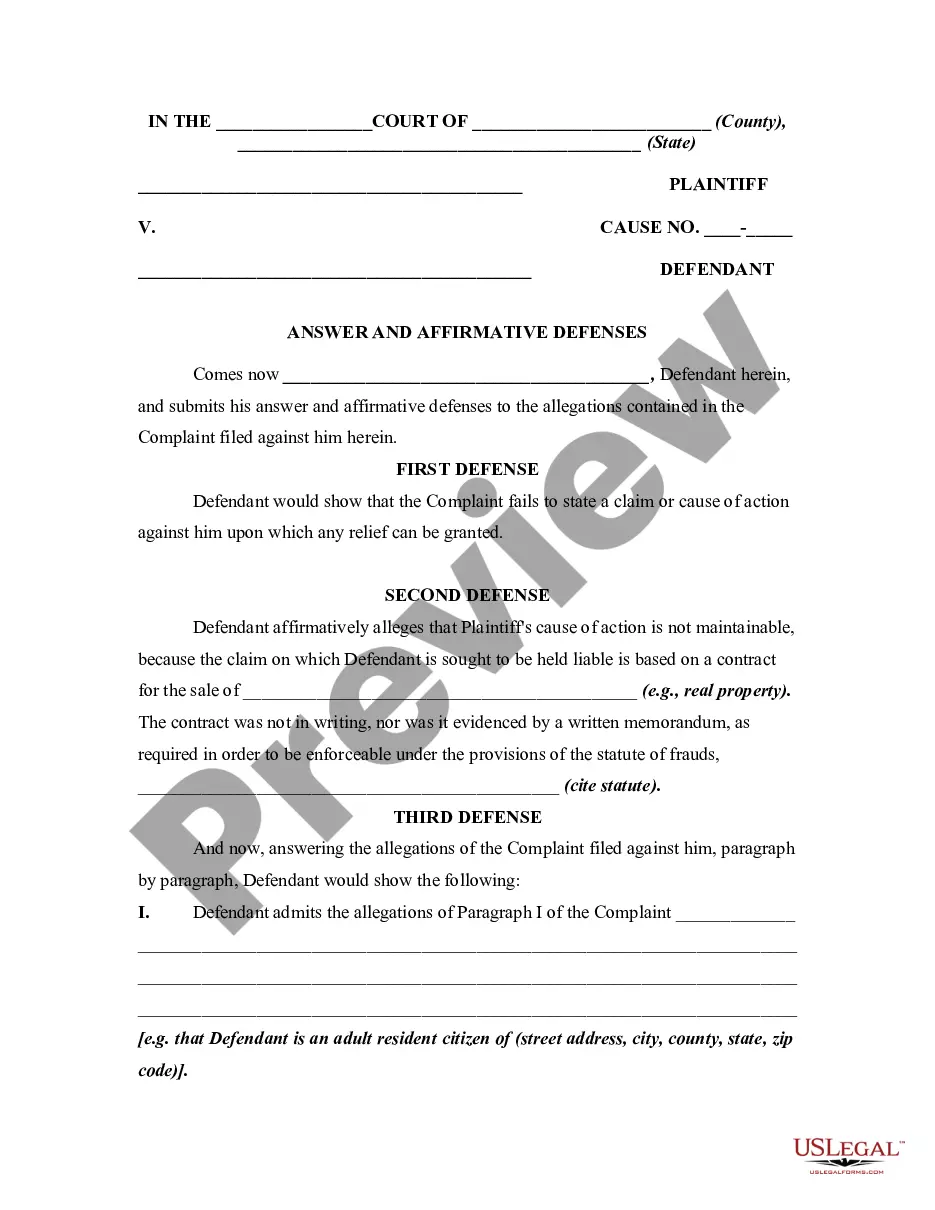
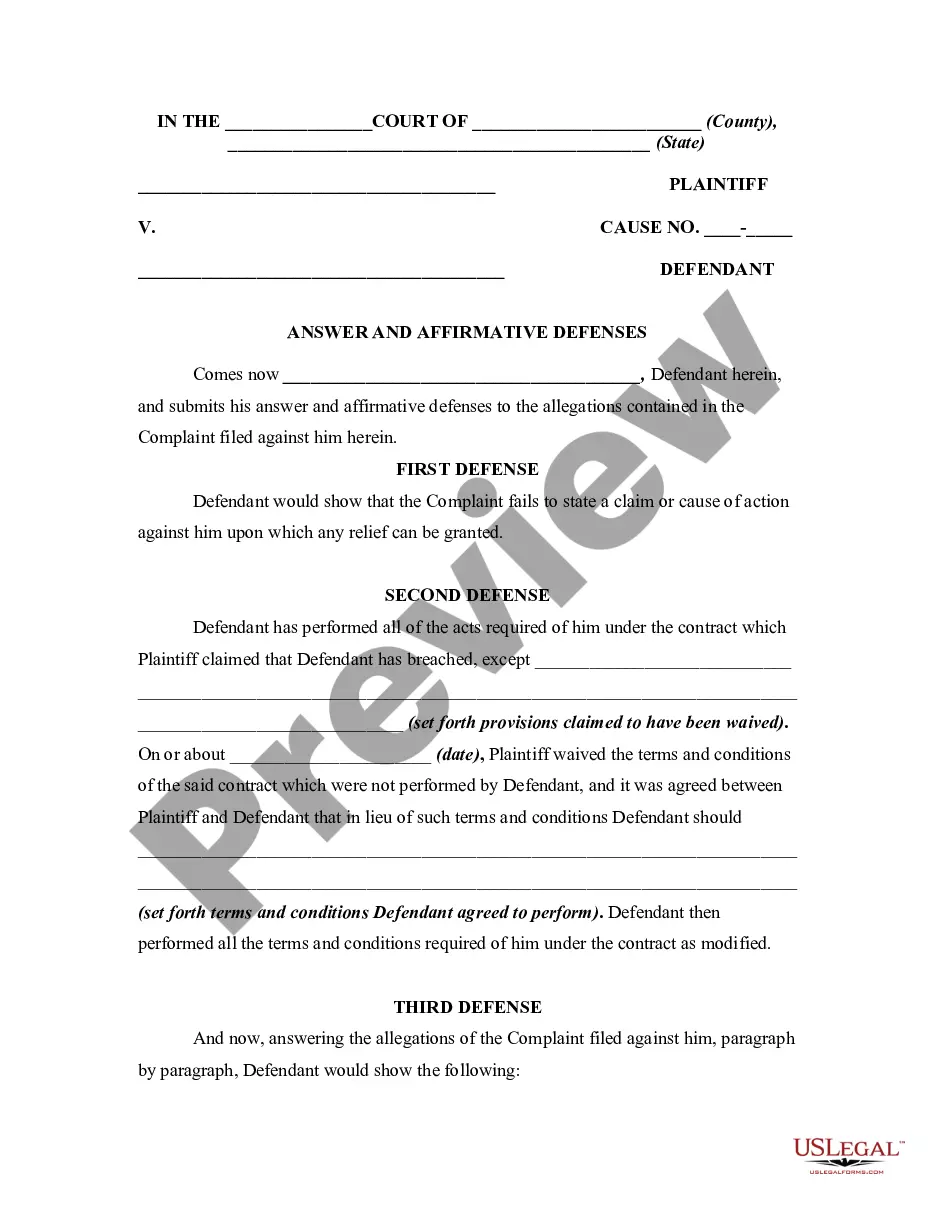
Get your form ready online
Our built-in tools help you complete, sign, share, and store your documents in one place.
Make edits, fill in missing information, and update formatting in US Legal Forms—just like you would in MS Word.
Download a copy, print it, send it by email, or mail it via USPS—whatever works best for your next step.
Sign and collect signatures with our SignNow integration. Send to multiple recipients, set reminders, and more. Go Premium to unlock E-Sign.
If this form requires notarization, complete it online through a secure video call—no need to meet a notary in person or wait for an appointment.
We protect your documents and personal data by following strict security and privacy standards.

Make edits, fill in missing information, and update formatting in US Legal Forms—just like you would in MS Word.

Download a copy, print it, send it by email, or mail it via USPS—whatever works best for your next step.

Sign and collect signatures with our SignNow integration. Send to multiple recipients, set reminders, and more. Go Premium to unlock E-Sign.

If this form requires notarization, complete it online through a secure video call—no need to meet a notary in person or wait for an appointment.

We protect your documents and personal data by following strict security and privacy standards.
Looking for another form?

How to fill out Answer By Defendant In A Civil Lawsuit Alleging The Affirmative Defense Of The Cause Of Action Being Barred By Laches?
- If you are a returning user, log in to your account and download the required form by clicking the Download button. Ensure your subscription is current; if not, renew it through your payment plan.
- Review the Preview mode and form details to verify you’ve selected the appropriate template that aligns with your needs and complies with local jurisdiction requirements.
- If the document does not meet your needs, utilize the Search tab above to find an alternative option. Move on only when you find a suitable template.
- Purchase the chosen document by clicking on the Buy Now button and selecting your preferred subscription plan. You’ll need to create an account to access the library resources.
- Complete your transaction by entering your credit card details or opting for PayPal to finalize your subscription.
- Download the necessary form to your device for completion, and access it anytime via the My Forms section of your profile.
In conclusion, US Legal Forms provides a robust collection of over 85,000 editable legal documents, making it easier for individuals and attorneys to manage their legal needs efficiently. With access to premium experts for assistance, you can ensure that your legal documents are accurate and conform to the law.
Get started with US Legal Forms today and simplify your civil lawsuit actions!
Form popularity
FAQ
Winning a civil lawsuit can be challenging, particularly if you are unfamiliar with legal processes. The outcome of a civil lawsuit action with the US depends on the strength of your evidence and the effectiveness of your legal representation. Additionally, various factors like the complexity of the case and the jurisdiction can impact your chances. To navigate these complexities, consider using US Legal Forms, which provides resources and forms that simplify the process and increase your chances of success.
Determining whether a civil lawsuit is worth it depends on several factors, including the potential recovery and legal costs involved. If you have a strong case and seek justice or a financial remedy, pursuing a civil lawsuit action with the US can be advantageous. Legal resources like USLegalForms can assist you in evaluating your options and streamlining the process.
A civil case generally proceeds through a series of organized stages. After the filing of a complaint, both parties will engage in discovery, exchanging information pertinent to the case. If no settlement is reached, the case will move to trial where evidence and arguments are presented. Understanding the civil lawsuit action with the US provides clarity on what to expect during these stages.
The US legal system is primarily based on common law, not civil law. This means that case law and judicial decisions play a significant role in shaping legal precedents. While some civil matters are addressed, the overall structure is predicated on statutes and regulations. Those looking to engage in a civil lawsuit action with the US should be prepared to navigate this unique legal framework.
In the US court system, a civil case generally follows specific steps. Initially, a complaint is filed, followed by the defendant's response. The parties then engage in discovery to exchange information, and the case can either settle before trial or proceed to court. Being familiar with the civil lawsuit action with the US allows you to anticipate each of these critical steps more confidently.
A civil case typically begins when a plaintiff files a complaint against the defendant. The court then enters the case into its docket and sets deadlines for filing documents. Through a series of motions, discovery, and possibly settlement negotiations, the case may go to trial. Understanding the civil lawsuit action with the US helps you grasp the importance of each phase in this journey.
Yes, you can file a lawsuit against the United States under specific circumstances. This process often falls under the Federal Tort Claims Act, which allows individuals to seek compensation for certain wrongful acts committed by federal employees. However, filing a civil lawsuit action with the US against the government requires careful consideration of procedural rules and limitations.
The procedure used to try a civil case usually involves several stages. First, both parties gather evidence and file necessary documents to establish their claims or defenses. Then, the court schedules a trial where each party presents their arguments, witnesses, and evidence. It is essential to understand the civil lawsuit action with the US to navigate these steps effectively.
A civil action often involves disputes between individuals or organizations. For example, a person may file a civil lawsuit action with the US if another party fails to fulfill a contract. In this case, the plaintiff seeks compensation for damages incurred due to the breach. Using platforms like USLegalForms can help you navigate the process and prepare necessary documents efficiently.
To file a civil lawsuit action with the US, start by drafting a complaint that outlines your claim, identifying both parties and the relief sought. Once you file this document with the appropriate court, you must serve the defendant. Using intuitive platforms like US Legal Forms can guide you through this complex process, providing necessary templates and advice to ensure you follow the correct procedures.