Lawsuit Answer Interrogatories With Defendant
Description
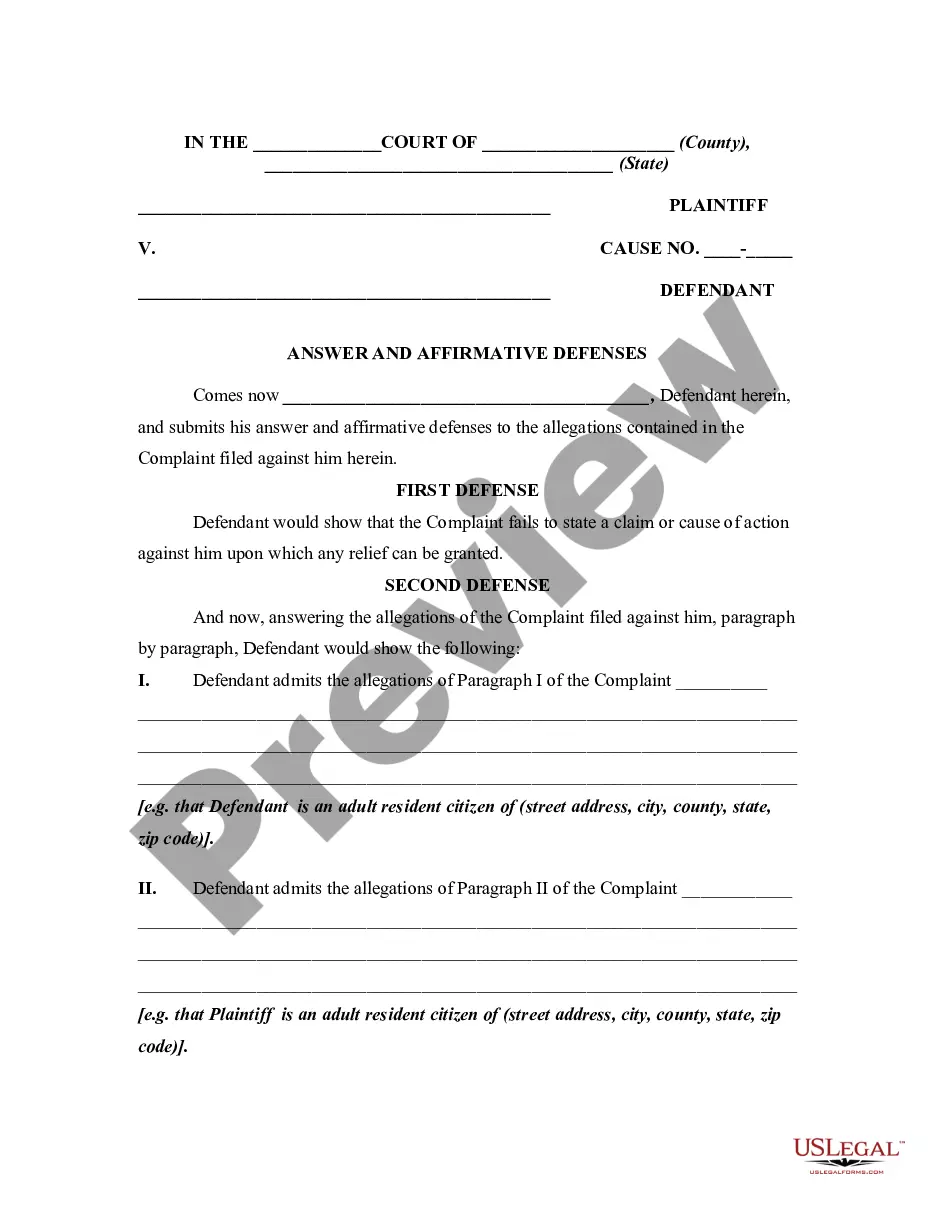
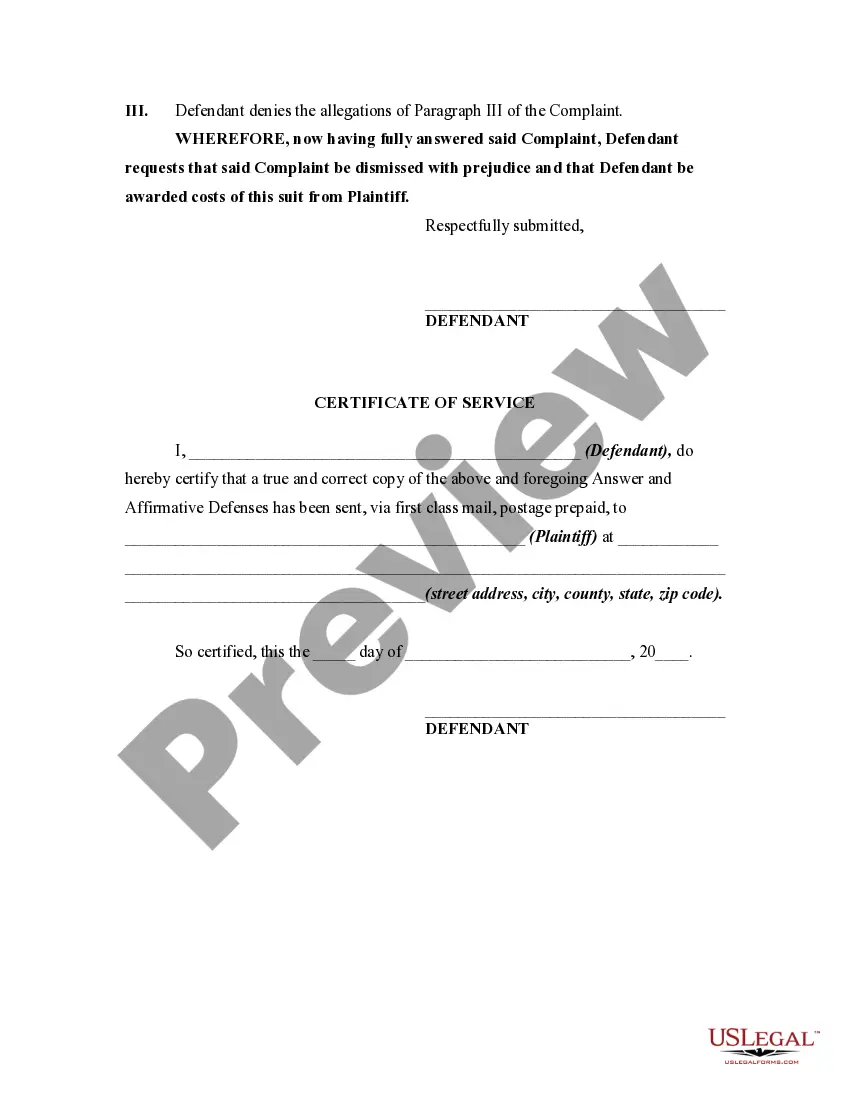
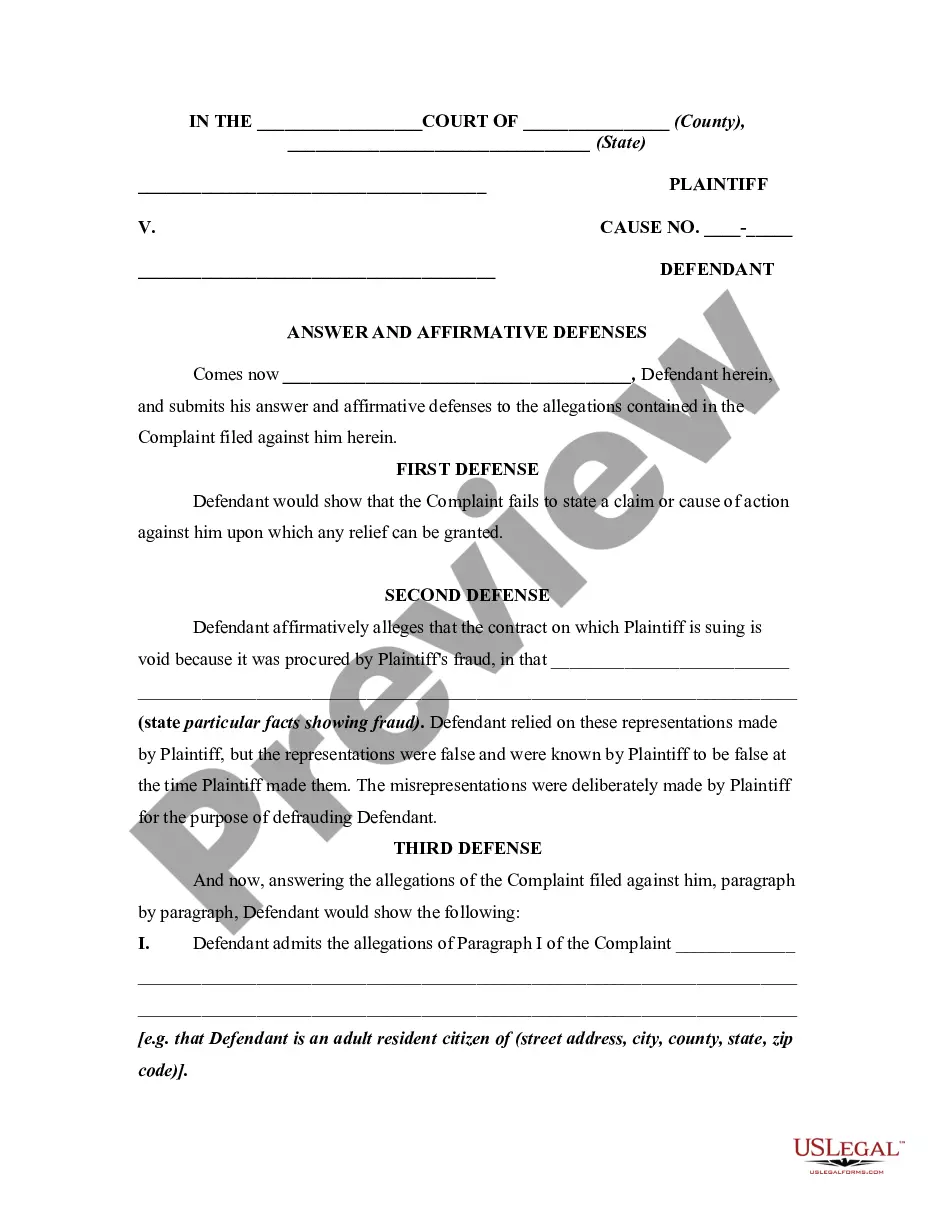
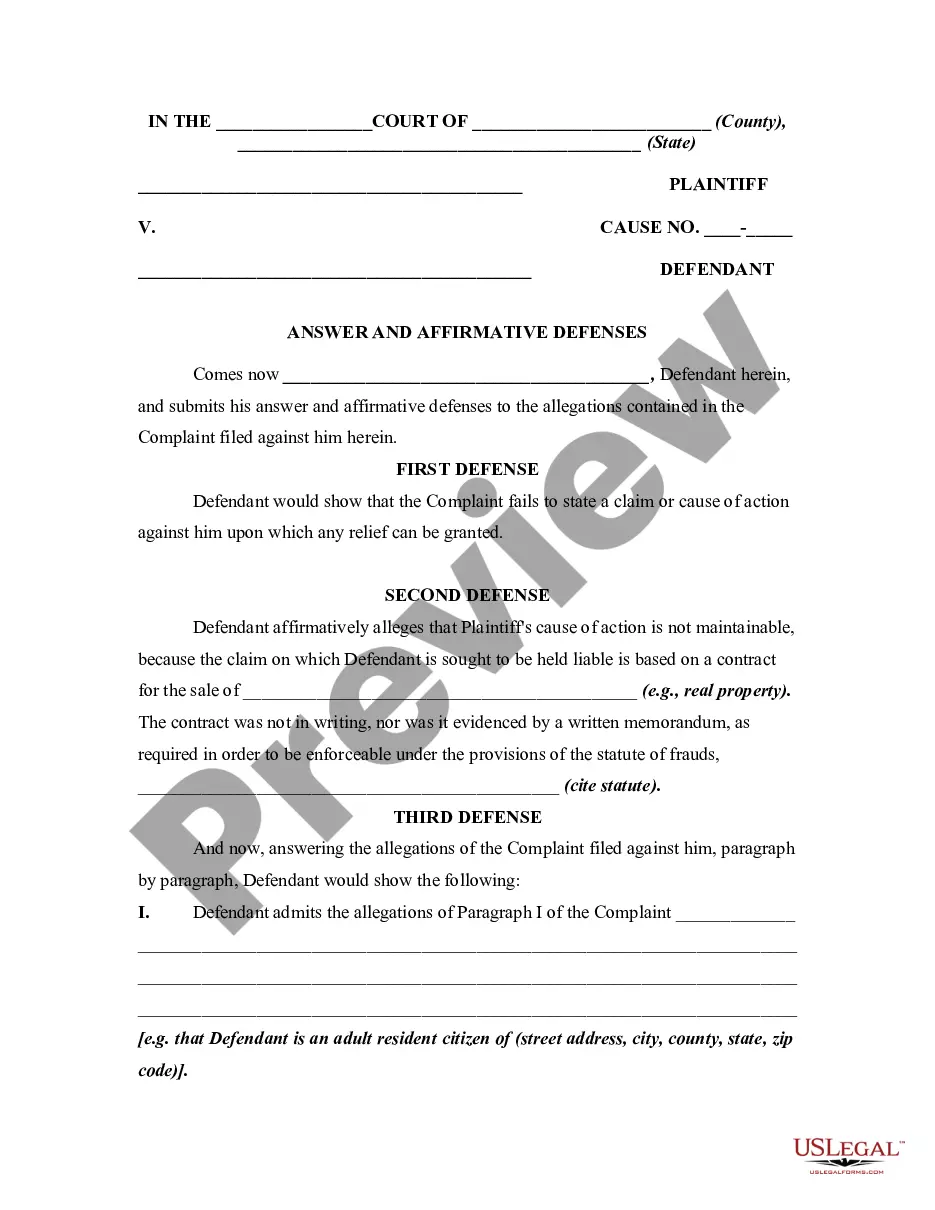
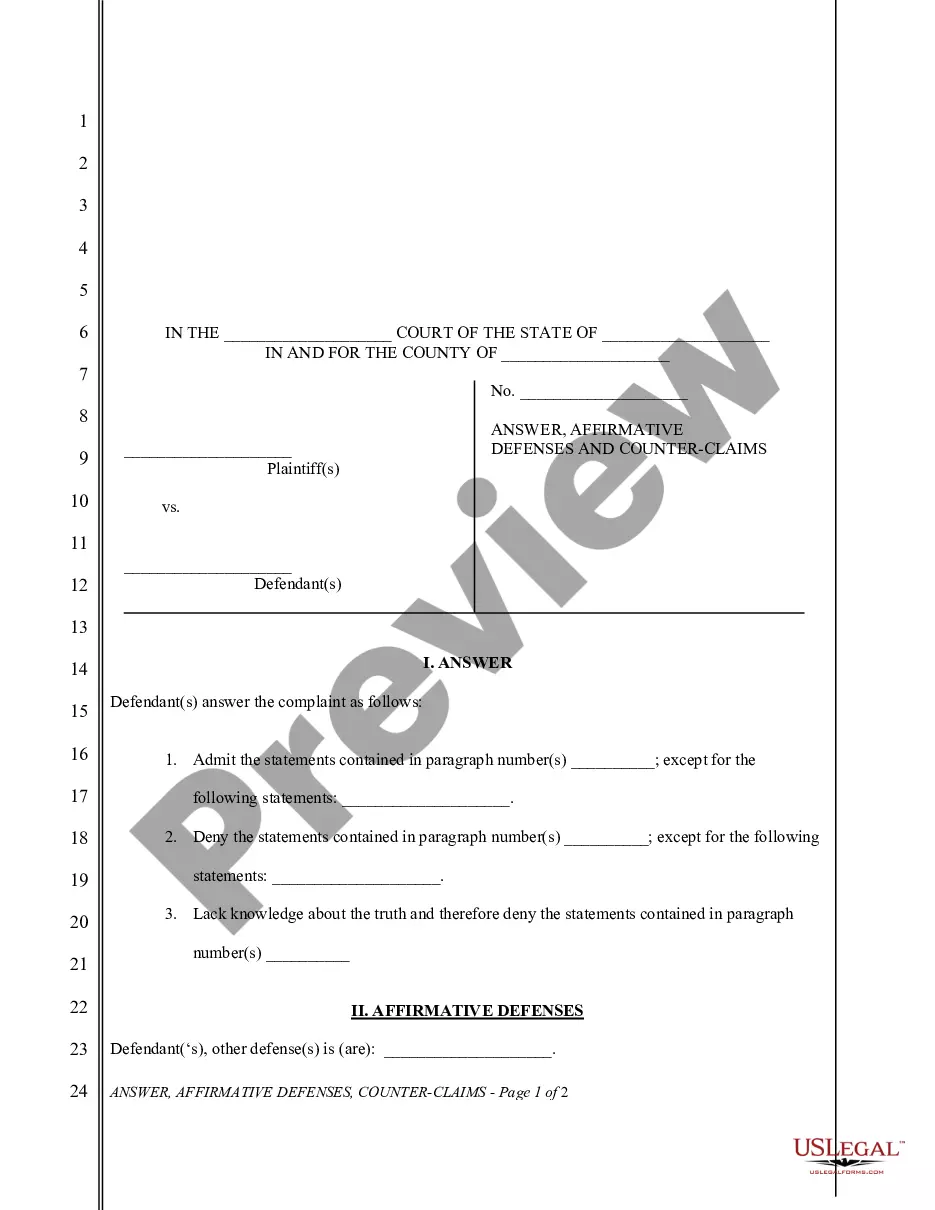
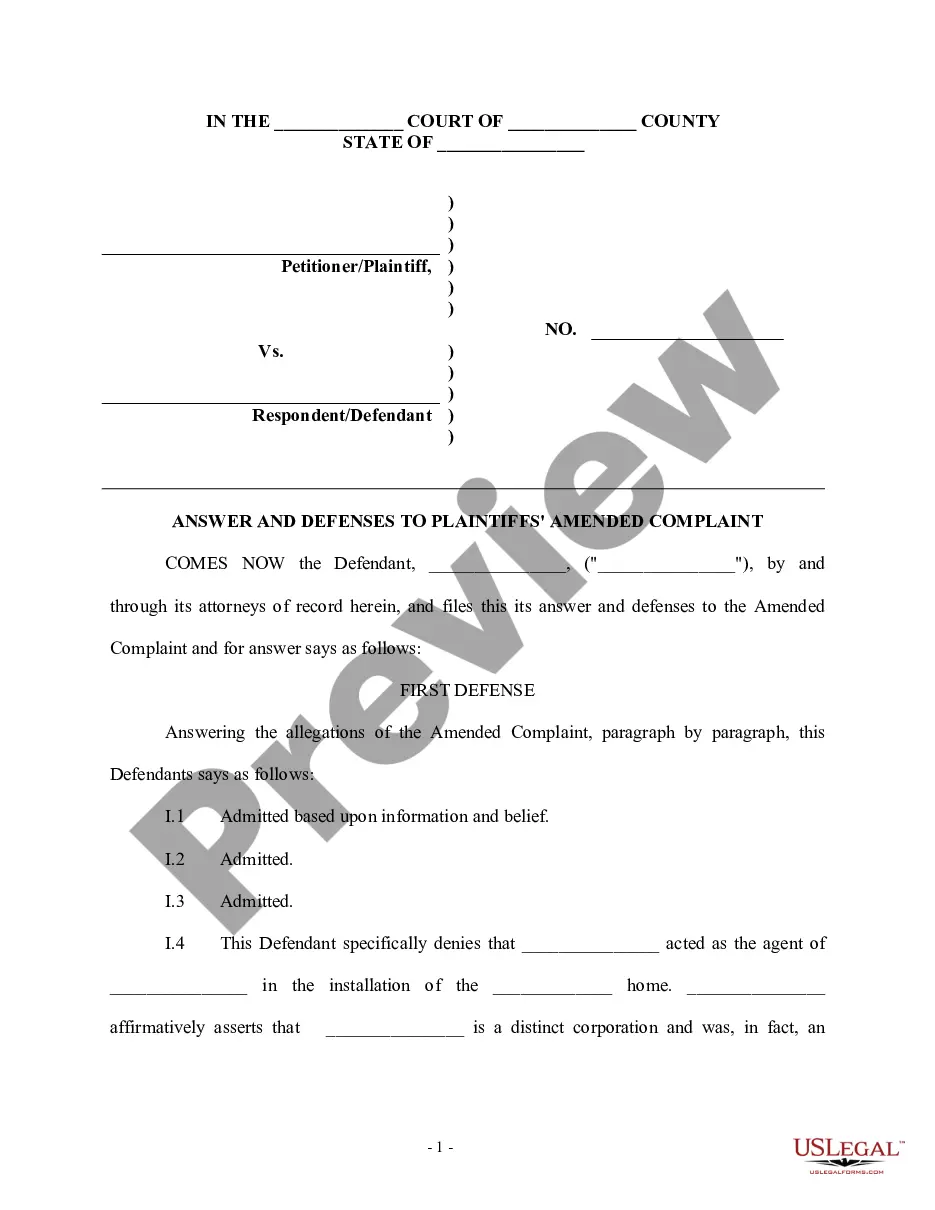
How to fill out General Form Of An Answer By Defendant In A Civil Lawsuit?
Handling legal documents and processes can be an exhaustive addition to your daily routine.
Lawsuit Response Interrogatories With Respondent and forms of that nature typically necessitate that you search for them and comprehend how to fill them out correctly.
For this reason, whether you are managing financial, legal, or personal issues, having a thorough and functional online catalog of forms readily available will significantly help.
US Legal Forms is the premier online source of legal templates, offering over 85,000 state-specific forms along with various resources to assist you in completing your documents effortlessly.
Is this your first experience using US Legal Forms? Register and create an account in a matter of minutes, and you will gain access to the form catalog and Lawsuit Response Interrogatories With Respondent. Then, follow the steps outlined below to complete your form: Ensure you have located the correct form by utilizing the Preview feature and reviewing the form details. Select Buy Now when ready, and choose the monthly subscription plan that suits you best. Click Download, then fill out, sign, and print the form. US Legal Forms boasts twenty-five years of expertise assisting clients with their legal documents. Find the form you need today and streamline any procedure effortlessly.
- Explore the collection of suitable documents available to you with a simple click.
- US Legal Forms provides state- and county-specific forms available for download at any time.
- Safeguard your document management processes with exceptional support that enables you to prepare any form in minutes without extra or hidden fees.
- Just Log In to your account, locate Lawsuit Response Interrogatories With Respondent, and obtain it instantly from the My documents section.
- You can also retrieve previously saved forms.
Form popularity
FAQ
Answer only the question that is asked, and avoid the temptation to over-explain your answer. If the question contains several parts, you may break your answer into parts as well. It is also possible that you might object to the question.
Generally, interrogatories are objectionable if they seek information that is not within the scope of discovery as defined in Maryland Rule 402 or Federal Rule 26(b). These are typically requests that are not relevant, unduly burdensome, broad, vague, privileged. or protected by the work product doctrine.
You have 30 days to respond to Form Interrogatories. If you were served by mail, you typically have 35 days from the date of mailing to respond. In eviction (unlawful detainer) cases the time is much shorter. In eviction cases you have 5 days to respond, or typically 10 days from the date of mailing if served by mail.
You have to respond to interrogatories in writing to the best of your ability. If you do not answer an interrogatory question, and then the other side learns that you did in fact know the answer, it could have a negative impact on your case at trial.
You can use interrogatories to find out facts about a case but they cannot be used for questions that draw a legal conclusion.