General Civil Rules
Description
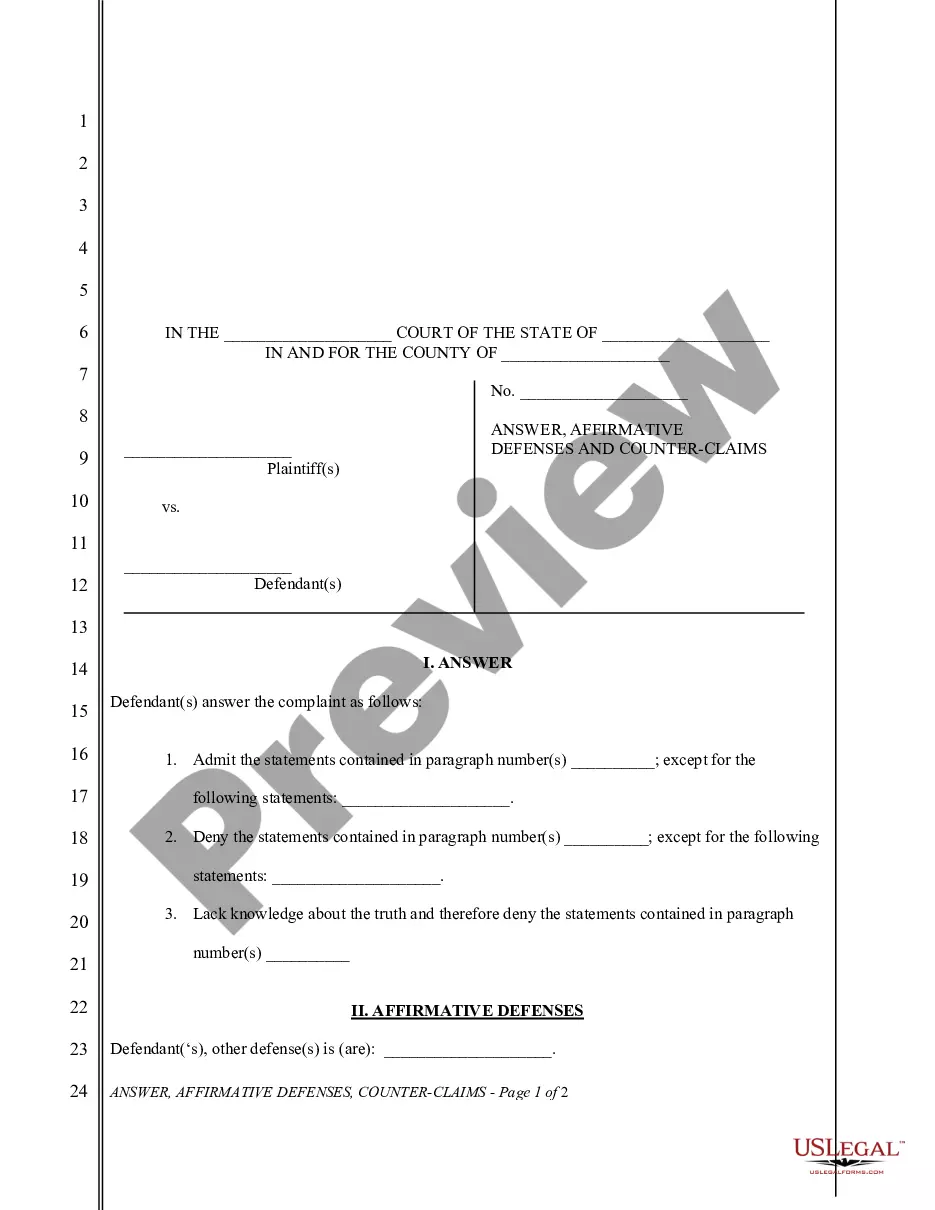
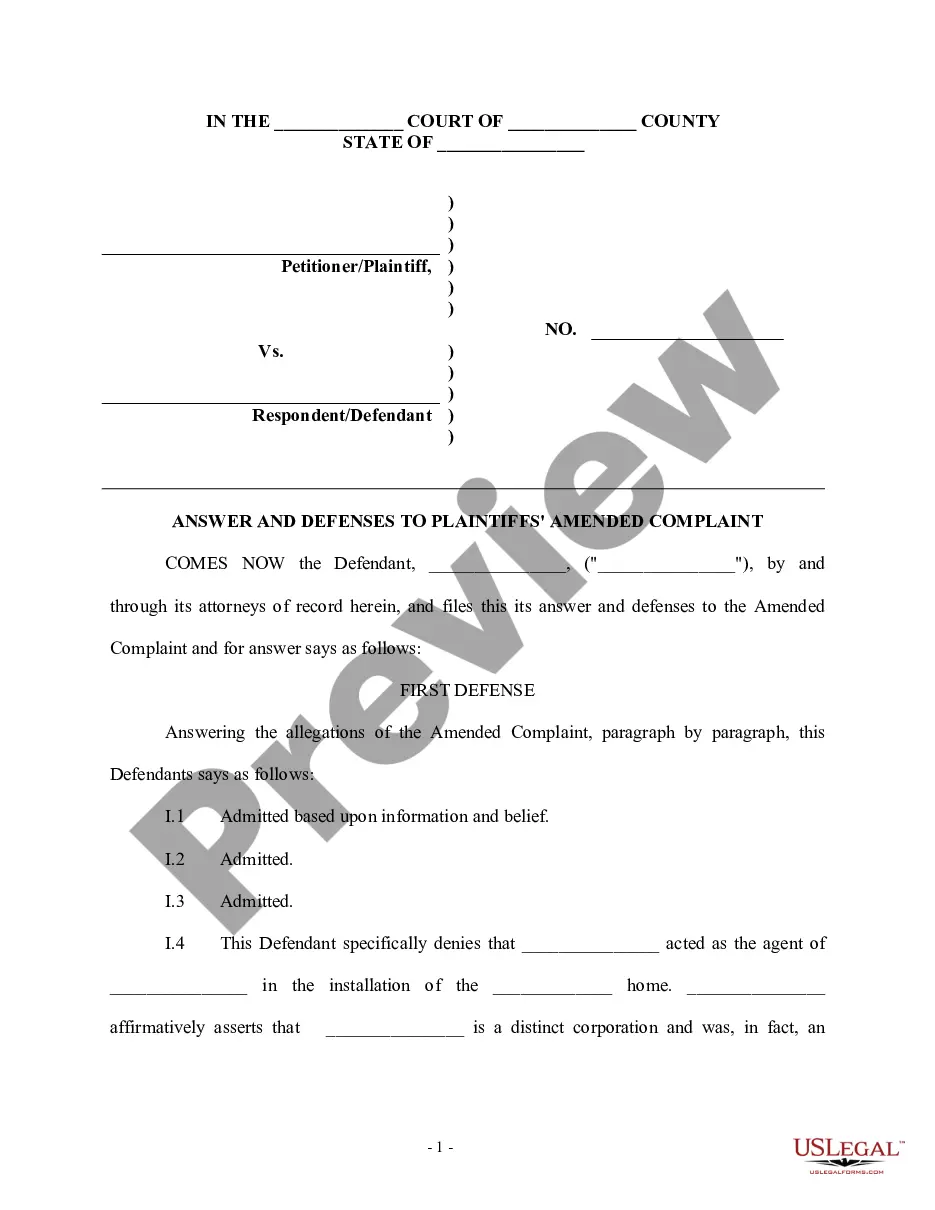
Get your form ready online
Our built-in tools help you complete, sign, share, and store your documents in one place.
Make edits, fill in missing information, and update formatting in US Legal Forms—just like you would in MS Word.
Download a copy, print it, send it by email, or mail it via USPS—whatever works best for your next step.
Sign and collect signatures with our SignNow integration. Send to multiple recipients, set reminders, and more. Go Premium to unlock E-Sign.
If this form requires notarization, complete it online through a secure video call—no need to meet a notary in person or wait for an appointment.
We protect your documents and personal data by following strict security and privacy standards.

Make edits, fill in missing information, and update formatting in US Legal Forms—just like you would in MS Word.

Download a copy, print it, send it by email, or mail it via USPS—whatever works best for your next step.

Sign and collect signatures with our SignNow integration. Send to multiple recipients, set reminders, and more. Go Premium to unlock E-Sign.

If this form requires notarization, complete it online through a secure video call—no need to meet a notary in person or wait for an appointment.

We protect your documents and personal data by following strict security and privacy standards.
Looking for another form?










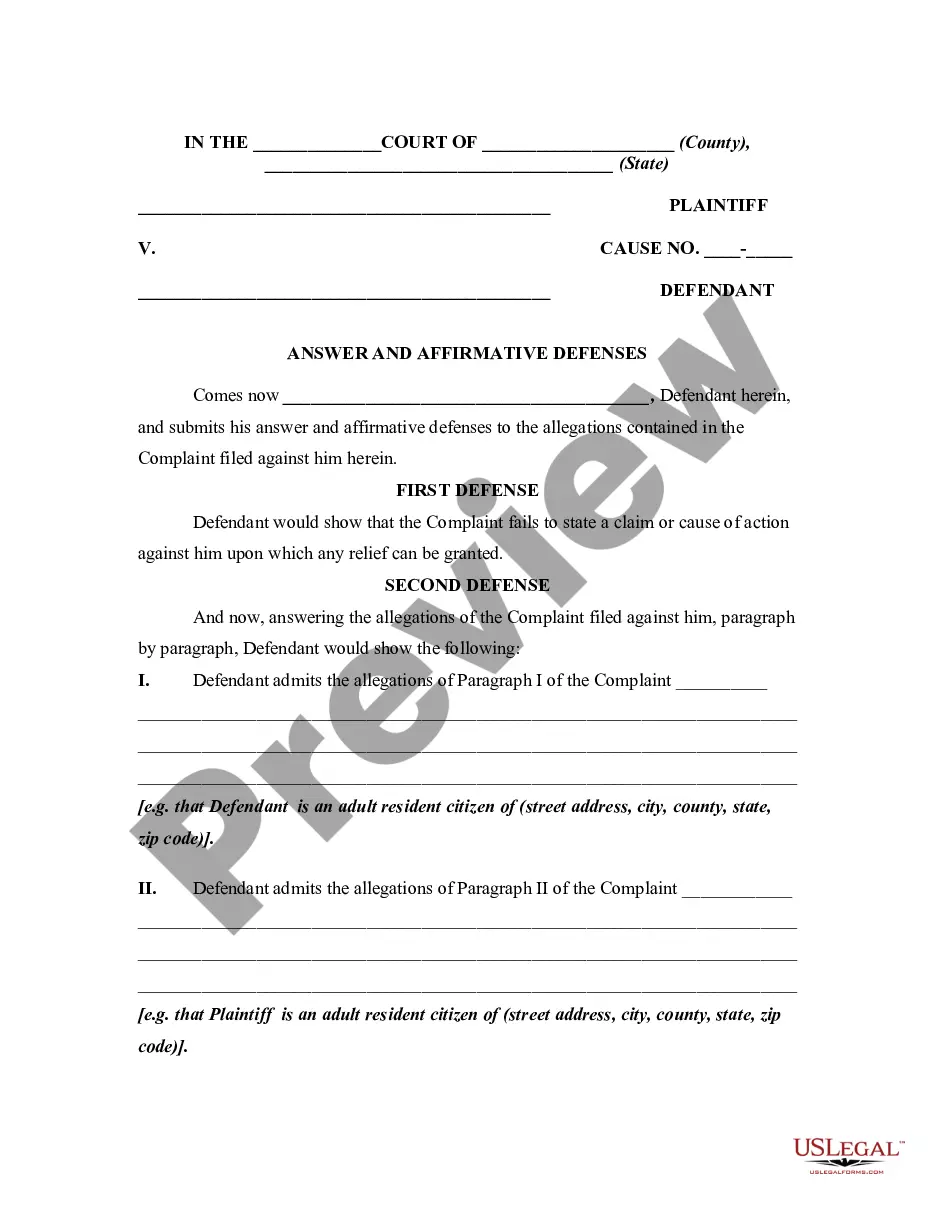
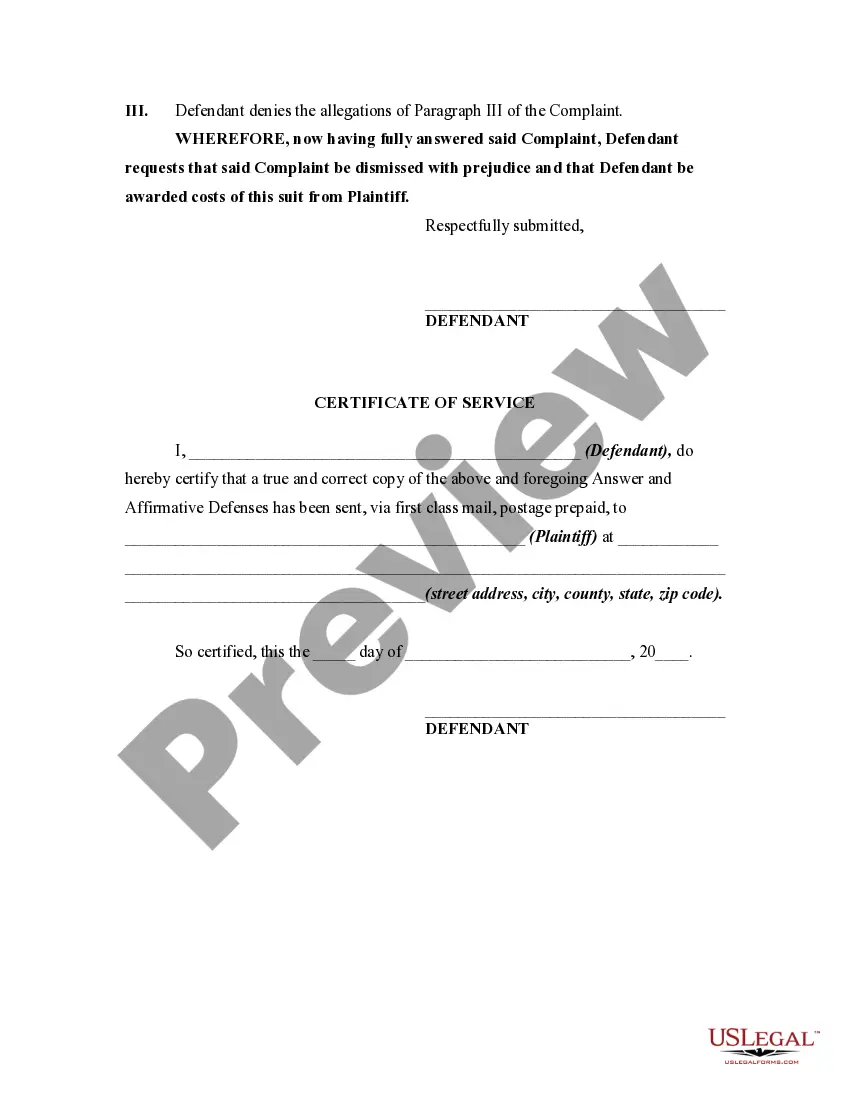
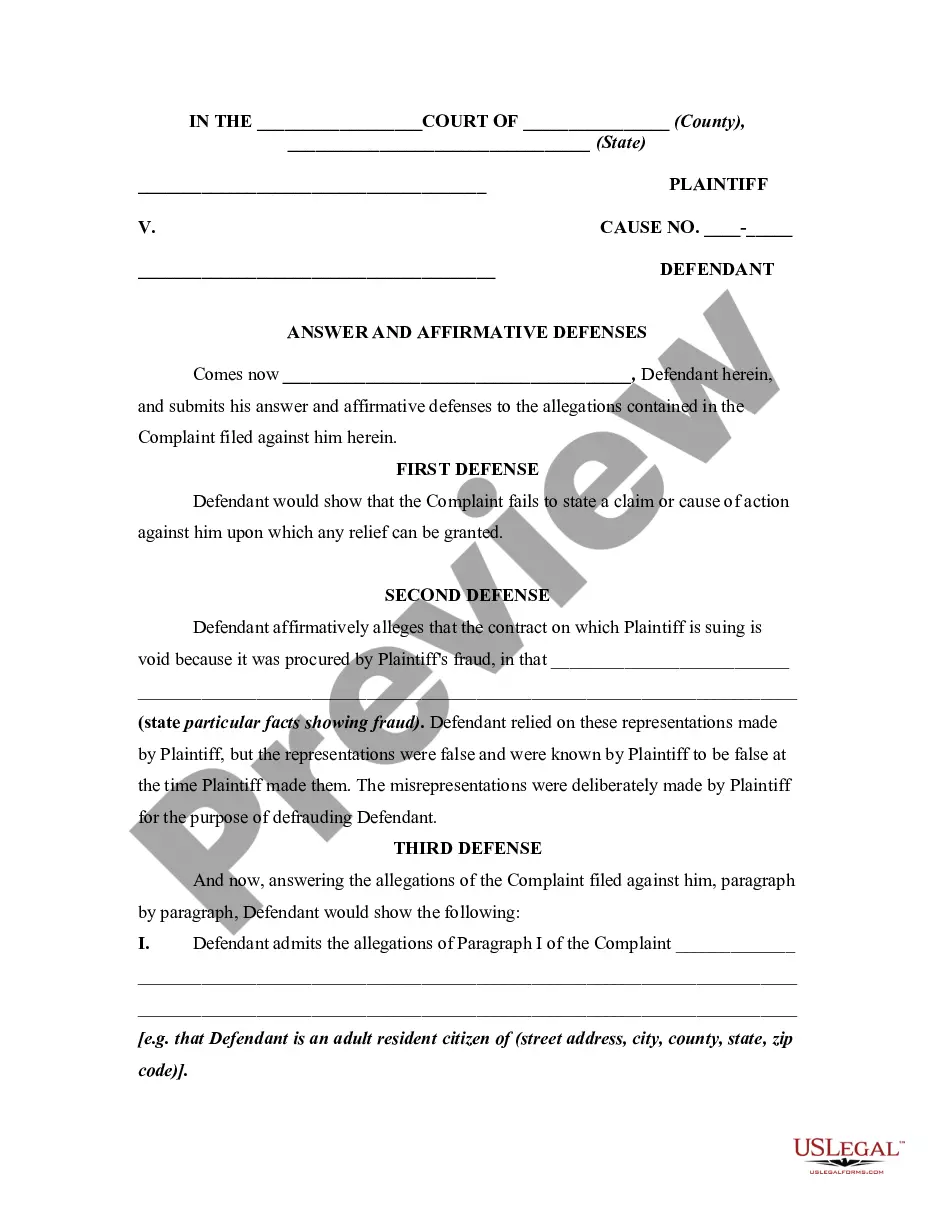
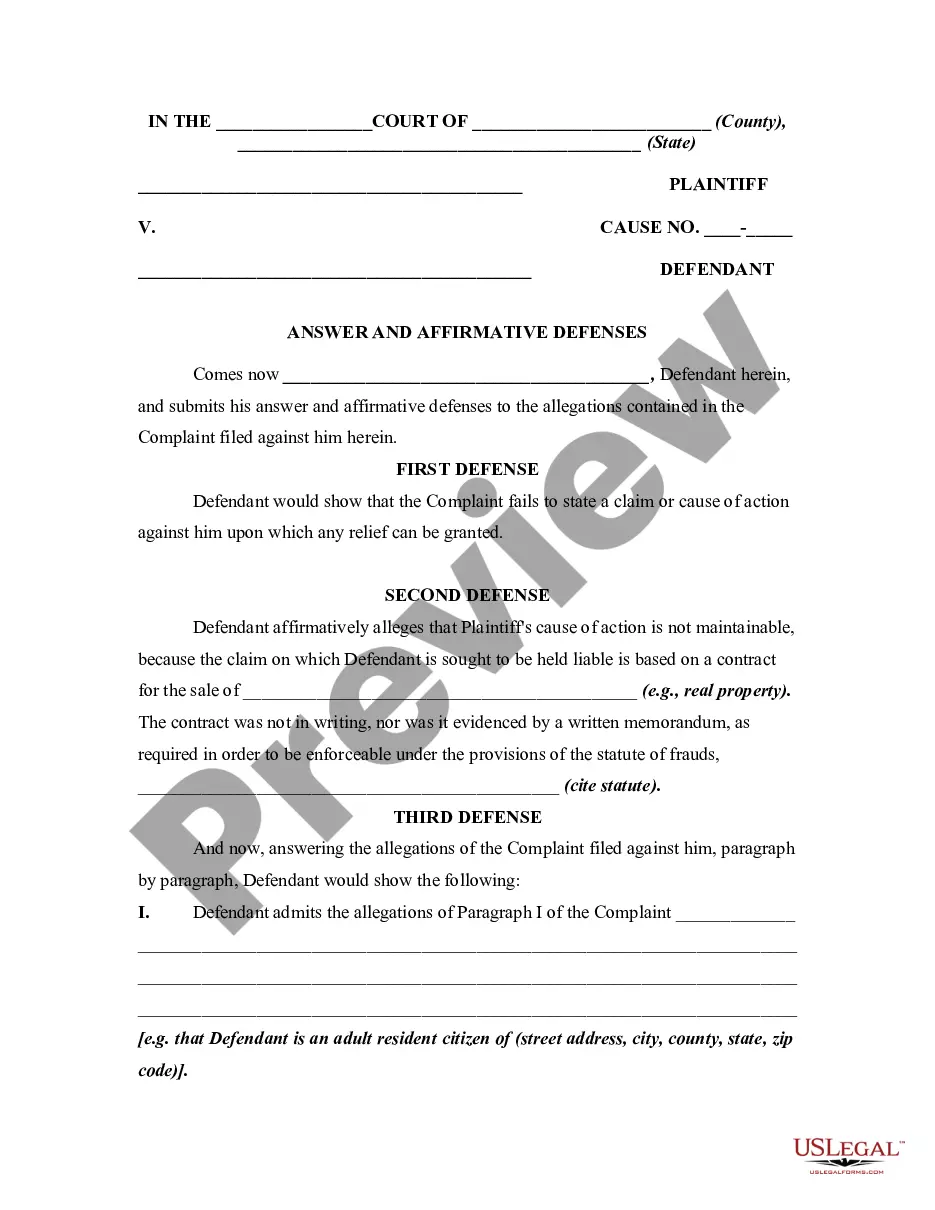
How to fill out General Form Of An Answer By Defendant In A Civil Lawsuit?
The General Civil Guidelines you observe on this page is a reusable legal framework created by experienced attorneys in compliance with federal and local laws.
For over 25 years, US Legal Forms has offered individuals, organizations, and lawyers more than 85,000 validated, state-specific documents for any commercial and personal event. It’s the quickest, easiest, and most reliable approach to acquire the paperwork you require, as the service ensures bank-grade data protection and anti-malware measures.
Select the format you desire for your General Civil Guidelines (PDF, DOCX, RTF) and download the sample onto your device.
- Search for the document you require and examine it.
- Browse the file you sought and preview it or review the form description to confirm it meets your requirements. If it doesn’t, use the search bar to find the correct one. Click Buy Now when you have located the template you need.
- Register and Log In.
- Choose the pricing plan that fits you and create an account. Use PayPal or a credit card for a swift payment. If you already possess an account, Log In and check your subscription to continue.
- Acquire the editable template.
Form popularity
FAQ
In many lawsuits there are several causes of action stated separately, such as fraud, breach of contract, and debt, or negligence and intentional destruction of property.
To sue someone in Massachusetts, you have to file a complaint with the clerk of the court. A complaint is not a specific form. It is a document that contains a short statement of the facts showing your claim and why you are entitled to relief and a demand for judgment granting that relief.
Complete the Civil complaint form fully and neatly. Be sure to provide enough information so the person you are suing knows why he or she is being sued. Once the complaint is completed, you must file it at the correct Magisterial District Court office. Be prepared to pay the filing fees.
In order to properly write a cause of action, several things must be included. The names of the Plaintiff and Defendant. The legal means by which the Plaintiff is bringing the lawsuit. Be sure to only include the facts, not opinions. ... Offer expert opinions and lay out the evidence. ... Request of relief.
Write and file an answer. The ?answer? is your written response to the claims made against you. You must file an answer with the court that issued the summons or citation. If you fail to answer, you could lose the case without ever having the opportunity to tell your side of the story.