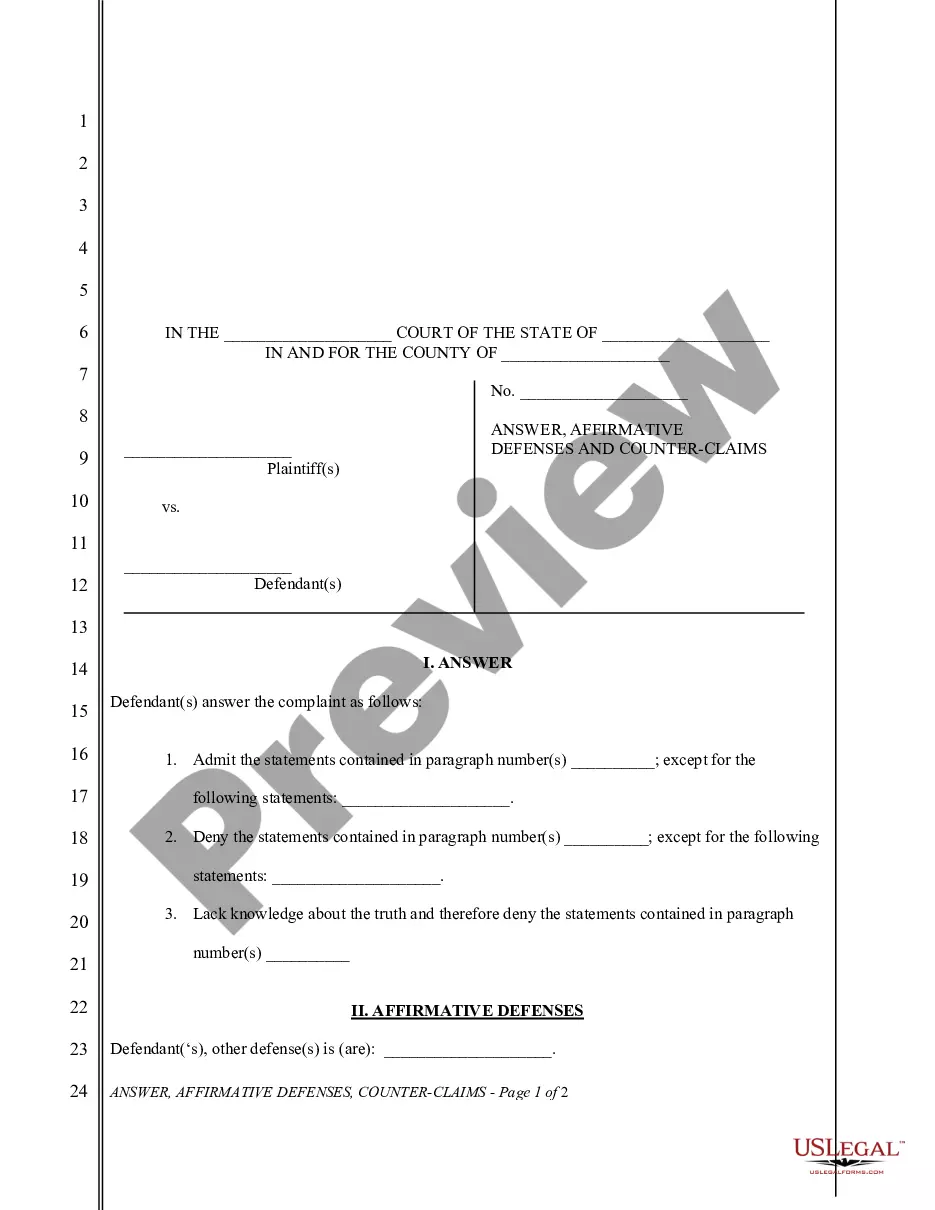
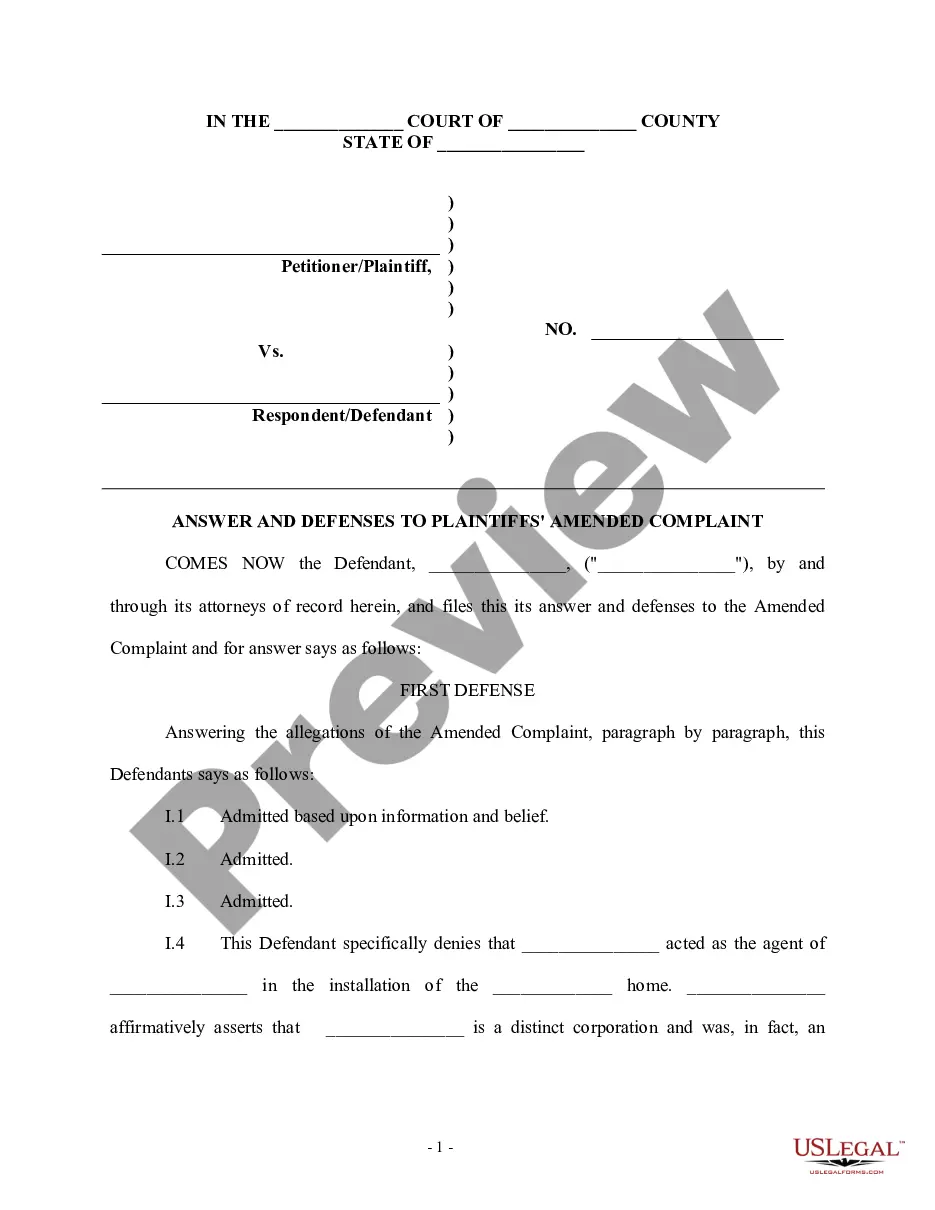
Answer To Debt Collection Lawsuit Example For Texas
Description
Get your form ready online
Our built-in tools help you complete, sign, share, and store your documents in one place.
Make edits, fill in missing information, and update formatting in US Legal Forms—just like you would in MS Word.
Download a copy, print it, send it by email, or mail it via USPS—whatever works best for your next step.
Sign and collect signatures with our SignNow integration. Send to multiple recipients, set reminders, and more. Go Premium to unlock E-Sign.
If this form requires notarization, complete it online through a secure video call—no need to meet a notary in person or wait for an appointment.
We protect your documents and personal data by following strict security and privacy standards.

Make edits, fill in missing information, and update formatting in US Legal Forms—just like you would in MS Word.

Download a copy, print it, send it by email, or mail it via USPS—whatever works best for your next step.

Sign and collect signatures with our SignNow integration. Send to multiple recipients, set reminders, and more. Go Premium to unlock E-Sign.

If this form requires notarization, complete it online through a secure video call—no need to meet a notary in person or wait for an appointment.

We protect your documents and personal data by following strict security and privacy standards.
Looking for another form?
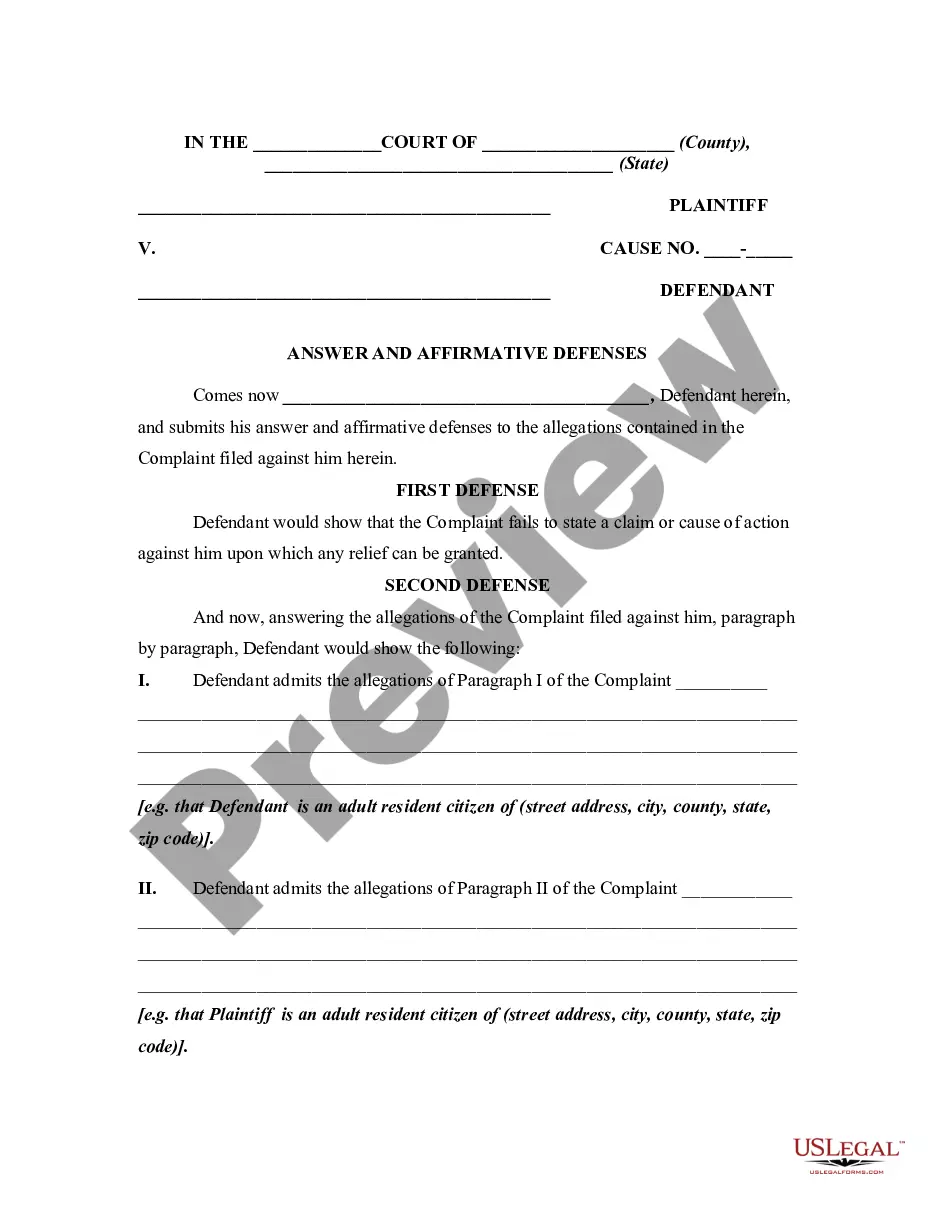
How to fill out General Form Of An Answer By Defendant In A Civil Lawsuit?
Legal management can be exasperating, even for the most seasoned experts.
When you are looking for a Response To Debt Collection Lawsuit Example For Texas and don’t get the opportunity to spend time seeking the suitable and updated version, the process can be overwhelming.
US Legal Forms addresses any requirements you may have, ranging from personal to business documents, all in one place.
Utilize cutting-edge tools to create and manage your Response To Debt Collection Lawsuit Example For Texas.
Here are the steps to follow after acquiring the form you need: Confirm that this is the correct form by previewing it and reviewing its description, ensure that the template is acceptable in your state or county, select Buy Now when you are ready, choose a subscription plan, find the format you require, and Download, complete, sign, print, and submit your documents. Take advantage of the US Legal Forms online library, supported by 25 years of expertise and reliability. Simplify your daily document management into a straightforward and user-friendly process today.
- Access a valuable repository of articles, guides, handbooks, and resources pertinent to your situation and requirements.
- Save time and energy searching for the documents you require, and use US Legal Forms’ advanced search and Review tool to find Response To Debt Collection Lawsuit Example For Texas and download it.
- If you have a subscription, Log In to your US Legal Forms account, locate the form, and download it.
- Check the My documents tab to see the documents you have previously downloaded and to organize your folders as needed.
- If this is your first time using US Legal Forms, create an account and gain unrestricted access to all the benefits of the library.
- A robust online document library can be a significant advantage for anyone wishing to handle these matters effectively.
- US Legal Forms is a leading provider of web-based legal documents, with over 85,000 state-specific legal forms accessible at any time.
- With US Legal Forms, you can access legal and business forms tailored to your state or county.
Form popularity
FAQ
Common debt lawsuit defense strategies include: The defendant has paid the debt. The statute of limitations has passed to collect the debt. The paperwork is missing or has errors. The plaintiff used illegal debt collection practices. The contract is illegal. The defendant is not the account owner.
I am responding to your contact about a debt you are attempting to collect. You contacted me by [phone/mail], on [date]. You identified the debt as [any information they gave you about the debt]. Please stop all communication with me and with this address about this debt.
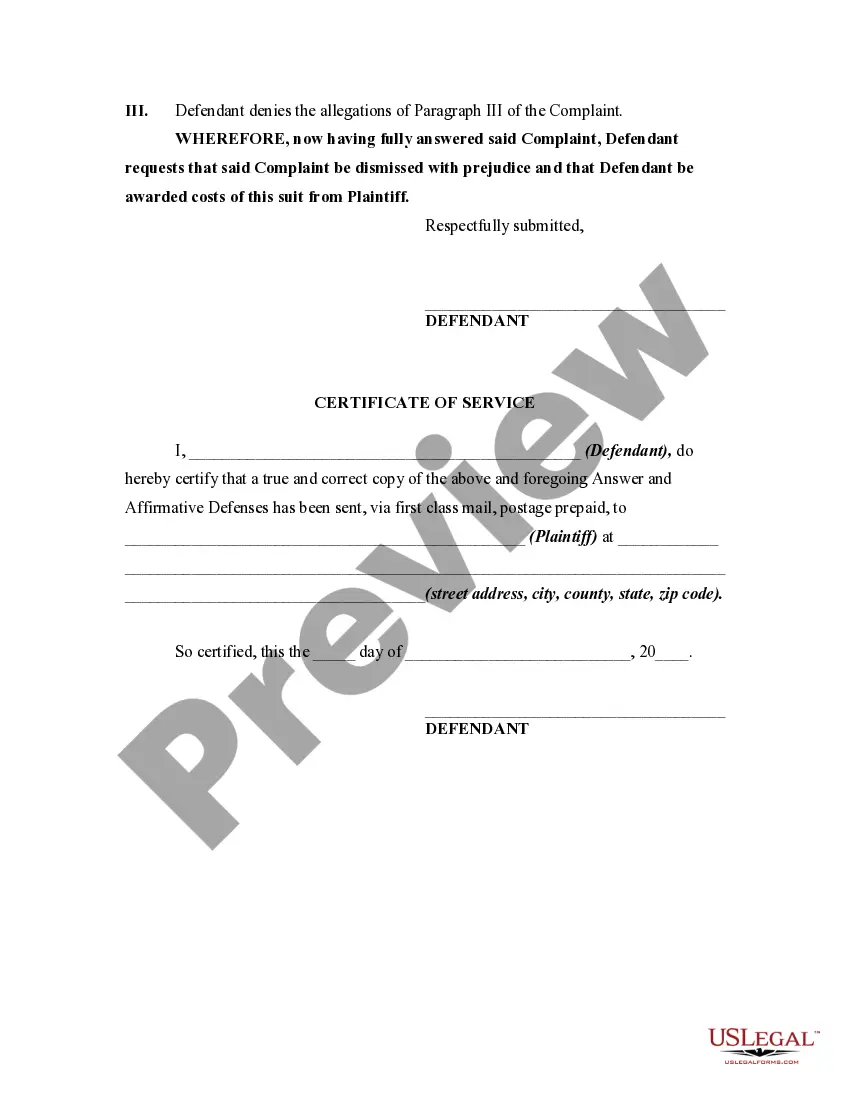
Your answer can be a handwritten letter to the court that says you do not agree with the lawsuit. Include your case (cause) number and mailing address and any defenses you may have to the lawsuit; for example, the amount they claim you owe is incorrect, the account isn't yours, or the debt is older than 4 years.
This is done by putting your request in writing and sending it to the court and to the plaintiff. Once you have been served with the citation, you have 14 days to file an answer, which is your response to your lawsuit. You must give your answer to the court and also send it to the plaintiff.
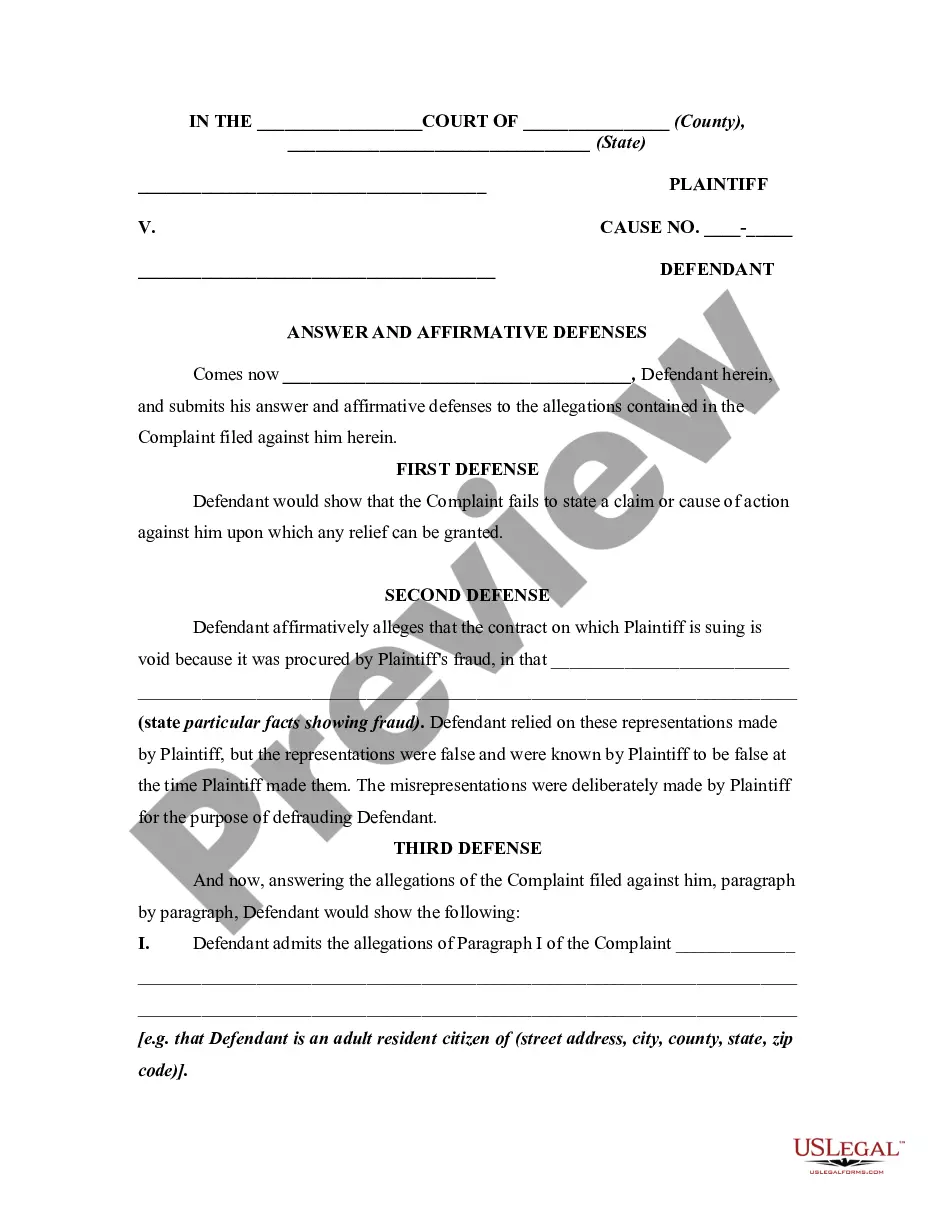
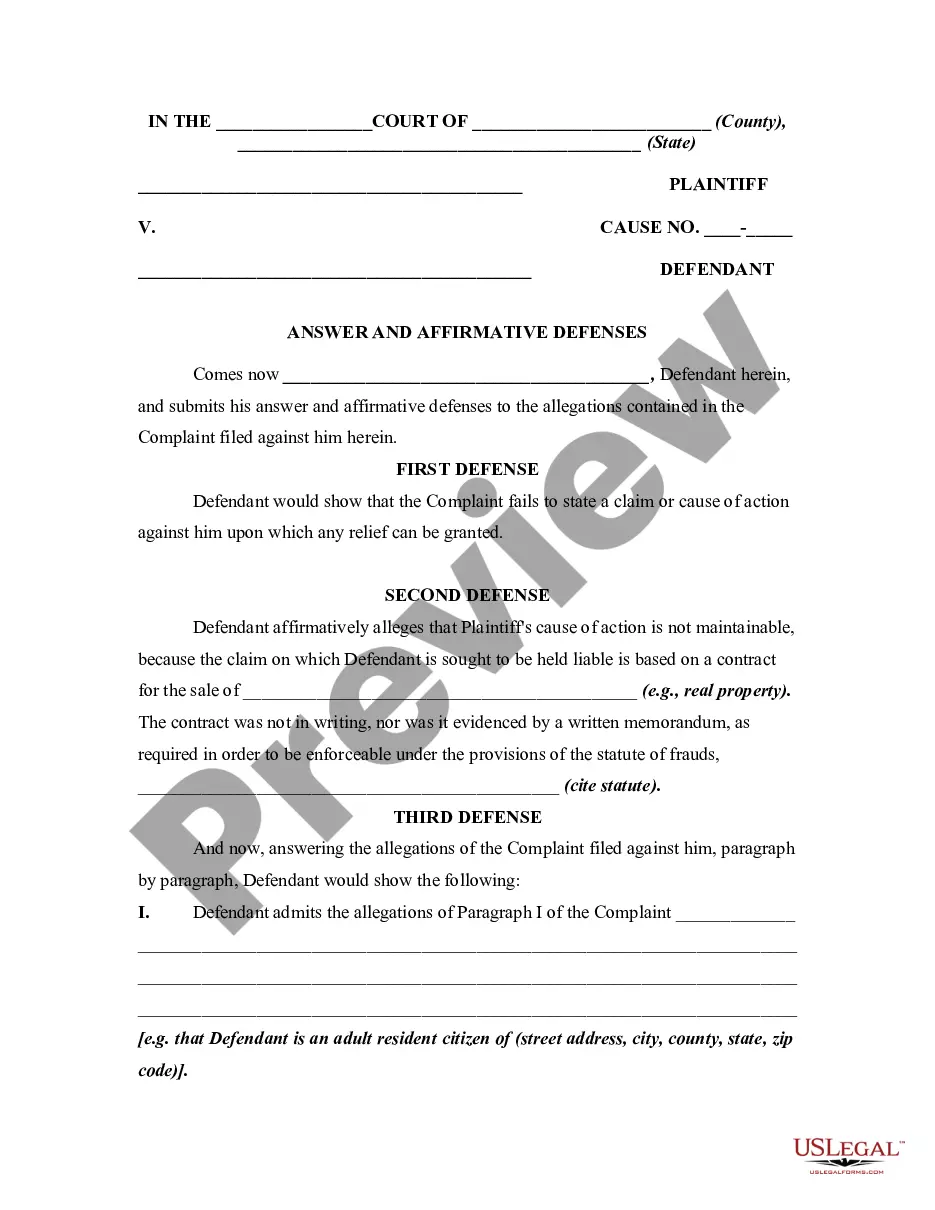
As a rule of thumb, lawyers advise you to deny, deny, deny. Let the plaintiff prove your responsibility for the debt. Include your affirmative defenses: These are reasons why you think the plaintiff is wrong to sue you. Assert your affirmative defenses for each paragraph.