Answer Defendant Lawsuit With The Law
Description
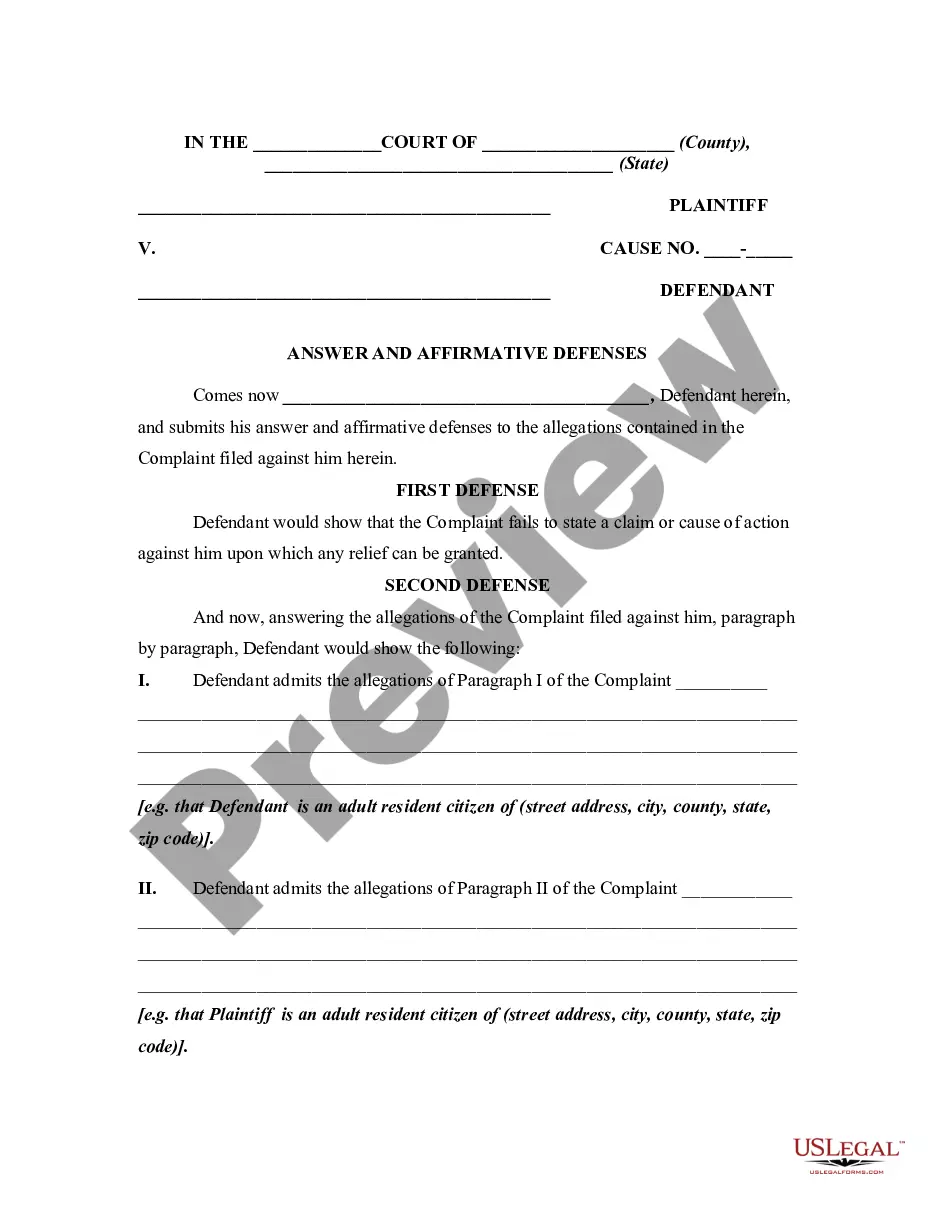
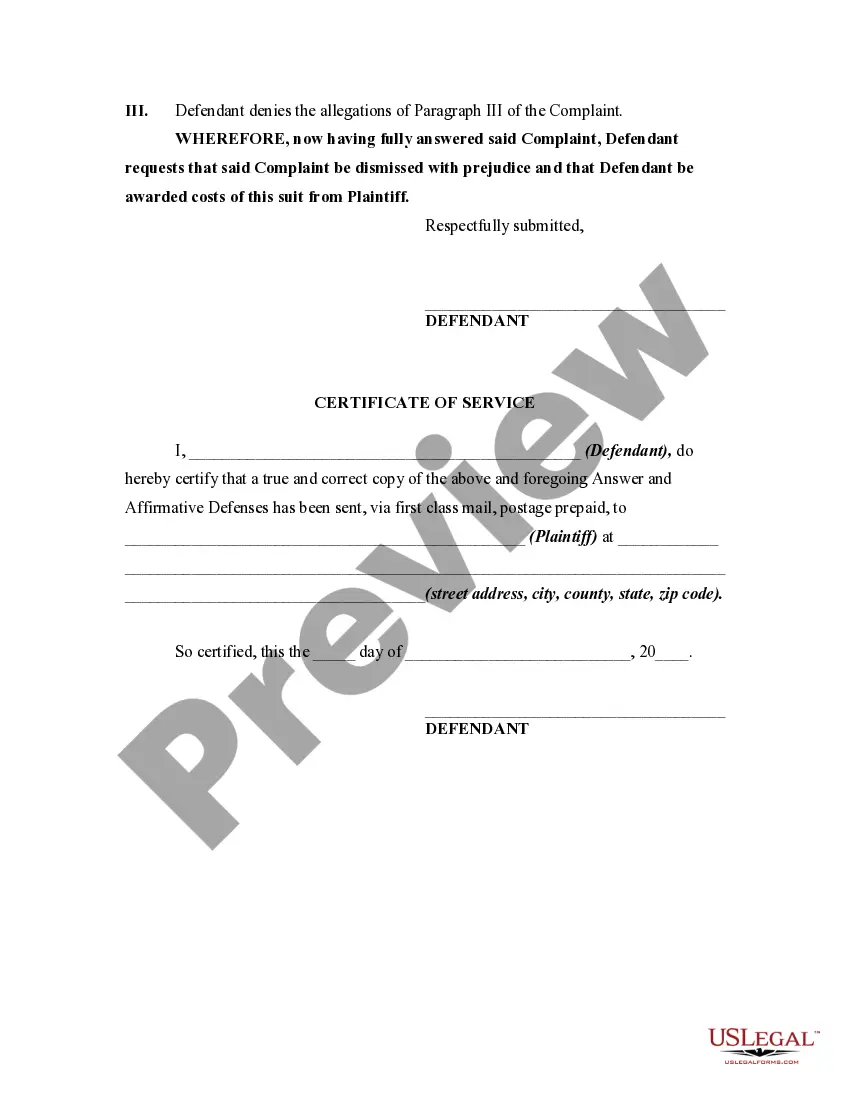
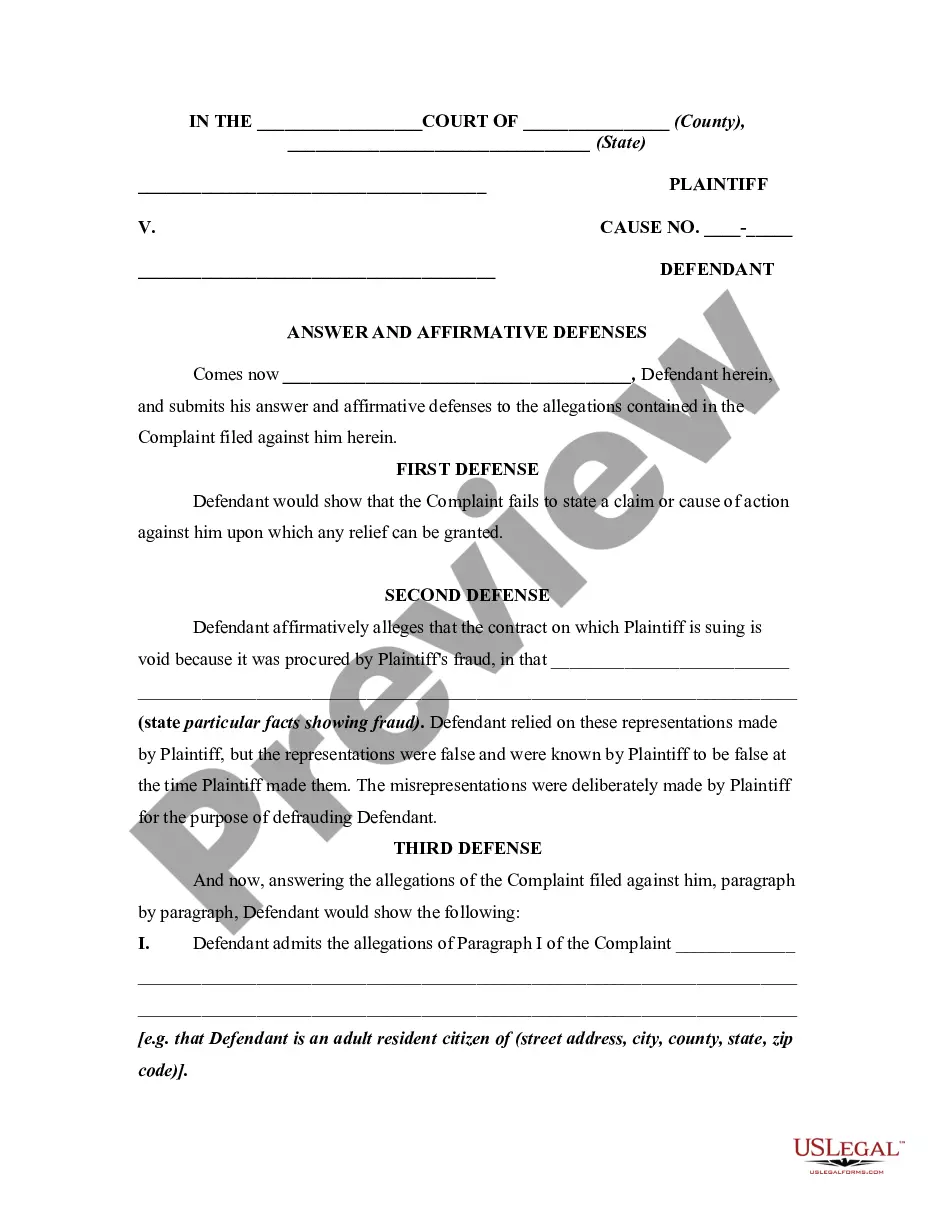
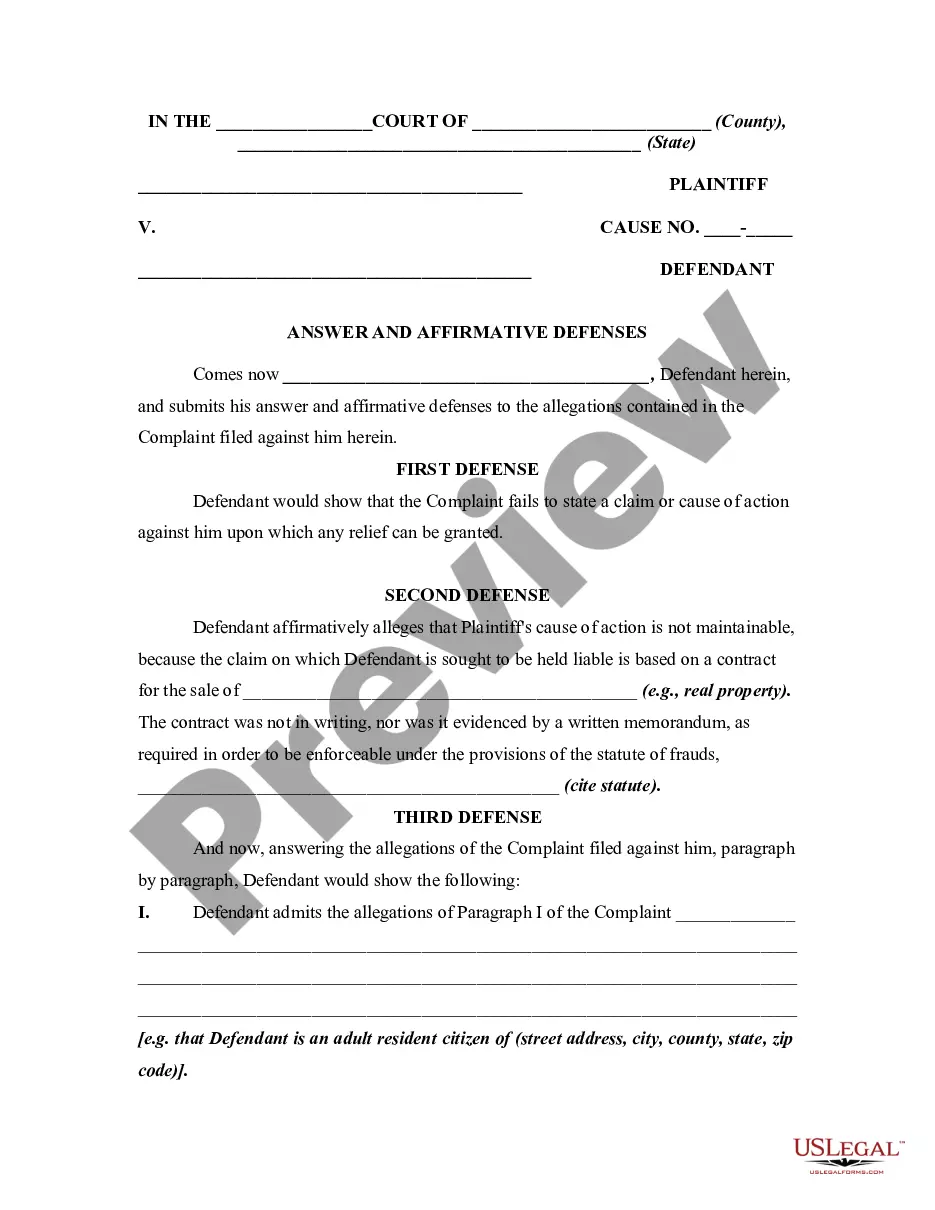
Get your form ready online
Our built-in tools help you complete, sign, share, and store your documents in one place.
Make edits, fill in missing information, and update formatting in US Legal Forms—just like you would in MS Word.
Download a copy, print it, send it by email, or mail it via USPS—whatever works best for your next step.
Sign and collect signatures with our SignNow integration. Send to multiple recipients, set reminders, and more. Go Premium to unlock E-Sign.
If this form requires notarization, complete it online through a secure video call—no need to meet a notary in person or wait for an appointment.
We protect your documents and personal data by following strict security and privacy standards.

Make edits, fill in missing information, and update formatting in US Legal Forms—just like you would in MS Word.

Download a copy, print it, send it by email, or mail it via USPS—whatever works best for your next step.

Sign and collect signatures with our SignNow integration. Send to multiple recipients, set reminders, and more. Go Premium to unlock E-Sign.

If this form requires notarization, complete it online through a secure video call—no need to meet a notary in person or wait for an appointment.

We protect your documents and personal data by following strict security and privacy standards.
Looking for another form?
How to fill out General Form Of An Answer By Defendant In A Civil Lawsuit?
- If you are a returning user, log in to your account and download the necessary form template by clicking the Download button. Ensure your subscription is active; otherwise, renew it based on your payment plan.
- For first-time users, start by previewing the form and reading its description. Verify that it aligns with your requirements and complies with local jurisdiction regulations.
- If you require a different template, utilize the Search tab above to locate the correct document. Move on once you find a suitable option.
- Proceed to purchase the document by clicking the Buy Now button and selecting your preferred subscription plan. Registration for an account is mandatory to access the library features.
- Complete your purchase using your credit card or PayPal information to pay for the subscription.
- Afterward, download your form and save it to your device. You can also find it in the My Forms section for future access.
In conclusion, US Legal Forms simplifies the process of legally responding to lawsuits by providing a vast library of templates and expert support, ensuring you create accurate documents. With over 85,000 forms available, meeting your legal needs has never been easier.
Start your journey to efficient legal document preparation today!
Form popularity
FAQ
Winning a lawsuit against you requires a strategic approach. First, you must carefully assess the claims made against you and gather all relevant evidence that supports your case. Understanding how to effectively answer the defendant lawsuit with the law is essential; familiarize yourself with legal protocols and procedures. Utilize resources like USLegalForms to prepare necessary documents and responses that can strengthen your defense and help you achieve the best possible outcome.
When writing a legal reply brief, focus on clearly articulating your arguments while responding to opponents' claims. Structure your brief logically, citing relevant case law and statutes. This document should help you convincingly answer defendant lawsuit with the law and support your case.
The defendant's reply typically consists of admissions, denials, and defenses against the allegations. Each claim should be addressed directly, allowing the court to understand your position clearly. This step is crucial in how you answer defendant lawsuit with the law.
To respond to legal questions effectively, begin by understanding the context and specifics of each question. Provide clear, well-reasoned answers while considering the legal implications. Utilizing resources from uslegalforms can help you accurately answer defendant lawsuit with the law.
In a summons answer, respond to all allegations made in the summons document. Provide appropriate admissions or denials and ensure you format your answer according to your local court's rules. Successfully crafting this answer is vital to effectively answer defendant lawsuit with the law.
In your response letter, start with a respectful tone, addressing the claims made against you. Clearly state your position on each allegation and provide any supporting facts or evidence. This approach not only conveys your stance but also assists in how to answer defendant lawsuit with the law.
To write a legal answer, structure your document by listing the allegations and then responding to each one individually. Be sure to include statements that reflect your perspective. This document should clearly answer defendant lawsuit with the law, addressing every claim raised.
When crafting a legal response, start by acknowledging each claim in the complaint. Use clear and concise language to admit, deny, or provide insufficient knowledge regarding the allegations. Your aim should be to effectively answer defendant lawsuit with the law and protect your rights.
To initiate a legal response, begin by carefully reviewing the complaint served to you. Identify the key issues and allegations made against you. Then, organize your thoughts and prepare your answer, as this is crucial when you need to answer defendant lawsuit with the law.
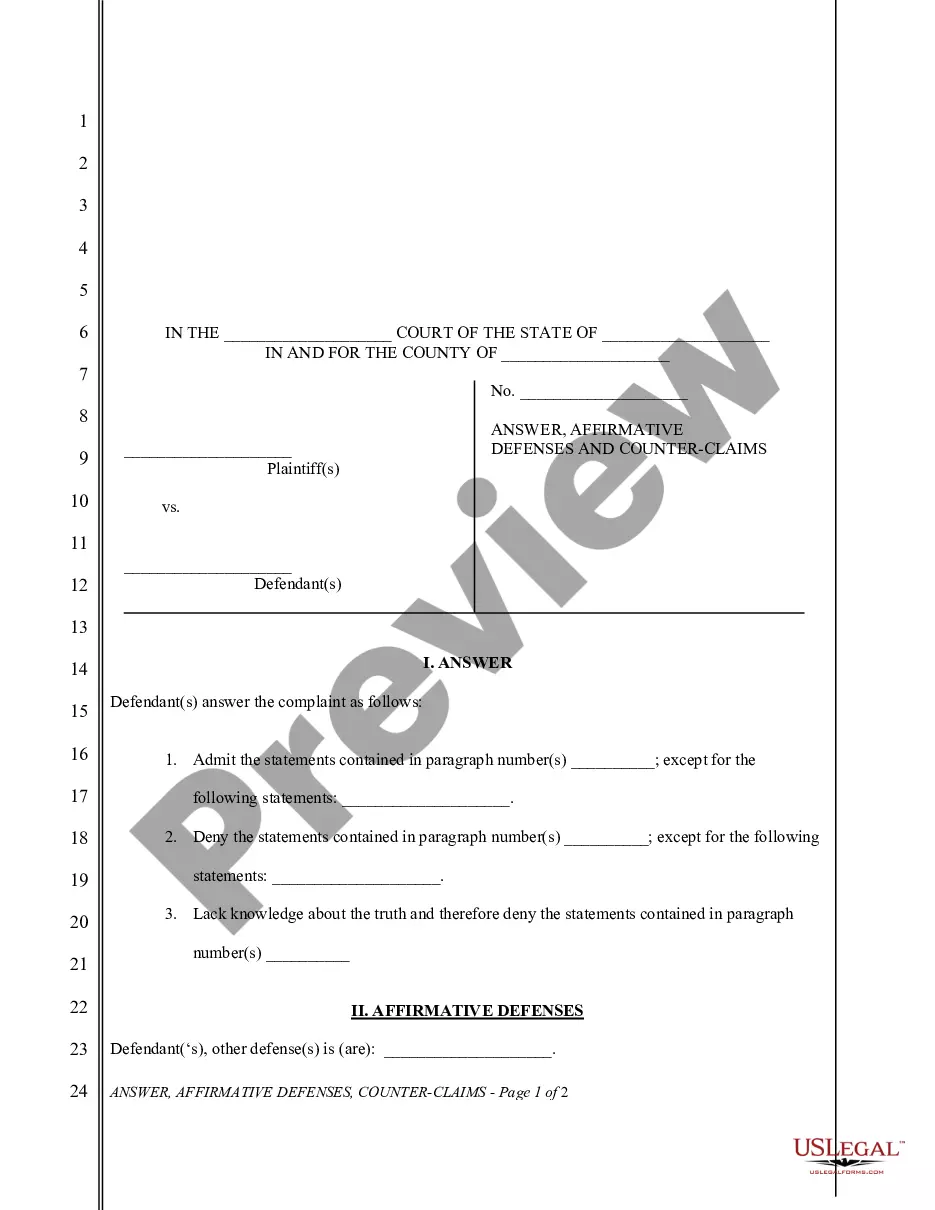
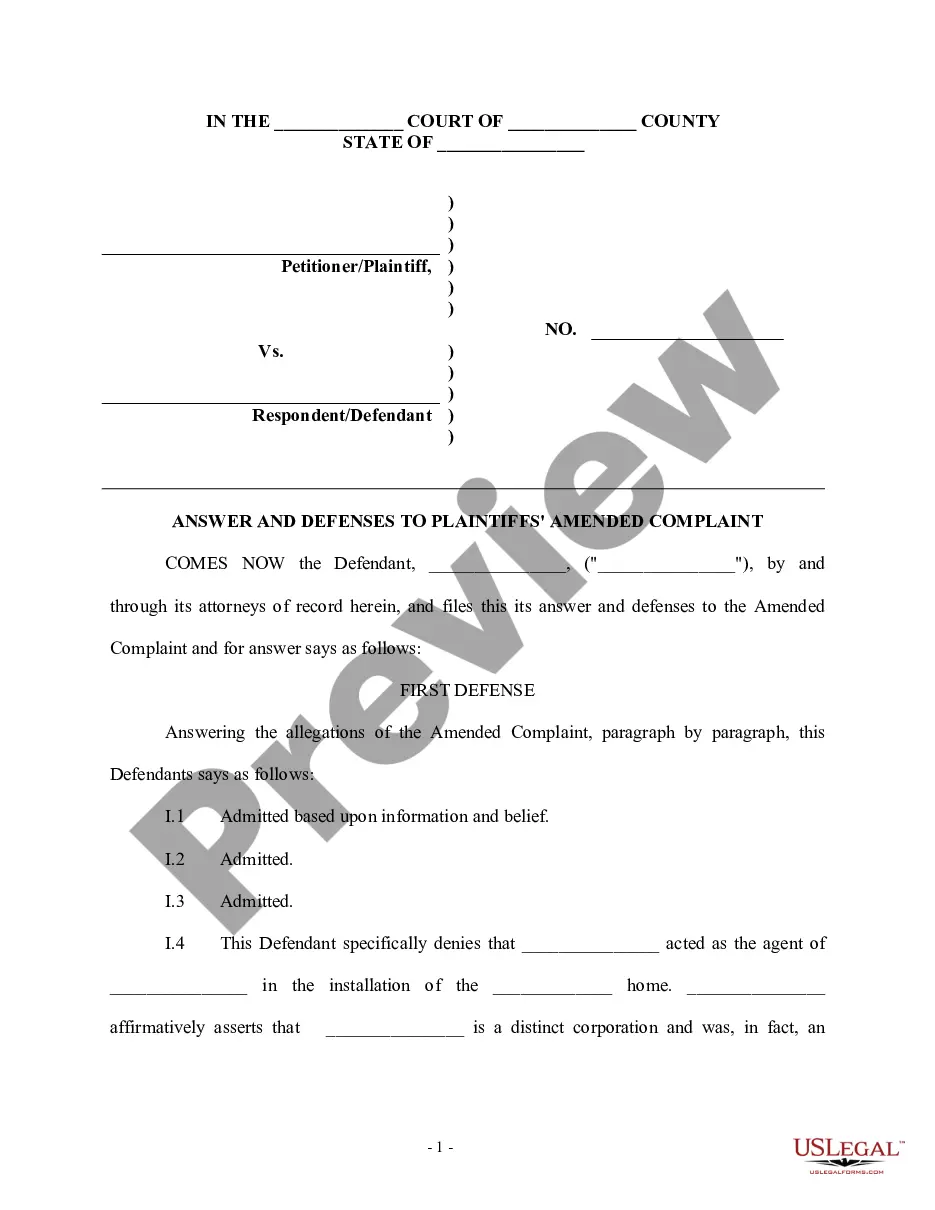
To write an answer to a debt lawsuit, start with a formal heading that includes the court's information and case details. Next, admit or deny each allegation made in the complaint, and include any defenses or counterclaims you want to assert. Make sure to complete your response timely and accurately, as properly answering the defendant lawsuit with the law is crucial for your legal protection.