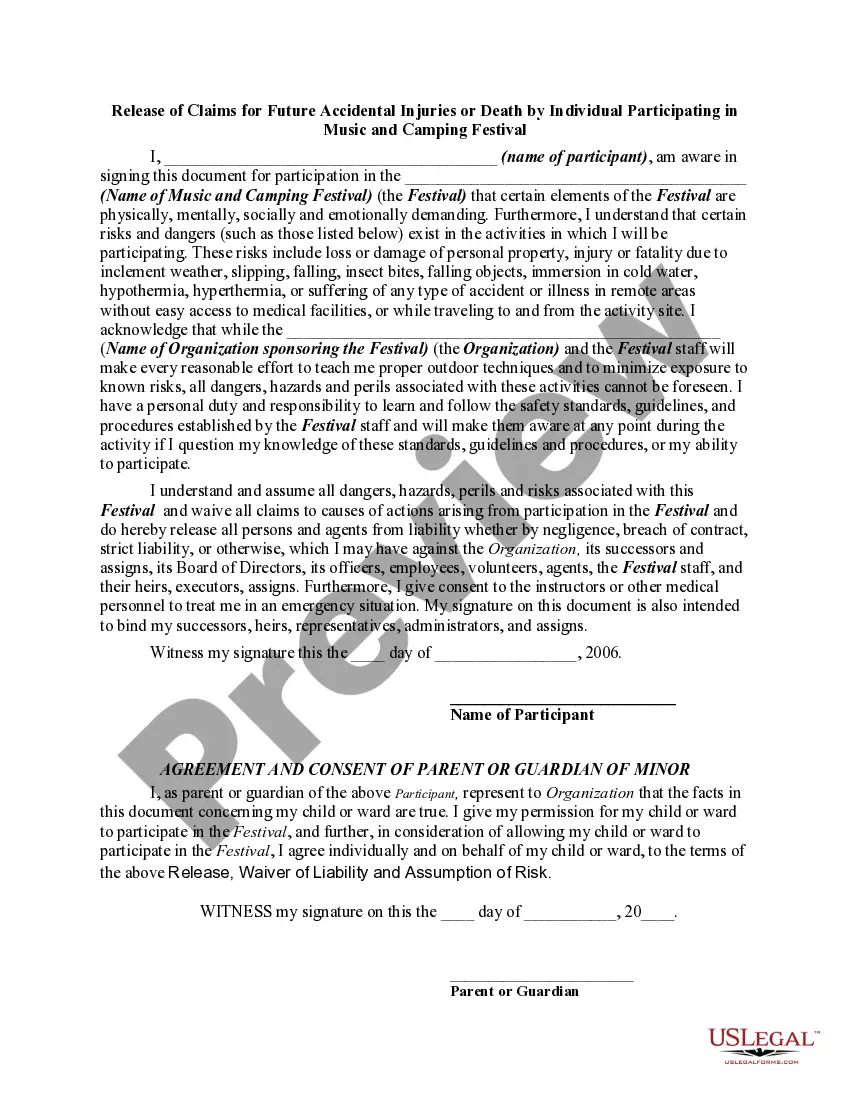
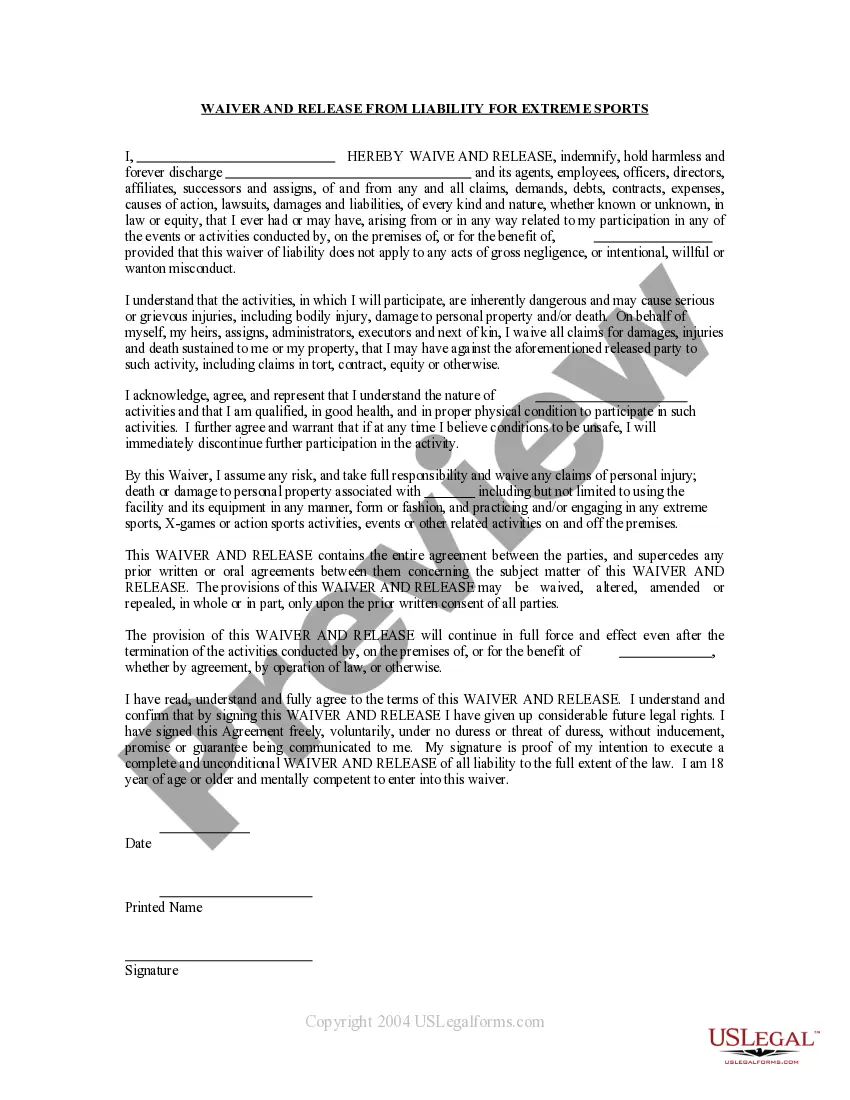
Release Claim Accident With Insurance
Description
Get your form ready online
Our built-in tools help you complete, sign, share, and store your documents in one place.
Make edits, fill in missing information, and update formatting in US Legal Forms—just like you would in MS Word.
Download a copy, print it, send it by email, or mail it via USPS—whatever works best for your next step.
Sign and collect signatures with our SignNow integration. Send to multiple recipients, set reminders, and more. Go Premium to unlock E-Sign.
If this form requires notarization, complete it online through a secure video call—no need to meet a notary in person or wait for an appointment.
We protect your documents and personal data by following strict security and privacy standards.

Make edits, fill in missing information, and update formatting in US Legal Forms—just like you would in MS Word.

Download a copy, print it, send it by email, or mail it via USPS—whatever works best for your next step.

Sign and collect signatures with our SignNow integration. Send to multiple recipients, set reminders, and more. Go Premium to unlock E-Sign.

If this form requires notarization, complete it online through a secure video call—no need to meet a notary in person or wait for an appointment.

We protect your documents and personal data by following strict security and privacy standards.
Looking for another form?

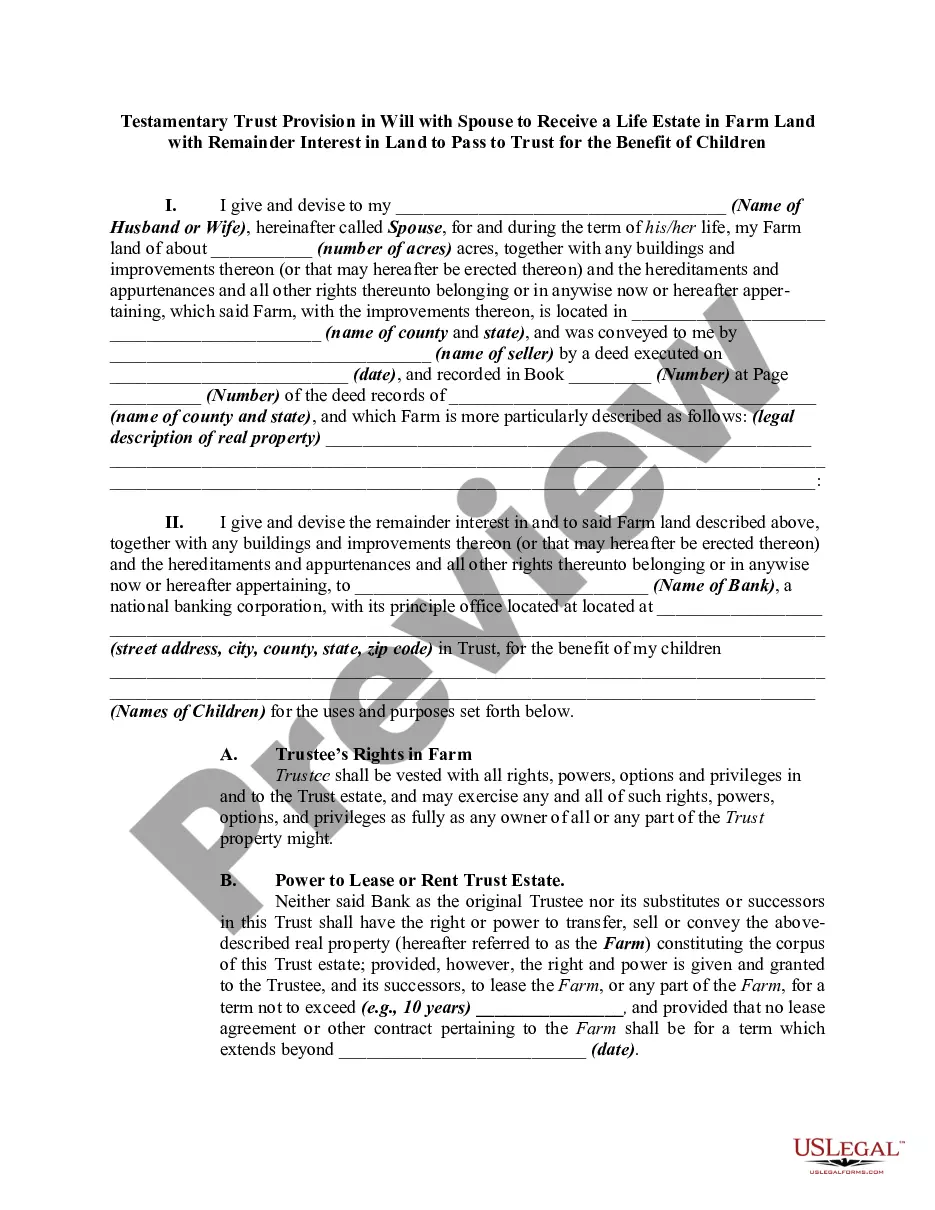








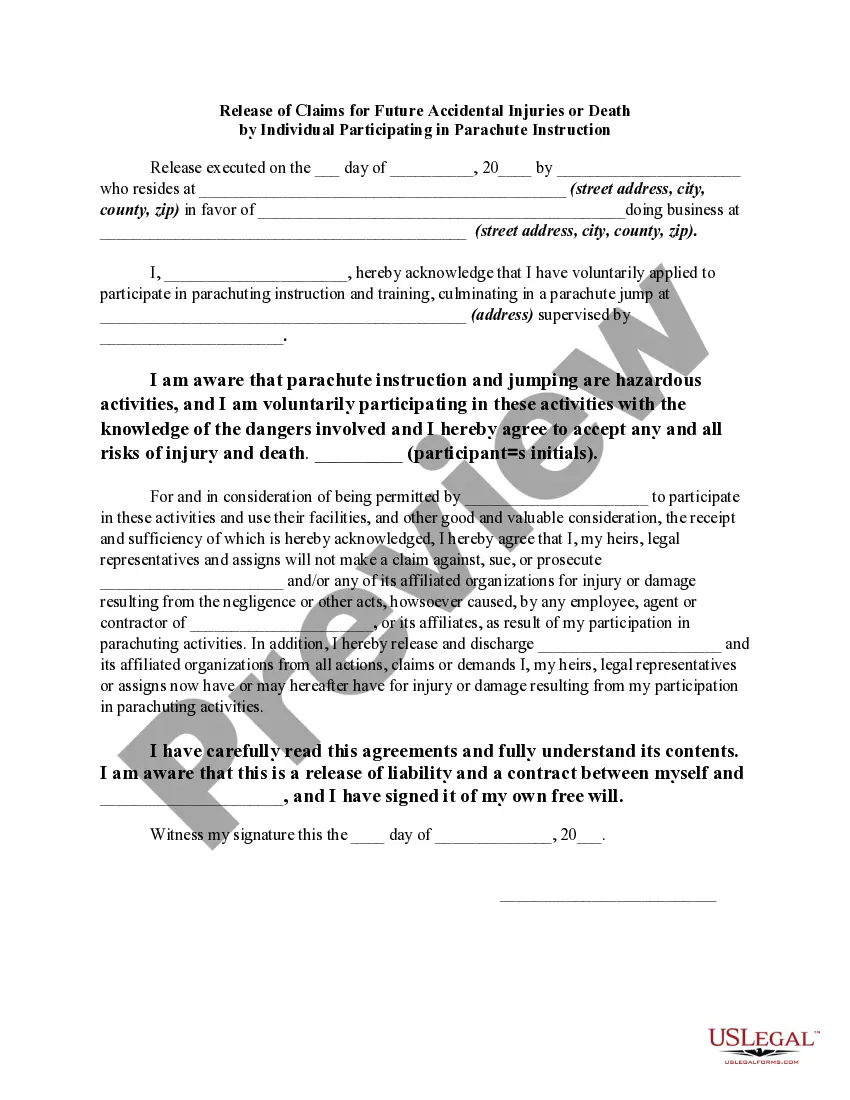
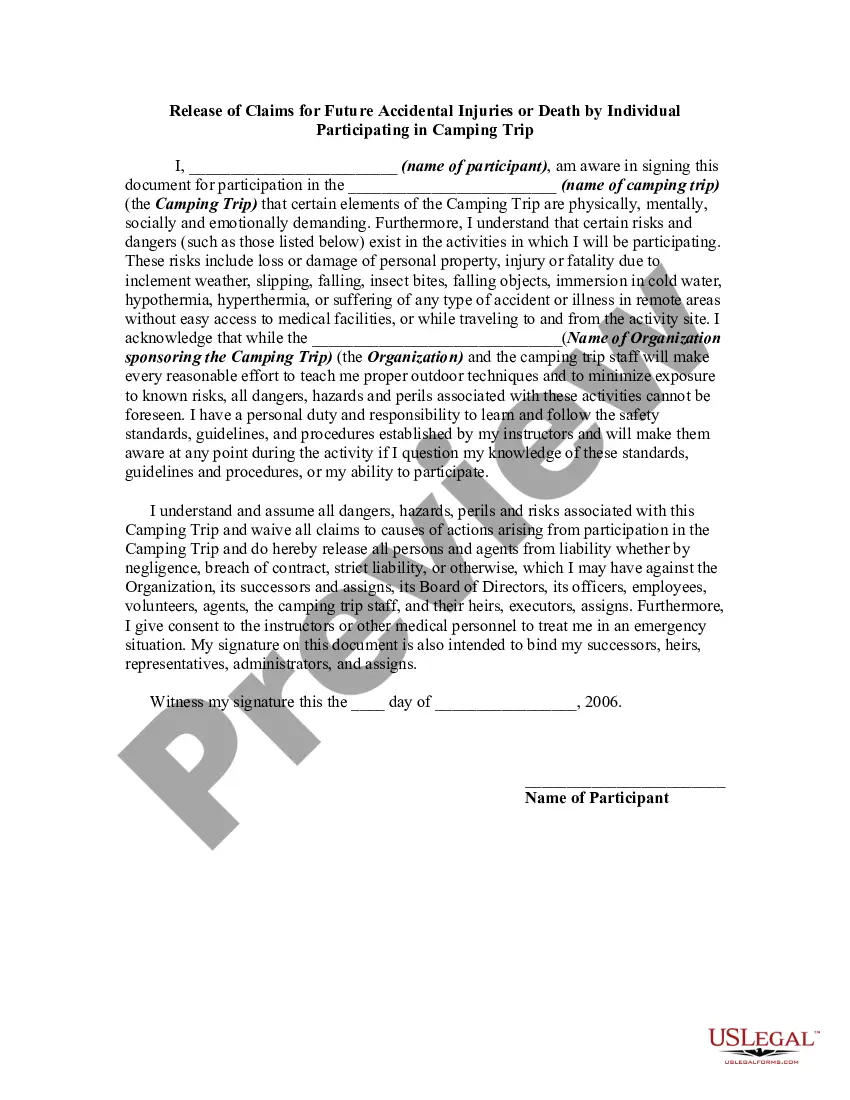
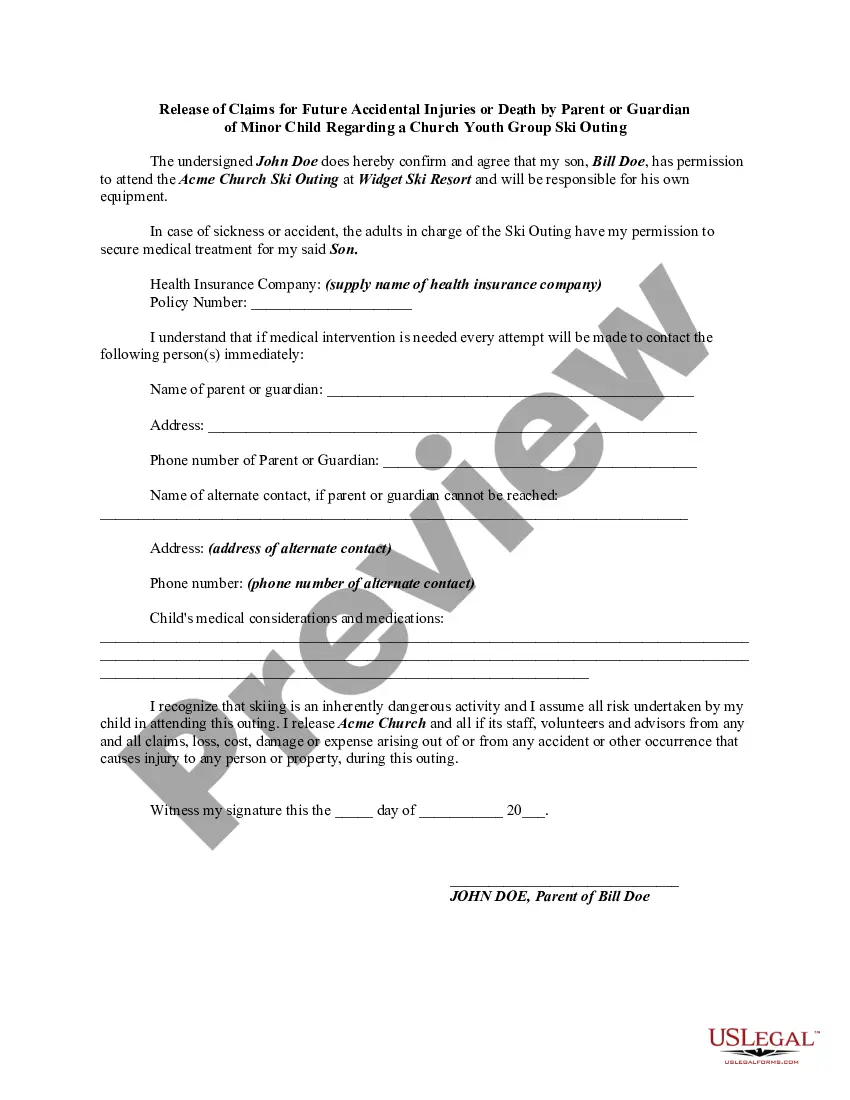
How to fill out Release Of Claims For Future Accidental Injuries Or Death By Individual Participating In Music And Camping Festival?
The Release Claim Accident With Insurance highlighted on this page is a reusable legal framework created by experienced attorneys in accordance with federal and local laws and regulations. For over 25 years, US Legal Forms has supplied individuals, organizations, and legal practitioners with more than 85,000 certified, state-specific documents for any business and personal situation. It’s the quickest, easiest, and most dependable method to procure the paperwork you require, as the service assures the utmost level of data safety and anti-malware safeguards.
Obtaining this Release Claim Accident With Insurance will require only a few straightforward steps.
Enroll in US Legal Forms to have validated legal templates for all of life's situations readily available.
- Browse for the document you require and review it. Examine the file you sought and preview it or assess the form description to verify it meets your needs. If it does not, utilize the search function to discover the suitable one. Click Buy Now after you have located the template you desire.
- Sign up and Log In. Select the pricing option that best suits you and establish an account. Use PayPal or a credit card for swift payment. If you already possess an account, Log In and verify your subscription to proceed.
- Obtain the editable template. Choose the format you prefer for your Release Claim Accident With Insurance (PDF, DOCX, RTF) and store the sample on your device.
- Fill out and sign the document. Print the template to complete it manually. Alternatively, use an online versatile PDF editor to quickly and accurately fill out and sign your form with an eSignature.
- Download your documents once more. Reuse the same document anytime you need it. Access the My documents section in your profile to redownload any forms you have previously purchased.
Form popularity
FAQ
Paying off collections could increase scores from the latest credit scoring models, but if your lender uses an older version, your score might not change. Regardless of whether it will raise your score quickly, paying off collection accounts is usually a good idea.
The Fair Debt Collection Practices Act (FDCPA) prohibits debt collectors from using abusive, unfair, or deceptive practices to collect debts from you, including: Misrepresenting the nature of the debt, including the amount owed. Falsely claiming that the person contacting you is an attorney.
Wyoming maintains these limitations for different loan contracts: 6 years: Open accounts (credit cards) 8 years: Oral or implied agreements. 10 years: Written contracts.
The Fair Debt Collection Practices Act (FDCPA) The FDCPA prohibits debt collection companies from using abusive, unfair, or deceptive practices to collect debts from you. The FDCPA covers the collection of debts that are primarily for personal, family, or household purposes.
Confirm that the debt is yours. ... Check your state's statute of limitations. ... Know your debt collection rights. ... Figure out how much you can afford to pay. ... Ask to have your account deleted. ... Set up a payment plan. ... Make your payment. ... Document everything.
If you are faced with debt collections, this could appear on your credit report and last for up to 7 years. You'll still be on the hook to make these payments, even after the remark falls off the report.
If you have the means to pay off old debt, it will help your overall credit ? both your score and your report. Remember that even if debt is time-barred, creditors and debt collectors can still reach out to collect debts.
Can a Debt Collector Collect After 10 Years? In most cases, the statute of limitations for a debt will have passed after 10 years. This means a debt collector may still attempt to pursue it (and you technically do still owe it), but they can't typically take legal action against you.