Adverse Possession Form With Landmark
Description
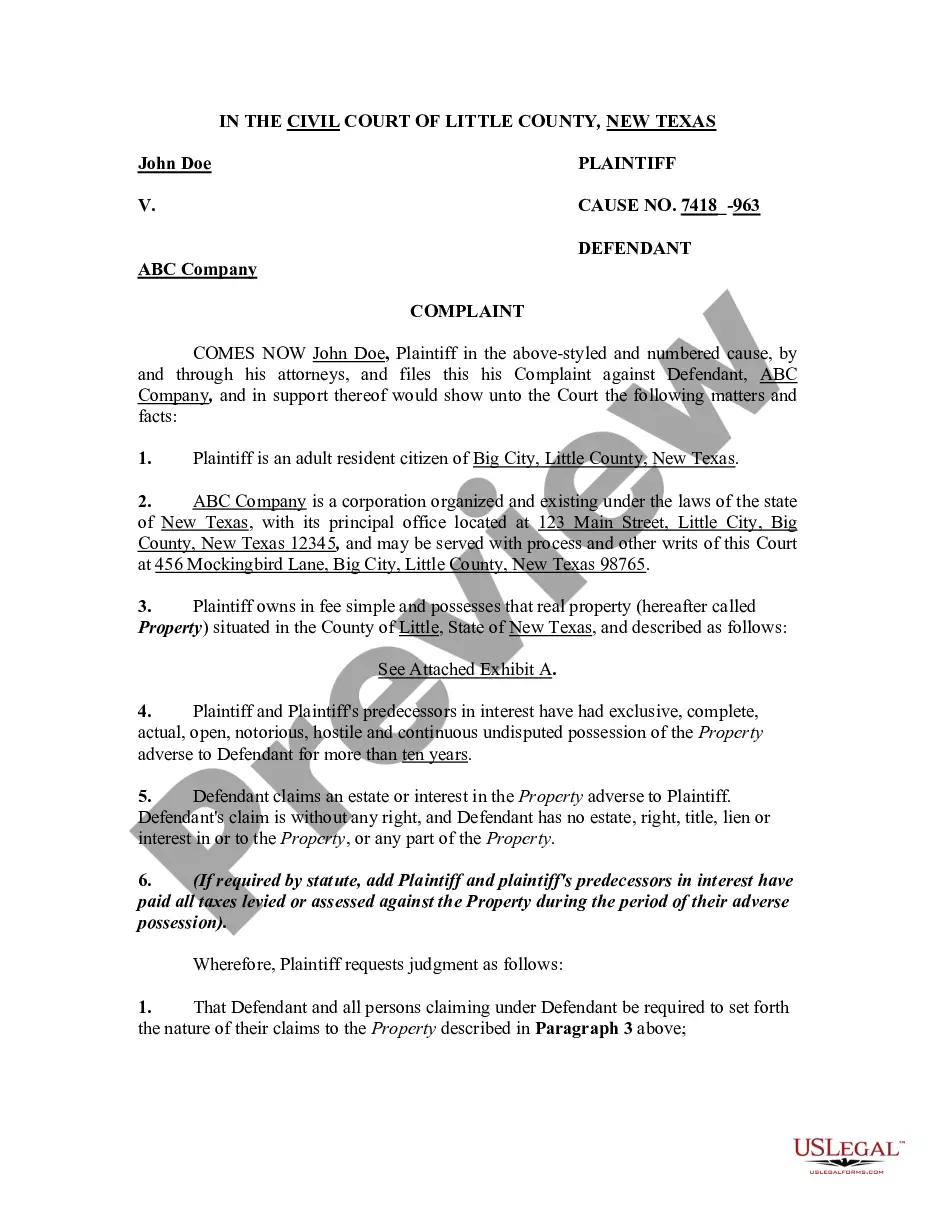
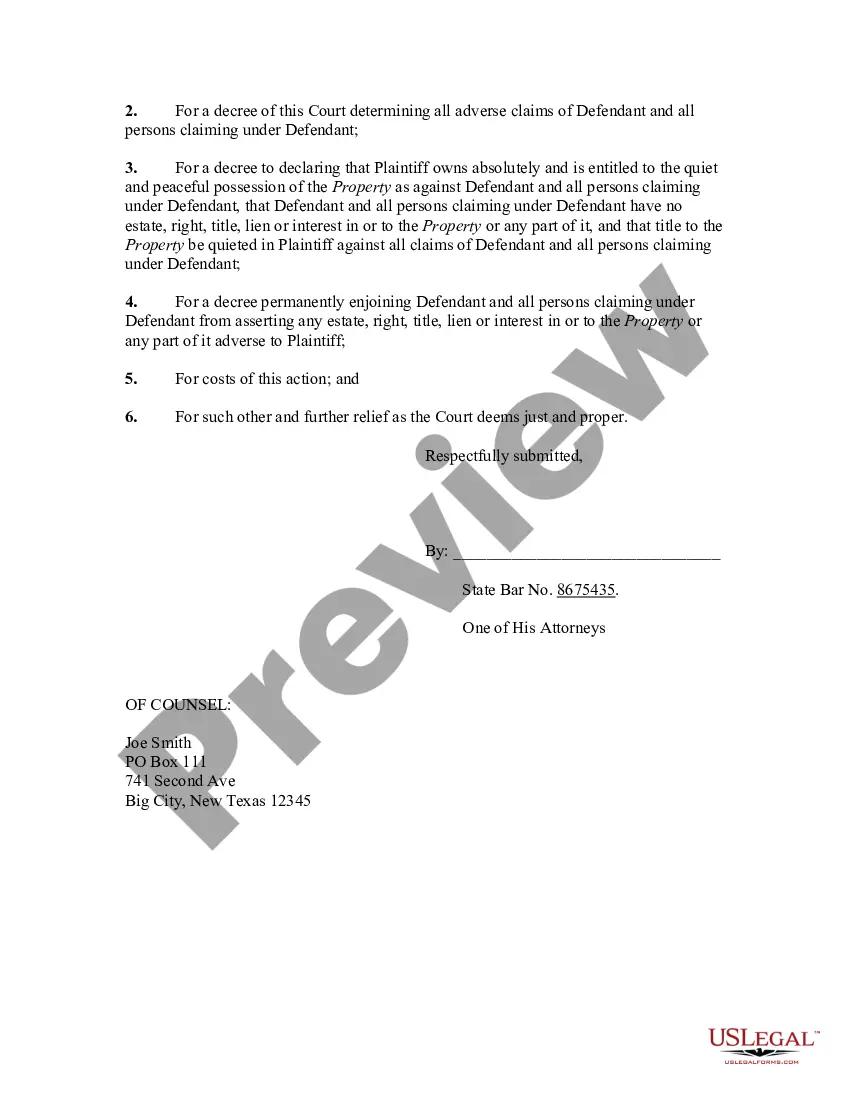
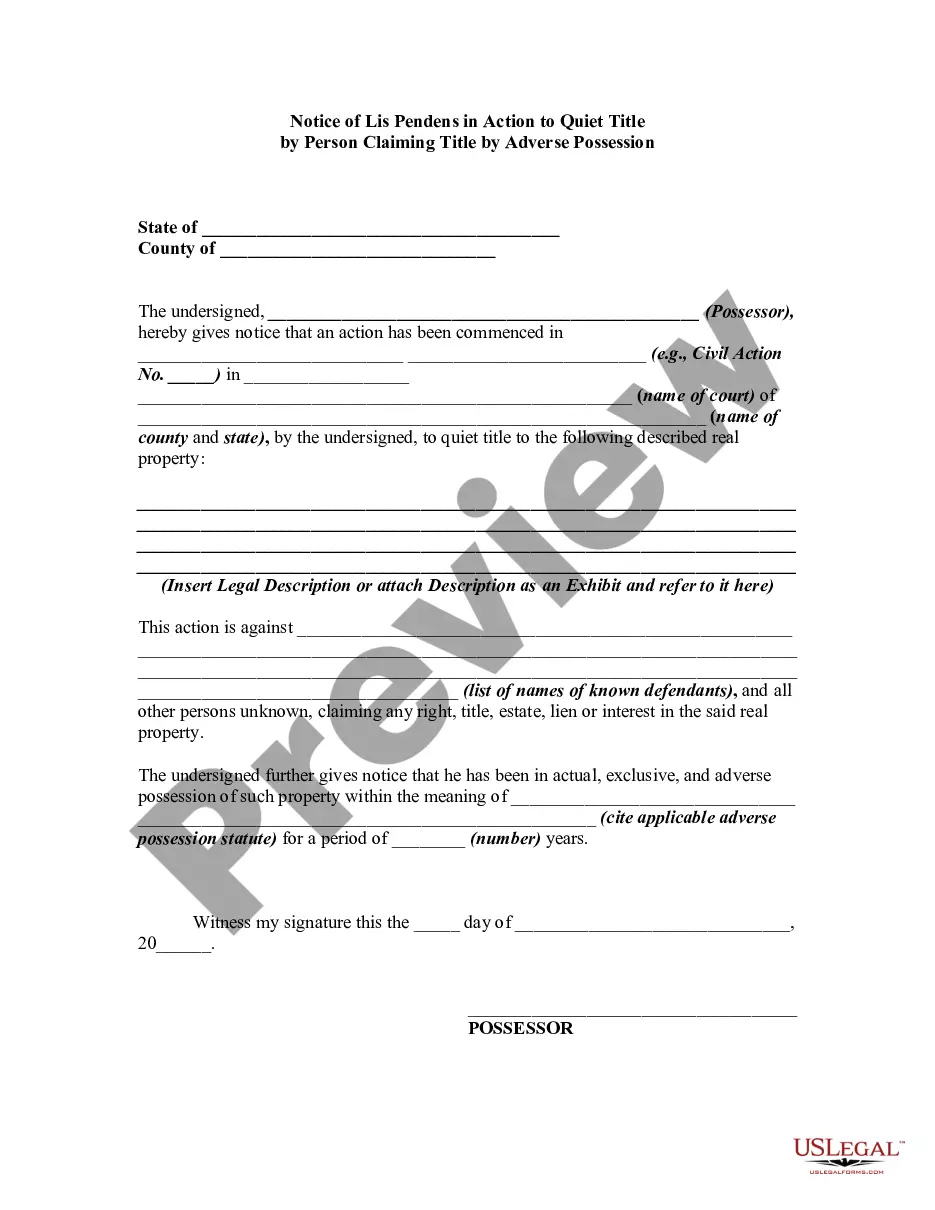
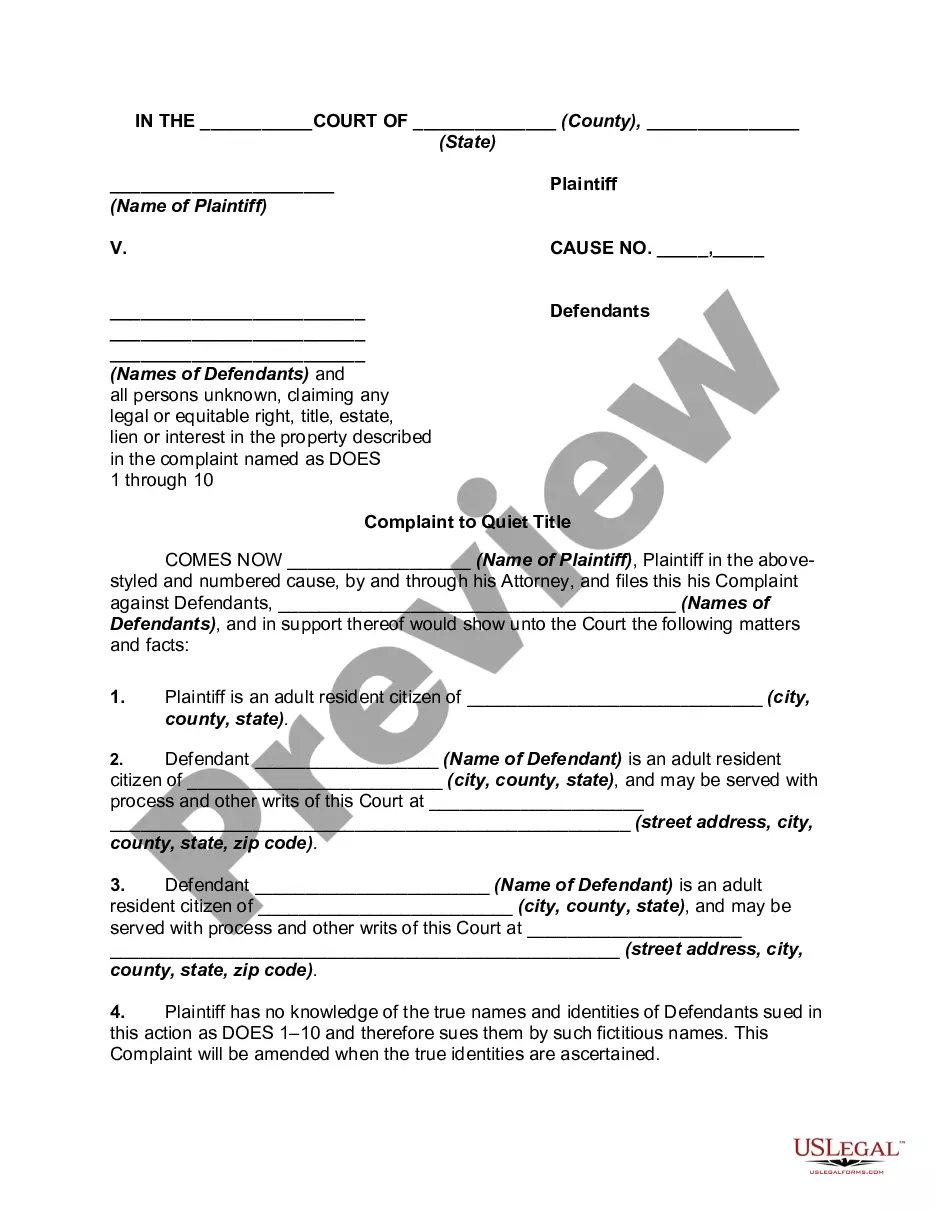
Get your form ready online
Our built-in tools help you complete, sign, share, and store your documents in one place.
Make edits, fill in missing information, and update formatting in US Legal Forms—just like you would in MS Word.
Download a copy, print it, send it by email, or mail it via USPS—whatever works best for your next step.
Sign and collect signatures with our SignNow integration. Send to multiple recipients, set reminders, and more. Go Premium to unlock E-Sign.
If this form requires notarization, complete it online through a secure video call—no need to meet a notary in person or wait for an appointment.
We protect your documents and personal data by following strict security and privacy standards.

Make edits, fill in missing information, and update formatting in US Legal Forms—just like you would in MS Word.

Download a copy, print it, send it by email, or mail it via USPS—whatever works best for your next step.

Sign and collect signatures with our SignNow integration. Send to multiple recipients, set reminders, and more. Go Premium to unlock E-Sign.

If this form requires notarization, complete it online through a secure video call—no need to meet a notary in person or wait for an appointment.

We protect your documents and personal data by following strict security and privacy standards.
Looking for another form?

How to fill out Complaint To Quiet Title By Person Claiming Adverse Possession - Squatters Rights?
- If you’ve previously utilized US Legal Forms, log in to your account and select the Download button for the required form, ensuring your subscription is active. If not, adhere to your payment plan to renew it.
- For first-time users, begin by examining the Preview mode and form details to ensure you have selected the correct form that meets your local jurisdiction's needs.
- If inconsistencies arise, use the Search tab at the top to find the appropriate template that fits your requirements.
- Proceed to purchase the document by clicking the Buy Now button and selecting your desired subscription plan. Creating an account will grant you access to the extensive library.
- Complete the transaction by entering your credit card information or opting for your PayPal account to finalize the subscription.
- Once the purchase is complete, download your form and save it on your device for easy access through the My Forms section whenever needed.
In conclusion, US Legal Forms offers an unmatched selection of legal resources, making it easy for both individuals and attorneys to obtain and complete necessary documentation. With over 85,000 editable forms at your fingertips, precise legal documentation is just a few clicks away.
Start streamlining your legal processes today with US Legal Forms for all your document needs!
Form popularity
FAQ
In California, the five requirements for adverse possession are: exclusive possession, open and notorious use, continuous occupation for five years, hostile use, and payment of property taxes during the occupation period. Each of these elements must be clearly established to succeed in a claim. Gathering necessary documentation for each of these requirements can be complex. Fortunately, the adverse possession form with landmark can streamline this process, helping to demonstrate compliance effectively.
The latest Supreme Court decision regarding adverse possession clarified the standards that must be met for a claim to be successful. In this ruling, the court emphasized the importance of demonstrating continuous and exclusive possession of the property in question. This decision has reaffirmed the need for precise documentation in adverse possession claims. For anyone navigating these legal waters, the adverse possession form with landmark can provide essential guidance in ensuring compliance with the court's expectations.
To prove adverse possession in California, you must demonstrate that you have occupied the property openly and continuously for a minimum of five years. You also need to show that your possession was exclusive and hostile, meaning that it was without permission from the actual owner. Documenting your use of the property is crucial, as it reinforces your claim. Utilizing an adverse possession form with landmark can aid in organizing the required evidence and present a strong case.
The declaration of adverse possession form is a legal document that allows a person to claim ownership of a property they do not hold the title for. This form outlines the specifics of the adverse possession claim, including the duration of time the claimant has occupied the property. By submitting this form, individuals can formalize their claim and potentially gain recognized ownership. Using the adverse possession form with landmark can simplify this process and ensure compliance with local laws.
To defeat an adverse possession claim, you should document your legal ownership and demonstrate any interruptions in the claimant's use of the property. Providing evidence of your permission for their use or showing that their possession has not been continuous may also help. As soon as you recognize a potential claim, seek legal advice to explore the best strategies and consider filing an adverse possession form with landmark to reinforce your position.
The requirements for adverse possession claims to land typically include actual possession, open and notorious use, exclusivity, continuity, and hostility toward the true owner. Each state has its specific laws regarding the duration of possession and other applicable conditions. Using an adverse possession form with landmark can help you comply with these requirements and clearly articulate your claim.
In North Carolina, the elements of adverse possession include actual possession, open and notorious use, exclusive control, and a continuous period of at least 20 years. The possession must also be hostile, indicating that it is without the permission of the original owner. To navigate this complex process, consider utilizing an adverse possession form with landmark, which can assist in formalizing your claim.
Adverse possession refers to a legal doctrine that allows a person to claim ownership of land under certain conditions, despite not holding the legal title. This process involves occupying the property in a manner that is open and obvious to the true owner. Utilizing an adverse possession form with landmark can streamline this process and help illustrate your claims effectively.
Acquiring property by adverse possession requires meeting several key conditions. First, you must have continuous possession for a certain number of years, which varies by state. Additionally, your possession must be actual, open, notorious, and hostile, indicating that you are treating the property as your own despite the lack of title.
To acquire ownership through an adverse possession form with landmark, you must demonstrate actual possession of the property. This possession must be open and notorious, meaning it is visible and not hidden. Furthermore, the possession should be exclusive and continuous for the required statutory period, typically ranging from 5 to 20 years, depending on your state laws.