Failure Pay Will Forward
Description
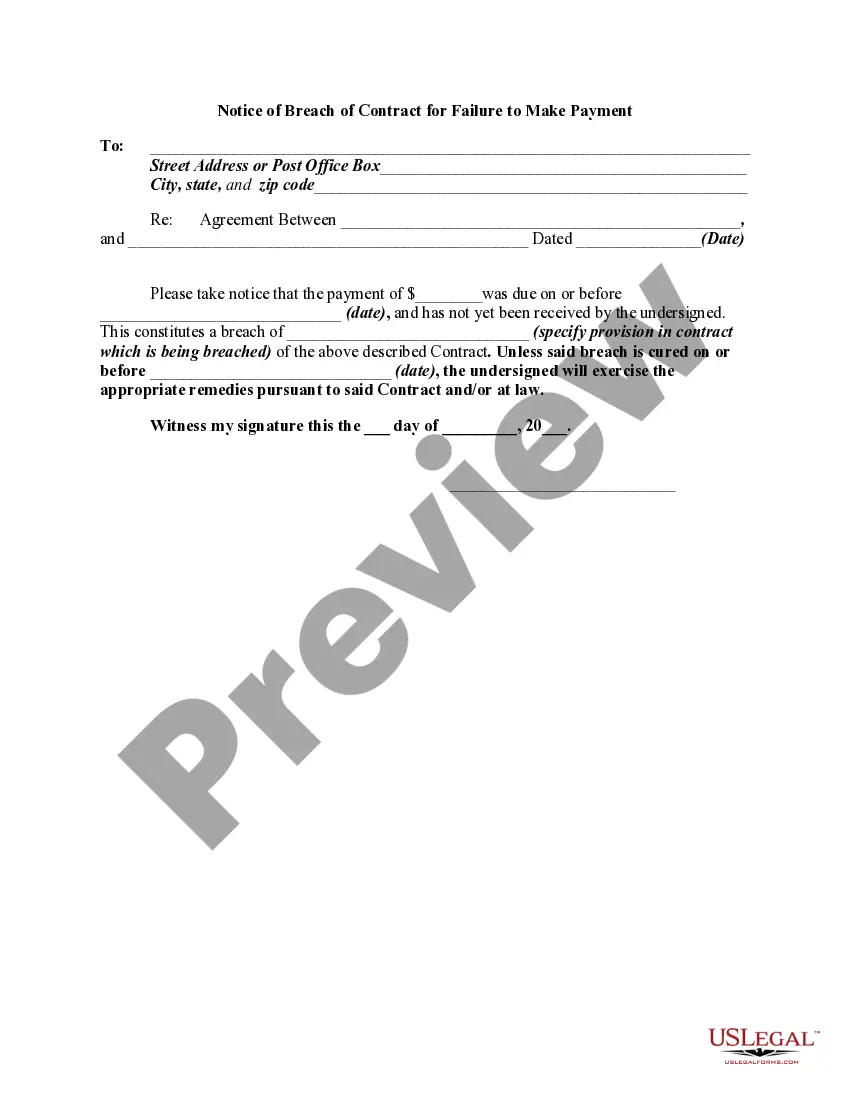
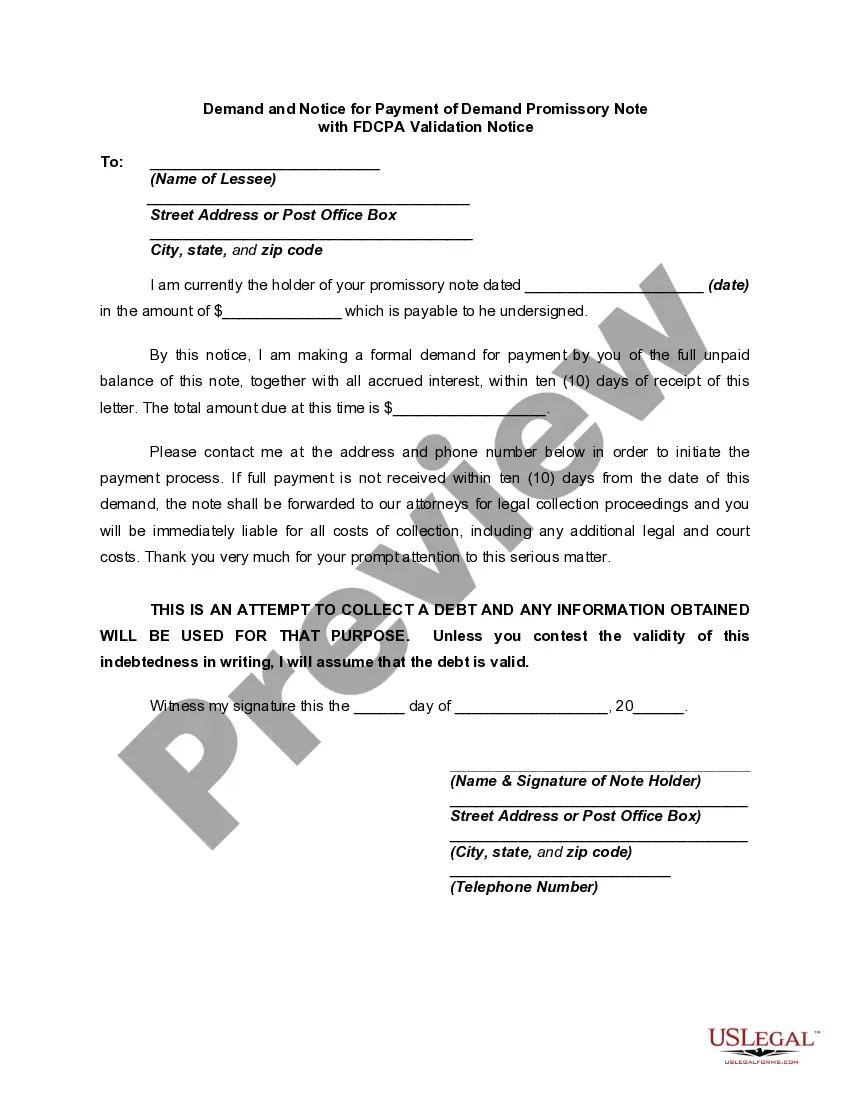
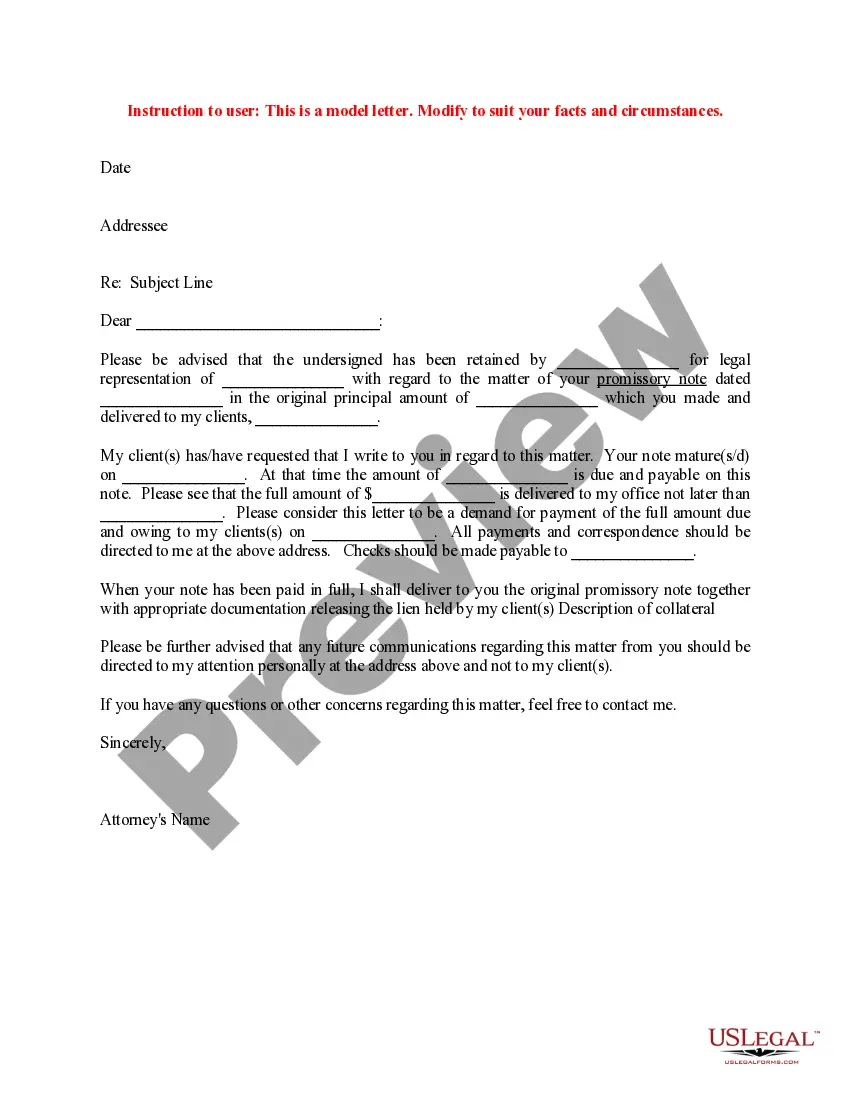







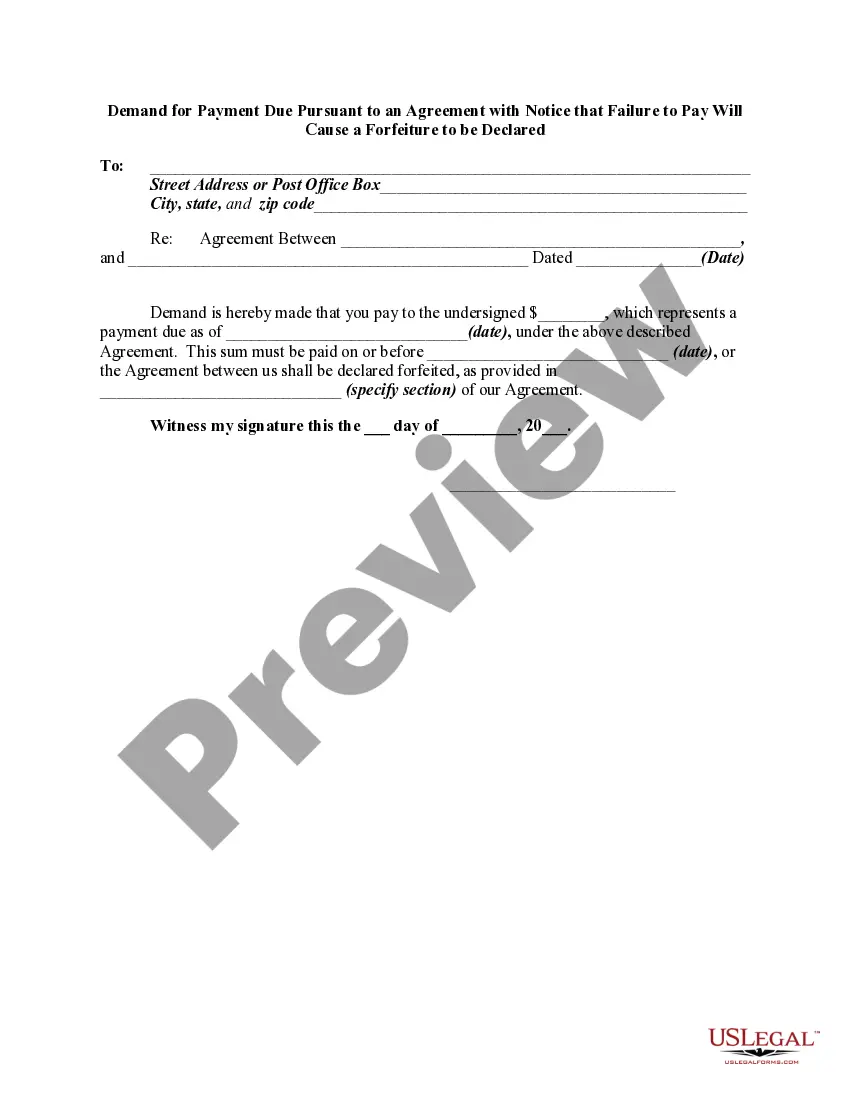
How to fill out Demand For Payment Due Pursuant To An Agreement With Notice That Failure To Pay Will Cause A Forfeiture To Be Declared?
It's clear that you cannot become an authority in law swiftly, nor can you comprehend how to swiftly create a Failure Pay Will Forward without possessing a unique set of abilities.
Assembling legal documents is an extensive endeavor that necessitates specific education and expertise.
Therefore, why not entrust the development of the Failure Pay Will Forward to the professionals.
You can revisit your documents at any time from the My documents tab. If you’re a current client, you can simply Log In, find and download the template from the same tab.
Regardless of the intent behind your documentation—be it financial, legal, or personal—our platform has you covered. Give US Legal Forms a try now!
- Explore the form you require using the search bar located at the top of the page.
- Preview it (if this option is available) and read the accompanying description to determine if Failure Pay Will Forward meets your needs.
- Start your search again if you require any additional forms.
- Sign up for a free account and choose a subscription plan to purchase the form.
- Click Buy now. Once the payment is confirmed, you can download the Failure Pay Will Forward, fill it out, print it, and send or mail it to the relevant parties or organizations.
Form popularity
FAQ
To calculate a failure to file penalty, first determine the amount of tax you owe. Multiply this amount by 5% for each month your return is late. Remember, the penalty can accumulate quickly, so take action as soon as you realize a delay. Additionally, resources such as US Legal Forms can assist you in understanding your obligations and managing penalties effectively.
To get out of a failure to file penalty, you must show reasonable cause for your late filing. This can include circumstances beyond your control, such as illness or natural disasters. You can file Form 843 to request a penalty abatement, providing necessary documentation to support your case. Using services like US Legal Forms can simplify this process by helping you prepare the right forms.
The formula for calculating late filing penalties generally involves a percentage of the tax owed. The IRS typically applies a penalty of 5% of the unpaid tax for each month the return is late, up to a maximum of 25%. It’s essential to track your filing dates to avoid these penalties. Failure pay will forward can help you stay on track by notifying you of important deadlines.
When writing a letter to a bank regarding a failed transaction, start with your account information, including your name and account number. Clearly explain the transaction details, such as the amount, date, and the reason for your inquiry. You should also mention any attempts made to resolve the issue. A well-structured letter can be instrumental in addressing the situation, as failure pay will forward to an effective resolution.
To inform a customer about a failed payment, be direct and clear in your communication. Explain the specific issue that occurred and provide them with next steps they can take to resolve the problem. Offering assistance can make the process smoother, showing your commitment to providing excellent service. Remember, failure pay will forward when you maintain transparency and support.
If a transaction fails, begin by reviewing the details of the payment to determine why it did not go through. Check your account balance, and ensure there are no issues with your payment method. After confirming issues, you may want to retry the transaction or contact your customer service for more guidance. Being proactive can help mend the situation, as failure pay will forward to a better experience.
When writing about a failed transaction, start with a clear statement of the transaction date and its purpose. Include the payment method used and any error messages encountered. Be sure to emphasize how the failure affects the overall process. Providing this information can help in prompting the necessary follow-up actions, as failure pay will forward to a resolution when addressed correctly.
To fix a payment method that has failed, first check if your payment details are correct, including the card number, expiration date, and any security codes. If everything appears correct, try using a different payment method. If the issue persists, contact your bank or payment provider for assistance. Remember that ensuring your billing information is up to date may improve the chances of successful transactions. Failure pay will forward if you address these issues promptly.
To fail forward, embrace the idea that each failure provides insight for personal and professional growth. Start by re-evaluating your approach to challenges, treating them as learning experiences. Establish a support system that encourages resilience and accountability. Implementing the failure pay will forward concept empowers you to take informed risks and advance confidently.
Moving forward after failing involves taking constructive steps to rebuild your confidence and motivation. Start by setting small, attainable goals to regain momentum. Prioritize self-care and surround yourself with positive influences that inspire growth. By internalizing the failure pay will forward strategy, you can transform your outlook and focus on what lies ahead.