Tkinter Entry With Default Text
Description
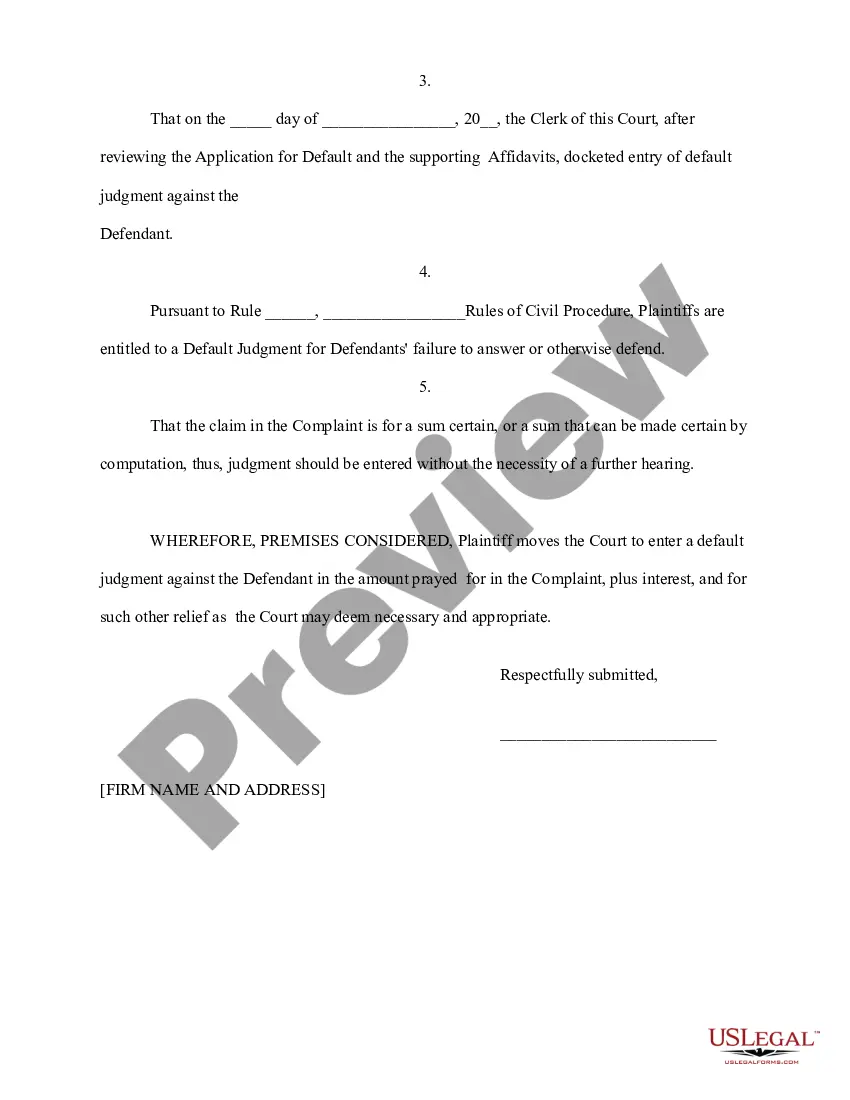
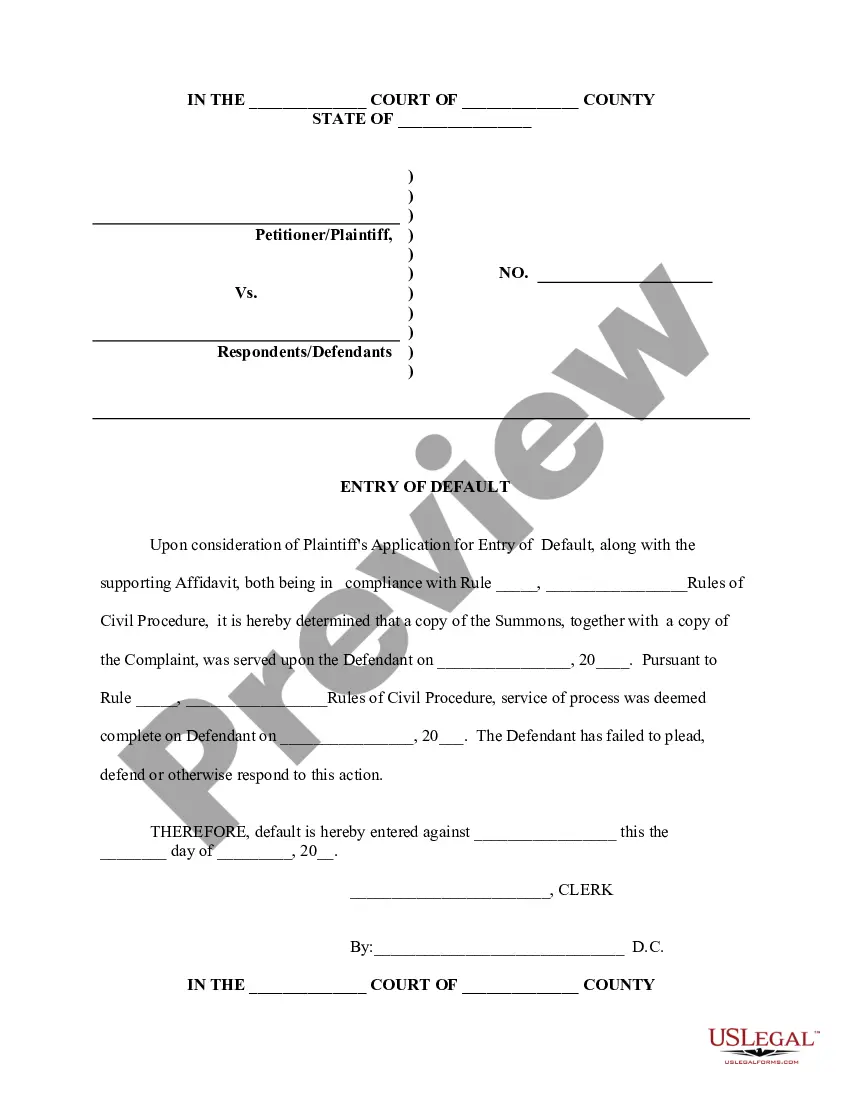
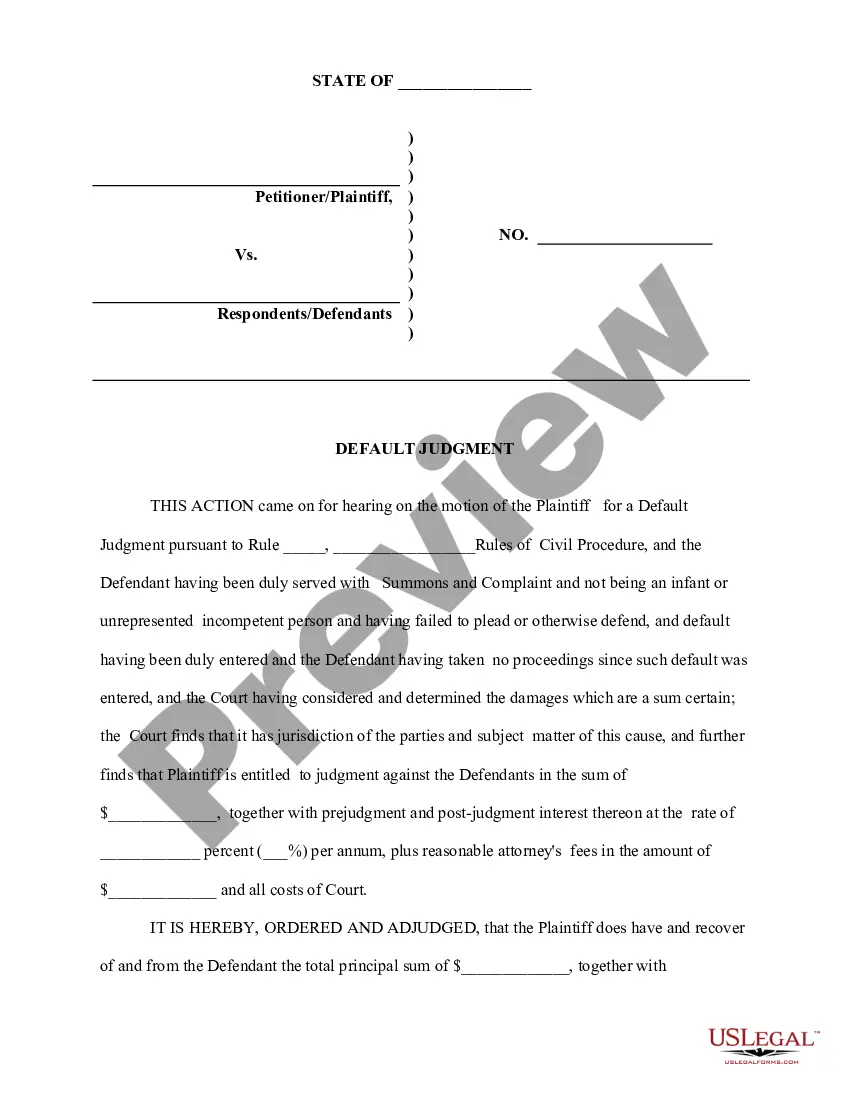
Get your form ready online
Our built-in tools help you complete, sign, share, and store your documents in one place.
Make edits, fill in missing information, and update formatting in US Legal Forms—just like you would in MS Word.
Download a copy, print it, send it by email, or mail it via USPS—whatever works best for your next step.
Sign and collect signatures with our SignNow integration. Send to multiple recipients, set reminders, and more. Go Premium to unlock E-Sign.
If this form requires notarization, complete it online through a secure video call—no need to meet a notary in person or wait for an appointment.
We protect your documents and personal data by following strict security and privacy standards.

Make edits, fill in missing information, and update formatting in US Legal Forms—just like you would in MS Word.

Download a copy, print it, send it by email, or mail it via USPS—whatever works best for your next step.

Sign and collect signatures with our SignNow integration. Send to multiple recipients, set reminders, and more. Go Premium to unlock E-Sign.

If this form requires notarization, complete it online through a secure video call—no need to meet a notary in person or wait for an appointment.

We protect your documents and personal data by following strict security and privacy standards.
Looking for another form?


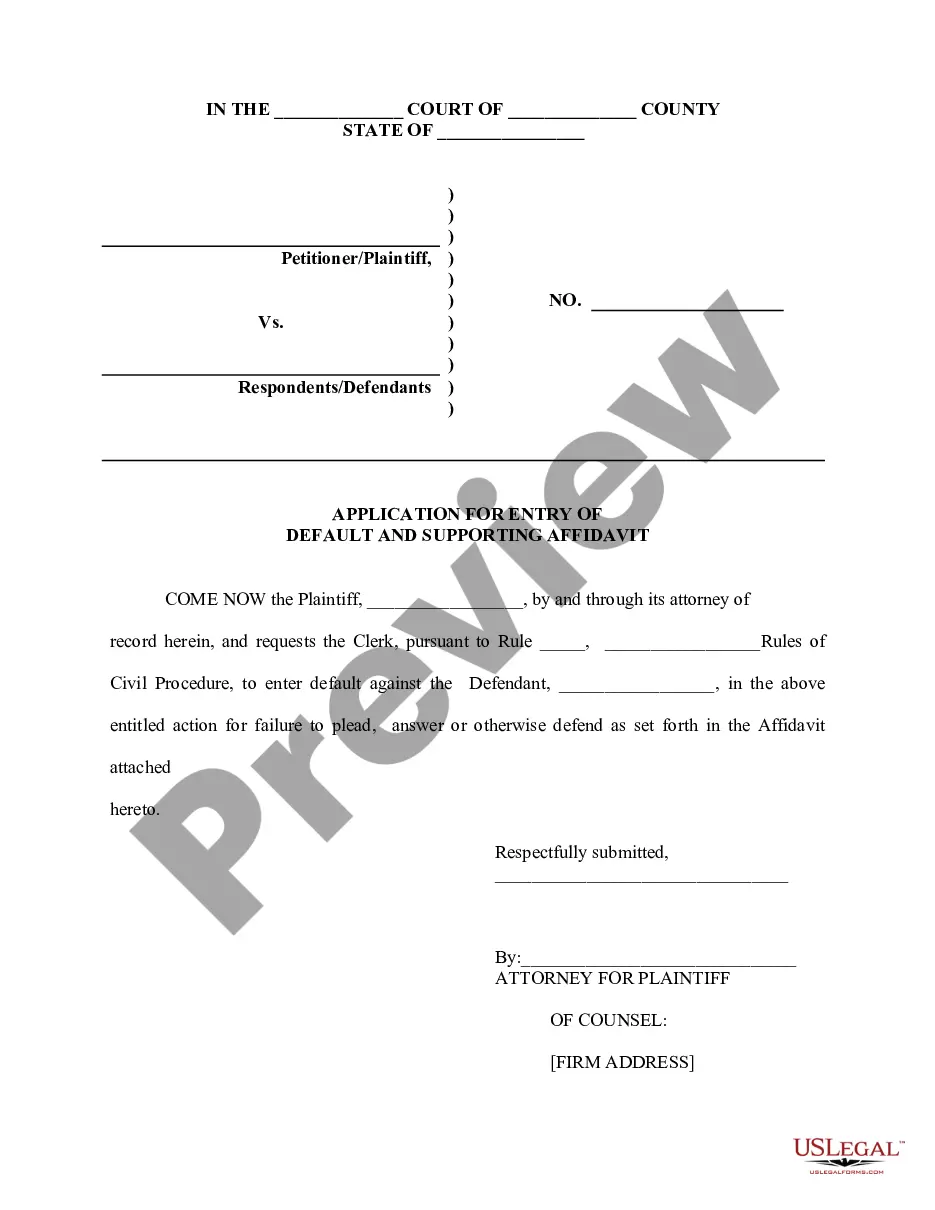
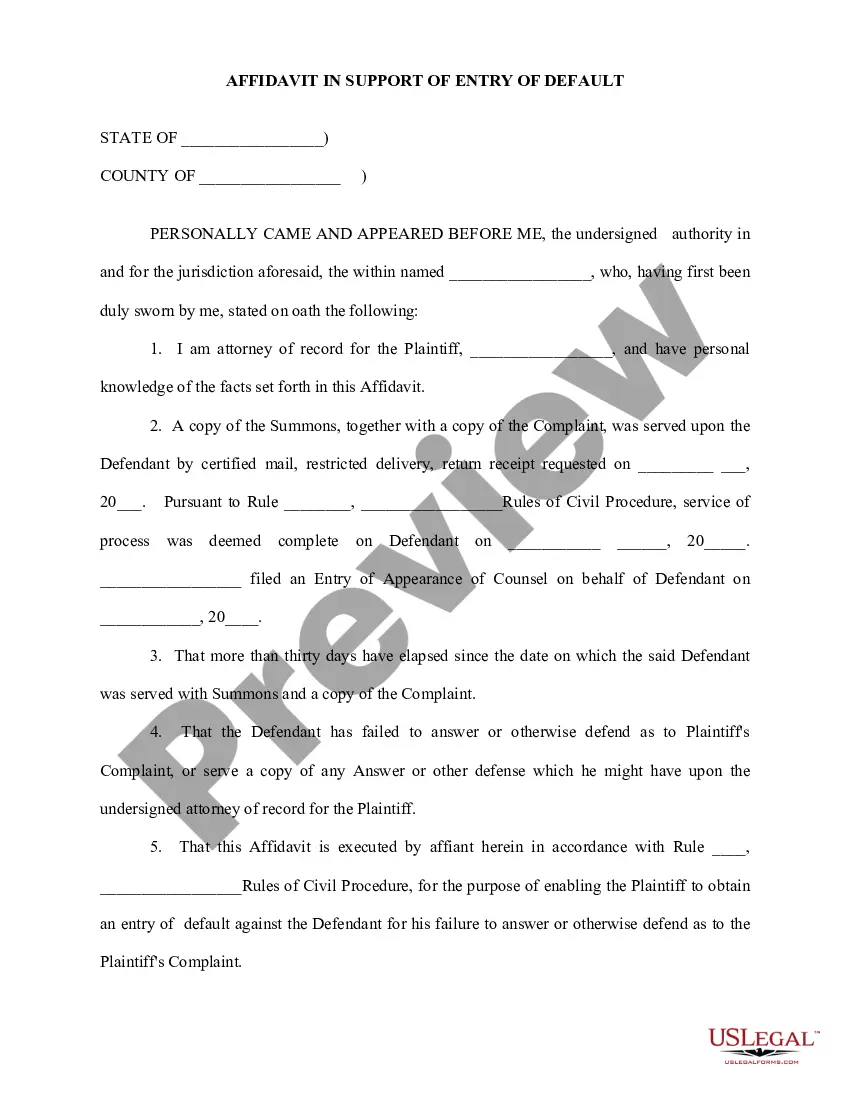
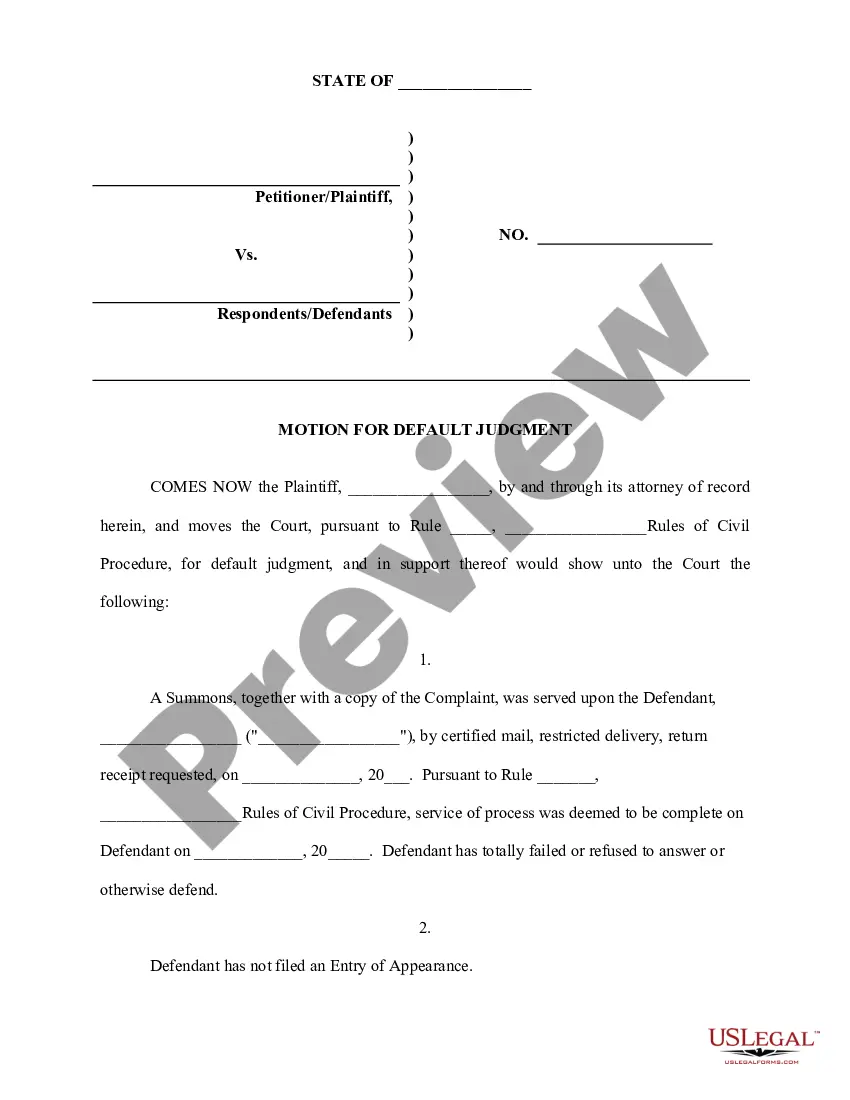
How to fill out Application For Entry Of Default - Affidavit - Motion - Entry Of Default - Default Judgment?
Obtaining legal documents that comply with federal and local regulations is essential, and the web provides numerous choices to consider.
However, what's the benefit of spending time searching for the accurately designed Tkinter Entry With Default Text example online when the US Legal Forms digital library already compiles such samples in one location.
US Legal Forms is the largest virtual legal database featuring over 85,000 editable documents created by legal professionals for various personal and professional scenarios. These documents are easy to navigate, categorized by state and intended purpose. Our experts stay informed on legislative changes, ensuring your form is always current and compliant when you obtain a Tkinter Entry With Default Text from our platform.
Click Buy Now once you've found the appropriate form and select a subscription plan. Set up an account or Log In and complete your payment using PayPal or a credit card. Choose the correct format for your Tkinter Entry With Default Text and download it. Every template you find through US Legal Forms is reusable. To re-download and fill out previously saved forms, access the My documents tab in your account. Take advantage of the most comprehensive and user-friendly legal documentation service!
- Acquiring a Tkinter Entry With Default Text is swift and straightforward for both existing and new users.
- If you possess an account with an active subscription, sign in and fetch the document sample you need in your desired format.
- If you are a new user on our site, adhere to the steps below.
- Review the template using the Preview function or via the text outline to ensure it fulfills your needs.
- If required, look for another example using the search feature at the top of the page.
Form popularity
FAQ
To retrieve the entry text from a Tkinter entry widget, you first need to create a Tkinter StringVar or use the get() method directly on the entry widget. When you set up your Tkinter entry with default text, you can easily access that default or any user input later. Simply call the get() method on your entry widget to fetch the current text. This approach allows you to manage user input efficiently, ensuring that you handle data accurately in your application.
Setting default HTML text requires a different approach than Tkinter. In web development, you can set default content in HTML elements using the `value` attribute in input fields. However, if you're working with Tkinter, you would use the `insert` method to establish default text in your entry widget, which serves a similar purpose.
To change the text font in Tkinter, you can use the `font` parameter when creating your widget. Alternatively, the `config` method allows you to change the font dynamically. This feature enables you to create visually distinct text that can enhance user engagement, particularly in a Tkinter entry with default text.
You can save data from a Tkinter application to a text file by retrieving the content from your entry widget. Use Python's built-in file handling methods to write this content to a file. This process not only secures user input but also allows you to manage data efficiently within your application.
To change the entry text in Tkinter, utilize the `delete` method to remove existing text, followed by the `insert` method to add new content. This two-step process is effective for updating your Tkinter entry with default text or any user input. It offers a seamless experience for users interacting with your application.
Configuring text in Tkinter is done through the `config` method for widgets like labels and entries. You can adjust properties like font, color, and size. This flexibility allows you to create a visually appealing interface that can improve user interaction, especially when utilizing a Tkinter entry with default text.
To set a default value in a Tkinter textbox, you can use the `insert` method right after creating your textbox widget. This method allows you to add the default text immediately, ensuring that users see it when they open the application. This can enhance user experience by guiding them on what to enter.
Changing text in an entry widget in Tkinter is simple. You can use the `delete` method to clear the current text and then insert new text with the `insert` method. This is particularly helpful when working with a Tkinter entry that has default text, allowing you to replace it as needed.
To edit label text in Tkinter, you will first need to create a label widget. Use the `config` method on your label object to change the text dynamically. Simply pass the new text to the `text` parameter. This straightforward method allows you to update your label's content efficiently.