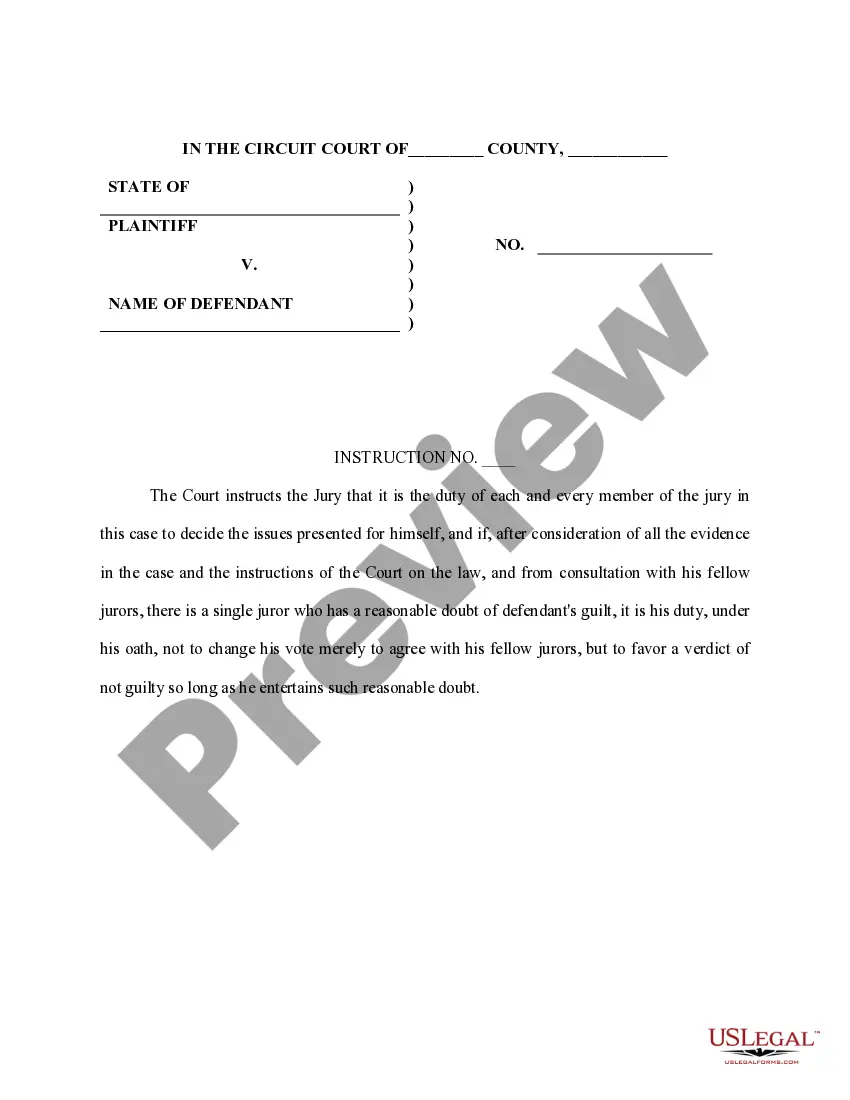
Juror Jury Duty With A Child
Description
Get your form ready online
Our built-in tools help you complete, sign, share, and store your documents in one place.
Make edits, fill in missing information, and update formatting in US Legal Forms—just like you would in MS Word.
Download a copy, print it, send it by email, or mail it via USPS—whatever works best for your next step.
Sign and collect signatures with our SignNow integration. Send to multiple recipients, set reminders, and more. Go Premium to unlock E-Sign.
If this form requires notarization, complete it online through a secure video call—no need to meet a notary in person or wait for an appointment.
We protect your documents and personal data by following strict security and privacy standards.

Make edits, fill in missing information, and update formatting in US Legal Forms—just like you would in MS Word.

Download a copy, print it, send it by email, or mail it via USPS—whatever works best for your next step.

Sign and collect signatures with our SignNow integration. Send to multiple recipients, set reminders, and more. Go Premium to unlock E-Sign.

If this form requires notarization, complete it online through a secure video call—no need to meet a notary in person or wait for an appointment.

We protect your documents and personal data by following strict security and privacy standards.
Looking for another form?


How to fill out Reasonable Doubt By Single Juror?
- Log into your US Legal Forms account or create a new one if you're a first-time user.
- Browse the extensive online library to locate the appropriate form for juror jury duty with a child. Utilize the search feature for accuracy.
- Review the form preview and description to confirm it meets your jurisdictional requirements.
- Select and purchase the document by clicking the 'Buy Now' button and choose your subscription plan.
- Complete your transaction using your credit card or PayPal for secure payment.
- Download the filled template directly to your device, and access it anytime from the 'My Forms' section.
By utilizing US Legal Forms, you can streamline your legal document process, ensuring that you meet your jury obligations while managing family duties effectively. This service provides access to over 85,000 customizable forms, providing more choices than many competitors.
Don't let jury duty stress you out. Start your journey with US Legal Forms today and ensure you have the right documents at your fingertips.
Form popularity
FAQ
A solid excuse to get out of juror jury duty with a child is demonstrating that your parenting responsibilities prevent you from serving. You can discuss your situation with the court and request a deferral. Providing documentation of your child's needs might strengthen your case. It's important to approach this courteously and honestly for the best outcome.
Bringing your child to juror jury duty can complicate your experience, as courts usually do not permit children to be present during proceedings. Additionally, the environment may not be suitable for kids due to long waiting periods and formal settings. If you must bring your child, inform the court in advance and check if there are accommodations available. It’s often best to arrange for childcare to avoid any issues.
The best excuses for juror jury duty with a child include showing that you have significant caregiver responsibilities or that your child requires special care. If your situation is more complex, consider discussing it openly with the court. You may also seek documentation to support your case. Remember, communication is key to addressing your situation effectively.
A jury primarily operates as a group of adults making decisions on legal matters. However, when considering juror jury duty with a child, it’s important to note that children cannot serve on juries. If you’re involved in a case that includes children, the court will generally accommodate their needs, such as scheduling hearings outside school hours, to ensure their well-being.
To reduce your chances of being selected for juror jury duty with a child, you can provide valid reasons for your unavailability. You might explain personal commitments, health issues, or caretaker responsibilities. Additionally, call or respond to the jury summons promptly and share your circumstances. Always check if your jurisdiction has options for deferrals or exemptions.
When answering questions about jury duty, it's essential to be clear and confident. Stick to the facts about what jury duty involves and why it matters. If you're discussing juror jury duty with a child, emphasize the importance of their role in making decisions. You can also refer them to resources like the UsLegalForms platform, which can help you prepare for any questions you might face regarding jury duty.
A jury is a group of people chosen to listen to evidence in a court case and make a decision about what happened. They represent the community and help uphold the law. In simple terms, a jury translates complex legal issues into understandable outcomes. Discussing the concept of a jury with a child can foster their appreciation of fairness in society.
When explaining jury duty to a child, you can start by describing it as a special job where people help decide if someone did something wrong. You can share that a group of citizens listens to both sides of a story in a courtroom. Encourage questions to make the conversation engaging, linking your explanation of juror jury duty with a child to their role in making decisions. This can promote their understanding of fairness and justice.
Jury duty is a civic responsibility where citizens participate in legal proceedings by serving as jurors. When you receive a summons, you might be chosen to help decide the outcome of a case. Participating in jury duty is important as it helps ensure a fair trial. Understanding jury duty with a child can help them see the role they play in the legal system.
As a juror with jury duty and a child, it is essential to avoid discussing the case with anyone outside the jury, including family and friends. Sharing case details can compromise the integrity of the trial and may lead to serious legal consequences. Additionally, do not make personal judgments based on media reports or social media; rely solely on the evidence presented in court. Staying focused on the case ensures a fair trial while fulfilling your juror duties.