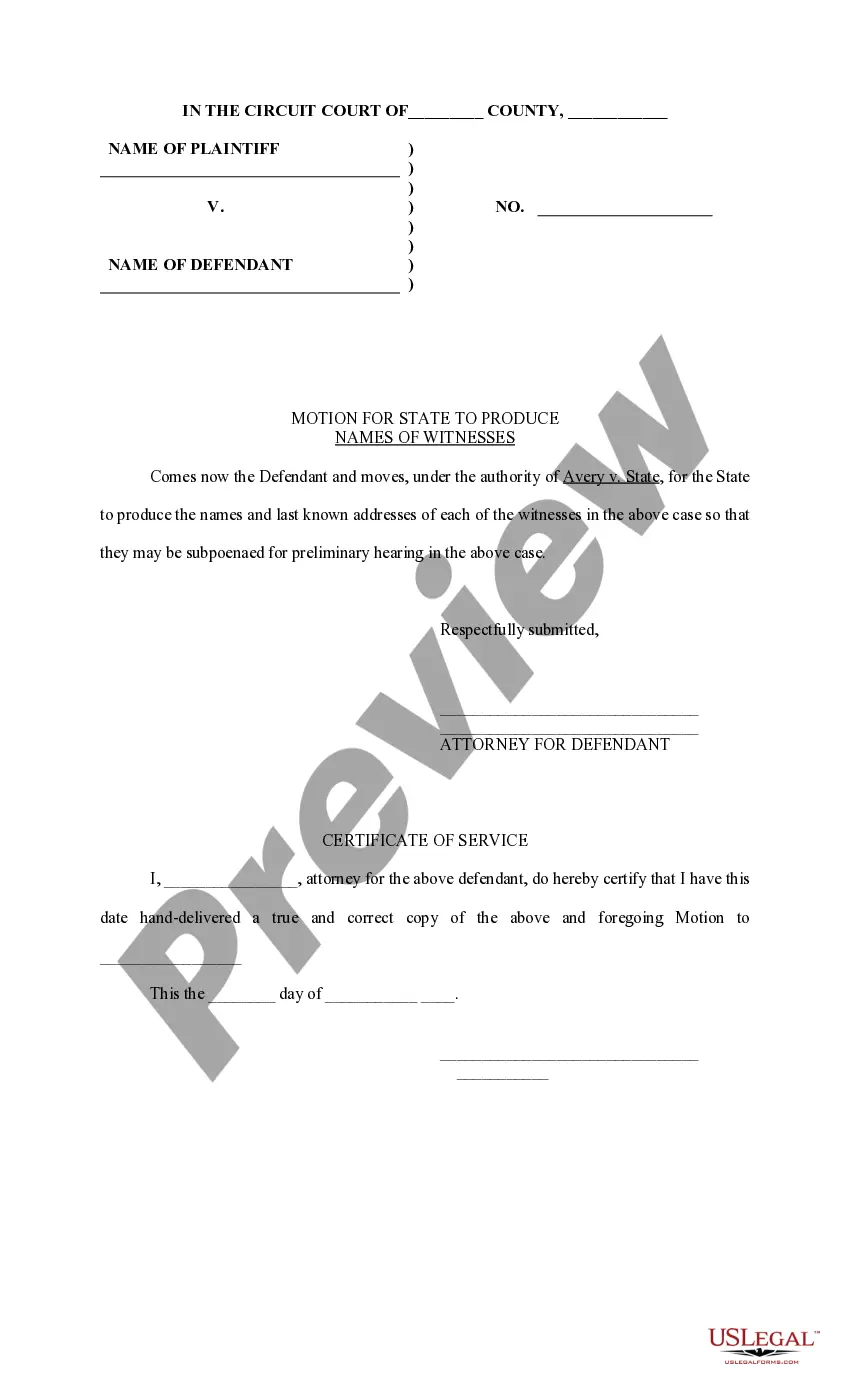
Discovery In Criminal Case With Get
Description
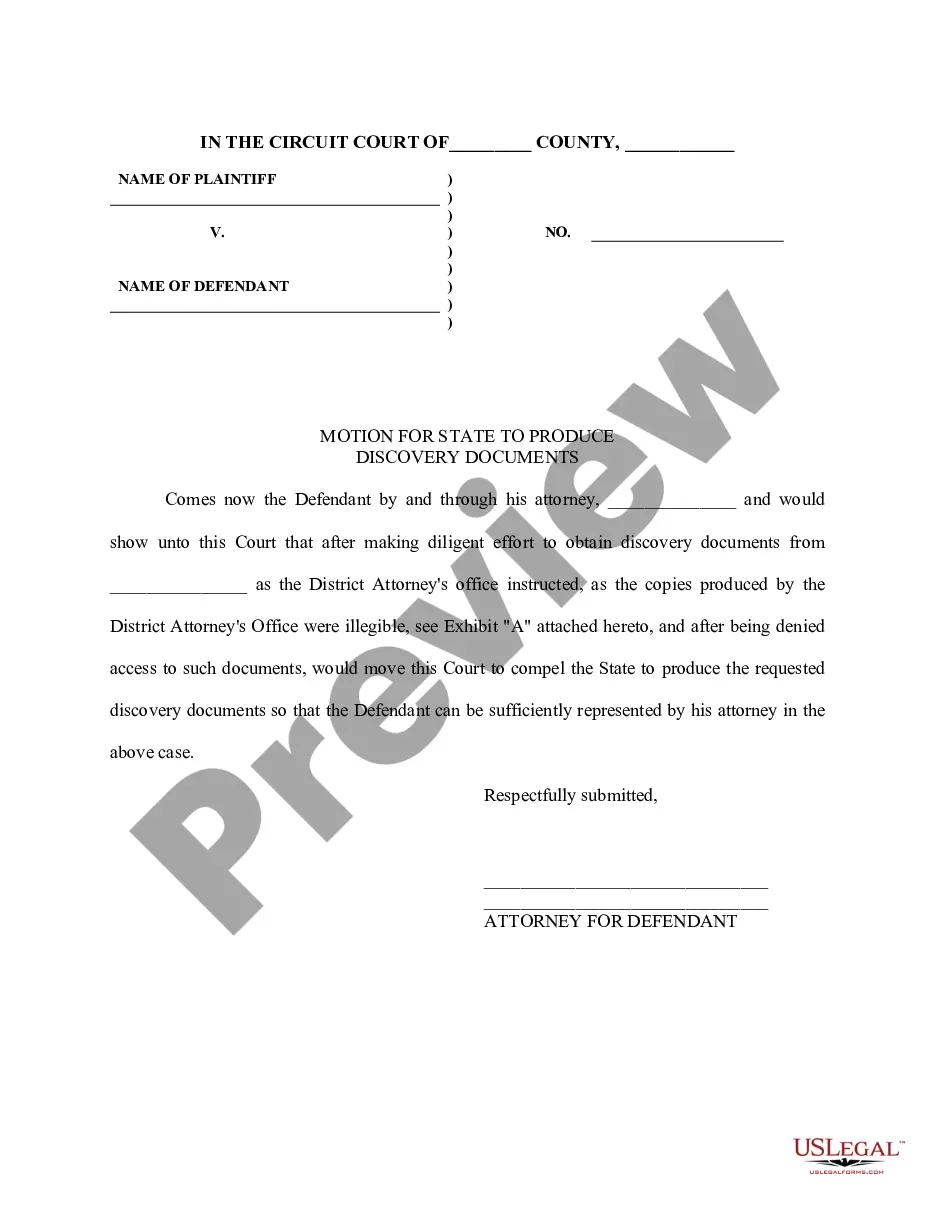
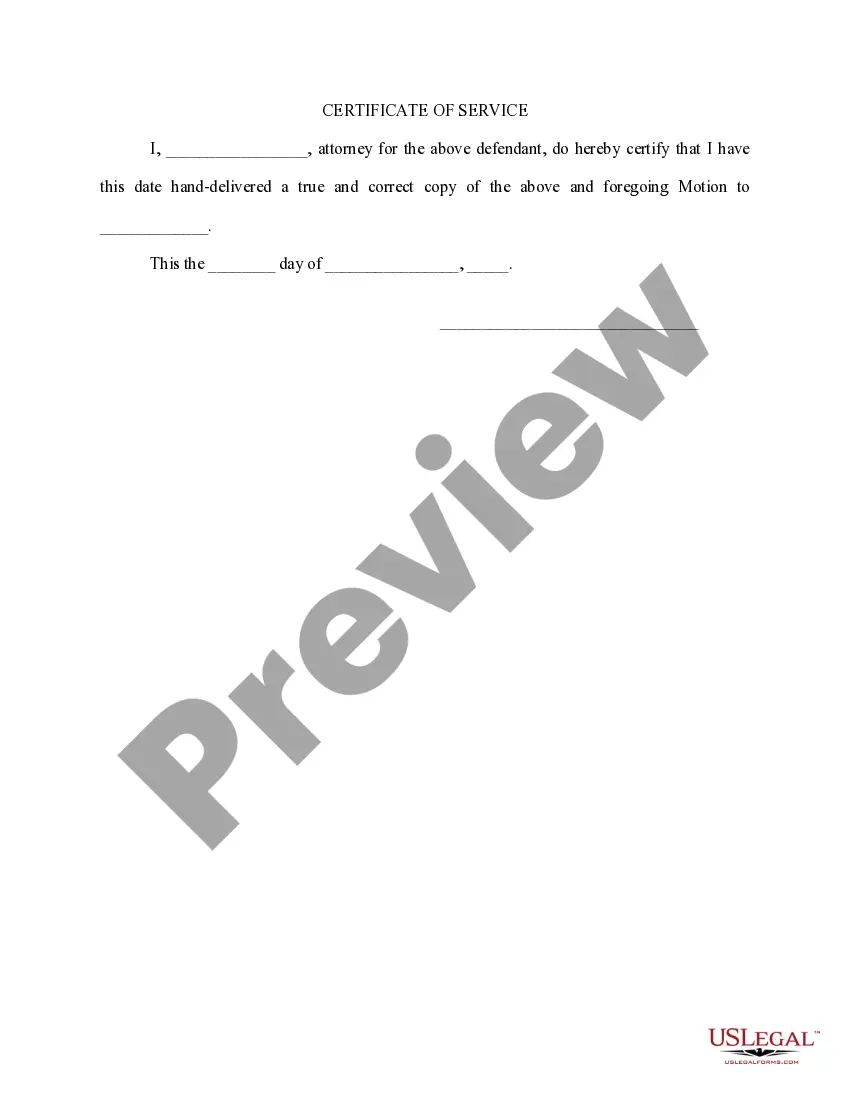
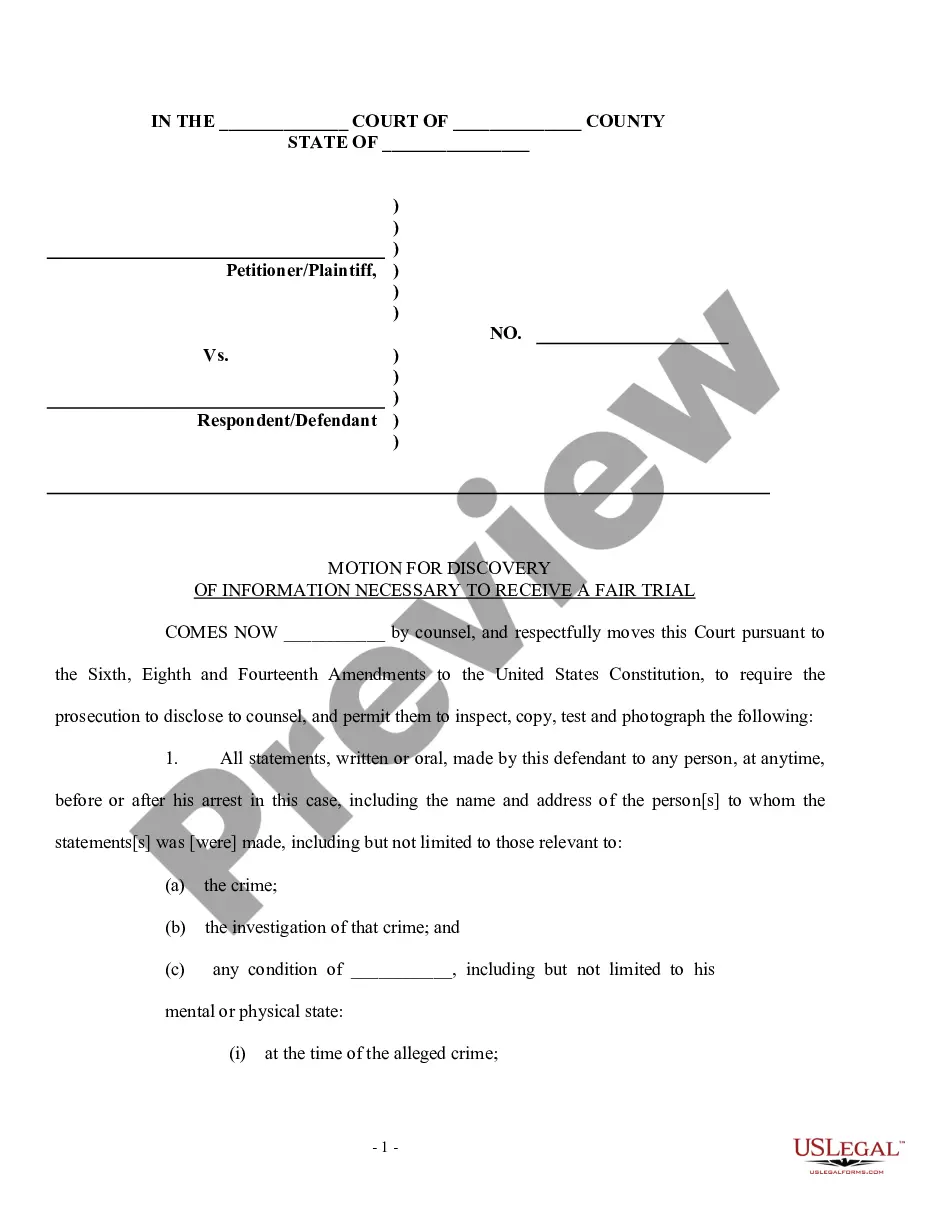
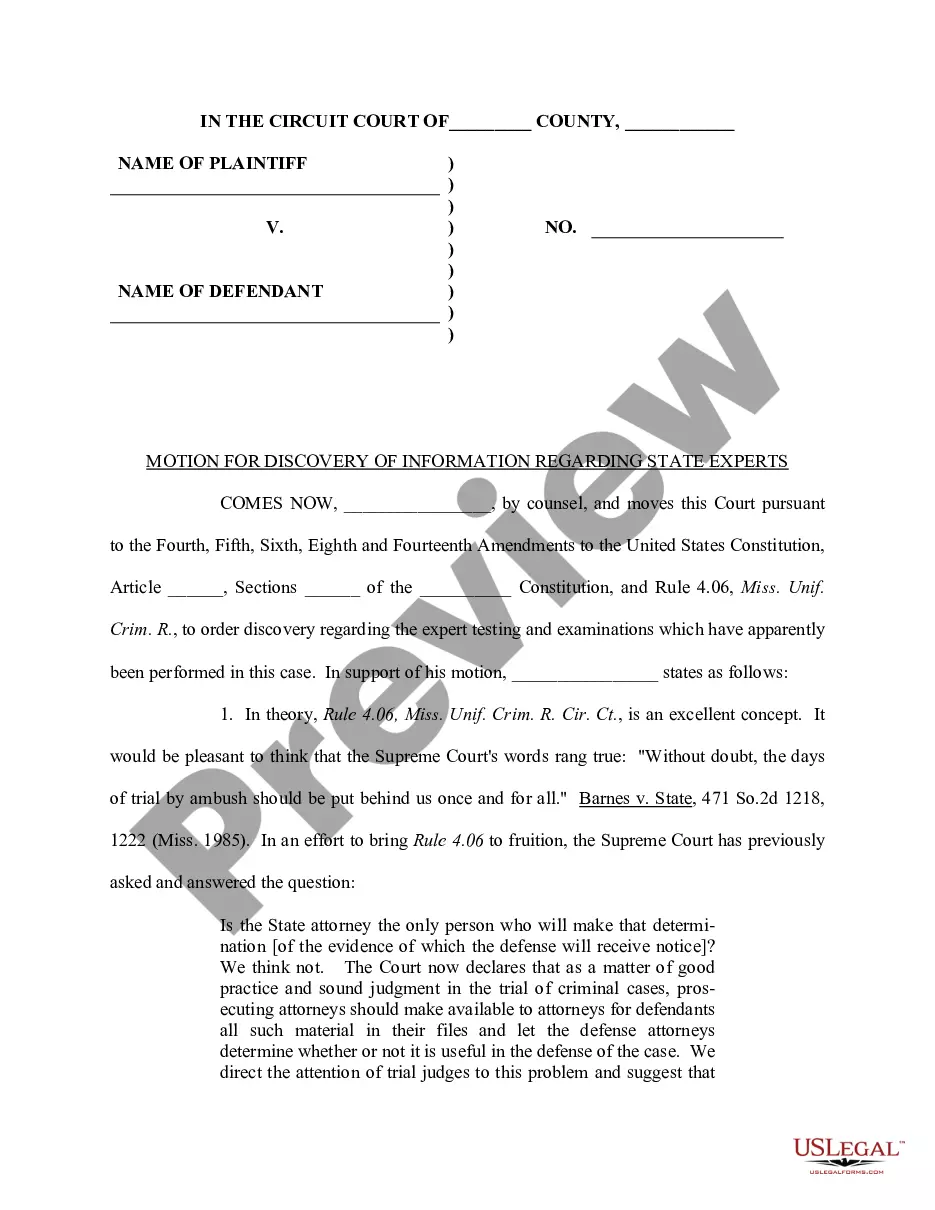
Get your form ready online
Our built-in tools help you complete, sign, share, and store your documents in one place.
Make edits, fill in missing information, and update formatting in US Legal Forms—just like you would in MS Word.
Download a copy, print it, send it by email, or mail it via USPS—whatever works best for your next step.
Sign and collect signatures with our SignNow integration. Send to multiple recipients, set reminders, and more. Go Premium to unlock E-Sign.
If this form requires notarization, complete it online through a secure video call—no need to meet a notary in person or wait for an appointment.
We protect your documents and personal data by following strict security and privacy standards.

Make edits, fill in missing information, and update formatting in US Legal Forms—just like you would in MS Word.

Download a copy, print it, send it by email, or mail it via USPS—whatever works best for your next step.

Sign and collect signatures with our SignNow integration. Send to multiple recipients, set reminders, and more. Go Premium to unlock E-Sign.

If this form requires notarization, complete it online through a secure video call—no need to meet a notary in person or wait for an appointment.

We protect your documents and personal data by following strict security and privacy standards.
Looking for another form?




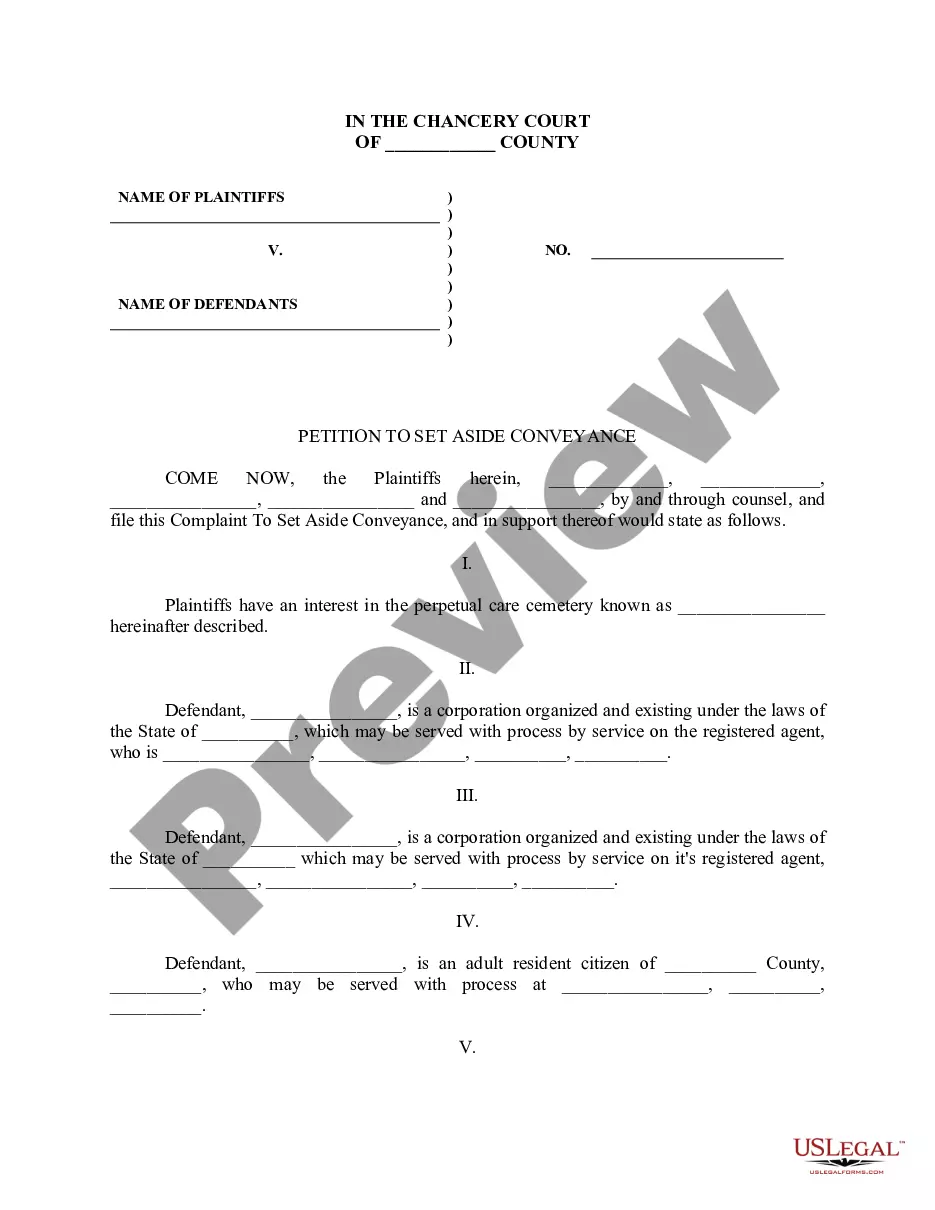
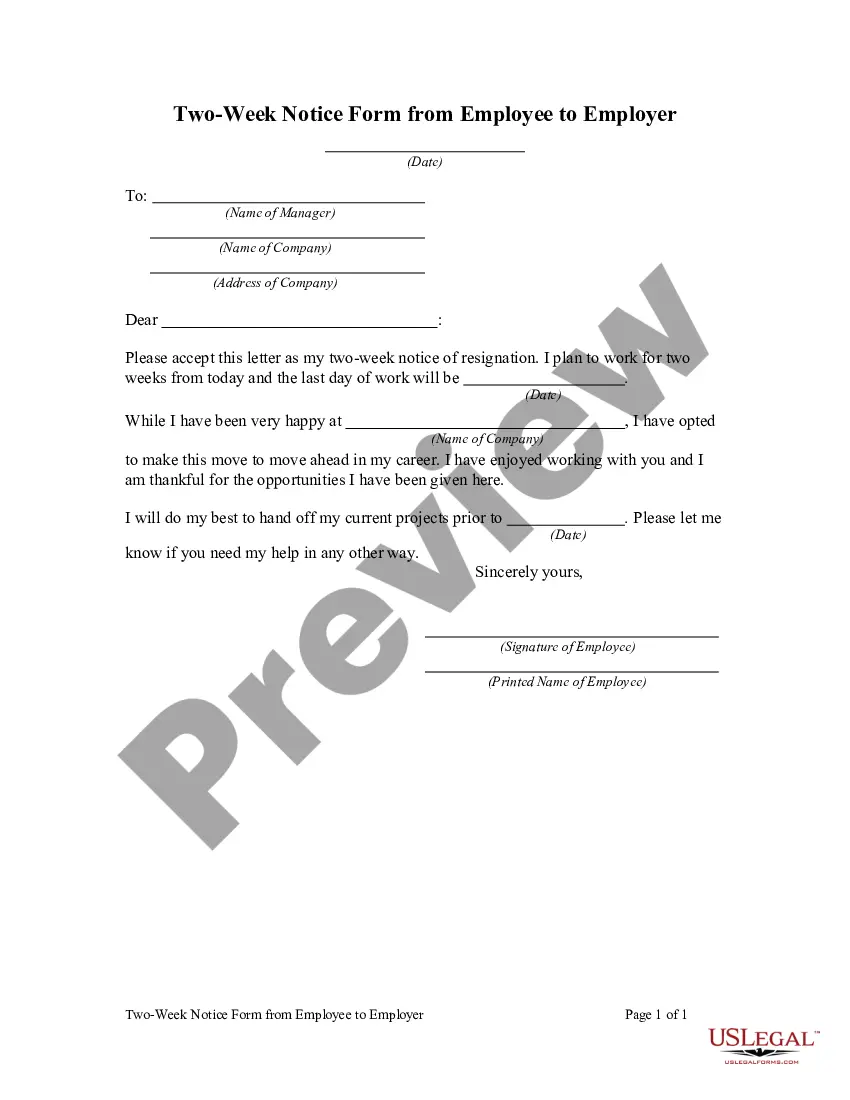


How to fill out Motion For State To Produce Discovery Document?
Locating a preferred spot to obtain the most up-to-date and pertinent legal templates is a significant part of navigating bureaucracy.
Selecting the appropriate legal documents necessitates precision and meticulousness, which is why it's crucial to source samples of Discovery In Criminal Case With Get exclusively from credible outlets, such as US Legal Forms.
Eliminate the hassle associated with your legal documentation. Browse the extensive US Legal Forms repository to discover legal templates, assess their applicability to your case, and download them immediately.
- Employ the library navigation or search function to find your template.
- Review the form’s description to determine if it aligns with your state and locality requirements.
- Access the form preview, if available, to confirm that the template is indeed what you seek.
- Return to the search and look for the right document if the Discovery In Criminal Case With Get does not meet your specifications.
- If you are confident about the form’s suitability, download it.
- When you are a registered user, click Log in to verify and retrieve your chosen templates in My documents.
- If you still do not have an account, click Buy now to purchase the document.
- Choose the pricing package that fits your needs.
- Proceed with registration to finalize your order.
- Complete your transaction by selecting a payment method (credit card or PayPal).
- Choose the document format to download Discovery In Criminal Case With Get.
- After obtaining the form on your device, you can alter it using the editor or print it out to fill in manually.
Form popularity
FAQ
Discovery in a criminal case involves the process where both the prosecution and defense exchange information relevant to the case. This includes evidence, witness statements, and any documents that may impact the trial's outcome. You, as a defendant, have the right to access this information, allowing you to prepare your defense effectively. Utilizing platforms like US Legal Forms can help you understand your rights and streamline the discovery process.
Discovery enables the parties to know before the trial begins what evidence may be presented. It s designed to prevent "trial by ambush," where one side doesn t learn of the other side s evidence or witnesses until the trial, when there s no time to obtain answering evidence.
The duration of the discovery process in a criminal case can vary significantly depending on various factors, including the complexity of the case, the number of parties involved, and local court rules. Discovery typically takes several months, but it can extend to a year or more in complex cases.
Steps Of The Discovery Process. There are four key actions in the discovery process which include interrogatories, request for documents, request for admissions, and depositions.
Discovery is the means by which one party in a legal action seeks to learn as much as possible about the opposing party's case in order to devise an appropriate trial strategy. In the 1963 decision in Brady v.
Discovery also includes: any video or audio evidence that might have been obtained from a law enforcement surveillance operation, such as; a phone tap, or video from an alleged drug buy, and. any crime scene pictures.