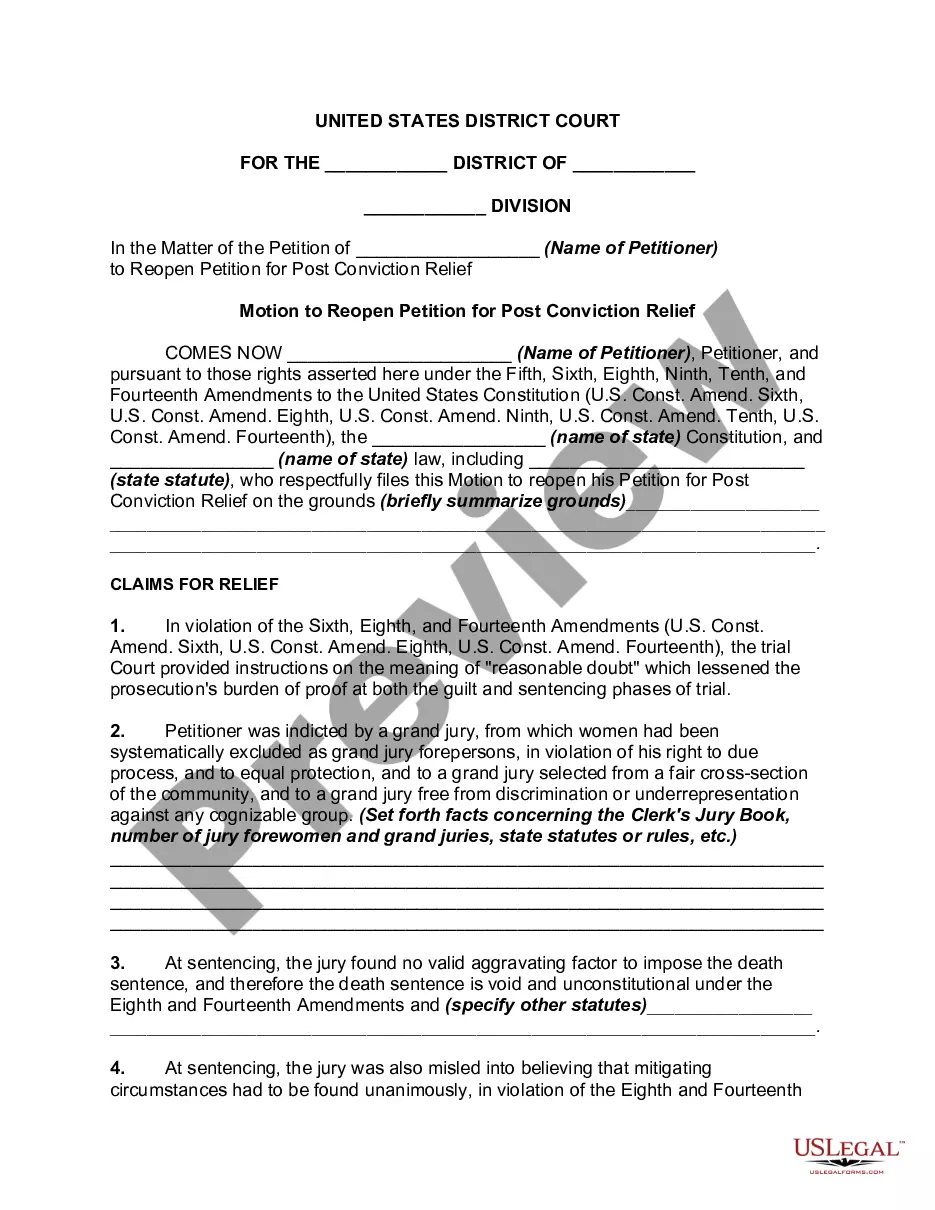
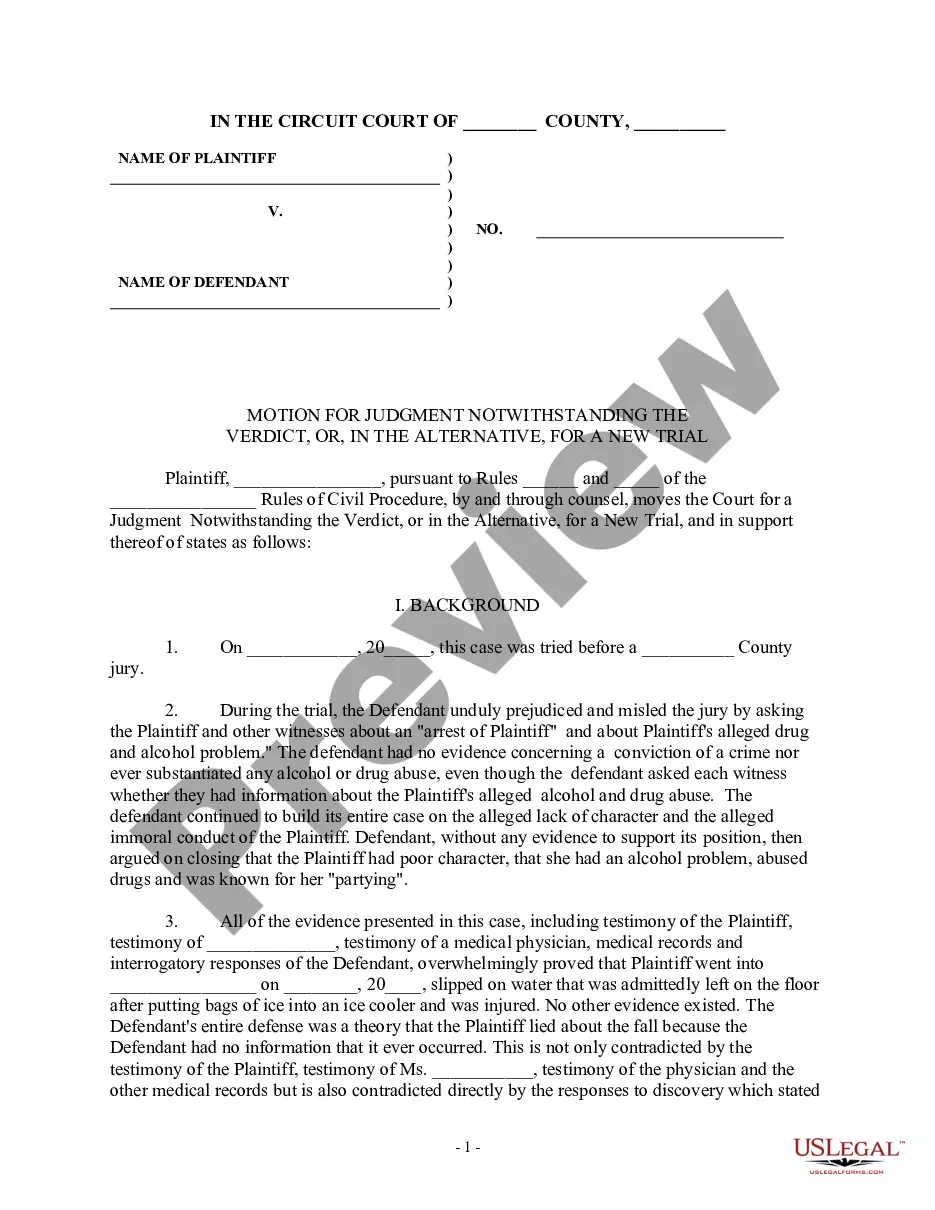
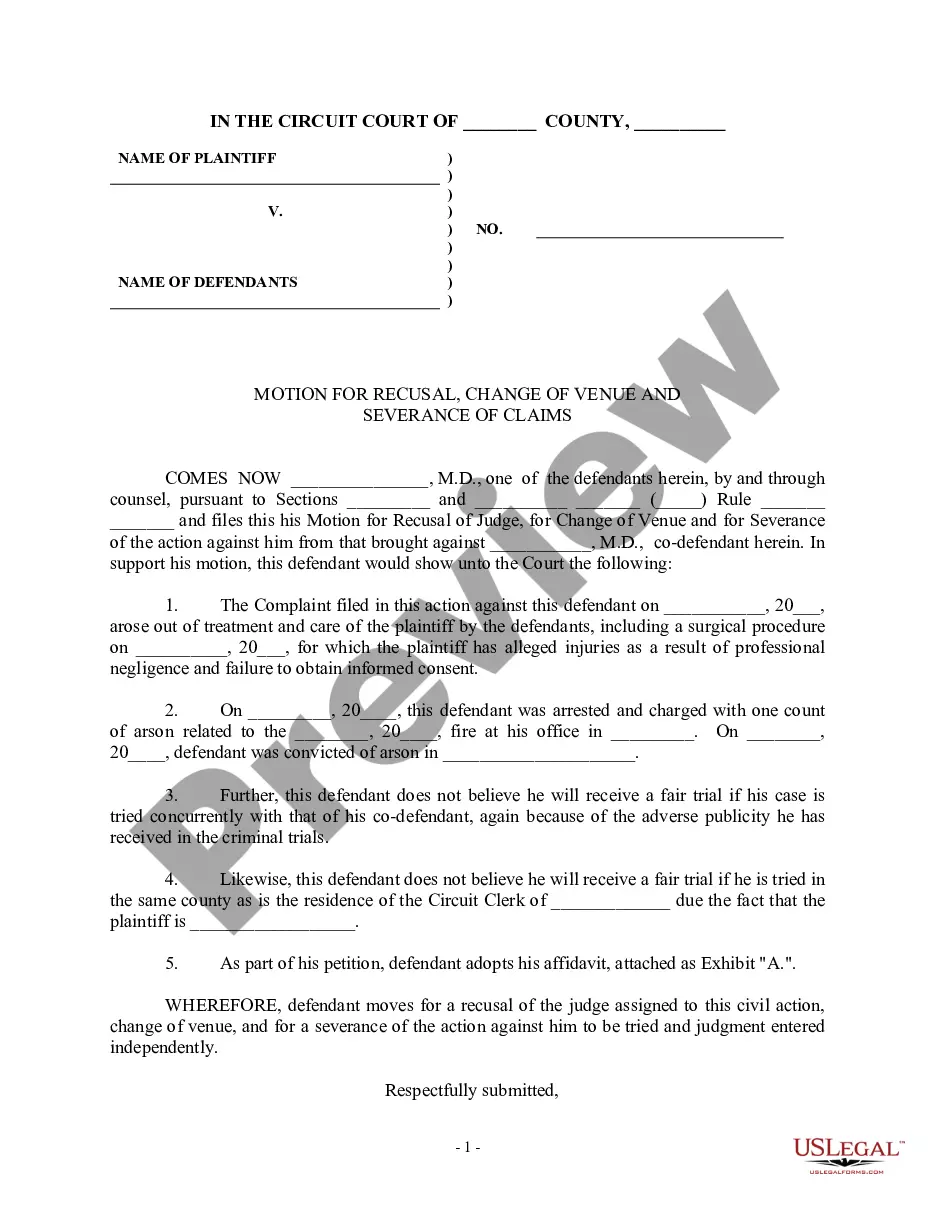
Trial Criminal Sample Without Defendant Present
Description
Get your form ready online
Our built-in tools help you complete, sign, share, and store your documents in one place.
Make edits, fill in missing information, and update formatting in US Legal Forms—just like you would in MS Word.
Download a copy, print it, send it by email, or mail it via USPS—whatever works best for your next step.
Sign and collect signatures with our SignNow integration. Send to multiple recipients, set reminders, and more. Go Premium to unlock E-Sign.
If this form requires notarization, complete it online through a secure video call—no need to meet a notary in person or wait for an appointment.
We protect your documents and personal data by following strict security and privacy standards.

Make edits, fill in missing information, and update formatting in US Legal Forms—just like you would in MS Word.

Download a copy, print it, send it by email, or mail it via USPS—whatever works best for your next step.

Sign and collect signatures with our SignNow integration. Send to multiple recipients, set reminders, and more. Go Premium to unlock E-Sign.

If this form requires notarization, complete it online through a secure video call—no need to meet a notary in person or wait for an appointment.

We protect your documents and personal data by following strict security and privacy standards.
Looking for another form?




How to fill out Motion For New Trial?
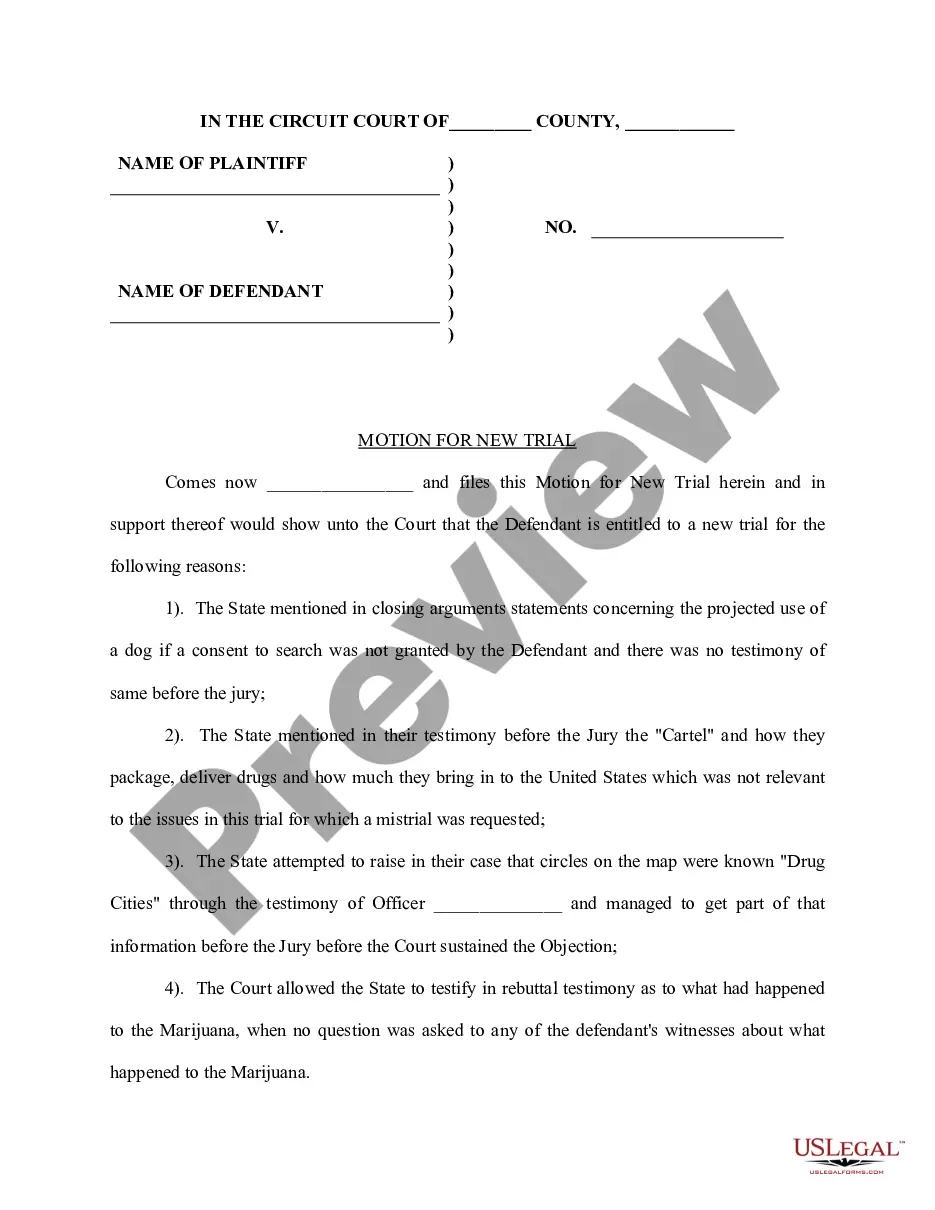
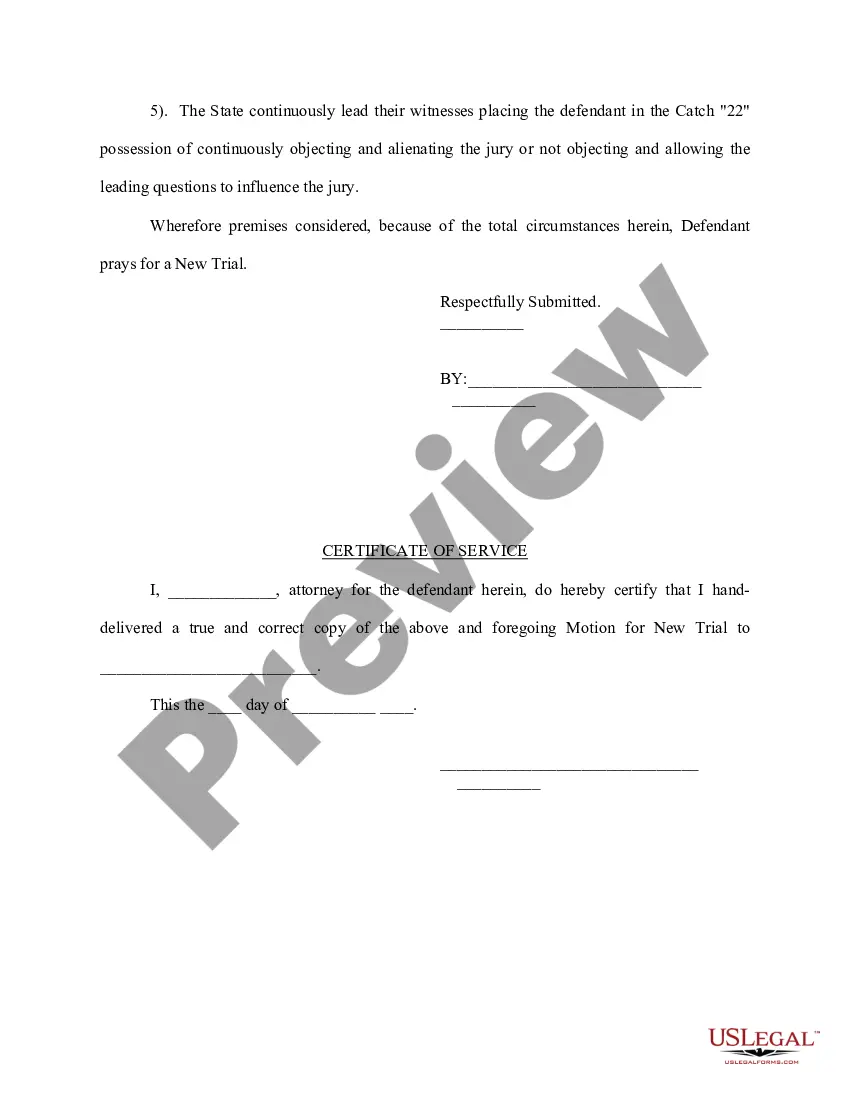
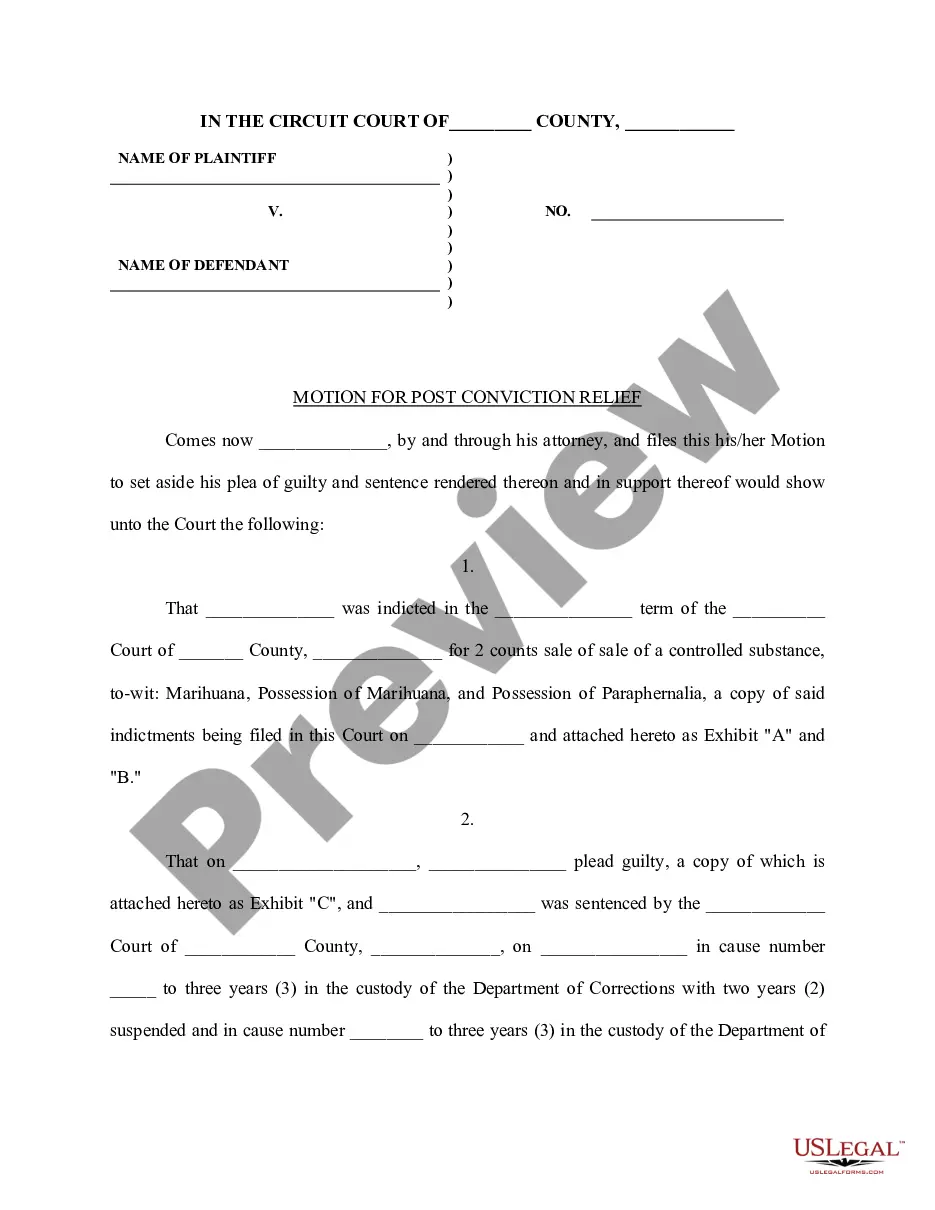
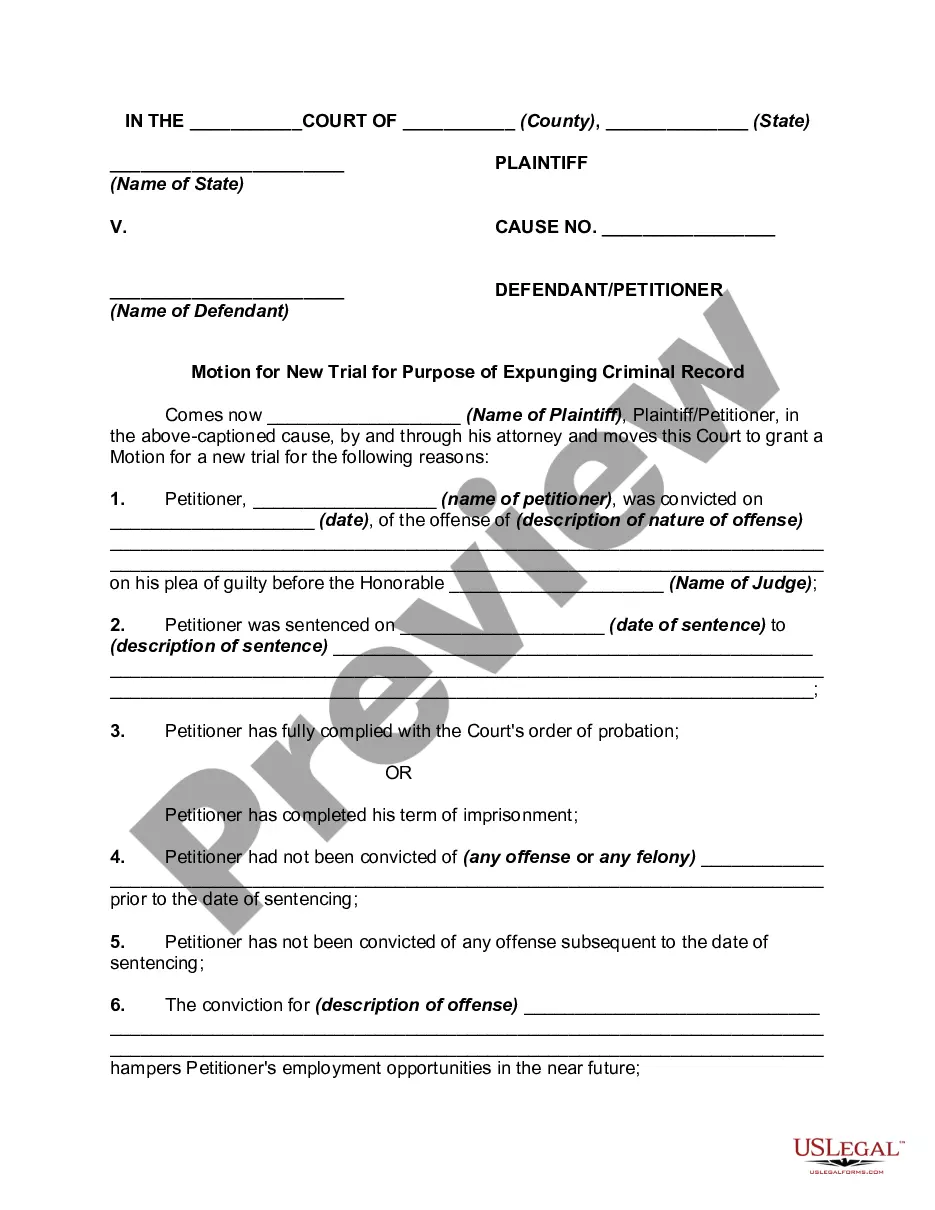
The Trial Criminal Example Without Defendant Present you observe on this page is a reusable legal document composed by expert lawyers in accordance with federal and local regulations.
For over 25 years, US Legal Forms has supplied individuals, organizations, and legal practitioners with more than 85,000 authenticated, state-specific forms for any commercial and personal circumstance. It’s the quickest, easiest, and most dependable method to obtain the documents you require, as the service assures bank-level data security and anti-malware safeguards.
Register with US Legal Forms to have verified legal templates for all of life’s situations readily available.
- Search for the document you need and review it.
- Browse through the file you searched and preview it or assess the form description to ensure it meets your requirements. If it does not, use the search bar to find the correct one. Click Buy Now when you have located the template you require.
- Subscribe and Log In.
- Select the pricing plan that fits you and register for an account. Use PayPal or a credit card to complete a swift payment. If you already have an account, Log In and verify your subscription to proceed.
- Obtain the editable template.
- Choose the format you desire for your Trial Criminal Example Without Defendant Present (PDF, Word, RTF) and download the sample onto your device.
- Complete and sign the document.
- Print the template to finish it by hand. Alternatively, use an online multifunctional PDF editor to quickly and accurately complete and sign your form with a legally-binding electronic signature.
- Re-download your paperwork as needed.
- Utilize the same document again whenever required. Access the My documents section in your profile to re-download any previously saved forms.
Form popularity
FAQ
Rule 43 of the Federal Rules of Criminal Procedure deals with the presence of the defendant during the proceedings against him. It presently permits a defendant to be tried in absentia only in non-capital cases where the defendant has voluntarily absented himself after the trial has begun.
Trial in absentia is a criminal proceeding in a court of law in which the person who is subject to it is not physically present at those proceedings. In absentia is Latin for "in (the) absence". Its meaning varies by jurisdiction and legal system.
In-absentia (in ab-sen-shah) is Latin for "in absence," or more fully, in one's absence. A trial is sometimes called trial in absentia in cases where the trial is held without the presence of the accused. In Smith v.
Mann, the Second Circuit held that ?Though federal rule of criminal procedure prohibits federal trials in-absentia where defendant is not present at beginning of trial, the Constitution itself does not prohibit trial from being commenced in defendant's absence so long as defendant knowingly and voluntarily waives his ...
Defendant has a right to be present at trial, but this is a personal right which may be expressly waived. Waiver may also be implied when the defendant is voluntarily absent after trial has begun, or so disruptive that he or she must be removed from the courtroom.