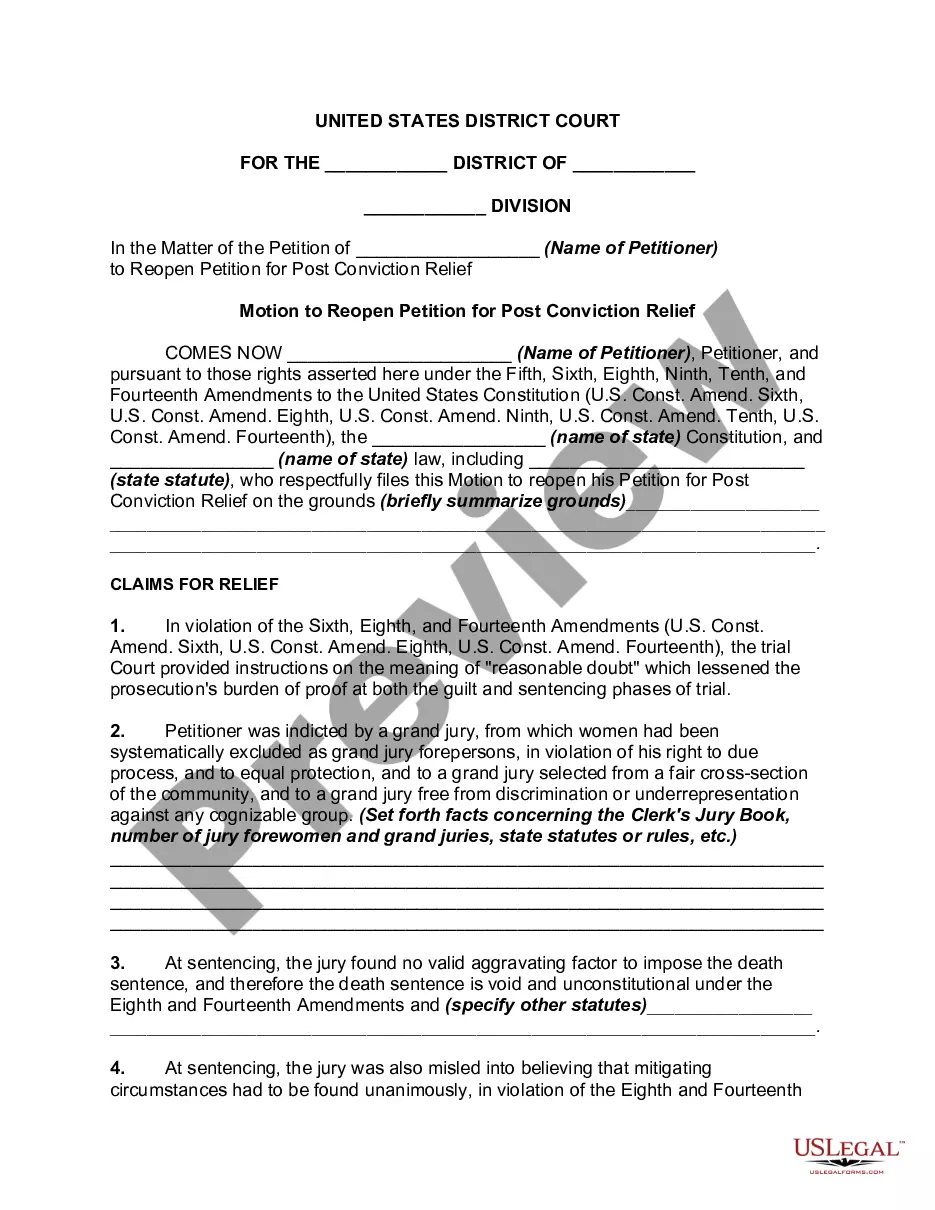
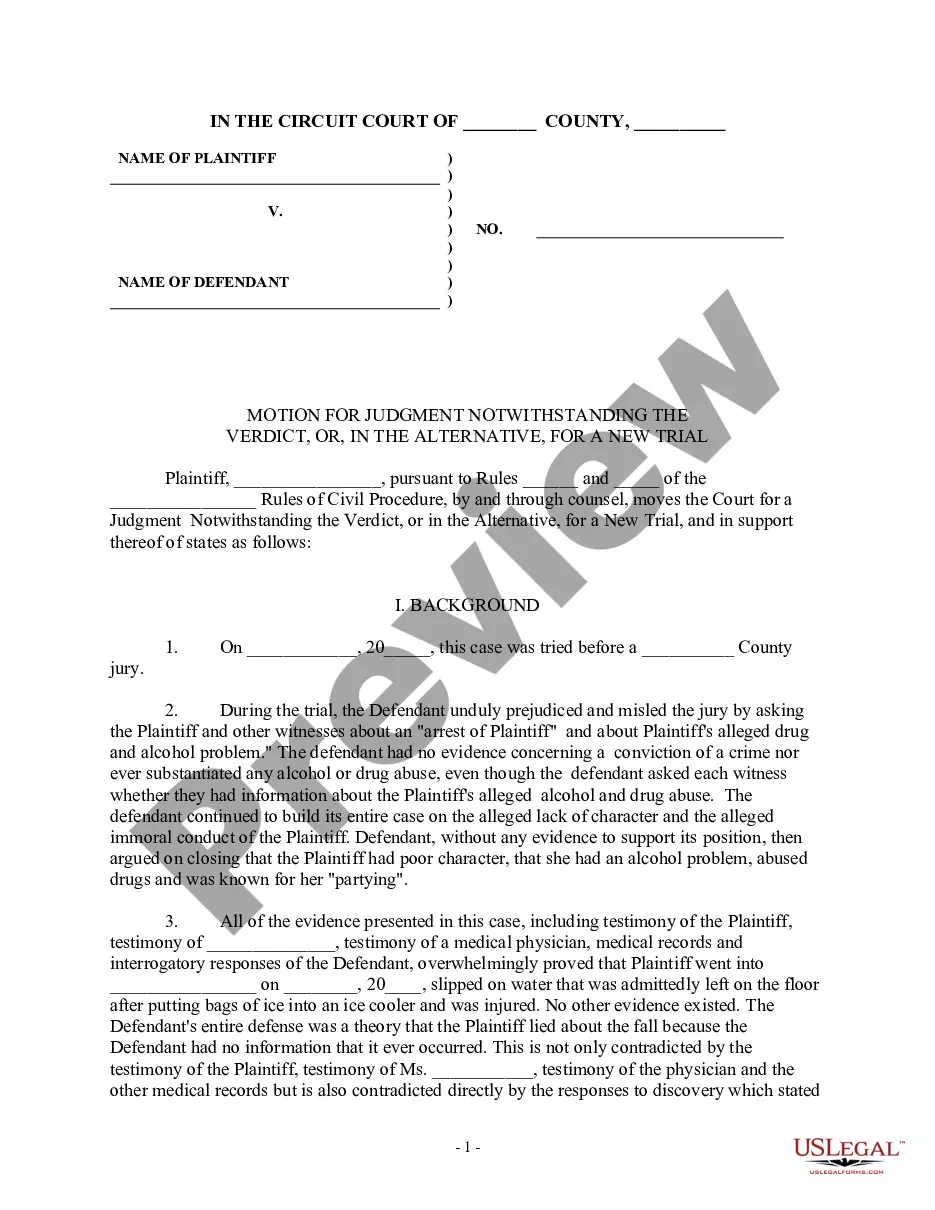
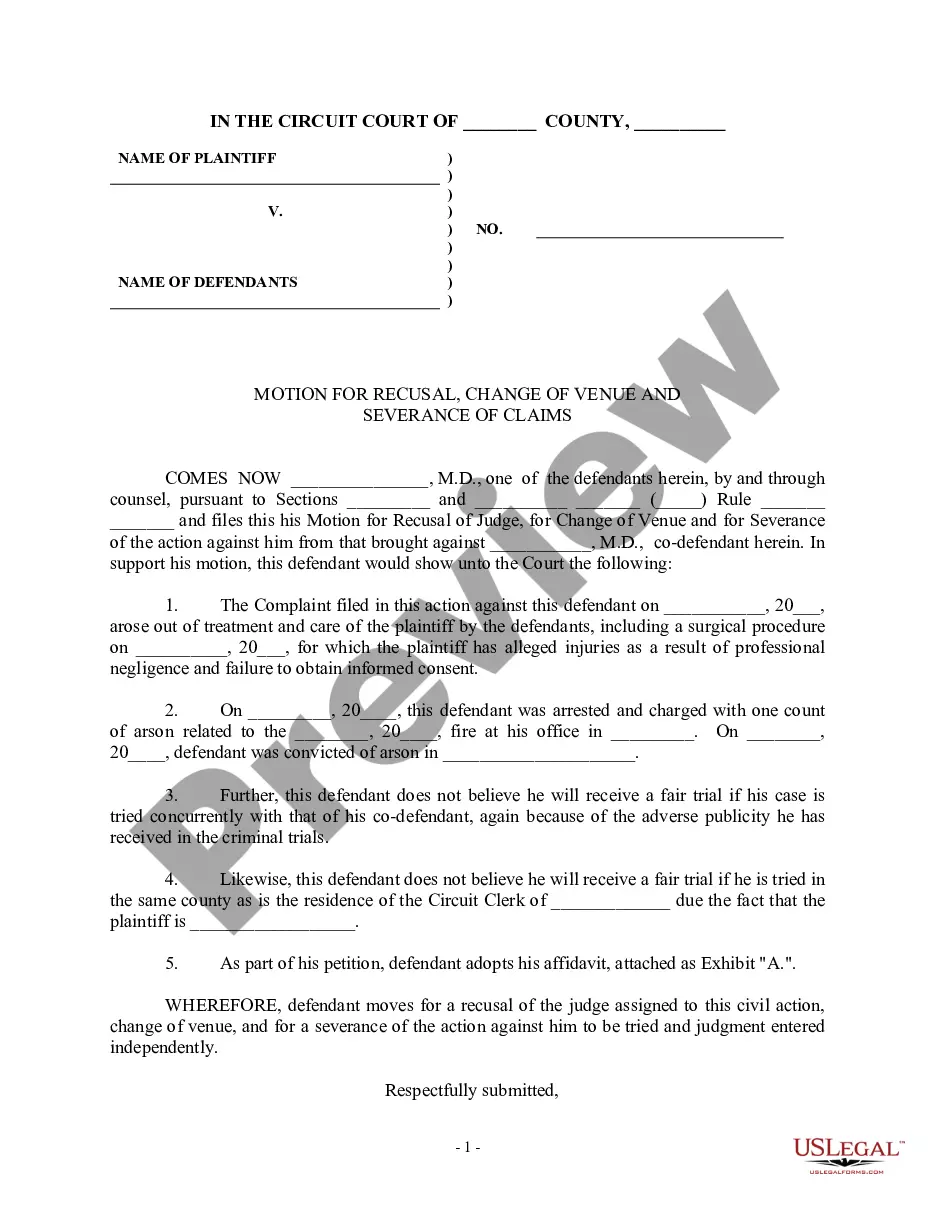
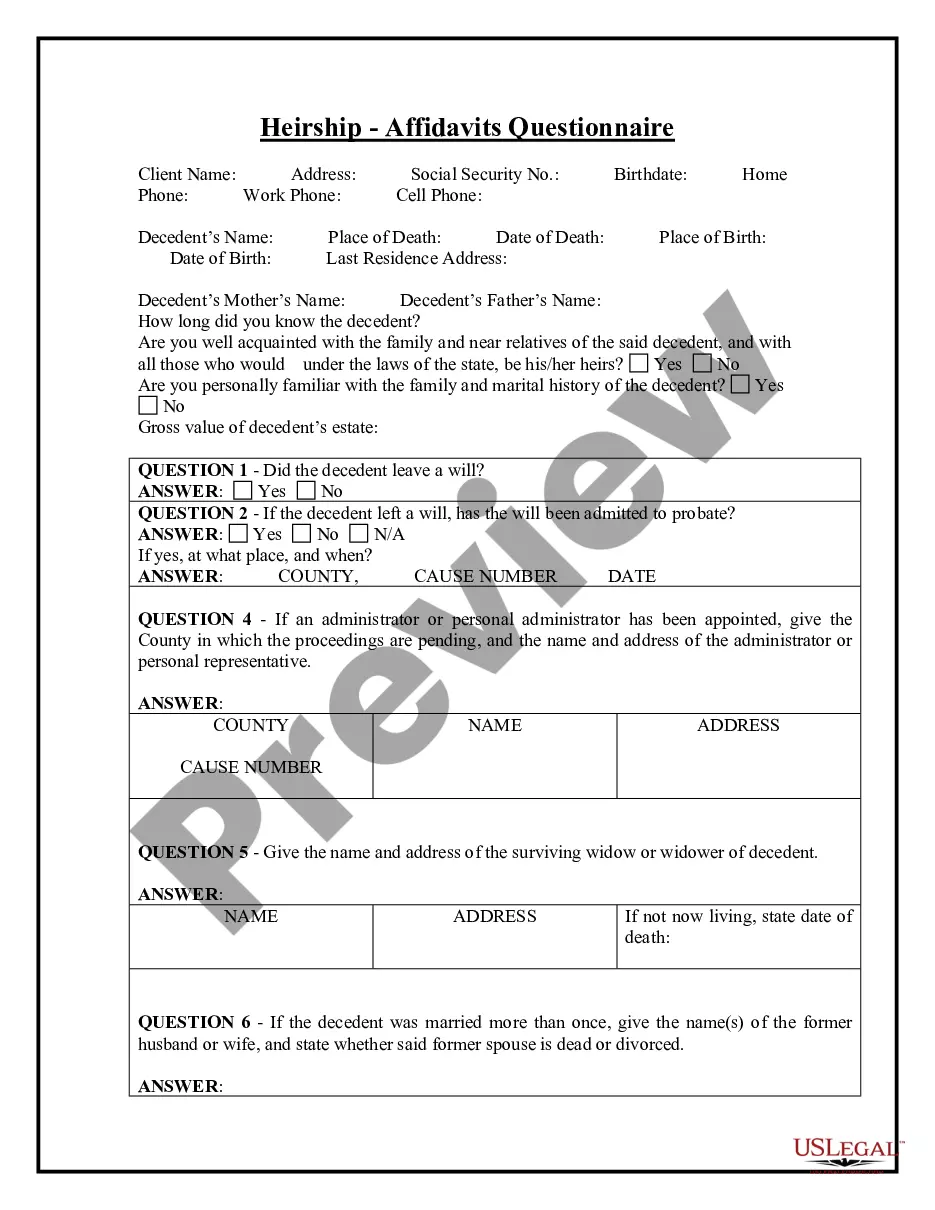
Trial Court Motion Without An Attorney
Description
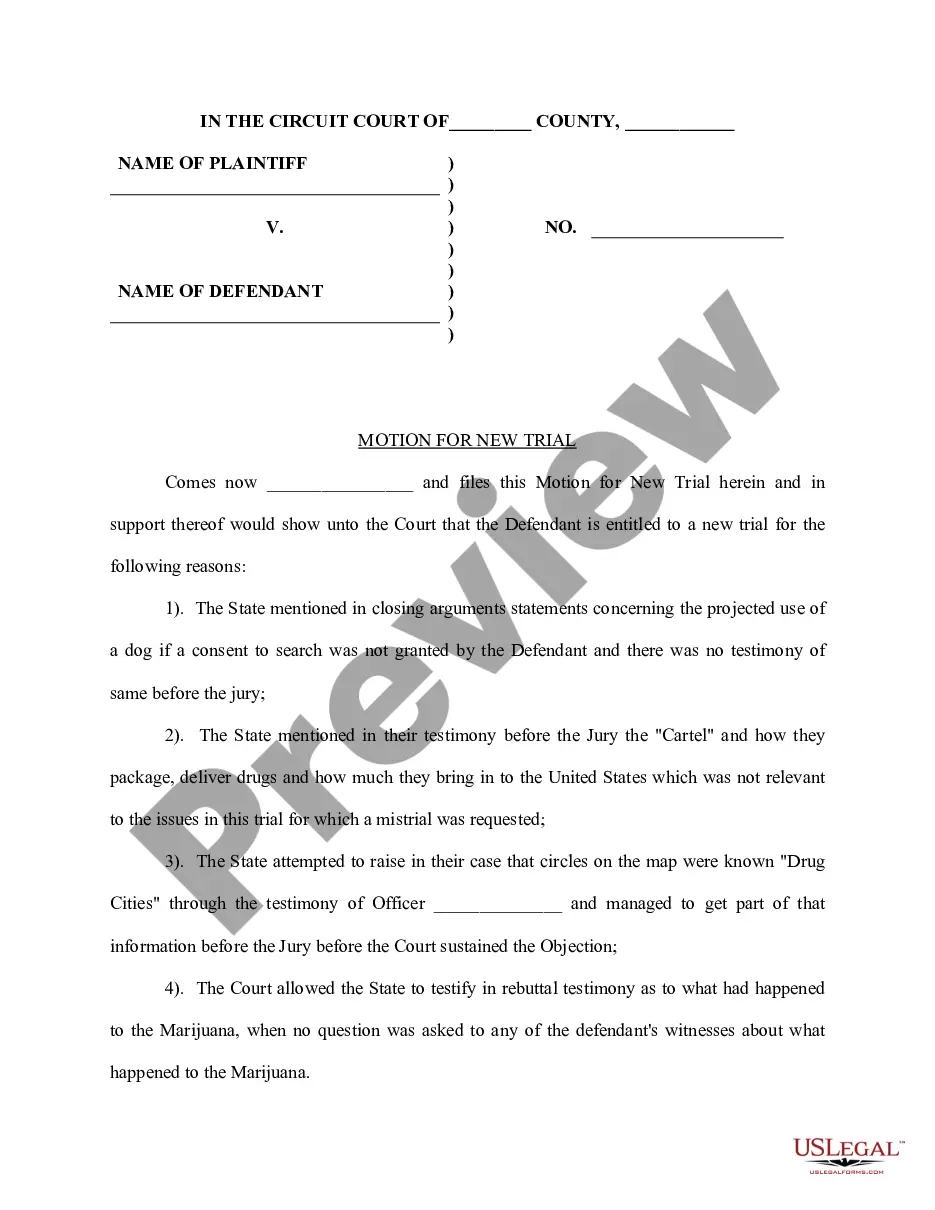
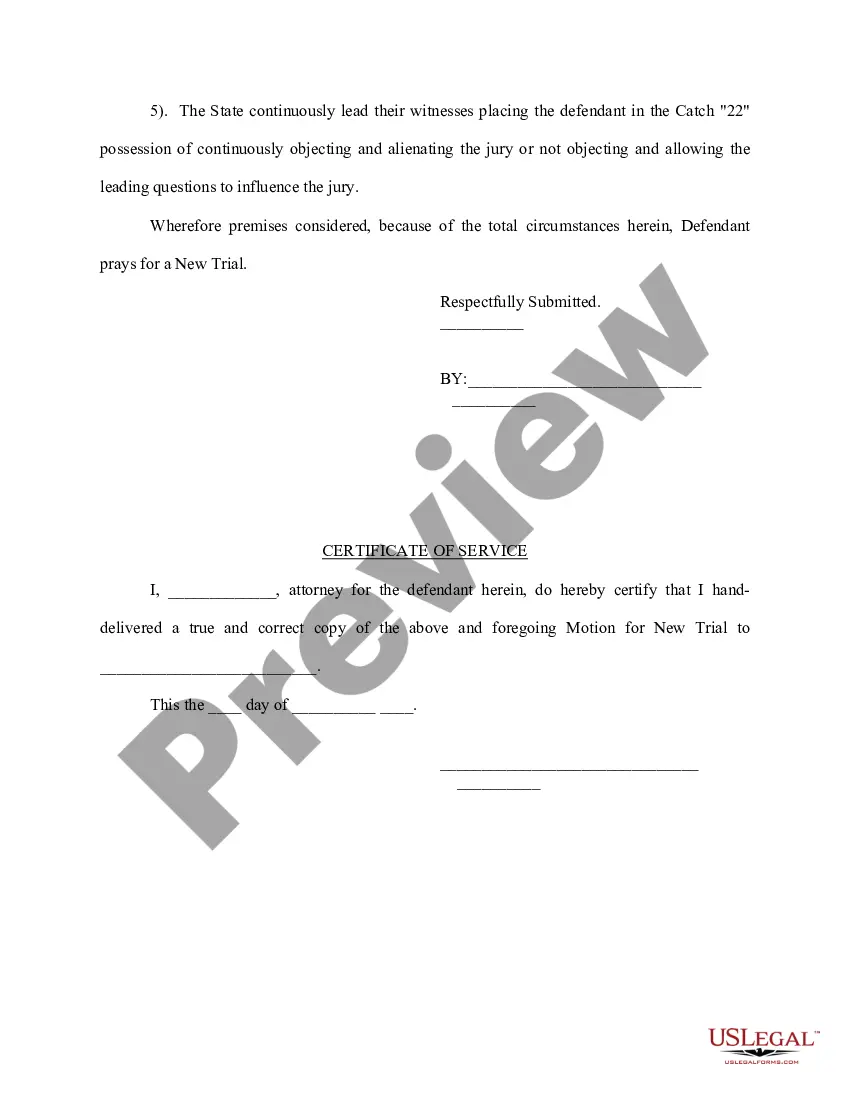
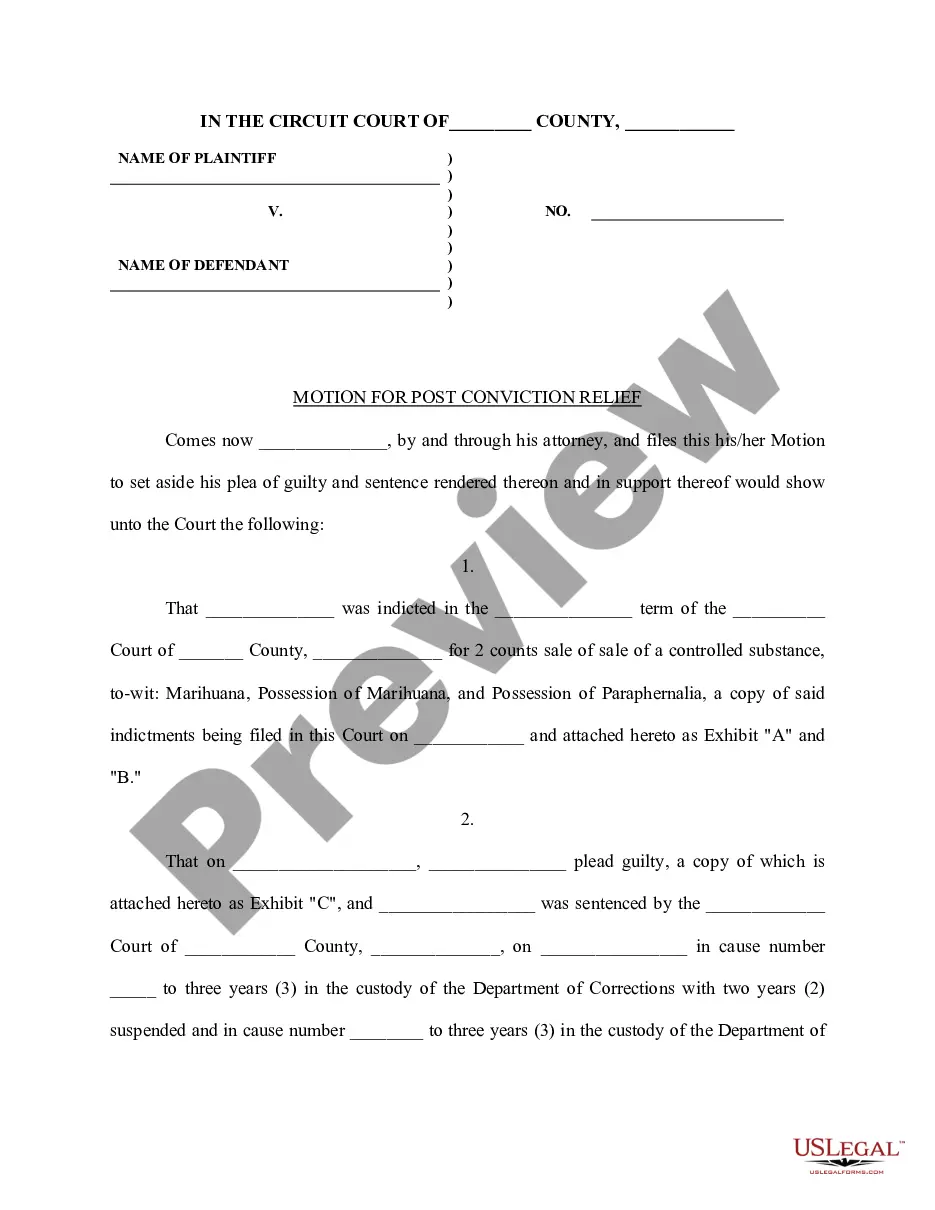
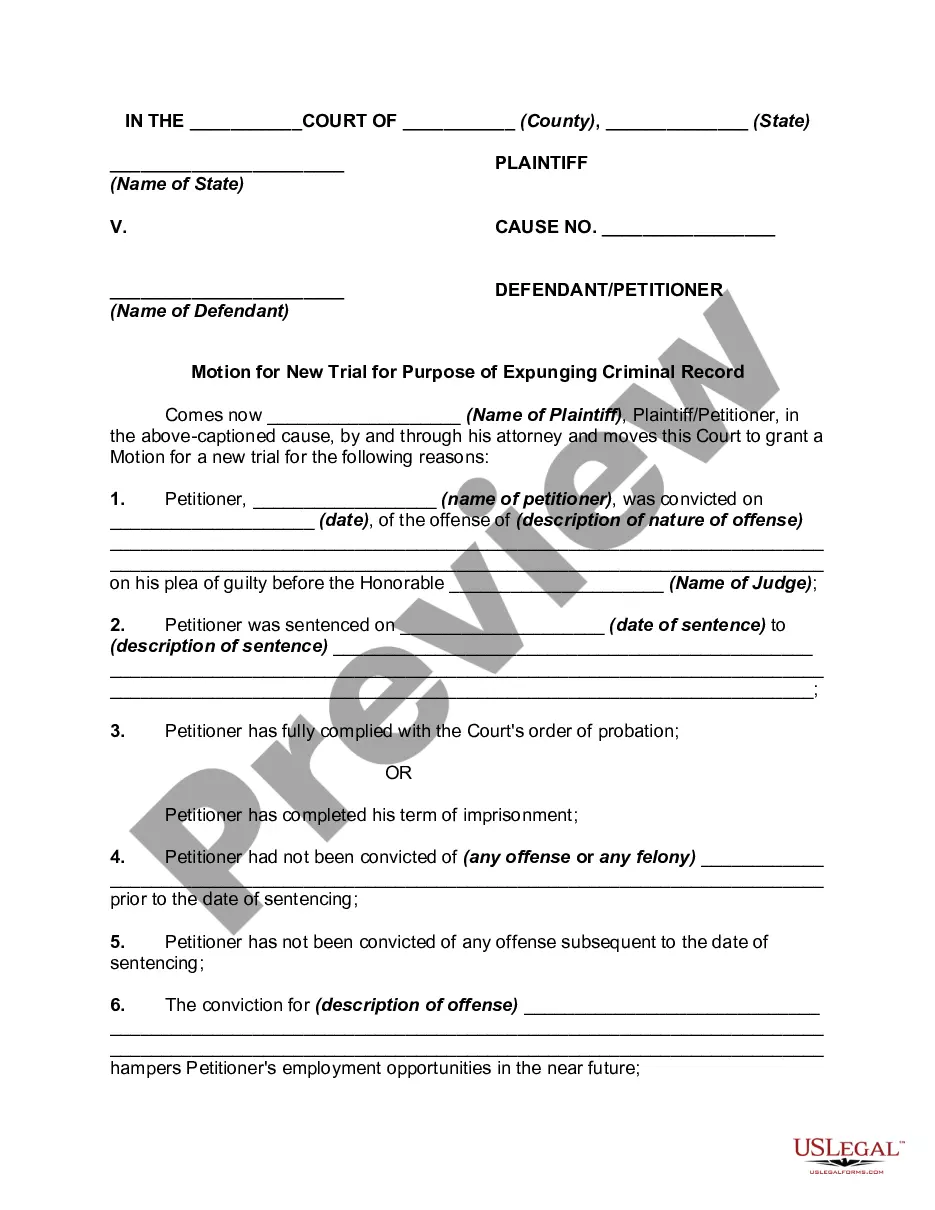
Get your form ready online
Our built-in tools help you complete, sign, share, and store your documents in one place.
Make edits, fill in missing information, and update formatting in US Legal Forms—just like you would in MS Word.
Download a copy, print it, send it by email, or mail it via USPS—whatever works best for your next step.
Sign and collect signatures with our SignNow integration. Send to multiple recipients, set reminders, and more. Go Premium to unlock E-Sign.
If this form requires notarization, complete it online through a secure video call—no need to meet a notary in person or wait for an appointment.
We protect your documents and personal data by following strict security and privacy standards.

Make edits, fill in missing information, and update formatting in US Legal Forms—just like you would in MS Word.

Download a copy, print it, send it by email, or mail it via USPS—whatever works best for your next step.

Sign and collect signatures with our SignNow integration. Send to multiple recipients, set reminders, and more. Go Premium to unlock E-Sign.

If this form requires notarization, complete it online through a secure video call—no need to meet a notary in person or wait for an appointment.

We protect your documents and personal data by following strict security and privacy standards.
Looking for another form?

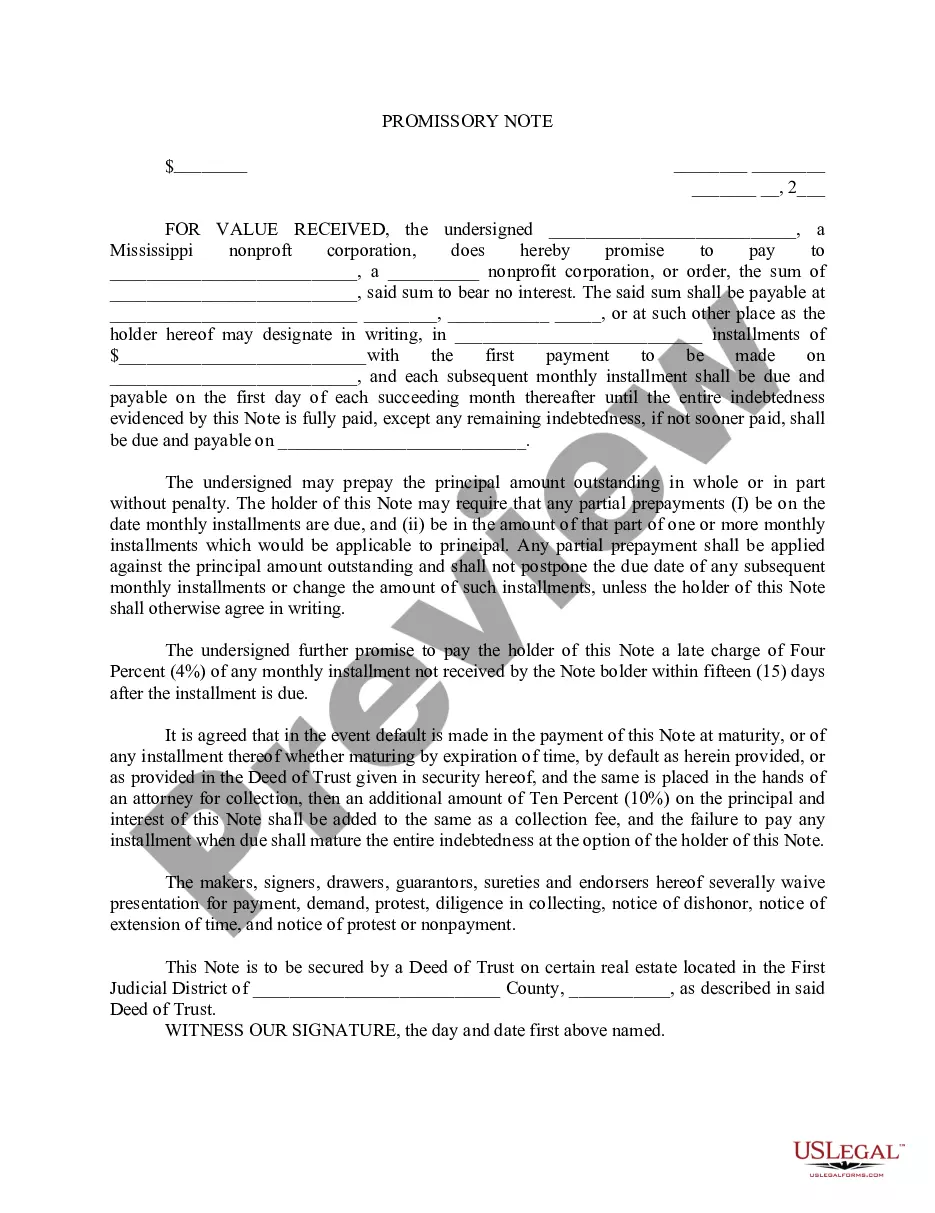
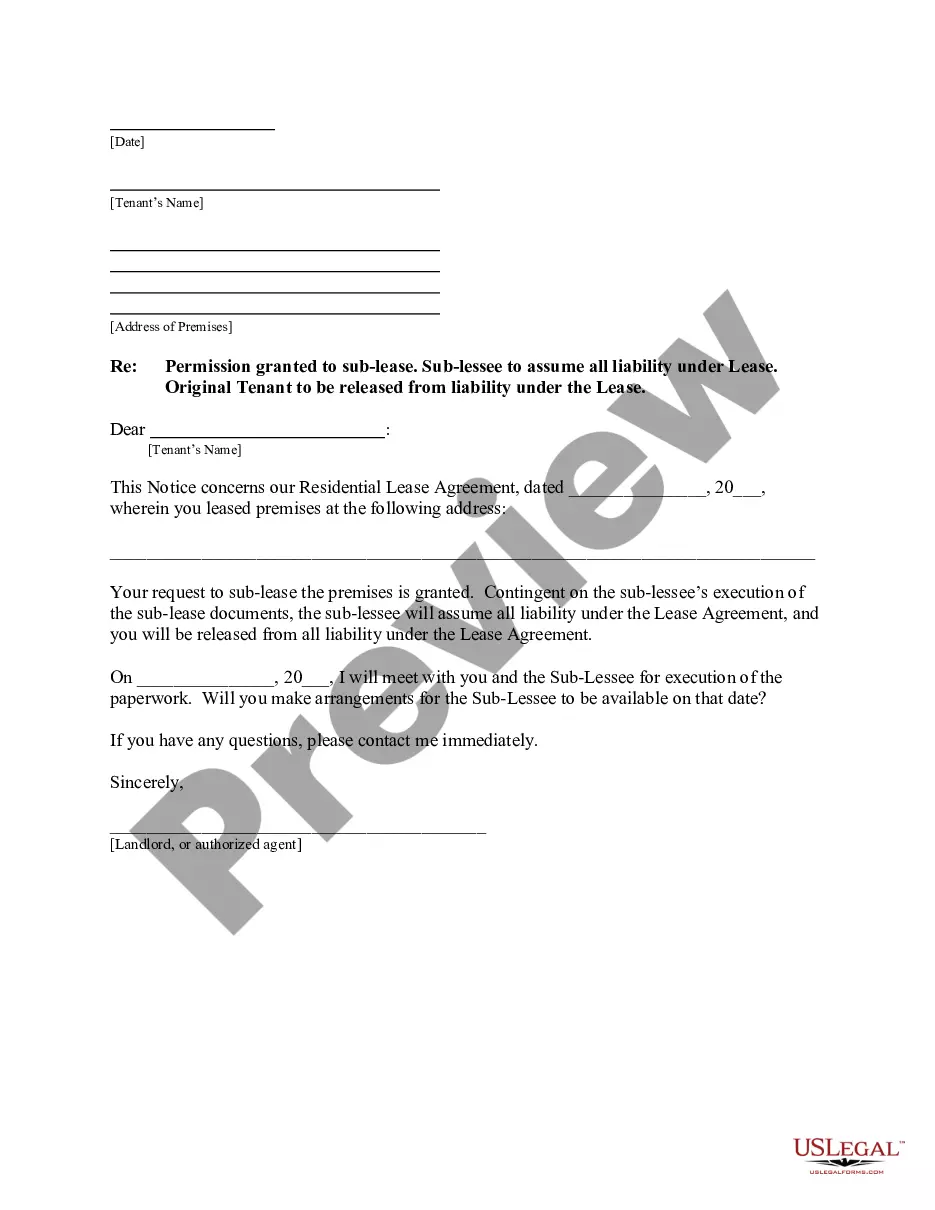
How to fill out Motion For New Trial?
Locating a reliable source for acquiring the most up-to-date and suitable legal templates is a significant part of managing bureaucratic processes.
Identifying the correct legal documents requires accuracy and meticulousness, which is why it is crucial to obtain samples of Trial Court Motions Without An Attorney solely from reputable providers, such as US Legal Forms. An incorrect template can squander your time and prolong your situation.
Eliminate the stress associated with your legal documentation. Explore the extensive US Legal Forms collection where you can find legal templates, verify their applicability to your circumstances, and download them instantly.
- Utilize the library navigation or search function to locate your sample.
- Examine the form’s details to determine if it meets the requirements of your state and county.
- Preview the form, if available, to ensure the template is truly what you need.
- Return to the search to find the right template if the Trial Court Motion Without An Attorney does not fulfill your criteria.
- Once confident about the form’s relevance, download it.
- As an authorized customer, click Log in to verify and access your chosen templates in My documents.
- If you don't have an account yet, click Buy now to purchase the template.
- Choose the pricing option that best fits your needs.
- Continue to the registration to finalize your purchase.
- Complete your transaction by selecting a payment method (credit card or PayPal).
- Select the file format for downloading the Trial Court Motion Without An Attorney.
- After obtaining the form on your device, you have the option to modify it using the editor or print it for manual completion.
Form popularity
FAQ
Timeline of How to File a Lawsuit Step 1: File a Complaint. Plaintiff files a complaint and summons with the local county court. ... Step 2: Answer Complaint. ... Step 3: Discovery. ... Step 4: Failing to Respond to Discovery. ... Step 5: Conclusion of Lawsuit.
There are several different types of post-judgment motions, but the most common are motions for new trial, motions to vacate, and motions to set-aside. Motions for new trial, motions to vacate, and motions to set-aside are the three most common post-judgment motions.
Latin for "of one's own ; voluntarily." Used to indicate that a court has taken notice of an issue on its own motion without prompting or suggestion from either party. As a general rule, where grounds for dismissal exist, an action is subject to dismissal on a court's own motion.
Proving Your Case Whatever the reason for being at court, you must convince the judge or magistrate that he or she should rule in your favor. This is done by providing sufficient documentary evidence and witness testimony. There are different standards of proof for various types of cases.