Trial Court Motion Without A Hearing
Description
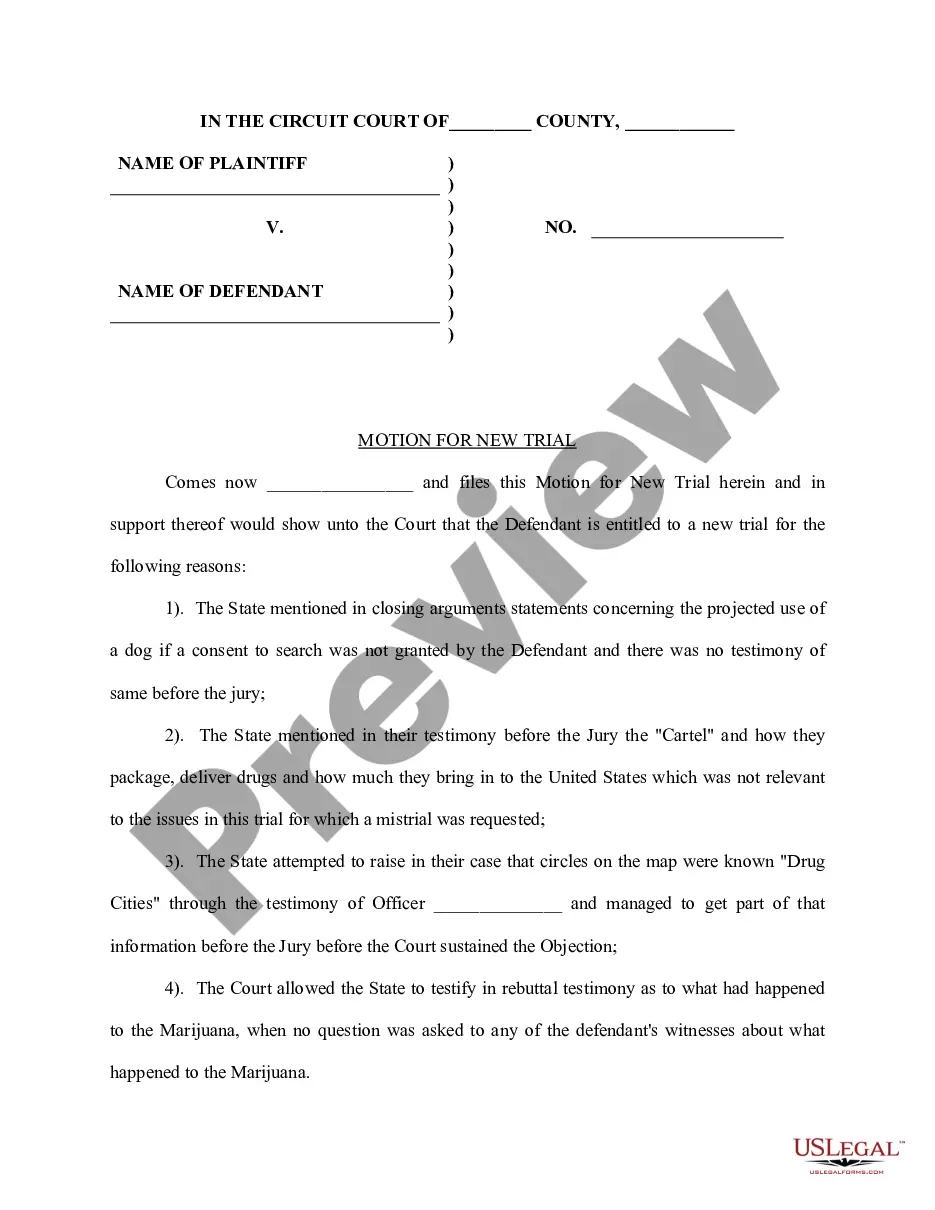
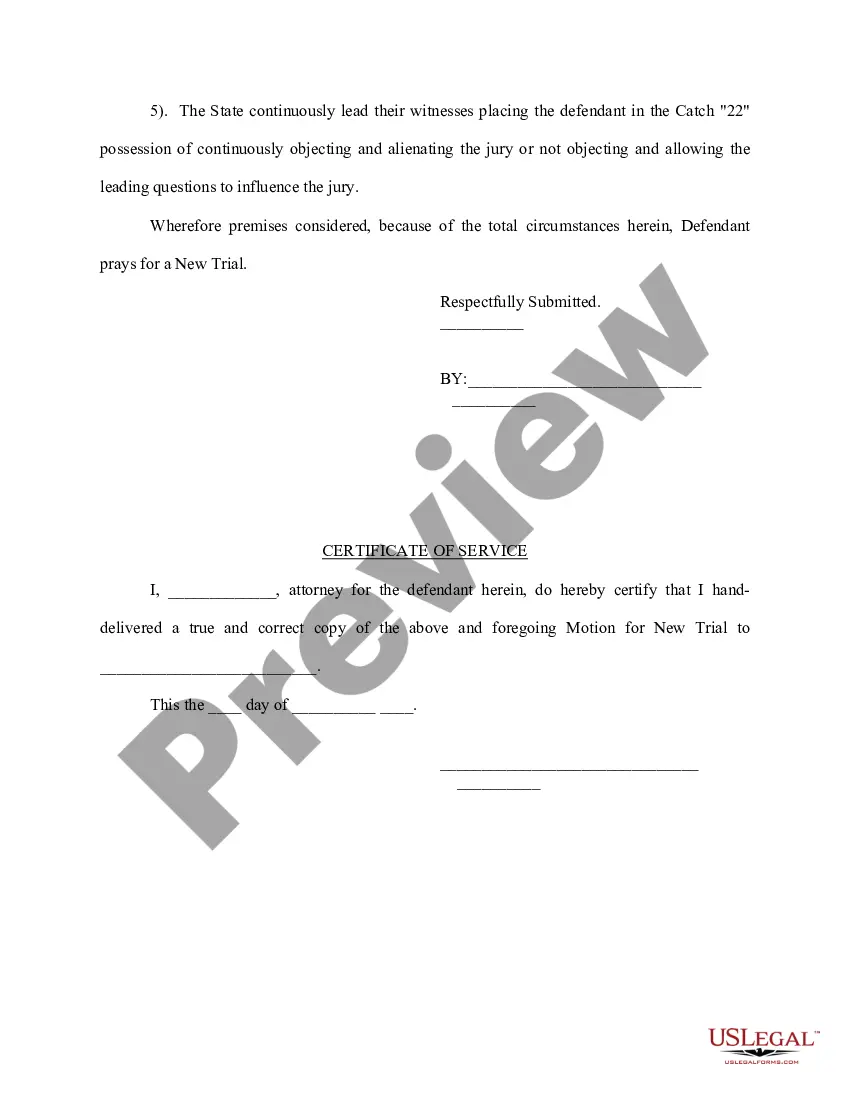
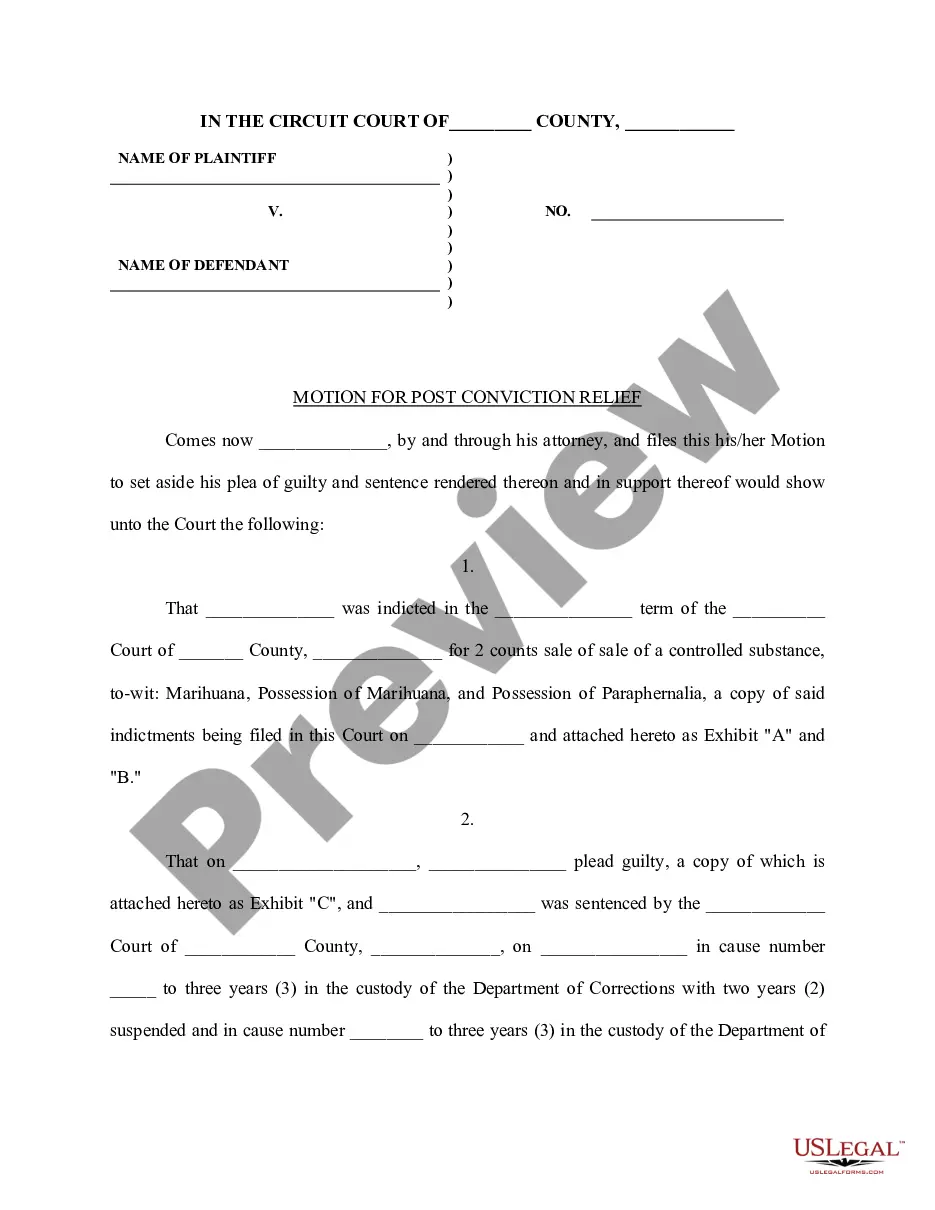
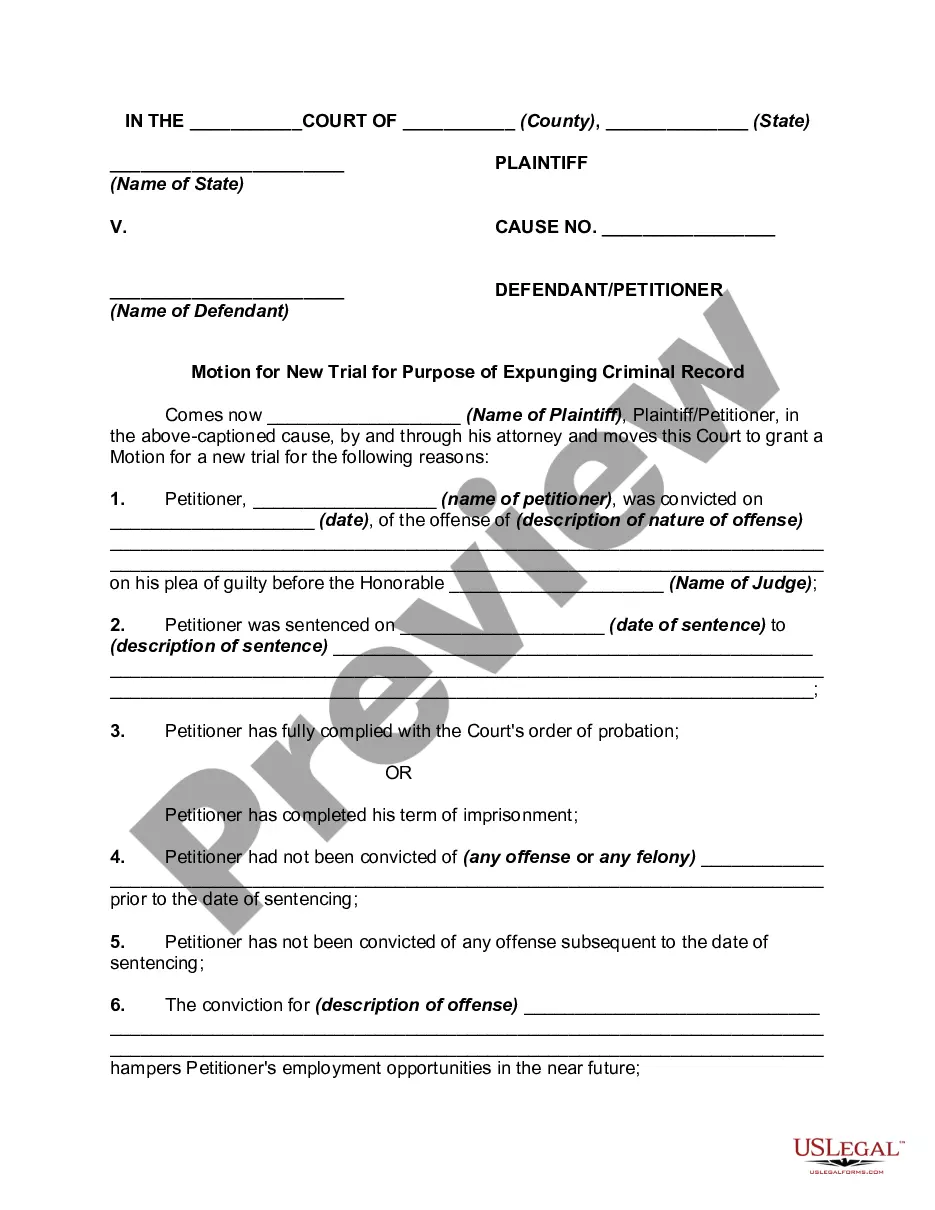
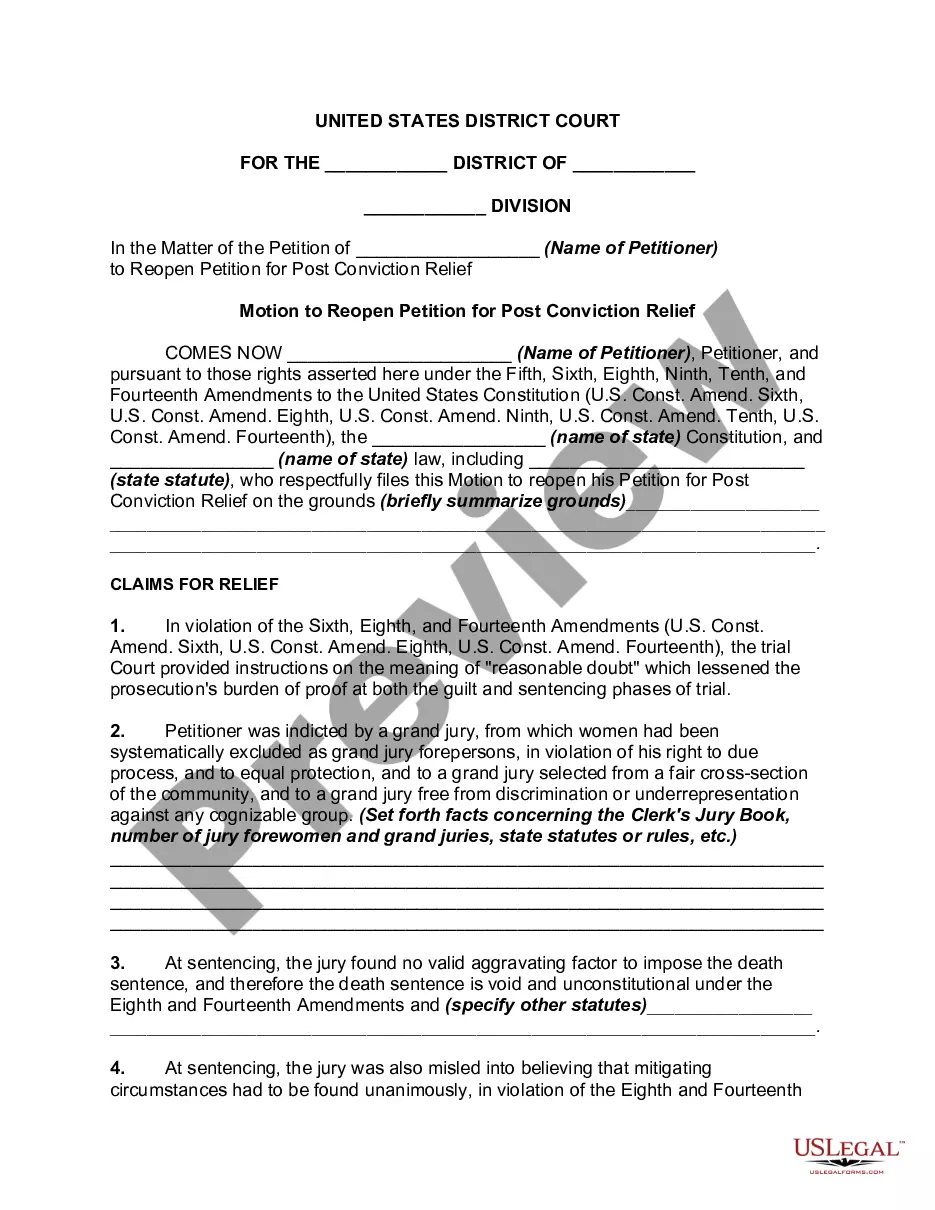
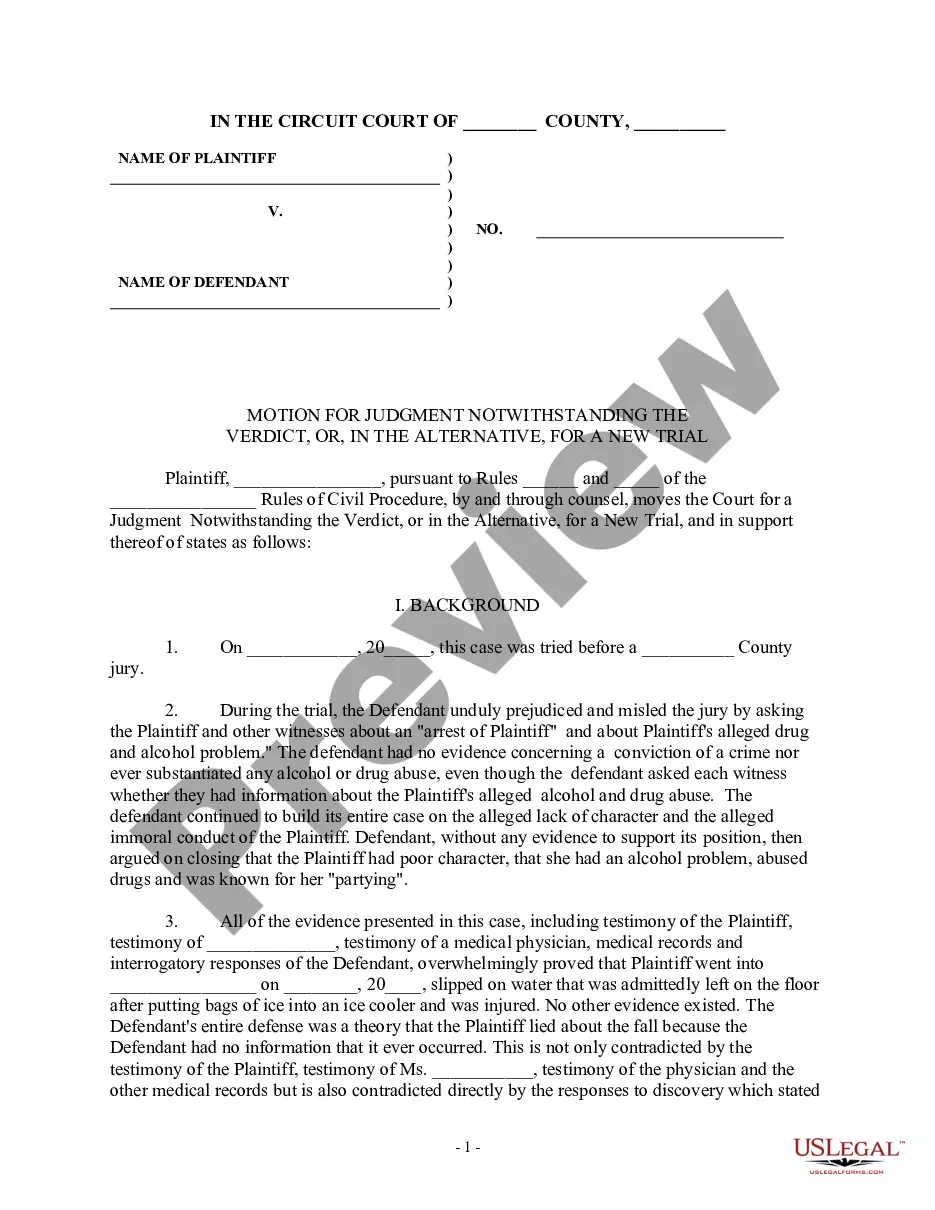
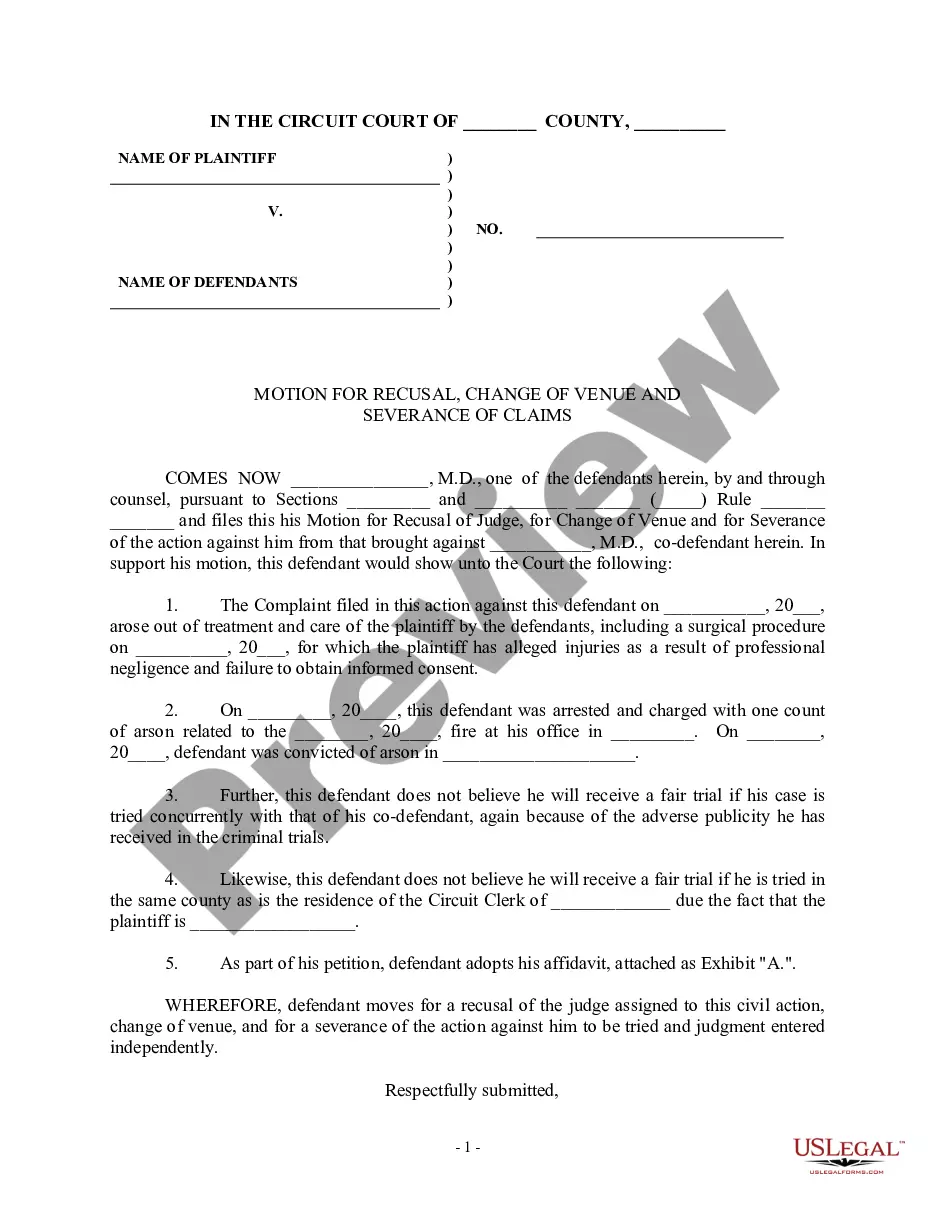
Get your form ready online
Our built-in tools help you complete, sign, share, and store your documents in one place.
Make edits, fill in missing information, and update formatting in US Legal Forms—just like you would in MS Word.
Download a copy, print it, send it by email, or mail it via USPS—whatever works best for your next step.
Sign and collect signatures with our SignNow integration. Send to multiple recipients, set reminders, and more. Go Premium to unlock E-Sign.
If this form requires notarization, complete it online through a secure video call—no need to meet a notary in person or wait for an appointment.
We protect your documents and personal data by following strict security and privacy standards.

Make edits, fill in missing information, and update formatting in US Legal Forms—just like you would in MS Word.

Download a copy, print it, send it by email, or mail it via USPS—whatever works best for your next step.

Sign and collect signatures with our SignNow integration. Send to multiple recipients, set reminders, and more. Go Premium to unlock E-Sign.

If this form requires notarization, complete it online through a secure video call—no need to meet a notary in person or wait for an appointment.

We protect your documents and personal data by following strict security and privacy standards.
Looking for another form?

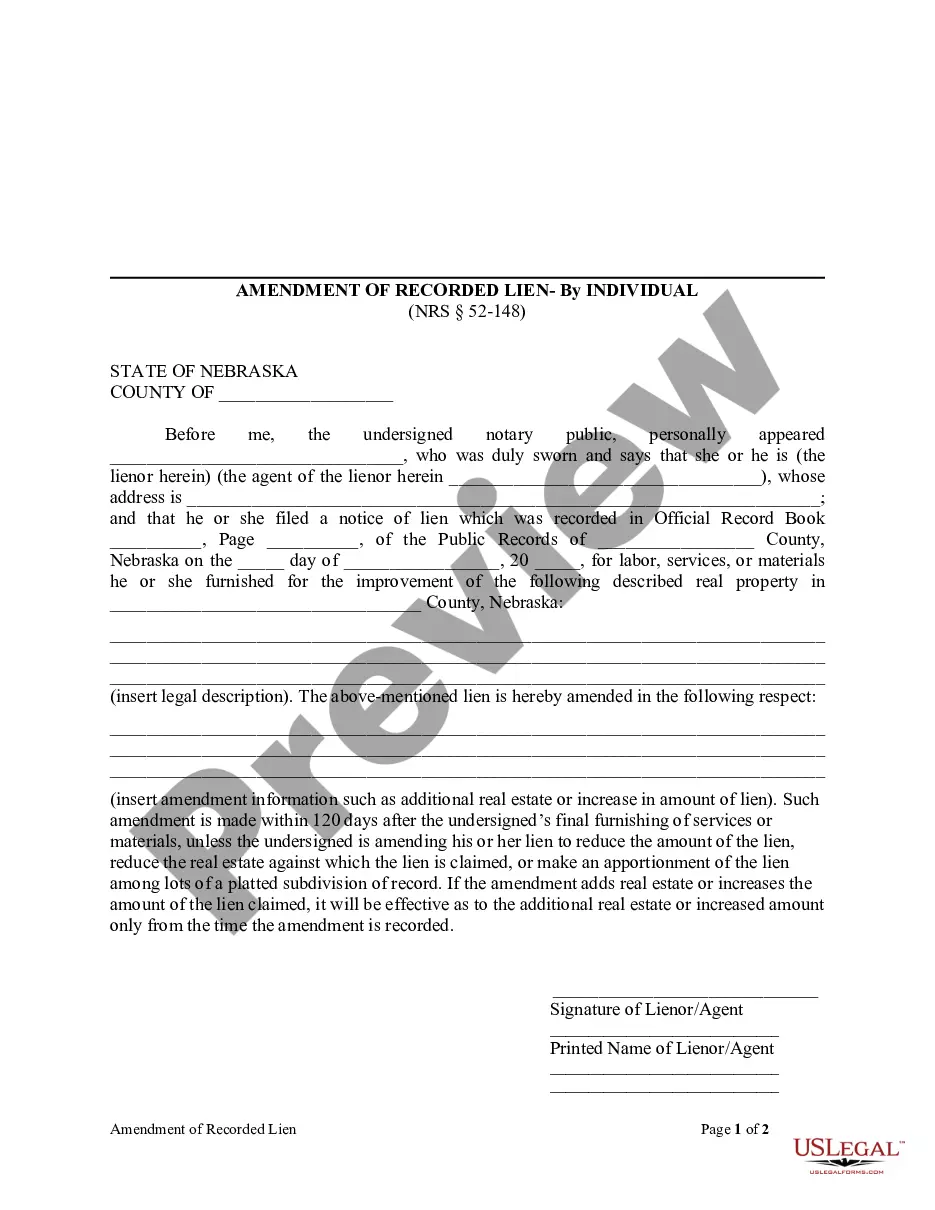





How to fill out Motion For New Trial?
Legal administration can be overwhelming, even for the most seasoned professionals.
When you seek a Trial Court Motion Without A Hearing and lack the opportunity to dedicate time to find the right and current version, the process can be stressful.
Access a valuable resource base of articles, guides, and materials related to your case and needs.
Save time and effort searching for the forms you require, and use US Legal Forms' advanced search and Review tool to locate Trial Court Motion Without A Hearing and obtain it.
Ensure that the template is approved in your state or county. Choose Buy Now when you are ready. Select a monthly subscription option. Locate the format you seek, and Download, complete, sign, print, and submit your documents. Benefit from the US Legal Forms online catalog, backed by 25 years of experience and dependability. Streamline your routine document management into a seamless and user-friendly process today.
- If you hold a subscription, Log In to your US Legal Forms account, find the form, and obtain it.
- Check the My documents tab to review the documents you previously saved and to manage your folders as you prefer.
- If this is your first experience with US Legal Forms, create a complimentary account to gain unlimited access to all library benefits.
- Here are the steps to follow after downloading the form you desire.
- Verify it is the correct form by previewing it and reviewing its details.
- Access state- or county-specific legal and business documents.
- US Legal Forms meets any requirements you may have, from personal to commercial paperwork, all in one location.
- Utilize innovative tools to fill out and manage your Trial Court Motion Without A Hearing.
Form popularity
FAQ
Common post-trial motions include: Motion for a New Trial ? The court can vacate the judgment and allow for a new trial. ... Motion for Judgment of Acquittal ? Court may set aside the jury's verdict and allow the defendant to go free.
Be as persuasive as possible as you write your motion in a sequential, logical format. Express your ideas clearly, and make sure you outline what steps are necessary and how they will help your case. Use facts of the case whenever you can to avoid baseless emotional appeals.
A motion is an application to the court made by the prosecutor or defense attorney, requesting that the court make a decision on a certain issue before the trial begins. The motion can affect the trial, courtroom, defendants, evidence, or testimony.
Proving Your Case Whatever the reason for being at court, you must convince the judge or magistrate that he or she should rule in your favor. This is done by providing sufficient documentary evidence and witness testimony. There are different standards of proof for various types of cases.
There are several different types of post-judgment motions, but the most common are motions for new trial, motions to vacate, and motions to set-aside. Motions for new trial, motions to vacate, and motions to set-aside are the three most common post-judgment motions.