Trial Court Motion Format
Description
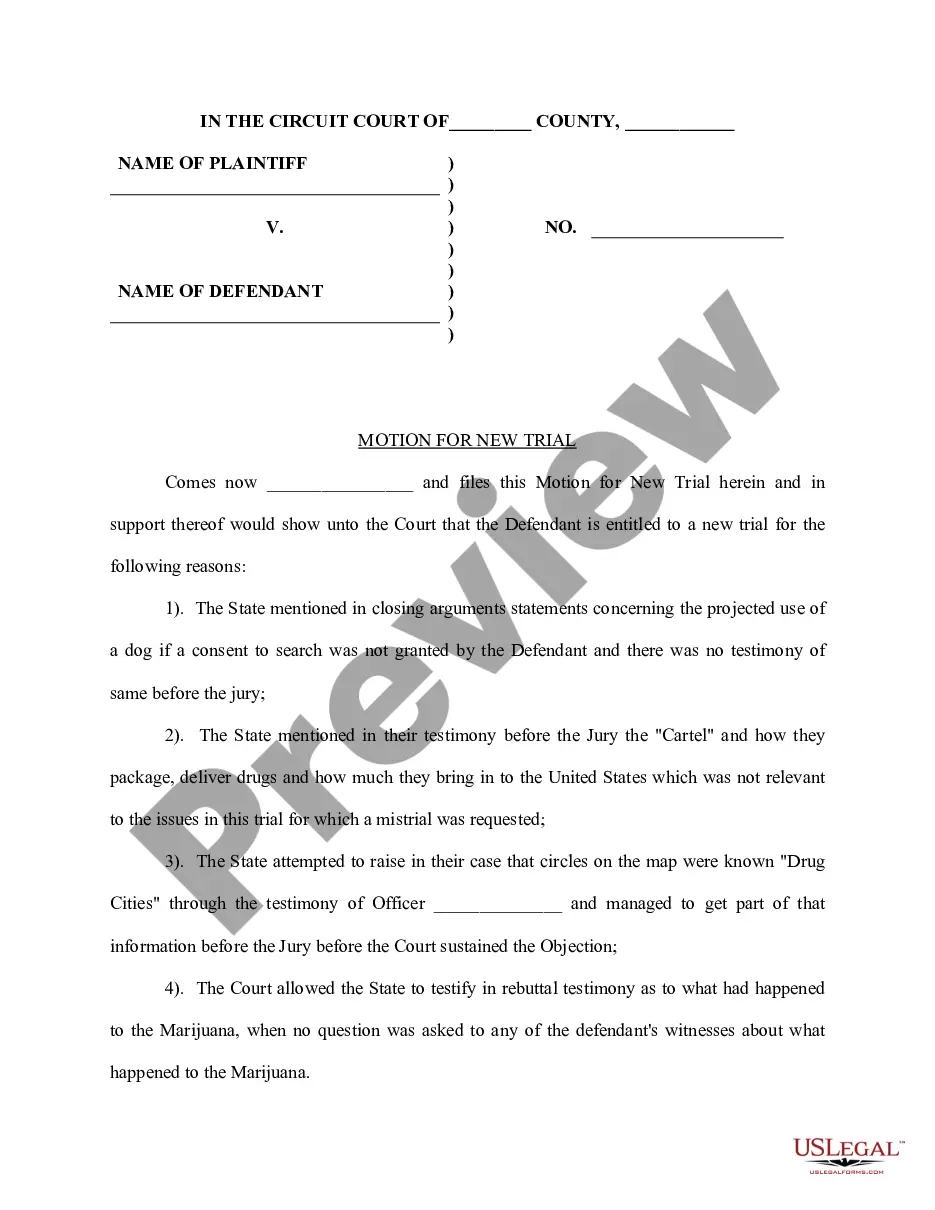
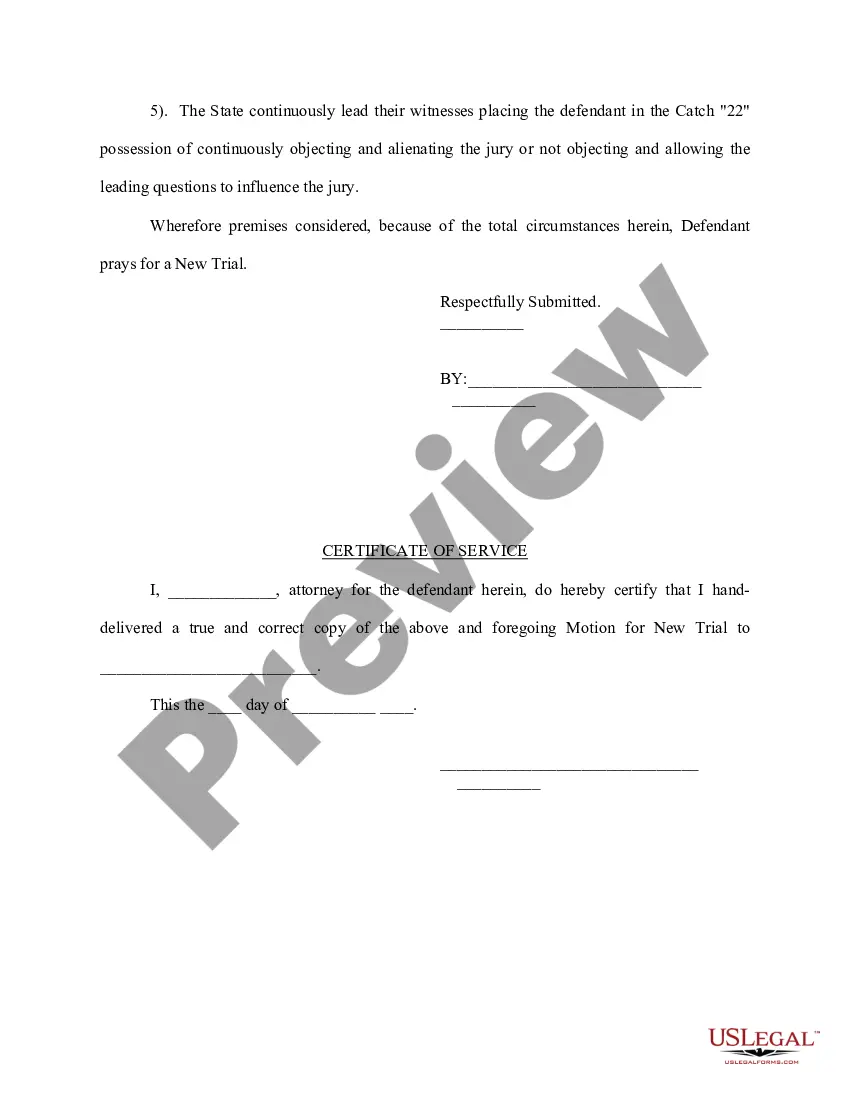
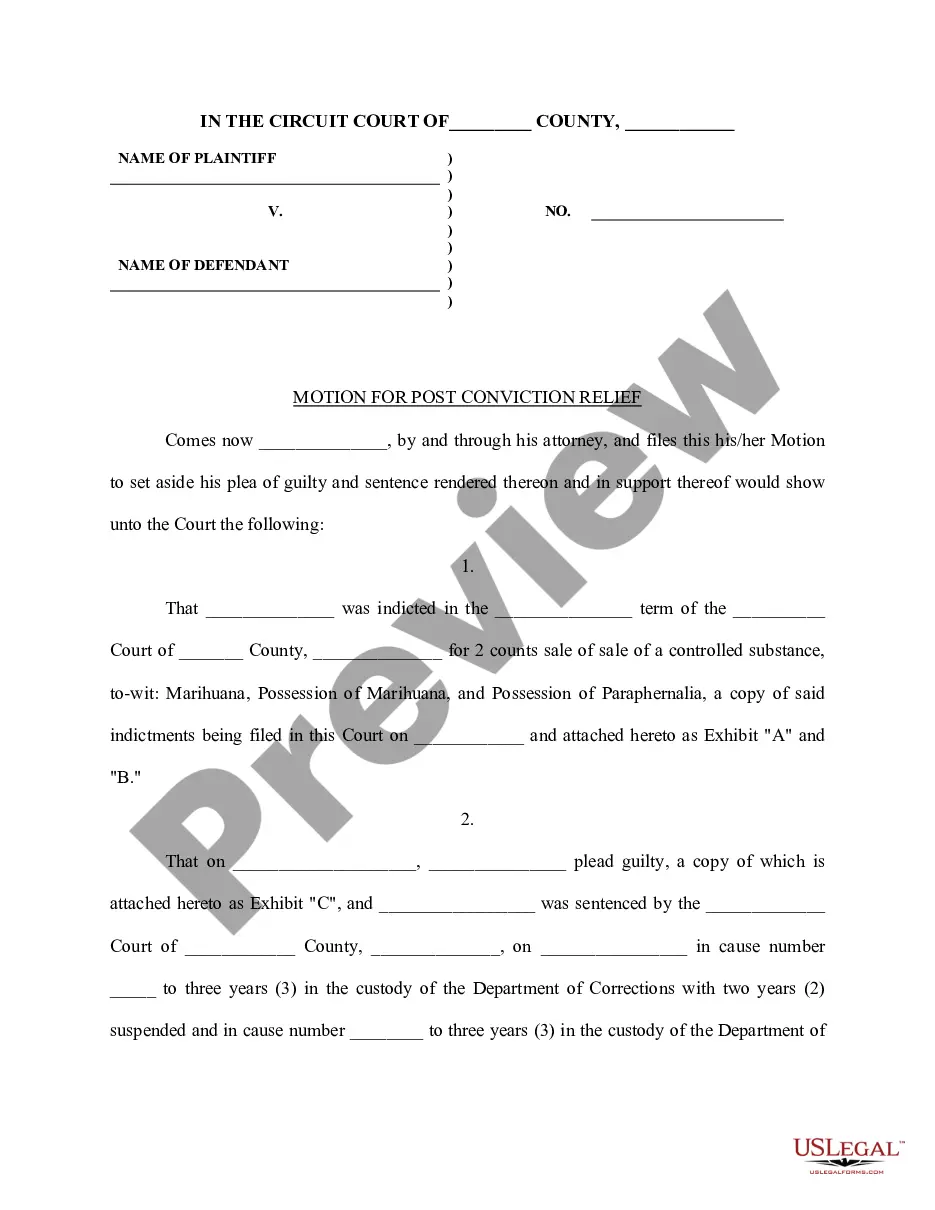
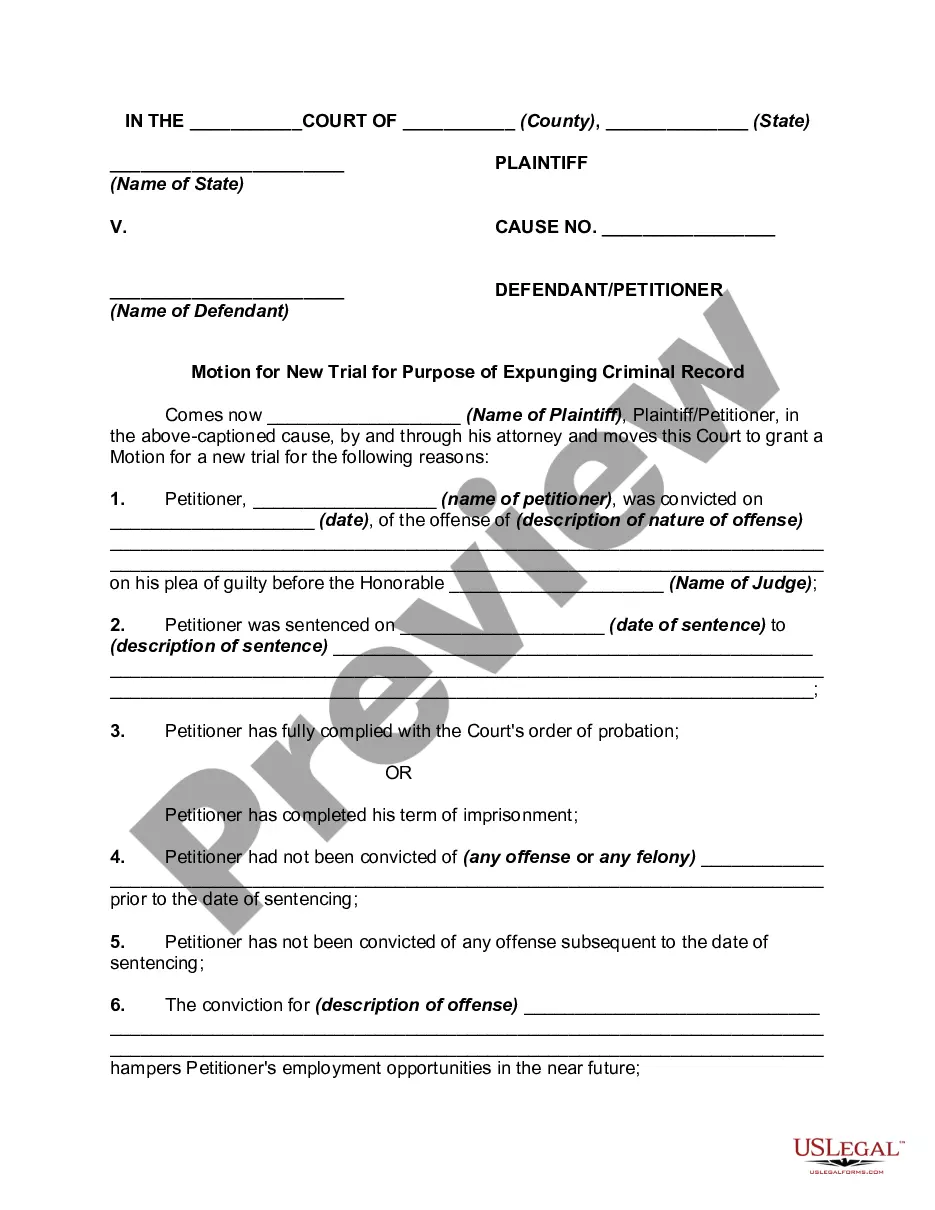
Get your form ready online
Our built-in tools help you complete, sign, share, and store your documents in one place.
Make edits, fill in missing information, and update formatting in US Legal Forms—just like you would in MS Word.
Download a copy, print it, send it by email, or mail it via USPS—whatever works best for your next step.
Sign and collect signatures with our SignNow integration. Send to multiple recipients, set reminders, and more. Go Premium to unlock E-Sign.
If this form requires notarization, complete it online through a secure video call—no need to meet a notary in person or wait for an appointment.
We protect your documents and personal data by following strict security and privacy standards.

Make edits, fill in missing information, and update formatting in US Legal Forms—just like you would in MS Word.

Download a copy, print it, send it by email, or mail it via USPS—whatever works best for your next step.

Sign and collect signatures with our SignNow integration. Send to multiple recipients, set reminders, and more. Go Premium to unlock E-Sign.

If this form requires notarization, complete it online through a secure video call—no need to meet a notary in person or wait for an appointment.

We protect your documents and personal data by following strict security and privacy standards.
Looking for another form?




How to fill out Motion For New Trial?
It’s clear that you cannot transform into a legal expert instantly, nor can you quickly learn how to efficiently prepare Trial Court Motion Format without possessing a distinct set of abilities.
Formulating legal documents is a labor-intensive task that necessitates specific education and expertise. So why not entrust the development of the Trial Court Motion Format to the specialists.
With US Legal Forms, one of the largest legal document repositories, you can find everything from court forms to templates for internal corporate correspondence. We recognize how vital it is to comply with federal and local regulations. That’s why, on our site, all documents are location-specific and current.
You can access your documents again from the My documents tab at any moment. If you are an existing client, simply Log In to locate and download the template from the same tab.
Regardless of the nature of your documents—be it financial, legal, or personal—our website can accommodate your needs. Explore US Legal Forms today!
- Begin by searching for the form you need using the search bar located at the top of the page.
- If the option is available, preview it and read the accompanying description to determine if the Trial Court Motion Format meets your needs.
- If you require another form, restart your search.
- Create a free account and choose a subscription plan to acquire the form.
- Click Buy now. Once the transaction is completed, you can obtain the Trial Court Motion Format, complete it, print it out, and send or forward it to the appropriate individuals or organizations.
Form popularity
FAQ
Proving Your Case Whatever the reason for being at court, you must convince the judge or magistrate that he or she should rule in your favor. This is done by providing sufficient documentary evidence and witness testimony. There are different standards of proof for various types of cases.
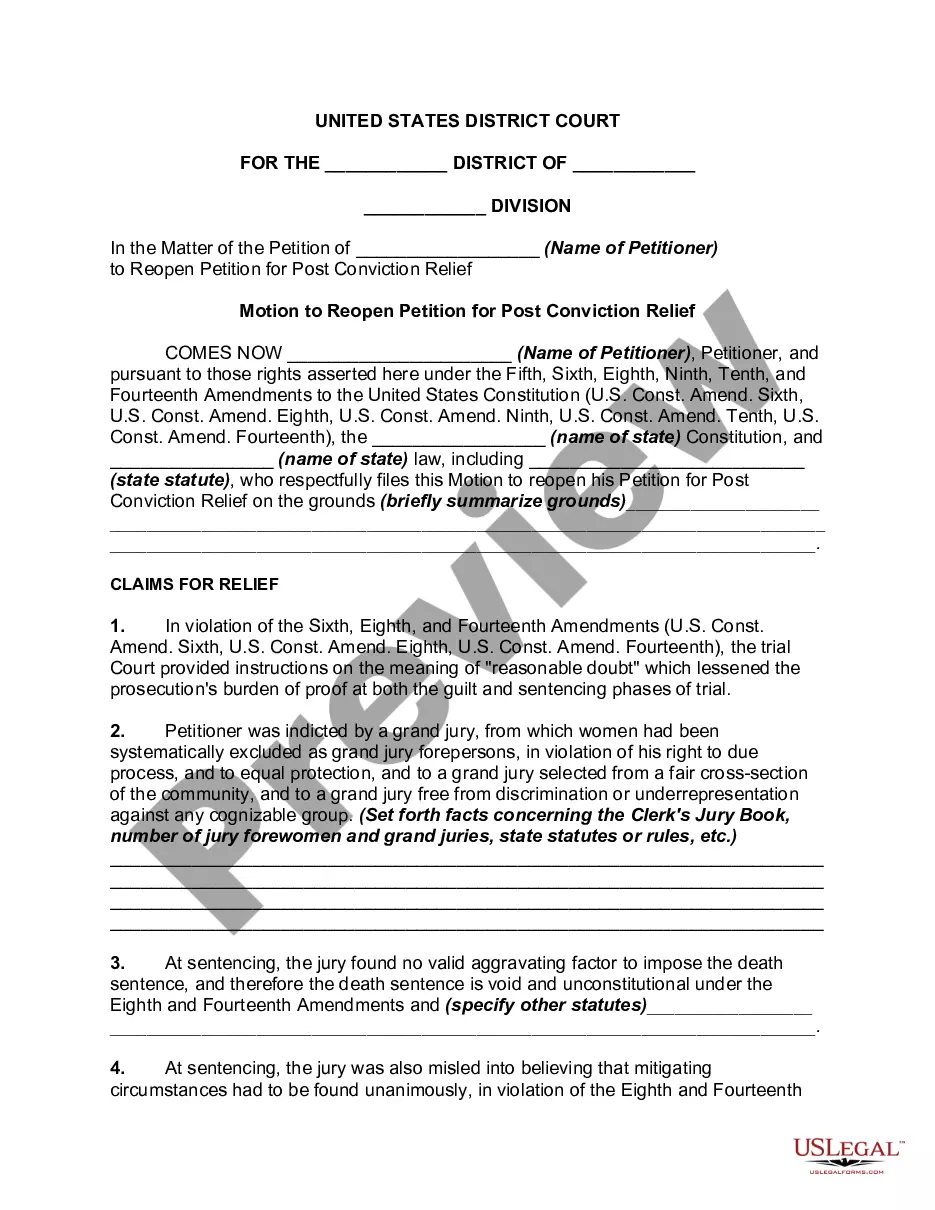
A motion must: Be in writing, unless the motion is made during hearing or trial; Specifically state the legal authority in rule and law that supports the request, and state the specific facts that support the request; and. State the relief sought from the court.
Be as persuasive as possible as you write your motion in a sequential, logical format. Express your ideas clearly, and make sure you outline what steps are necessary and how they will help your case. Use facts of the case whenever you can to avoid baseless emotional appeals.
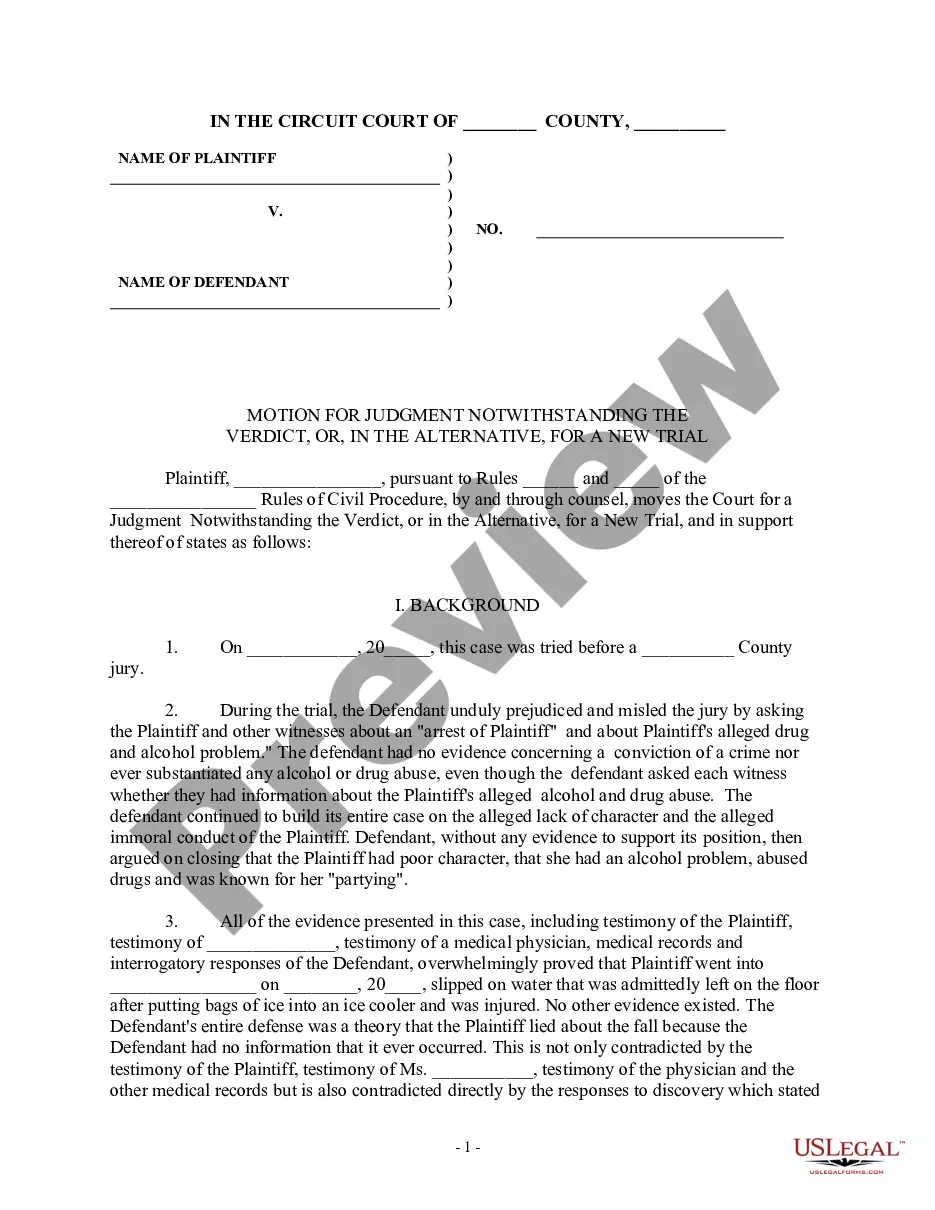
There are several different types of post-judgment motions, but the most common are motions for new trial, motions to vacate, and motions to set-aside. Motions for new trial, motions to vacate, and motions to set-aside are the three most common post-judgment motions.
A written motion in a civil action is made up of a set of documents, including: Notice of Motion; ? Motion; ? Brief in Support of Motion; ? Affidavit in Support of Motion; and ? Other Supporting Documents. Other documents may be required, depending on the court rule and/or law that apply to the type of motion you make.