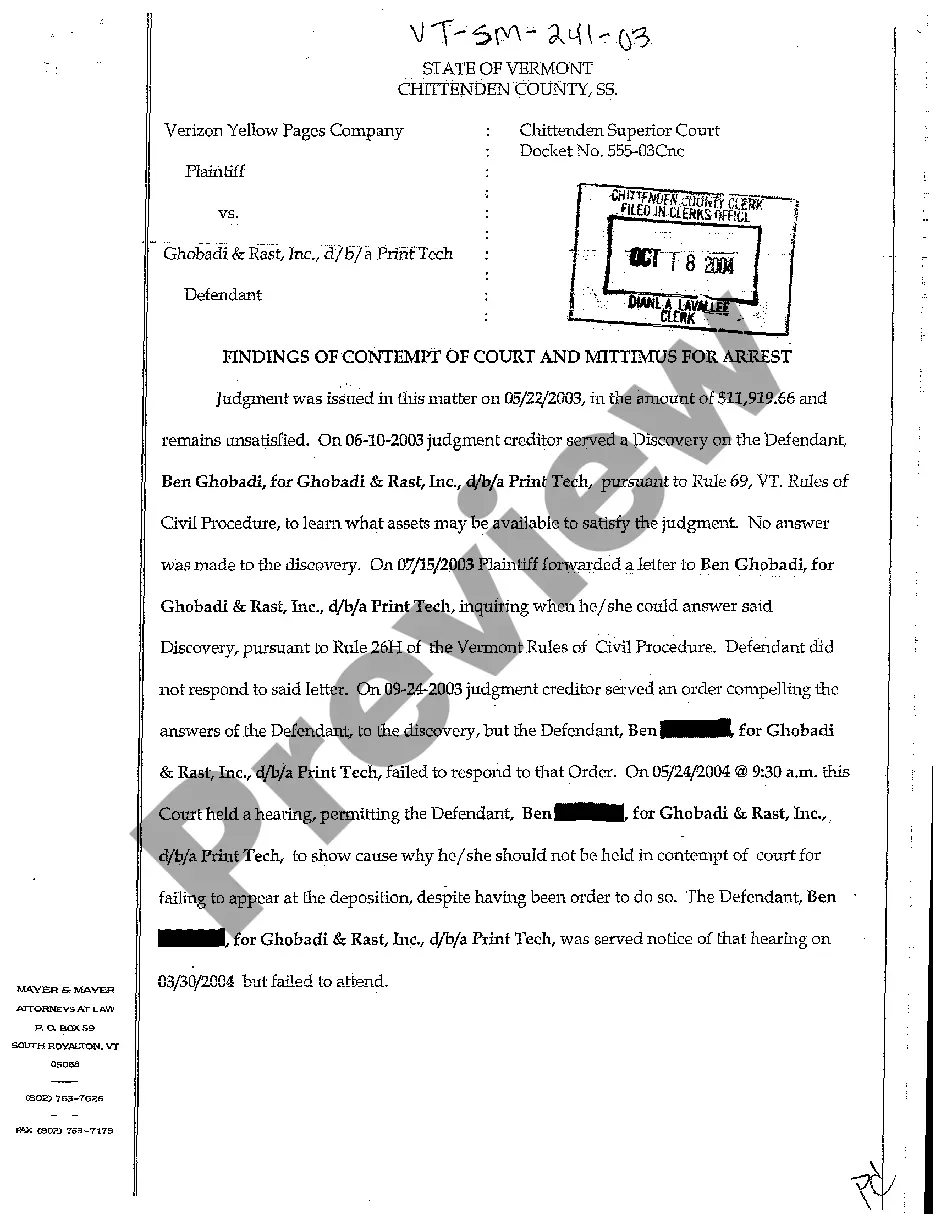
Trial Court Motion For Contempt
Description
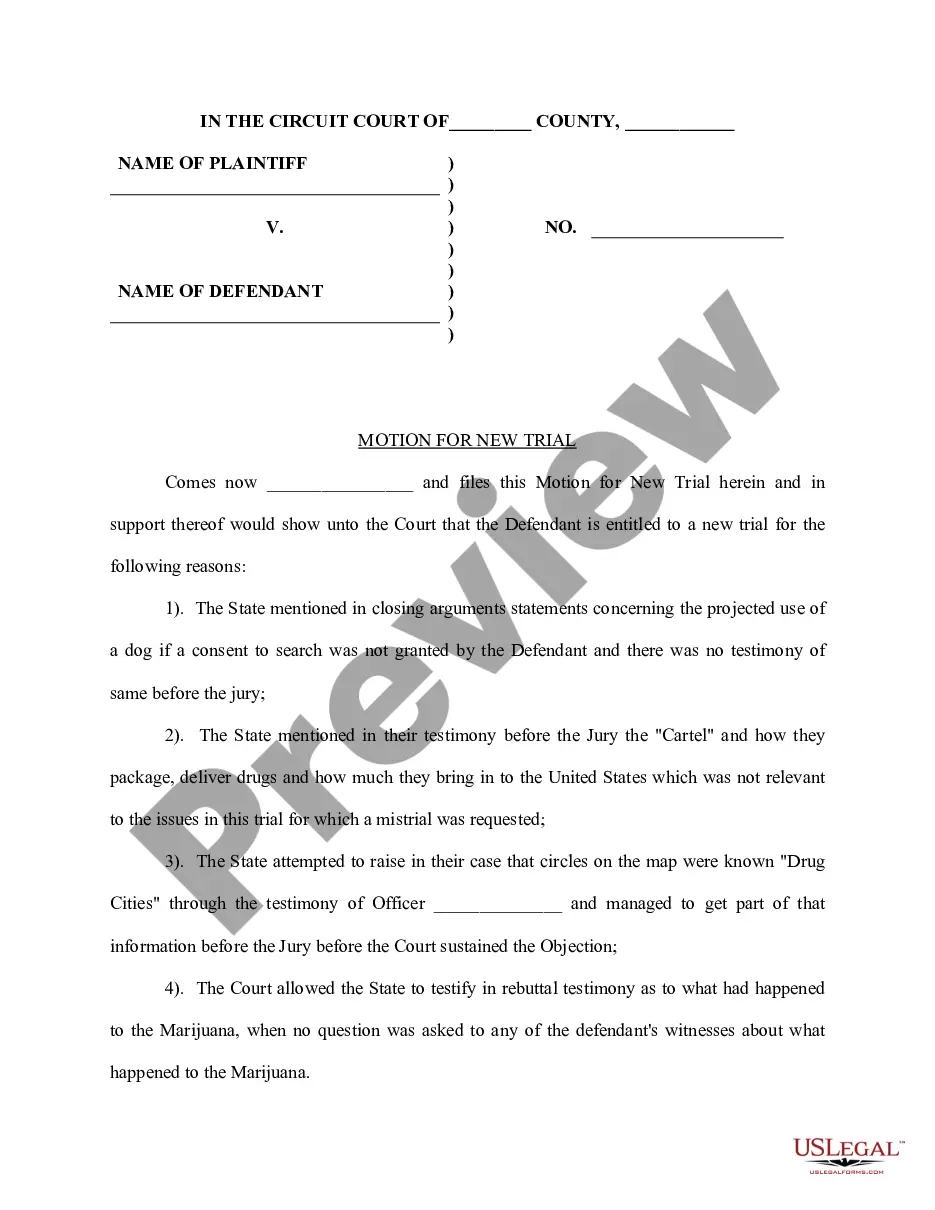
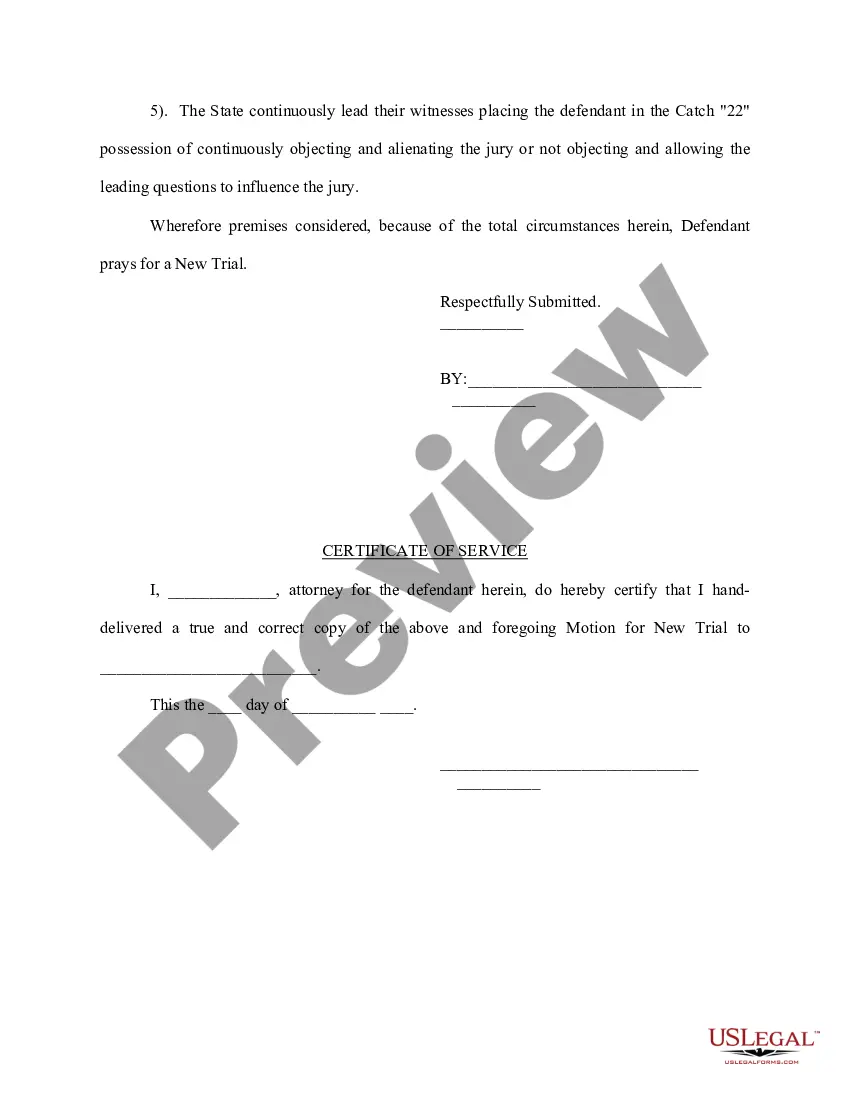
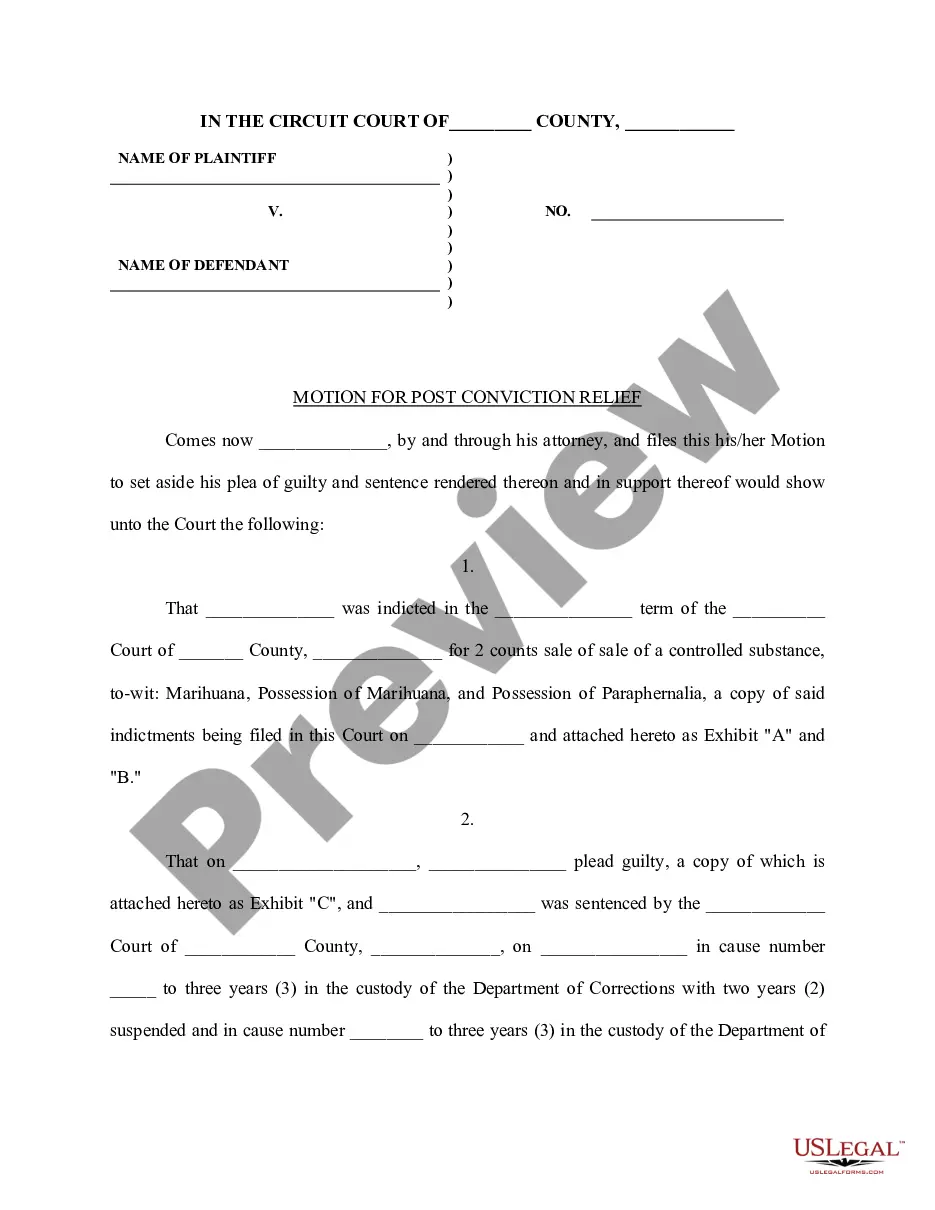
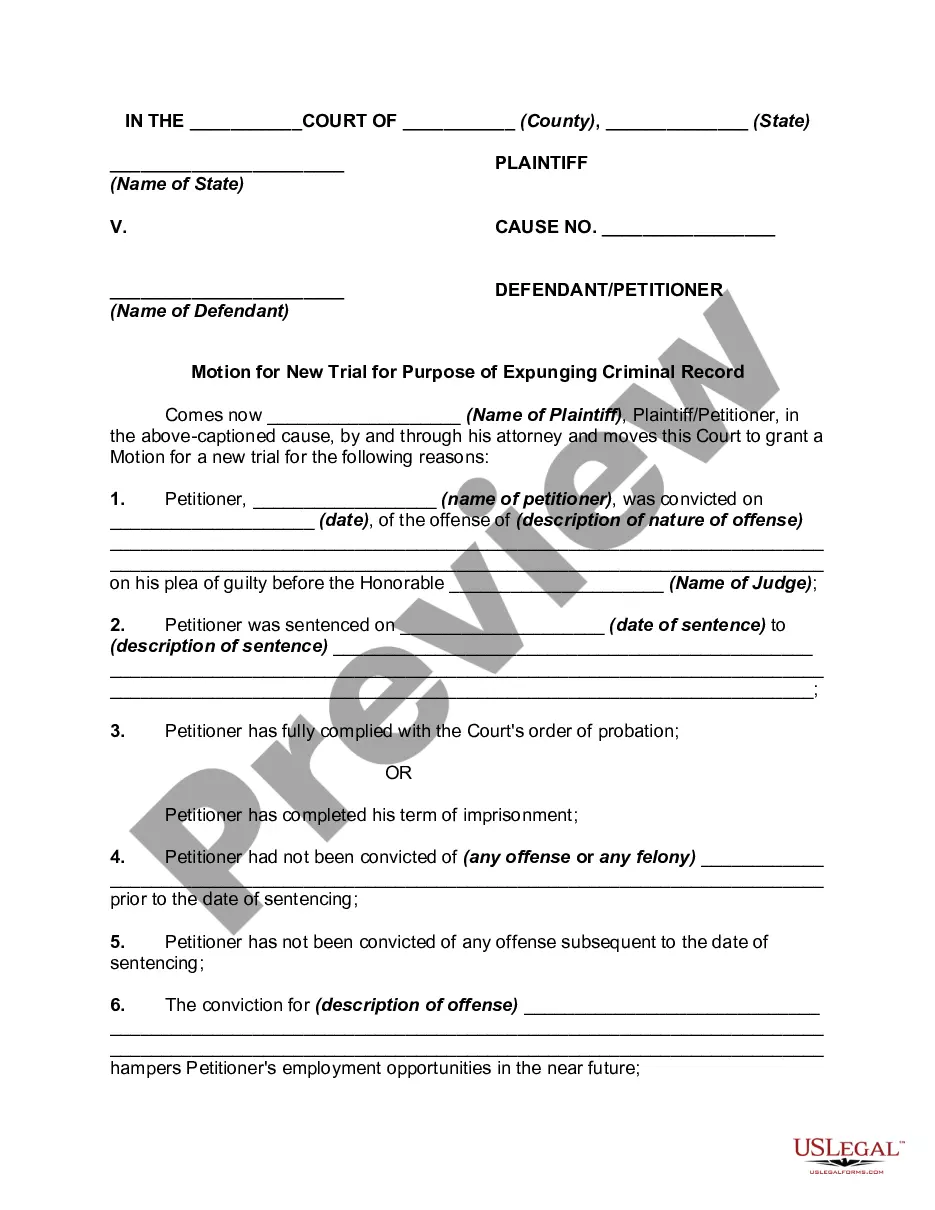
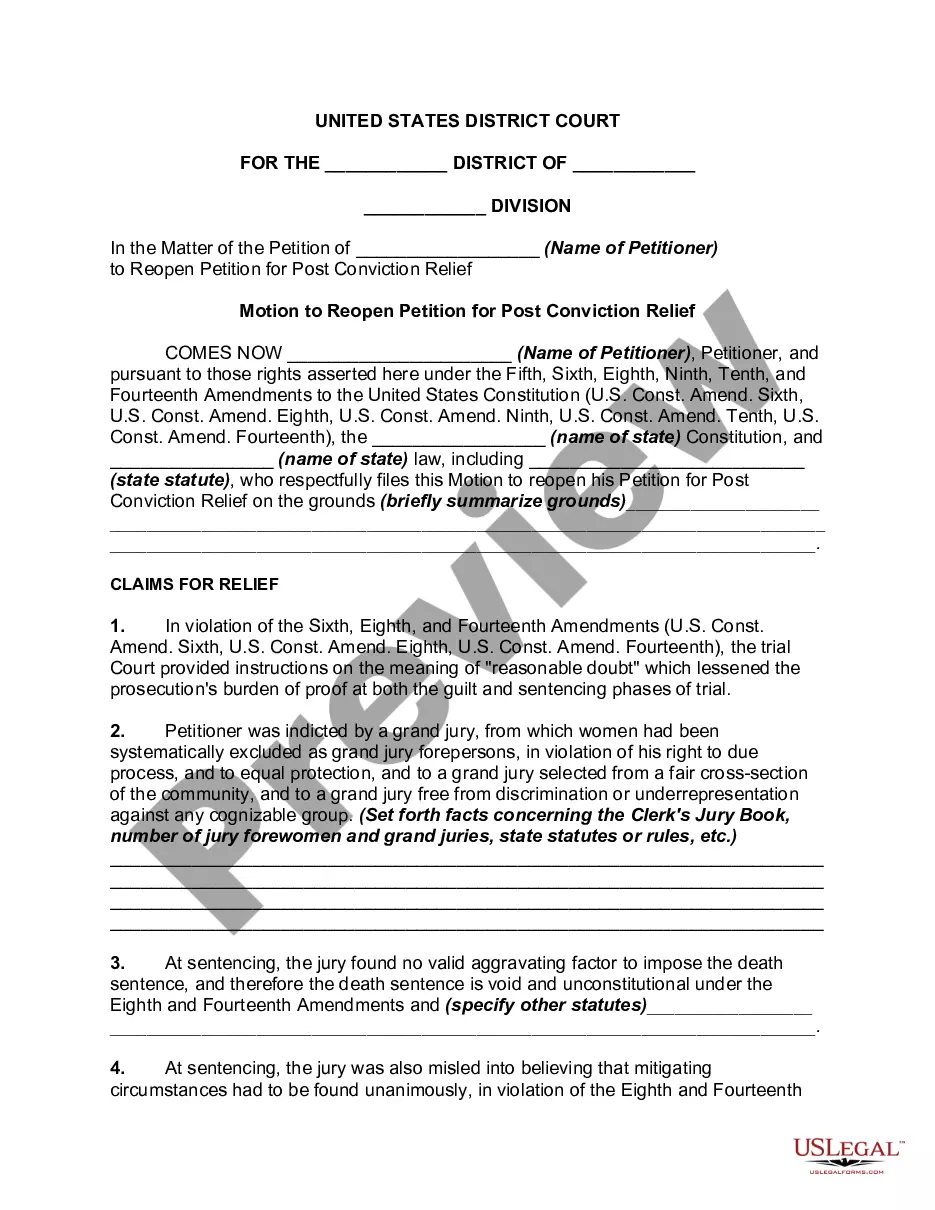
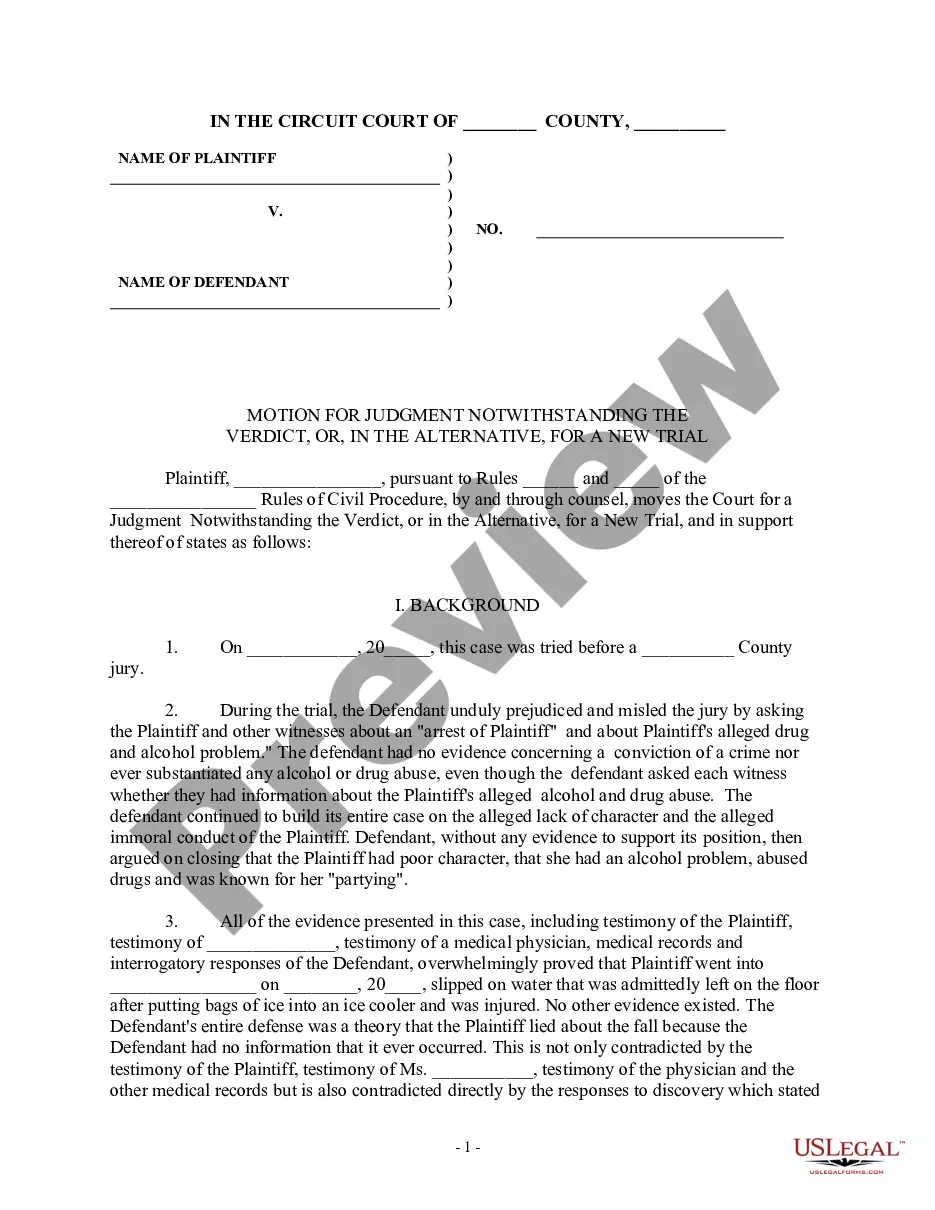
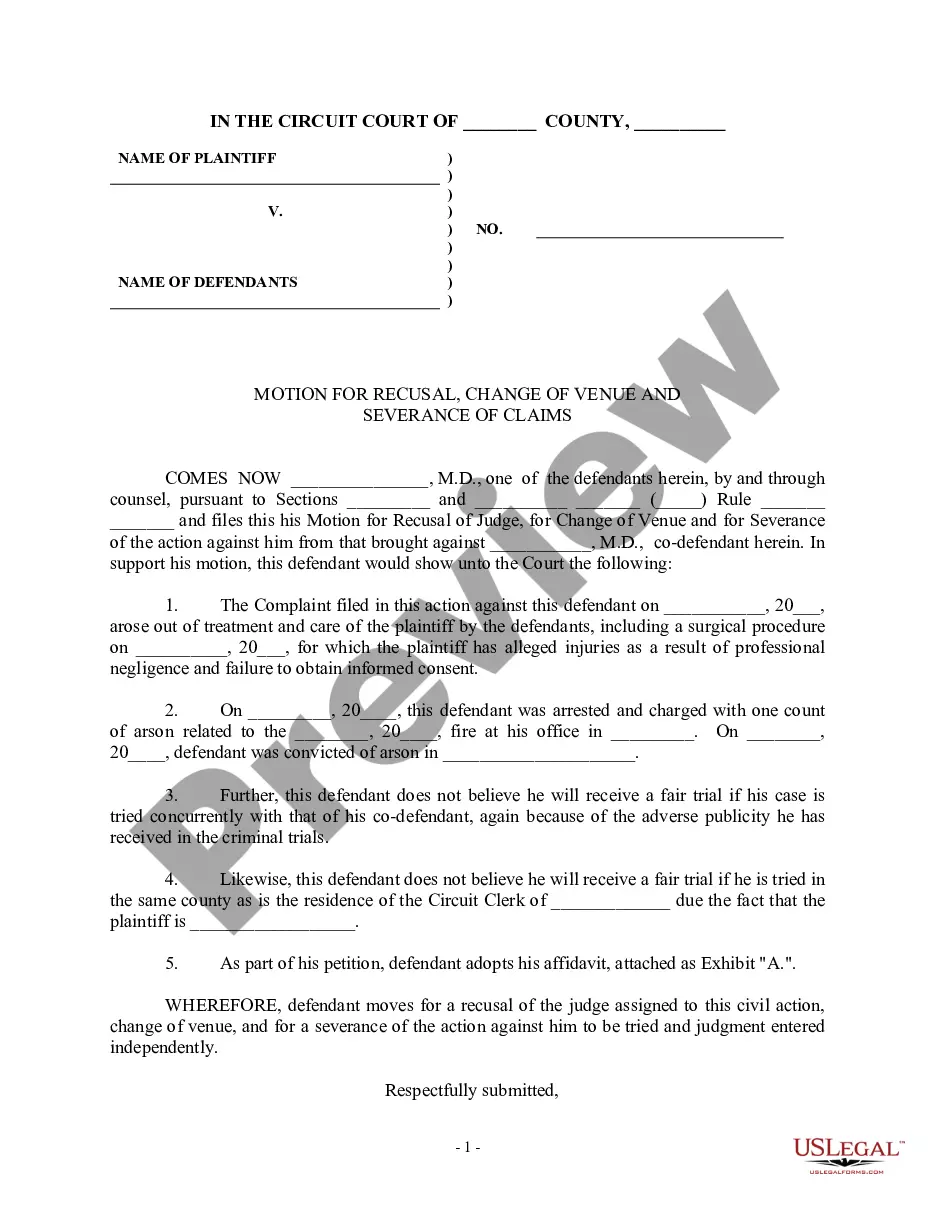
Get your form ready online
Our built-in tools help you complete, sign, share, and store your documents in one place.
Make edits, fill in missing information, and update formatting in US Legal Forms—just like you would in MS Word.
Download a copy, print it, send it by email, or mail it via USPS—whatever works best for your next step.
Sign and collect signatures with our SignNow integration. Send to multiple recipients, set reminders, and more. Go Premium to unlock E-Sign.
If this form requires notarization, complete it online through a secure video call—no need to meet a notary in person or wait for an appointment.
We protect your documents and personal data by following strict security and privacy standards.

Make edits, fill in missing information, and update formatting in US Legal Forms—just like you would in MS Word.

Download a copy, print it, send it by email, or mail it via USPS—whatever works best for your next step.

Sign and collect signatures with our SignNow integration. Send to multiple recipients, set reminders, and more. Go Premium to unlock E-Sign.

If this form requires notarization, complete it online through a secure video call—no need to meet a notary in person or wait for an appointment.

We protect your documents and personal data by following strict security and privacy standards.
Looking for another form?

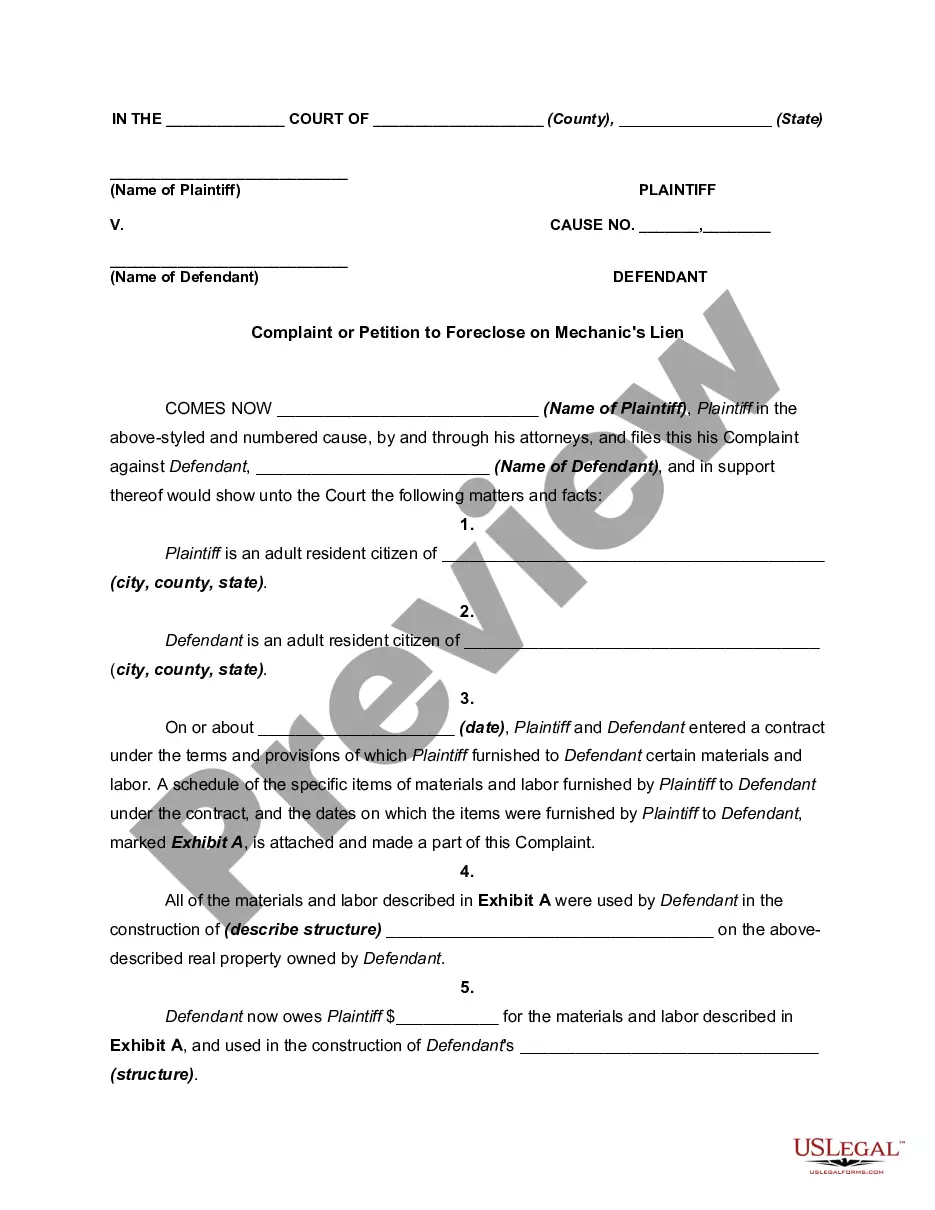

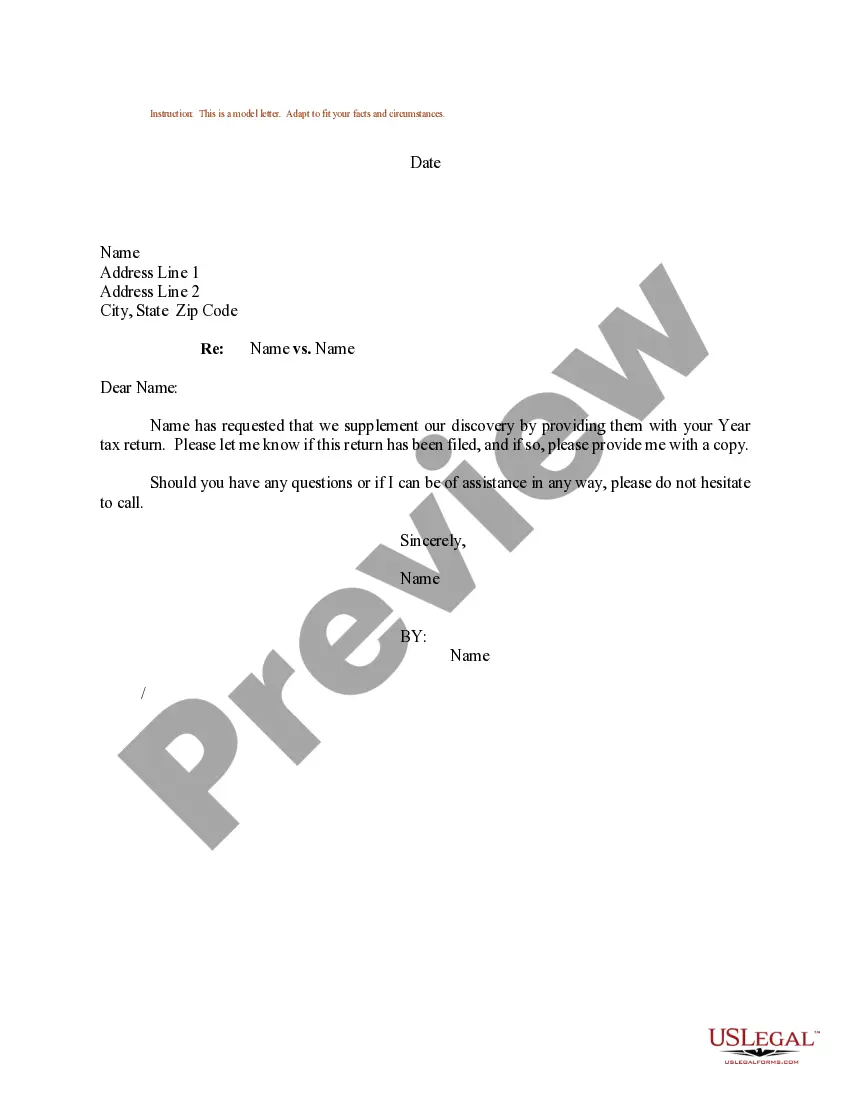
How to fill out Motion For New Trial?
Acquiring a preferred location to obtain the latest and pertinent legal documents is a significant part of navigating bureaucratic systems. Locating the appropriate legal files requires precision and careful consideration, which is why it is essential to obtain Trial Court Motion For Contempt samples exclusively from reliable origins, such as US Legal Forms. An incorrect template can waste your time and prolong your current situation. With US Legal Forms, your concerns are minimal. You can access and review all details concerning the document's applicability and significance for your situation and within your state or county.
Consider the following steps to finalize your Trial Court Motion For Contempt.
Eliminate the hassle associated with your legal documentation. Browse the extensive US Legal Forms repository to discover legal templates, verify their appropriateness for your situation, and download them immediately.
- Utilize the catalog navigation or search bar to locate your template.
- Examine the form’s description to ensure it aligns with the stipulations of your state and area.
- Check the form preview, if available, to confirm the template is what you are looking for.
- Return to the search and seek the appropriate document if the Trial Court Motion For Contempt does not meet your specifications.
- If you are confident about the form’s applicability, download it.
- When you are a registered user, click Log in to verify and access your selected forms in My documents.
- If you haven’t created an account, click Buy now to acquire the form.
- Choose the pricing option that accommodates your needs.
- Proceed with the registration to finalize your purchase.
- Complete your purchase by choosing a transaction method (credit card or PayPal).
- Select the document format for downloading Trial Court Motion For Contempt.
- Once you have the document on your device, you can modify it utilizing the editor or print it and fill it out manually.
Form popularity
FAQ
Upon responding to a motion for contempt, a defendant may either lodge a defense or he or she may purge the contempt by complying with the court's order and remedying any past due support obligations. The defendant responds by filing an answer. The answer may contain defenses against the contempt action.
When a party is found in contempt of court, the court can impose a variety of sanctions. These can include fines, jail time, and even the loss of parental rights. The court may also order the party to pay the other party's attorney's fees and court costs.
The consequences of the motion: A motion to enforce, if approved, inflicts no punishment on the non-compliant party and instead serves as a reminder to fulfill their legal duties. Alternatively, a motion for contempt can result in jail time or fines for not following a verdict.
In a punitive situation, the court can order up to 180 days in jail upon a finding of contempt. The amount of time is up to the judge and there are judges out there who will not hesitate to impose a jail sentence.
(a) Imprisonment if the contempt of court is of a type defined in RCW 7.21. 010(1) (b) through (d). The imprisonment may extend only so long as it serves a coercive purpose. (b) A forfeiture not to exceed two thousand dollars for each day the contempt of court continues.