Trial Court Before Within The City
Description
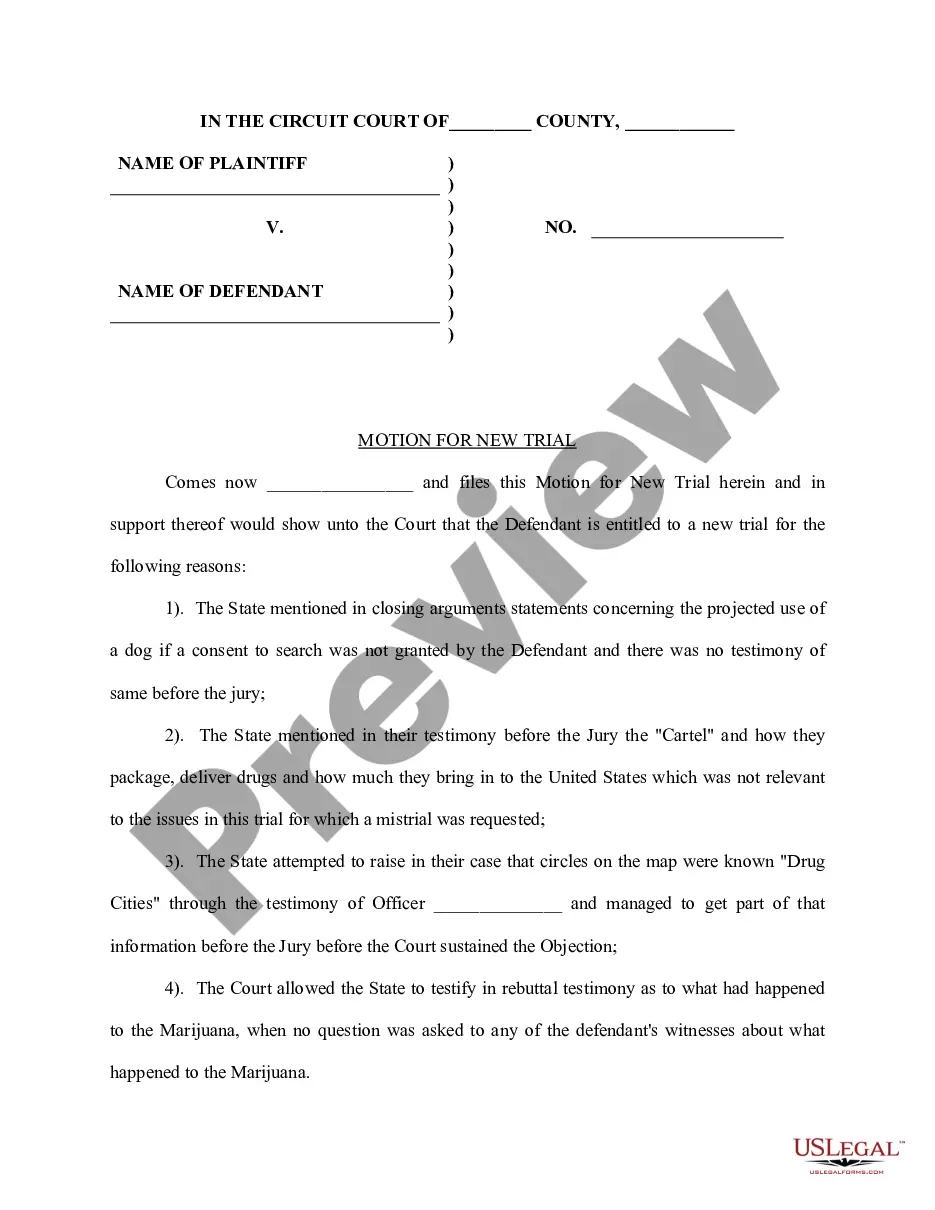
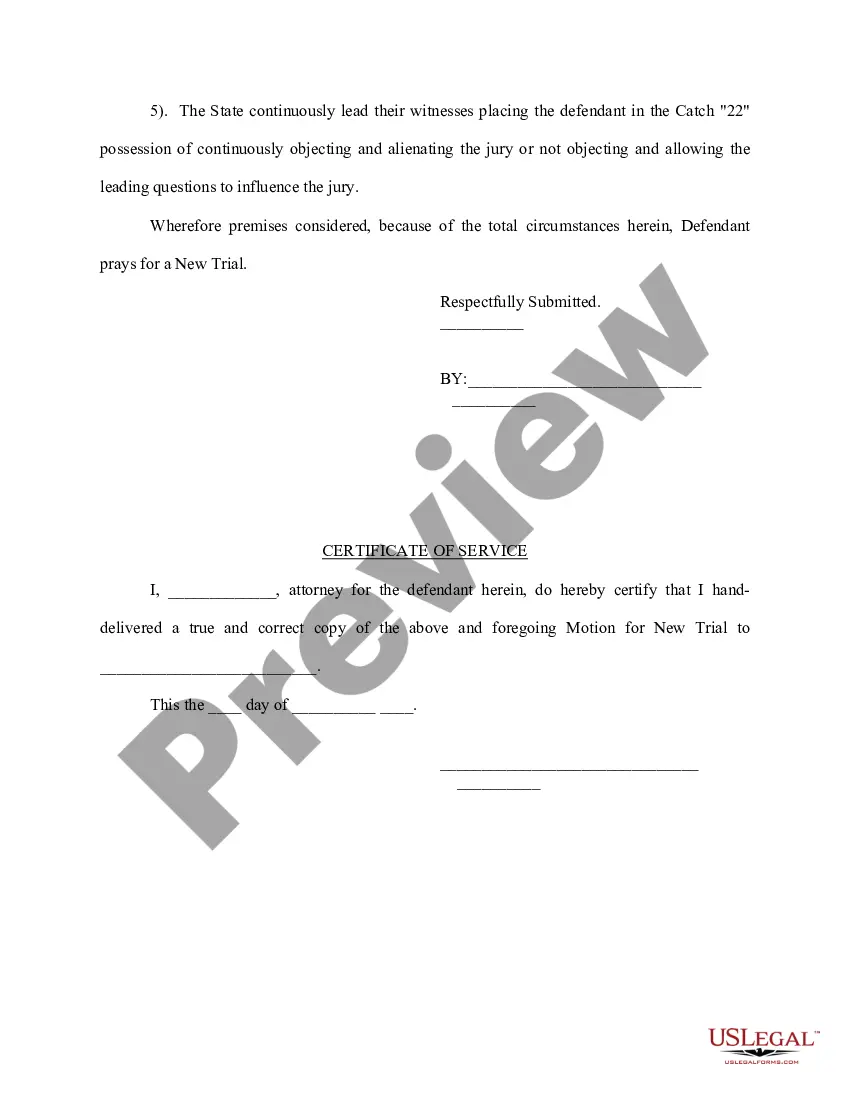
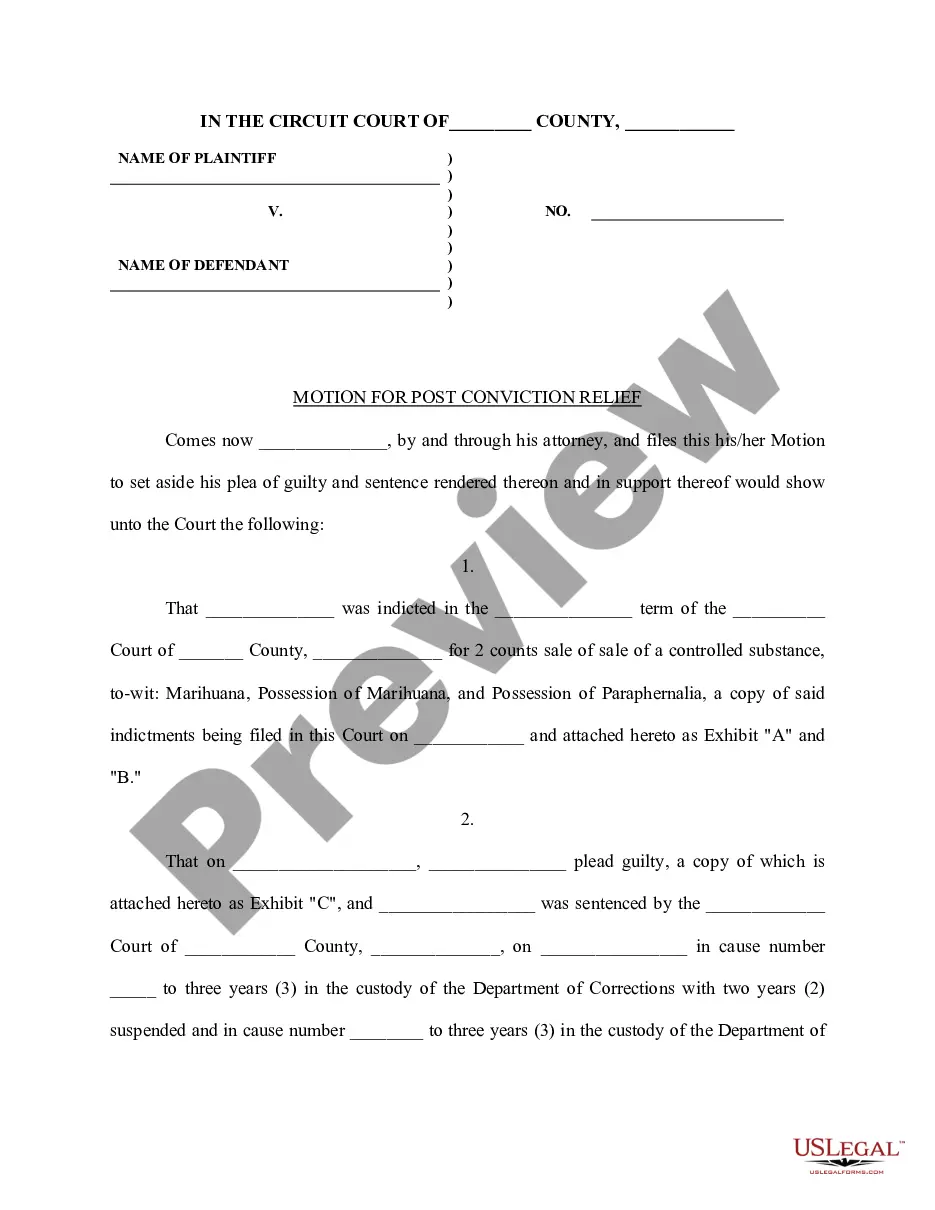
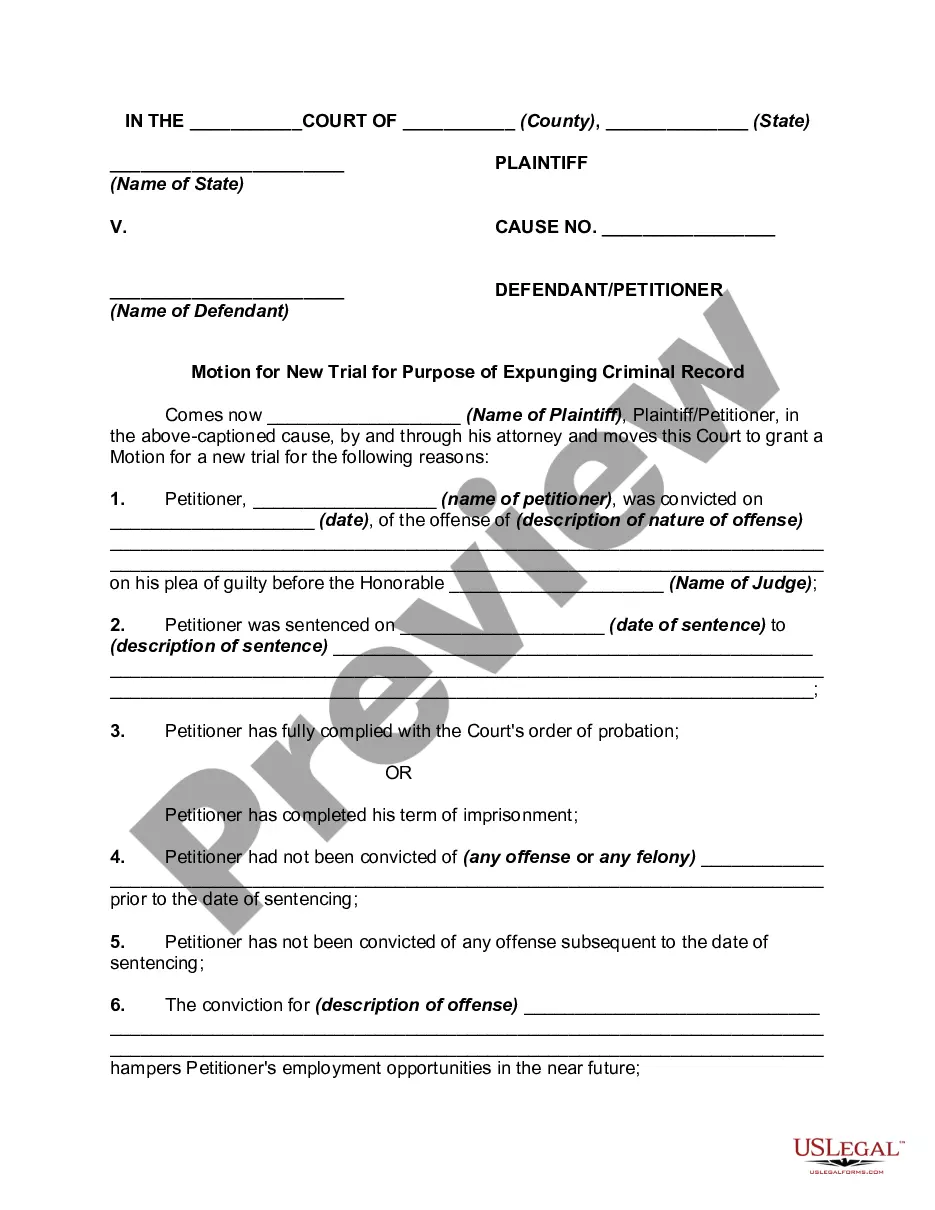
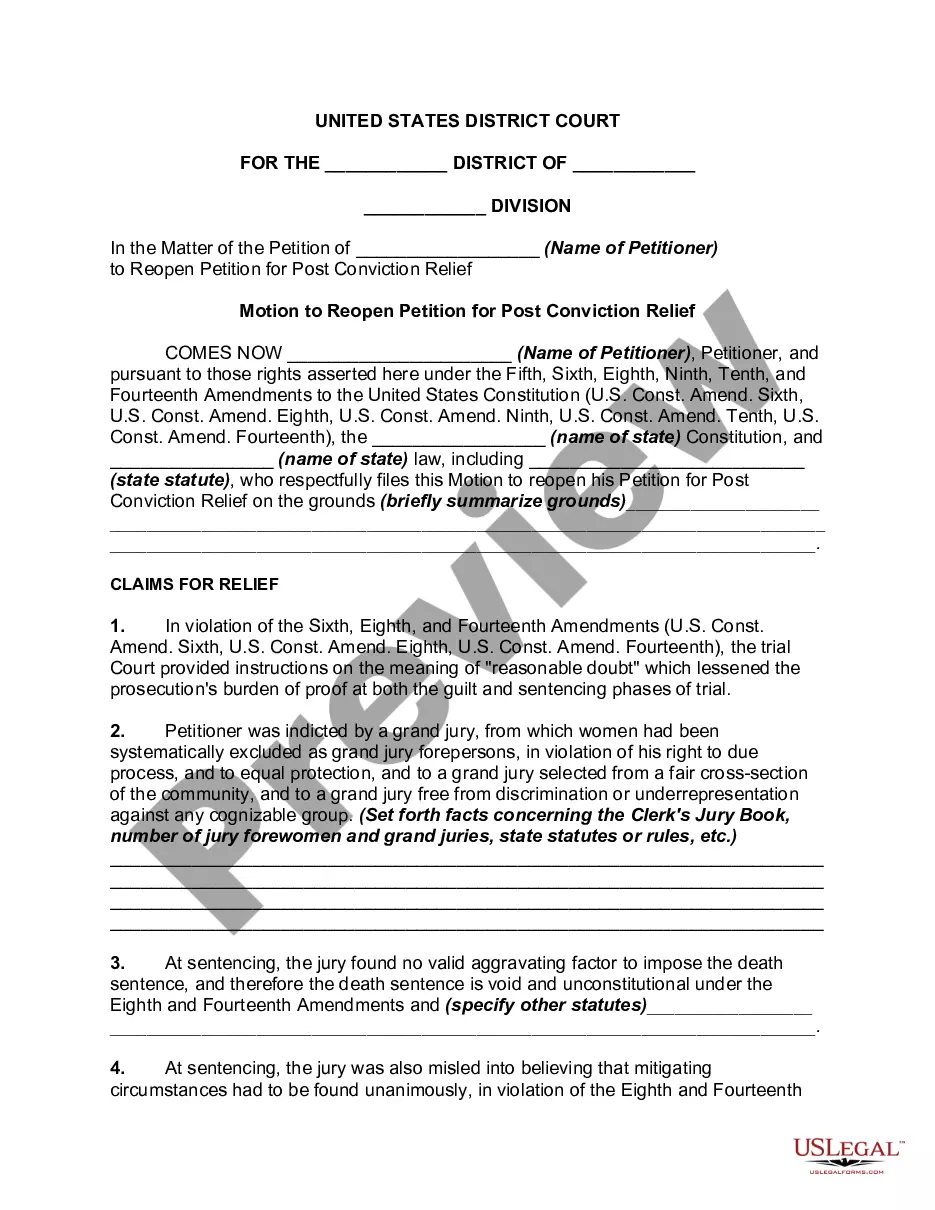
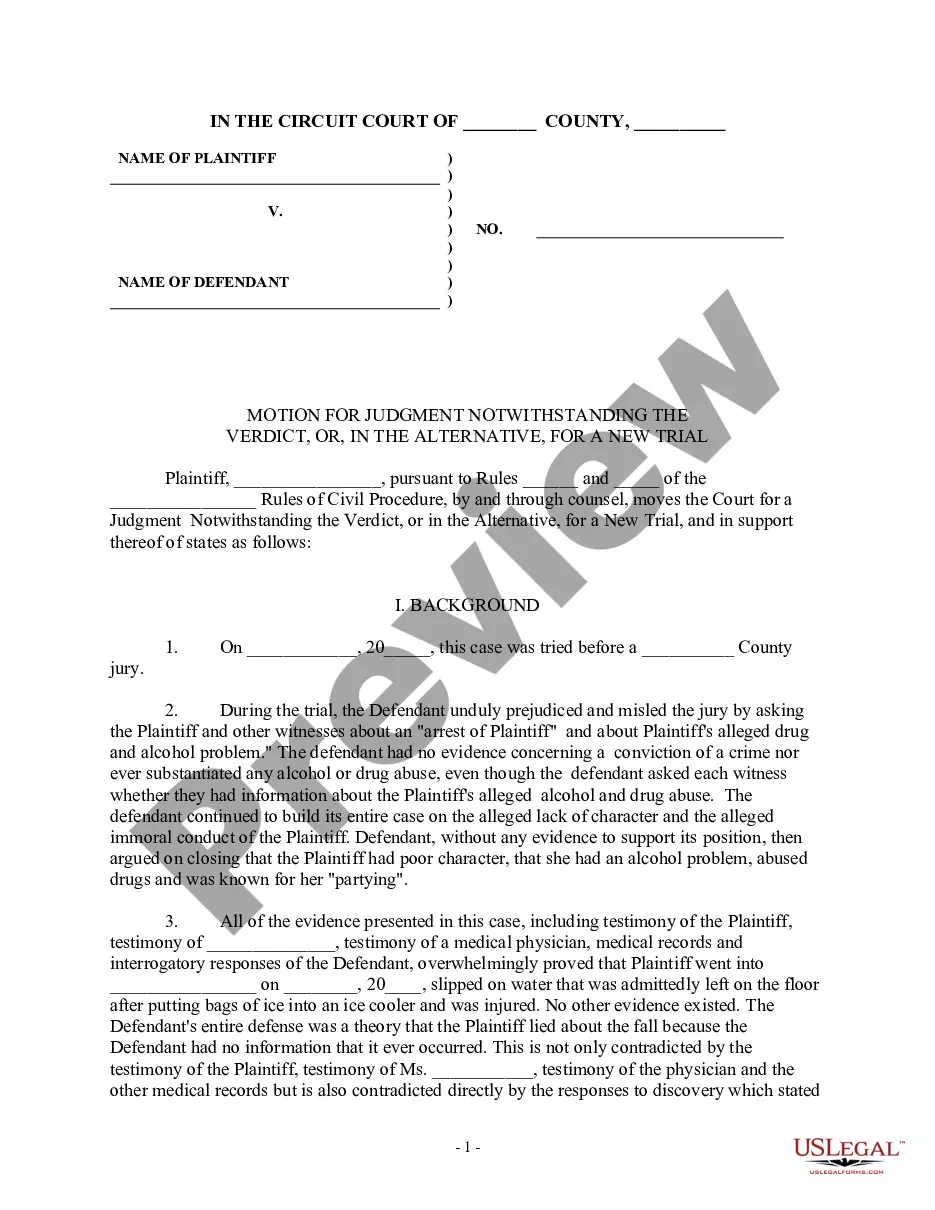
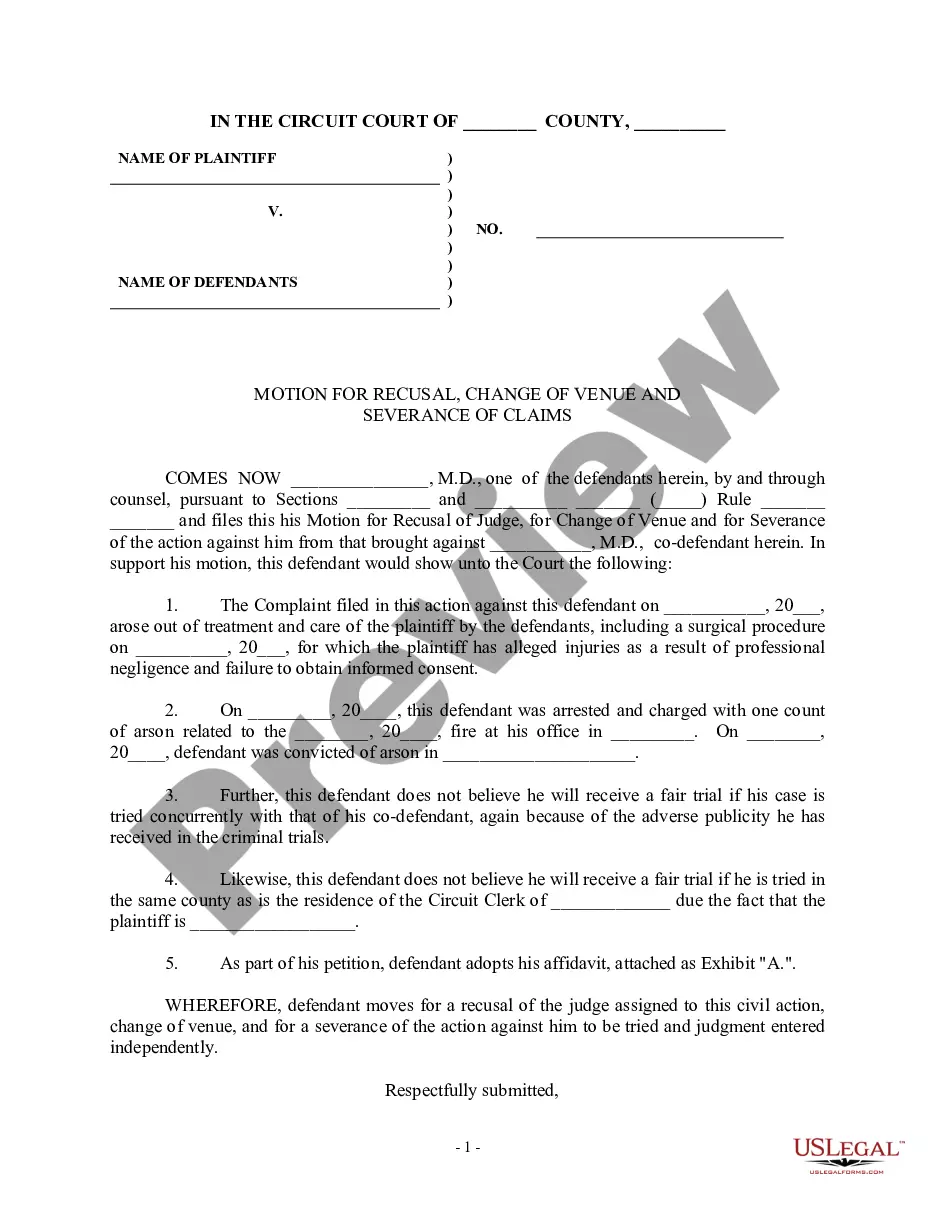
Get your form ready online
Our built-in tools help you complete, sign, share, and store your documents in one place.
Make edits, fill in missing information, and update formatting in US Legal Forms—just like you would in MS Word.
Download a copy, print it, send it by email, or mail it via USPS—whatever works best for your next step.
Sign and collect signatures with our SignNow integration. Send to multiple recipients, set reminders, and more. Go Premium to unlock E-Sign.
If this form requires notarization, complete it online through a secure video call—no need to meet a notary in person or wait for an appointment.
We protect your documents and personal data by following strict security and privacy standards.

Make edits, fill in missing information, and update formatting in US Legal Forms—just like you would in MS Word.

Download a copy, print it, send it by email, or mail it via USPS—whatever works best for your next step.

Sign and collect signatures with our SignNow integration. Send to multiple recipients, set reminders, and more. Go Premium to unlock E-Sign.

If this form requires notarization, complete it online through a secure video call—no need to meet a notary in person or wait for an appointment.

We protect your documents and personal data by following strict security and privacy standards.
Looking for another form?

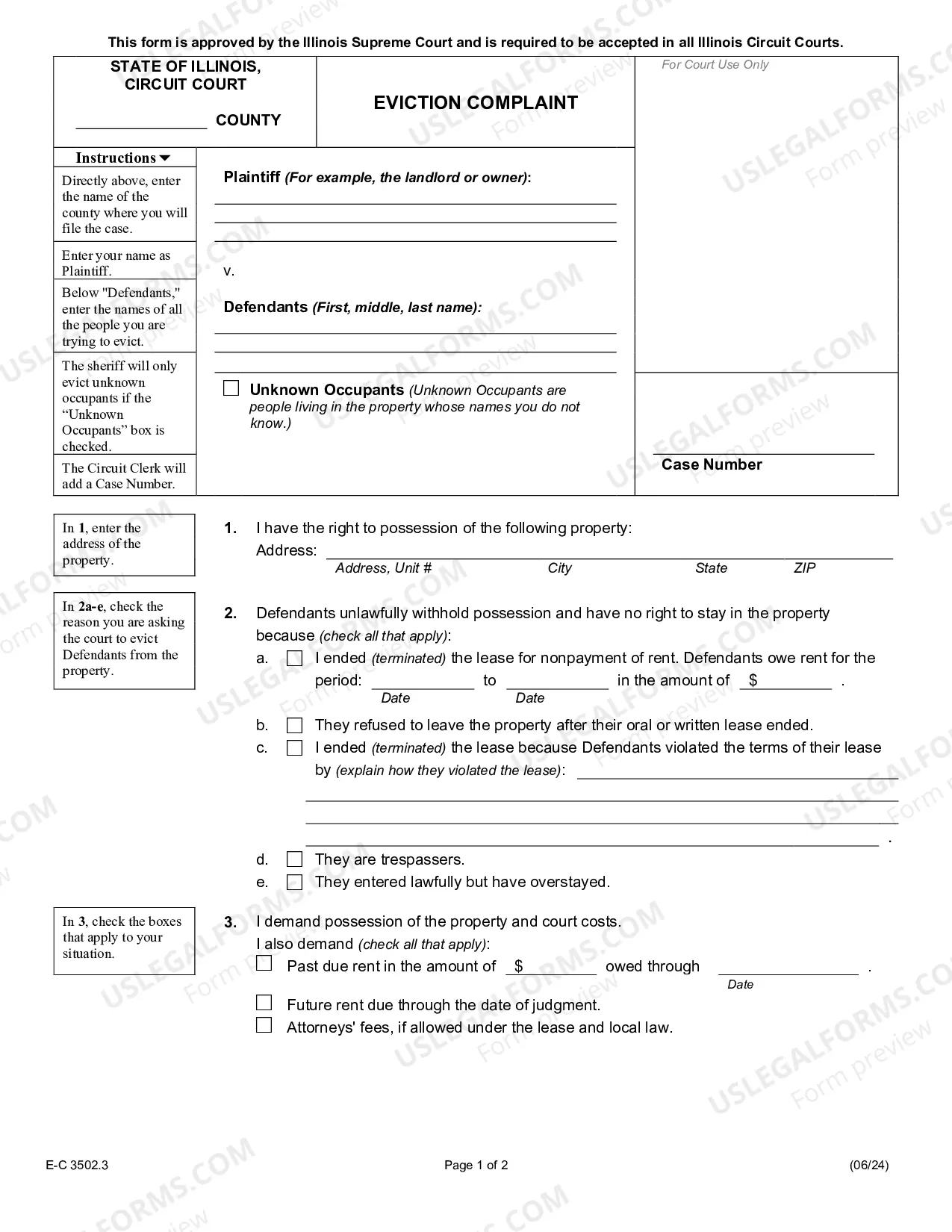




How to fill out Motion For New Trial?
Creating legal documents from beginning can frequently be daunting.
Some situations may entail extensive research and significant expenses.
If you’re looking for a simpler and more affordable method of preparing Trial Court Before Within The City or any other papers without the hassle, US Legal Forms is always available to assist you.
Our online library of more than 85,000 current legal documents encompasses nearly every aspect of your financial, legal, and personal matters.
- With just a few clicks, you can swiftly find state- and county-compliant forms carefully prepared for you by our legal experts.
- Utilize our service whenever you require reliable and trustworthy assistance to quickly discover and download the Trial Court Before Within The City.
- If you’re a returning user and have already created an account with us, simply Log In to your account, find the template and download it or re-download it at any time via the My documents section.
- Don’t have an account? No worries. It requires minimal time to register and browse the catalog.
Form popularity
FAQ
The U.S. district courts are the trial courts of the federal court system. The district courts can hear most federal cases, including civil and criminal cases. There are 94 federal judicial districts in the United States and its territories.
Trial courts settle disputes as the first court of instance based on jurisdiction. Jurisdiction can be based on the person, the subject matter or to render a particular judgment. There are two types of trial courts: a criminal court and a civil court.
Pretrial. Most of the progress of a federal case happens in what is called the pretrial phase, and will include actions that must occur before the start of the trial.
Types of Trials Civil Case ? A trial that consists of a disagreement between two or more people or businesses. ... Criminal Case ? A trial involving a person who has been accused of committing either a misdemeanor or a felony offense. Juvenile Case ? A trial that usually involves a minor who is under the age of seventeen.
Original Jurisdiction:? the authority of a court to hear and decide a case in the first instance over the authority of other courts. ? For example, trial courts are courts of original jurisdiction in many cases.