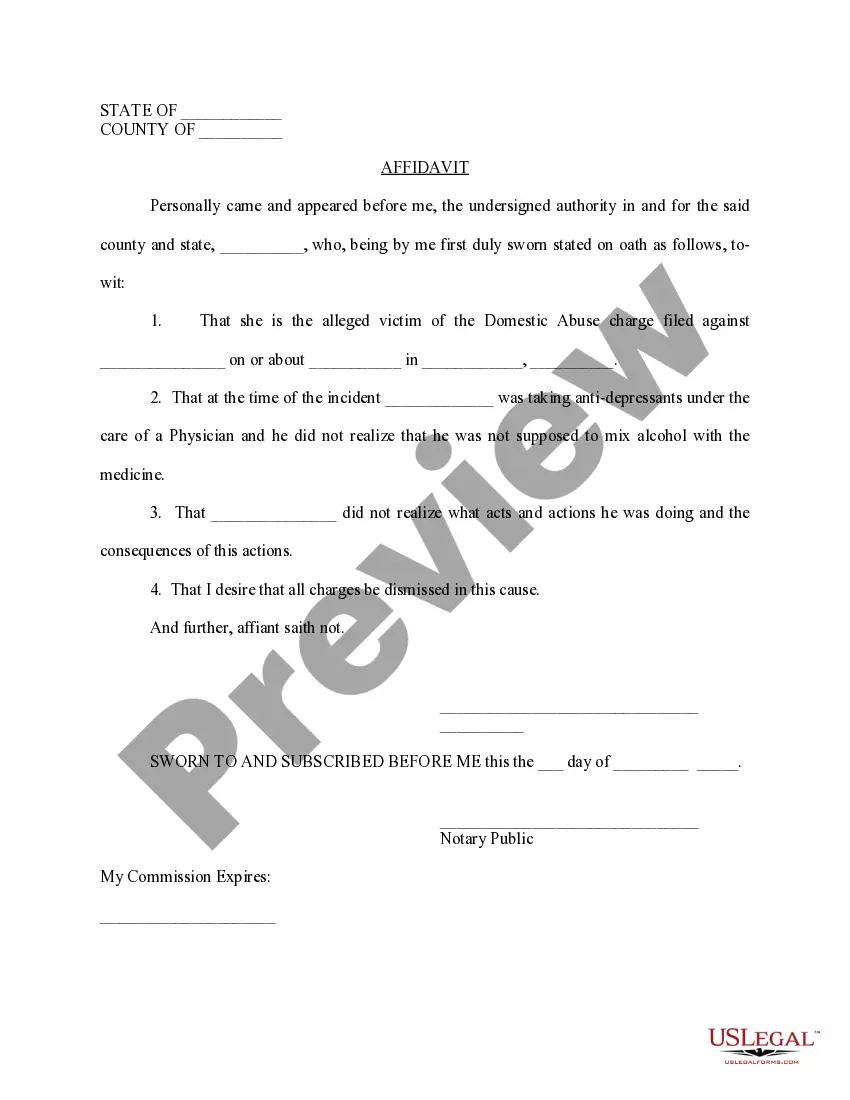
Sample Affidavit Of Spousal Abuse With Spouse
Description
Get your form ready online
Our built-in tools help you complete, sign, share, and store your documents in one place.
Make edits, fill in missing information, and update formatting in US Legal Forms—just like you would in MS Word.
Download a copy, print it, send it by email, or mail it via USPS—whatever works best for your next step.
Sign and collect signatures with our SignNow integration. Send to multiple recipients, set reminders, and more. Go Premium to unlock E-Sign.
If this form requires notarization, complete it online through a secure video call—no need to meet a notary in person or wait for an appointment.
We protect your documents and personal data by following strict security and privacy standards.

Make edits, fill in missing information, and update formatting in US Legal Forms—just like you would in MS Word.

Download a copy, print it, send it by email, or mail it via USPS—whatever works best for your next step.

Sign and collect signatures with our SignNow integration. Send to multiple recipients, set reminders, and more. Go Premium to unlock E-Sign.

If this form requires notarization, complete it online through a secure video call—no need to meet a notary in person or wait for an appointment.

We protect your documents and personal data by following strict security and privacy standards.
Looking for another form?
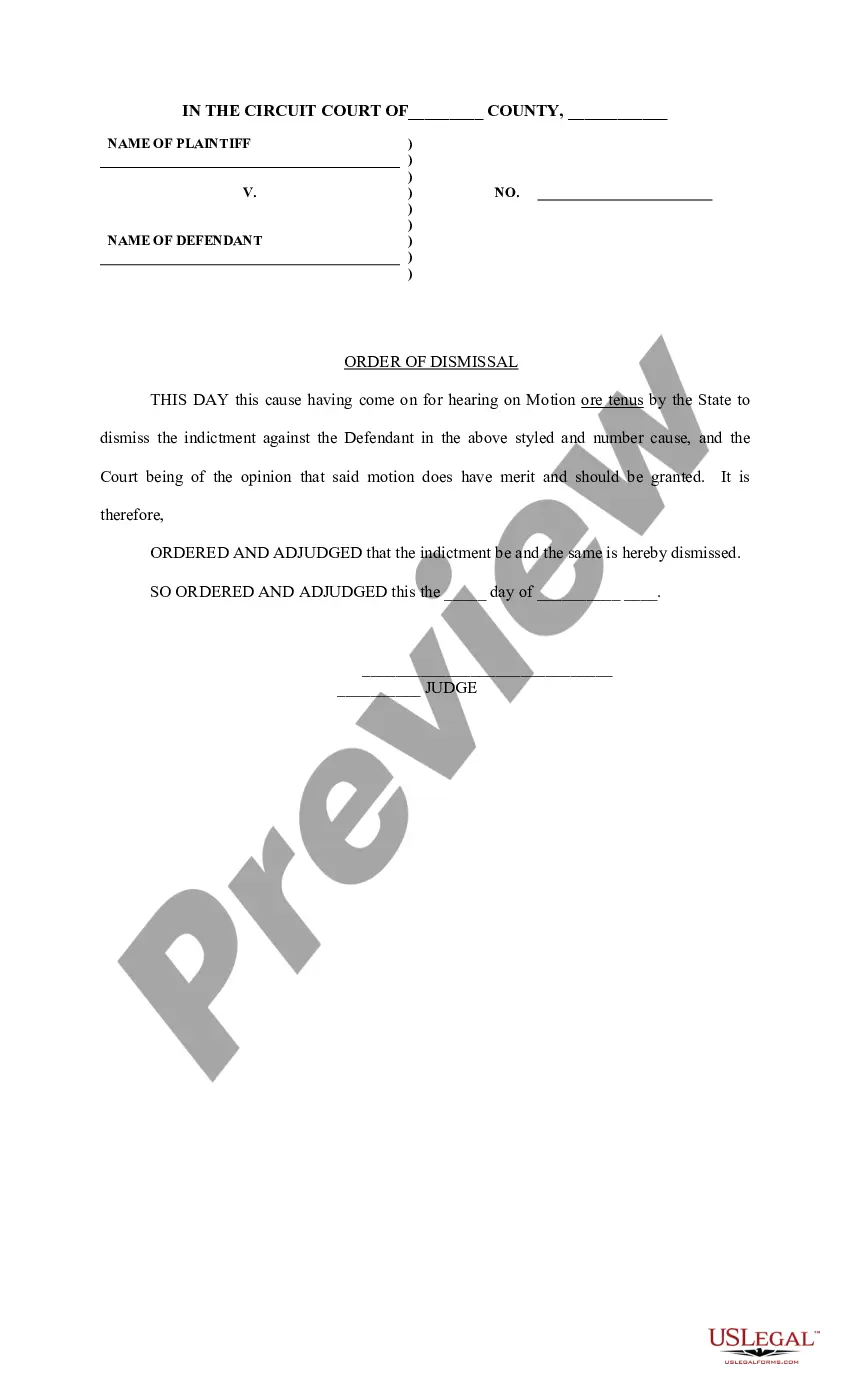
How to fill out Affidavit By Victim For Dismissal?
Handling legal documents can be exasperating, even for the most adept professionals.
When you seek a Sample Affidavit Of Spousal Abuse With Spouse and can't dedicate time to search for the correct and updated version, the process can be challenging.
Access county- or state-specific legal and business documents. US Legal Forms addresses all your needs, from personal to corporate forms, all in one location.
Utilize cutting-edge tools to complete and manage your Sample Affidavit Of Spousal Abuse With Spouse.
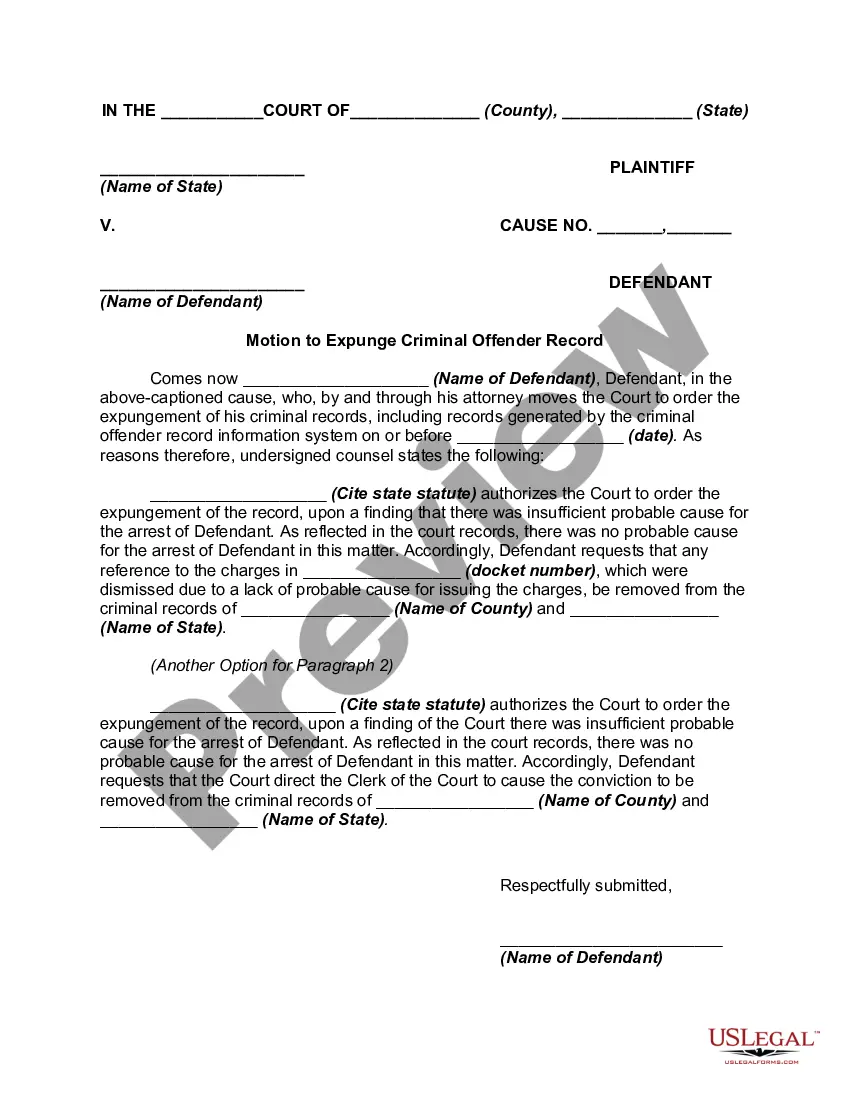
Here are the steps to take after acquiring the form you need: Validate it is the correct form by previewing it and reviewing its description. Confirm that the sample is valid in your state or county. Click Buy Now when you’re ready. Choose a monthly subscription plan. Select the desired format, and Download, complete, sign, print, and submit your documents. Leverage the US Legal Forms web library, supported by 25 years of experience and reliability. Transform your everyday document management into a straightforward and user-friendly process today.
- Explore a valuable repository of articles, guides, and materials pertinent to your situation and needs.
- Save time and effort searching for the documents you require, and utilize US Legal Forms' sophisticated search and Preview feature to locate the Sample Affidavit Of Spousal Abuse With Spouse and obtain it.
- If you hold a subscription, Log In to your US Legal Forms account, find the form, and acquire it.
- Visit the My documents section to review the documents you have saved and manage your files as desired.
- If this is your first experience with US Legal Forms, create a free account and enjoy unlimited access to all features of the platform.
- A robust web form library could revolutionize how individuals navigate these circumstances.
- US Legal Forms stands as a market leader in online legal forms, providing over 85,000 state-specific legal documents available to you anytime.
- With US Legal Forms, you can.
Form popularity
FAQ
Understanding domestic violence is essential for anyone facing such circumstances. The typical questions people ask include topics like the nature of emotional abuse, frequency of incidents, and whether there are physical threats involved. Additionally, it's crucial to ask about any history of controlling behavior, isolation from family and friends, and financial exploitation. Lastly, one should consider inquiries regarding the impact on children, reporting the incidents, and resources available for protection and support, including access to a sample affidavit of spousal abuse with spouse, which can strengthen your case.
To write a VAWA emotional abuse letter, begin by clearly stating your relationship with your spouse and the nature of the abuse you experienced. Next, include specific examples that demonstrate the emotional distress caused by the spousal abuse. Remember, making your letter personal and heartfelt is essential; this helps convey the seriousness of your situation. Utilizing a sample affidavit of spousal abuse with spouse can provide a tangible guideline, aiding you in structuring your letter effectively.
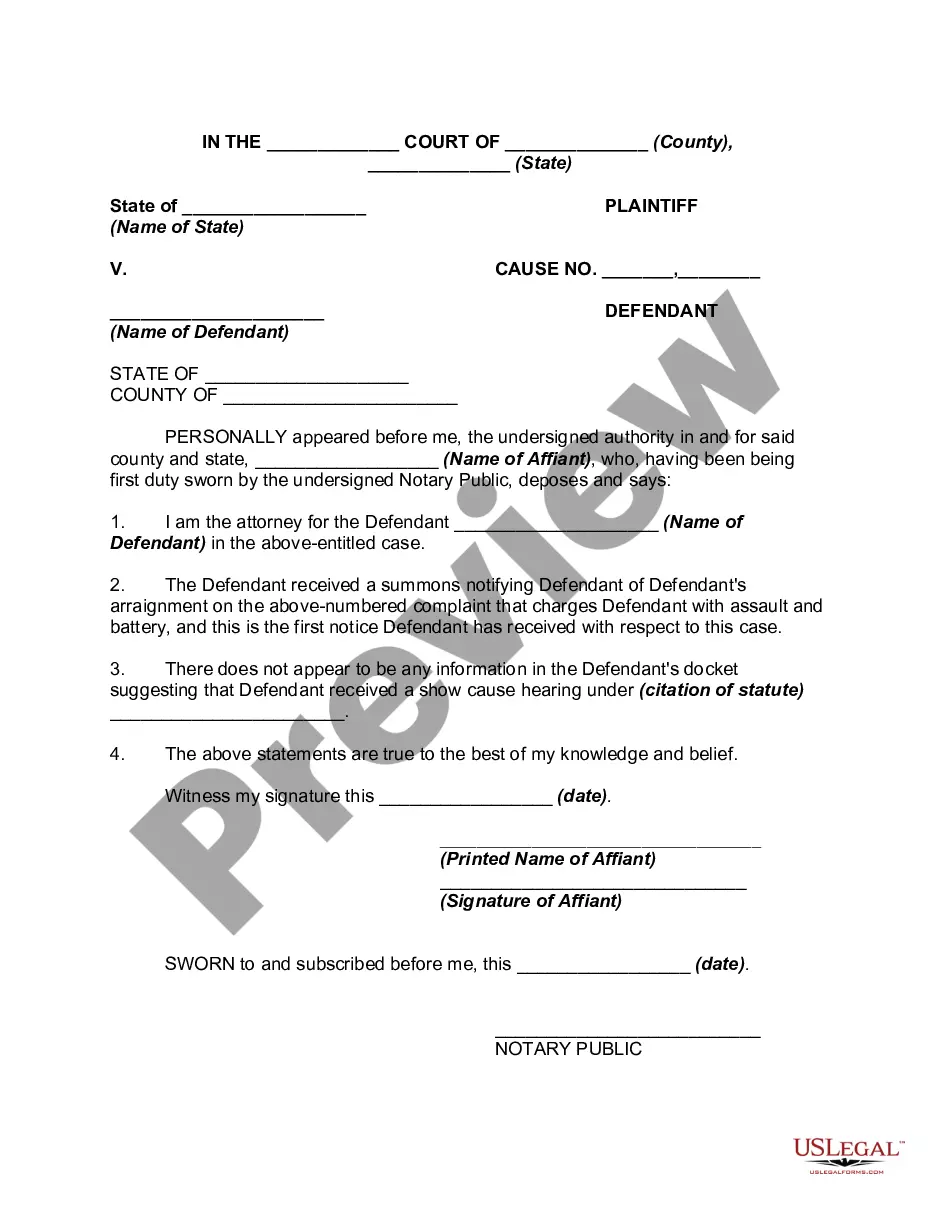
To write a simple affidavit, start by clearly stating your name and the purpose of the document. Include a declaration of facts relevant to your situation, ensuring that these facts support the purpose of your affidavit. For a Sample affidavit of spousal abuse with spouse, be specific about the events and circumstances you witnessed or experienced. Finally, sign the affidavit in front of a notary public to give it legal validity.
To prove spousal emotional abuse, gather evidence that showcases patterns of control, manipulation, or intimidation. This might include documentation of incidents, such as text messages, emails, or witness statements from friends and family who can attest to the behavior. Additionally, you can express your experiences in a written statement or consider using a sample affidavit of spousal abuse with spouse to illustrate your situation comprehensively. This documentation is crucial in legal proceedings to substantiate your claims.
Writing a domestic violence declaration involves outlining the abuse experienced in a clear and structured manner. Begin by mentioning your name, the abuser's details, and your relationship with them. Describe the events of abuse, providing specific examples and emotional impact on you. For assistance in drafting, you can refer to a sample affidavit of spousal abuse with spouse for formatting and language ideas, ensuring that your declaration is both effective and persuasive.
To write an affidavit for domestic violence, you should start by clearly stating your full name, address, and relationship to the abuser. Next, include a detailed account of the incidents of domestic violence, specifying dates, times, and locations. Use a straightforward format and ensure your statements reflect the truth; you may consider a sample affidavit of spousal abuse with spouse as a guide to structure your writing. Lastly, sign the document in front of a notary public to validate it.
The following are six critical sections that must be included: Title. This is either your name (?Affidavit of Jane Doe?) or the specific case information. Statement of identity. The next paragraph tells the court about yourself. ... Statement of truth. ... Statement of facts. ... Closing statement of truth. ... Sign and notarize.
How to Write VAWA Letter. You need to write the VAWA letter (commonly referred to as a personal declaration letter or personal statement) like a story in your own words. In it, you must detail why you think you qualify for a self-petition.
An Affidavit of Support should include: The affiant's full name, address, birthdate, and place. Their relationship to you and your spouse. How they met you. Duration and frequency of their interactions with you. Date and signature.
Relationship History: Clearly describe the relationship between the affiant and the individual(s) in question. Include relevant details such as dates, places, and circumstances of meetings or interactions that establish the relationship.