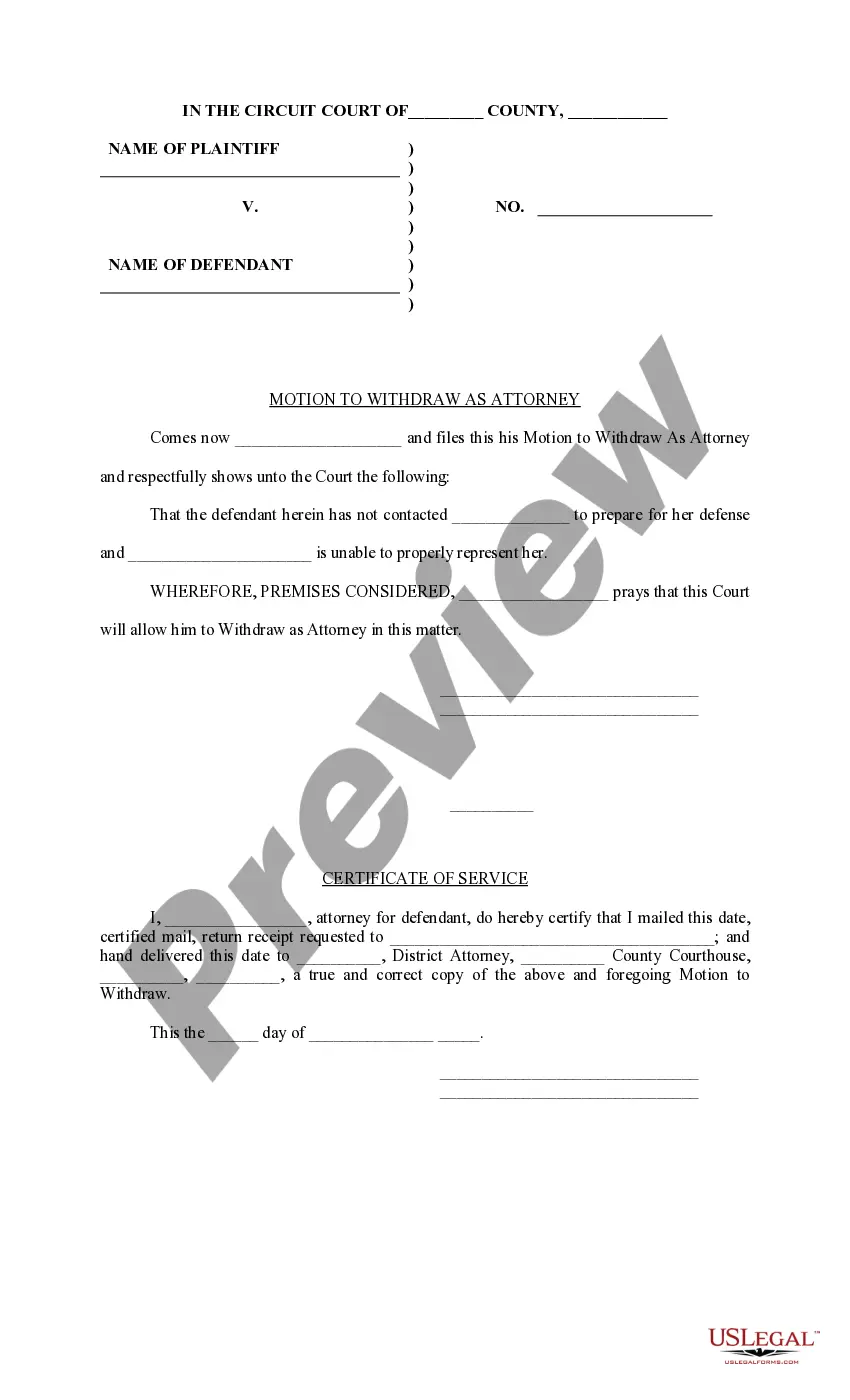
Courthouse Circuit Considered Within City
Description
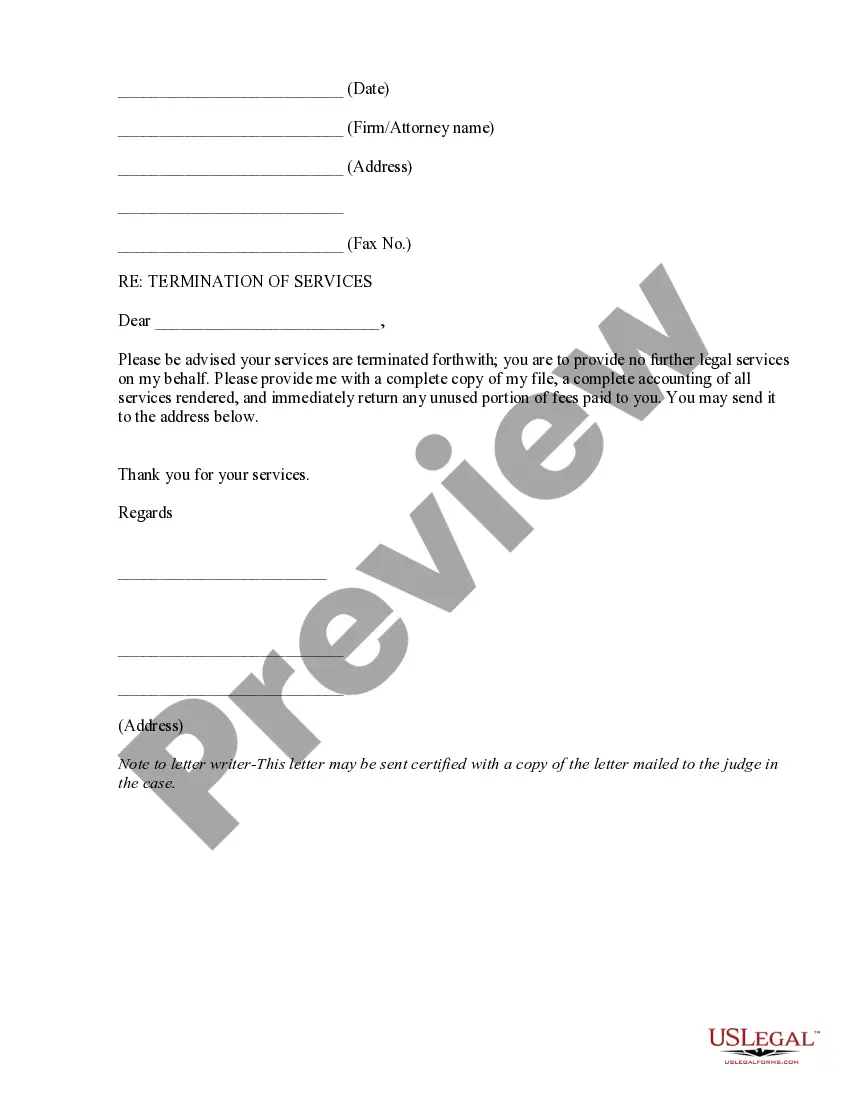
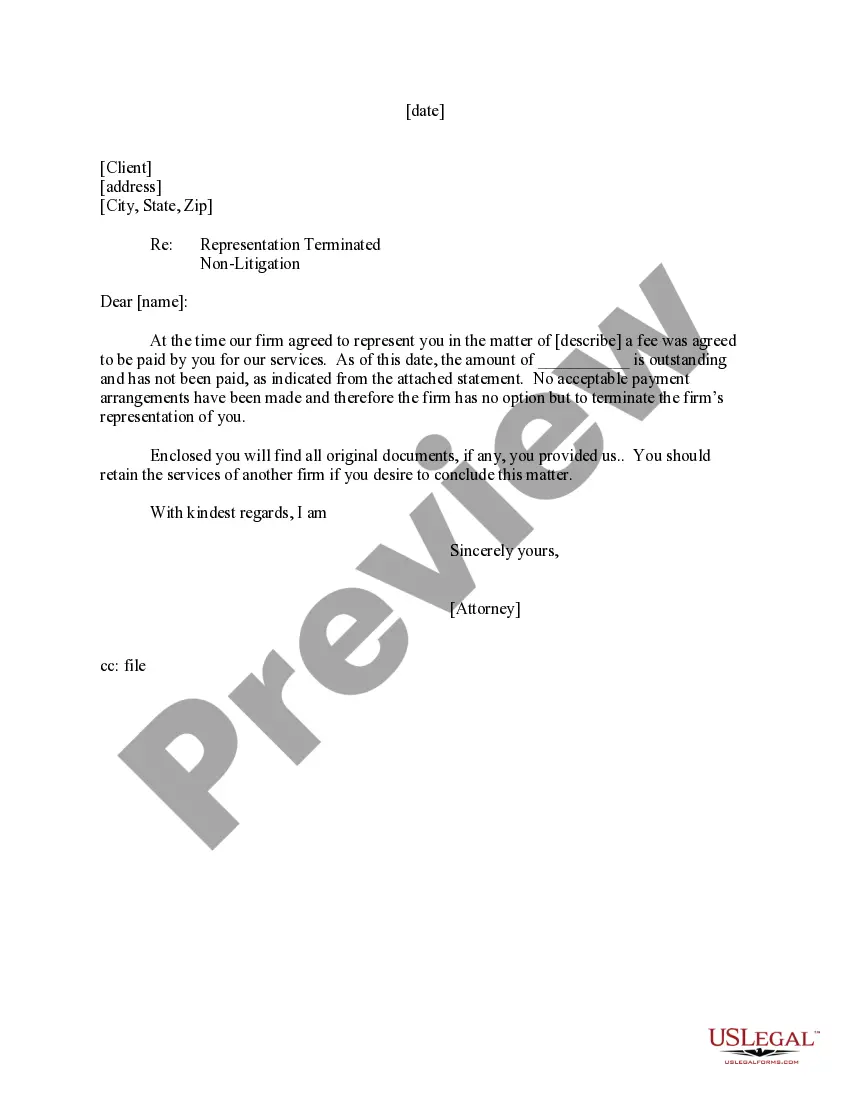
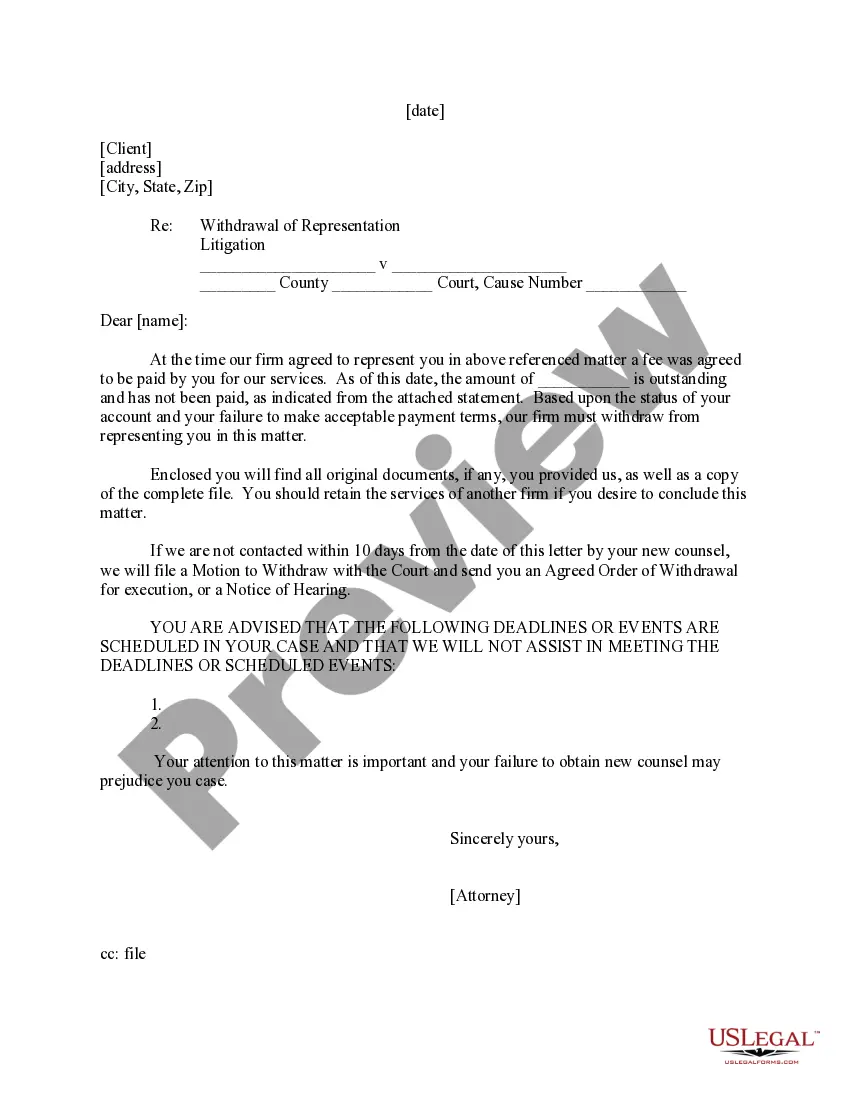
Get your form ready online
Our built-in tools help you complete, sign, share, and store your documents in one place.
Make edits, fill in missing information, and update formatting in US Legal Forms—just like you would in MS Word.
Download a copy, print it, send it by email, or mail it via USPS—whatever works best for your next step.
Sign and collect signatures with our SignNow integration. Send to multiple recipients, set reminders, and more. Go Premium to unlock E-Sign.
If this form requires notarization, complete it online through a secure video call—no need to meet a notary in person or wait for an appointment.
We protect your documents and personal data by following strict security and privacy standards.

Make edits, fill in missing information, and update formatting in US Legal Forms—just like you would in MS Word.

Download a copy, print it, send it by email, or mail it via USPS—whatever works best for your next step.

Sign and collect signatures with our SignNow integration. Send to multiple recipients, set reminders, and more. Go Premium to unlock E-Sign.

If this form requires notarization, complete it online through a secure video call—no need to meet a notary in person or wait for an appointment.

We protect your documents and personal data by following strict security and privacy standards.
Looking for another form?
How to fill out Motion To Withdraw As Attorney?
Securing a reliable source for obtaining the latest and pertinent legal templates is a significant part of navigating bureaucracy. Locating the correct legal documents demands accuracy and meticulousness, which is why it is essential to obtain samples of Courthouse Circuit Considered Within City exclusively from trustworthy providers, such as US Legal Forms. An incorrect template will squander your time and delay your current situation. With US Legal Forms, you have minimal concerns. You can access and review all the information regarding the document’s application and relevance for your situation and in your jurisdiction.
Follow the outlined steps to finalize your Courthouse Circuit Considered Within City.
Once you have the form on your device, you can edit it using the editor or print it out and fill it in by hand. Eliminate the stress associated with your legal paperwork. Browse the extensive US Legal Forms library where you can discover legal templates, verify their relevance to your situation, and download them instantly.
- Use the library navigation or search bar to locate your sample.
- Open the form’s description to verify if it aligns with the requirements of your state and region.
- If available, view the form preview to ensure it is the one you seek.
- Return to the search and seek the suitable template if the Courthouse Circuit Considered Within City does not meet your needs.
- If you are confident about the form’s relevance, download it.
- As an authorized user, click Log in to verify and access your selected templates in My documents.
- If you do not possess an account yet, click Buy now to acquire the template.
- Select the pricing plan that suits your needs.
- Proceed to the registration to complete your purchase.
- Finalize your purchase by choosing a payment method (credit card or PayPal).
- Select the file format for downloading Courthouse Circuit Considered Within City.
Form popularity
FAQ
The Judiciary Act of 1891 (26 Stat. 826, also known as the Evarts Act) transferred their appellate jurisdiction to the newly created United States circuit courts of appeals, which are now known as the United States courts of appeals.
Circuits CircuitsCompositionFirst CircuitMaine, Massachusetts, New Hampshire, Puerto Rico, Rhode IslandSecond CircuitConnecticut, New York, VermontThird CircuitDelaware, New Jersey, Pennsylvania, Virgin IslandsFourth CircuitMaryland, North Carolina, South Carolina, Virginia, West Virginia9 more rows
They shall have original and general jurisdiction of all civil cases, except cases upon claims to recover personal property or money not of greater value than $100, exclusive of interest, and except such cases as are assigned to some other tribunal; also in all cases for the recovery of fees in excess of $100; ...
Circuit Courts Once the federal district court has decided a case, the case can be appealed to a United States court of appeal. There are twelve federal circuits that divide the country into different regions. The Fifth Circuit, for example, includes the states of Texas, Louisiana, and Mississippi.
In criminal cases, the circuit court has jurisdiction over the trial of all felonies (offenses that may be punished by incarceration in the state penitentiary) and of those misdemeanors (offenses carrying a penalty of not more than 12 months in jail) on appeal from district court or originally charged in circuit court.