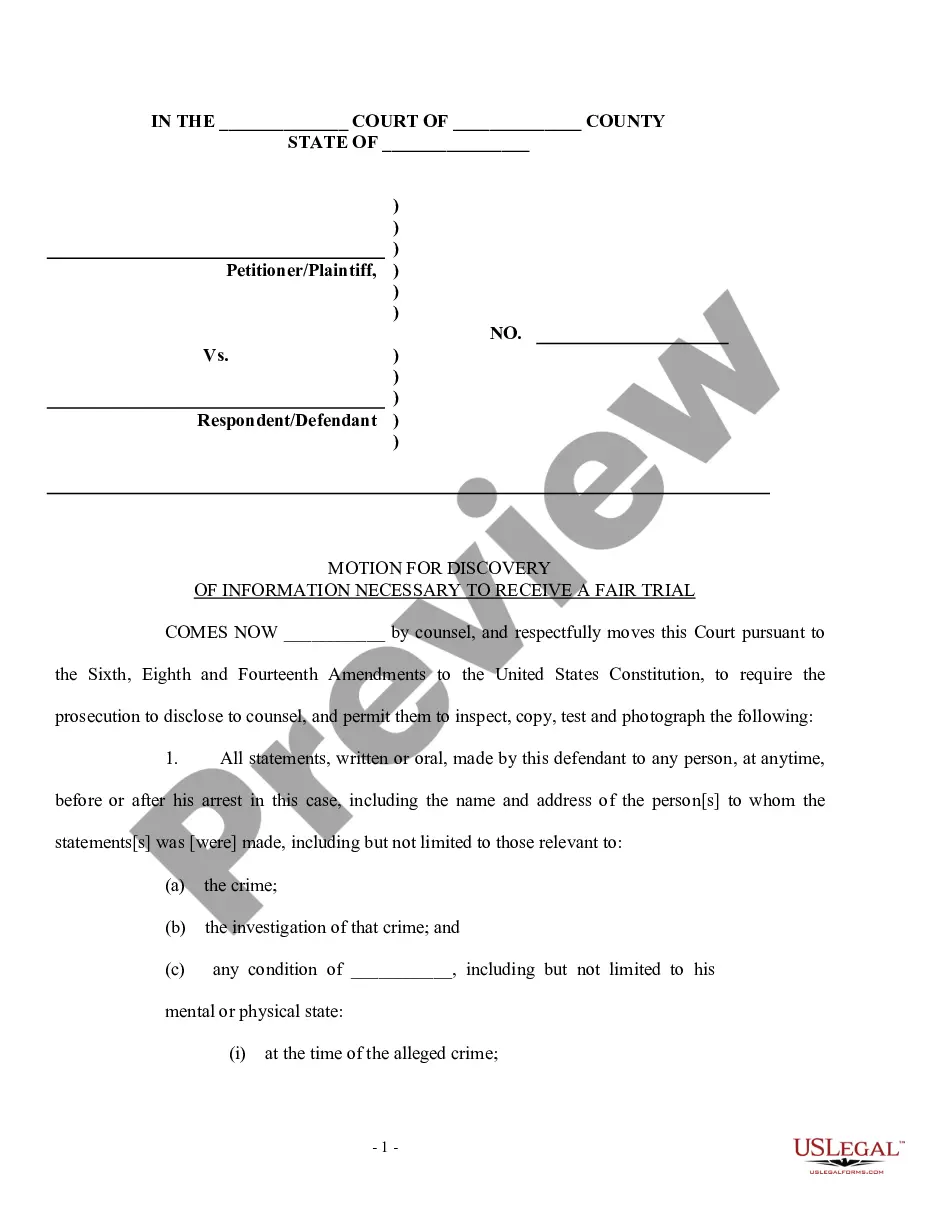
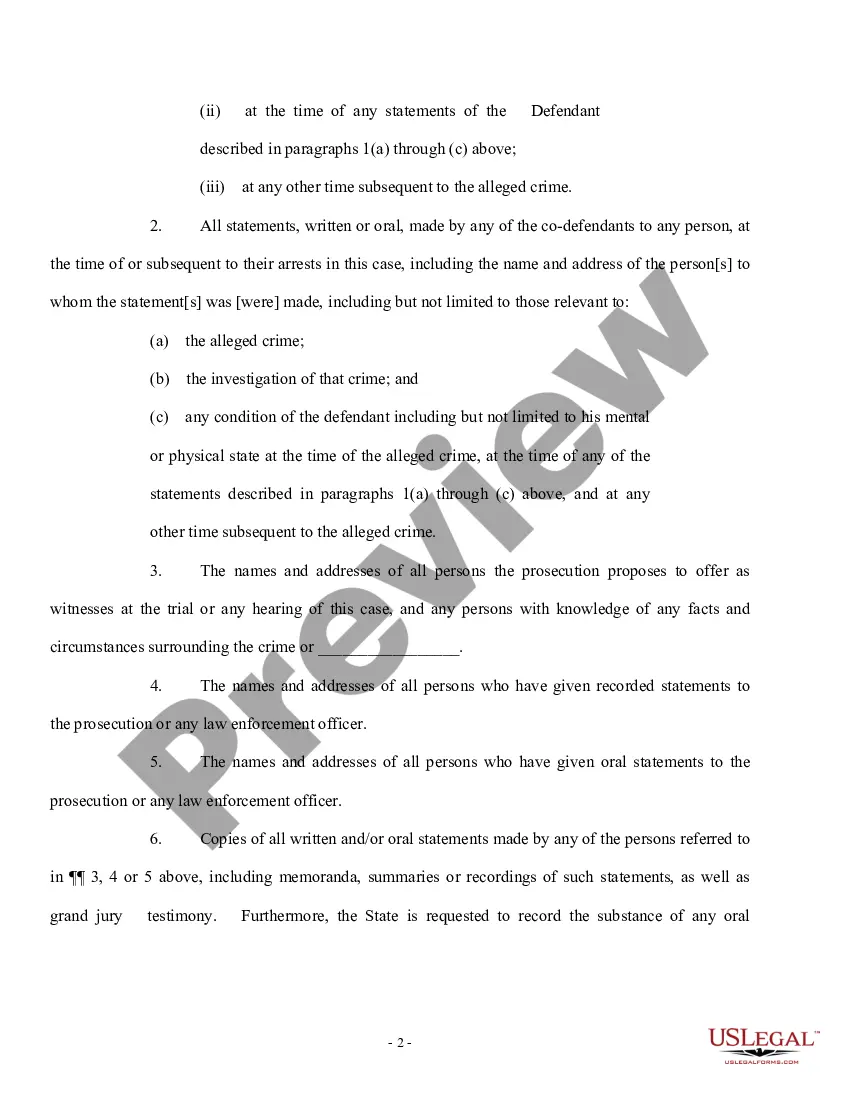
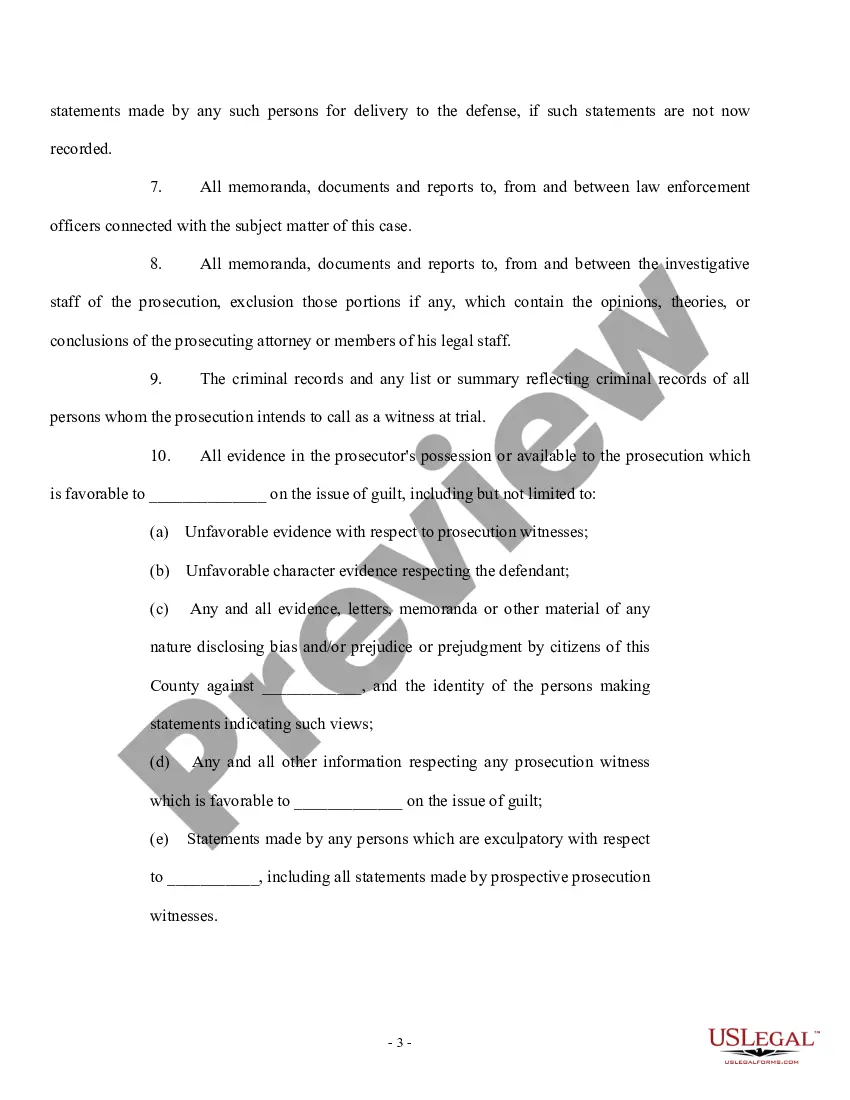
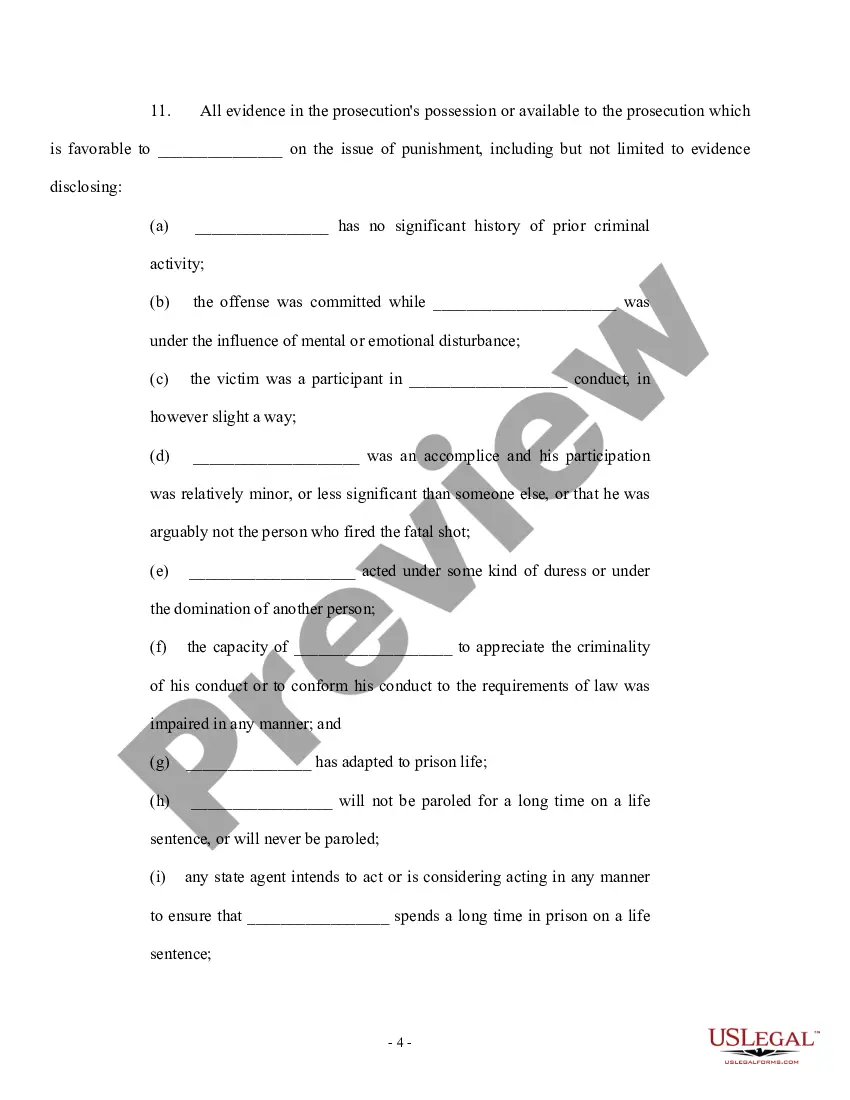
Motion Discovery Information For Court
Description
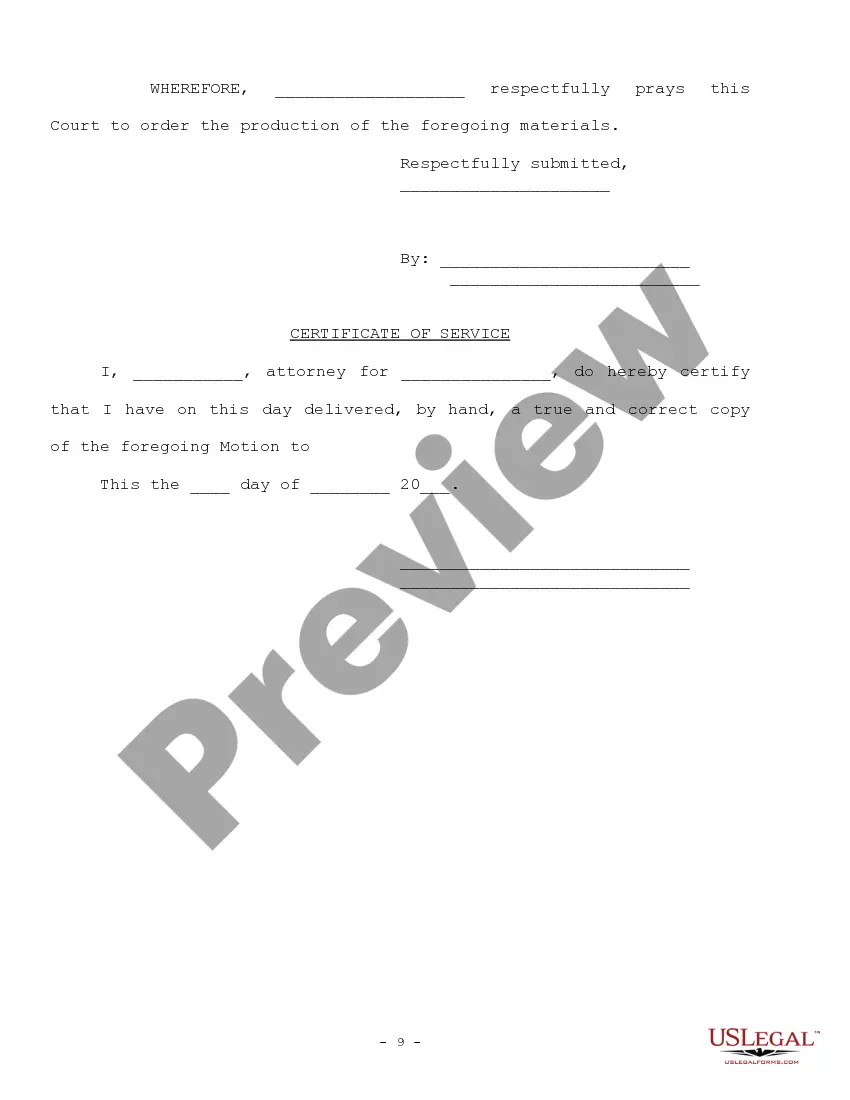
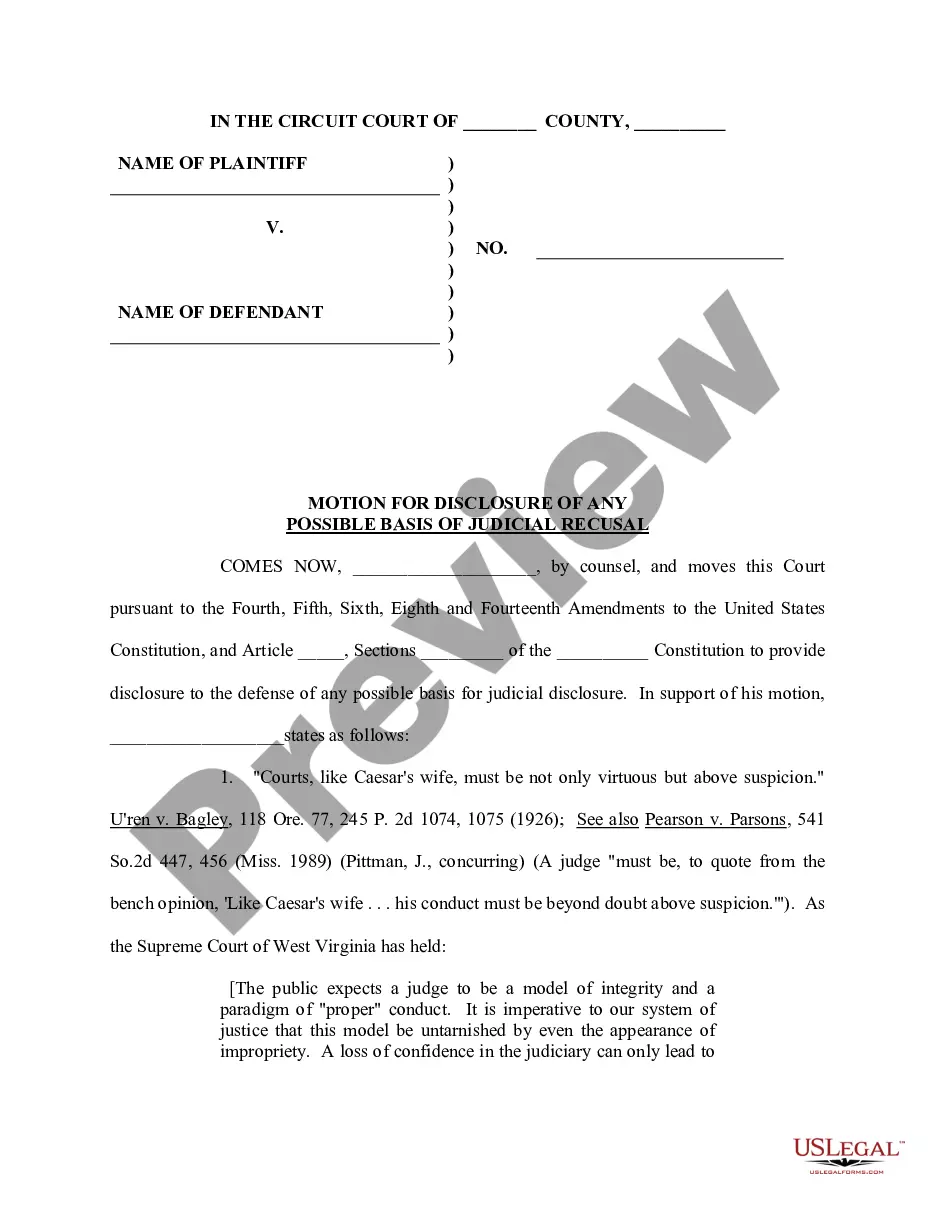
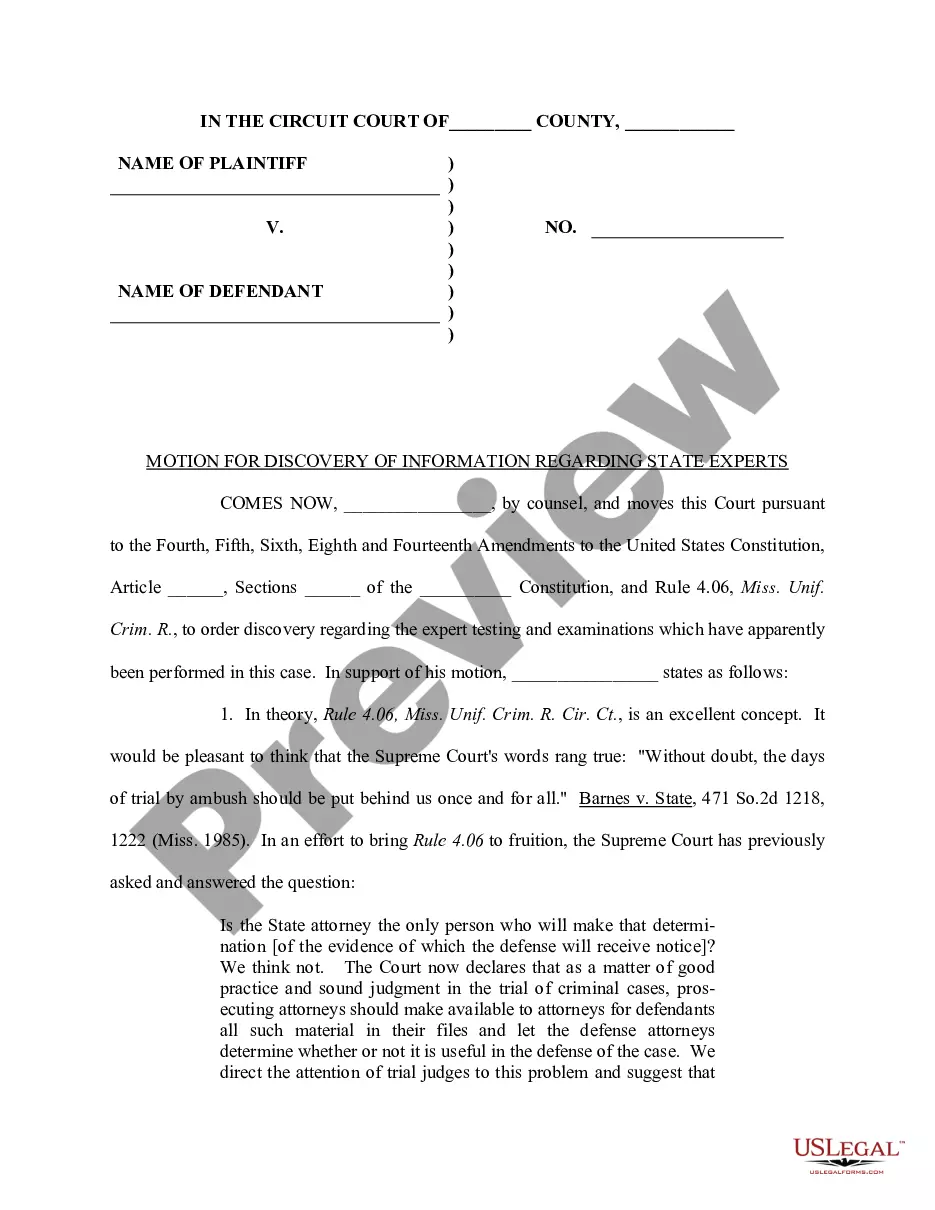
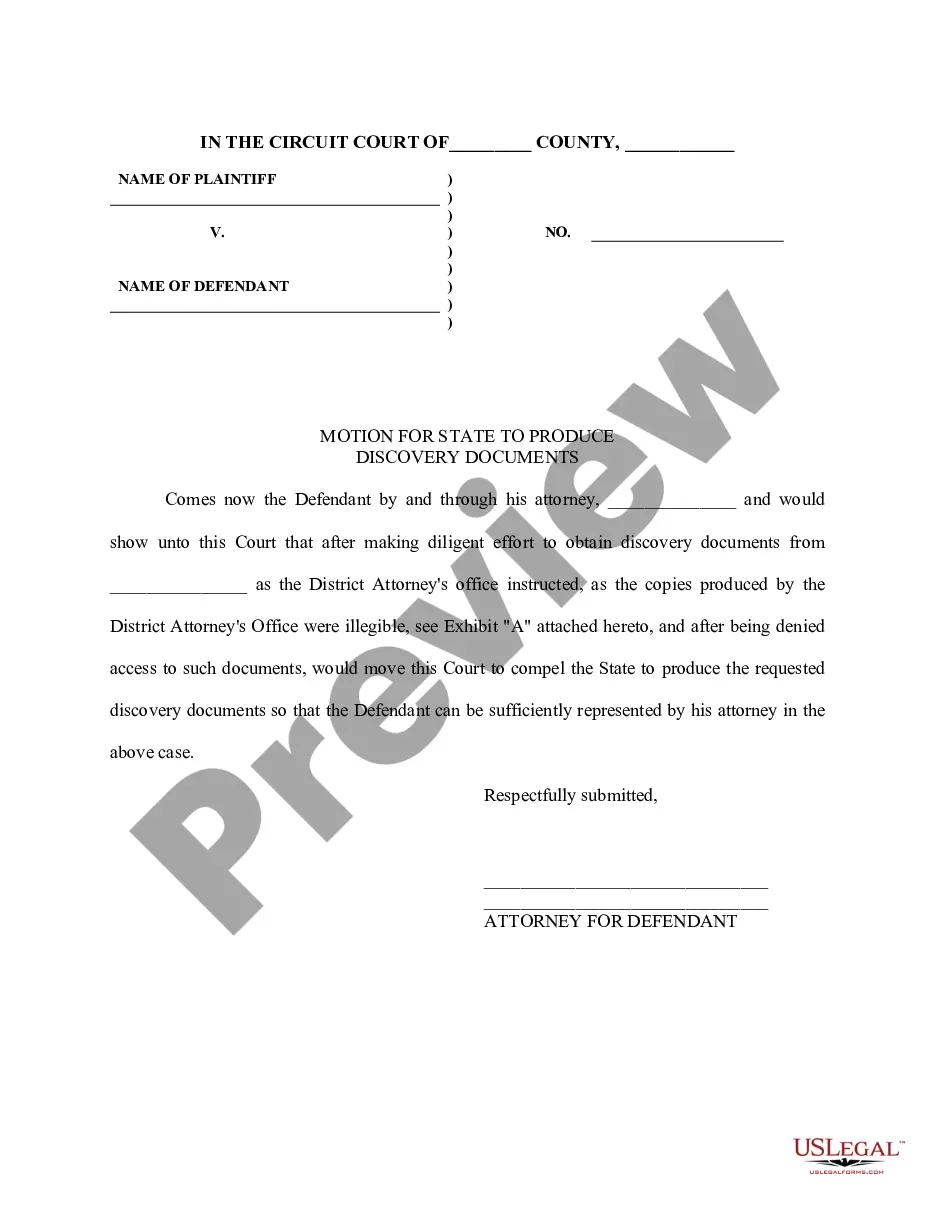
Get your form ready online
Our built-in tools help you complete, sign, share, and store your documents in one place.
Make edits, fill in missing information, and update formatting in US Legal Forms—just like you would in MS Word.
Download a copy, print it, send it by email, or mail it via USPS—whatever works best for your next step.
Sign and collect signatures with our SignNow integration. Send to multiple recipients, set reminders, and more. Go Premium to unlock E-Sign.
If this form requires notarization, complete it online through a secure video call—no need to meet a notary in person or wait for an appointment.
We protect your documents and personal data by following strict security and privacy standards.

Make edits, fill in missing information, and update formatting in US Legal Forms—just like you would in MS Word.

Download a copy, print it, send it by email, or mail it via USPS—whatever works best for your next step.

Sign and collect signatures with our SignNow integration. Send to multiple recipients, set reminders, and more. Go Premium to unlock E-Sign.

If this form requires notarization, complete it online through a secure video call—no need to meet a notary in person or wait for an appointment.

We protect your documents and personal data by following strict security and privacy standards.
Looking for another form?




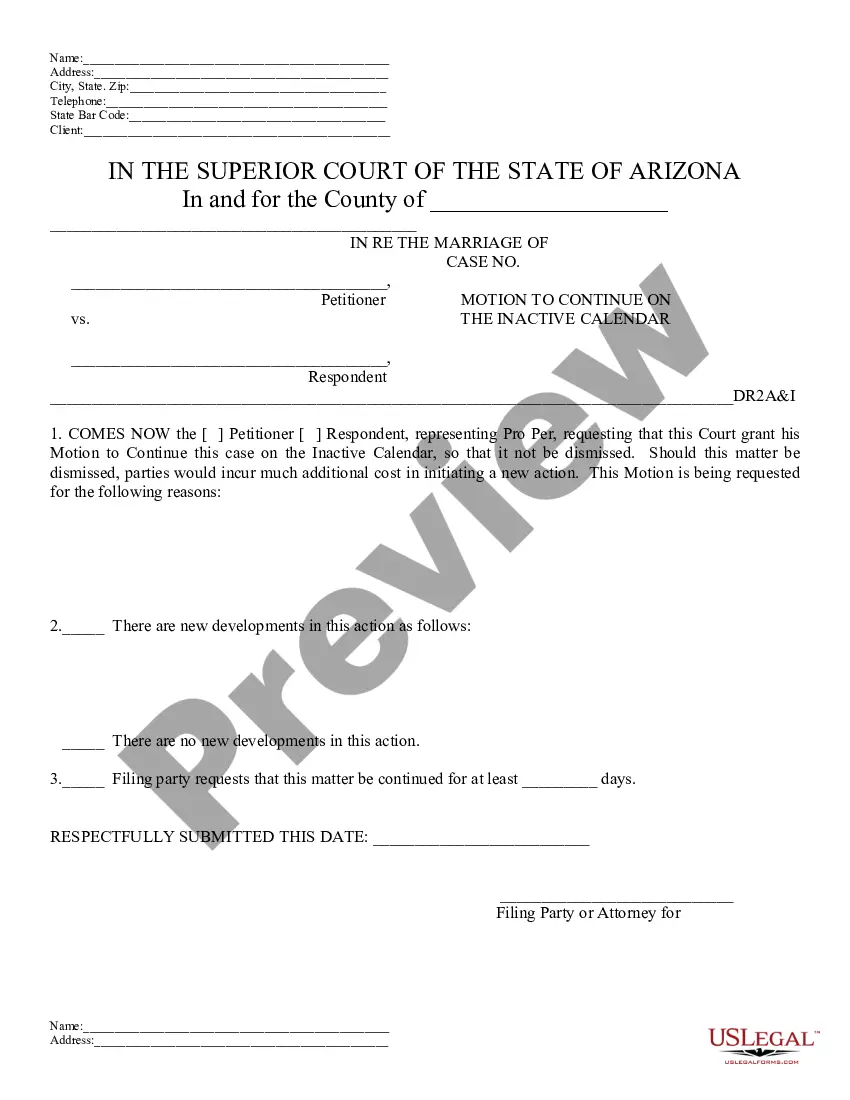




How to fill out Motion For Discovery Of Information Necessary To Receive A Fair Trial?
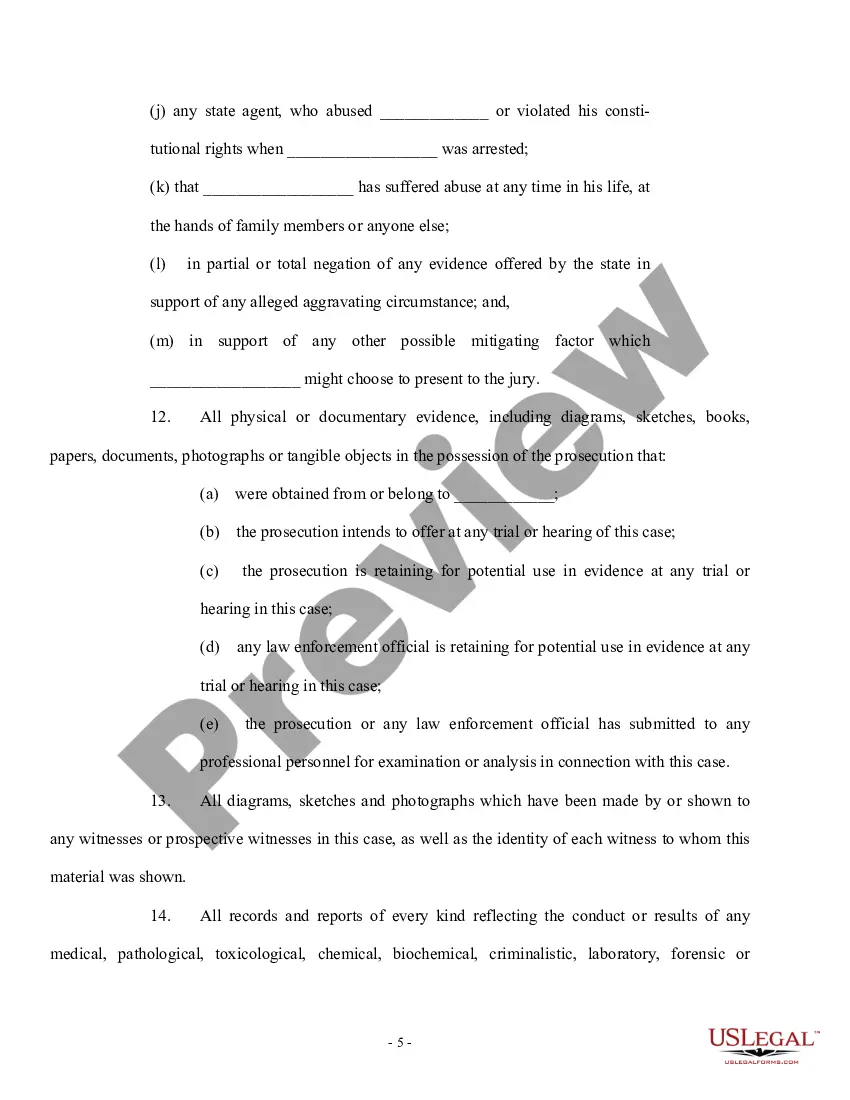
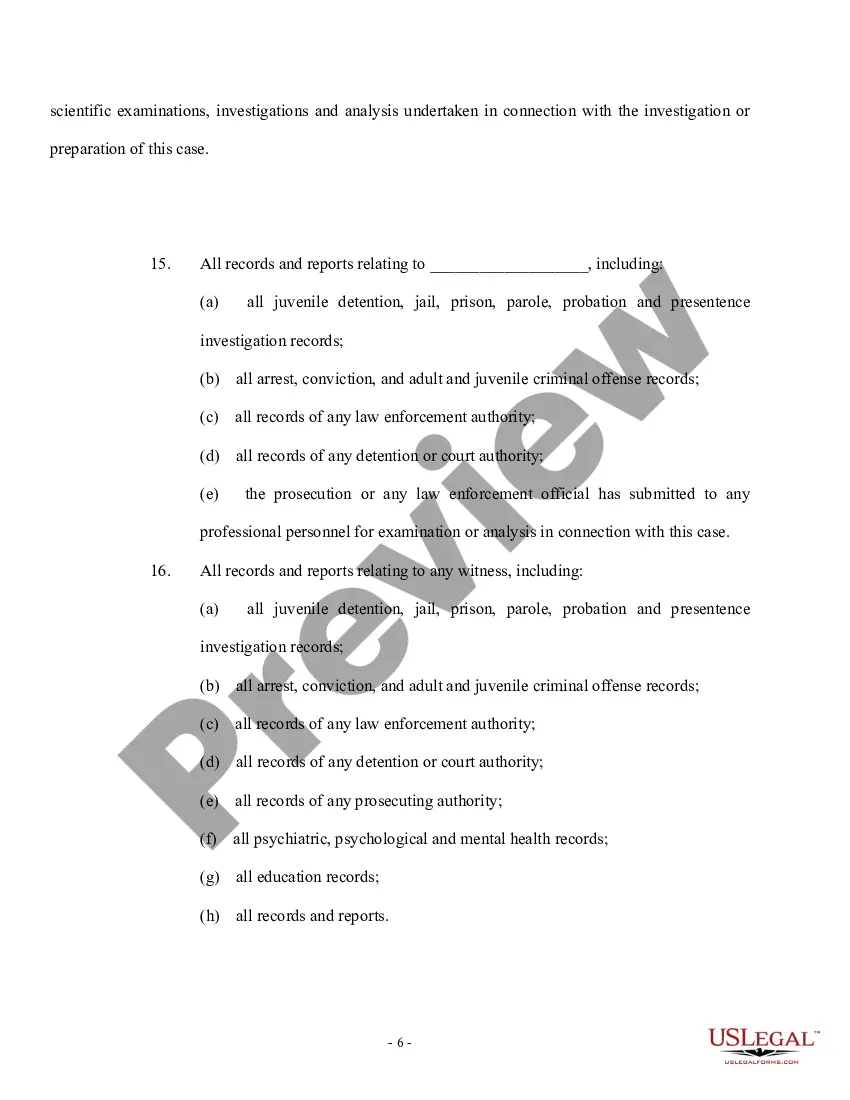
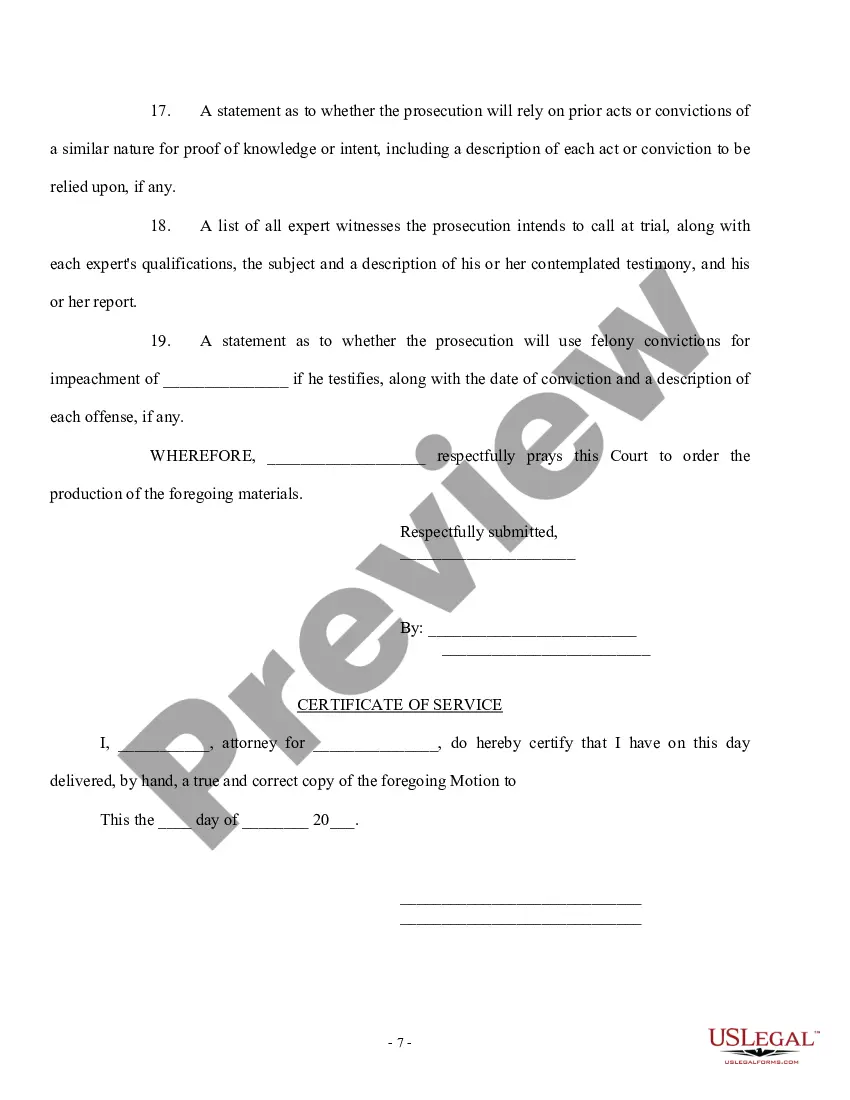
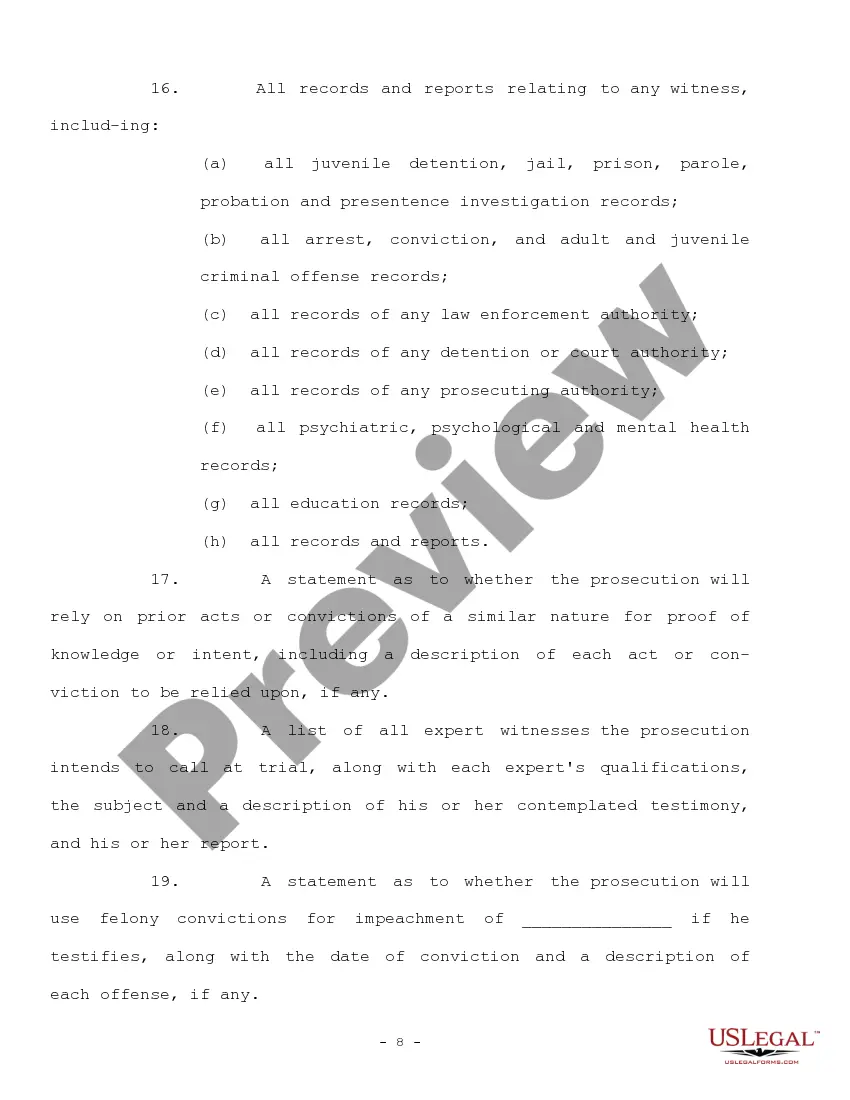
The Motion Discovery Information For Court displayed on this page is a versatile legal template created by experienced attorneys in accordance with federal and local statutes and regulations.
For over 25 years, US Legal Forms has assisted individuals, organizations, and lawyers by providing more than 85,000 verified, state-specific forms for any business and personal situation. It’s the fastest, most direct, and most reliable way to acquire the documents you require, as the service ensures bank-level data security and anti-malware measures.
Register for US Legal Forms to have verified legal templates available for all of life's situations.
- Search for the document you require and review it.
- Browse the file you searched through and preview it or check the form description to ensure it meets your needs. If it does not, use the search tool to find the appropriate one. Click Buy Now once you have located the template you require.
- Register and Log In.
- Choose the pricing option that best fits you and create an account. Use PayPal or a credit card for a swift payment. If you already own an account, Log In and check your subscription to move forward.
- Obtain the fillable template.
- Select the format you prefer for your Motion Discovery Information For Court (PDF, DOCX, RTF) and download the sample onto your device.
- Fill out and sign the document.
- Print the template to complete it manually. Alternatively, use an online multi-functional PDF editor to quickly and accurately fill out and sign your form with an eSignature.
- Download your documents again.
- Reuse the same document whenever needed. Access the My documents tab in your profile to redownload any previously downloaded forms.
Form popularity
FAQ
Write out each fact you wish the other party to admit is true. When writing these facts, be as clear and concise as possible. Each request must be for a single fact; do not include multiple facts, compound questions, or subparts.
Provide a brief synopsis (two or three sentences) of the crux of the motion that you are bringing before the court. 2. Give a good explanation of the facts of the case. The relevant scope of your discovery depends on these facts.
For example, a party may file a motion asking the court to: Order another party or person to: ... Quash a subpoena that improperly seeks documents or testimony. Order the parties to maintain the confidentiality of commercially sensitive, trade secret, proprietary, or personal information.
Some examples that your lawyer may request as part of their motion for discovery are: Photos or videos of the crime scene. Witness statements. Police reports or notes.
Some times prosecutors withhold evidence because it is harmful to their case or they don't feel it is relevant. When the defendant or the defense attorney learns of the withheld evidence, the defense attorney can file a Motion to Compel Discovery listing items believed to be unlawfully withheld by the prosecutor.