Motion Discovery Form Document For Divorce
Description
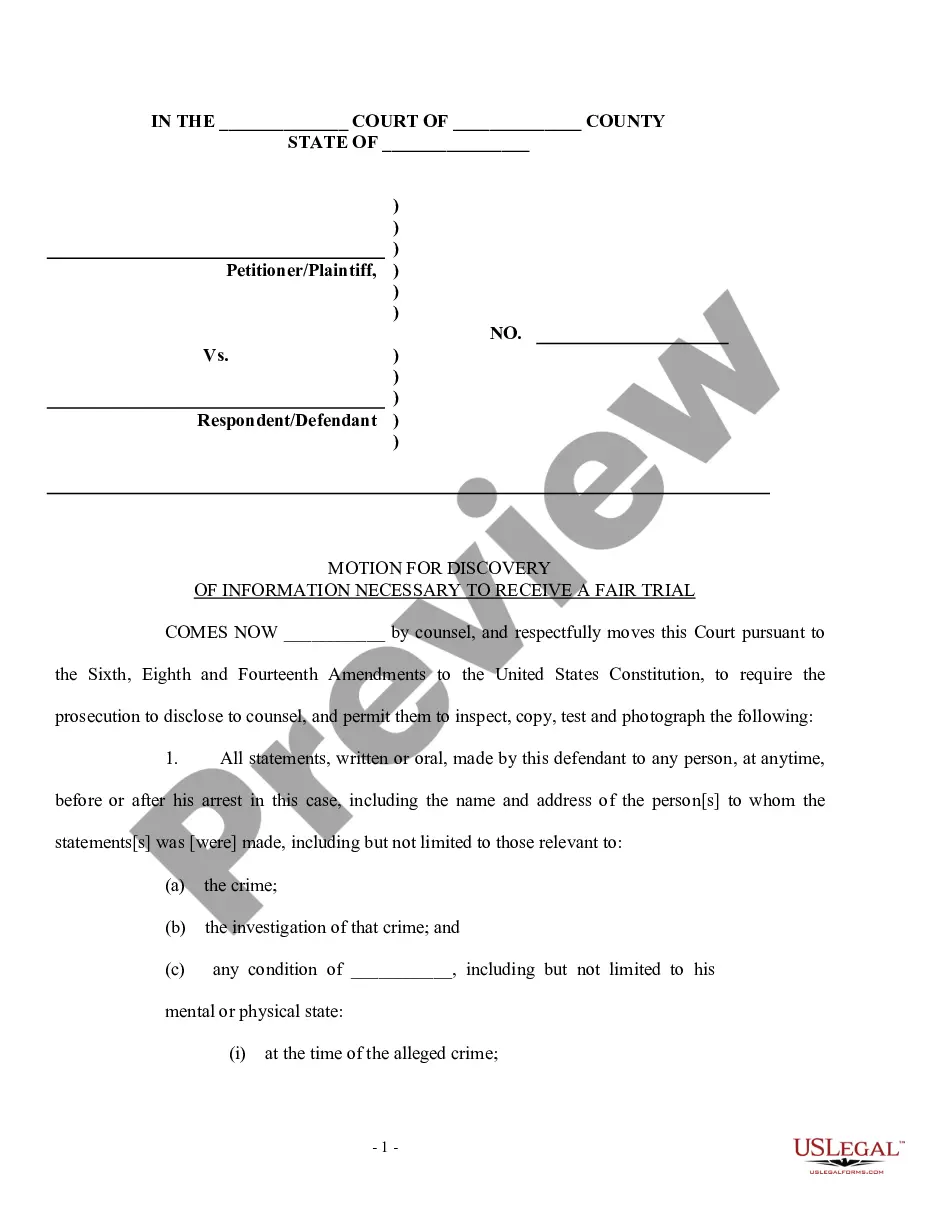
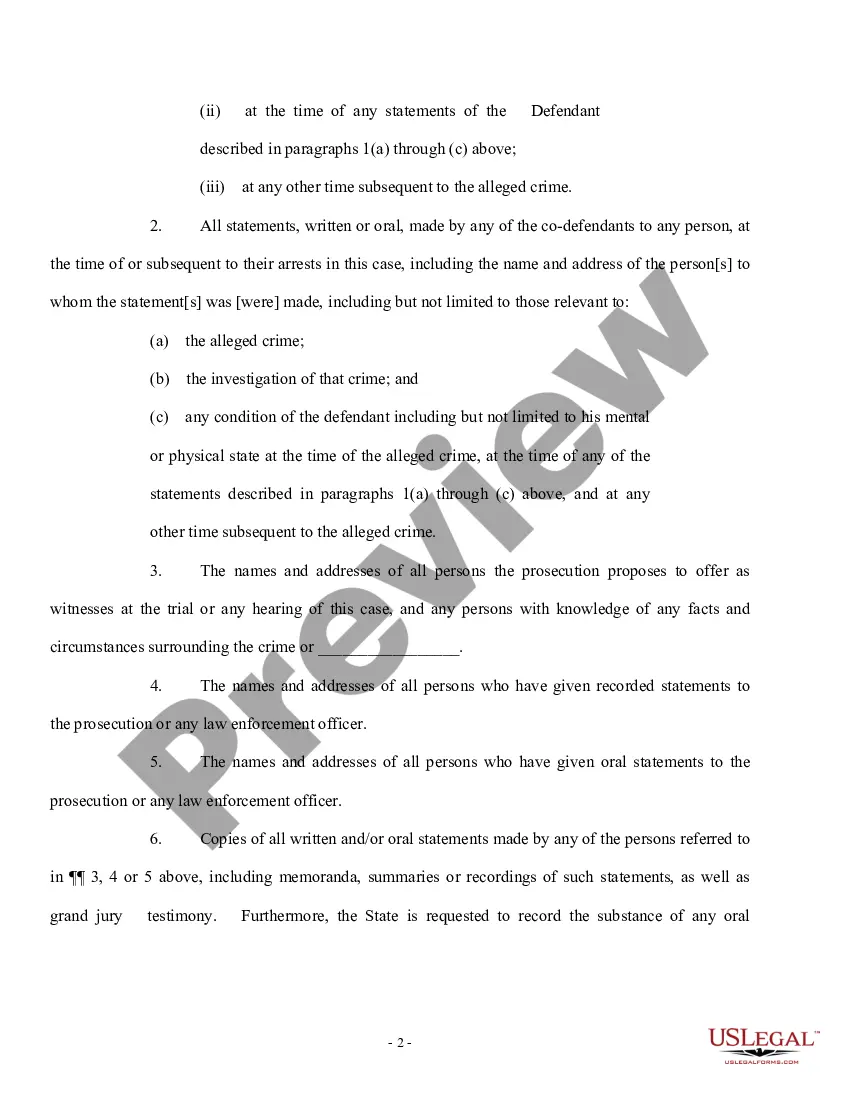
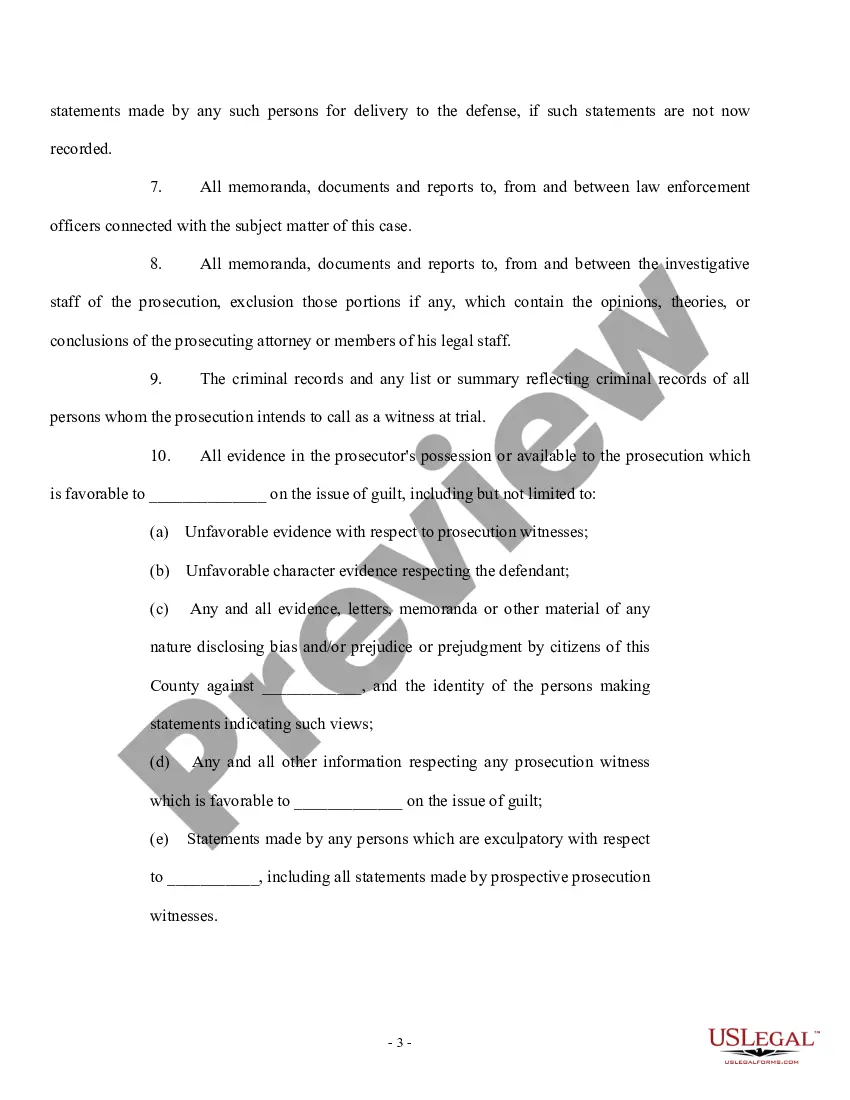
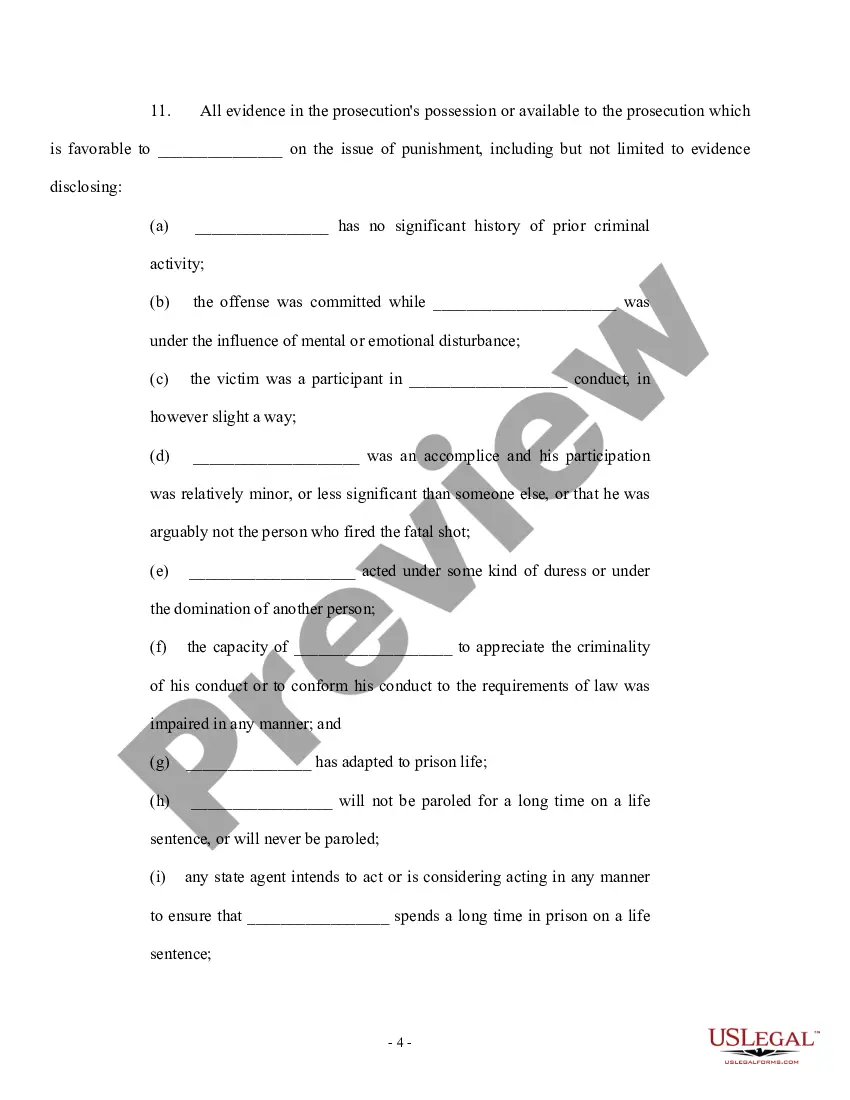
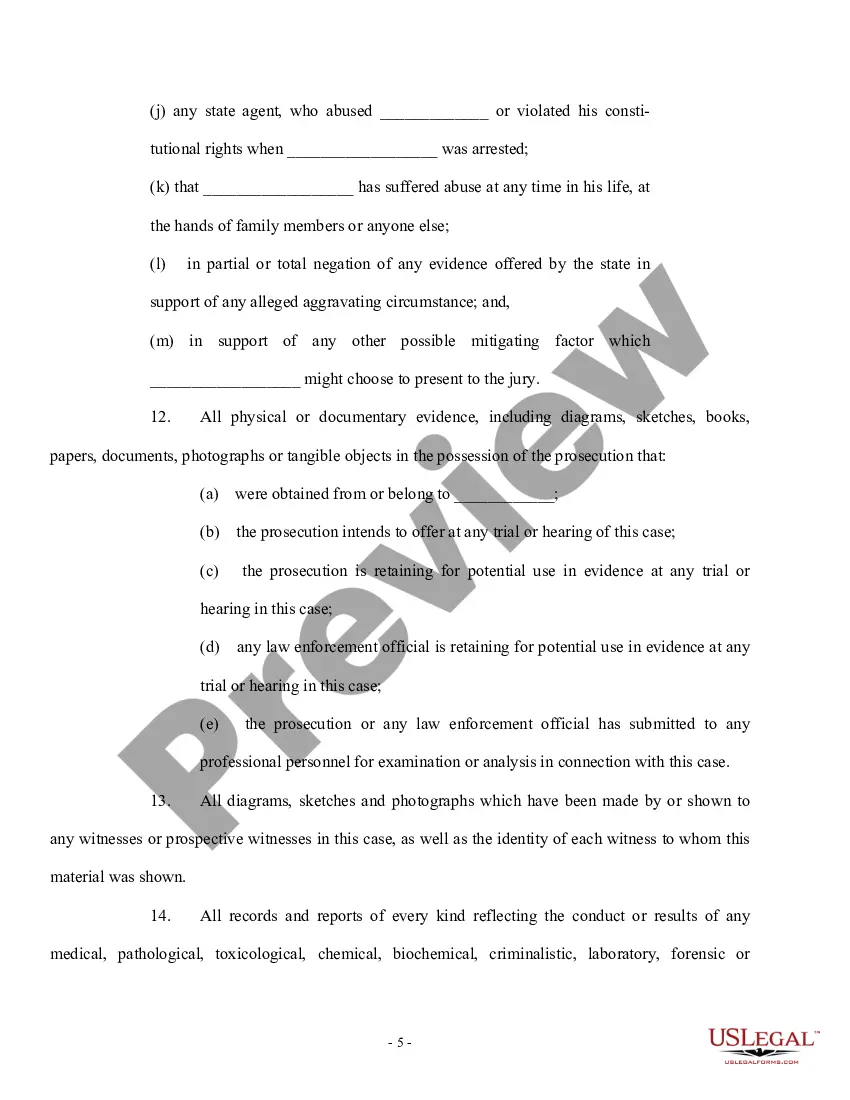
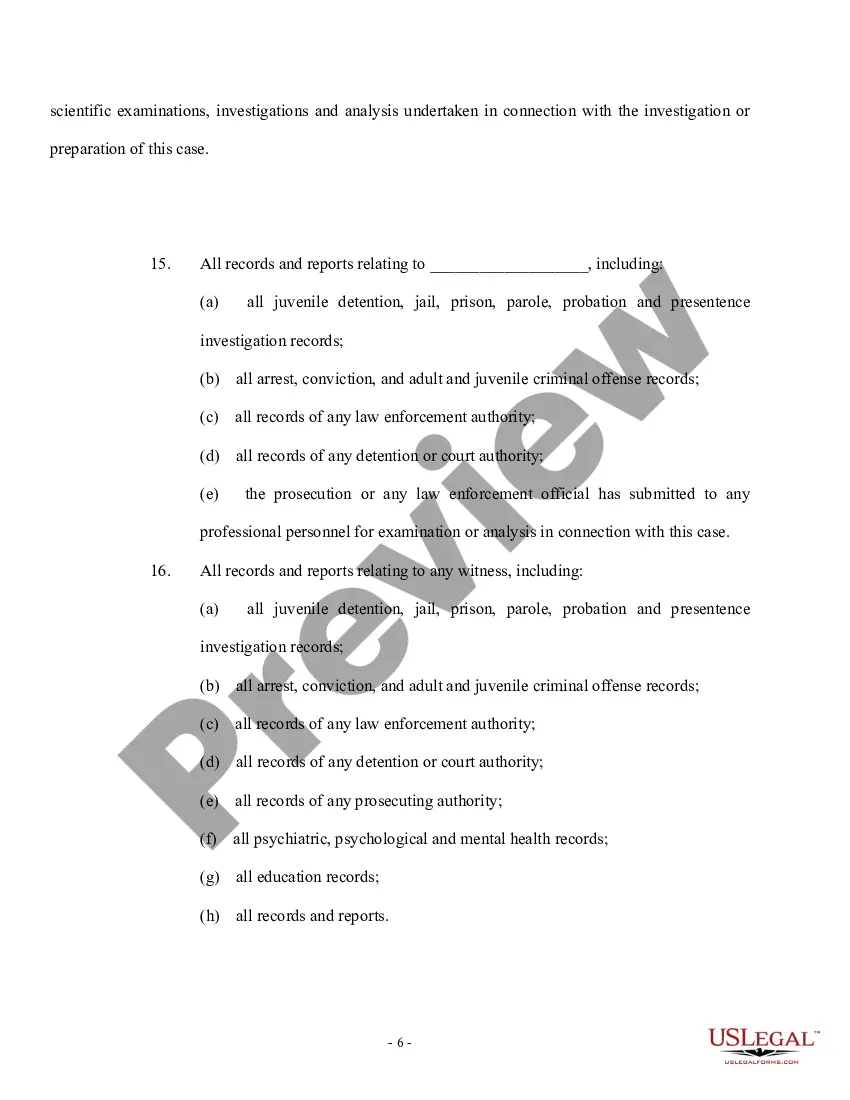
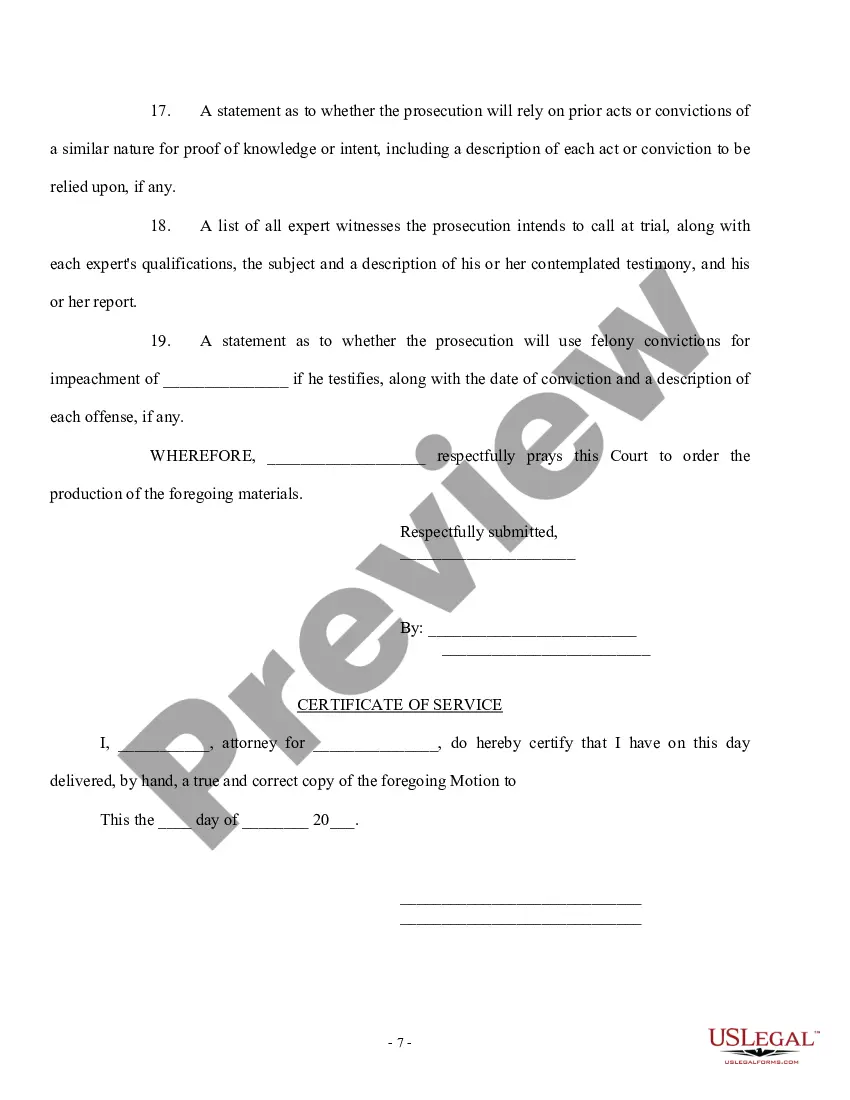
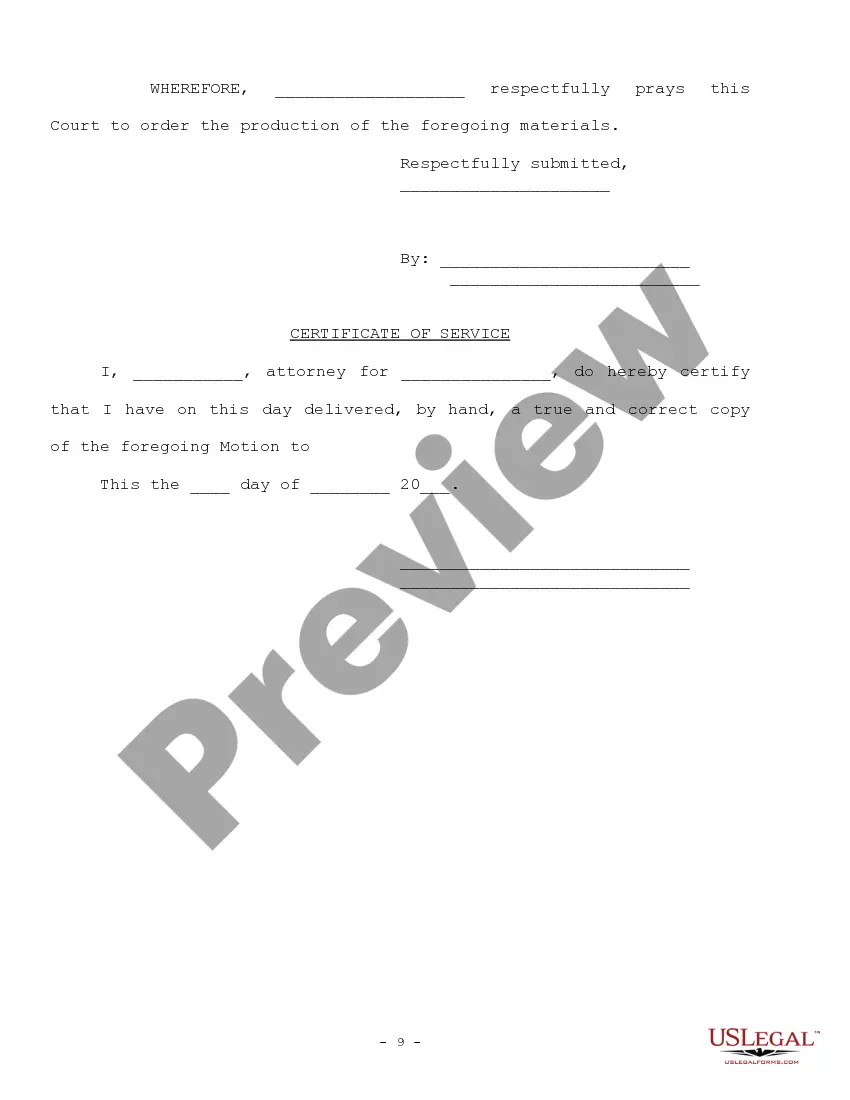
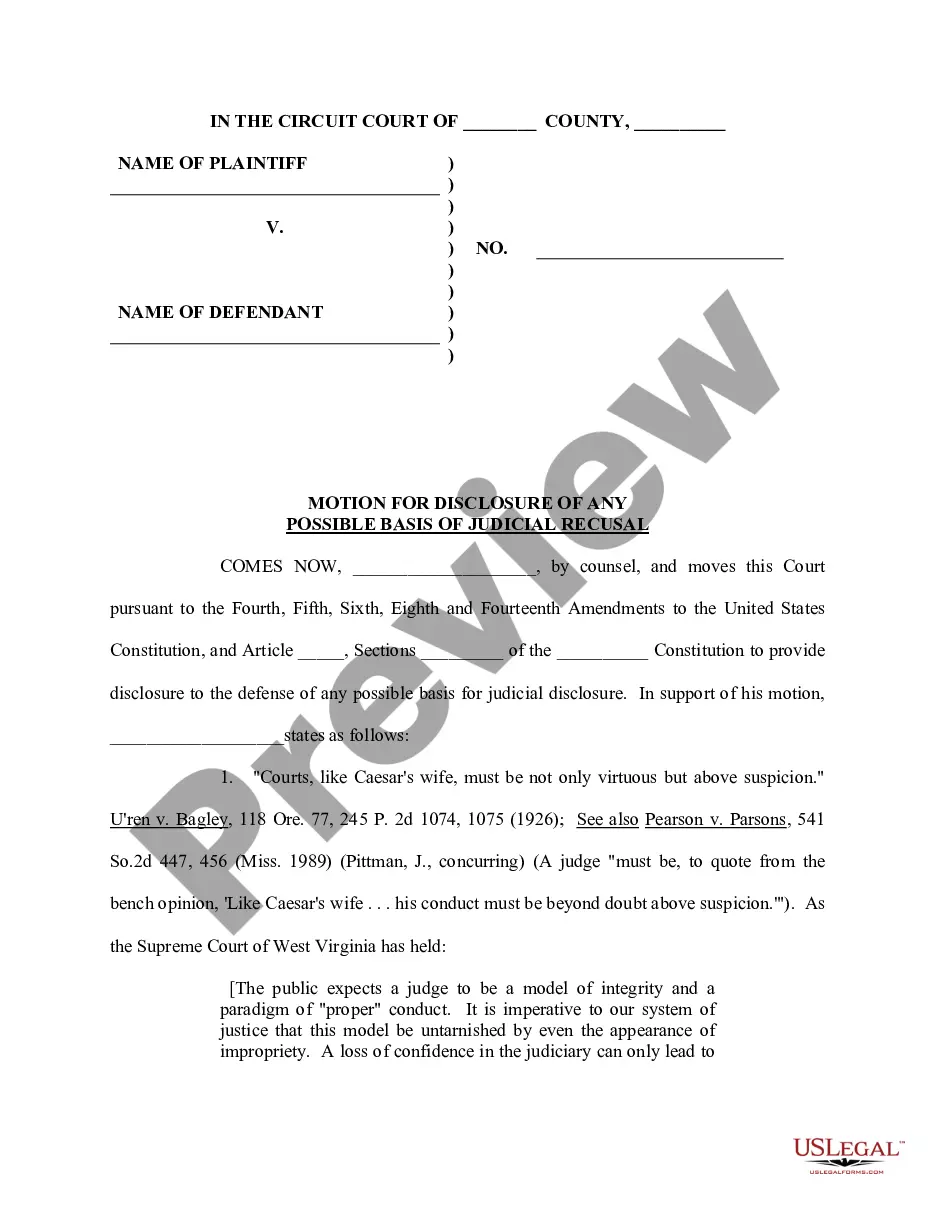
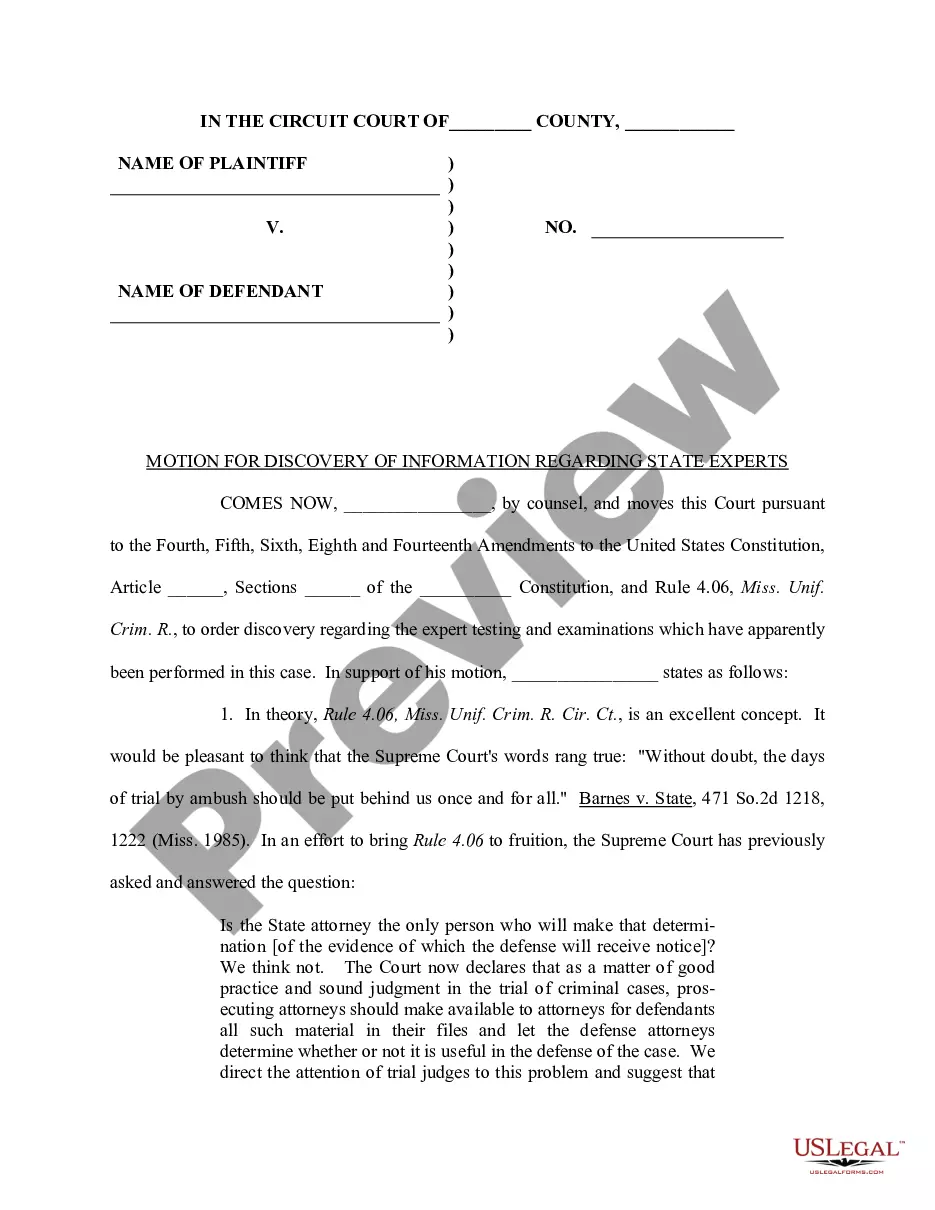
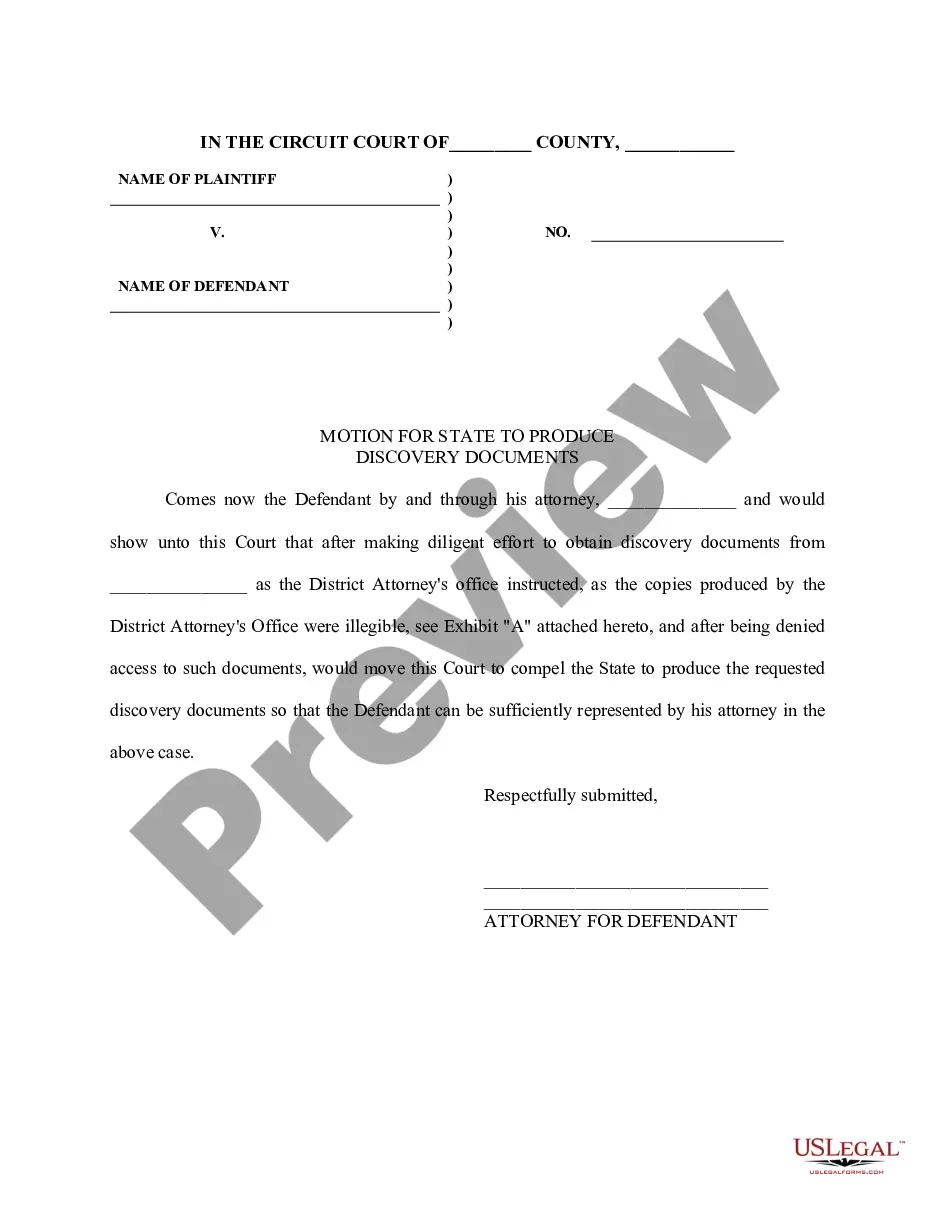
Get your form ready online
Our built-in tools help you complete, sign, share, and store your documents in one place.
Make edits, fill in missing information, and update formatting in US Legal Forms—just like you would in MS Word.
Download a copy, print it, send it by email, or mail it via USPS—whatever works best for your next step.
Sign and collect signatures with our SignNow integration. Send to multiple recipients, set reminders, and more. Go Premium to unlock E-Sign.
If this form requires notarization, complete it online through a secure video call—no need to meet a notary in person or wait for an appointment.
We protect your documents and personal data by following strict security and privacy standards.

Make edits, fill in missing information, and update formatting in US Legal Forms—just like you would in MS Word.

Download a copy, print it, send it by email, or mail it via USPS—whatever works best for your next step.

Sign and collect signatures with our SignNow integration. Send to multiple recipients, set reminders, and more. Go Premium to unlock E-Sign.

If this form requires notarization, complete it online through a secure video call—no need to meet a notary in person or wait for an appointment.

We protect your documents and personal data by following strict security and privacy standards.
Looking for another form?








How to fill out Motion For Discovery Of Information Necessary To Receive A Fair Trial?
Locating a reliable source for acquiring the most up-to-date and pertinent legal templates is a significant part of navigating bureaucracy.
Securing the appropriate legal documents requires precision and meticulousness, which is why it is vital to obtain samples of the Motion Discovery Form Document For Divorce exclusively from reputable providers, such as US Legal Forms. An incorrect template can squander your time and postpone your ongoing situation. With US Legal Forms, you have minimal concerns. You can review and understand all the specifics concerning the document’s applicability and relevance to your situation and within your state or locality.
Once you have the form saved on your device, you can modify it using the editor or print it out and complete it by hand. Alleviate the stress associated with your legal documents. Explore the vast US Legal Forms library where you can discover legal templates, assess their suitability for your situation, and download them instantly.
- Use the directory navigation or search bar to find your template.
- Examine the form’s details to confirm it meets the standards of your state and county.
- Check the form preview, if available, to ensure the template is what you need.
- Continue your search and look for the appropriate template if the Motion Discovery Form Document For Divorce does not meet your needs.
- When you are certain about the form’s applicability, download it.
- If you are a registered user, click Log in to verify your identity and access your chosen templates in My documents.
- If you do not currently have an account, click Buy now to acquire the template.
- Select the pricing option that best fits your requirements.
- Proceed with the registration to finalize your purchase.
- Complete your transaction by choosing a payment method (credit card or PayPal).
- Select the file format for downloading the Motion Discovery Form Document For Divorce.
Form popularity
FAQ
General format - each motion generally consists of a case caption, a title that briefly identifies the relief sought, a series of numbered paragraphs that explains -- in a logical way -- why you are entitled to that relief, a prayer for relief, a signature block, a certification that a copy of the motion was sent to ...
General Information: Discovery is the formal process by which the parties to a case in court exchange information about the case. This includes information about the witnesses and evidence to be presented at trial. Its purpose is to make the parties aware of the evidence which may be presented at trial.
Statement of Discovery Issues: This is a short document explaining to the court that the other side has failed to adequately respond, and asking the court to order them to do so, and pay your attorney's fees for the necessity of filing the motion, or to sanction the other side in some other way.
If a party or witness fails to adequately respond to a proper request for discovery, the party seeking discovery may file a motion with the ALJ for an order compelling a response in ance with the request. An evasive or incomplete response to discovery may be treated as a failure to respond.
Be as persuasive as possible as you write your motion in a sequential, logical format. Express your ideas clearly, and make sure you outline what steps are necessary and how they will help your case. Use facts of the case whenever you can to avoid baseless emotional appeals.