Discovery For Trial
Description
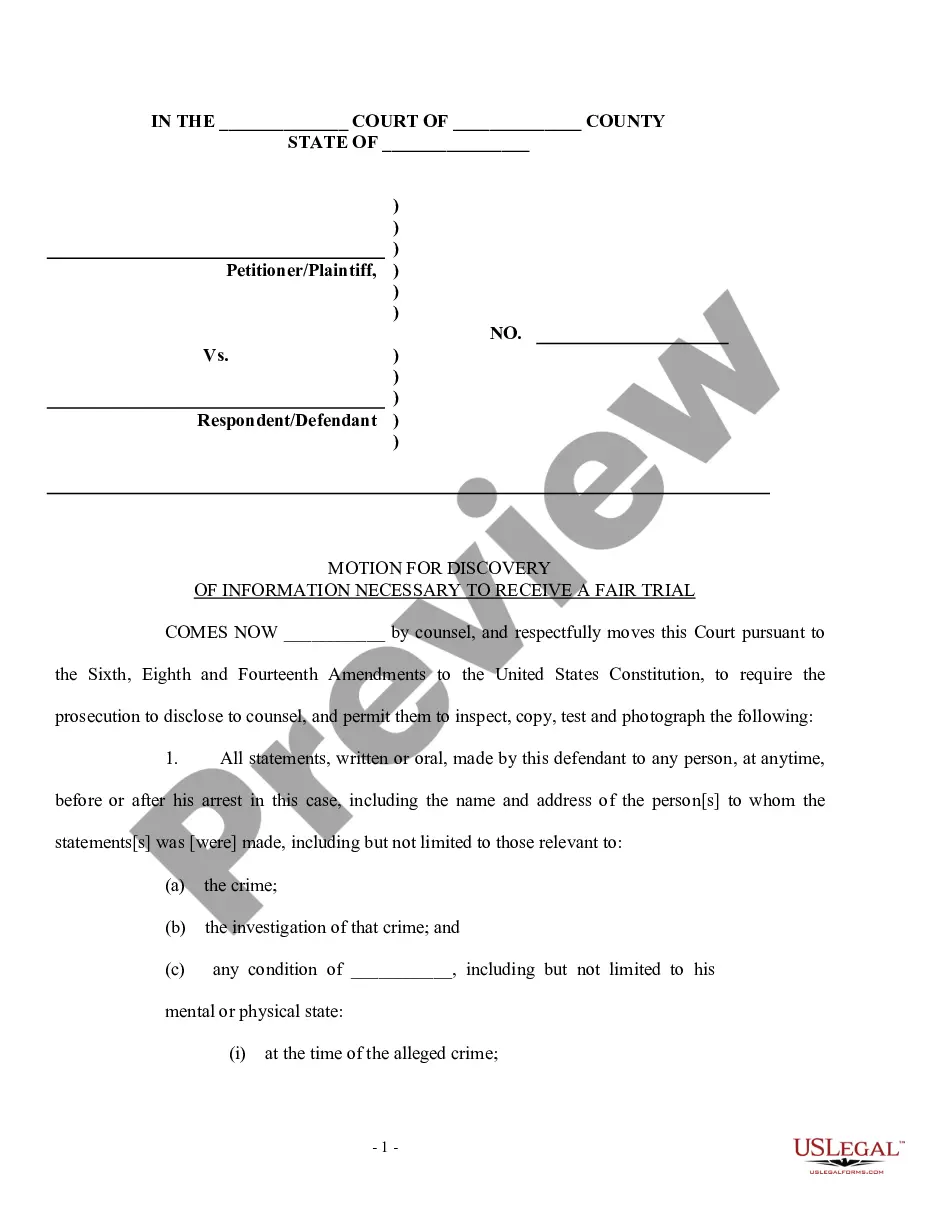
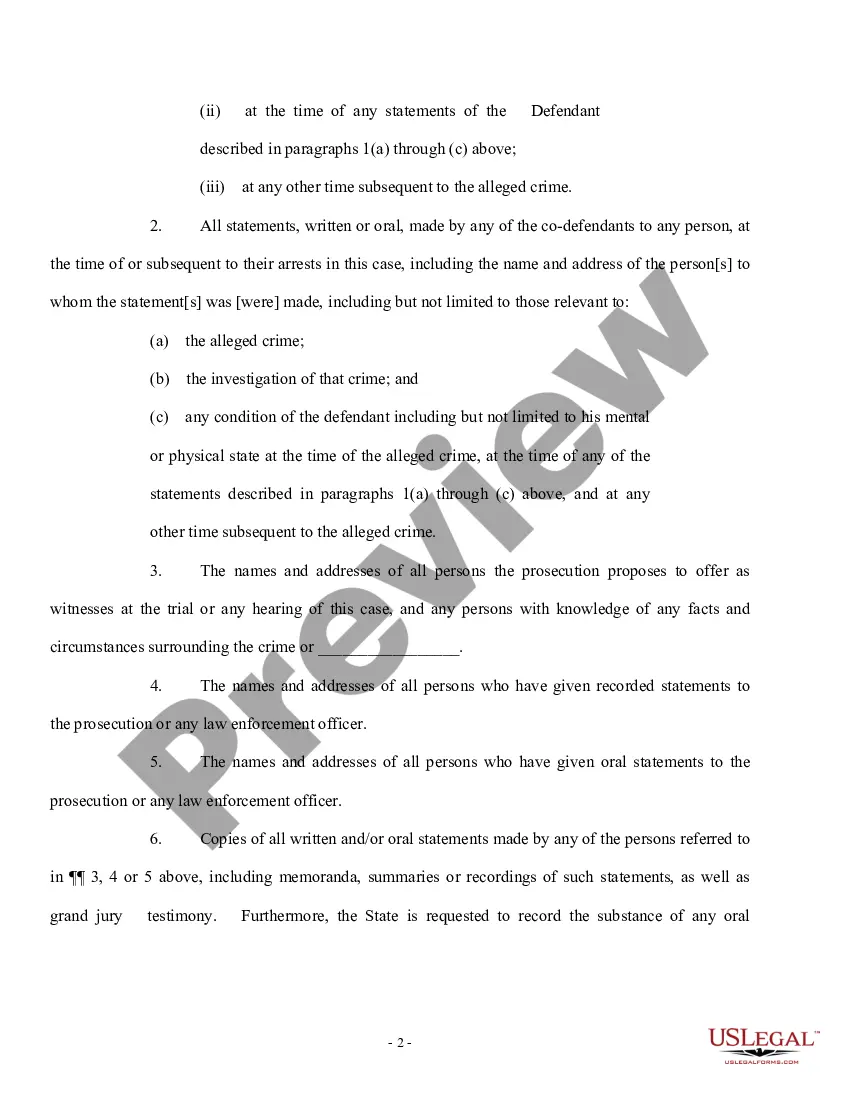
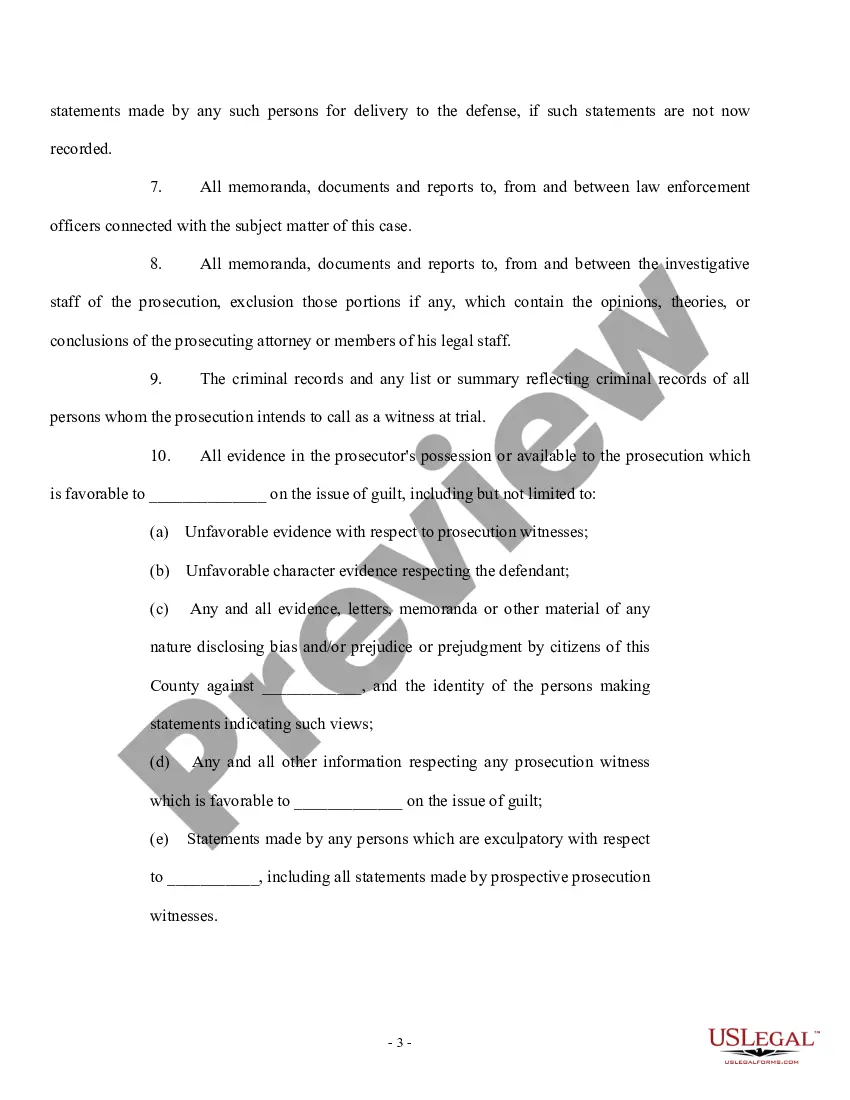
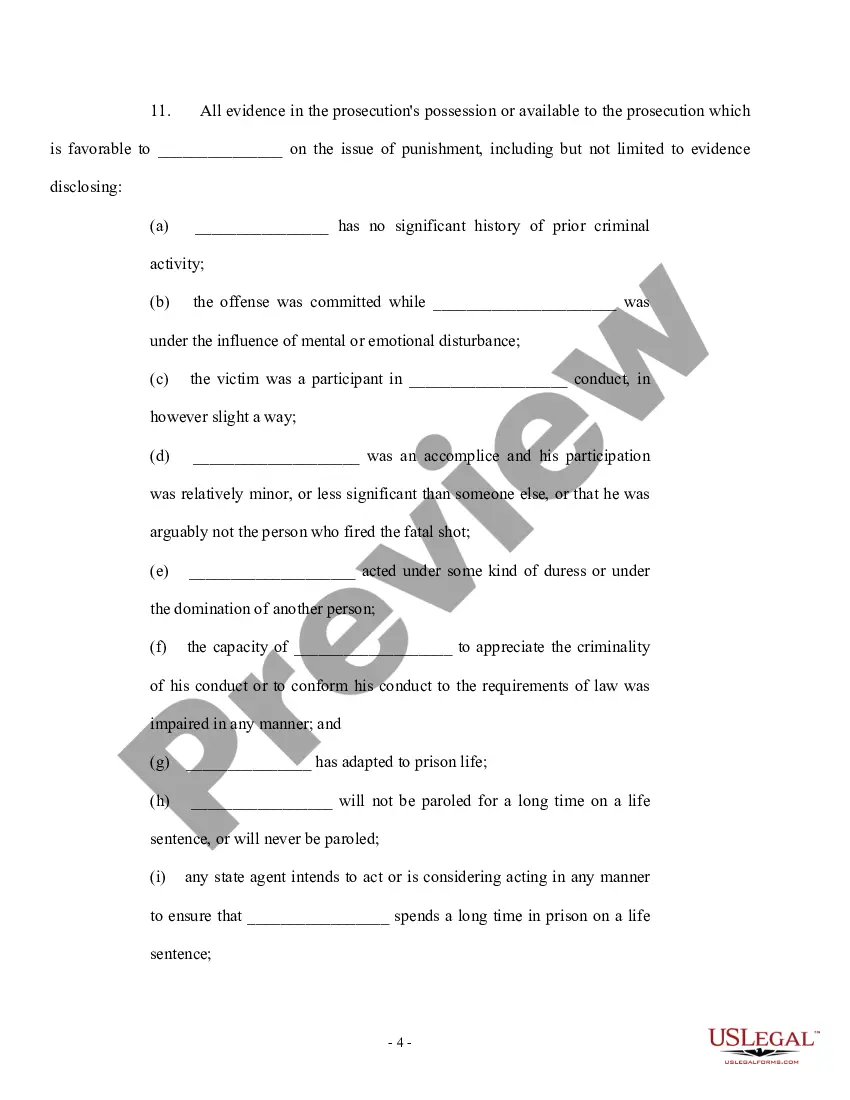
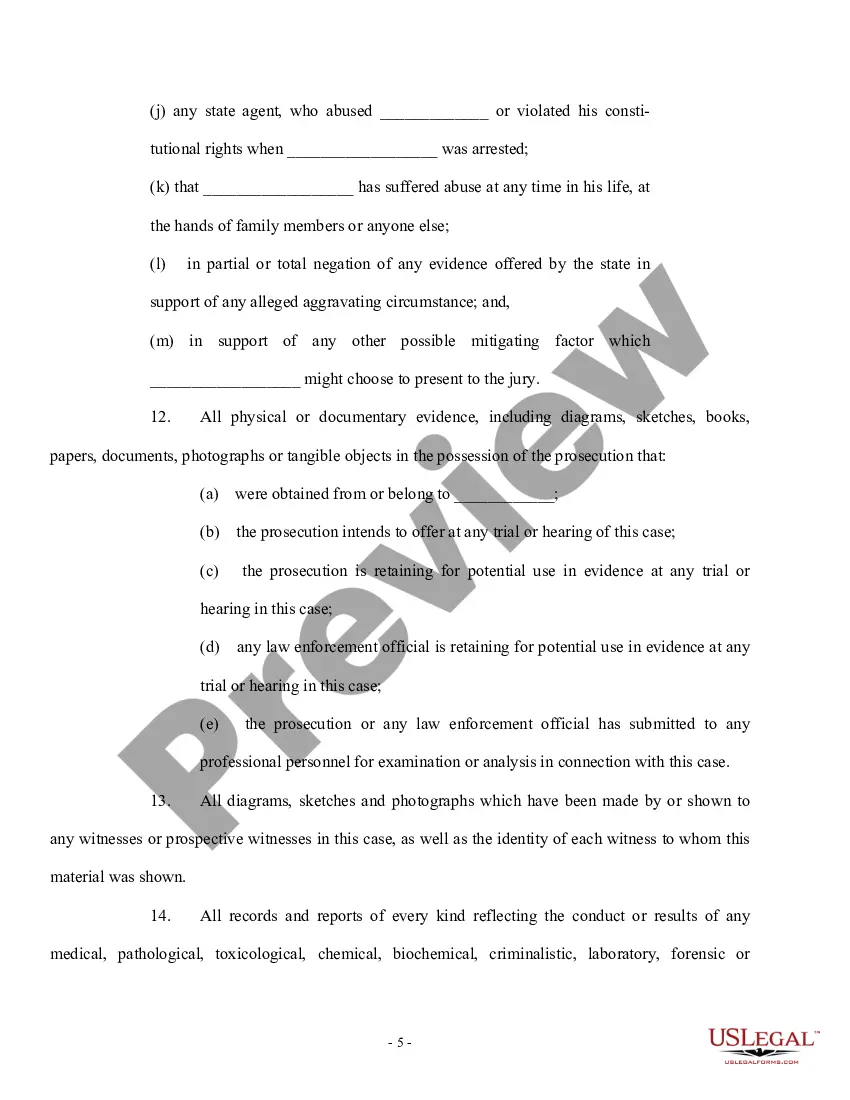
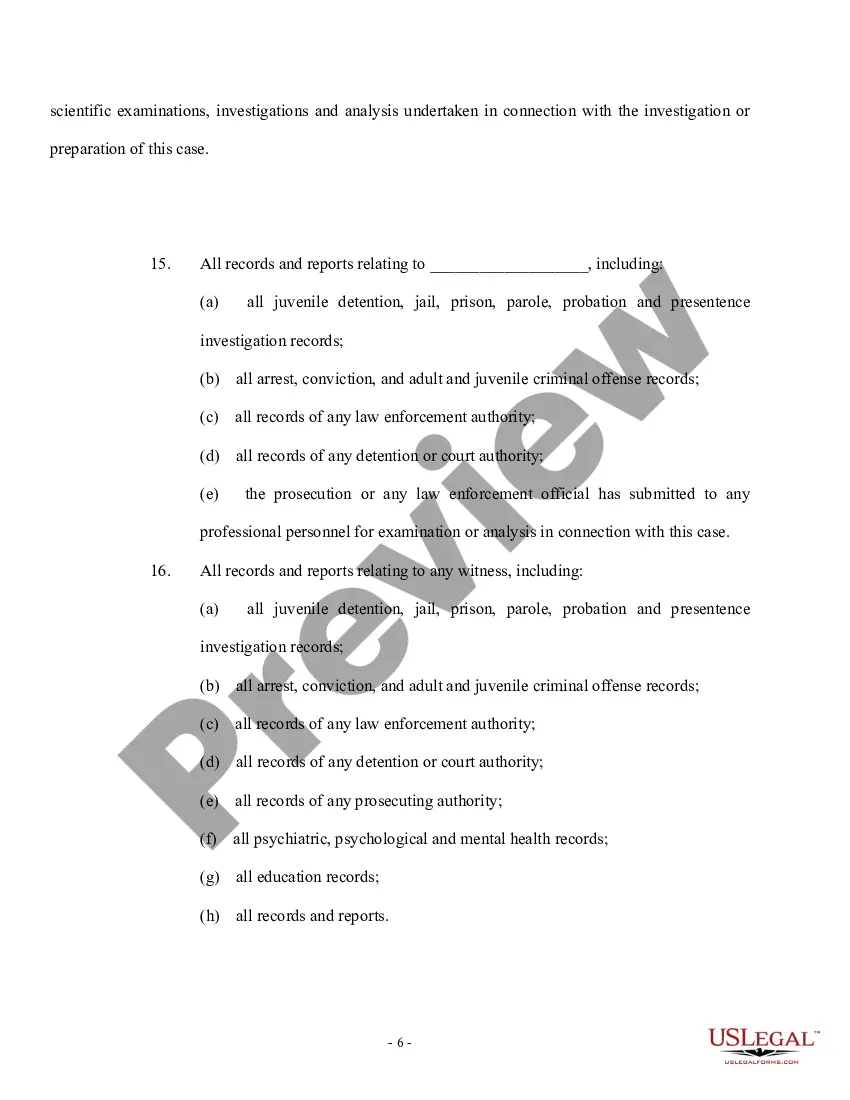
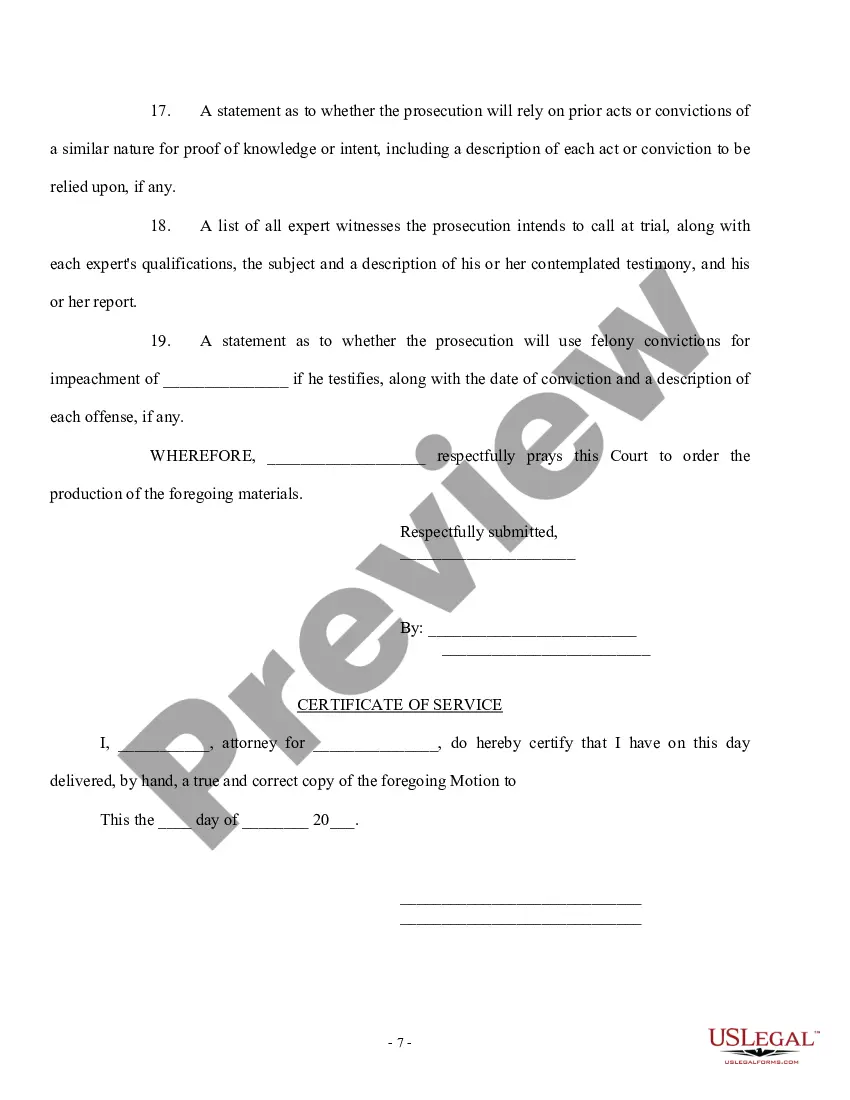
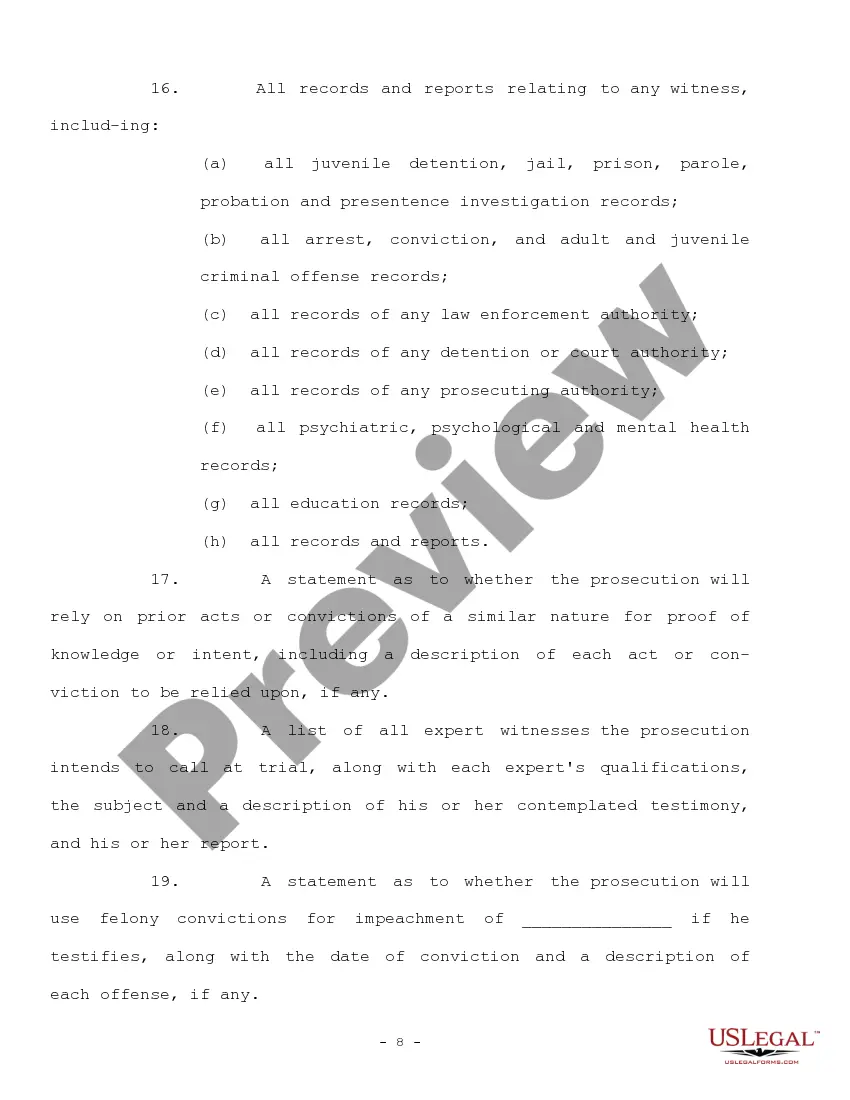
Get your form ready online
Our built-in tools help you complete, sign, share, and store your documents in one place.
Make edits, fill in missing information, and update formatting in US Legal Forms—just like you would in MS Word.
Download a copy, print it, send it by email, or mail it via USPS—whatever works best for your next step.
Sign and collect signatures with our SignNow integration. Send to multiple recipients, set reminders, and more. Go Premium to unlock E-Sign.
If this form requires notarization, complete it online through a secure video call—no need to meet a notary in person or wait for an appointment.
We protect your documents and personal data by following strict security and privacy standards.

Make edits, fill in missing information, and update formatting in US Legal Forms—just like you would in MS Word.

Download a copy, print it, send it by email, or mail it via USPS—whatever works best for your next step.

Sign and collect signatures with our SignNow integration. Send to multiple recipients, set reminders, and more. Go Premium to unlock E-Sign.

If this form requires notarization, complete it online through a secure video call—no need to meet a notary in person or wait for an appointment.

We protect your documents and personal data by following strict security and privacy standards.
Looking for another form?
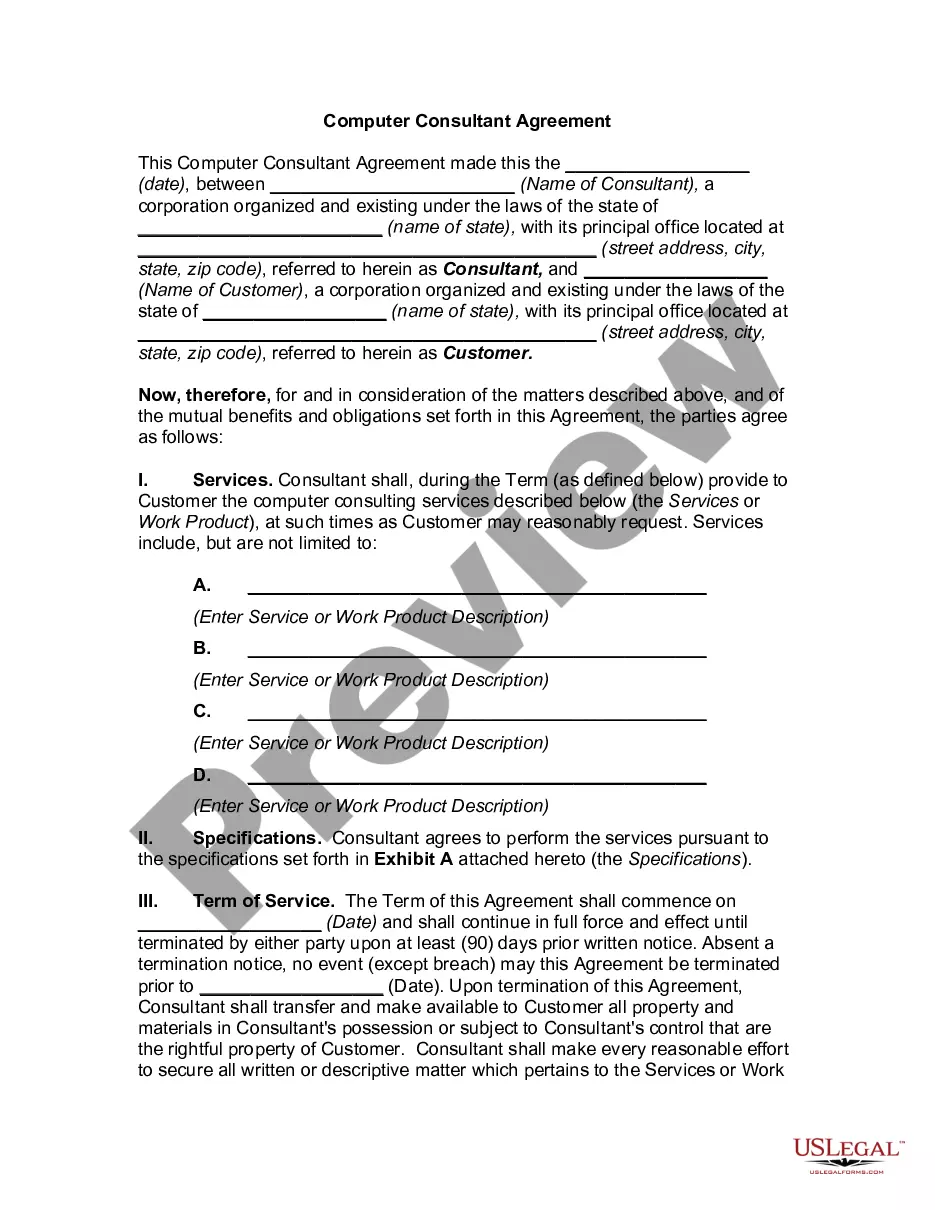
How to fill out Motion For Discovery Of Information Necessary To Receive A Fair Trial?
Acquiring legal templates that adhere to federal and local laws is essential, and the internet provides numerous choices to select from.
However, what is the purpose of spending time searching for the appropriate Discovery For Trial example online if the US Legal Forms digital library already compiles such templates in one location.
US Legal Forms is the largest online legal repository with more than 85,000 customizable templates crafted by attorneys for any business or personal situation.
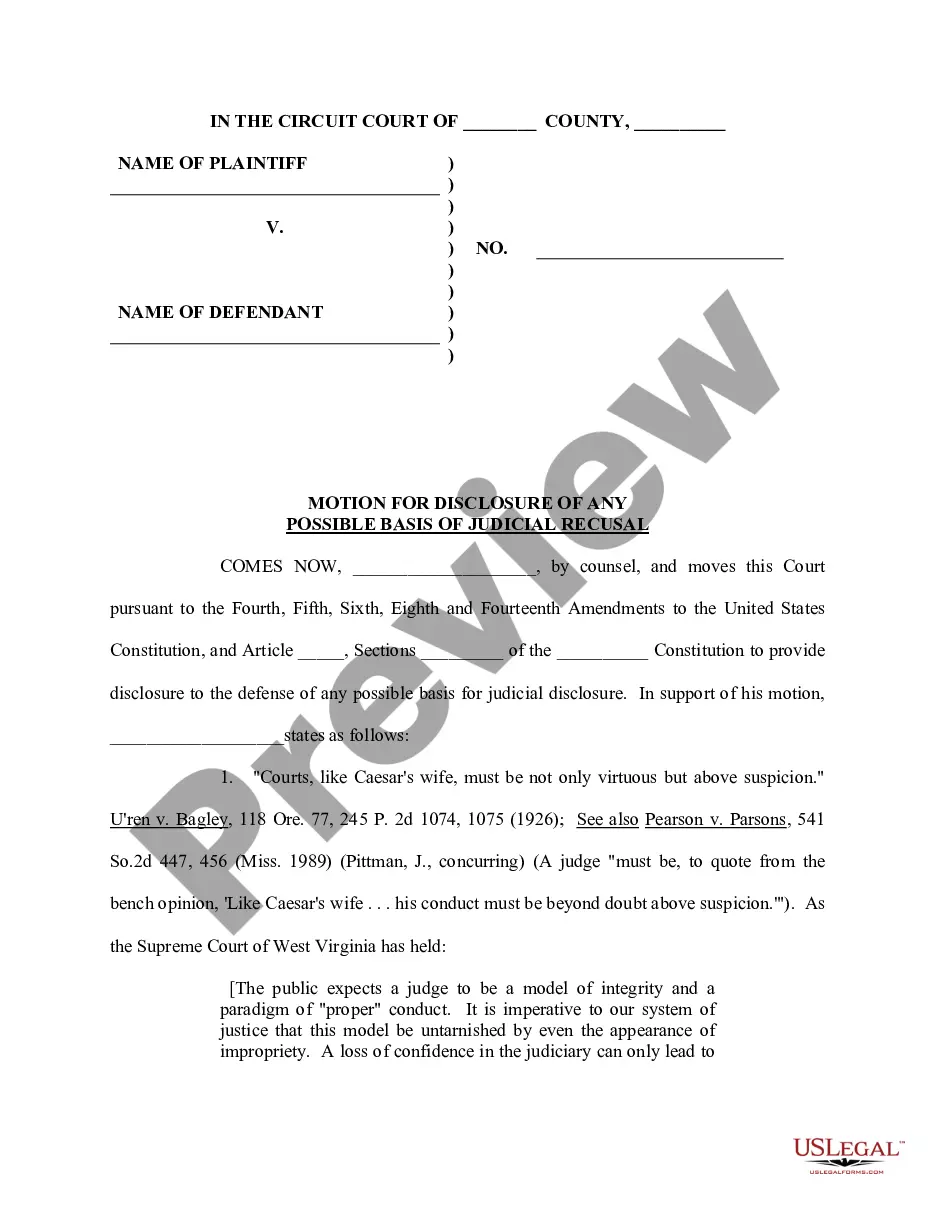
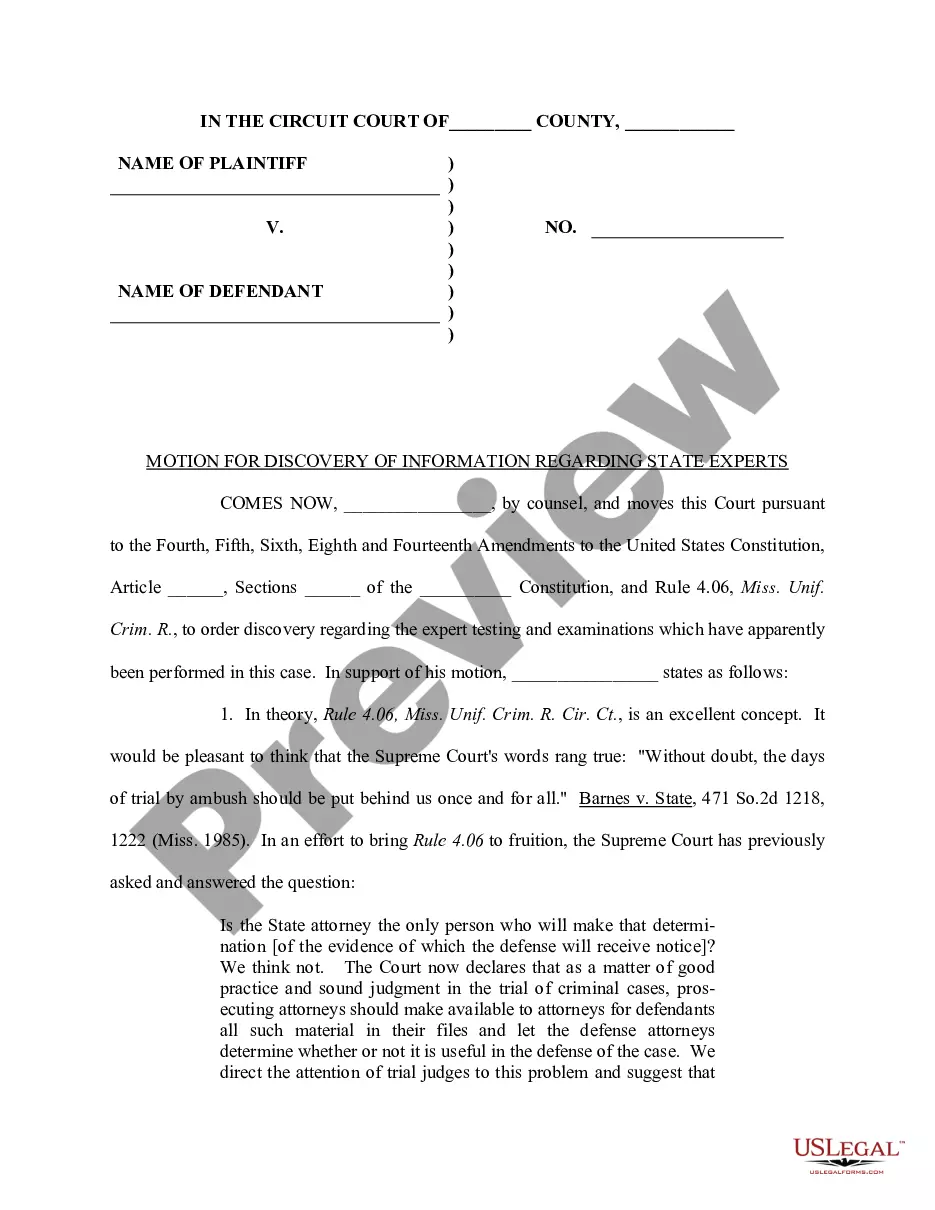
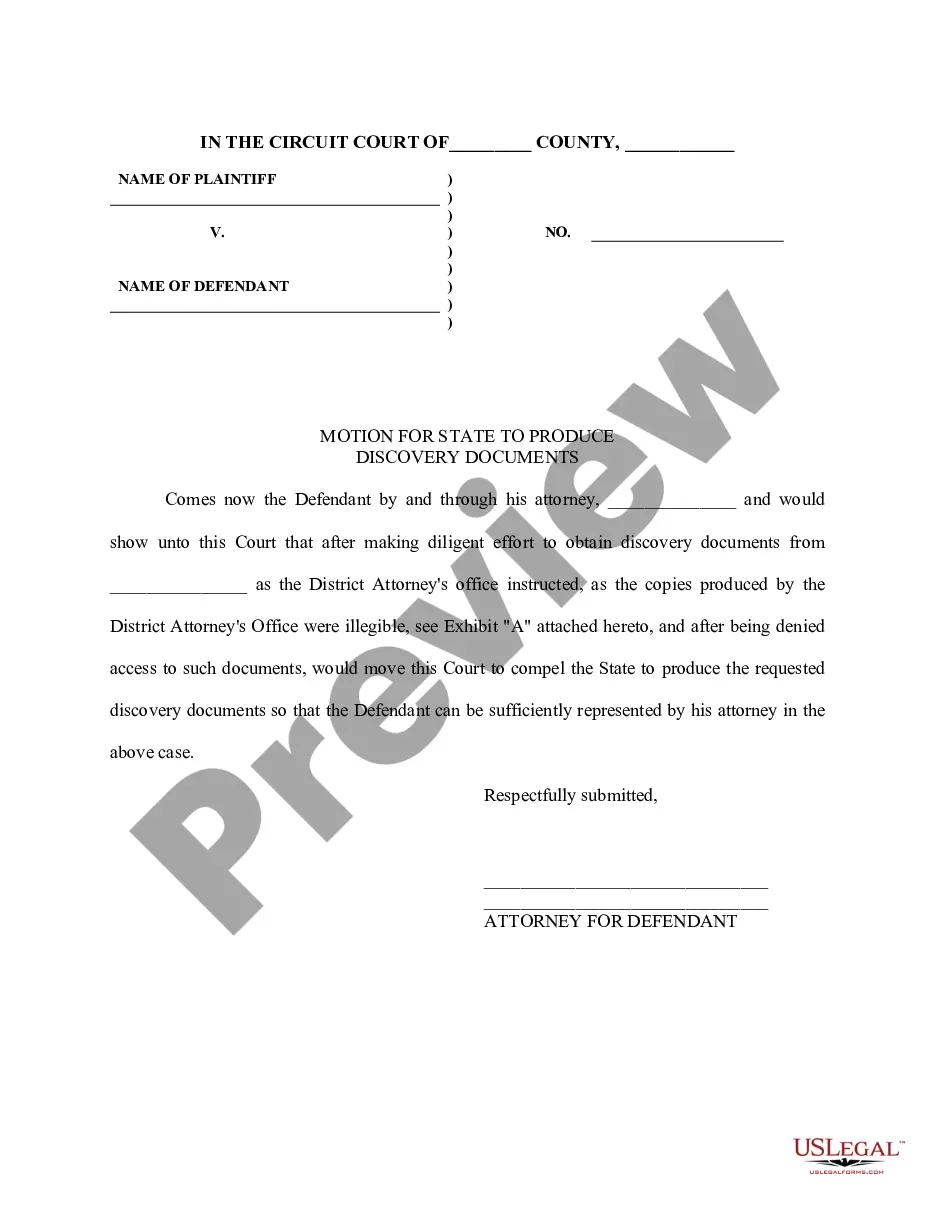
Review the template using the Preview feature or by looking at the text outline to confirm it satisfies your requirements.
- They are easy to navigate, with all documents classified by state and intended use.
- Our experts keep track of legal modifications, ensuring your form remains current and compliant when obtaining a Discovery For Trial from our platform.
- Accessing a Discovery For Trial is quick and straightforward for both existing and new users.
- If you already have an account with an active subscription, Log In and save the document sample you require in the appropriate format.
- If you are visiting our site for the first time, follow the steps outlined below.
Form popularity
FAQ
Both parties benefit from discovery, but typically, the side that is better prepared tends to gain an advantage. Discovery for trial allows the informed party to anticipate arguments and counter them effectively. Additionally, it can expose weaknesses in the opposing side's case. By utilizing platforms like USLegalForms, individuals can navigate the discovery process more efficiently and confidently.
The timing of the trial after discovery can vary significantly, depending on the jurisdiction and complexity of the case. Generally, trials may occur weeks to several months after the discovery phase concludes. This interval allows both parties to review the evidence and strategize accordingly. Understanding the timeline is crucial for effective preparation.
Discovery in a trial is a pre-trial procedure where both parties exchange evidence and information. This includes documents, witness statements, and other pertinent data. The goal is to prepare for trial by making sure each side knows the other's arguments and evidence. Discovery for trial is essential for building a strong case.
Yes, many cases settle after discovery. As parties uncover evidence during the discovery phase, they often reassess the strengths and weaknesses of their positions. This evaluation can lead to negotiations and, in many instances, a settlement before trial. Thus, discovery for trial can be a critical point for resolution.
The purpose of discovery in a trial is to gather relevant information from both parties. This process helps ensure that all evidence is disclosed before the trial begins. By exchanging documents and testimonies, both sides can prepare their arguments effectively. Ultimately, this transparency can lead to a fairer trial.
During the discovery process, both parties exchange information that is relevant to the case. This includes gathering documents, taking depositions, and submitting interrogatories. The main goal is to lay bare the facts and evidence, which helps both sides prepare for trial. Engaging in a comprehensive discovery for trial ensures that no critical information is overlooked, ultimately leading to a more effective legal strategy.
In Massachusetts, the discovery rule allows a plaintiff to file a claim within a certain time frame after they discover, or should have discovered, the harm caused by the defendant. This rule can impact the timing of legal actions significantly. Understanding this rule is vital for both plaintiffs and defendants in preparing their cases. Utilizing resources like US Legal Forms can help navigate the intricacies of the discovery process in Massachusetts.
Many cases do settle after the discovery phase, as this process often reveals the strengths and weaknesses of each side’s arguments. Once both parties fully understand the evidence, they may be more inclined to negotiate a settlement. This can save time, resources, and the uncertainty of a trial. Therefore, discovery for trial can be a significant factor in encouraging settlements.
The discovery process in a trial involves exchanging information and evidence between the parties involved. This process includes depositions, interrogatories, requests for production of documents, and admissions. It aims to clarify the facts and issues before the trial begins, allowing both sides to prepare effectively. Engaging thoroughly in discovery for trial can lead to more informed strategies and potentially favorable outcomes.
Utilizing discovery responses at trial is essential for presenting a strong case. These responses provide valuable evidence that can support your arguments and counter the opposing party’s claims. During the trial, attorneys can reference these responses to highlight inconsistencies or strengthen their position. Properly integrating discovery for trial not only enhances your case but also ensures that all relevant information is considered.