Trial Attorney Court Withdrawal
Description
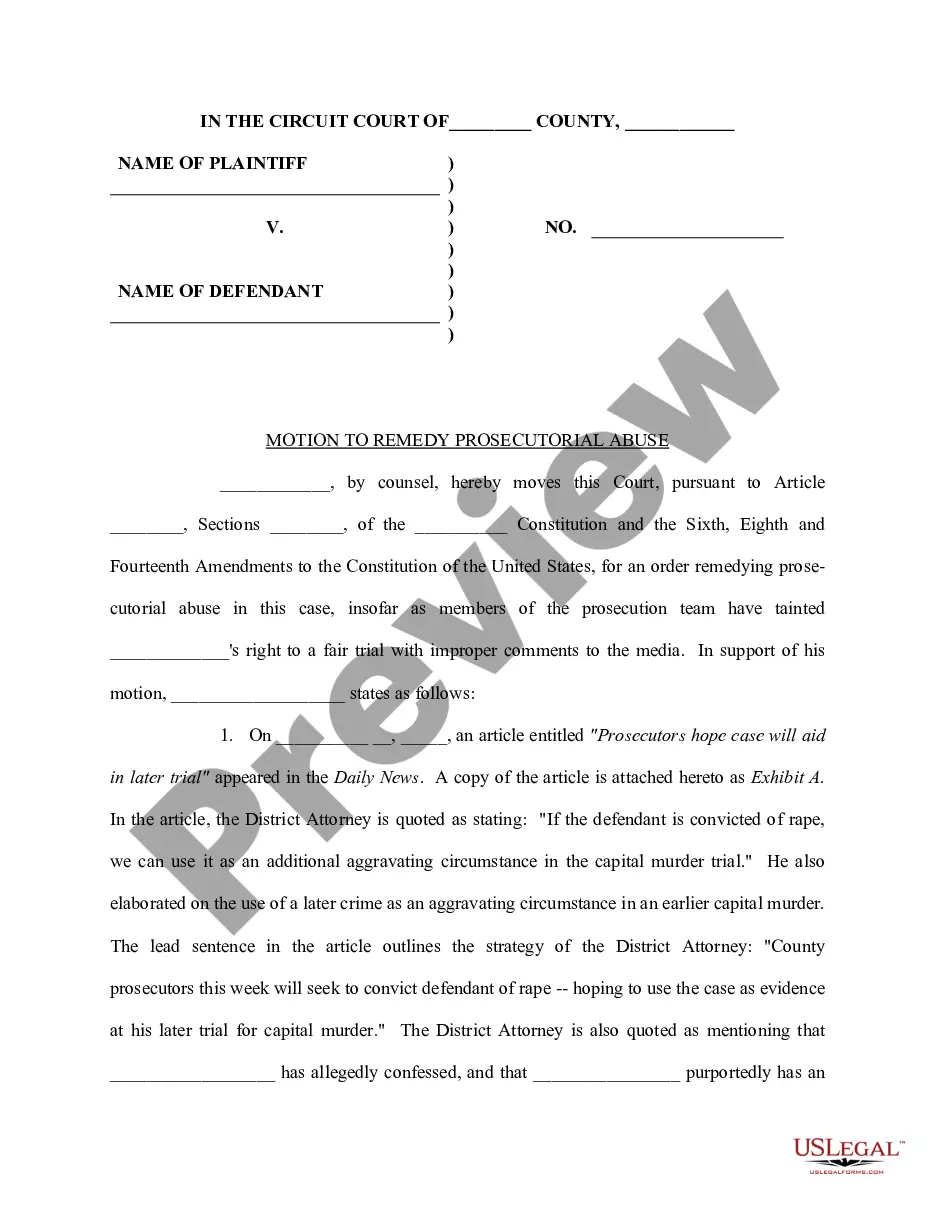
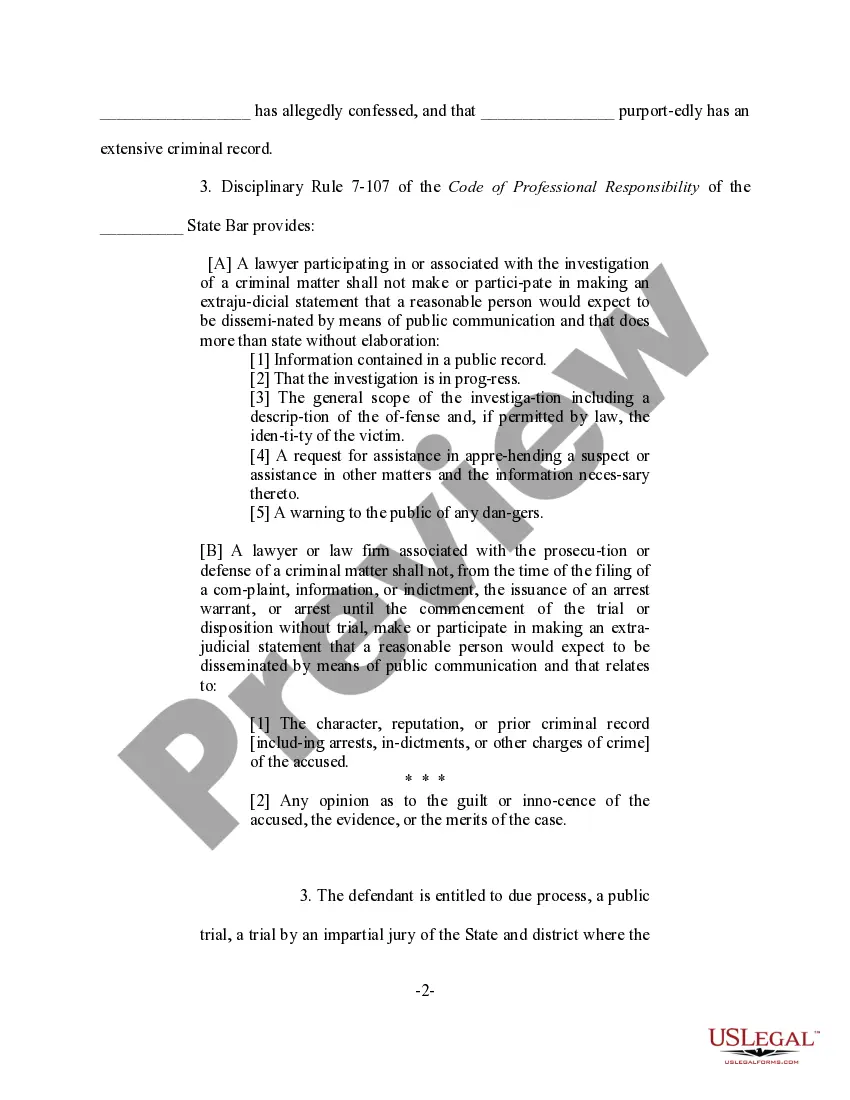
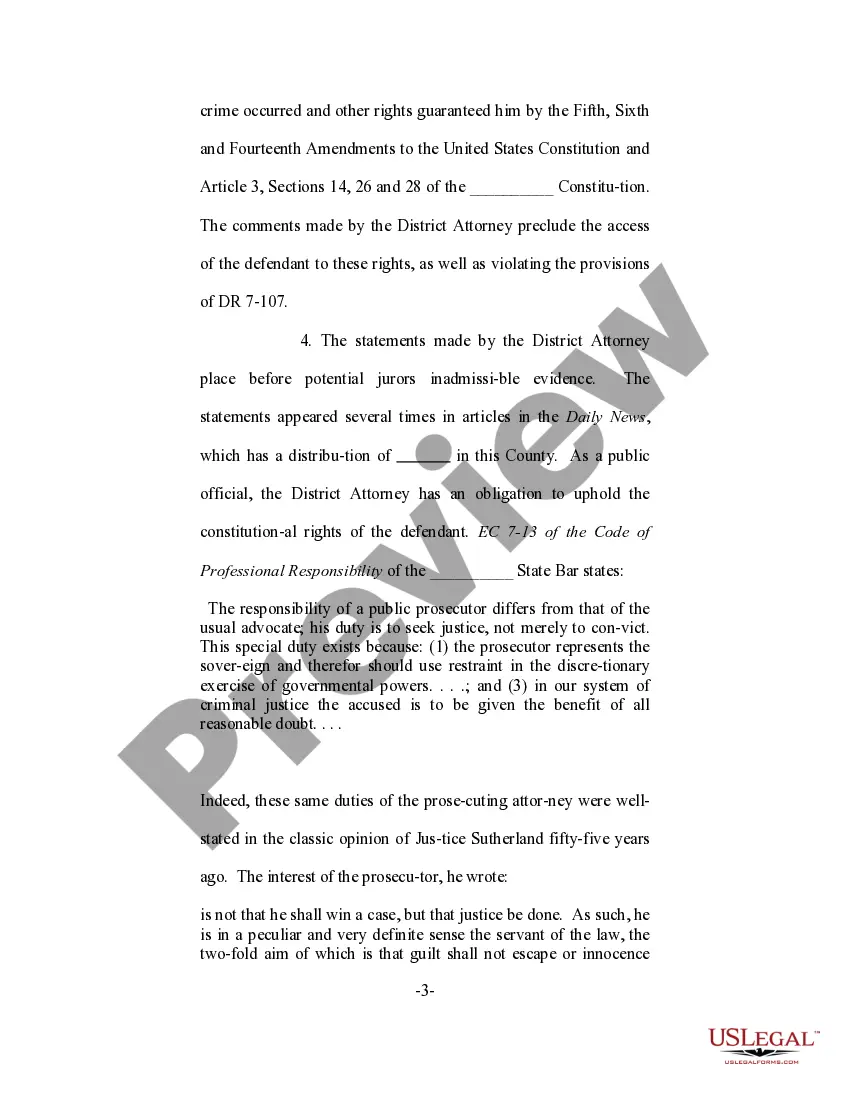
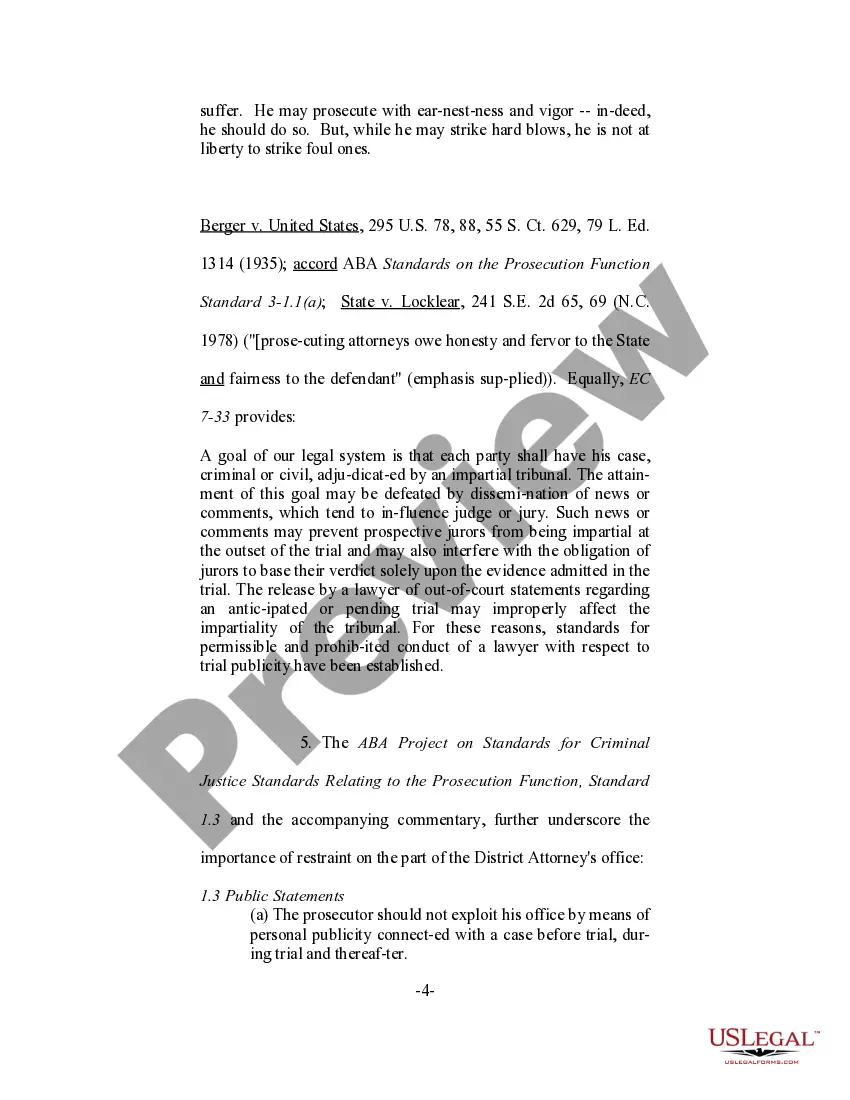
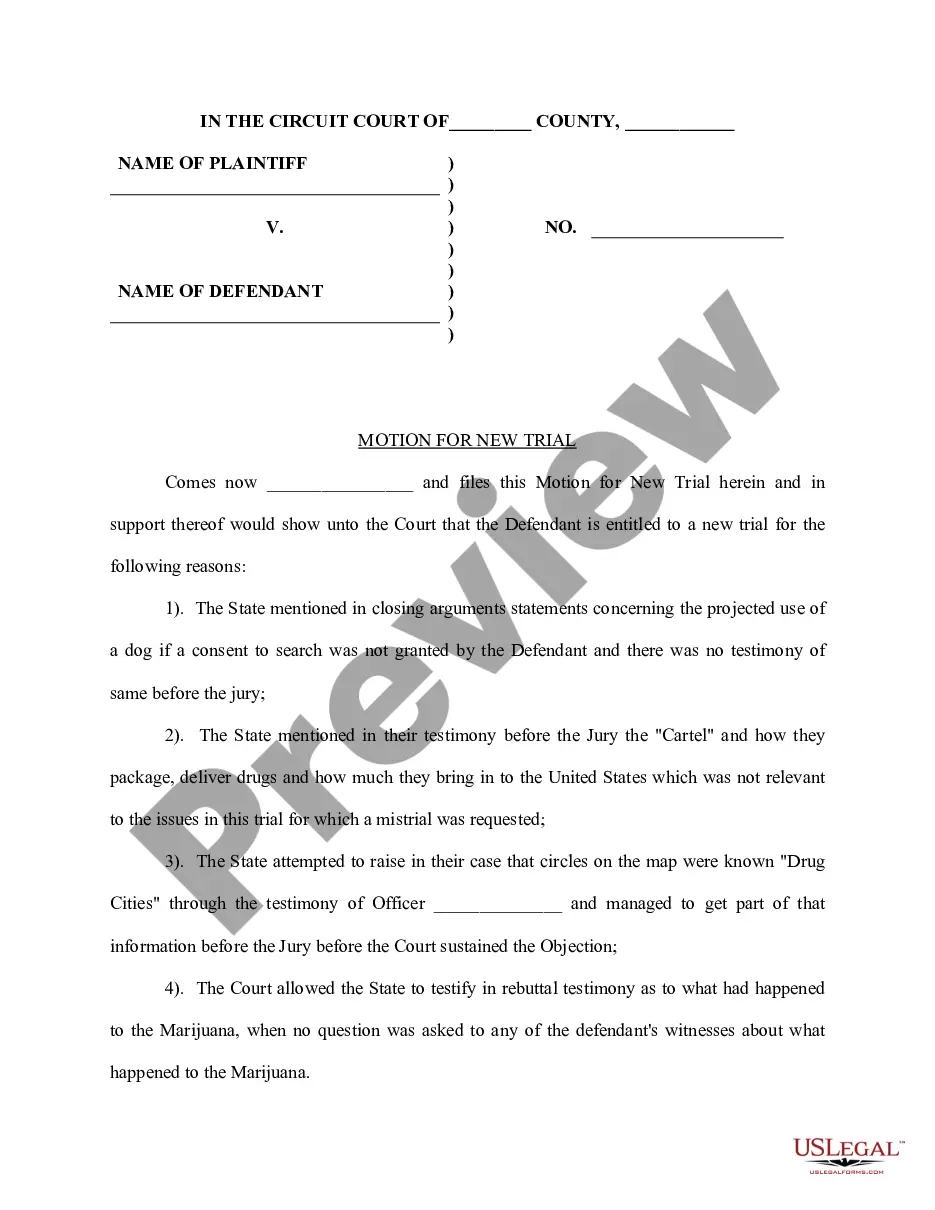
Get your form ready online
Our built-in tools help you complete, sign, share, and store your documents in one place.
Make edits, fill in missing information, and update formatting in US Legal Forms—just like you would in MS Word.
Download a copy, print it, send it by email, or mail it via USPS—whatever works best for your next step.
Sign and collect signatures with our SignNow integration. Send to multiple recipients, set reminders, and more. Go Premium to unlock E-Sign.
If this form requires notarization, complete it online through a secure video call—no need to meet a notary in person or wait for an appointment.
We protect your documents and personal data by following strict security and privacy standards.

Make edits, fill in missing information, and update formatting in US Legal Forms—just like you would in MS Word.

Download a copy, print it, send it by email, or mail it via USPS—whatever works best for your next step.

Sign and collect signatures with our SignNow integration. Send to multiple recipients, set reminders, and more. Go Premium to unlock E-Sign.

If this form requires notarization, complete it online through a secure video call—no need to meet a notary in person or wait for an appointment.

We protect your documents and personal data by following strict security and privacy standards.
Looking for another form?

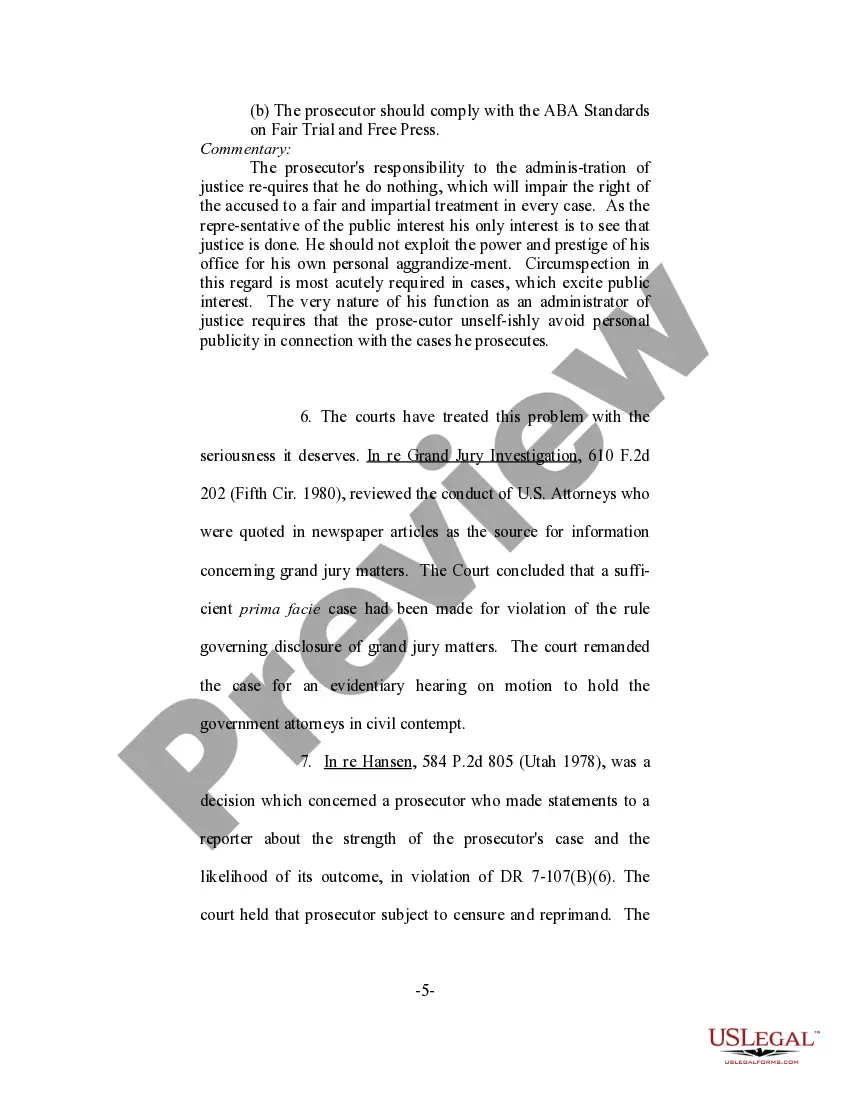
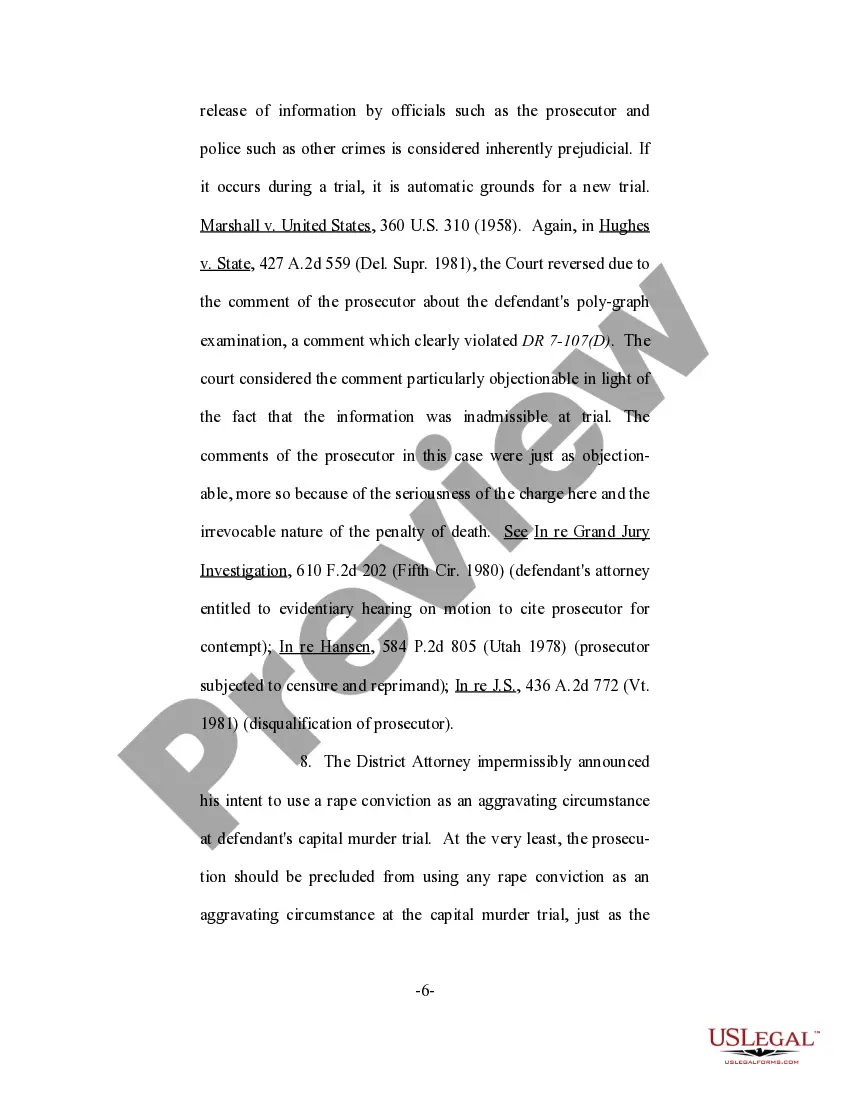
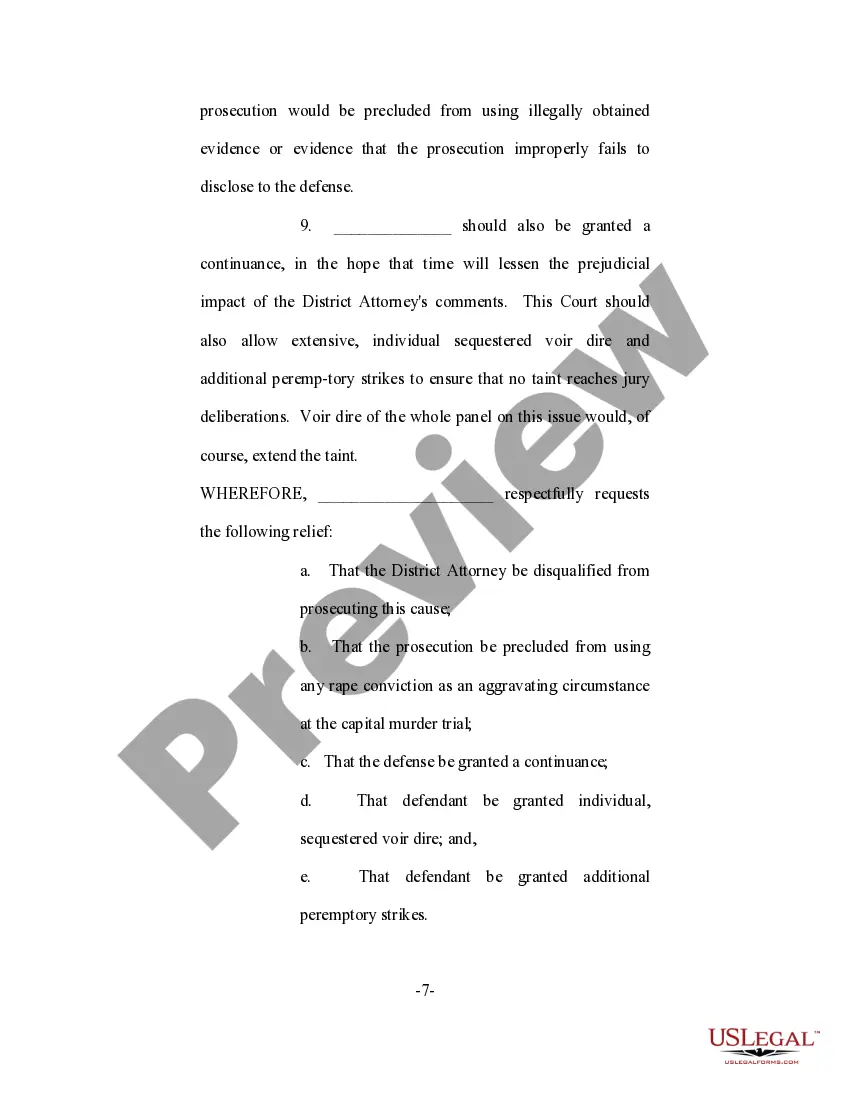
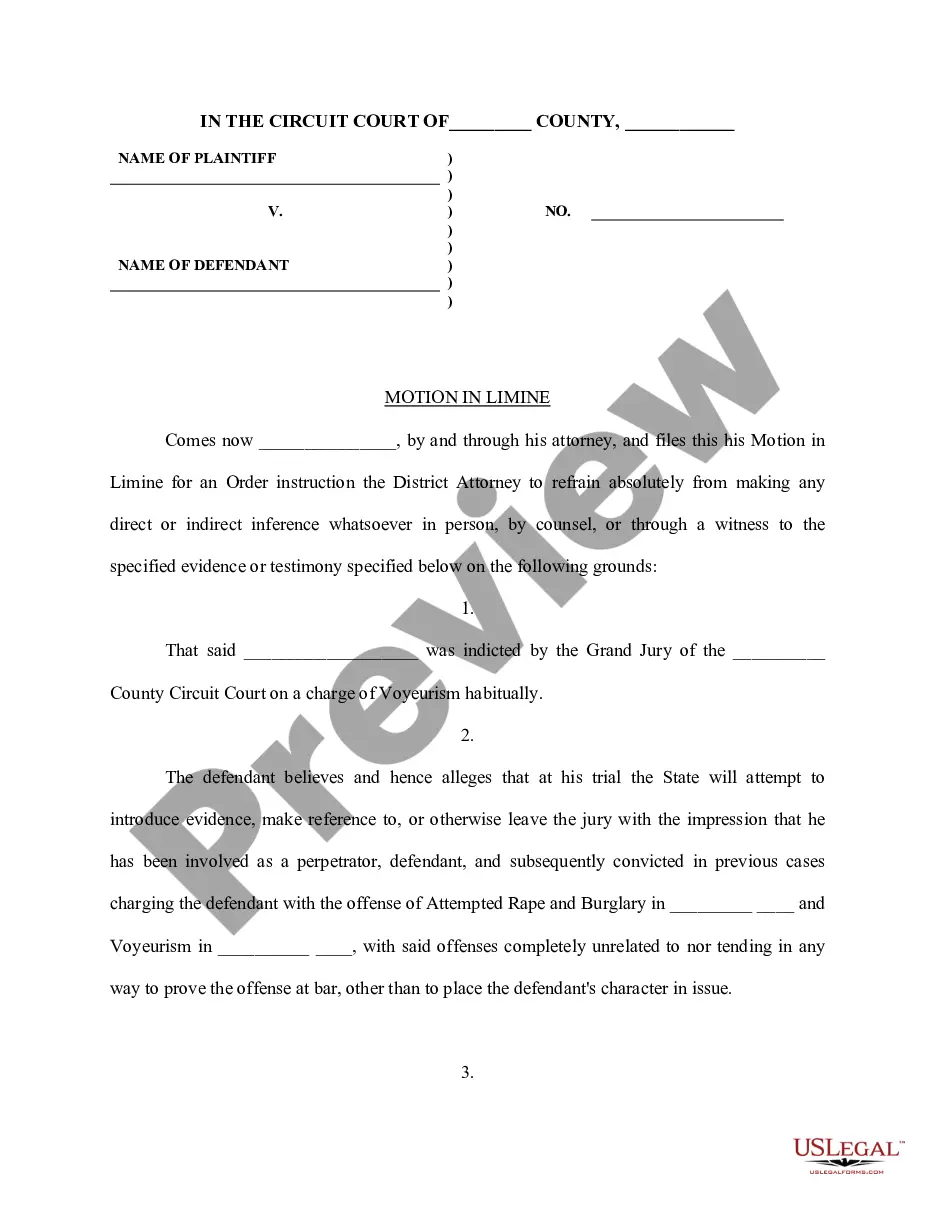
How to fill out Motion To Remedy Prosecutorial Abuse?
It’s well known that you cannot instantly become a legal authority, nor can you swiftly learn how to draft a Trial Attorney Court Withdrawal without having a specialized education. Drafting legal documents is a lengthy process that necessitates specific training and expertise. So why not leave the creation of the Trial Attorney Court Withdrawal to the professionals.
With US Legal Forms, one of the most extensive legal document collections, you can discover everything from court papers to templates for internal business communication. We recognize how crucial compliance and adherence to federal and local statutes and regulations are. That’s why, on our platform, all forms are location-specific and current.
Here’s how to start with our platform and obtain the document you need in just minutes.
You can regain access to your documents from the My documents tab at any time. If you are a returning customer, you can simply Log In, locate and download the template from the same tab.
Whatever the reason for your paperwork—whether it be financial, legal, or personal—our platform has you covered. Try US Legal Forms today!
- Utilize the search bar at the top of the page to find the document you require.
- Preview it (if this option is available) and review the accompanying description to ascertain whether the Trial Attorney Court Withdrawal is what you seek.
- If you need any other template, begin your search anew.
- Create a free account and choose a subscription plan to purchase the template.
- Select Buy now. After the payment is processed, you can access the Trial Attorney Court Withdrawal, fill it out, print it, and send or mail it to the appropriate individuals or organizations.
Form popularity
FAQ
Withdrawal of attorney of record means that the attorney is formally removing themselves as the representative for a party in a case. This process must typically be approved by the court and may require submitting specific documents. Such withdrawals may stem from various reasons, and understanding this can help you adapt and secure new legal representation effectively.
Withdrawing from a court case involves submitting a formal request to the court. This written request should clearly state your intention and provide relevant details about why you are choosing to withdraw. It’s advisable to consult with a new attorney or use services like uslegalforms to ensure you follow the proper procedures during this process.
If your attorney withdraws from your case, the first step is to understand the reasons behind the trial attorney court withdrawal. You should seek new representation as soon as possible to ensure your legal matters proceed without interruption. It may also be beneficial to consult platforms like uslegalforms to find the right attorney or guidance during this transition.
When a lawyer withdraws from a case, it means they are officially ending their representation of a client. This can occur due to various reasons, such as ethical concerns, lack of communication, or personal conflicts. It’s important to clarify that this action does not terminate your legal obligations; rather, it opens the door for you to seek new counsel and continue with your case.
Writing a letter of withdrawal to an attorney is a straightforward process. Start by clearly stating your intention to withdraw from the attorney-client relationship. Include your name, contact information, and case details. Make sure to express gratitude for their assistance and state why you are choosing to proceed with a trial attorney court withdrawal.
When a lawyer withdraws from a custody case, it may raise questions about the attorney-client relationship. However, withdrawal can happen for many reasons, such as conflicts of interest or failure to communicate effectively. It does not necessarily reflect poorly on you or your case. Understanding the reasons behind the trial attorney court withdrawal can help you navigate the situation better.
When an attorney files a motion to withdraw an appearance, it indicates that they want to end their representation of a client in a legal matter. This could occur for various reasons, such as a conflict of interest, non-payment of fees, or the client's failure to follow legal advice. The trial attorney court withdrawal process typically requires the attorney to submit formal documentation to the court, ensuring that all parties are informed. For individuals facing this situation, US Legal Forms offers resources to help navigate the legal landscape and understand the implications of a trial attorney court withdrawal.
In a legal context, 'withdraw' typically means to formally take back an action or request made to the court. This could include withdrawing a plea, motion, or case altogether. When discussing trial attorney court withdrawal, it specifically pertains to an attorney stepping back from representing their client, which can have significant implications for the case at hand.
Yes, individuals can withdraw from a trial, but this must be done according to court procedures. This process often requires a valid reason and court approval. If this situation arises, having a qualified attorney to assist with the trial attorney court withdrawal process is crucial to ensure your rights are protected and that you follow the correct legal protocols.
When a lawyer states 'withdrawn' in court, it typically means they are retracting a previous statement or request. This could also reference a formal trial attorney court withdrawal, where the lawyer has ceased to represent a client. Understanding the context is essential, as it can impact the progress and direction of the case significantly.