California Trust Probate Code For Instructions
Description
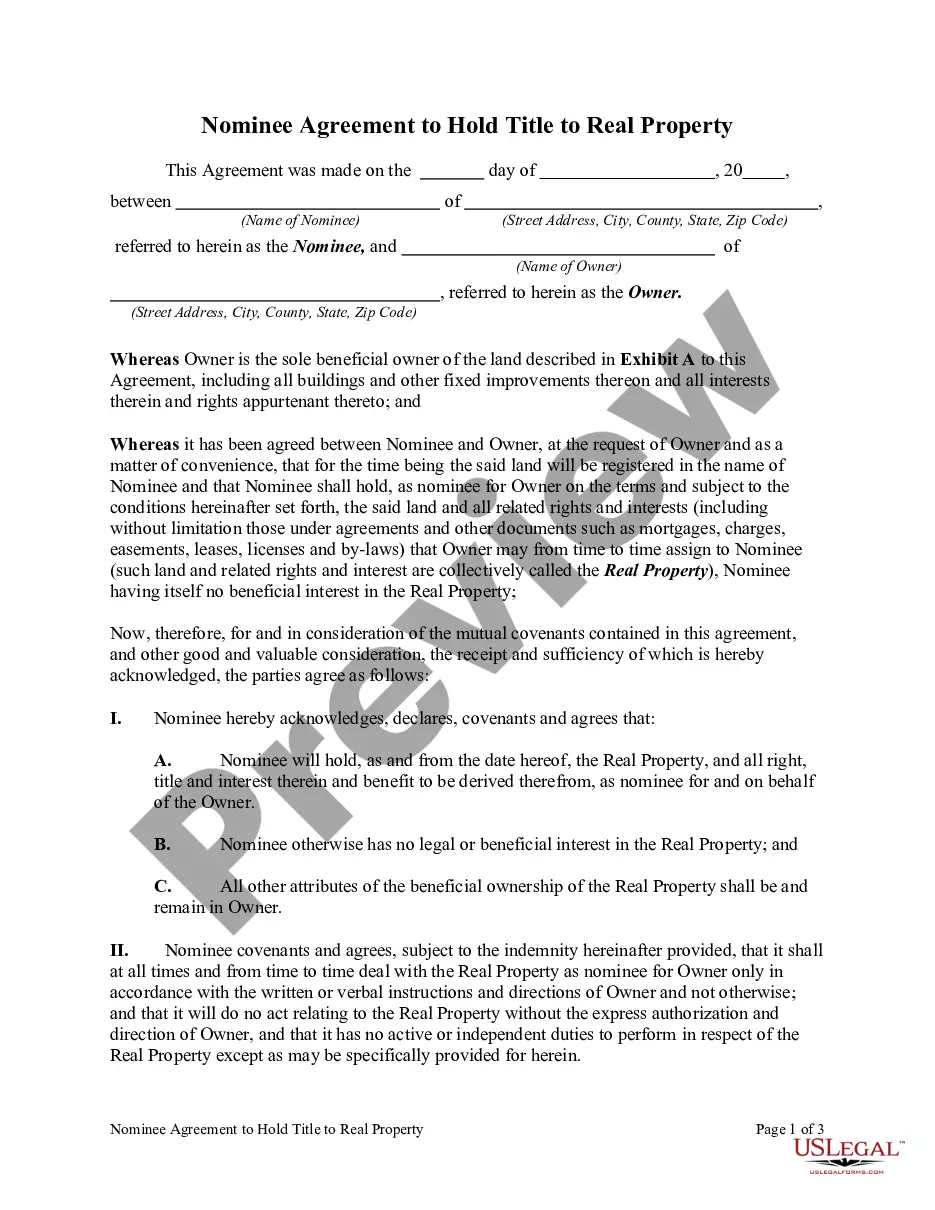
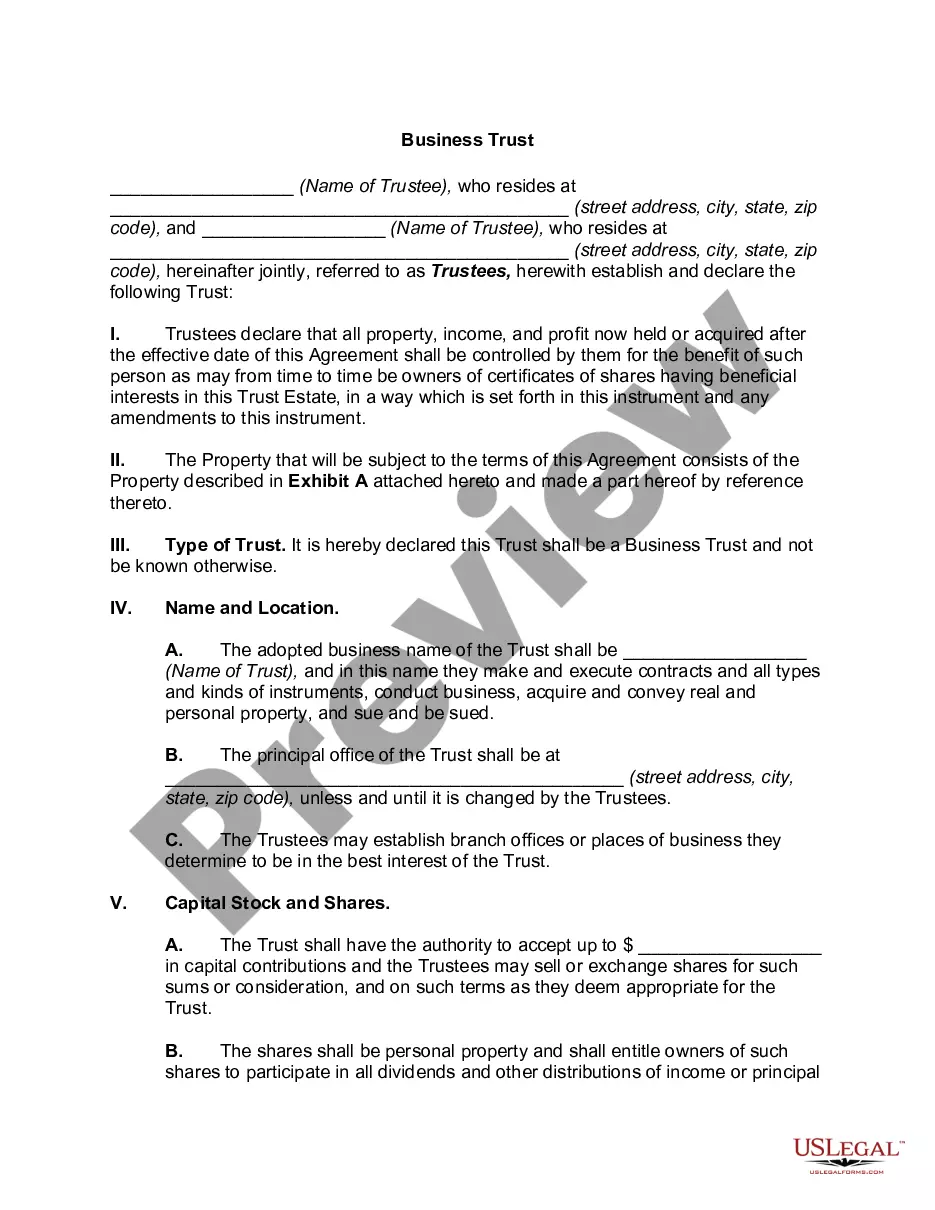
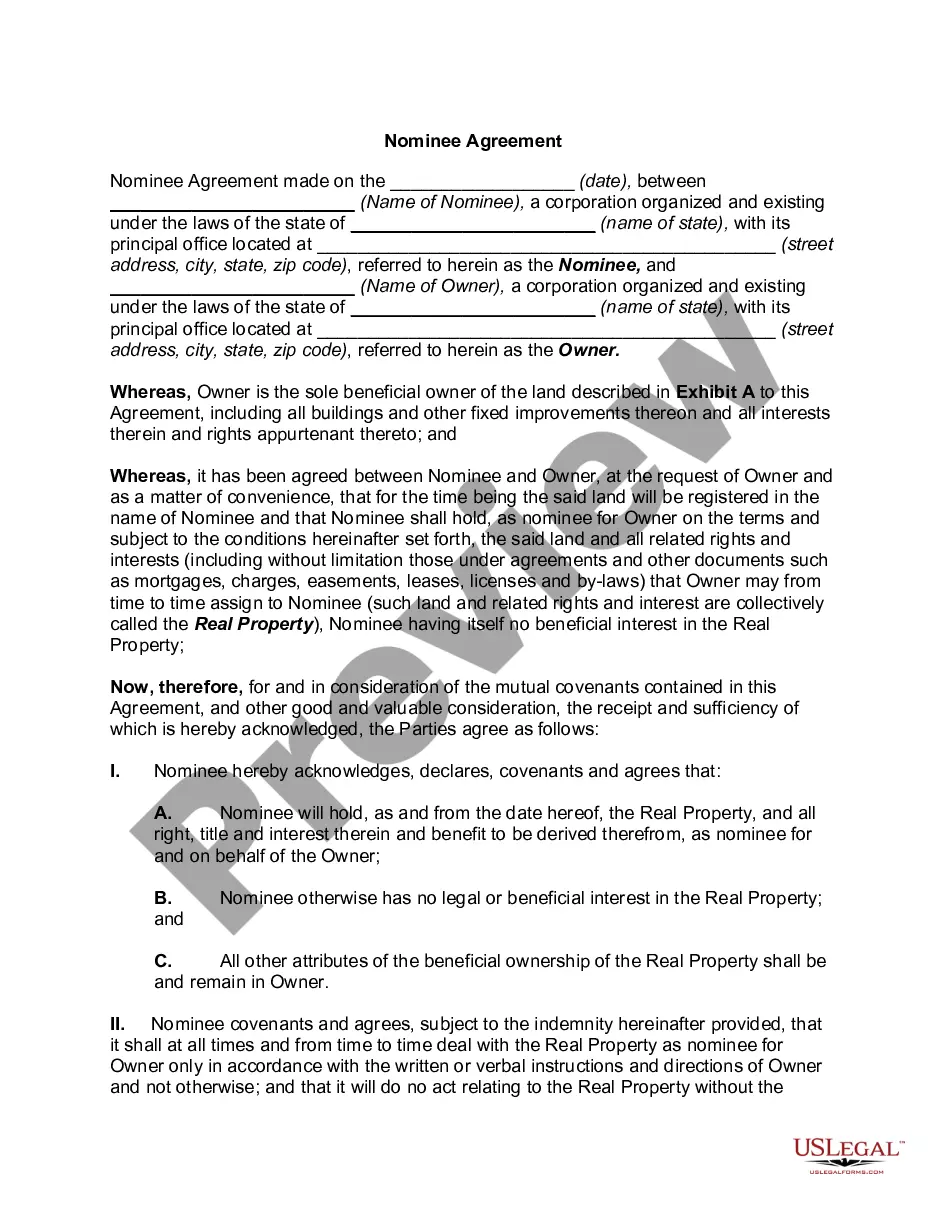

Get your form ready online
Our built-in tools help you complete, sign, share, and store your documents in one place.
Make edits, fill in missing information, and update formatting in US Legal Forms—just like you would in MS Word.
Download a copy, print it, send it by email, or mail it via USPS—whatever works best for your next step.
Sign and collect signatures with our SignNow integration. Send to multiple recipients, set reminders, and more. Go Premium to unlock E-Sign.
If this form requires notarization, complete it online through a secure video call—no need to meet a notary in person or wait for an appointment.
We protect your documents and personal data by following strict security and privacy standards.

Make edits, fill in missing information, and update formatting in US Legal Forms—just like you would in MS Word.

Download a copy, print it, send it by email, or mail it via USPS—whatever works best for your next step.

Sign and collect signatures with our SignNow integration. Send to multiple recipients, set reminders, and more. Go Premium to unlock E-Sign.

If this form requires notarization, complete it online through a secure video call—no need to meet a notary in person or wait for an appointment.

We protect your documents and personal data by following strict security and privacy standards.
Looking for another form?
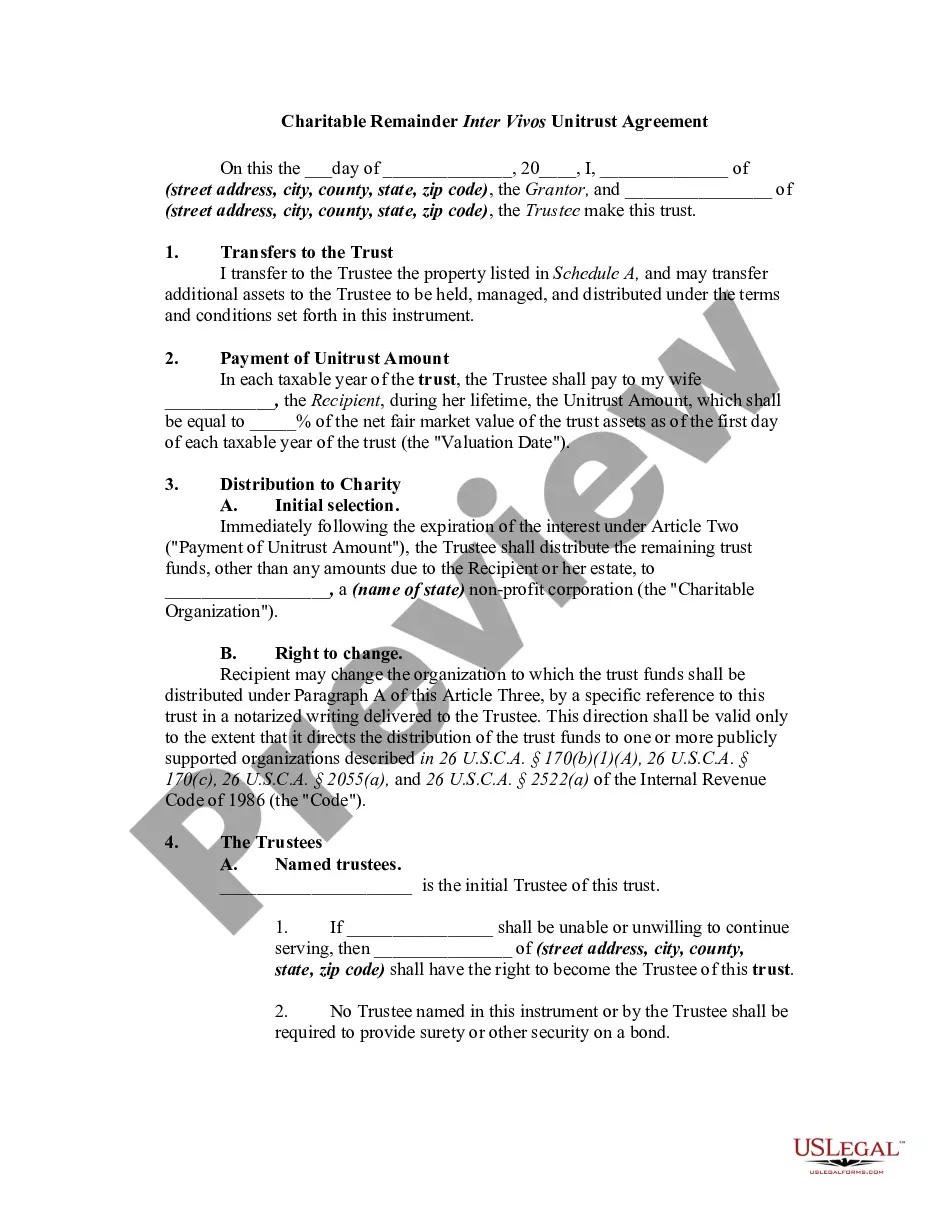
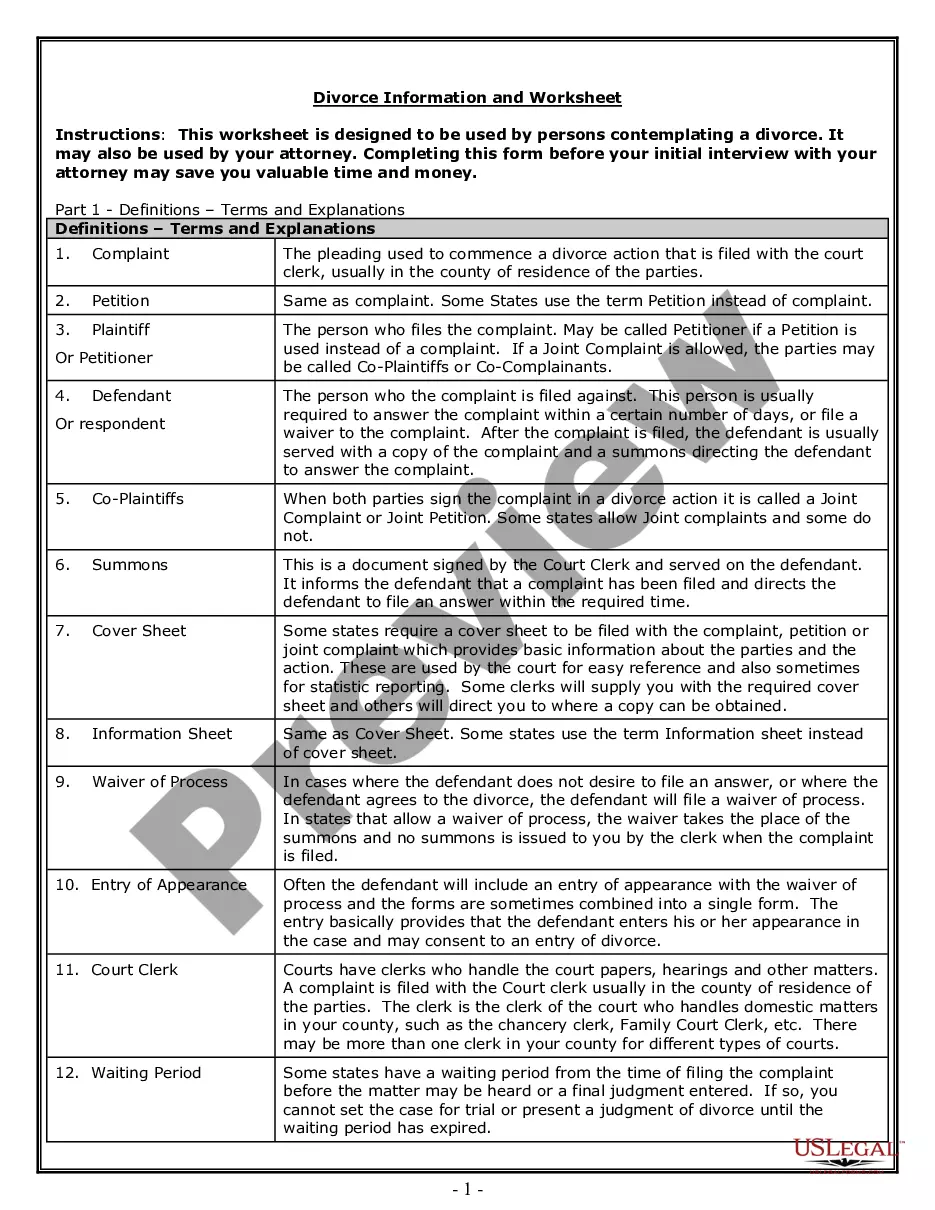
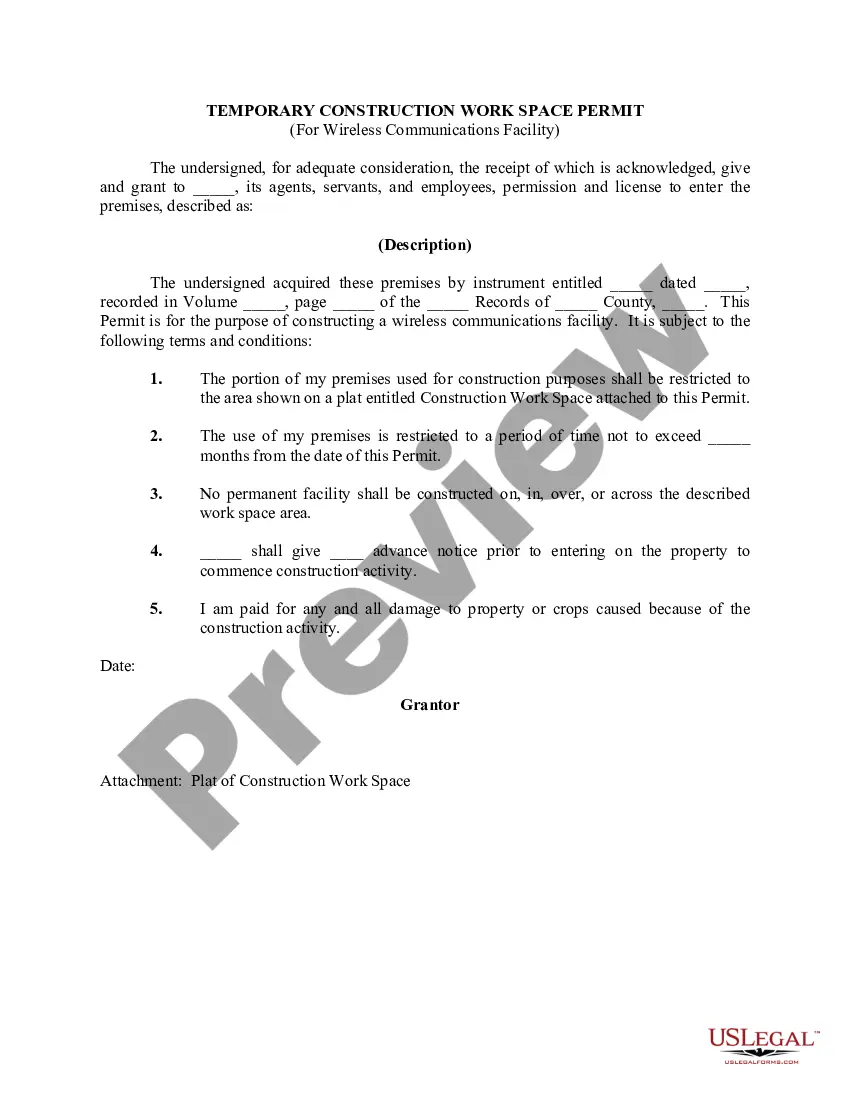

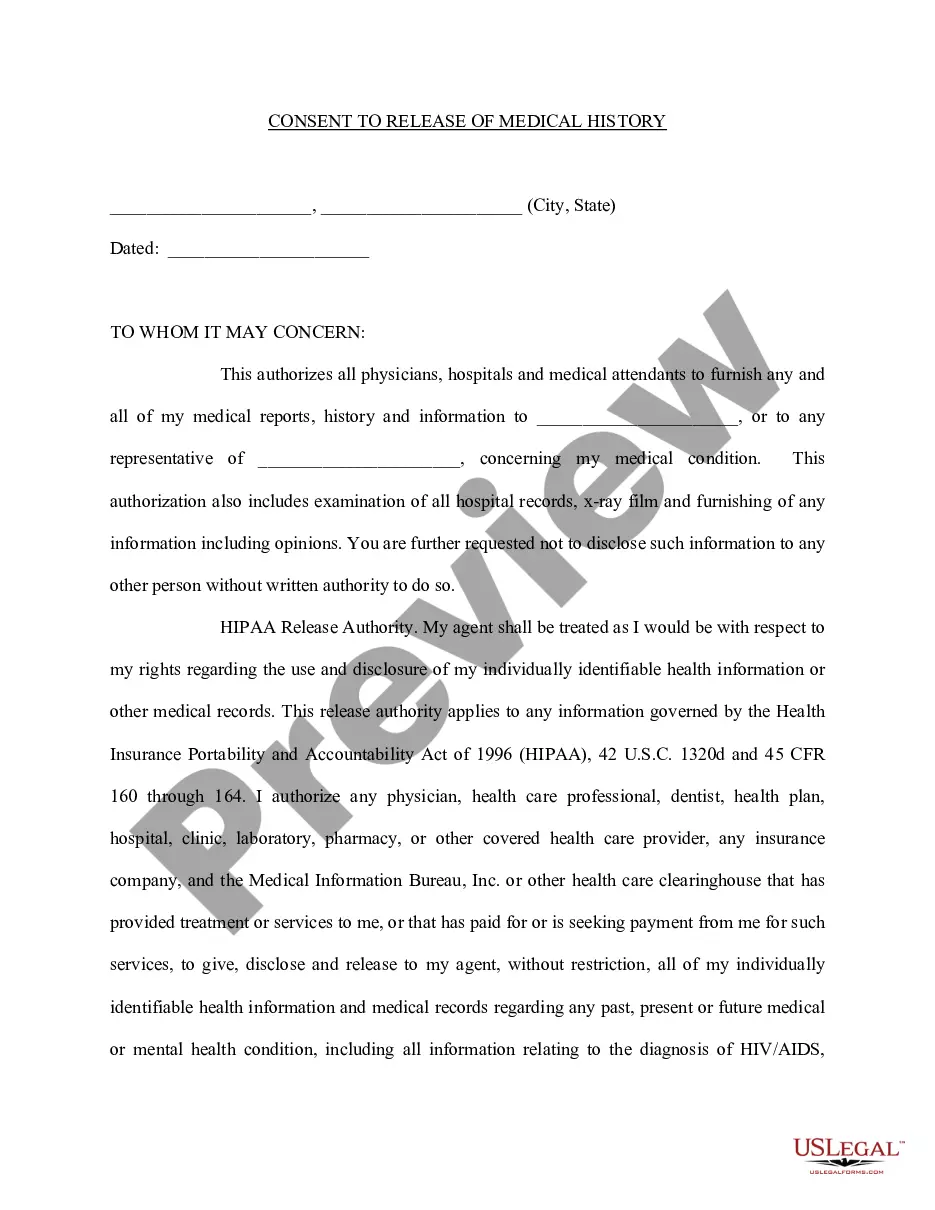

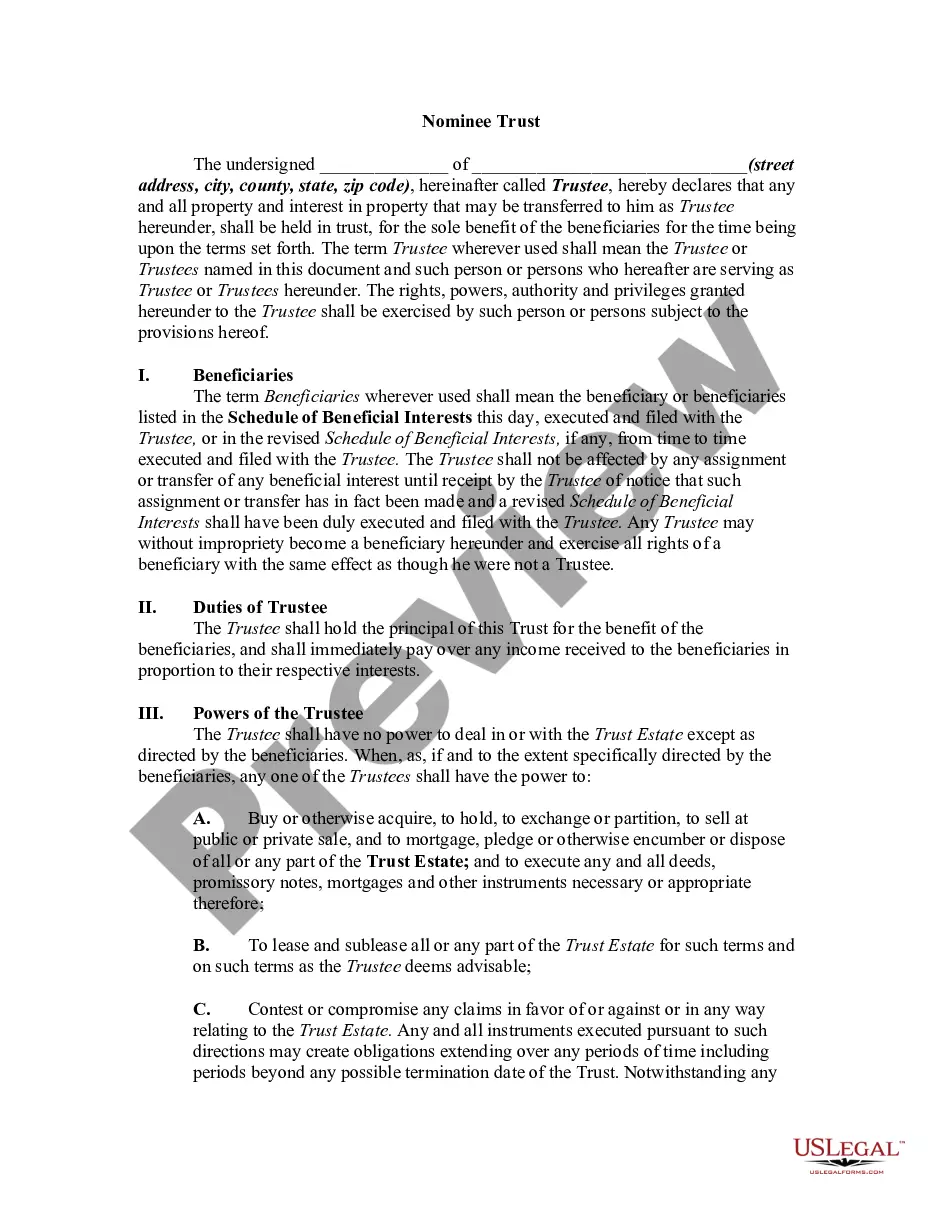
How to fill out Nominee Trust?
Identifying a reliable location to obtain the latest and pertinent legal templates constitutes a significant portion of navigating bureaucracy.
Determining the appropriate legal documents necessitates precision and meticulousness, which is why it's crucial to gather samples of the California Trust Probate Code For Instructions exclusively from trustworthy sources, such as US Legal Forms. An incorrect template could lead to wasted time and prolong the situation you find yourself in.
Eliminate the inconvenience associated with your legal documents. Investigate the extensive US Legal Forms library to uncover legal templates, assess their applicability to your situation, and download them promptly.
- Utilize the library navigation or search feature to find your template.
- Review the form’s description to confirm it meets the criteria of your state and county.
- Examine the form preview, if available, to ensure the template is indeed what you need.
- If the California Trust Probate Code For Instructions does not meet your criteria, continue searching for the appropriate document.
- Once you are confident about the form’s pertinence, download it.
- If you are a registered user, click Log in to verify and access your chosen templates in My documents.
- If you do not have an account, click Buy now to obtain the template.
- Select the pricing plan that best matches your requirements.
- Follow the registration process to complete your purchase.
- Finalize your purchase by choosing a payment method (credit card or PayPal).
- Select the file format for downloading the California Trust Probate Code For Instructions.
- After you have the form on your device, you may edit it using the editor or print it for manual completion.
Form popularity
FAQ
The California Probate Code Section 16061.7 states that a successor trustee has a legal obligation to notify all beneficiaries and heirs in the case of the settlor's death to ensure that all parties involved are well-informed.
How to create a living trust in California Take stock of your assets. ... Choose a trustee. ... Choose your beneficiaries. ... Draw up your Declaration of Trust. ... Consider signing your trust document in front of a notary public. ... Transfer your property to the trust.
15200. Subject to other provisions of this chapter, a trust may be created by any of the following methods: (a) A declaration by the owner of property that the owner holds the property as trustee. (b) A transfer of property by the owner during the owner's lifetime to another person as trustee.
If no Will exists, the property (estate) is divided among the person's heirs. In California, if the person has a spouse and/or children, the property first goes to them. If there is no spouse or children, the property goes to the person's next nearest relatives.
When a personal representative of an estate is undertaking an action pertaining to the estate that he feels may result in personal liability to him if the outcome is not as planned, the personal representative may file a Petition for Instructions from the court seeking approval for his actions.