Lease Land Rental For Cattle
Description
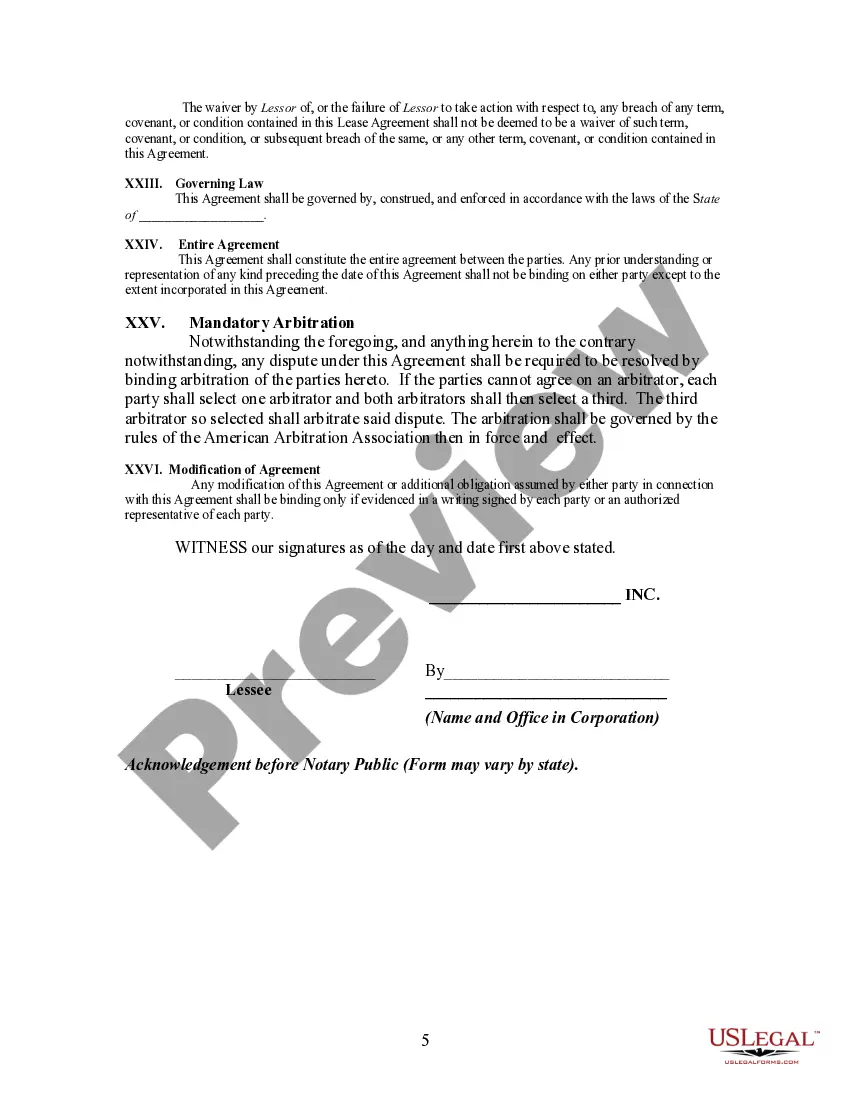
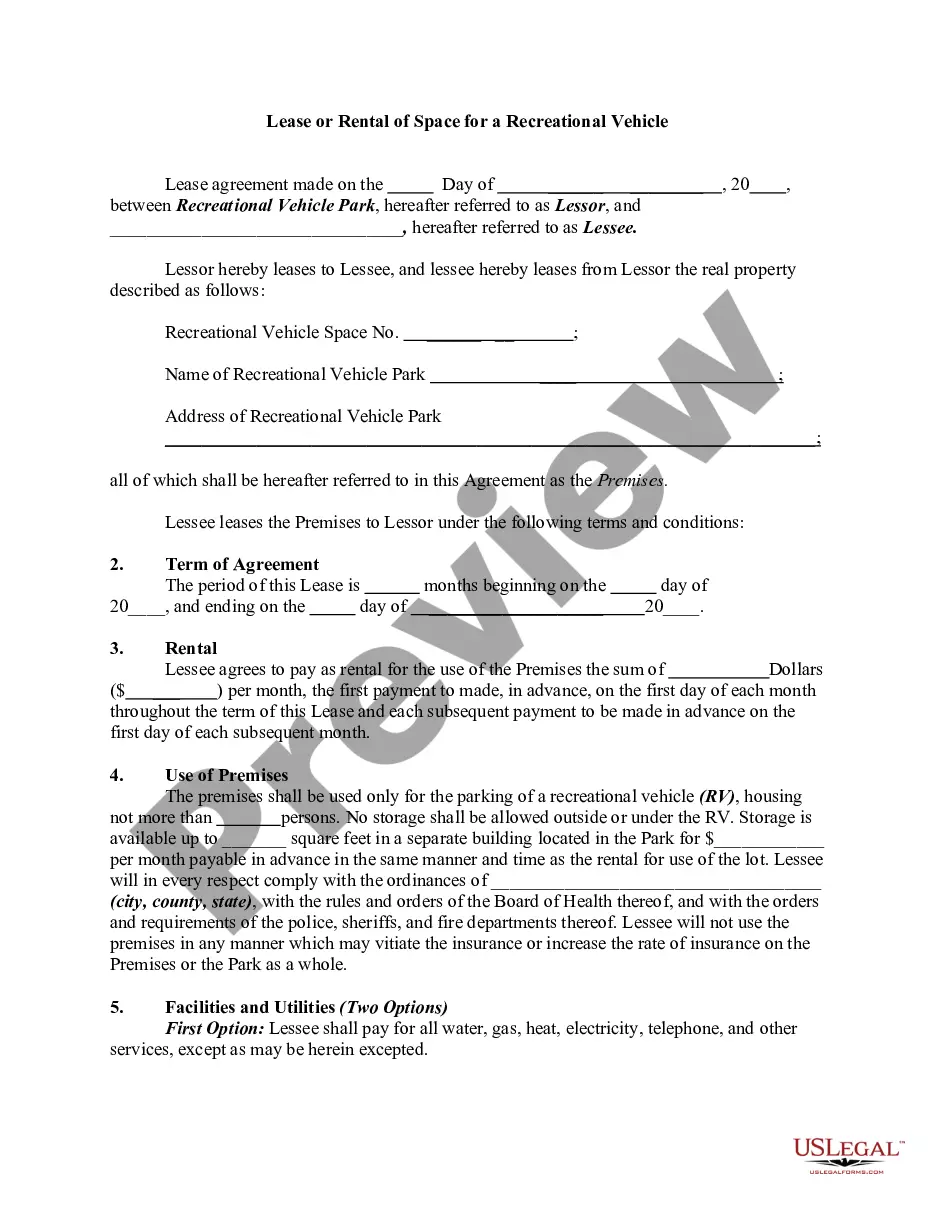
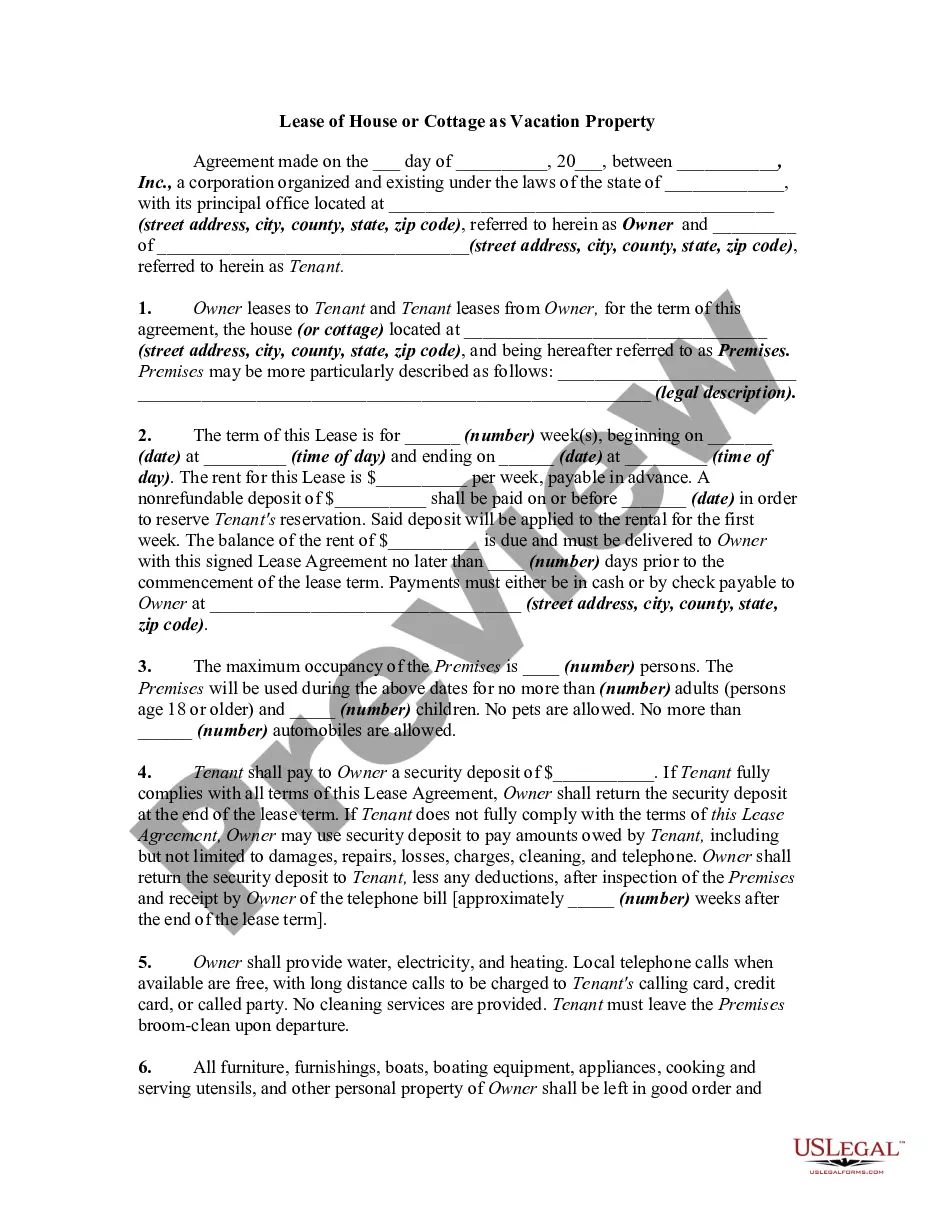
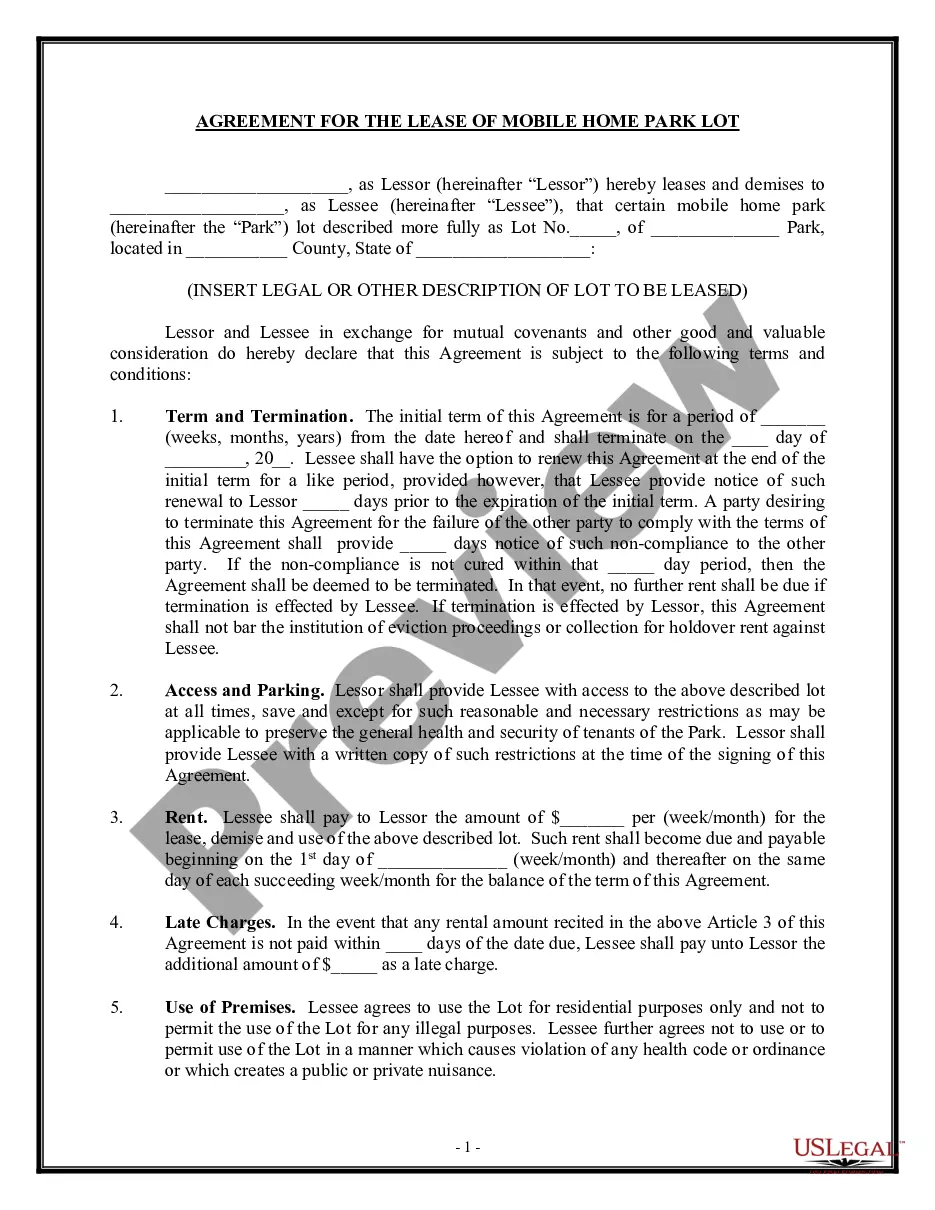
Get your form ready online
Our built-in tools help you complete, sign, share, and store your documents in one place.
Make edits, fill in missing information, and update formatting in US Legal Forms—just like you would in MS Word.
Download a copy, print it, send it by email, or mail it via USPS—whatever works best for your next step.
Sign and collect signatures with our SignNow integration. Send to multiple recipients, set reminders, and more. Go Premium to unlock E-Sign.
If this form requires notarization, complete it online through a secure video call—no need to meet a notary in person or wait for an appointment.
We protect your documents and personal data by following strict security and privacy standards.

Make edits, fill in missing information, and update formatting in US Legal Forms—just like you would in MS Word.

Download a copy, print it, send it by email, or mail it via USPS—whatever works best for your next step.

Sign and collect signatures with our SignNow integration. Send to multiple recipients, set reminders, and more. Go Premium to unlock E-Sign.

If this form requires notarization, complete it online through a secure video call—no need to meet a notary in person or wait for an appointment.

We protect your documents and personal data by following strict security and privacy standards.
Looking for another form?

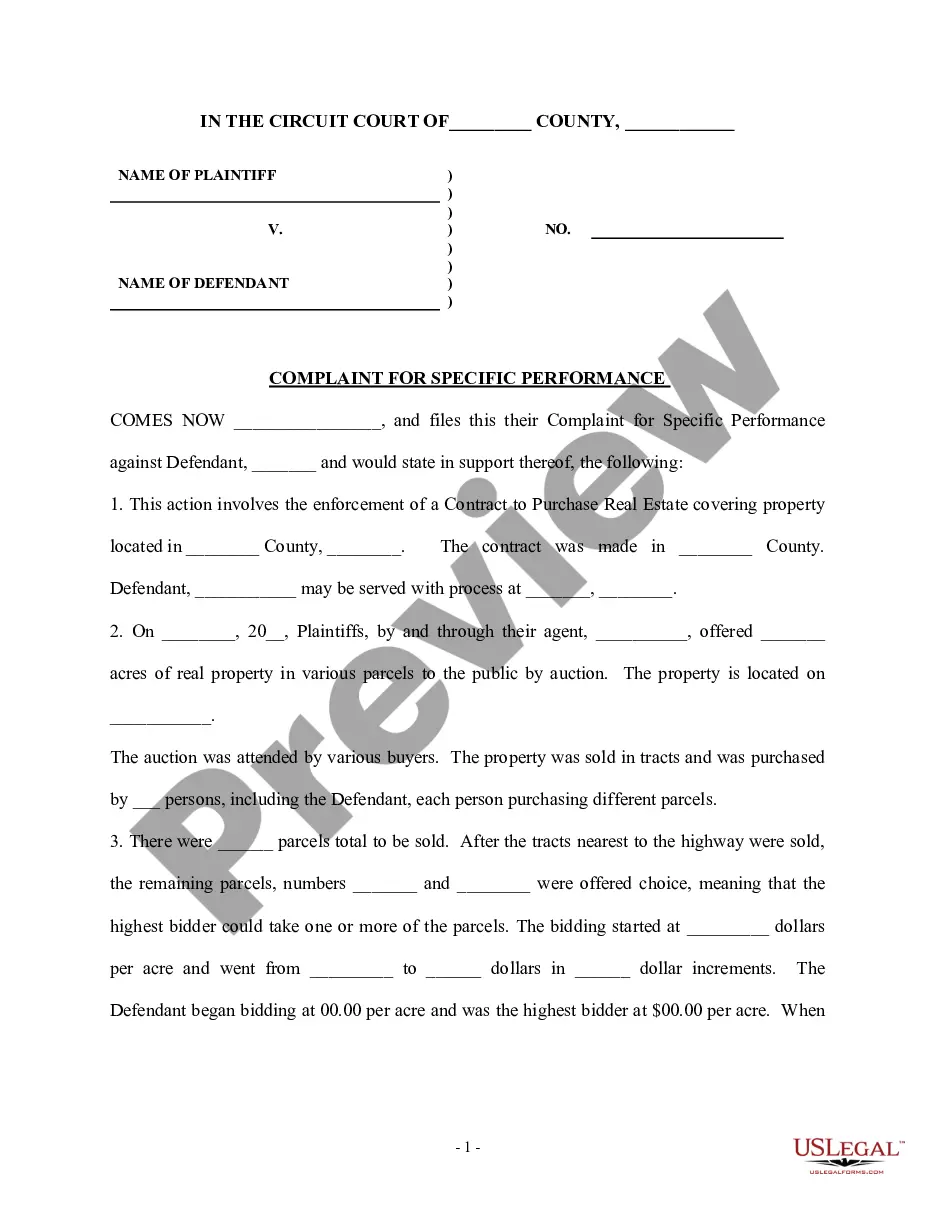






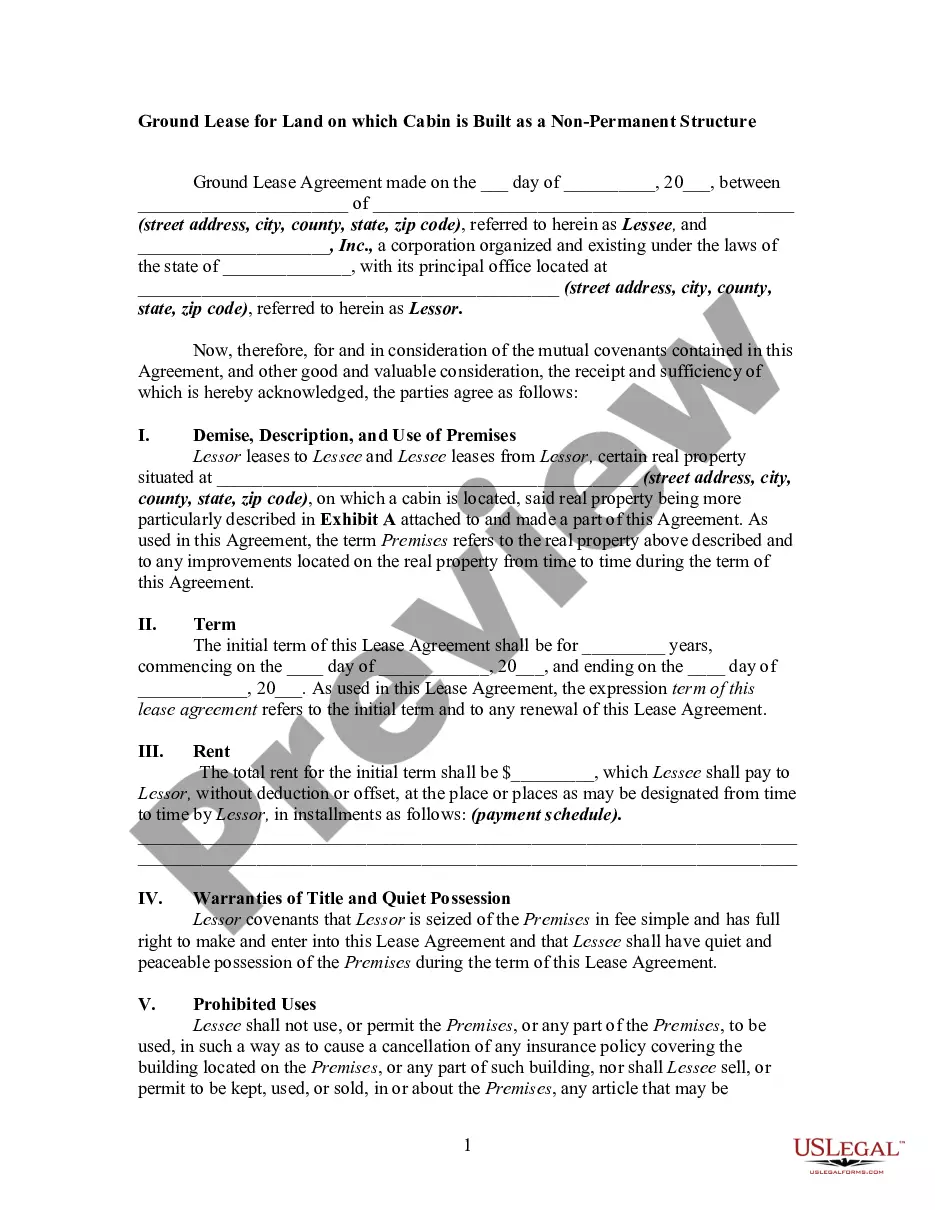
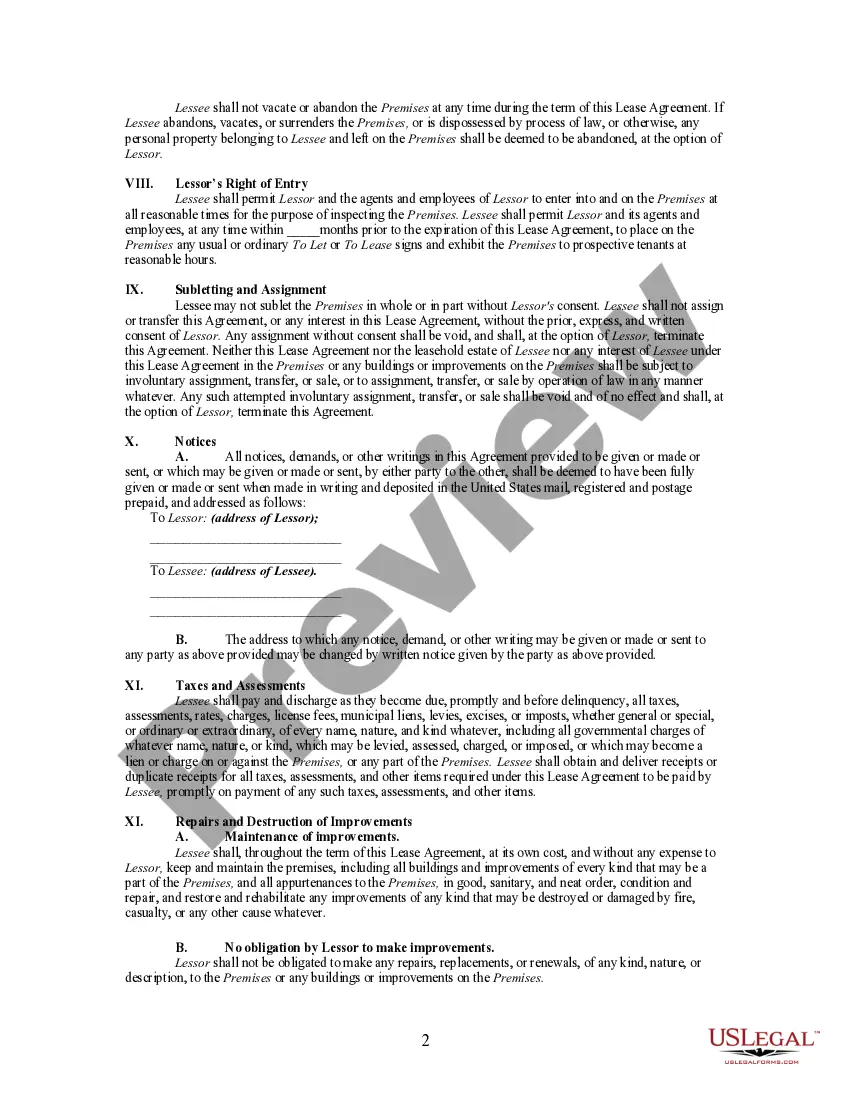
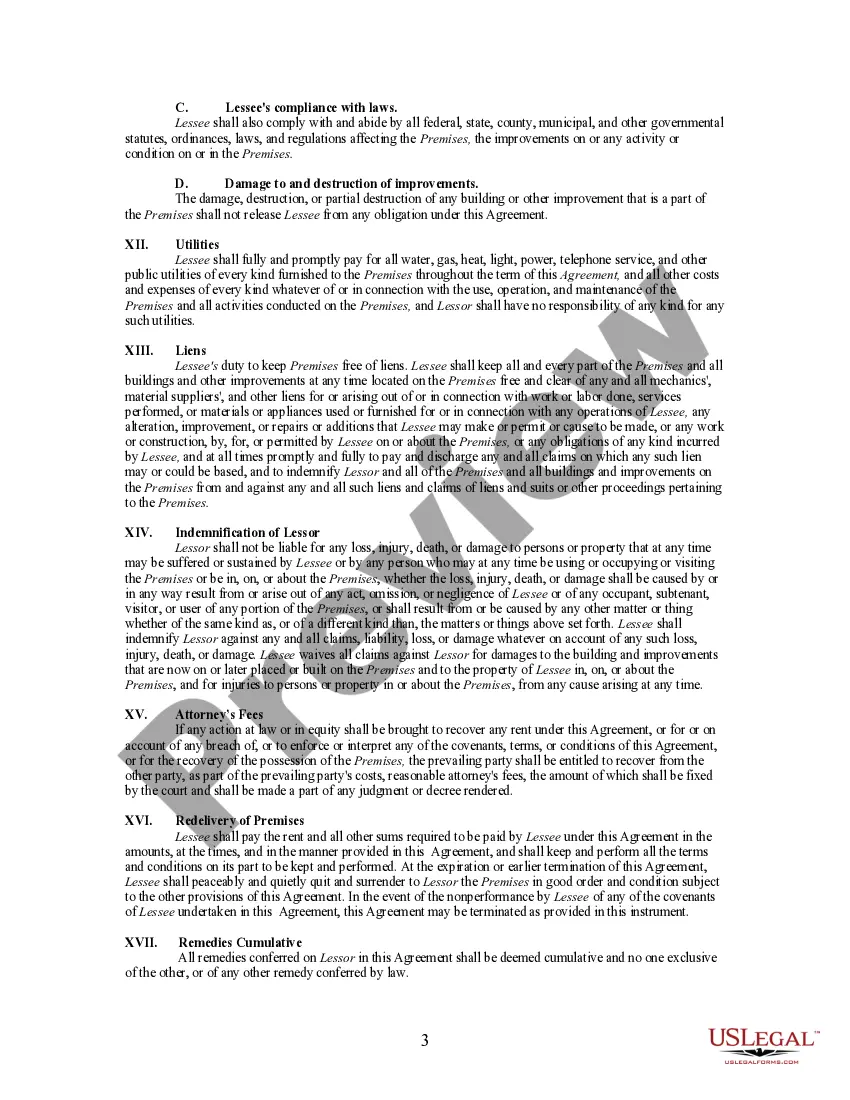
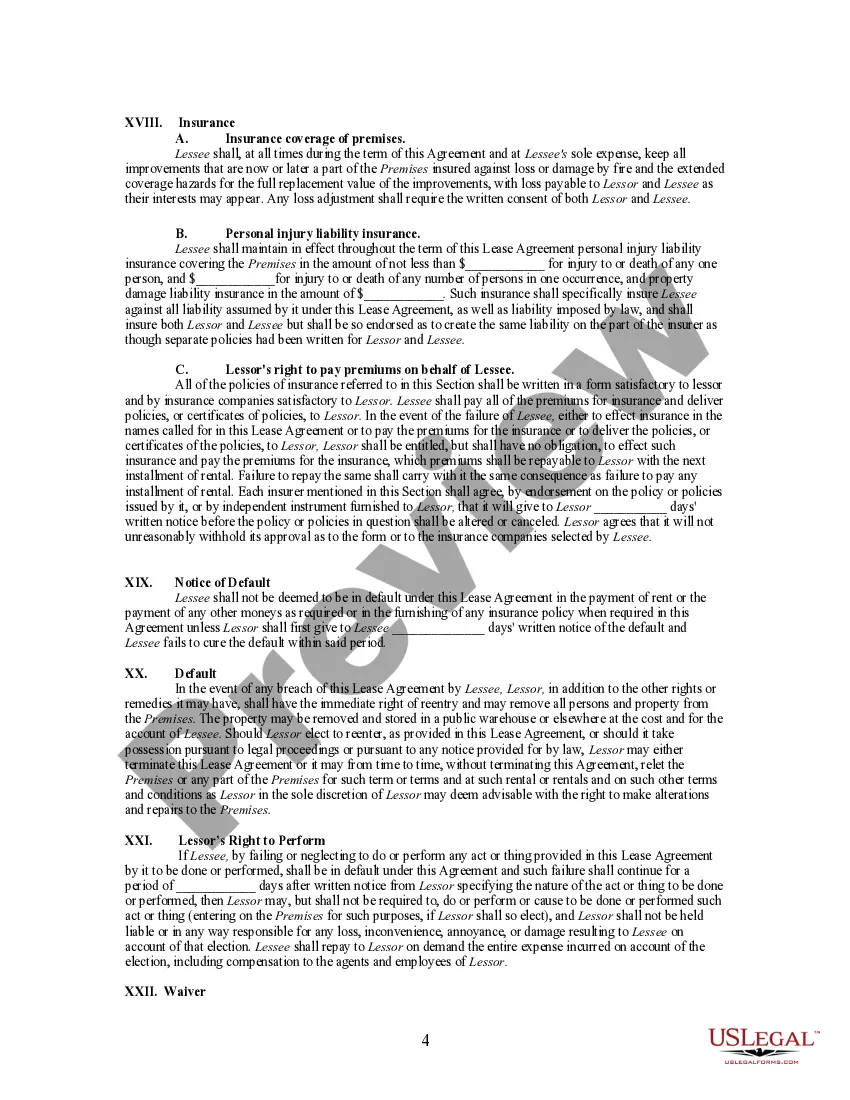
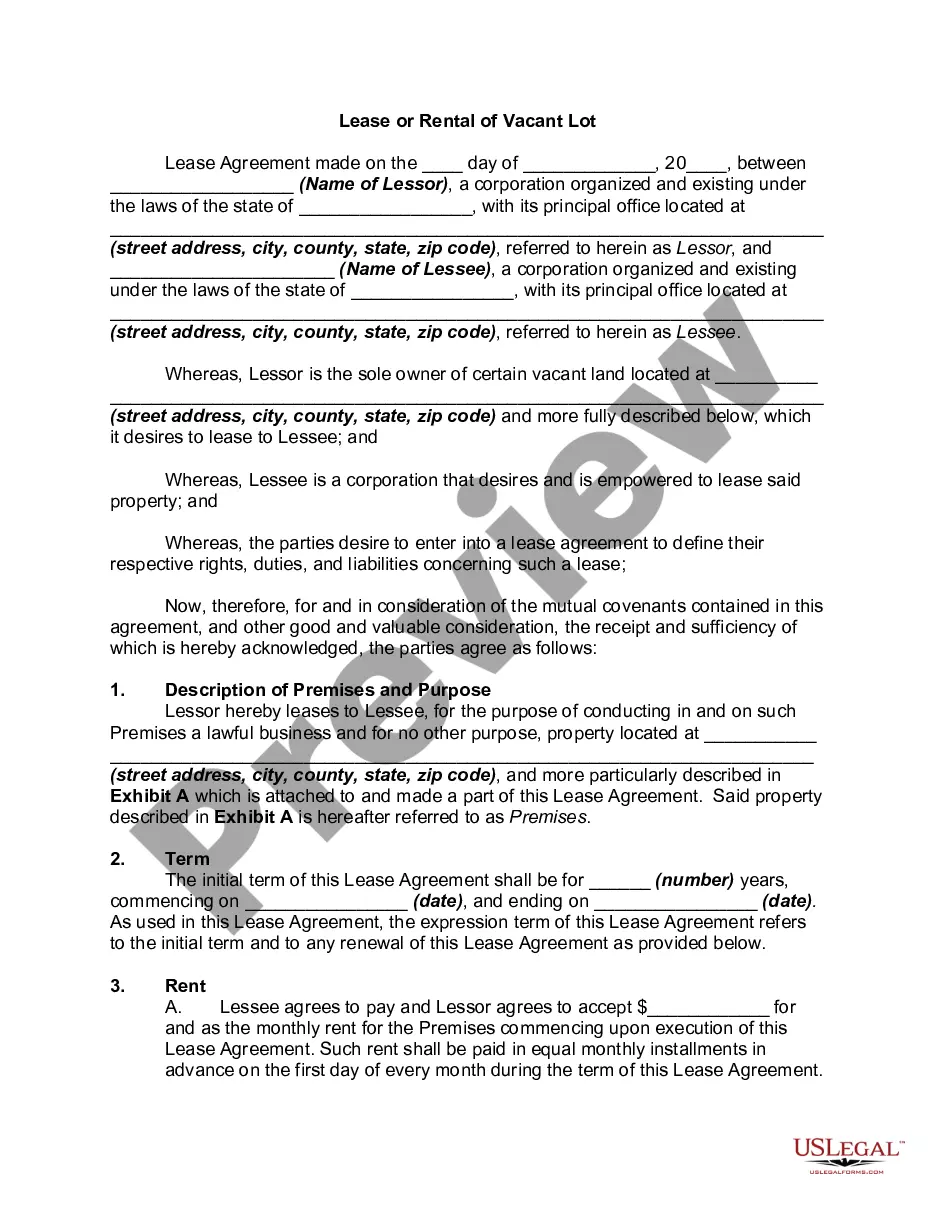
How to fill out Ground Lease For Land On Which Cabin Is Built As A Non-Permanent Structure - Real Estate Rental?
Creating legal documents from scratch can occasionally be overwhelming.
Certain situations may require extensive research and considerable financial investment.
If you're seeking an easier and more budget-friendly option for preparing Lease Land Rental For Cattle or any other documentation without unnecessary hurdles, US Legal Forms is always accessible.
Our online repository of over 85,000 current legal templates addresses nearly every aspect of your financial, legal, and personal affairs.
But before proceeding to download Lease Land Rental For Cattle, adhere to these suggestions: Check the document preview and descriptions to ensure you have found the paperwork you need. Ensure the form you select adheres to the rules and regulations of your state and county. Choose the most appropriate subscription option to purchase the Lease Land Rental For Cattle. Download the form. Then fill it out, sign it, and print it. US Legal Forms has a strong reputation and over 25 years of expertise. Join us today and make form completion something straightforward and efficient!
- With just a few clicks, you can swiftly obtain state- and county-specific forms carefully prepared for you by our legal experts.
- Utilize our website whenever you require trusted and dependable services to quickly find and download the Lease Land Rental For Cattle.
- If you're already familiar with our services and have previously registered with us, simply Log In to your account, locate the template, and download it or re-download it anytime later in the My documents section.
- Don't have an account? No problem. Registering takes just a few minutes and you can browse the catalog.
Form popularity
FAQ
Typically, it takes about 1.5 to 2 acres of pasture land per cow, depending on factors like pasture quality and climate. When considering a lease land rental for cattle agreement, evaluate your land's productivity to ensure sufficient grazing space. Additionally, providing supplemental feed and water can improve cattle health and overall performance. Be sure to consult local guidelines for the best practices in your area.
Leasing land to farmers can indeed be profitable, especially when done strategically. With a lease land rental for cattle agreement, landowners generate consistent income while retaining ownership of the land. Factors influencing profitability include location, land quality, and local demand. By providing essential resources like pasture, landowners can attract quality tenants and secure lucrative leases.
To lease pasture land effectively, begin by researching available parcels in your area. Utilize platforms like US Legal Forms to access leasing templates and contracts, ensuring clarity in terms such as duration and fees. After finding suitable land, negotiate terms that favor both you and the landowner. Finally, formalize the lease agreement to protect your rights and responsibilities.
The potential income from 100 head of cattle varies based on market conditions, breed, and management practices. Generally, you can expect earnings from their sale or lease land rental for cattle agreements, with beef prices affecting profitability significantly. Additionally, selling calves or leasing them for reproduction can further enhance your revenue. Calculate specific figures based on your locality and current market trends for precise estimates.
While renting and leasing both involve paying for the use of land, they are not the same. Renting often implies a casual, short-term agreement, while leasing is more formal with a longer duration and specific conditions. When you look at lease land rental for cattle, knowing this distinction can help you make better decisions for your farming needs.
Renting land typically involves a short-term agreement that may not provide security for your agricultural investment. On the other hand, leasing land usually entails a longer commitment with clearly defined terms. For those seeking lease land rental for cattle, understanding this difference helps in selecting the right option for stable cattle operations.
Leased land might come with restrictions, limiting how you can use the land and the improvements you can make. Additionally, you risk losing access to the land if the lease terms are not extended or if the lease is terminated. Understanding these disadvantages is critical as you explore your options for lease land rental for cattle.
Leasing land for cows starts with identifying suitable properties that meet your cattle's needs, such as pasture quality and water supply. You can connect with landowners or use platforms like US Legal Forms to find and outline lease agreements effectively. Negotiating terms is crucial to ensure both parties understand their rights and obligations in the lease land rental for cattle.
To report farmland rental income, you will typically use Schedule E on your tax return. You can include all amounts received from lease land rental for cattle as part of your gross income. Be sure to keep accurate records of the rental agreements and any expenses associated with maintaining the land for credibility.
Leasing land typically involves a longer-term commitment than renting. In a lease agreement, you often have a set duration, which can be beneficial for both parties. When considering lease land rental for cattle, a lease provides stability for your operation, ensuring you have access to the land required for your cattle.