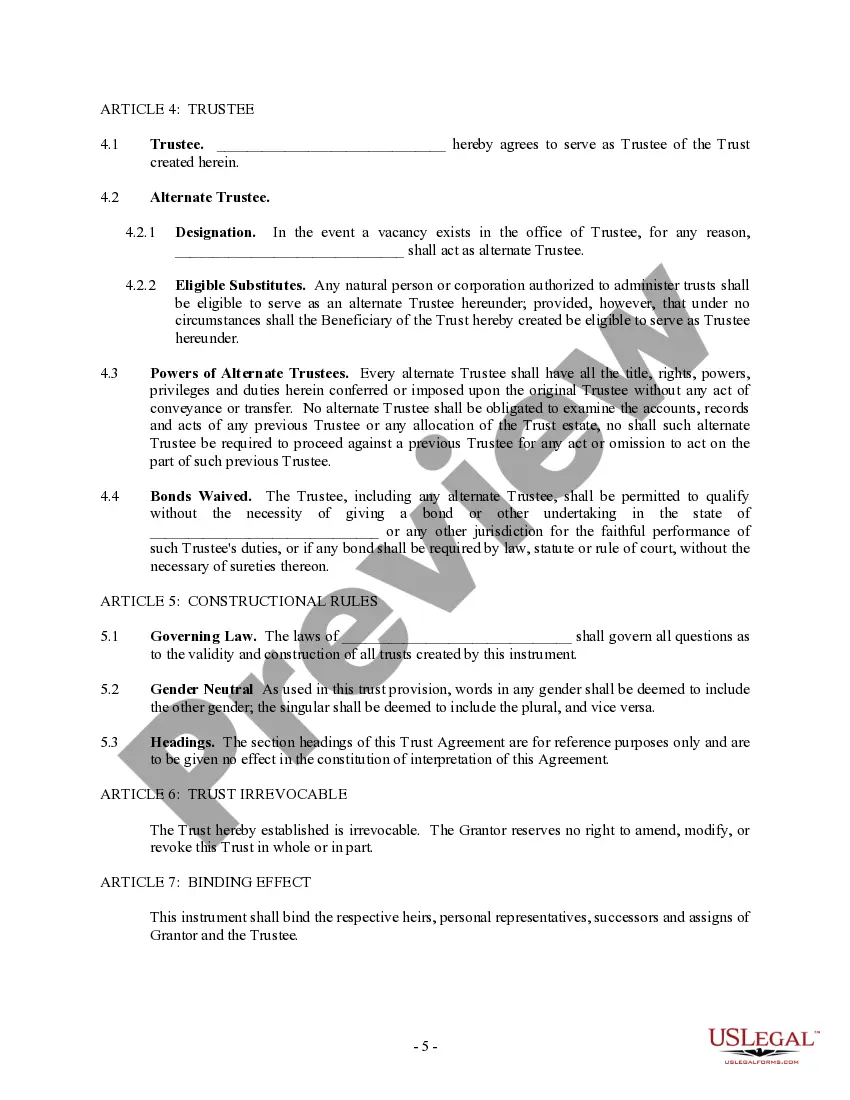
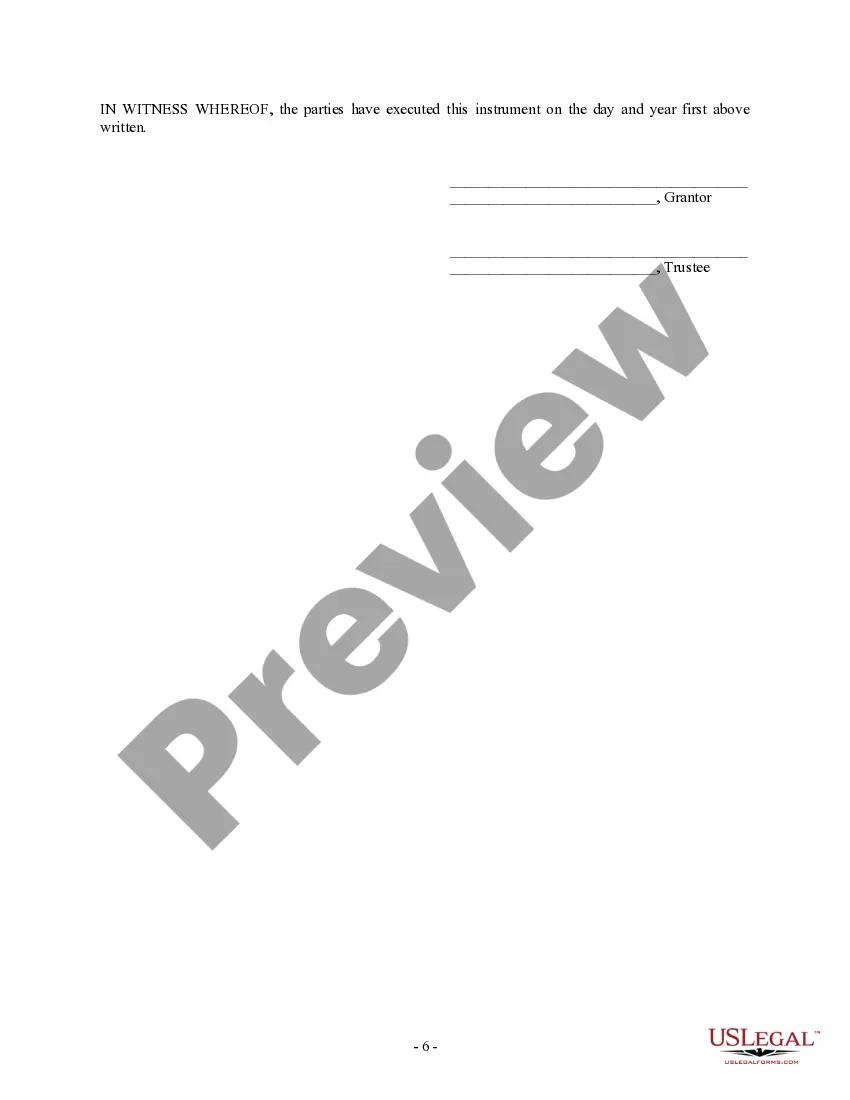
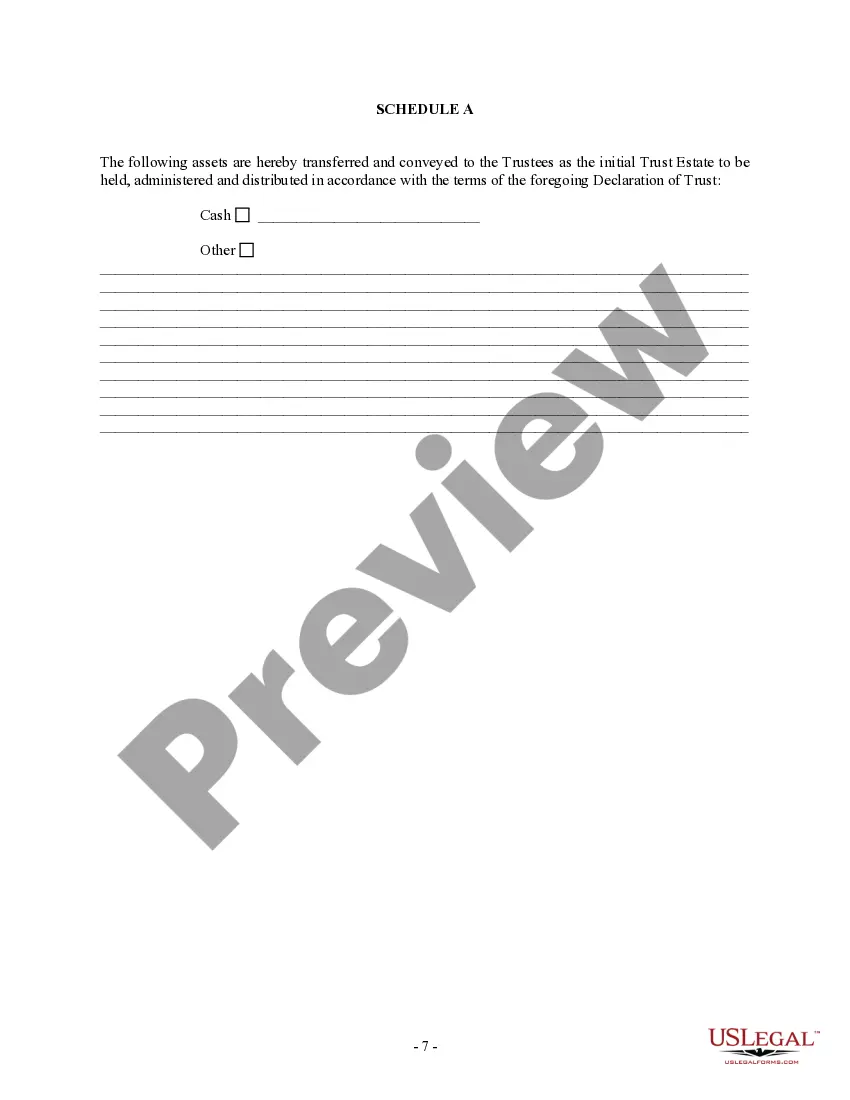
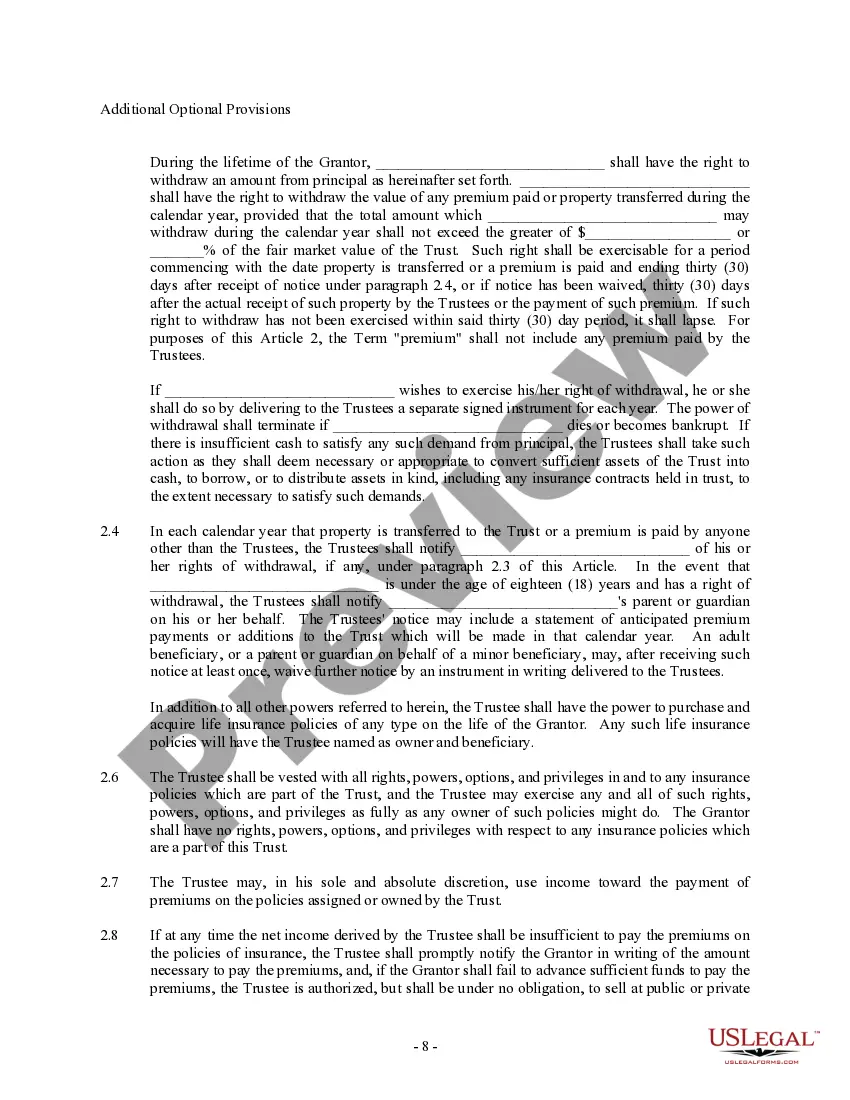
Suze Orman Revocable Trust With Mortgage
Description
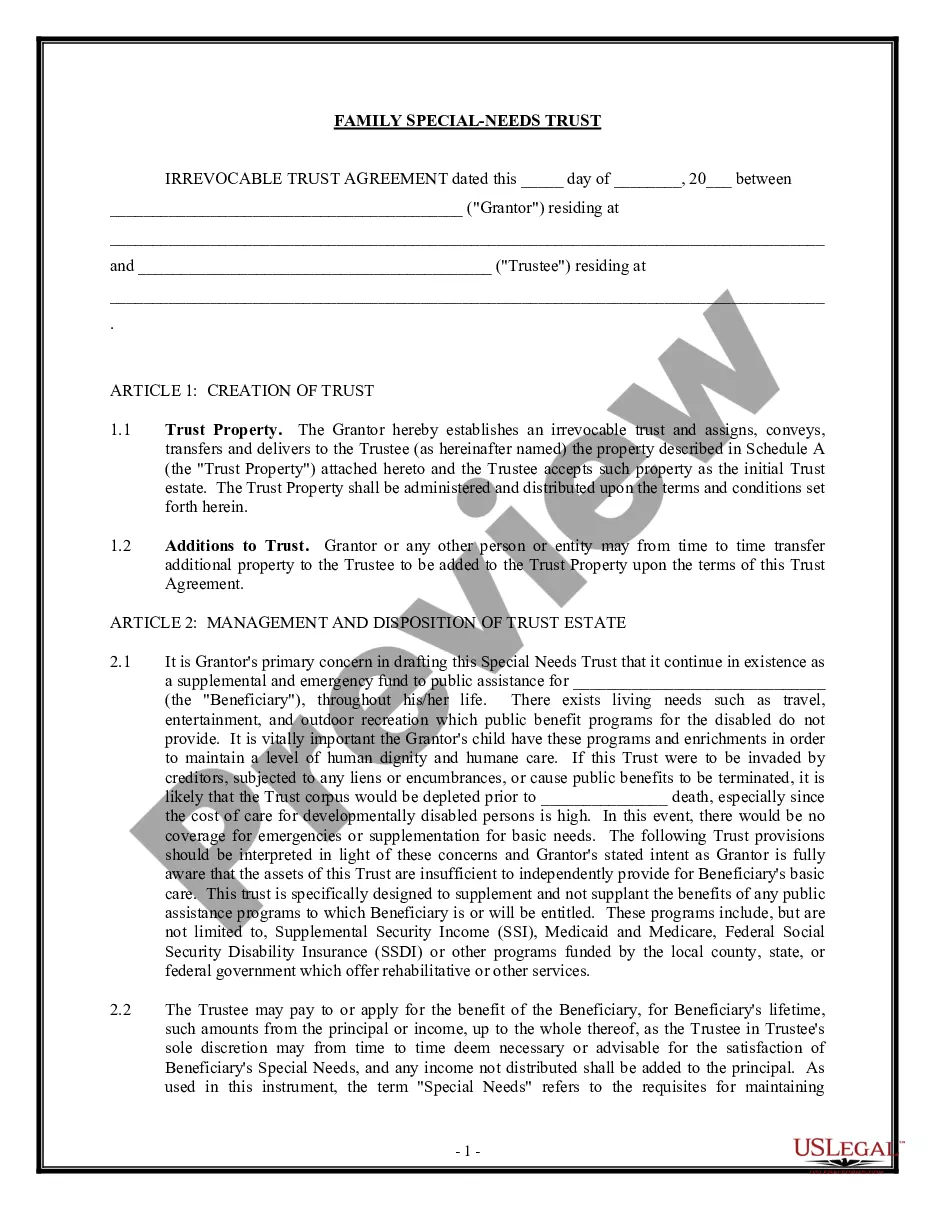
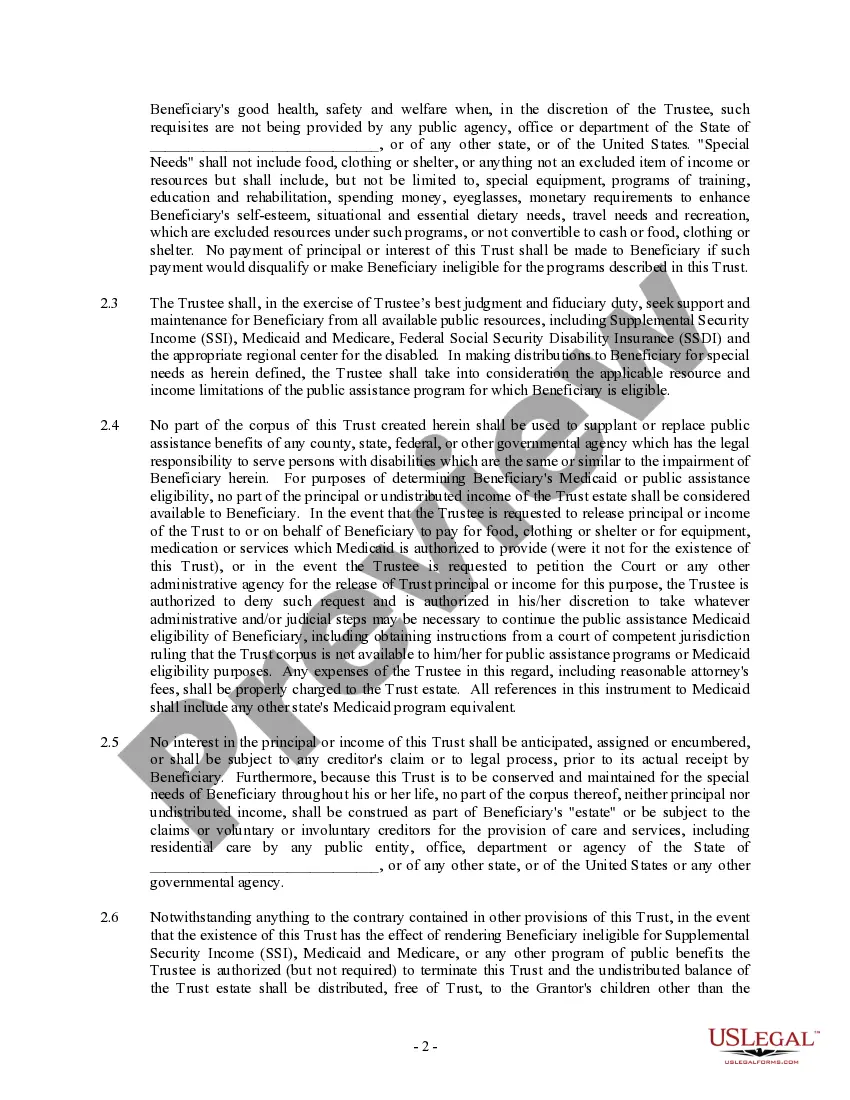
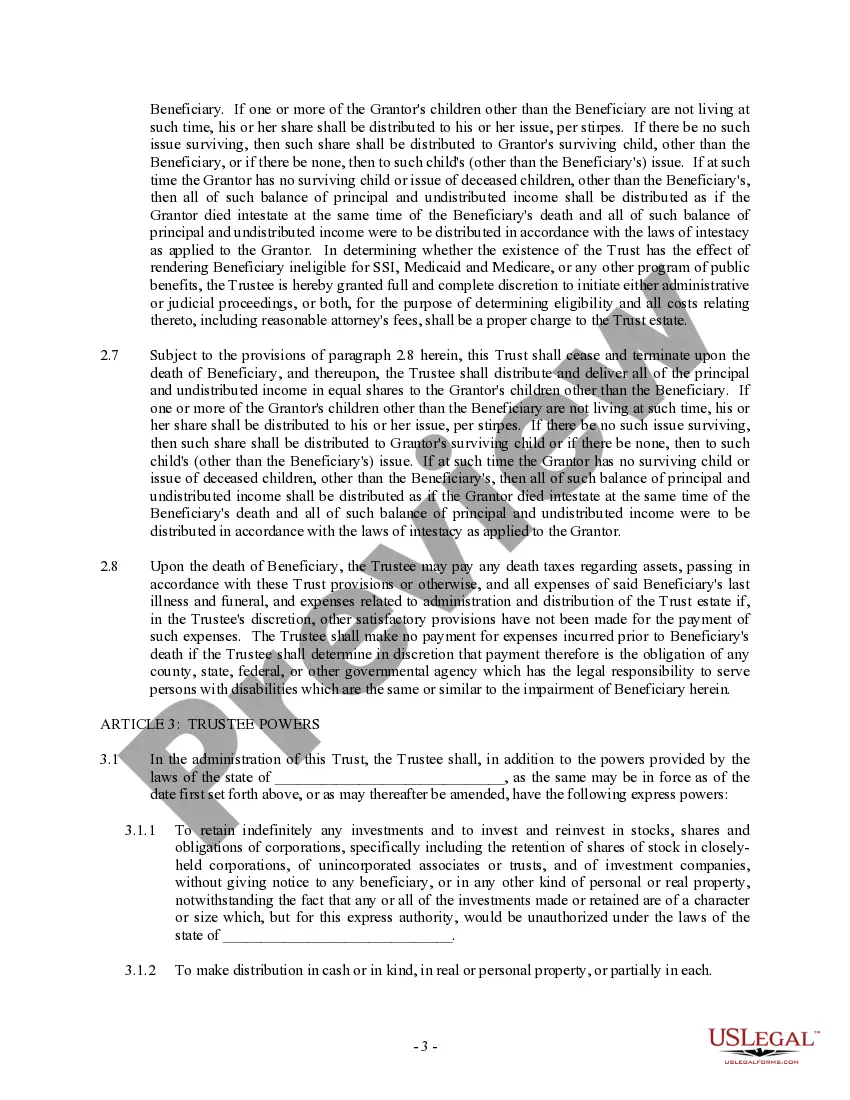
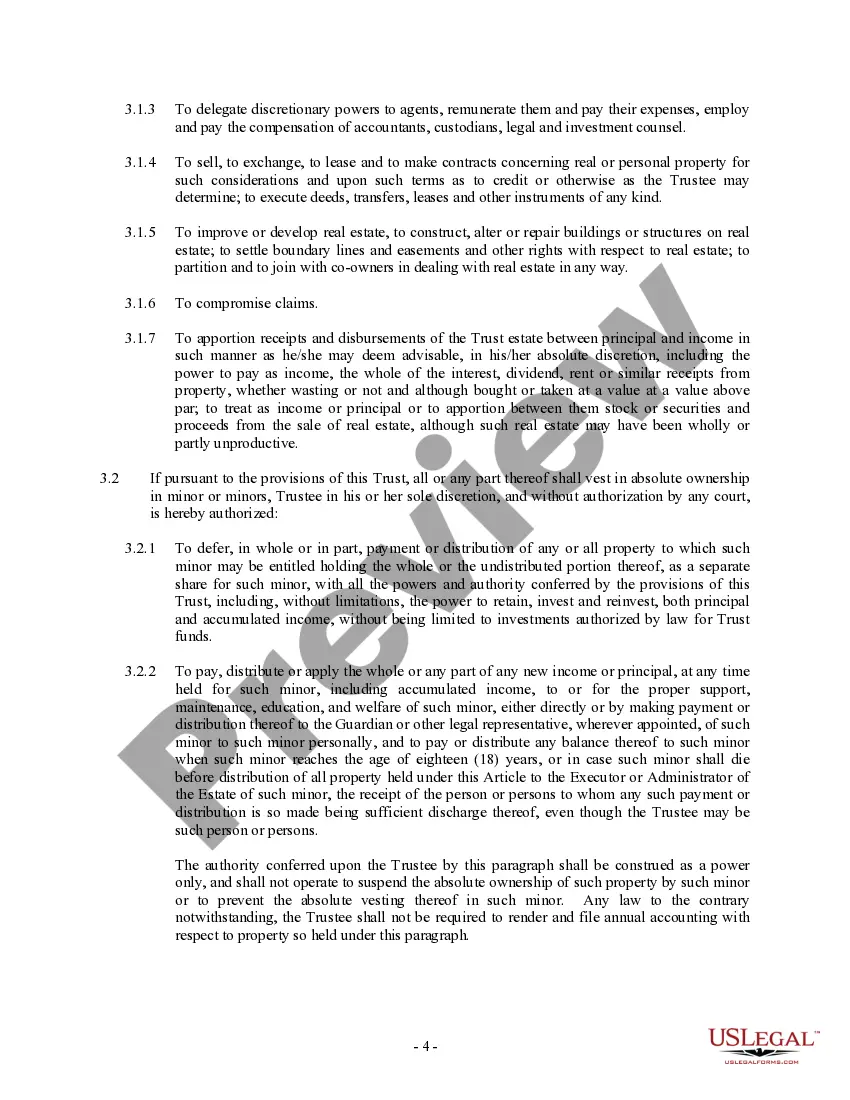
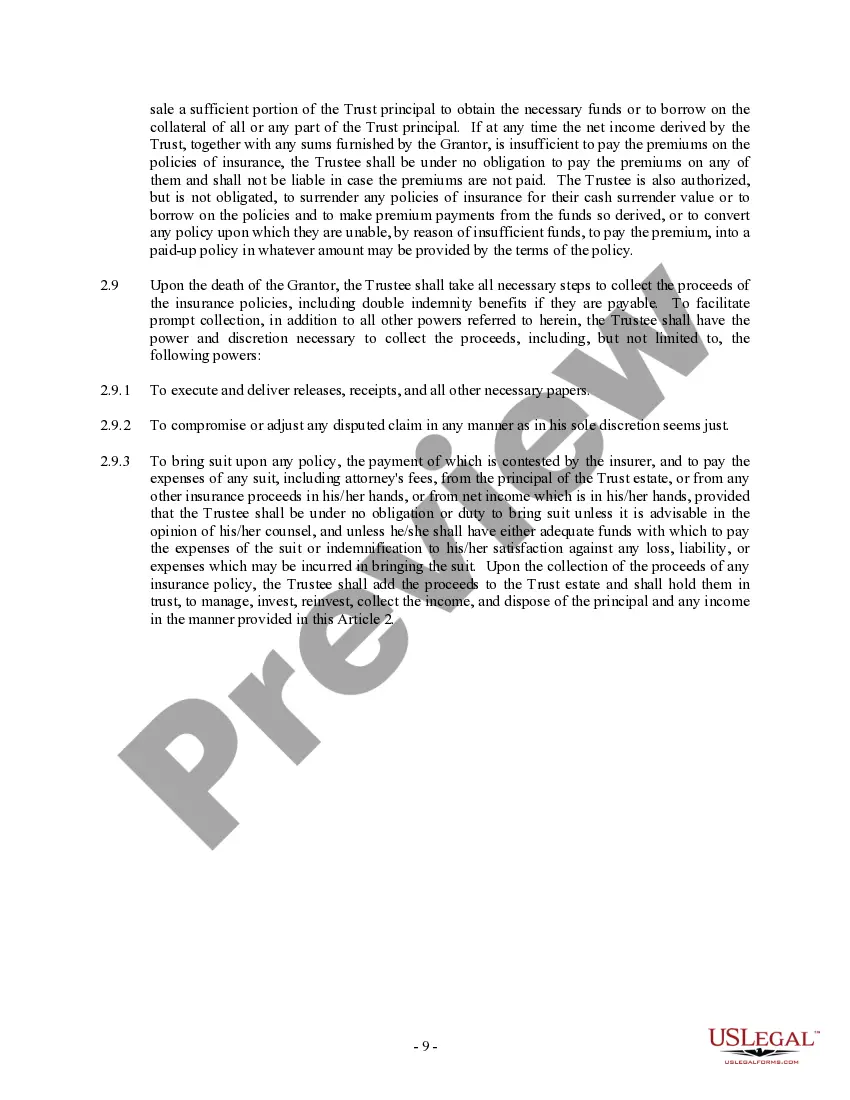
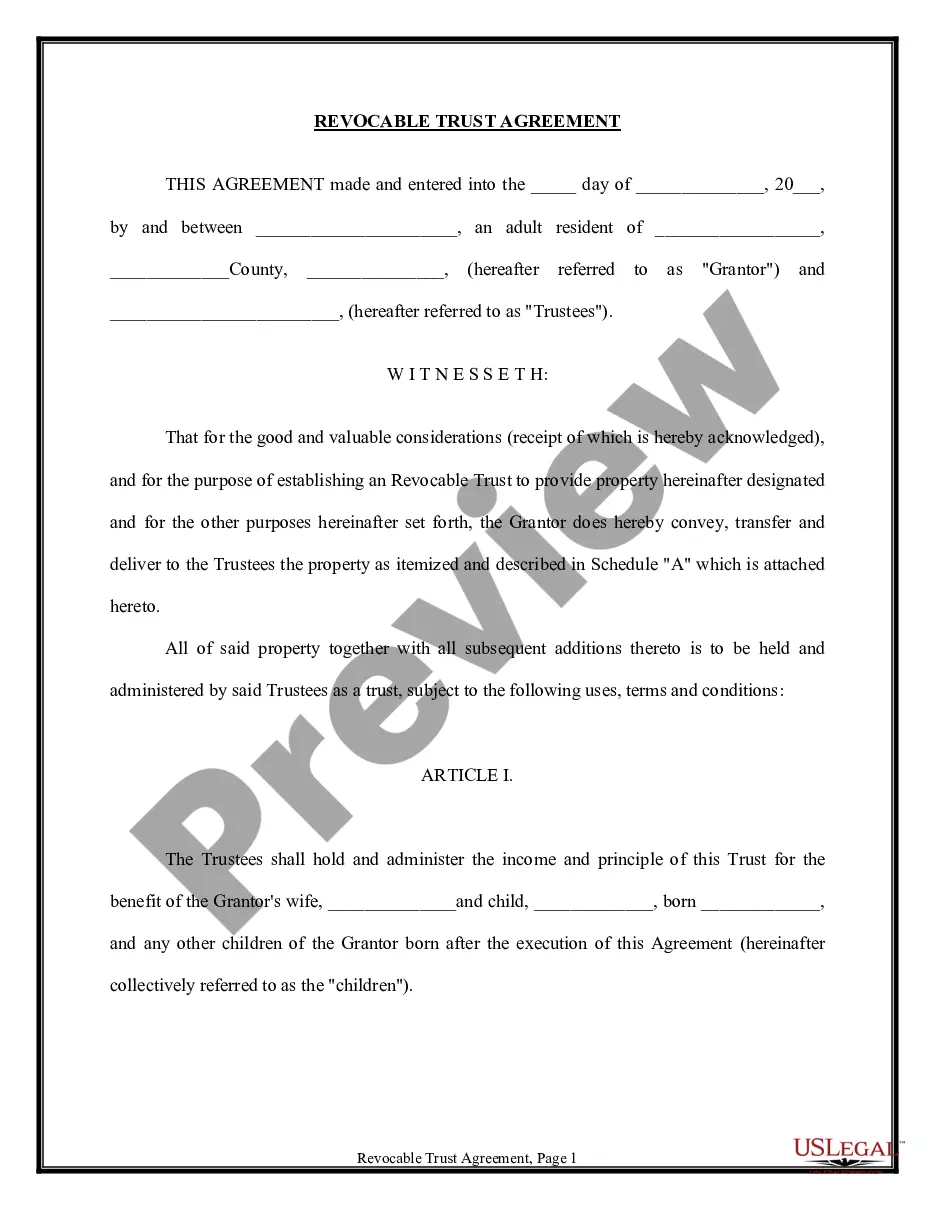
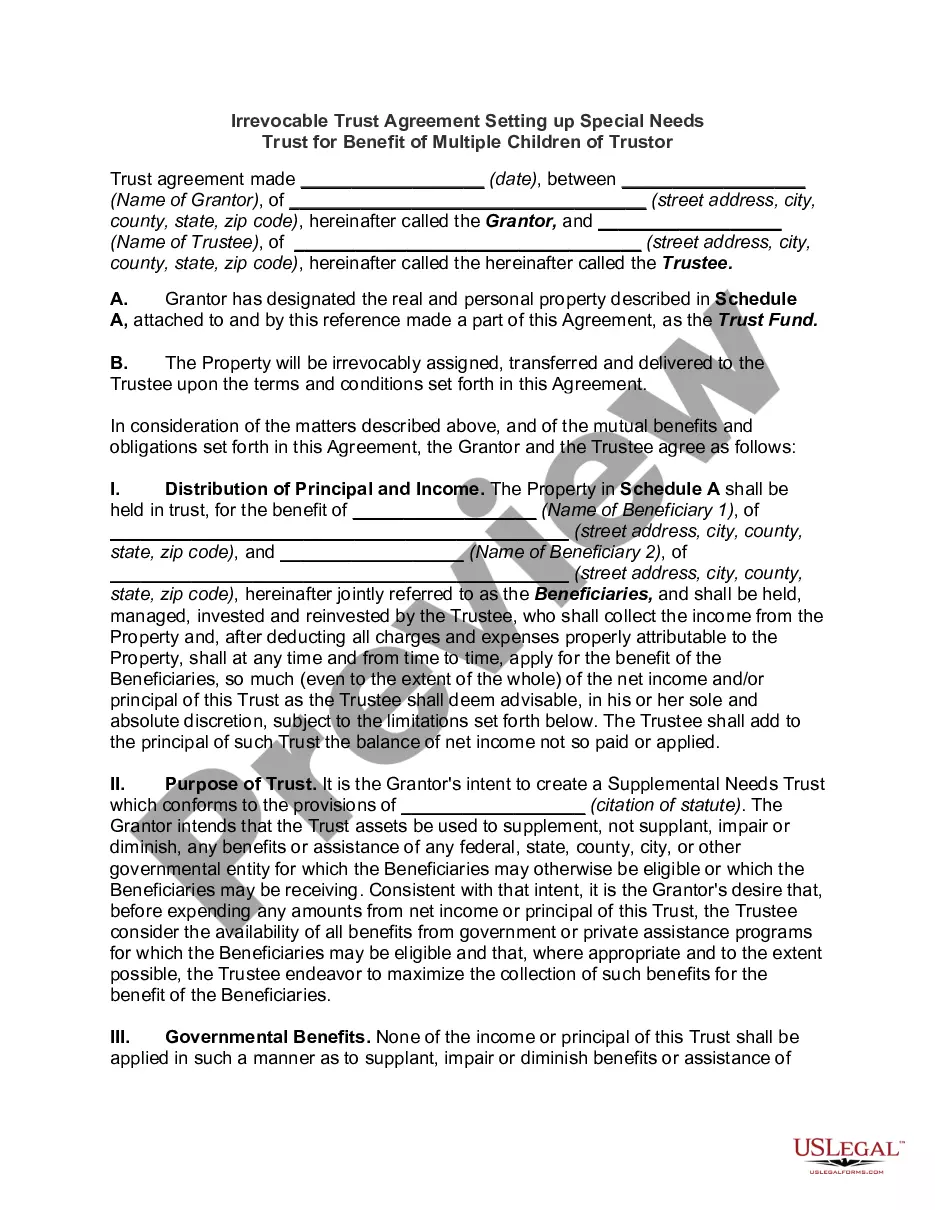
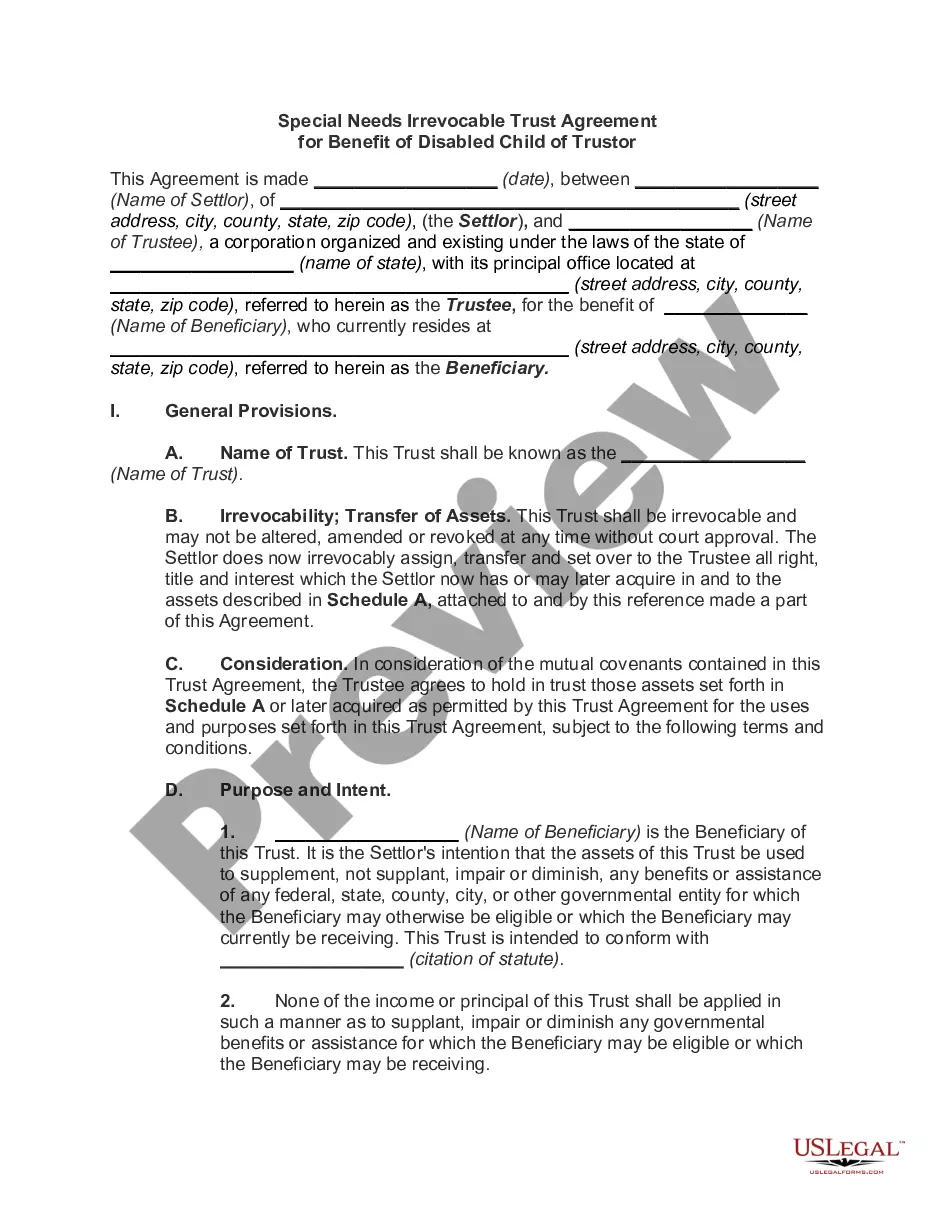
Get your form ready online
Our built-in tools help you complete, sign, share, and store your documents in one place.
Make edits, fill in missing information, and update formatting in US Legal Forms—just like you would in MS Word.
Download a copy, print it, send it by email, or mail it via USPS—whatever works best for your next step.
Sign and collect signatures with our SignNow integration. Send to multiple recipients, set reminders, and more. Go Premium to unlock E-Sign.
If this form requires notarization, complete it online through a secure video call—no need to meet a notary in person or wait for an appointment.
We protect your documents and personal data by following strict security and privacy standards.

Make edits, fill in missing information, and update formatting in US Legal Forms—just like you would in MS Word.

Download a copy, print it, send it by email, or mail it via USPS—whatever works best for your next step.

Sign and collect signatures with our SignNow integration. Send to multiple recipients, set reminders, and more. Go Premium to unlock E-Sign.

If this form requires notarization, complete it online through a secure video call—no need to meet a notary in person or wait for an appointment.

We protect your documents and personal data by following strict security and privacy standards.
Looking for another form?

How to fill out Trust Agreement - Family Special Needs?
It’s clear that you can’t become a legal authority instantly, nor can you determine how to swiftly assemble a Suze Orman Revocable Trust With Mortgage without possessing a specialized skill set.
Compiling legal documents is a lengthy endeavor that necessitates a specific education and expertise. So why not entrust the crafting of the Suze Orman Revocable Trust With Mortgage to the professionals.
With US Legal Forms, one of the most extensive legal document repositories, you can find anything from court documents to templates for internal corporate correspondence.
You can revisit your documents from the My documents tab at any time. If you’re an existing customer, you can simply Log In and find and download the template from the same tab.
Regardless of the aim of your documentation—whether financial, legal, or personal—our website has you covered. Try US Legal Forms today!
- Locate the document you require using the search bar at the top of the page.
- View it (if this option is available) and read the accompanying description to ascertain whether the Suze Orman Revocable Trust With Mortgage is what you need.
- Initiate your search again if you seek a different form.
- Create a free account and select a subscription plan to acquire the form.
- Click Buy now. Once the transaction is finalized, you can obtain the Suze Orman Revocable Trust With Mortgage, fill it out, print it, and deliver it or mail it to the designated recipients or organizations.
Form popularity
FAQ
Creditors will receive notice of a Chapter 7 bankruptcy through Form 309A or Form 309B for individuals (Form 309C or Form 309D for corporations or partnerships), depending on whether a proof of claim deadline has been set in the case. Form 309I is used to notify creditors of a Chapter 13 bankruptcy.
In a Chapter 7 bankruptcy, assets are liquidated to pay creditors, with secured debts having priority over unsecured debts. In a Chapter 11 bankruptcy, a company is restructured under the supervision of a trustee appointed by the court. The company continues to operate, paying its debts back with future earnings.
Official Form 309C (For Corporations or Partnerships) Notice of Chapter 7 Bankruptcy Case - No Proof of Claim Deadline.
While Chapter 7 is about liquidating a business or personal debt, Chapter 11 is designed to reorganize crippling debt while keeping a business open and maintaining day-to-day operations.
Secured creditors are first in line, as their claims over assets are often secured by collateral and a contract. Some assets may have multiple liens placed upon them; in these cases, the first lien has priority over the second lien.
Legally speaking, a person can file for bankruptcies as many times as they want. However, the process becomes more restrictive. With a second bankruptcy, you will not qualify for an automatic bankruptcy discharge in nine months.
A Chapter 11 reorganization plan outlines how a debtor proposes to pay off its outstanding debts. For most businesses who seek Chapter 11 bankruptcy, a reorganization plan will also propose a restructuring of operations to ensure that bankruptcy provides a more permanent solution to the debtor's financial problems.
If you receive this notice, it means one of three things: The address you provided for the creditor in your bankruptcy paperwork was incorrect, The court sent you notice of your own bankruptcy via this form, or. Someone who owes you money filed bankruptcy.
A chapter 7 bankruptcy case does not involve the filing of a plan of repayment as in chapter 13. Instead, the bankruptcy trustee gathers and sells the debtor's nonexempt assets and uses the proceeds of such assets to pay holders of claims (creditors) in ance with the provisions of the Bankruptcy Code.
While it may feel odd to pay fees to tell the courts you don't have enough money, you typically have to pay court fees to file for bankruptcy. The filing fee for a Chapter 7 bankruptcy is $338, while the filing fee for a Chapter 13 bankruptcy is $313.