Alabama Family Trust Withdrawal
Description
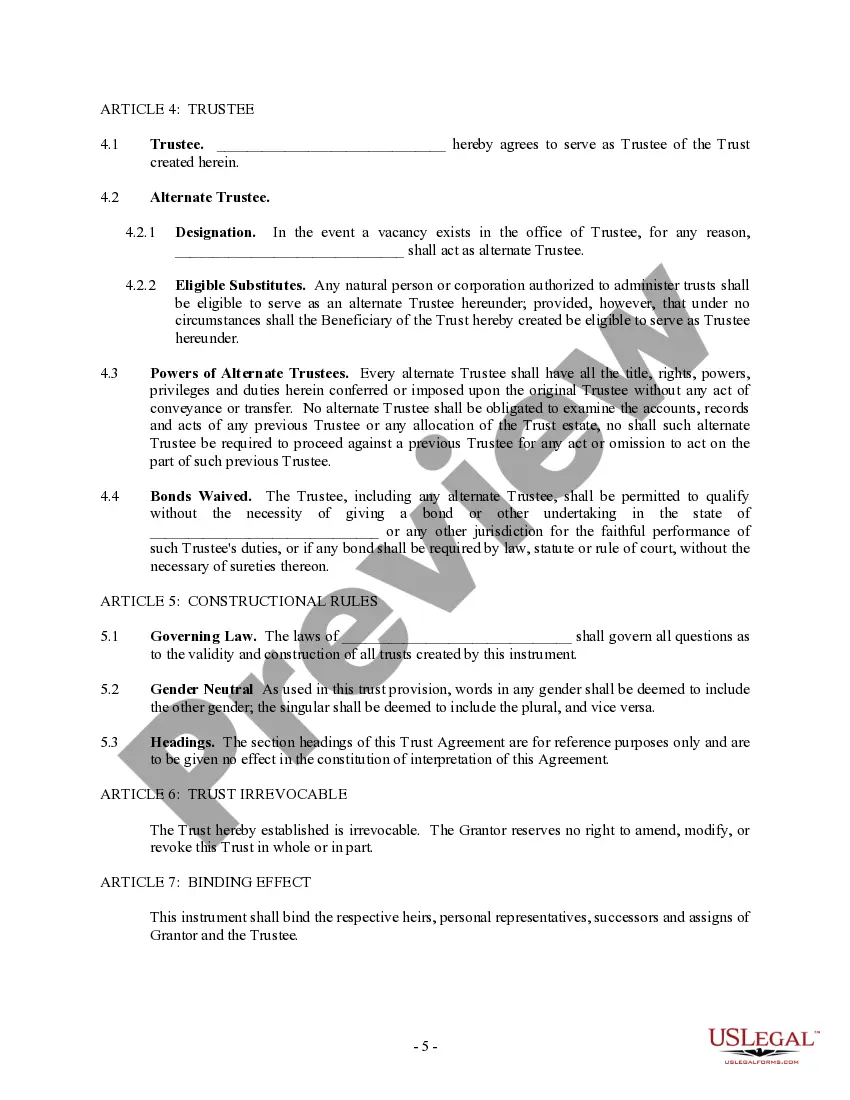

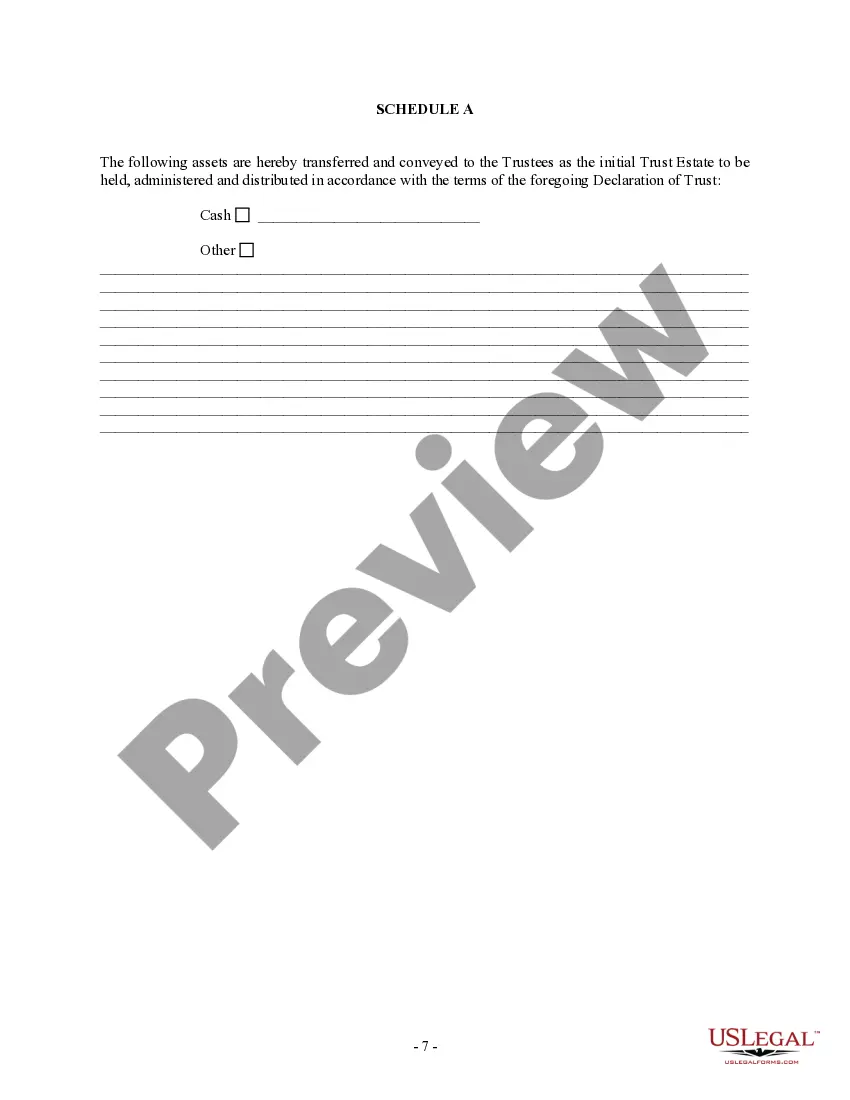
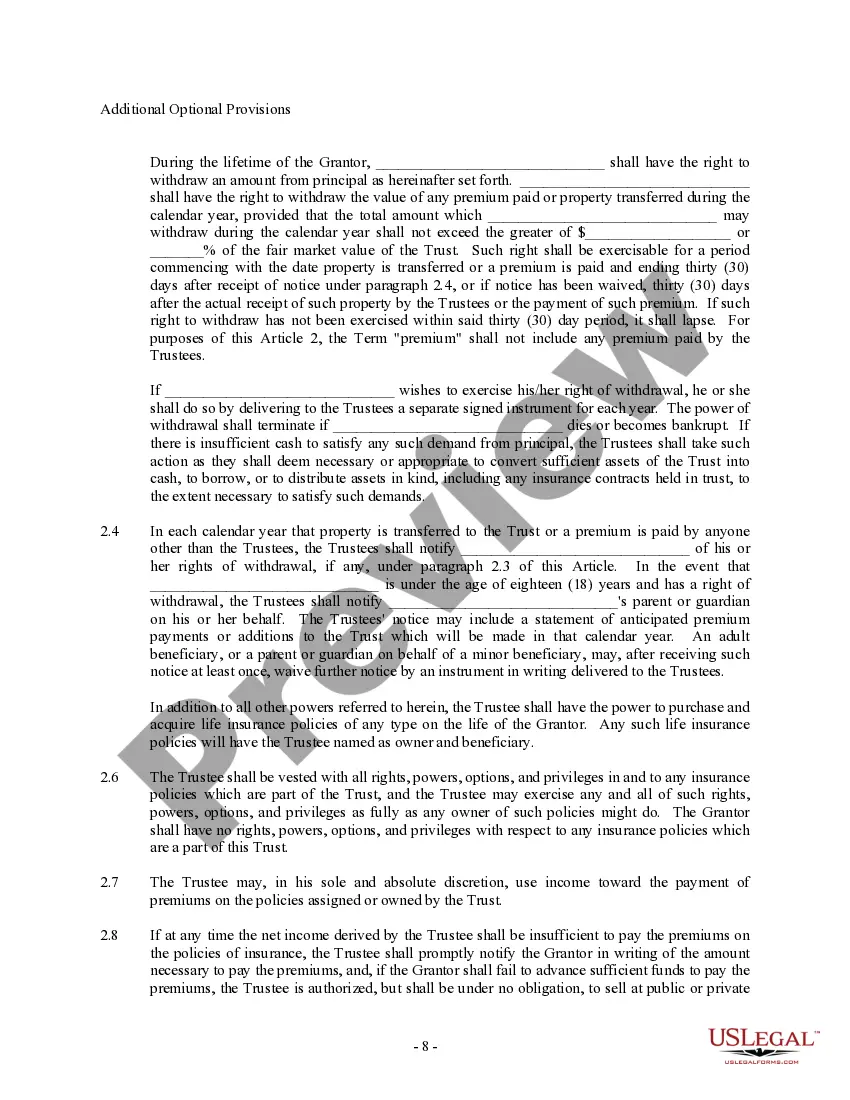
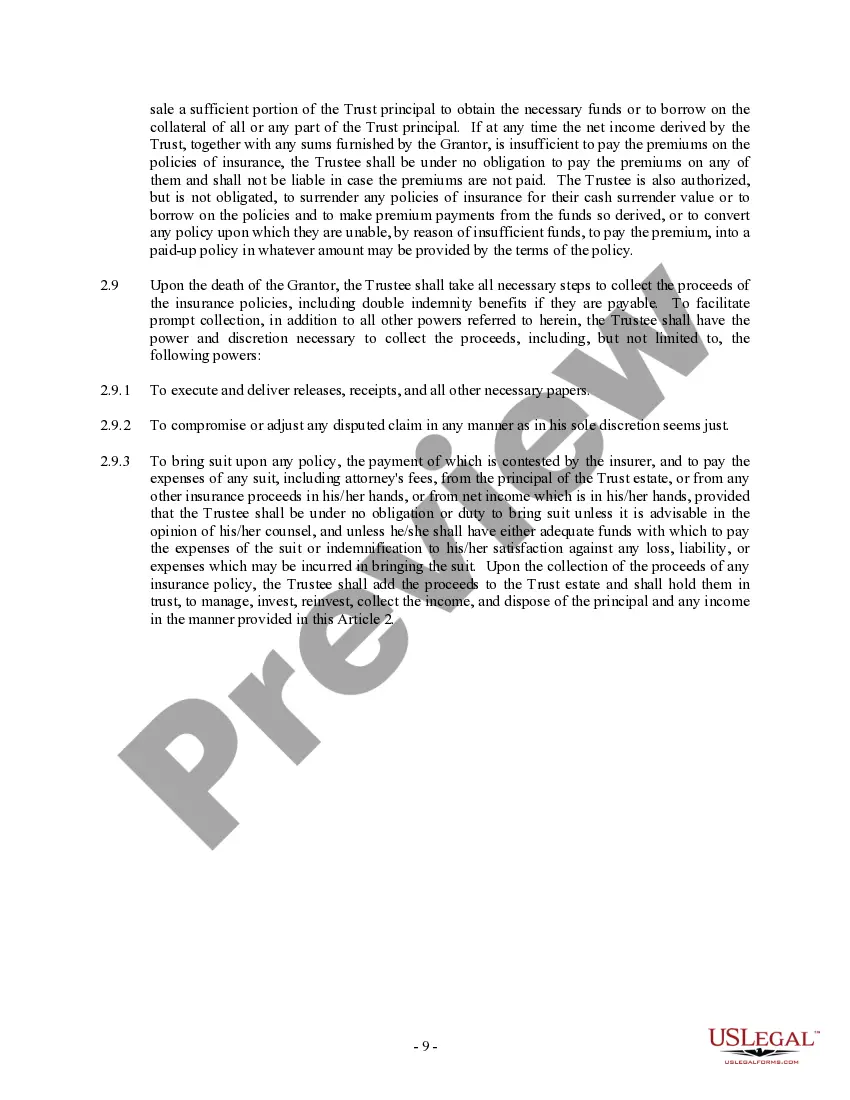
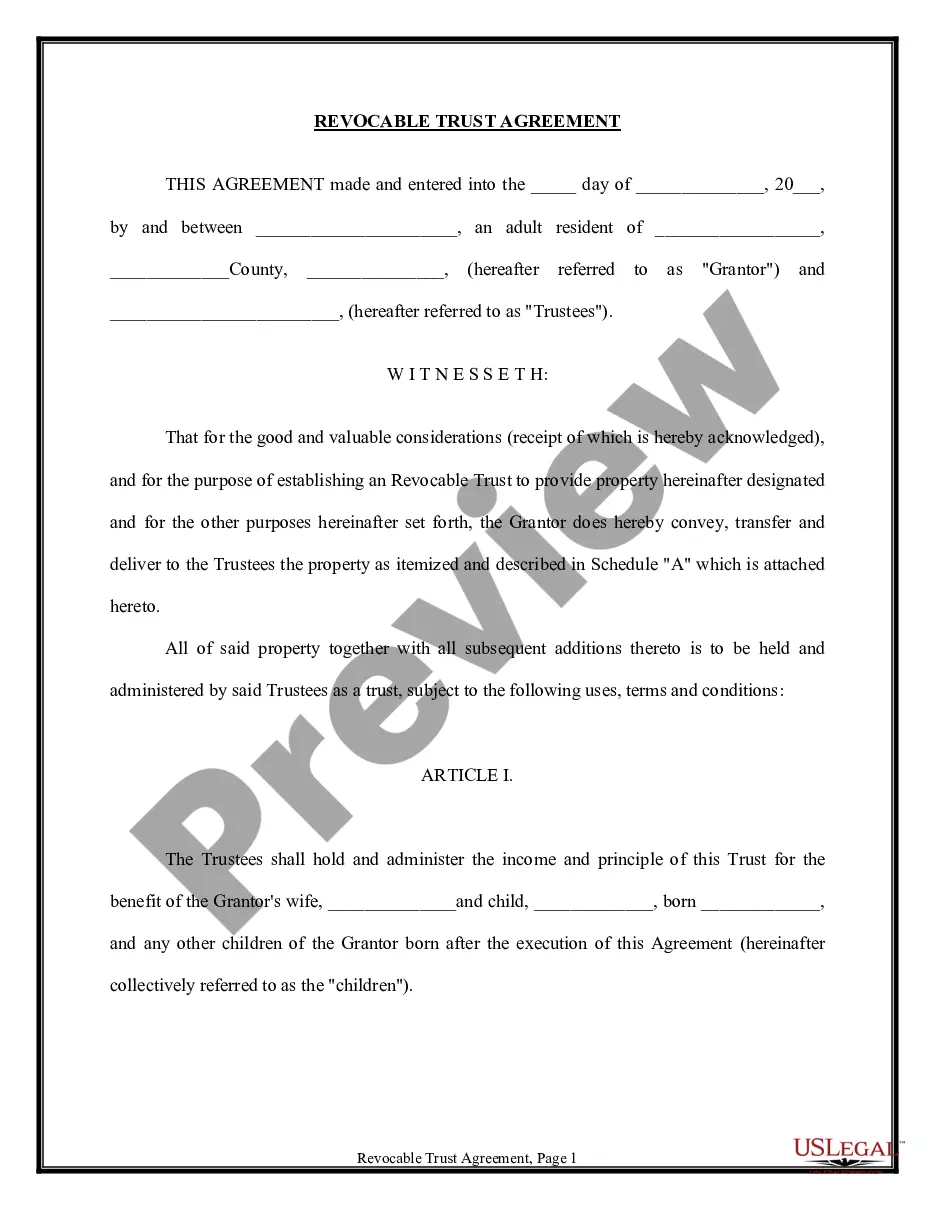


Get your form ready online
Our built-in tools help you complete, sign, share, and store your documents in one place.
Make edits, fill in missing information, and update formatting in US Legal Forms—just like you would in MS Word.
Download a copy, print it, send it by email, or mail it via USPS—whatever works best for your next step.
Sign and collect signatures with our SignNow integration. Send to multiple recipients, set reminders, and more. Go Premium to unlock E-Sign.
If this form requires notarization, complete it online through a secure video call—no need to meet a notary in person or wait for an appointment.
We protect your documents and personal data by following strict security and privacy standards.

Make edits, fill in missing information, and update formatting in US Legal Forms—just like you would in MS Word.

Download a copy, print it, send it by email, or mail it via USPS—whatever works best for your next step.

Sign and collect signatures with our SignNow integration. Send to multiple recipients, set reminders, and more. Go Premium to unlock E-Sign.

If this form requires notarization, complete it online through a secure video call—no need to meet a notary in person or wait for an appointment.

We protect your documents and personal data by following strict security and privacy standards.
Looking for another form?
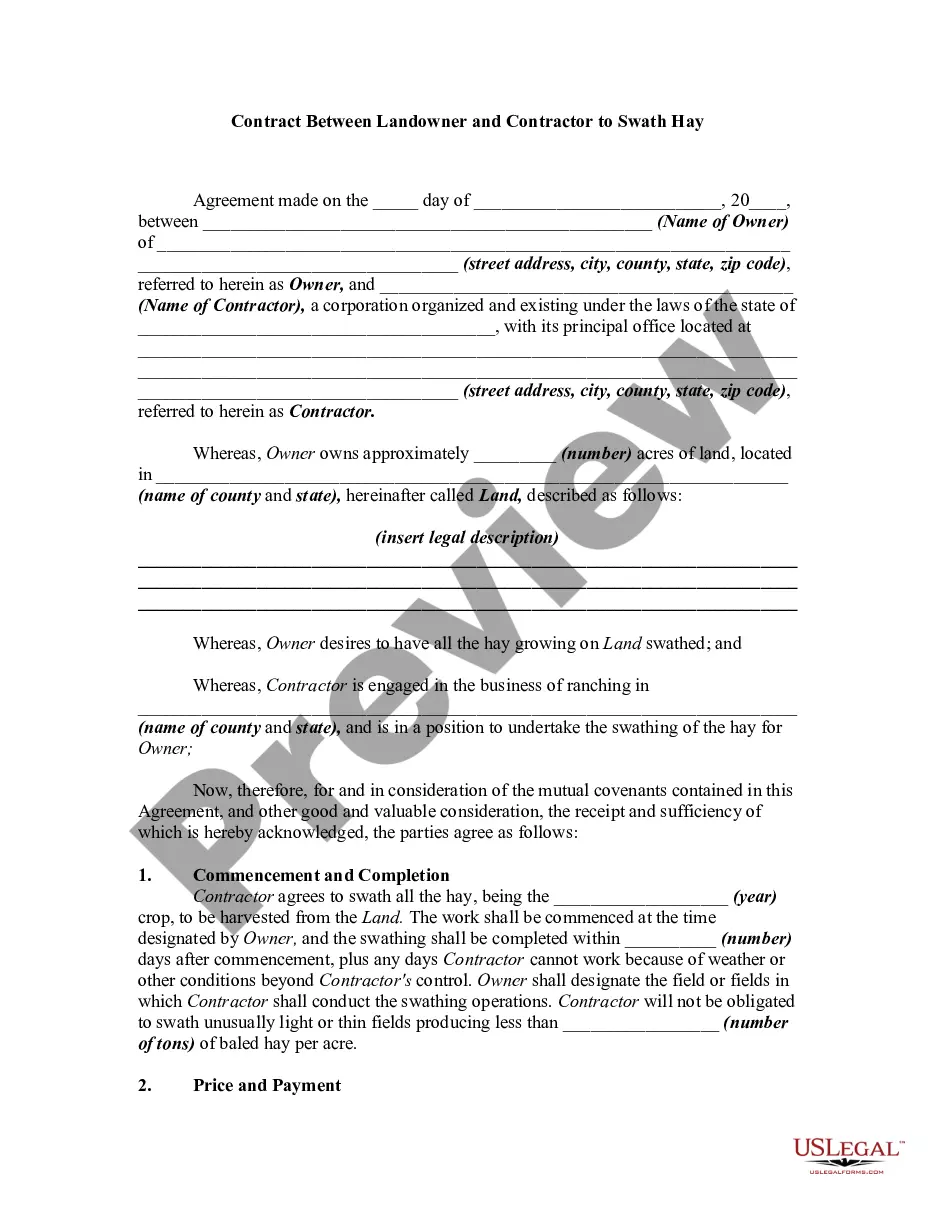
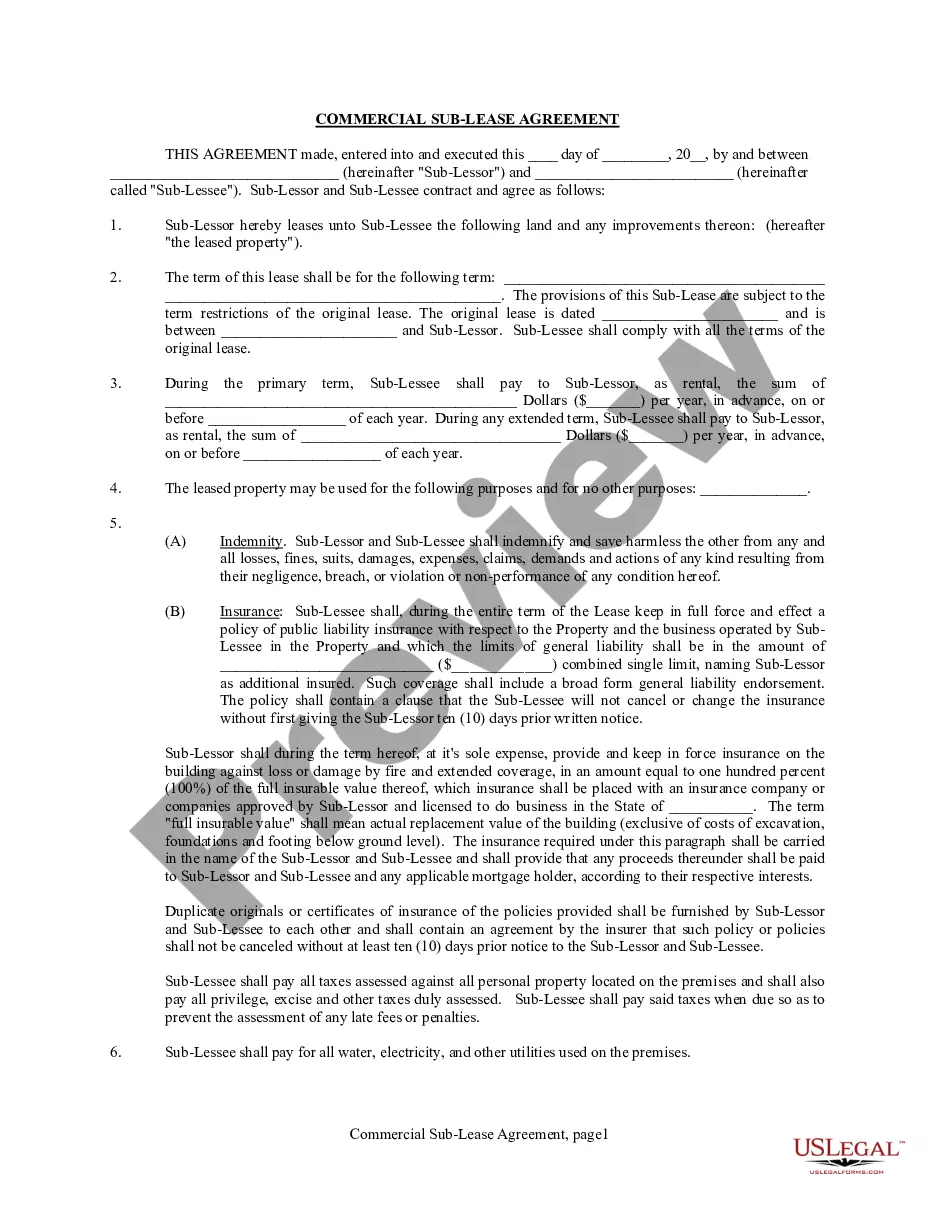

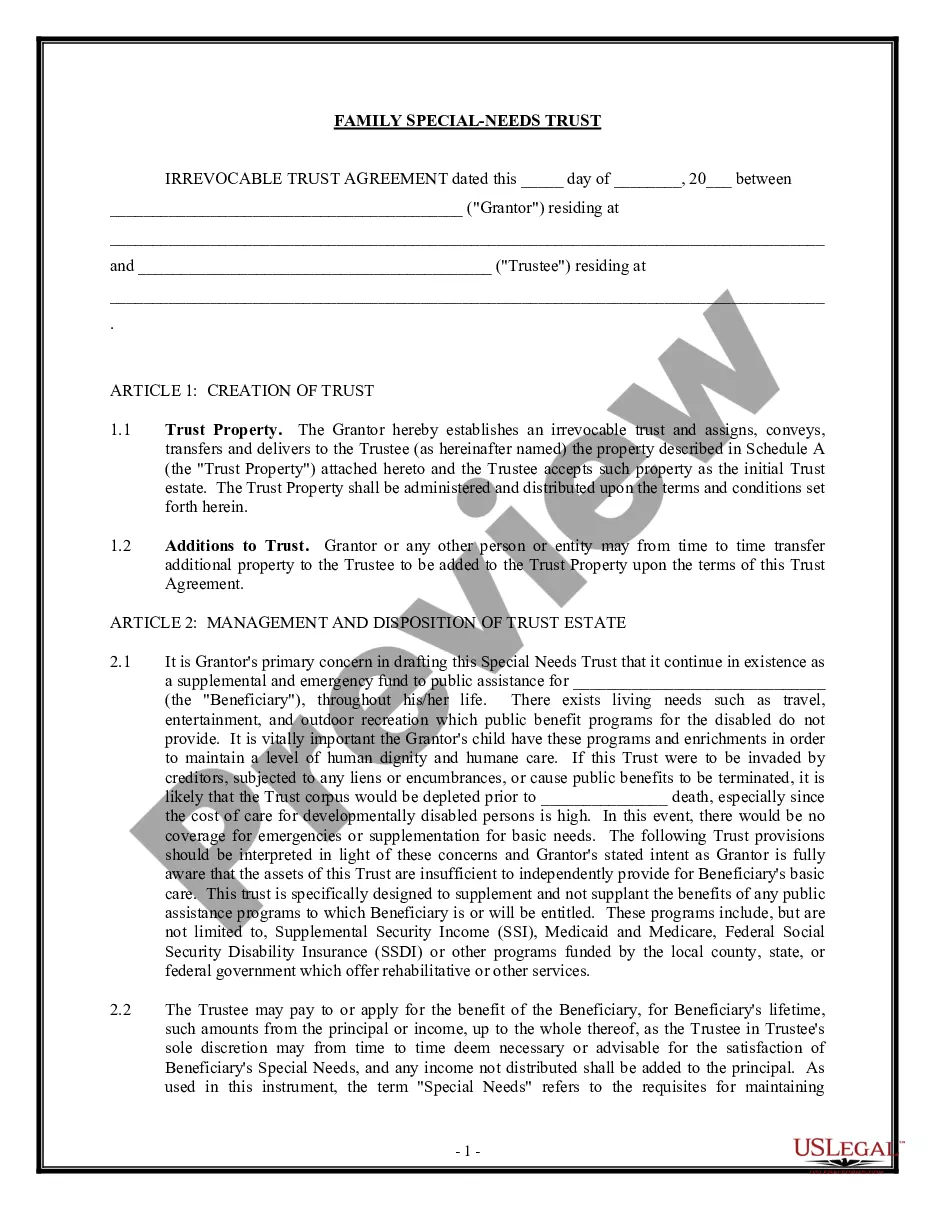
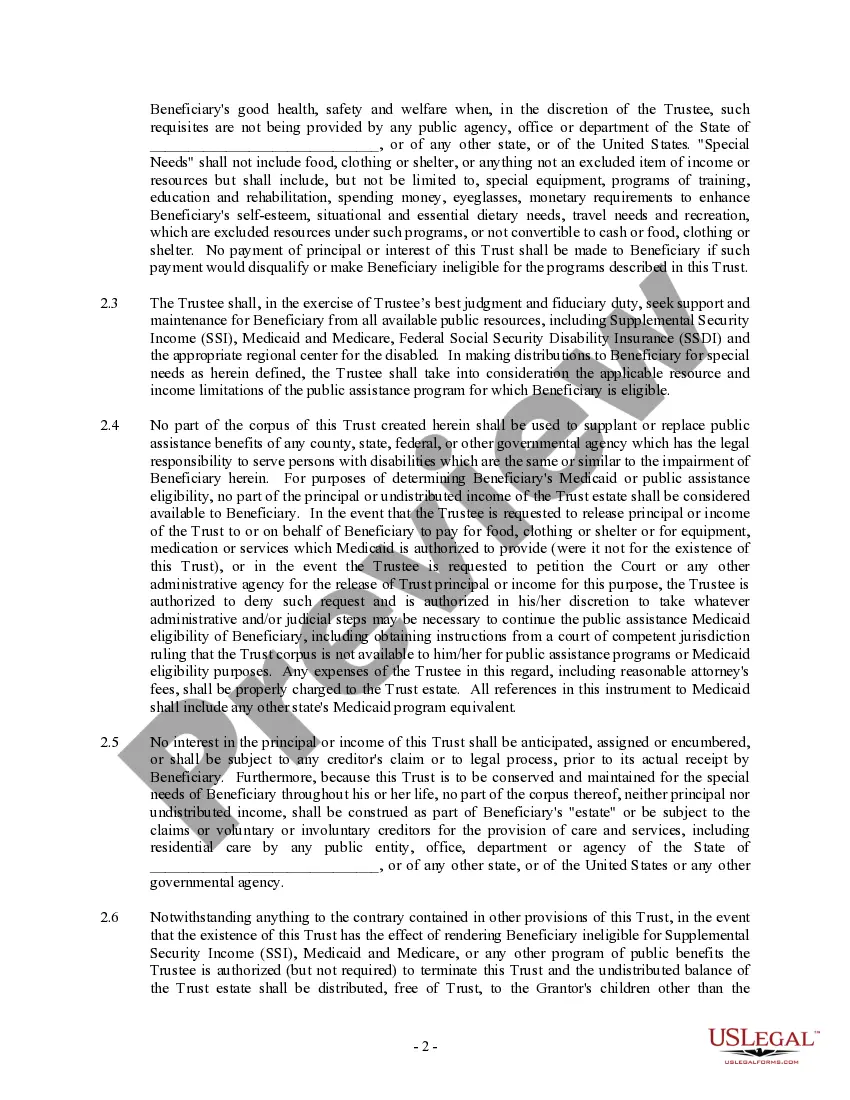
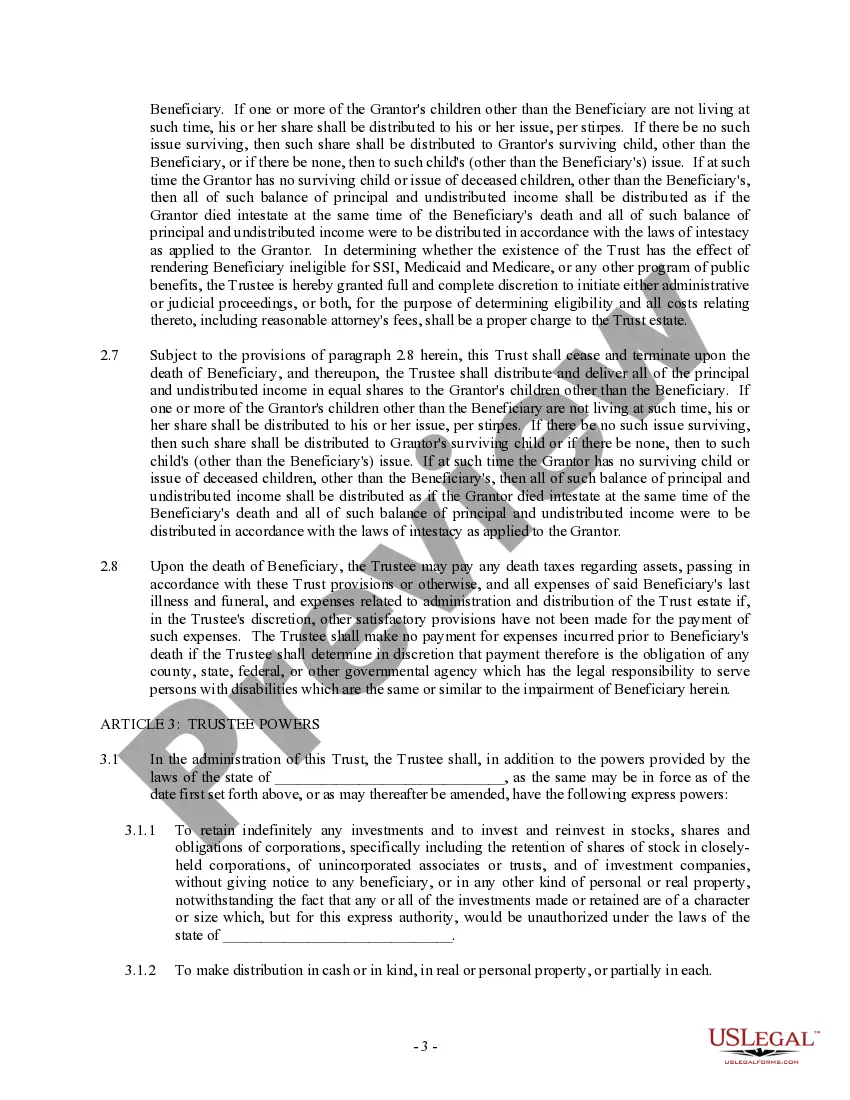
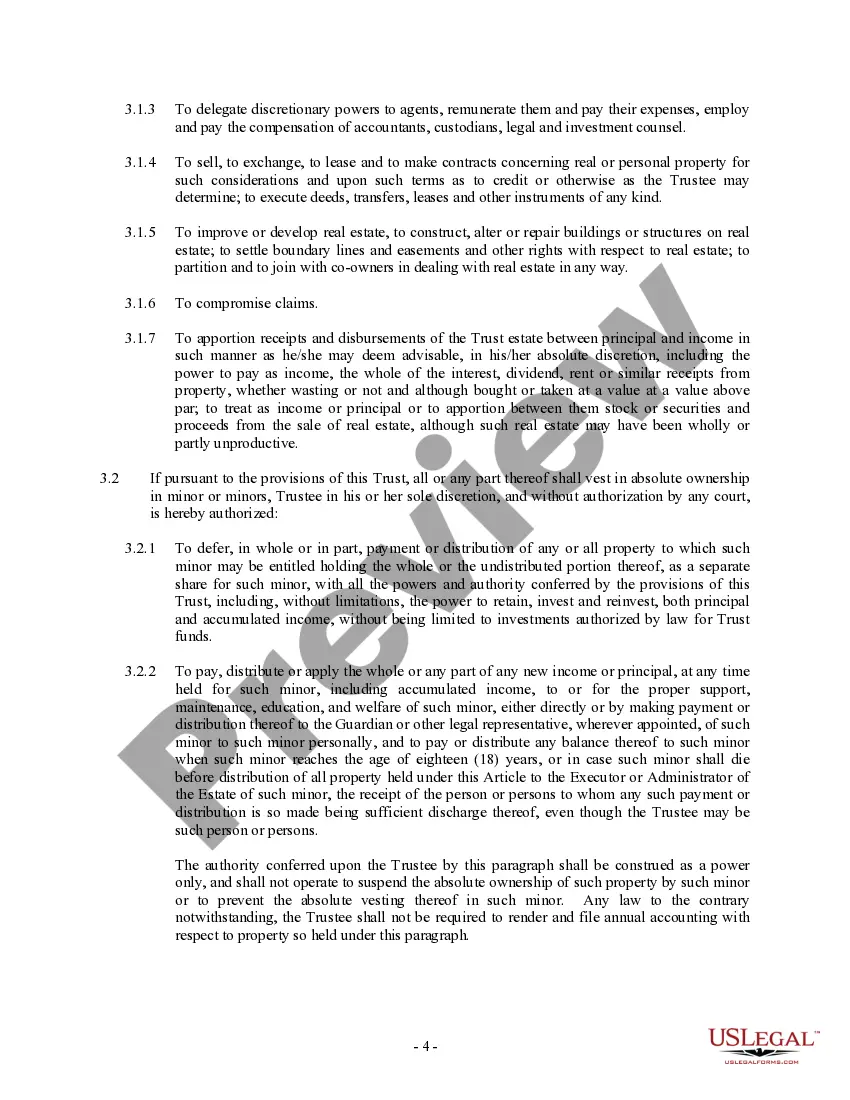
How to fill out Trust Agreement - Family Special Needs?
Legal paperwork management can be daunting, even for the most experienced professionals.
When you're looking for an Alabama Family Trust Withdrawal and don't have the time to dedicate to finding the correct and current version, the process can become stressful.
Tap into a valuable database of articles, guides, and manuals pertinent to your situation and requirements.
Save time and effort in finding the forms you require, and use US Legal Forms’ advanced search and Preview tool to identify Alabama Family Trust Withdrawal and obtain it.
Ensure that the sample is accepted in your state or county.
- If you have a monthly membership, Log In to your US Legal Forms account, search for the form, and obtain it.
- Check the My documents tab to review the documents you have previously obtained and to organize your folders as you prefer.
- If it’s your first experience with US Legal Forms, register for an account and enjoy unlimited access to all the benefits of the library.
- Here are the actions to take after acquiring the form you require.
- Confirm it is the appropriate form by previewing it and reviewing its details.
- Access state- or county-specific legal and business documents.
- US Legal Forms accommodates any needs you might have, from personal to business paperwork, all in a single location.
- Employ sophisticated tools to complete and handle your Alabama Family Trust Withdrawal.
Form popularity
FAQ
So can a trustee withdraw money from a trust they own? Yes, you could withdraw money from your own trust if you're the trustee. Since you have an interest in the trust and its assets, you could withdraw money as you see fit or as needed. You can also move assets in or out of the trust.
Just choose your preferred account on the ATM screen. If you use the credit card function on your Trust card at an ATM, this means you are taking a cash advance. Note that supplementary cardholders cannot take out a cash advance. If you use the debit card function, you are withdrawing cash from your savings account.
With an irrevocable trust, the transfer of assets is permanent. So once the trust is created and assets are transferred, they generally can't be taken out again. You can still act as the trustee but you'd be limited to withdrawing money only on an as-needed basis to cover necessary expenses.
The trust can pay out a lump sum or percentage of the funds, make incremental payments throughout the years, or even make distributions based on the trustee's assessments. Whatever the grantor decides, their distribution method must be included in the trust agreement drawn up when they first set up the trust.
Beneficiaries of a trust typically pay taxes on distributions they receive from the trust's income. However, they are not subject to taxes on distributions from the trust's principal.