Stock Options For Employees Explained
Description
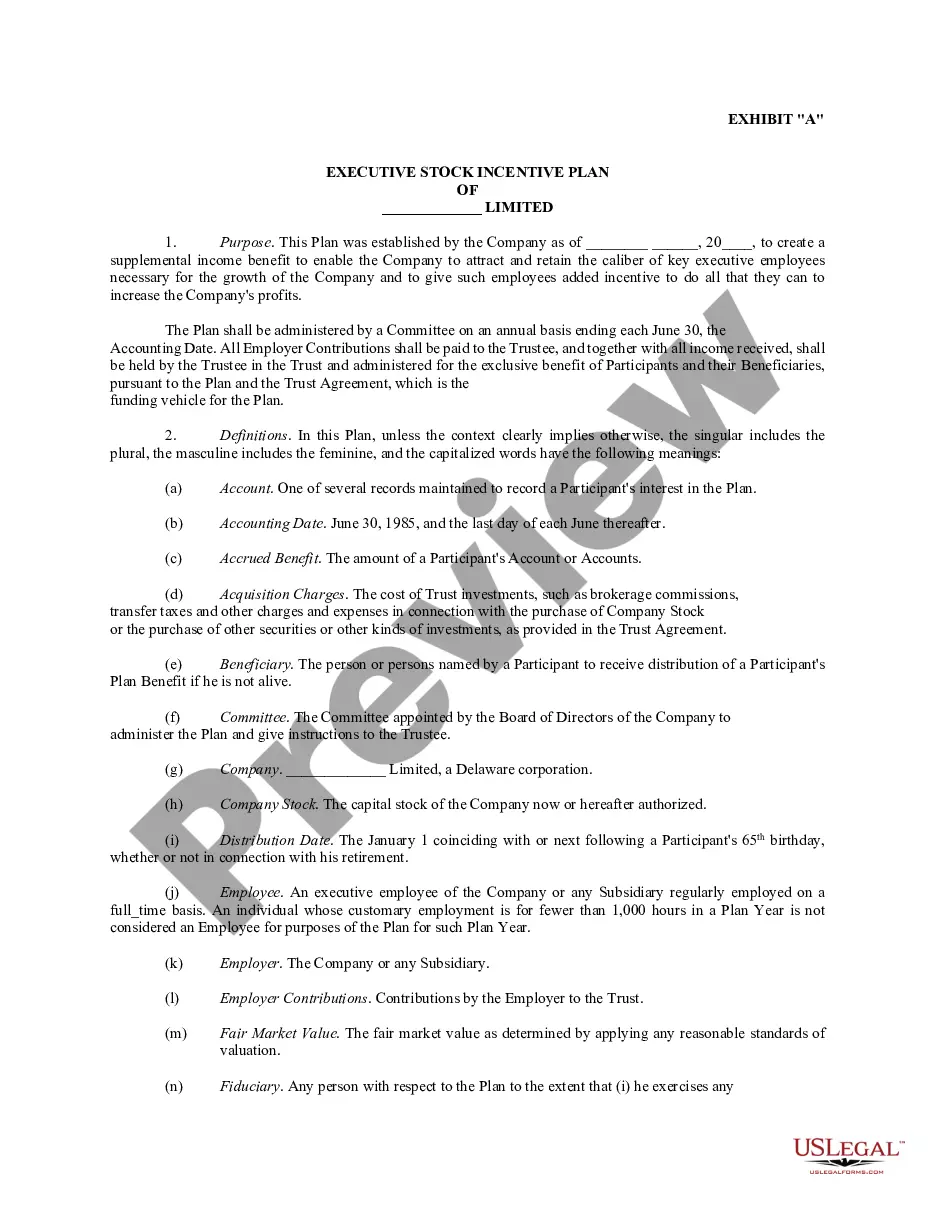
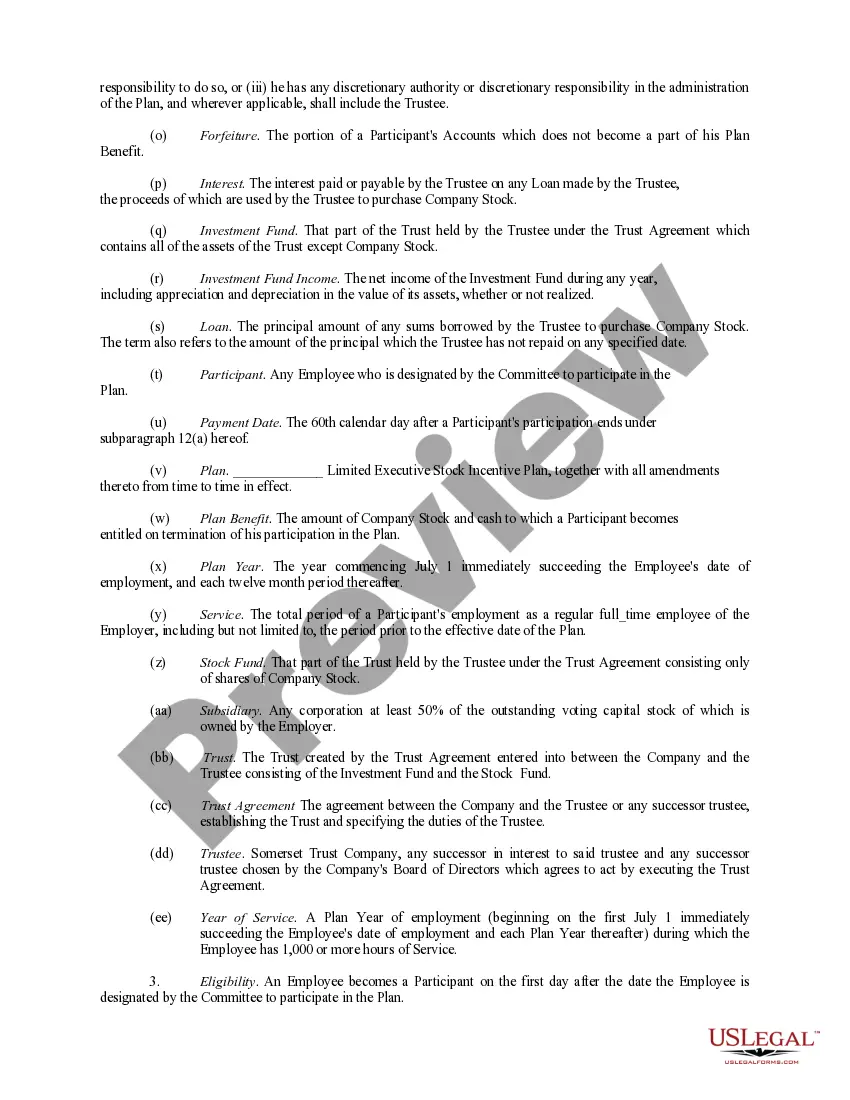
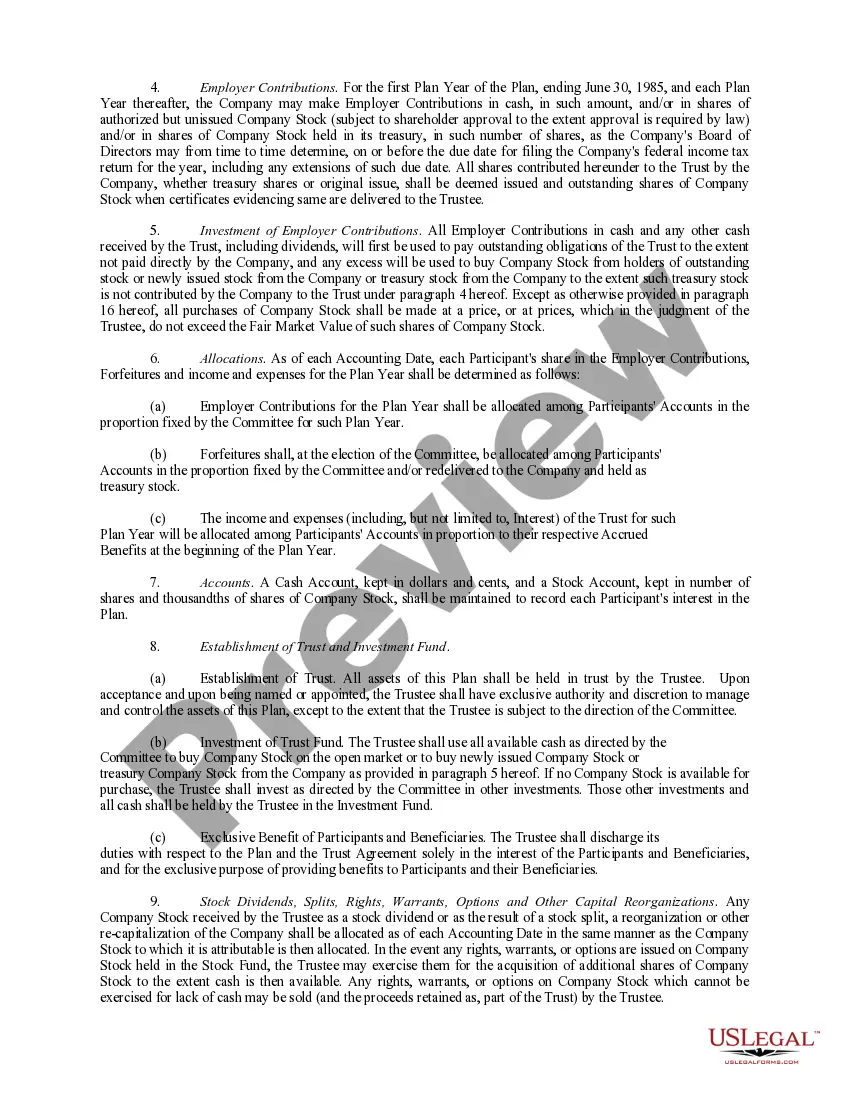

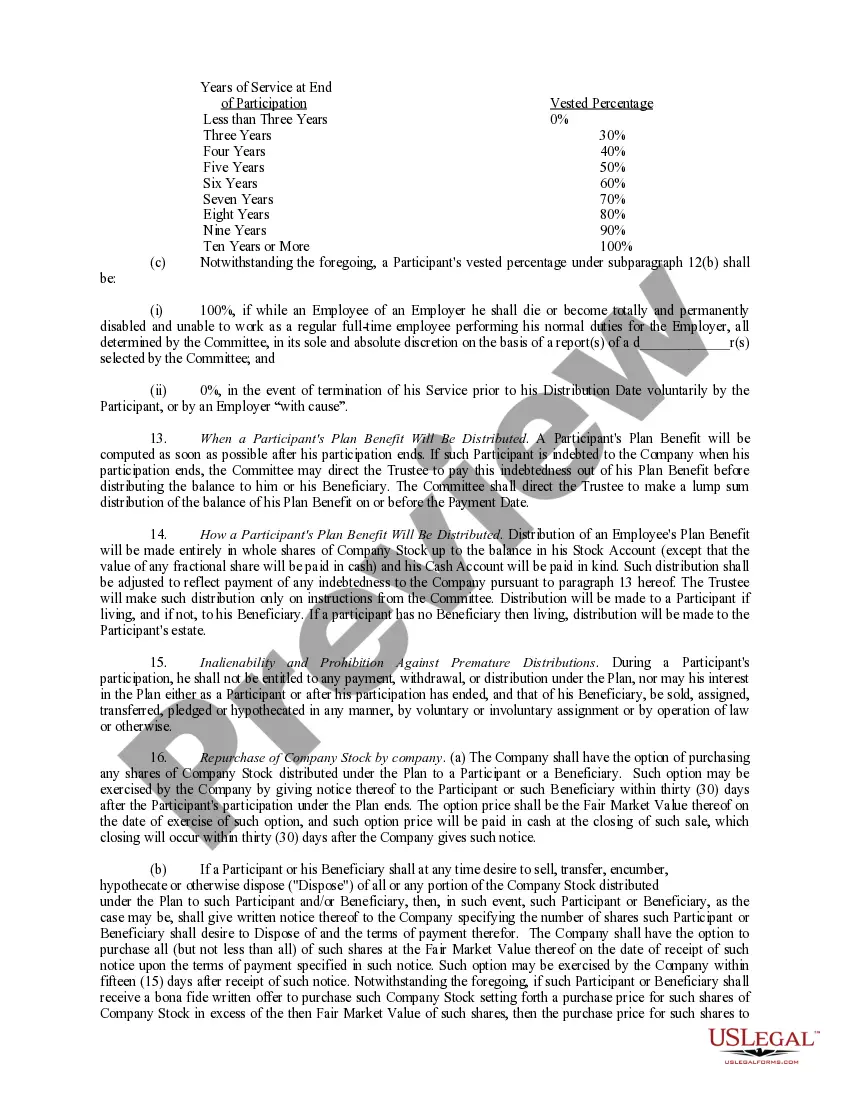
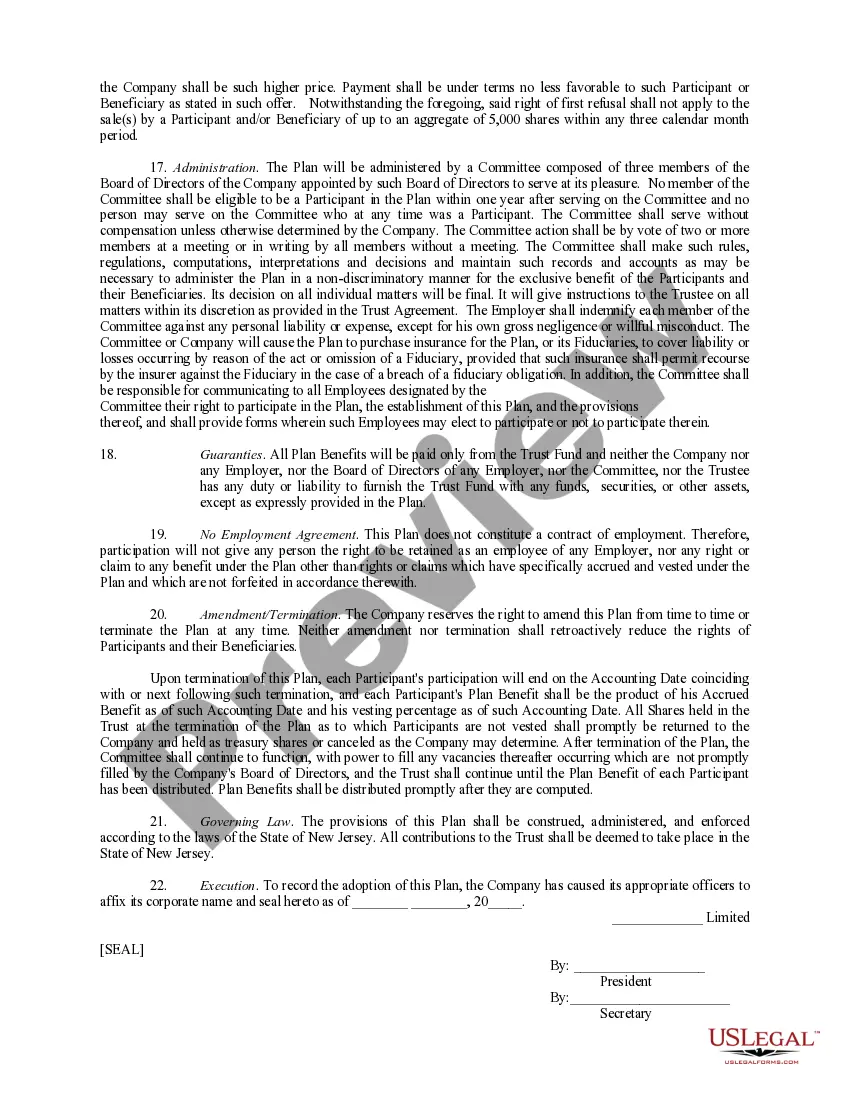
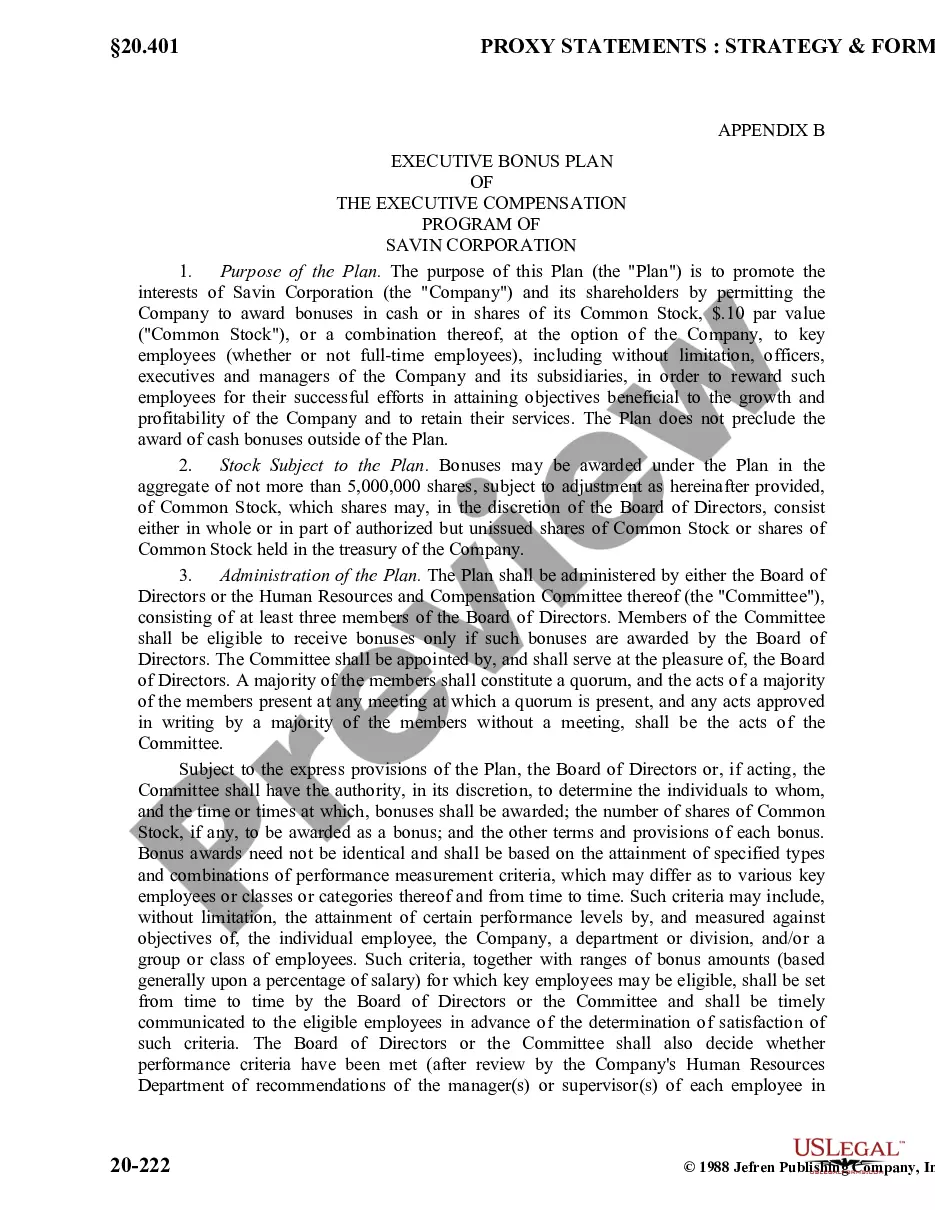
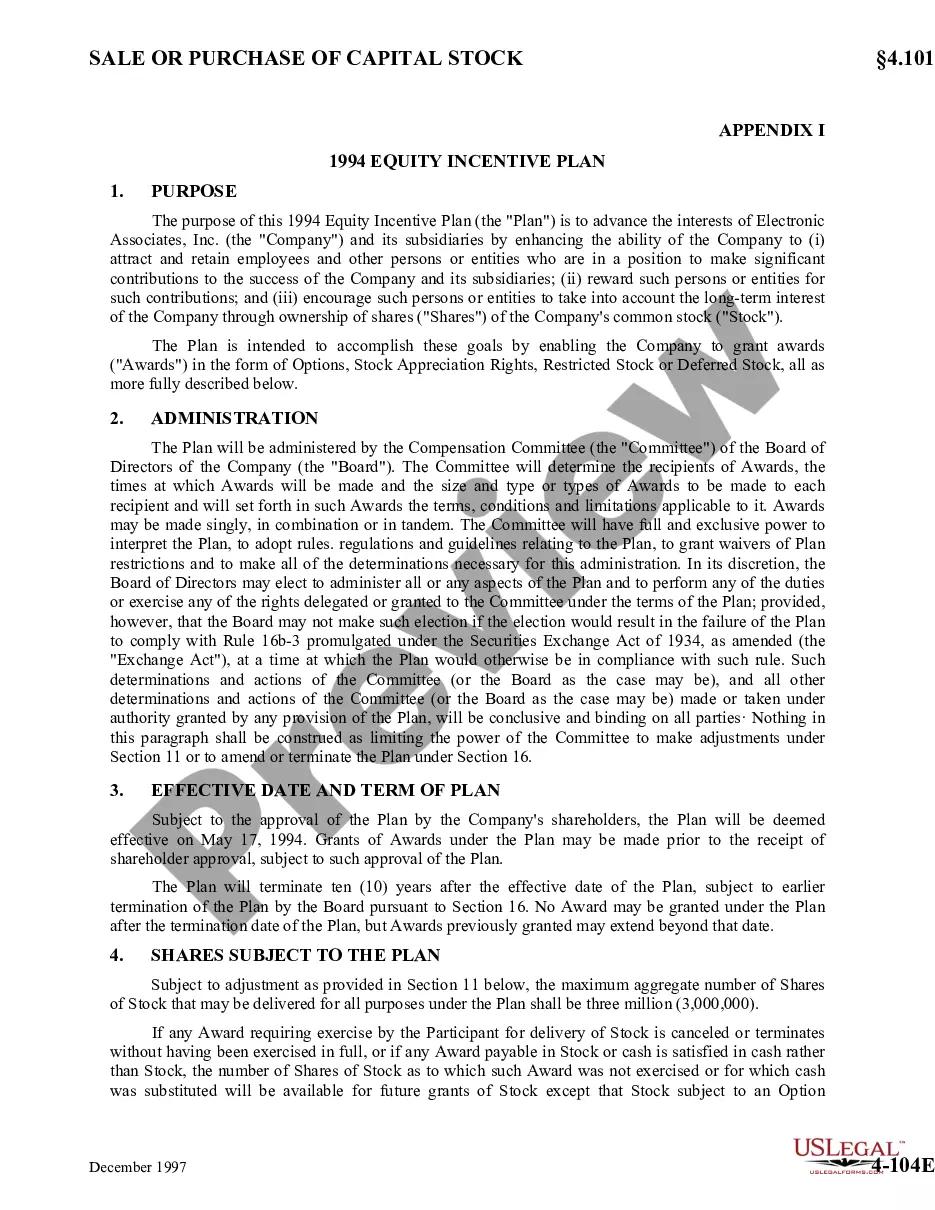

Get your form ready online
Our built-in tools help you complete, sign, share, and store your documents in one place.
Make edits, fill in missing information, and update formatting in US Legal Forms—just like you would in MS Word.
Download a copy, print it, send it by email, or mail it via USPS—whatever works best for your next step.
Sign and collect signatures with our SignNow integration. Send to multiple recipients, set reminders, and more. Go Premium to unlock E-Sign.
If this form requires notarization, complete it online through a secure video call—no need to meet a notary in person or wait for an appointment.
We protect your documents and personal data by following strict security and privacy standards.

Make edits, fill in missing information, and update formatting in US Legal Forms—just like you would in MS Word.

Download a copy, print it, send it by email, or mail it via USPS—whatever works best for your next step.

Sign and collect signatures with our SignNow integration. Send to multiple recipients, set reminders, and more. Go Premium to unlock E-Sign.

If this form requires notarization, complete it online through a secure video call—no need to meet a notary in person or wait for an appointment.

We protect your documents and personal data by following strict security and privacy standards.
Looking for another form?







How to fill out Executive Employee Stock Incentive Plan?
- If you have previously utilized US Legal Forms, log into your account and download the required form by clicking the Download button, ensuring your subscription is current. If it’s expired, renew according to your chosen payment plan.
- For first-time users, start by browsing the online library. Use the Preview mode to examine the form description closely, confirming it meets your specific needs and local laws.
- If the selected template isn't suitable, conduct a search using the Search tab for alternatives until you find the perfect document.
- Once you locate the right form, click the Buy Now button and select your preferred subscription plan. You will need to create an account to access the full range of resources.
- Complete your purchase by entering your credit card information or signing in with PayPal to finalize your subscription.
- After purchasing, download your form to your device. You can easily access it again from the My Forms section of your account.
With US Legal Forms, you gain access to a robust collection of legal documents, including stock option agreements, all designed for easy customization. This empowers you to create legally sound documents swiftly.
Ready to get started with ease? Visit US Legal Forms today and experience the benefits of quick and efficient legal document execution!
Form popularity
FAQ
When you leave a company with an employee stock ownership plan (ESOP), several scenarios may occur. Generally, your shares will be held until the plan's policies dictate how they should be managed. Depending on company policies and your tenure, you might have options to sell or transfer your shares. Therefore, understanding what happens to an ESOP when you quit is essential in the broader context of stock options for employees explained.
The $100,000 rule refers to the limit on the value of stock options that can qualify for favorable tax treatment each year. Specifically, if an employee is granted more than $100,000 worth of stock options that become exercisable in any given year, the excess options won't qualify for these tax benefits. Understanding this rule is vital for employees to manage their stock options effectively. Hence, this aspect is an important part of stock options for employees explained.
So, stock options can provide that additional financial opportunity, but careful consideration is key.
Employee stock options can pose financial risks for employees if the company's stock doesn't perform well. If market conditions change unfavorably, the value of stock options may diminish, leading to total loss for employees who may have invested much of their time and effort into the company. Furthermore, the complexity of understanding vesting schedules and expiration dates can also confuse employees. Therefore, stock options for employees explained must include an awareness of these risks.
When negotiating a job offer, bring up stock options in a straightforward manner. Explain that you value the opportunity to share in the company’s success through stock options, and express your interest in a fair compensation package. Doing research on market standards can empower your request. For detailed guidance, platforms such as uslegalforms can help you navigate this conversation effectively.
When you leave a company, your stock options typically become subject to specific terms stated in your agreement. Many companies provide a limited time to exercise your options after leaving, so it's essential to understand this timeframe. If you fail to exercise them, you may lose that potential financial benefit. Consulting resources that explain stock options for employees can provide you with clarity on your situation.
Understanding stock options for employees explained can help you decide if they are right for you. Employee stock options can offer a sense of ownership and align your interests with the company’s success. However, they also come with risks, as their value depends on the company’s stock performance. Therefore, consider your financial situation and long-term goals when evaluating them.
When determining how much stock options to offer employees, several factors come into play, such as the company's stage, industry norms, and individual roles. Typically, early-stage startups may offer a higher percentage of equity to attract talent, while established companies might offer less. It’s vital to create a balance that incentivizes employees while maintaining the company's financial health. To better understand these options, consider looking into resources that explain stock options for employees in detail.
The 7% rule in stocks suggests that, on average, an investment can expect to grow about 7% annually, after adjusting for inflation. This rule serves as a helpful guide for employees considering stock options as part of their compensation. Understanding this principle can provide clarity on the potential value of stock options for employees explained, especially when weighing long-term investment strategies. As you think about your financial goals, keep this rule in mind to optimize your employee compensation packages.
When you need to report employee stock options, accuracy is essential. The IRS requires you to report the income from stock options, detailing when you exercised and sold the shares. Additionally, using a platform like US Legal Forms can simplify this process by providing accurate forms that comply with tax regulations, ensuring your filings reflect the intricacies of stock options for employees explained.