Domstic Work
Description
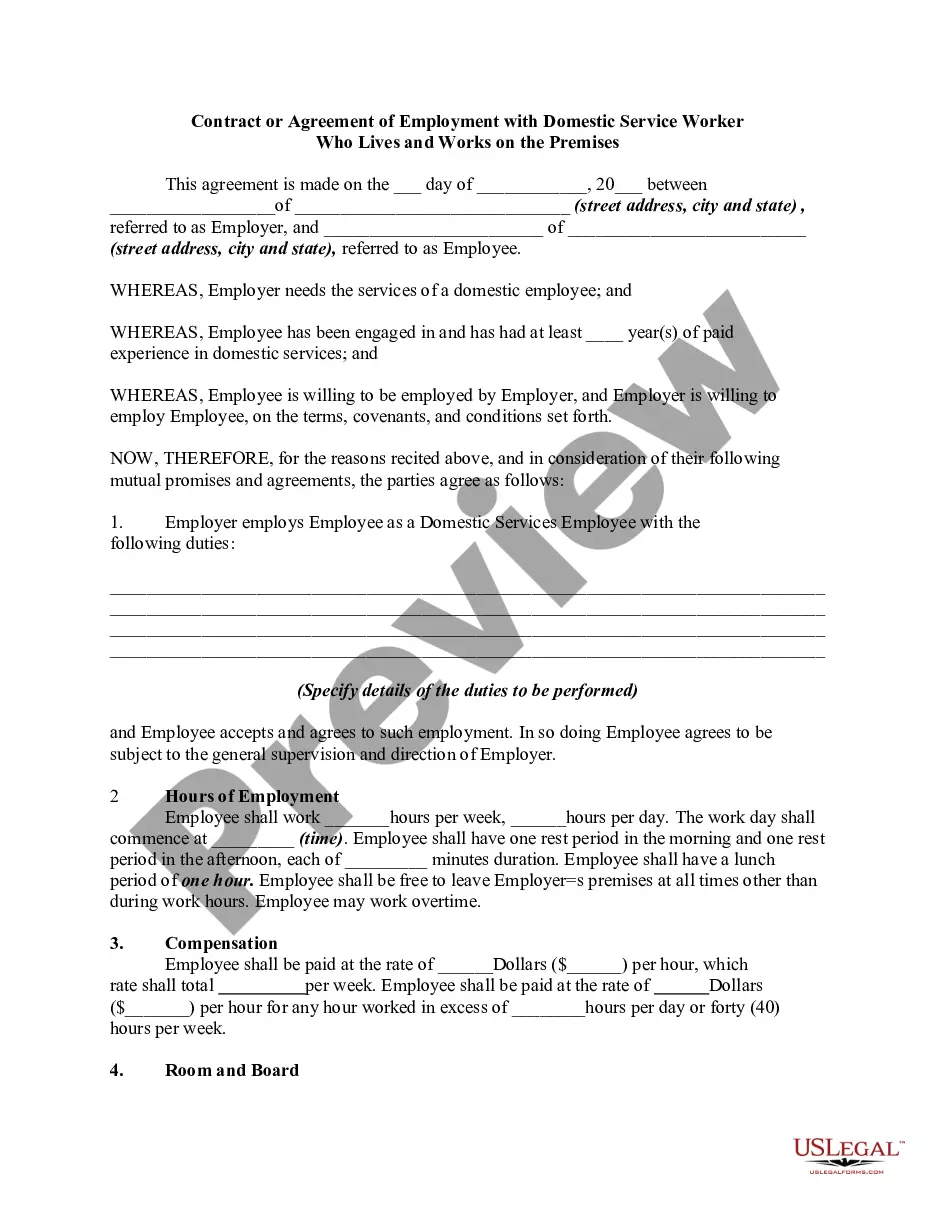
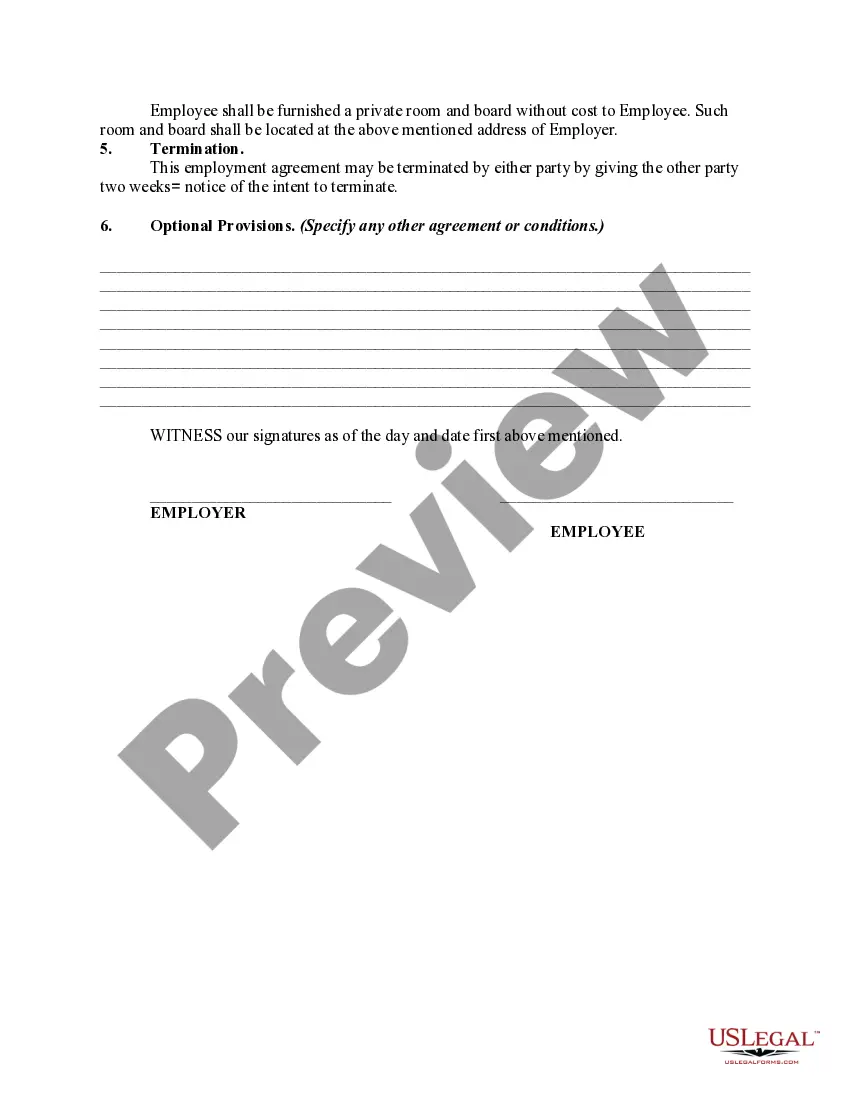
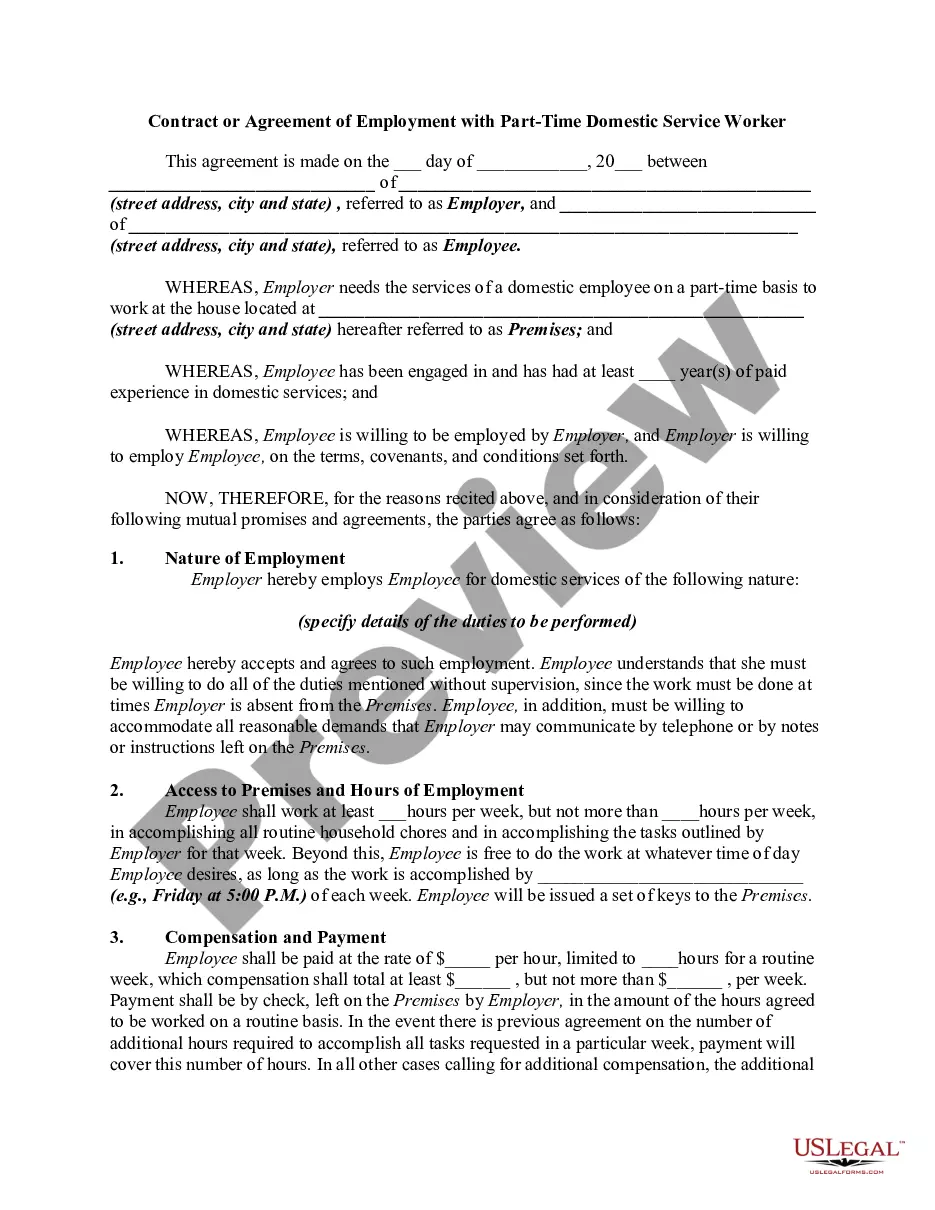
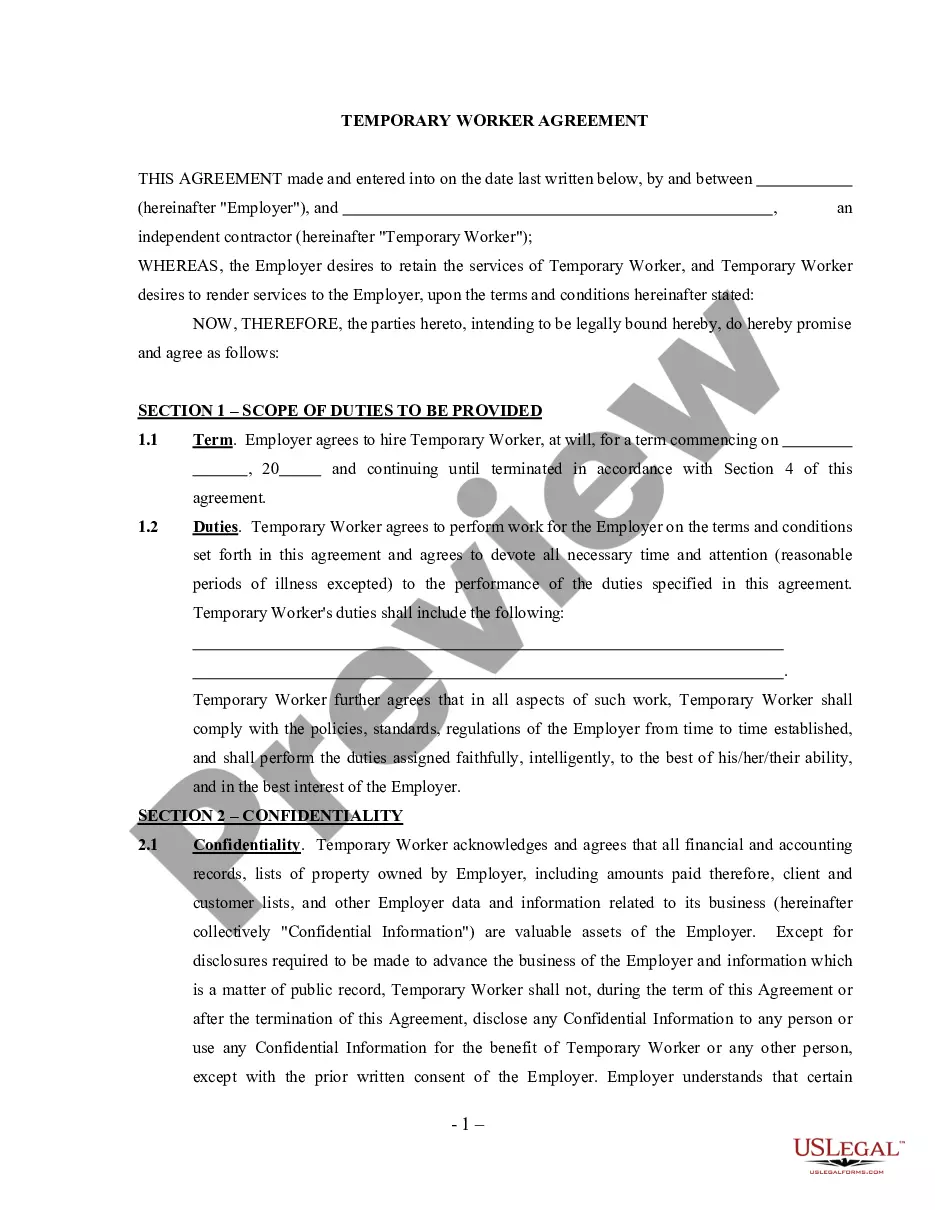
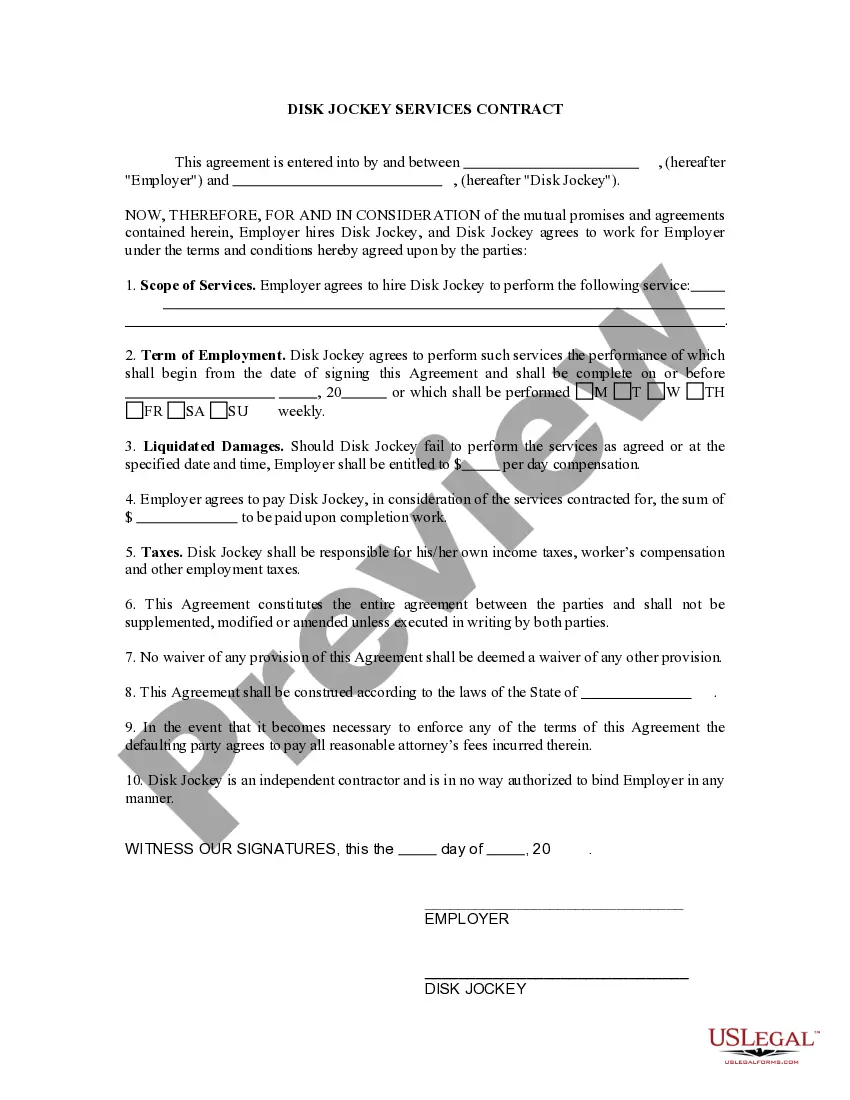
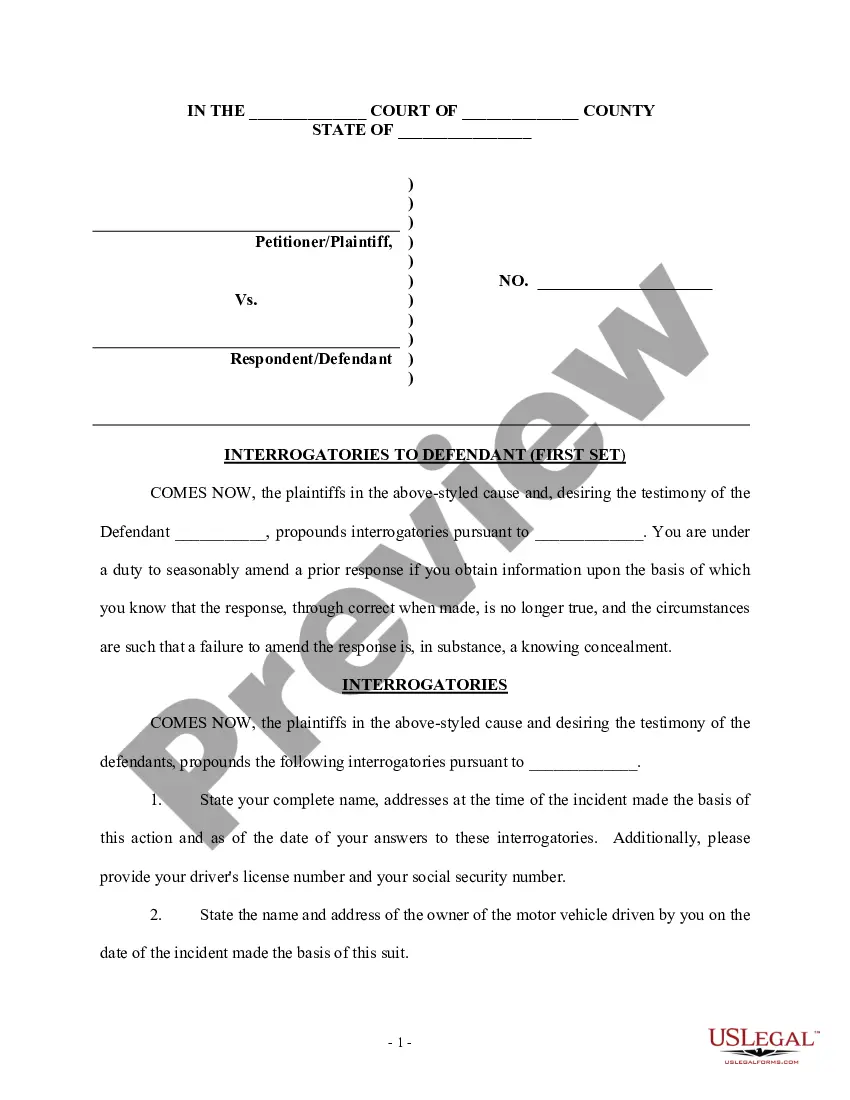


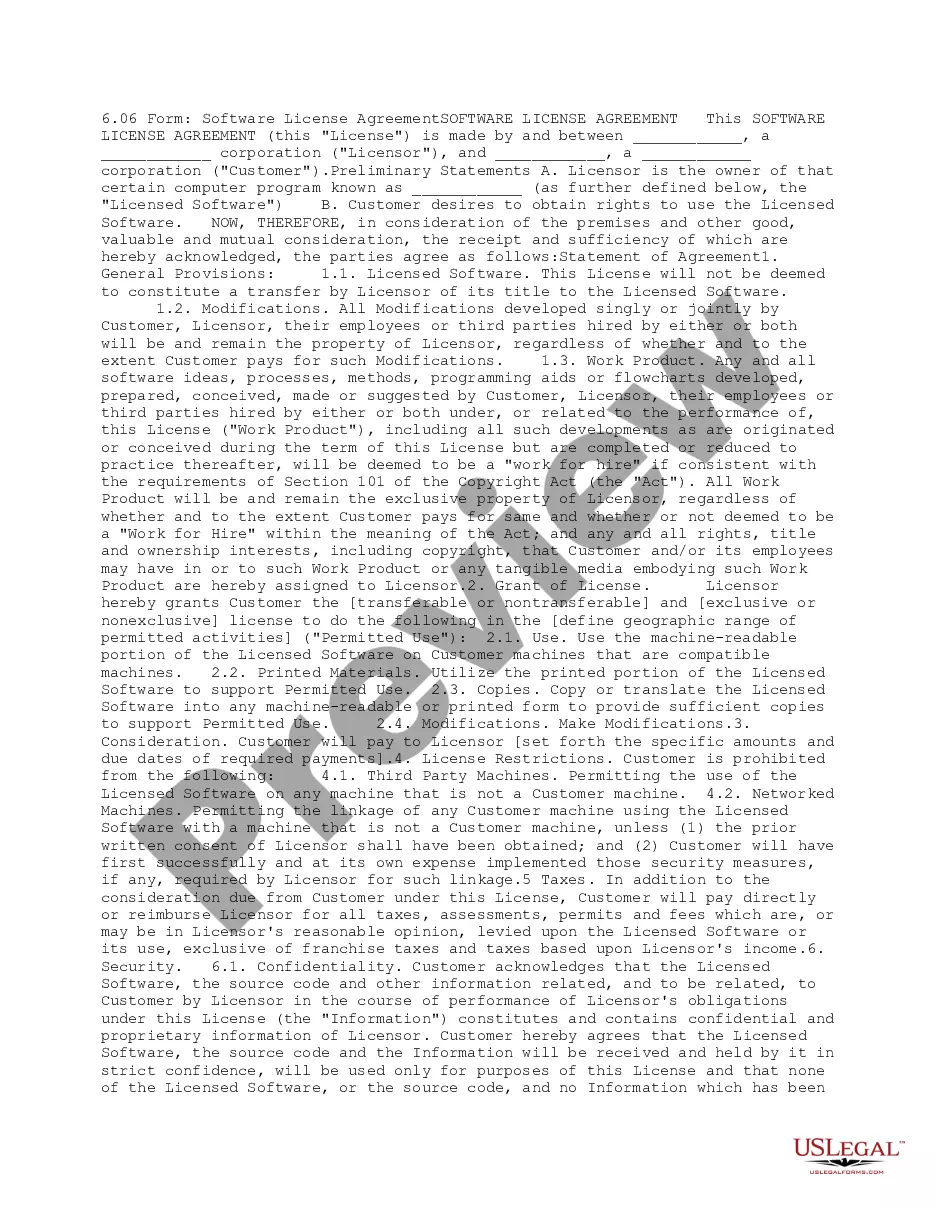
How to fill out Contract Or Agreement Of Employment With Domestic Service Worker Who Lives And Works On The Premises?
- Log in to your US Legal Forms account. If you're a first-time user, create an account to start your journey.
- Explore the extensive library of over 85,000 easily editable legal forms. Use the search function to find specific domestic work templates suited to your needs.
- Review the form details and ensure it meets your jurisdiction's requirements before purchasing.
- Select the subscription plan that works best for you and proceed to payment using credit card or PayPal.
- Download the completed form to your device and find it in the My Forms section of your profile for future access.
Utilizing US Legal Forms not only saves you time but also enables you to access legally sound documents with the help of premium experts. This ensures that your forms are filled out correctly and comply with legal standards.
Start streamlining your domestic work processes today with US Legal Forms, and empower yourself to handle legal documents more efficiently.
Form popularity
FAQ
A domestic worker is classified as an individual employed to perform household duties for a family or household. These workers are essential for providing various services, such as housekeeping, cooking, and personal care. The classification also includes nannies and tutors, highlighting the diverse roles within domestic work. Ensuring proper classification helps protect the rights of these workers and benefits families seeking support.
A domestic worker typically performs tasks that support the functioning of a household. This can range from cleaning and cooking to childcare or elderly assistance. Each role within domestic work plays a vital part in maintaining a comfortable living environment. Engaging with domestic workers allows families to navigate everyday challenges more effectively.
Failing to provide your nanny with a W-2 can lead to potential legal issues and obligations. Without this form, your nanny may struggle to report income accurately, possibly affecting their taxes and benefits. Additionally, you may face repercussions from the IRS for not adhering to employment laws related to domestic work. It’s crucial to comply with tax regulations to ensure smooth operations in your household.
Domestic workers include individuals such as nannies, housekeepers, caregivers, and gardeners. They provide essential services within private homes, supporting families in various daily tasks. This type of domestic work allows for personalized assistance tailored to the family's needs. Understanding the roles within domestic work helps in recognizing the importance of these workers in our communities.
The term domestic work fully encompasses the range of tasks performed within a household for daily living. It signifies both the physical work involved in maintaining a home and the emotional support often provided. Acknowledging the full meaning of domestic work is crucial in recognizing its value in society. For those seeking to navigate the domestic work landscape, US Legal Forms offers helpful tools and information.
Domestic labor refers to all work done within the home to support individual and family needs. This includes cleaning, cooking, and providing care for family members. Understanding domestic labor highlights its significance in the functioning of households. If you are seeking assistance with domestic labor, platforms like US Legal Forms can provide resources and guidance.
An example of domestic work is hiring a housekeeper to clean, organize, and maintain a home. This task ensures that the living environment is tidy and pleasant for all inhabitants. Other examples include nannies who care for children and caregivers who assist the elderly. These roles are vital in enabling families to focus on their daily routines.
Domestic work refers to tasks performed in someone's home to maintain the household and support its members. This includes activities such as cleaning, cooking, and providing care for children or the elderly. The concept of domestic work emphasizes the importance of these roles in family life. Recognizing domestic work helps elevate its value in society.
Domestic work encompasses various roles, including housekeeping, cooking, gardening, and caregiving. Workers may specialize in certain functions like child care or personal assistance for the elderly. Each type of domestic work serves a unique purpose in the home environment. Exploring the different types of domestic work can help you find the right fit for your needs.
Working as a domestic worker means providing services within a household to support daily living. This type of work includes a range of tasks, from cleaning and cooking to childcare and elderly care. Domestic work plays an essential role in many families, ensuring that homes run smoothly. Understanding domestic work helps both workers and employers set clear expectations.