Consignment Form Of Retailing In Miami-Dade
Description

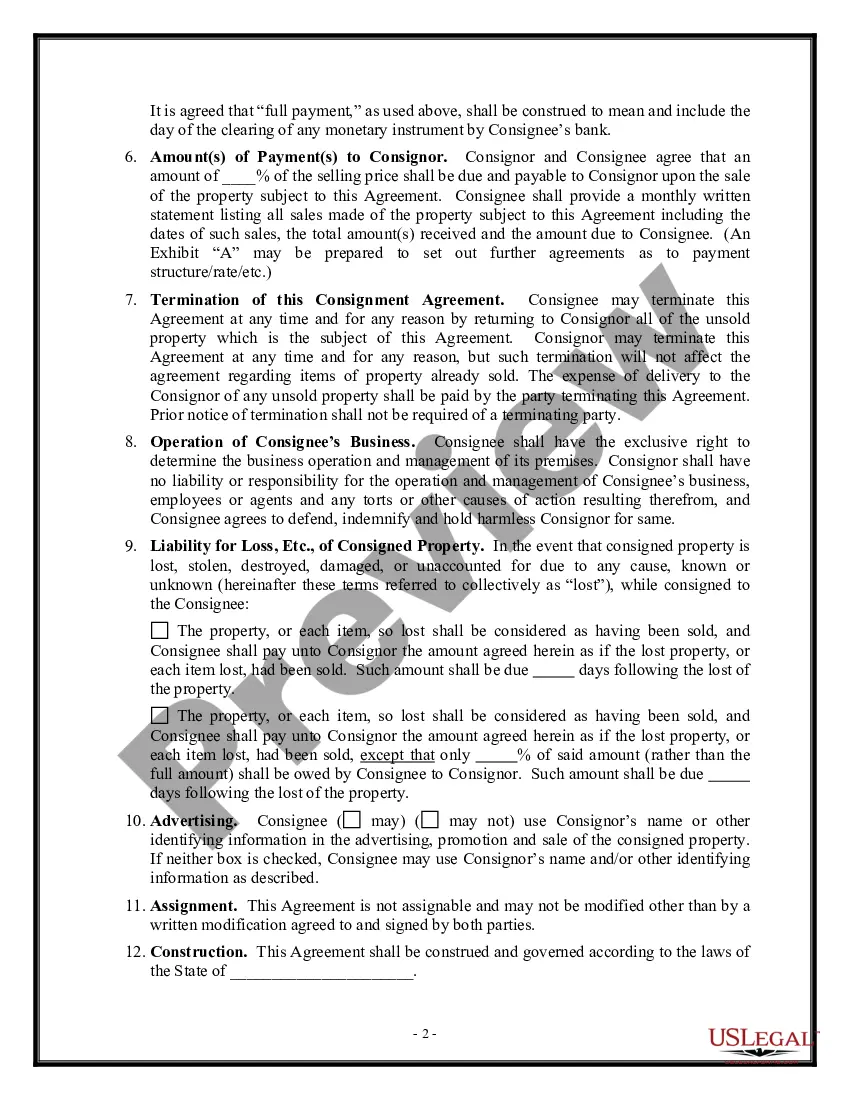
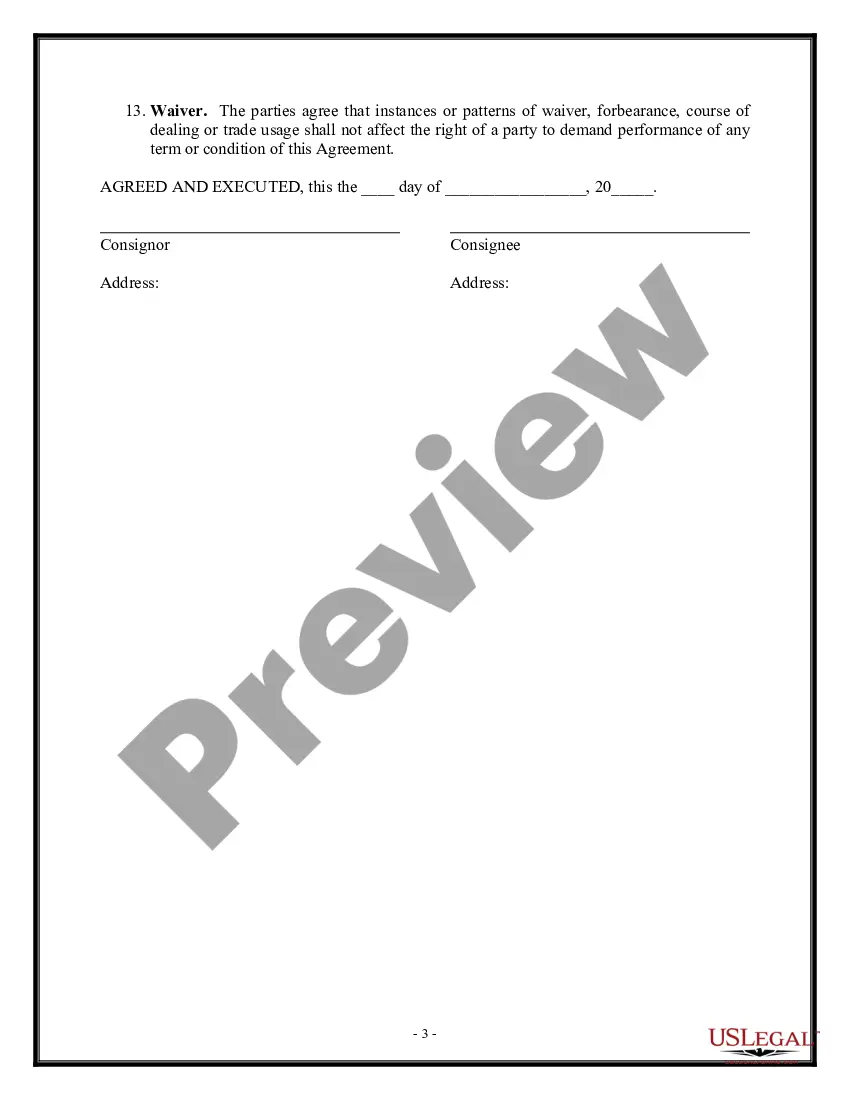
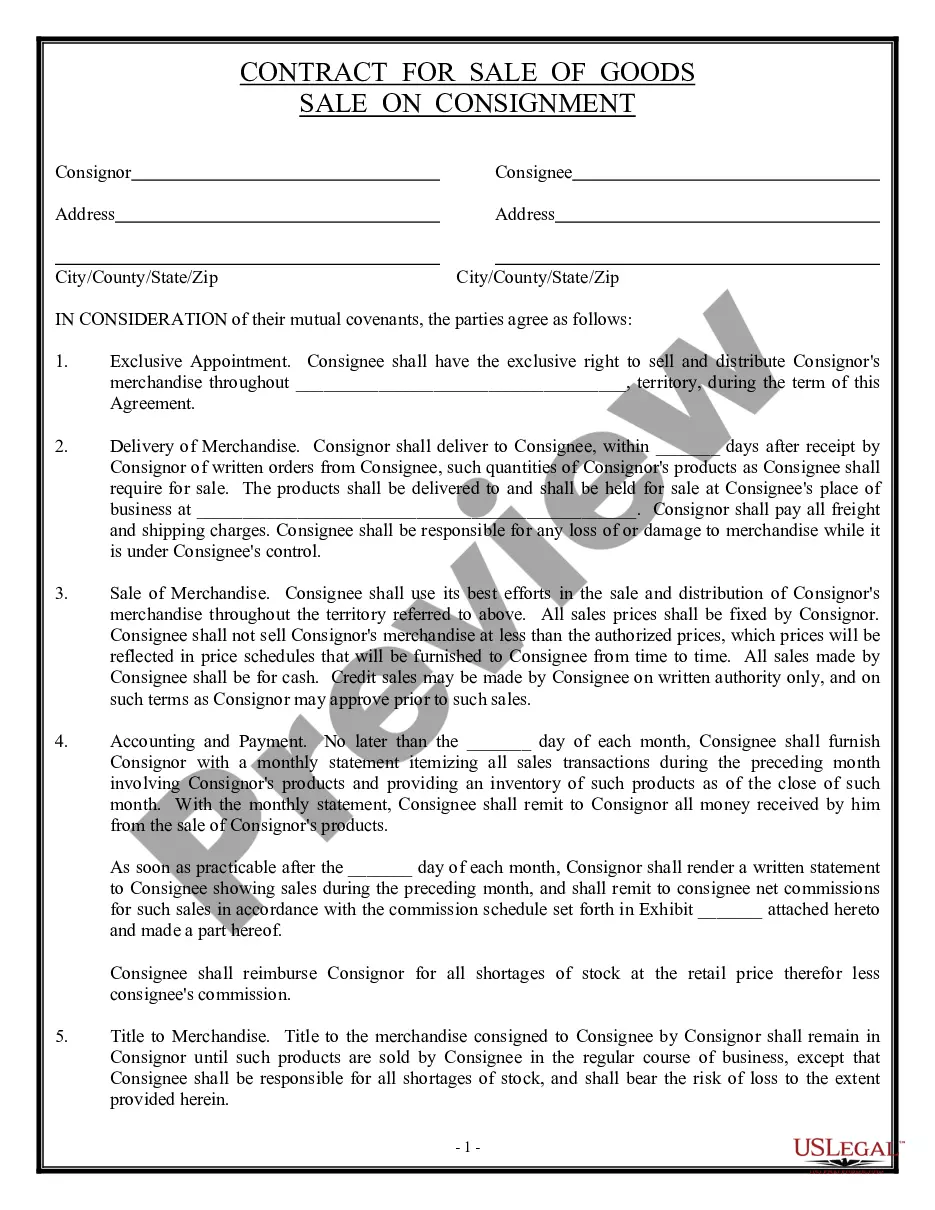
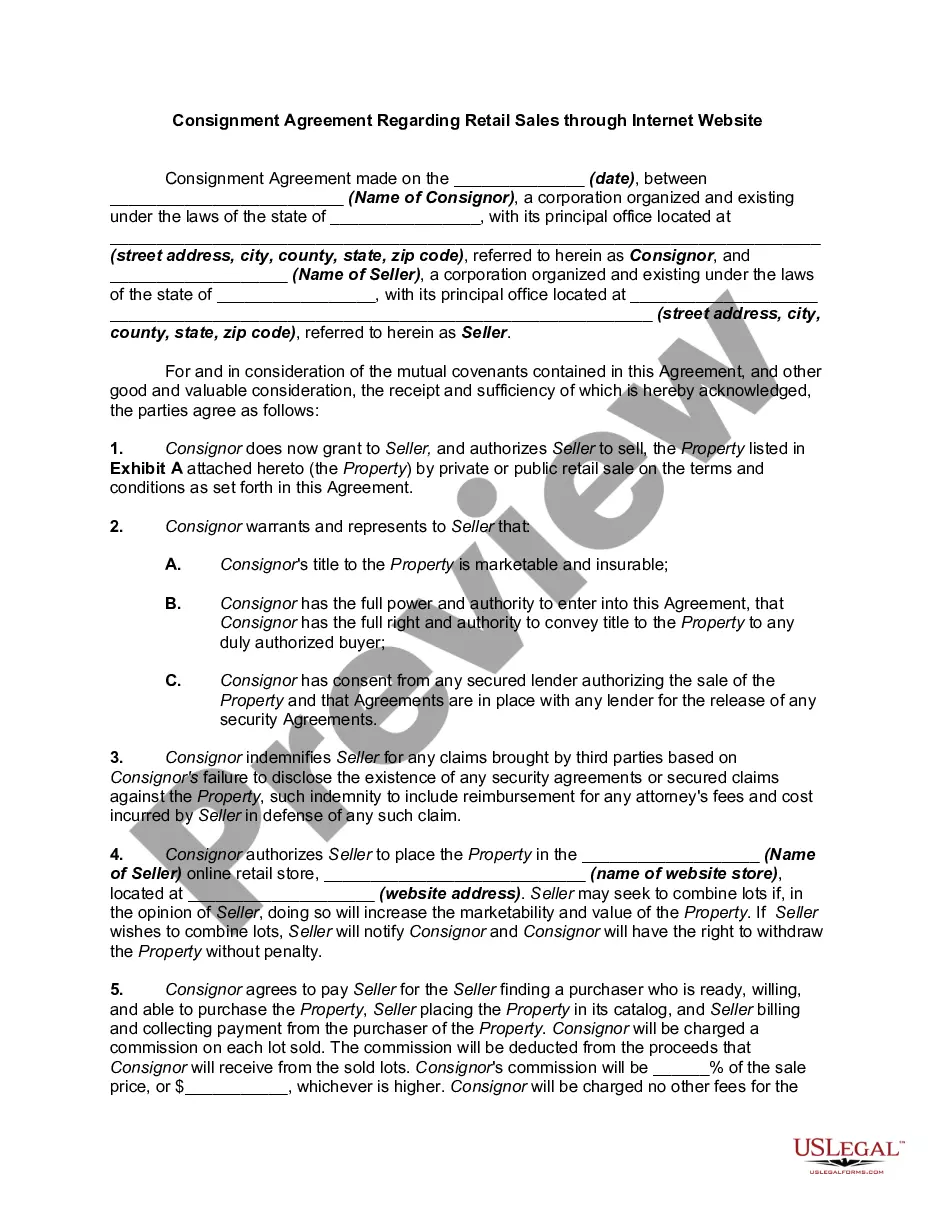
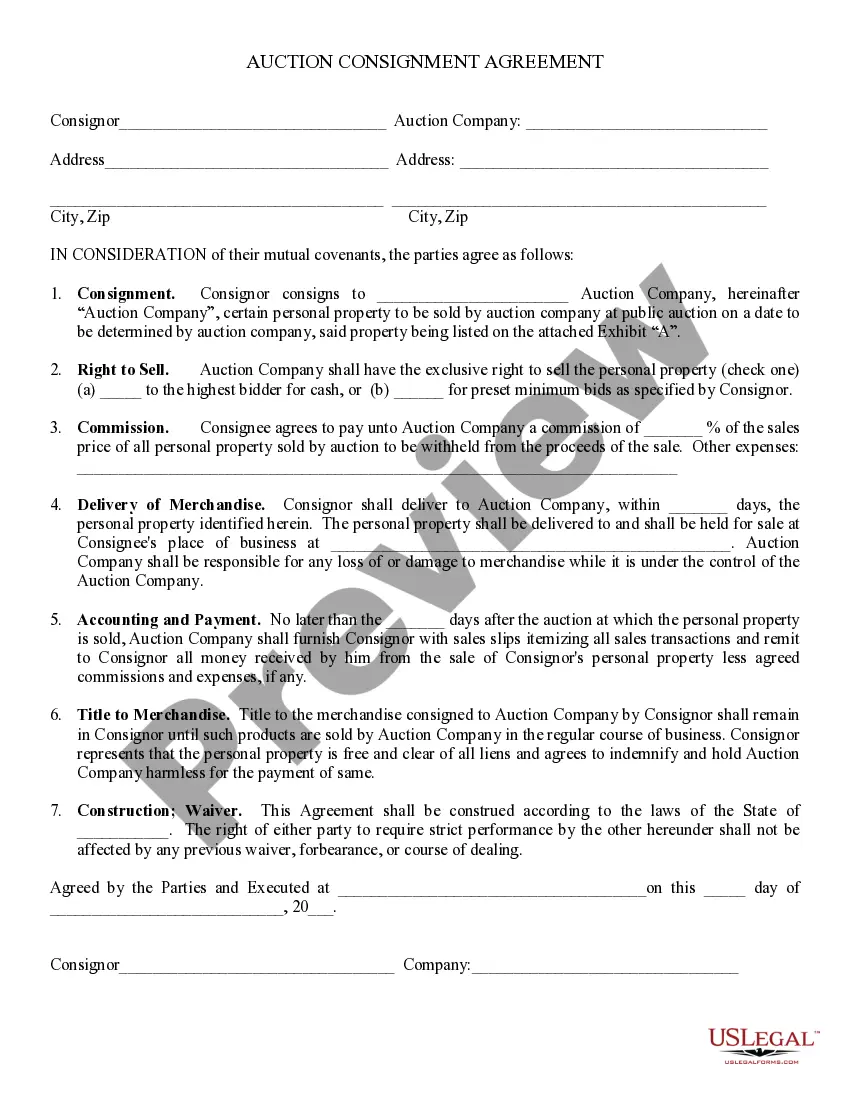
Get your form ready online
Our built-in tools help you complete, sign, share, and store your documents in one place.
Make edits, fill in missing information, and update formatting in US Legal Forms—just like you would in MS Word.
Download a copy, print it, send it by email, or mail it via USPS—whatever works best for your next step.
Sign and collect signatures with our SignNow integration. Send to multiple recipients, set reminders, and more. Go Premium to unlock E-Sign.
If this form requires notarization, complete it online through a secure video call—no need to meet a notary in person or wait for an appointment.
We protect your documents and personal data by following strict security and privacy standards.

Make edits, fill in missing information, and update formatting in US Legal Forms—just like you would in MS Word.

Download a copy, print it, send it by email, or mail it via USPS—whatever works best for your next step.

Sign and collect signatures with our SignNow integration. Send to multiple recipients, set reminders, and more. Go Premium to unlock E-Sign.

If this form requires notarization, complete it online through a secure video call—no need to meet a notary in person or wait for an appointment.

We protect your documents and personal data by following strict security and privacy standards.
Looking for another form?

Form popularity
FAQ
Here's how a typical consignment arrangement works: You bring your items to a consignment store. The store agrees to sell it on your behalf. You both sign an agreement outlining the terms of the sale.
The rate is usually negotiated between the consignor and consignee. It can vary depending on the type of merchandise, the consignment shop's location, and the consignment agreement's duration. Typically, commission rates range from 30% to 50%, with some consignment shops charging higher rates for specialty items.
Consignment selling can also pose some risks and challenges for your business, such as losing control and visibility over inventory, facing higher competition and lower margins, dealing with inventory shrinkage or damage, having legal or contractual disputes, and finding and maintaining reliable and profitable ...
Yes, business brokers in Florida must be licensed. In Florida, state law defines “real estate” to include any business enterprises or business opportunities. Real estate brokers are defined as a “person who, for another…
Form DR-1 is a registration application used by businesses to obtain a sales tax, use tax, employment tax, or other state-required licenses and permits. By completing and submitting this form, entities can ensure they are compliant with state tax obligations and regulations.
Generally, if your business is involved in the wholesale, retail sale, or repair of products, you need a seller's permit in Florida.
If your business sells goods (products) – whether online or in person, you will need a seller's permit. This permit gives you authorization to collect sales tax from your customer's purchases and remit them to the appropriate tax authorities.
Quick Answer: You need to get a sales tax permit in Florida if you have physical presence or meet economic nexus requirements. Florida also maintains a list of additional activities that can trigger nexus. More information is included below.
Register for a Florida Reemployment Tax Account Number The easiest way to get a Reemployment Tax Account Number is to register for an online account with the Florida Department of Revenue (DOR). Once you enroll, you'll receive your 7-digit Reemployment Tax Account Number.
Applicants have two options, which are to file the application online or download the forms, fill them out, and submit them by mail or in person. If you choose to submit the forms using the latter options, you can do it through a taxpayer service center or submit them directly to the Department of Revenue.
