S Corporation With One Shareholder In Middlesex
Description

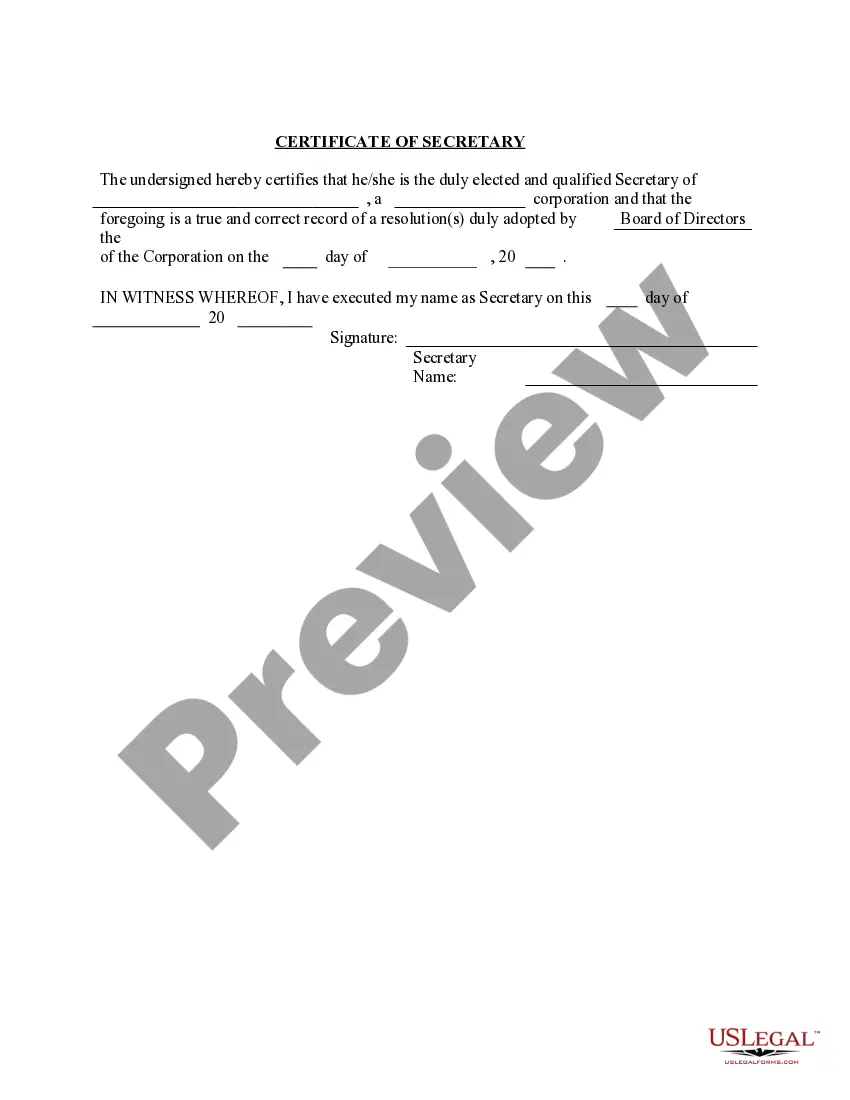

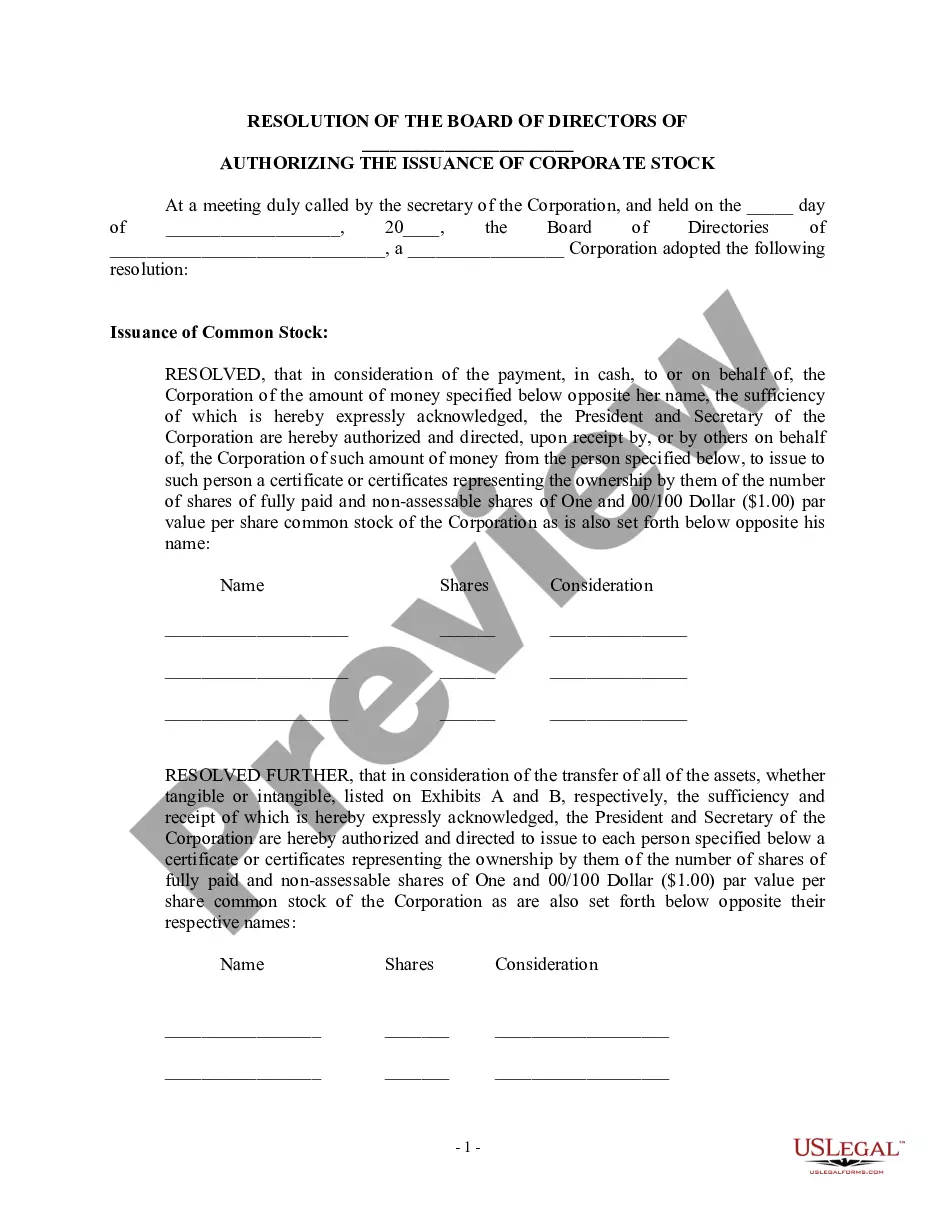
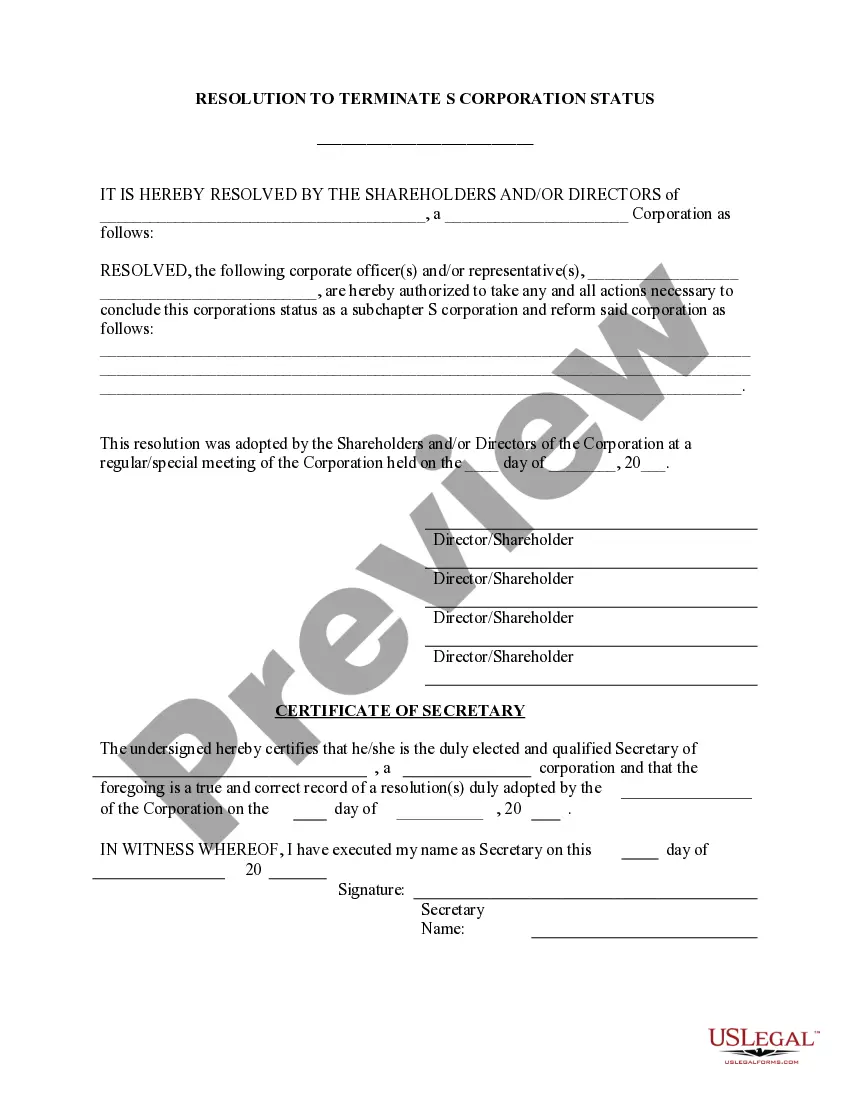
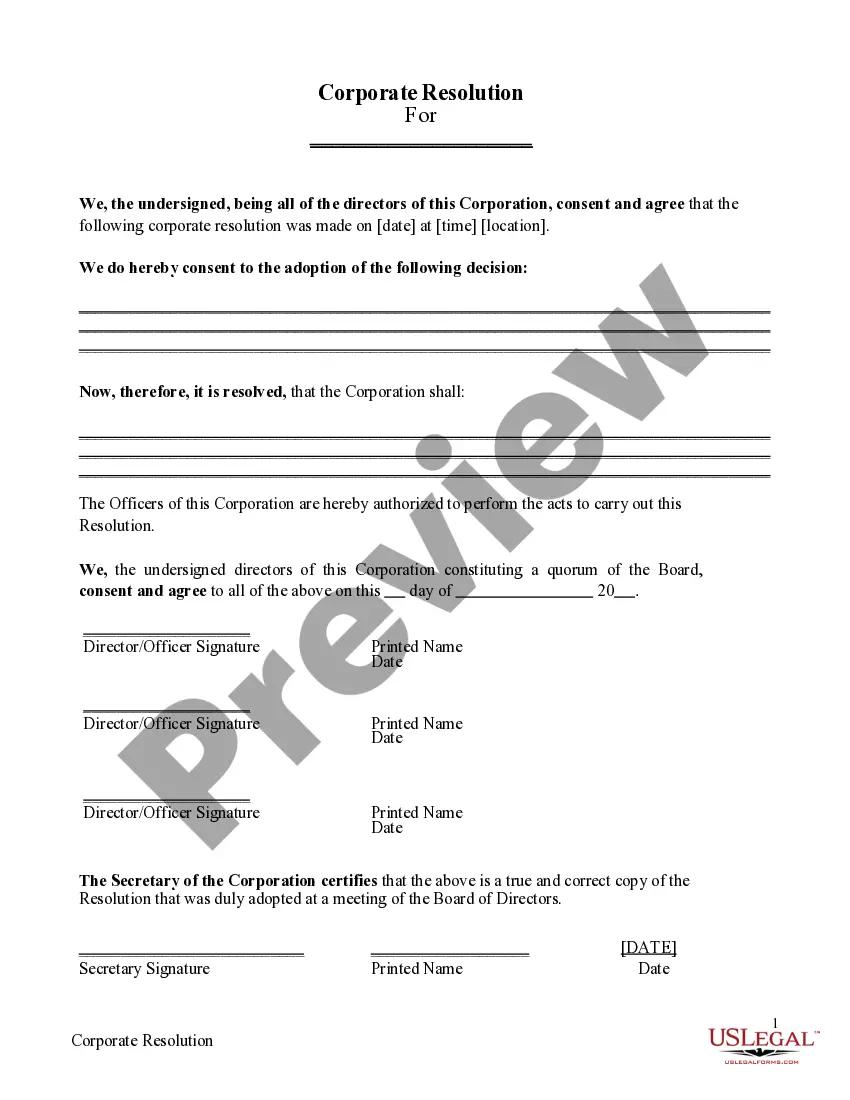
Get your form ready online
Our built-in tools help you complete, sign, share, and store your documents in one place.
Make edits, fill in missing information, and update formatting in US Legal Forms—just like you would in MS Word.
Download a copy, print it, send it by email, or mail it via USPS—whatever works best for your next step.
Sign and collect signatures with our SignNow integration. Send to multiple recipients, set reminders, and more. Go Premium to unlock E-Sign.
If this form requires notarization, complete it online through a secure video call—no need to meet a notary in person or wait for an appointment.
We protect your documents and personal data by following strict security and privacy standards.

Make edits, fill in missing information, and update formatting in US Legal Forms—just like you would in MS Word.

Download a copy, print it, send it by email, or mail it via USPS—whatever works best for your next step.

Sign and collect signatures with our SignNow integration. Send to multiple recipients, set reminders, and more. Go Premium to unlock E-Sign.

If this form requires notarization, complete it online through a secure video call—no need to meet a notary in person or wait for an appointment.

We protect your documents and personal data by following strict security and privacy standards.
Looking for another form?



Form popularity
FAQ
If you have a 'one person company' it means that you (a human being) are the company's sole (100%) shareholder (aka sole owner or sole 'member') and the company's sole director (the sole person whose responsibility it is to run the company).
Stock represents a share of ownership in a corporation. A bond is a security that represents a debt owed by the corporation to the bondholder, but does not include the ownership privileges of a stockholder.
Each shareholder's initial investment represents his beginning "stock basis". A capital account is set up for each shareholder.
With certain exceptions, a corporation is treated as having only one class of stock if all outstanding shares of stock of the corporation confer identical rights to distribution and liquidation proceeds. The regulations then elaborate on how to analyze if there are identical distribution and liquidation rights.
A holding company is a company that doesn't conduct any operations, ventures, or other active tasks for itself. Instead, it exists for the purpose of owning assets. In other words, the company does not engage in the buying and selling of any products and services.
A company is considered a single shareholder if it has only one founder. This is usually the case for freelancers, consultants, digital nomads and other forms of digital solopreneurs. If, however, a company has several co-founders, it is a multi-shareholder company.
Because of the one-class-of-stock restriction, an S corporation cannot allocate losses or income to specific shareholders. Allocation of income and loss is governed by stock ownership, unlike partnerships or LLCs taxed as partnerships where the allocation can be set in the partnership agreement or operating agreement.
Sole trader It is the simplest and cheapest way to run a business. If you run your business as a sole trader, you are: the sole owner and controller of it. legally responsible for all aspects of the business, including debts and losses you incur in running it.
It's not unusual for companies to have a shareholder and director who is the same person, but the two roles do have different responsibilities and requirements. That said, a director doesn't have to be a shareholder, and shareholders don't need to be directors.
A company is considered a single shareholder if it has only one founder. This is usually the case for freelancers, consultants, digital nomads and other forms of digital solopreneurs. If, however, a company has several co-founders, it is a multi-shareholder company.
