Social Security Form For Caregiver With Dependents In Kings
Description






Get your form ready online
Our built-in tools help you complete, sign, share, and store your documents in one place.
Make edits, fill in missing information, and update formatting in US Legal Forms—just like you would in MS Word.
Download a copy, print it, send it by email, or mail it via USPS—whatever works best for your next step.
Sign and collect signatures with our SignNow integration. Send to multiple recipients, set reminders, and more. Go Premium to unlock E-Sign.
If this form requires notarization, complete it online through a secure video call—no need to meet a notary in person or wait for an appointment.
We protect your documents and personal data by following strict security and privacy standards.
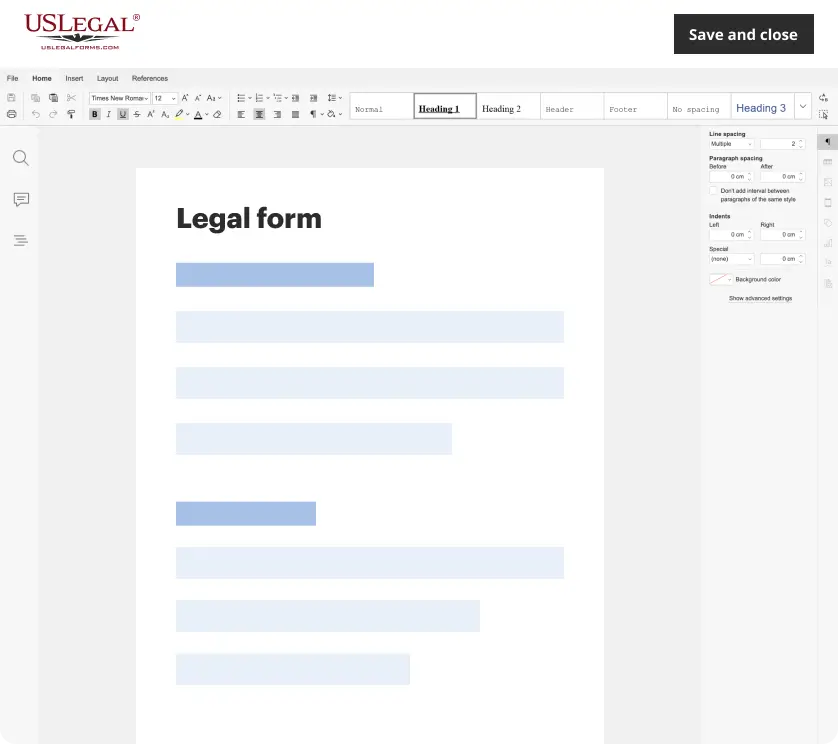
Make edits, fill in missing information, and update formatting in US Legal Forms—just like you would in MS Word.
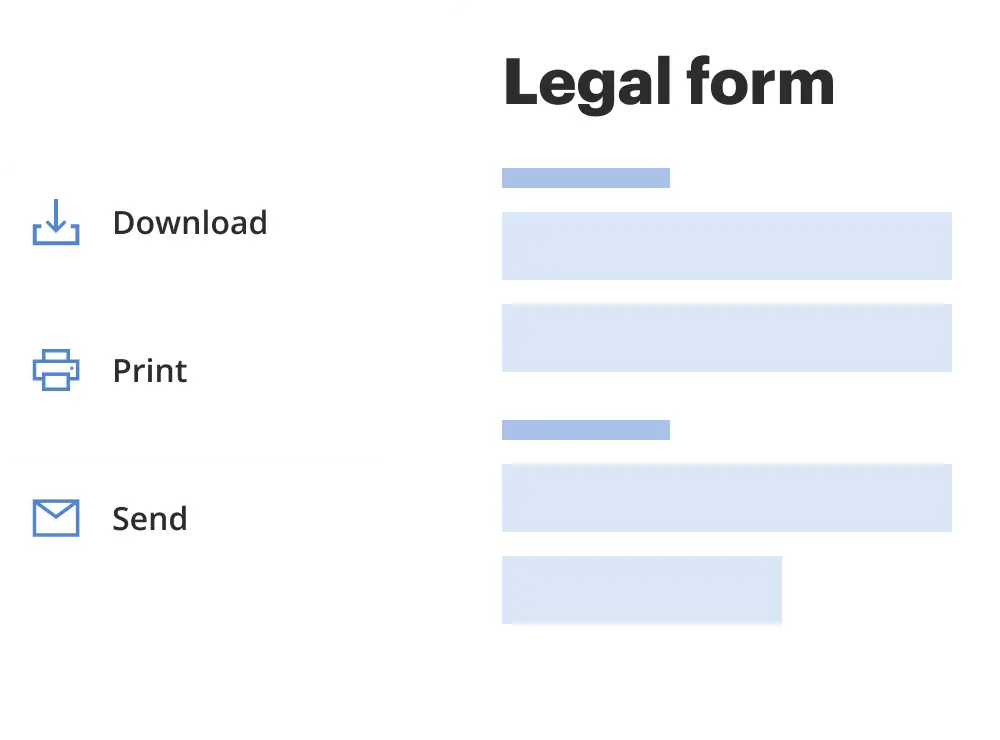
Download a copy, print it, send it by email, or mail it via USPS—whatever works best for your next step.
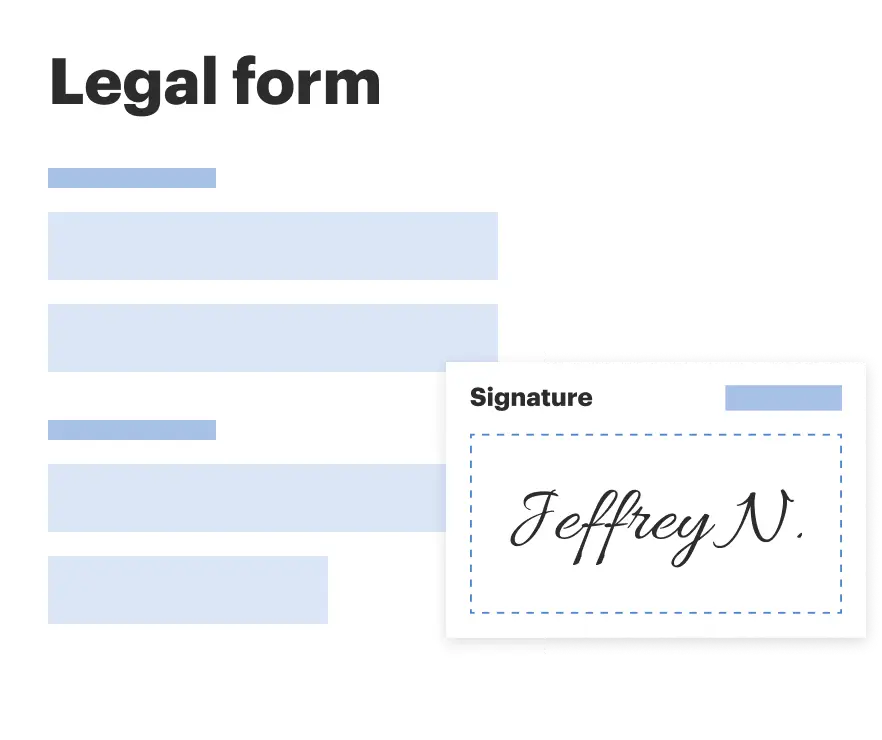
Sign and collect signatures with our SignNow integration. Send to multiple recipients, set reminders, and more. Go Premium to unlock E-Sign.
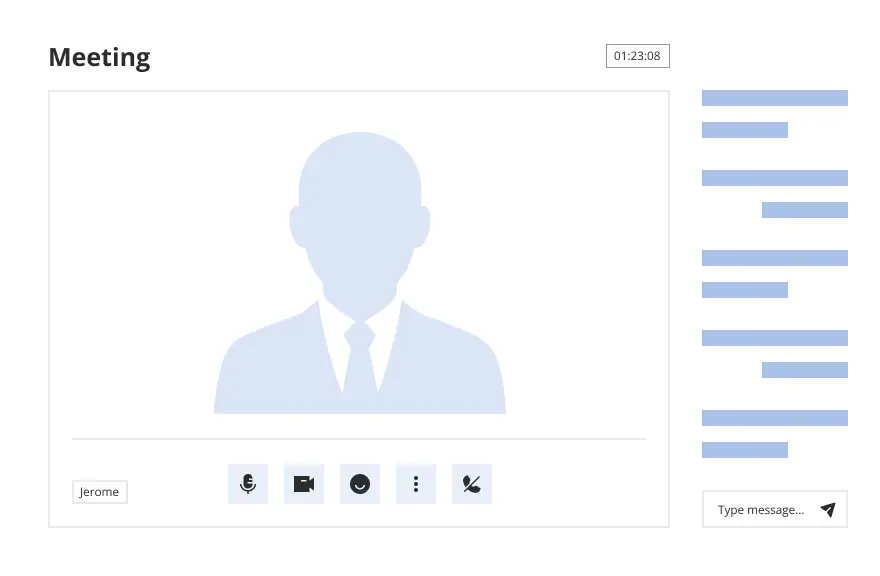
If this form requires notarization, complete it online through a secure video call—no need to meet a notary in person or wait for an appointment.
We protect your documents and personal data by following strict security and privacy standards.
Looking for another form?






Form popularity
FAQ
Therefore, SSDI auxiliary benefits apply to spouses. However, there is a limit to how much your family members can receive in auxiliary benefits if you yourself receive SSDI each month. Your spouse can receive up to 50% of your disability benefit amount in auxiliary benefits.
What happens when you marry a disabled person? The consequences depend on your specific situation: SSDI Recipients: Most SSDI beneficiaries won't see changes in their benefits after marriage. Those receiving benefits based on someone else's work record may lose eligibility, however.
If you claim your regular Social Security benefit before your higher-earning spouse does, you have the option of switching to spousal benefits at a later date when (or after) your spouse decides to file.
In 2025, if you retire at your full retirement age of 67, the maximum monthly Social Security retirement benefit would be $4,043. For a married couple who are both receiving the maximum amount and both retired at that same full retirement age, that amount would be $8,086.
Therefore, SSDI auxiliary benefits apply to spouses. However, there is a limit to how much your family members can receive in auxiliary benefits if you yourself receive SSDI each month. Your spouse can receive up to 50% of your disability benefit amount in auxiliary benefits.
