Social Security Form For Caregiver For Parents In Illinois
Description



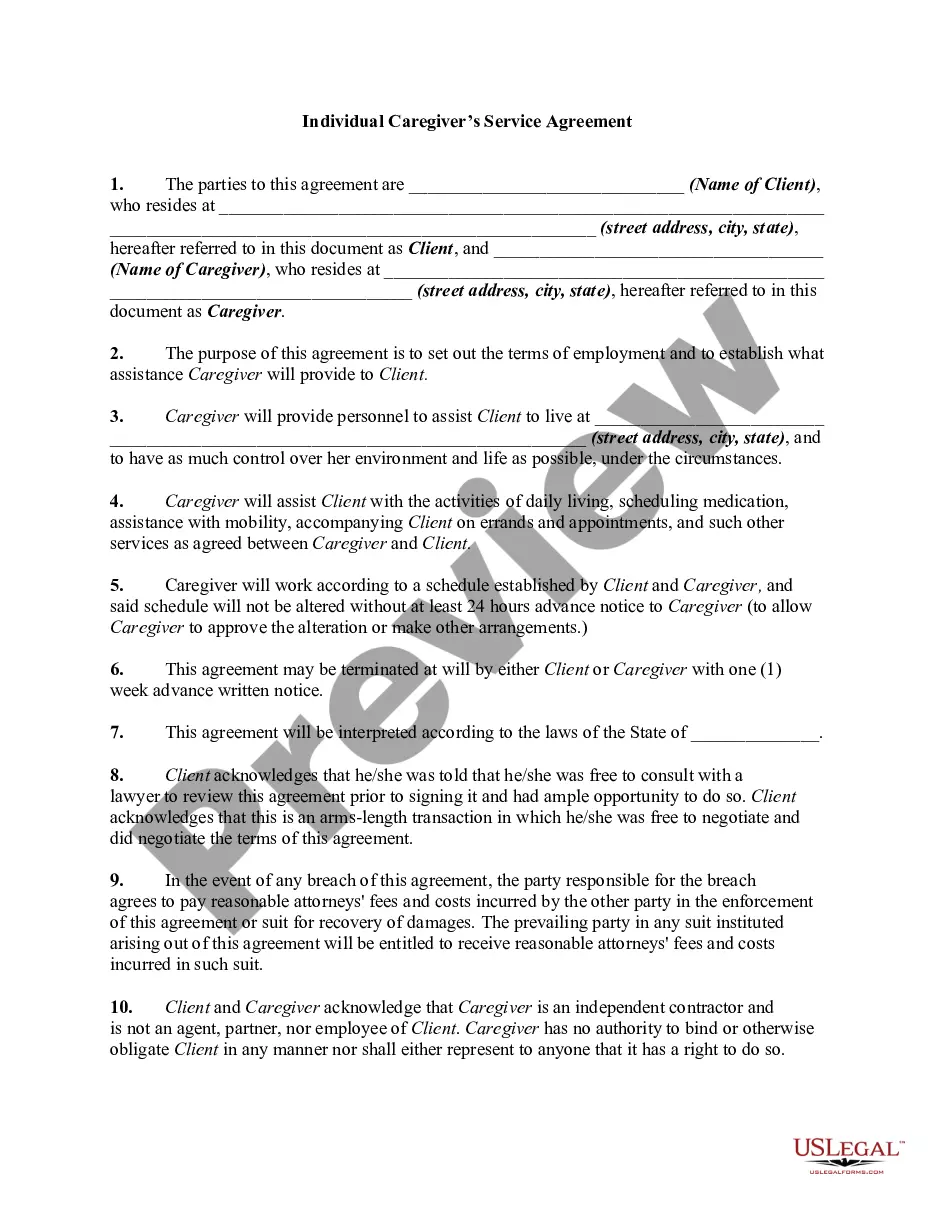


Get your form ready online
Our built-in tools help you complete, sign, share, and store your documents in one place.
Make edits, fill in missing information, and update formatting in US Legal Forms—just like you would in MS Word.
Download a copy, print it, send it by email, or mail it via USPS—whatever works best for your next step.
Sign and collect signatures with our SignNow integration. Send to multiple recipients, set reminders, and more. Go Premium to unlock E-Sign.
If this form requires notarization, complete it online through a secure video call—no need to meet a notary in person or wait for an appointment.
We protect your documents and personal data by following strict security and privacy standards.

Make edits, fill in missing information, and update formatting in US Legal Forms—just like you would in MS Word.
Download a copy, print it, send it by email, or mail it via USPS—whatever works best for your next step.
Sign and collect signatures with our SignNow integration. Send to multiple recipients, set reminders, and more. Go Premium to unlock E-Sign.

If this form requires notarization, complete it online through a secure video call—no need to meet a notary in person or wait for an appointment.

We protect your documents and personal data by following strict security and privacy standards.
Looking for another form?
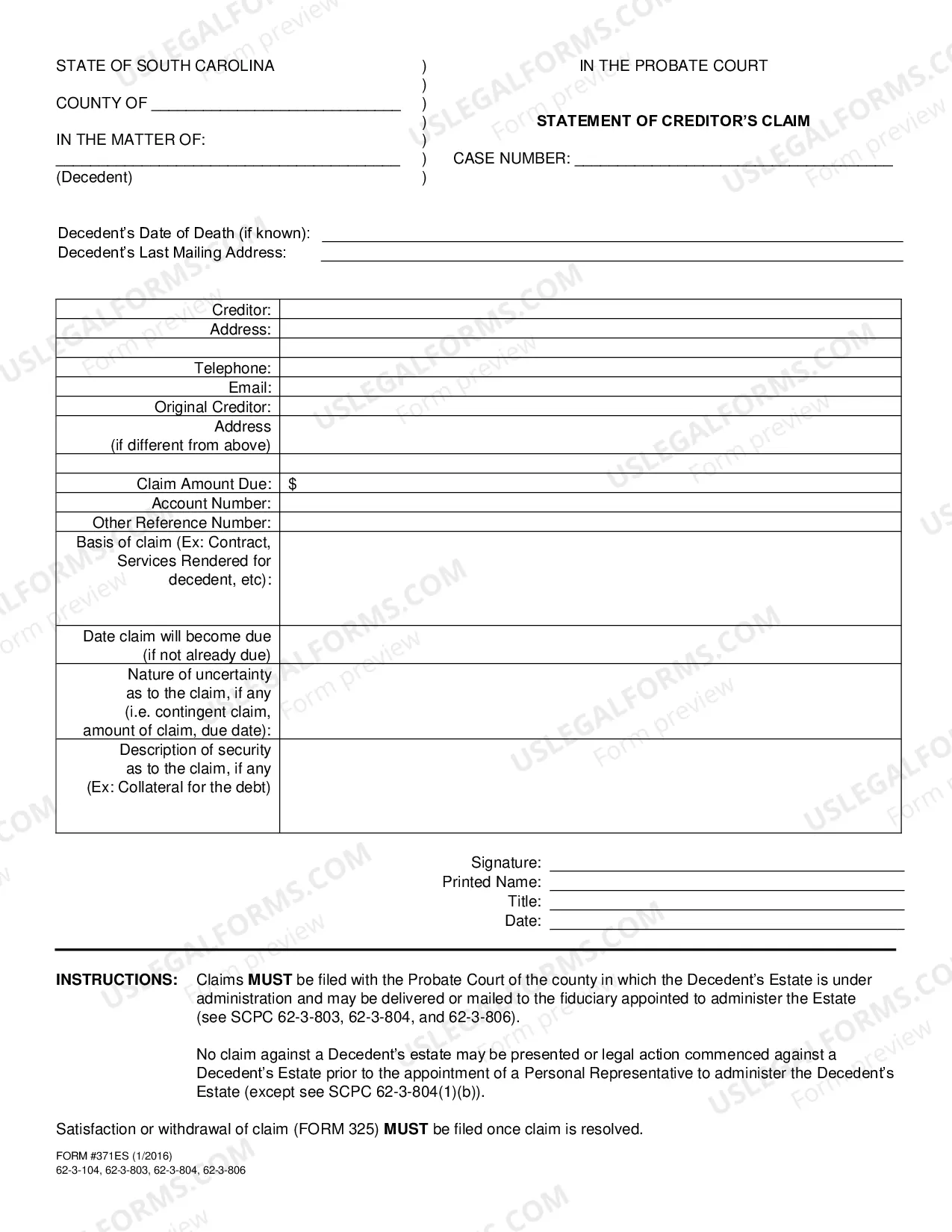


Form popularity
FAQ
Emphasis on Role: “Caregiver” and “carer” emphasize the act of giving care, with a focus on the practical and emotional work involved. “Caretaker” suggests a more functional or managerial role, often with a broader focus on property or task management.
Application Process and Timeline Fill out the application: Provide accurate and detailed information about yourself, the person you are caring for, and your caregiving responsibilities. Submit the application: Once you have completed the application, submit it online or in person at your local Social Security office.
In conclusion, there are 4 types of caregivers: family caregivers, professional caregivers, volunteer caregivers, and informal caregivers. Each caregiver faces unique challenges, including physical and emotional exhaustion, financial strain, and balancing personal and caregiving responsibilities.
Before becoming a caregiver for a family member in Illinois, the senior must meet the proper eligibility requirements. To qualify for the community care program, the senior must be 60 years of age or older, hold U.S. citizenship (or be an eligible non-citizen), and be an Illinois resident.
Requesting a home safety evaluation by an occupational therapist through your parent's primary care provider is a great place to start. Lastly, a medical alert system can give you peace of mind, especially if you don't live near your aging parents.
Illinois Caregiver Training Requirements In-home Service Workers: Required to complete 8 hours of topic specific initial training and a minimum of 8 hours CE annually. Homecare Aides: Required to complete 2 hours of agency specific orientation, 22 hours of topic specific training, and 12 hours CE annually.
Contact Contact your local Area Agency on Aging (AAA) using the map tool; or. Contact IDoA's Senior HelpLine at 1-800-252-8966 (711 TRS); or. Contact HHS' Eldercare Locator at 1-800-677-1116.
65 years of age or older before January 1 of the current year; or • You must become 65 years of age this year; or • You must be 16 years of age or older before January 1 of the current year and qualify as disabled. Residency Requirements: You must live in Illinois at the time you file your application.
