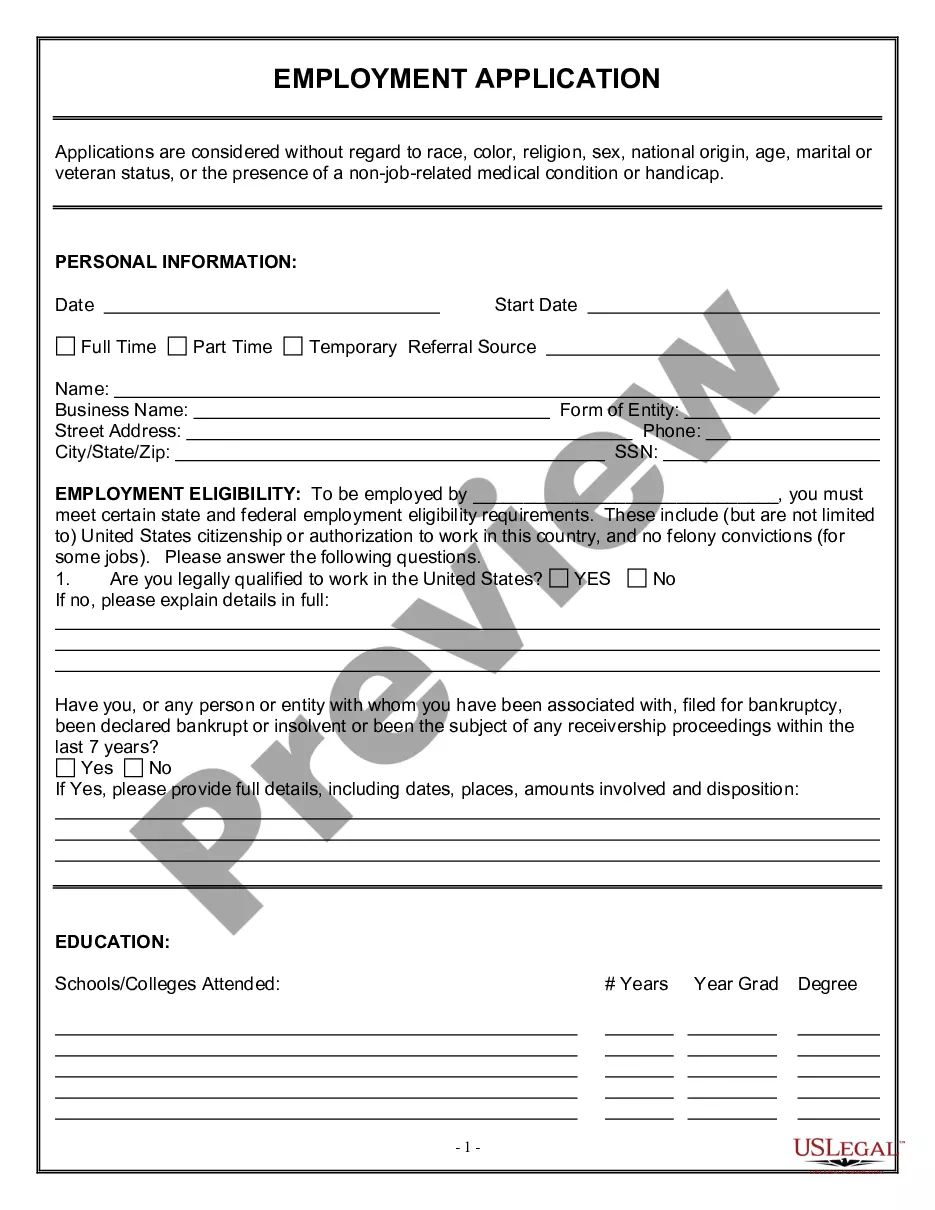
Reasons For Release Of Information In Wake
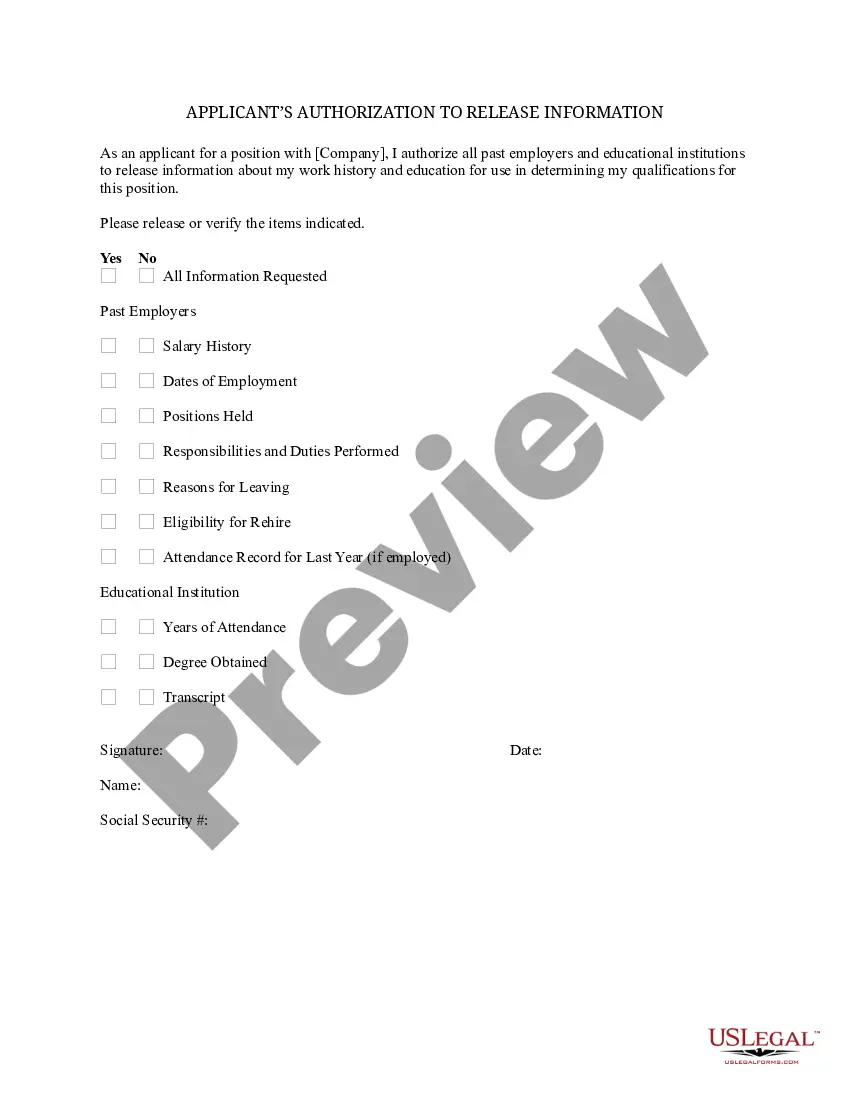
Description
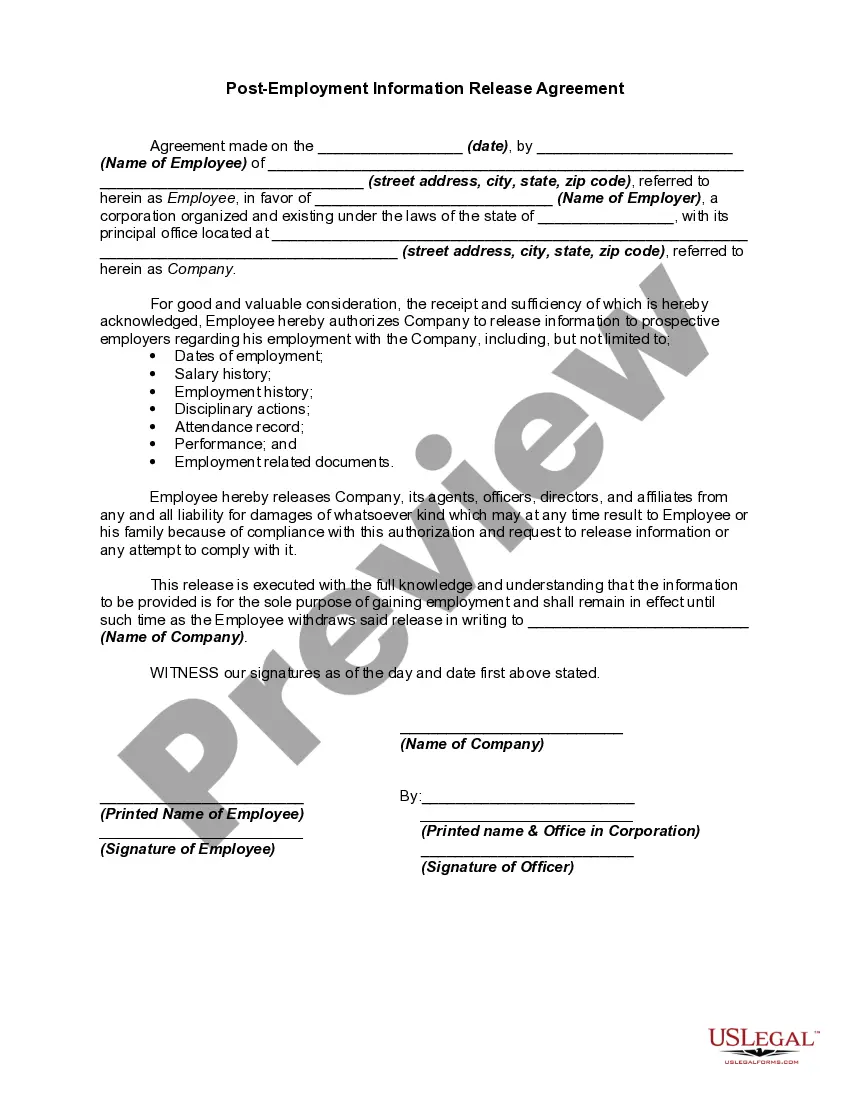
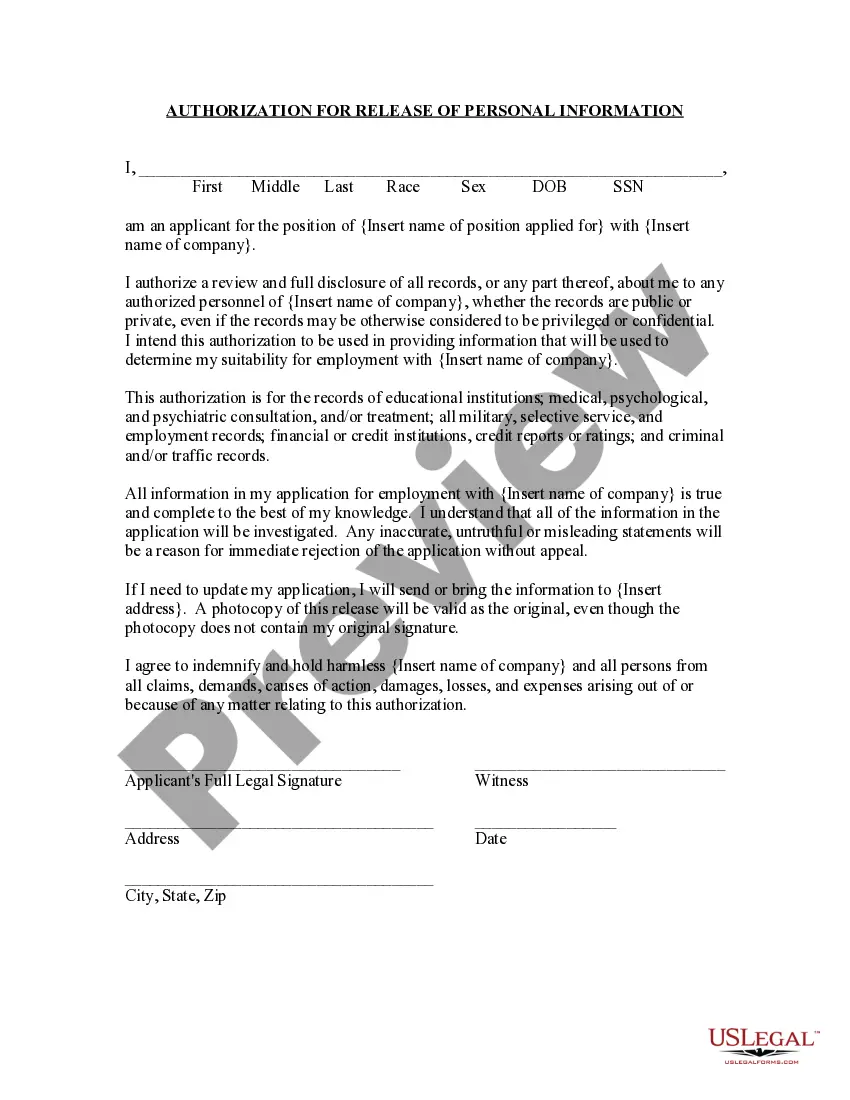
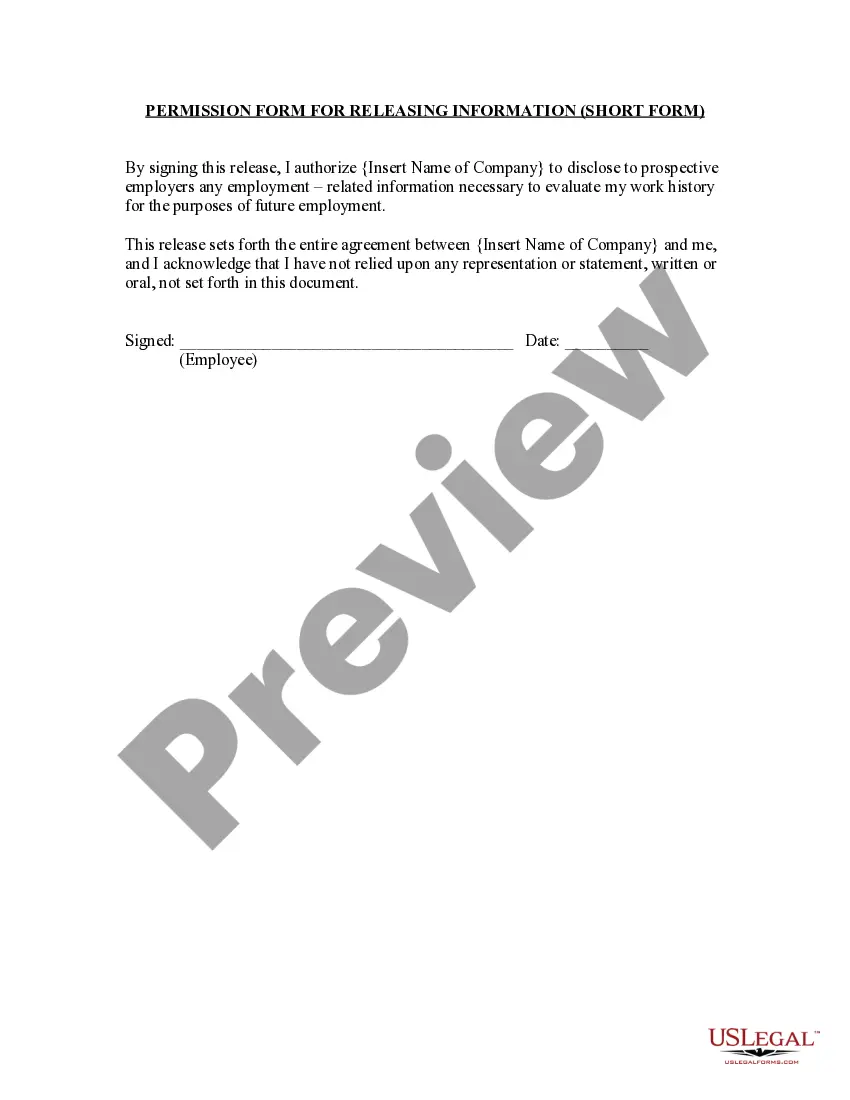
Get your form ready online
Our built-in tools help you complete, sign, share, and store your documents in one place.
Make edits, fill in missing information, and update formatting in US Legal Forms—just like you would in MS Word.
Download a copy, print it, send it by email, or mail it via USPS—whatever works best for your next step.
Sign and collect signatures with our SignNow integration. Send to multiple recipients, set reminders, and more. Go Premium to unlock E-Sign.
If this form requires notarization, complete it online through a secure video call—no need to meet a notary in person or wait for an appointment.
We protect your documents and personal data by following strict security and privacy standards.
Make edits, fill in missing information, and update formatting in US Legal Forms—just like you would in MS Word.
Download a copy, print it, send it by email, or mail it via USPS—whatever works best for your next step.
Sign and collect signatures with our SignNow integration. Send to multiple recipients, set reminders, and more. Go Premium to unlock E-Sign.
If this form requires notarization, complete it online through a secure video call—no need to meet a notary in person or wait for an appointment.
We protect your documents and personal data by following strict security and privacy standards.
Looking for another form?
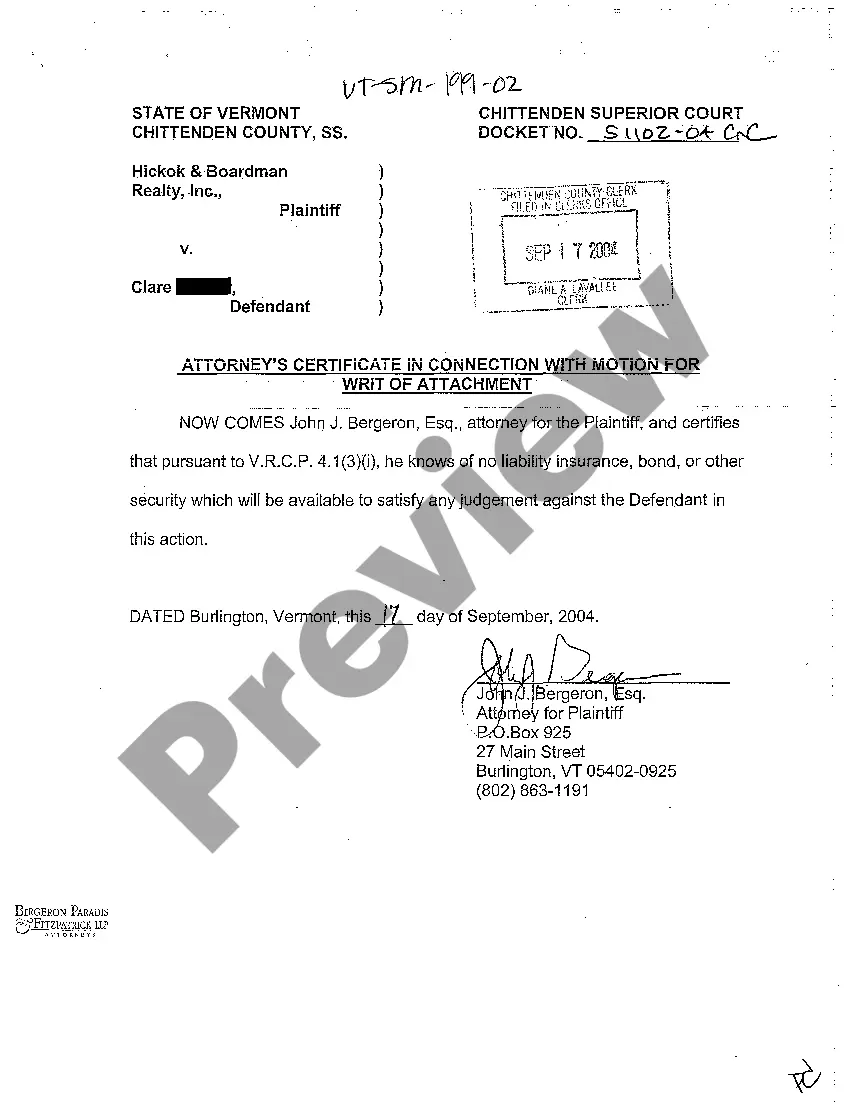


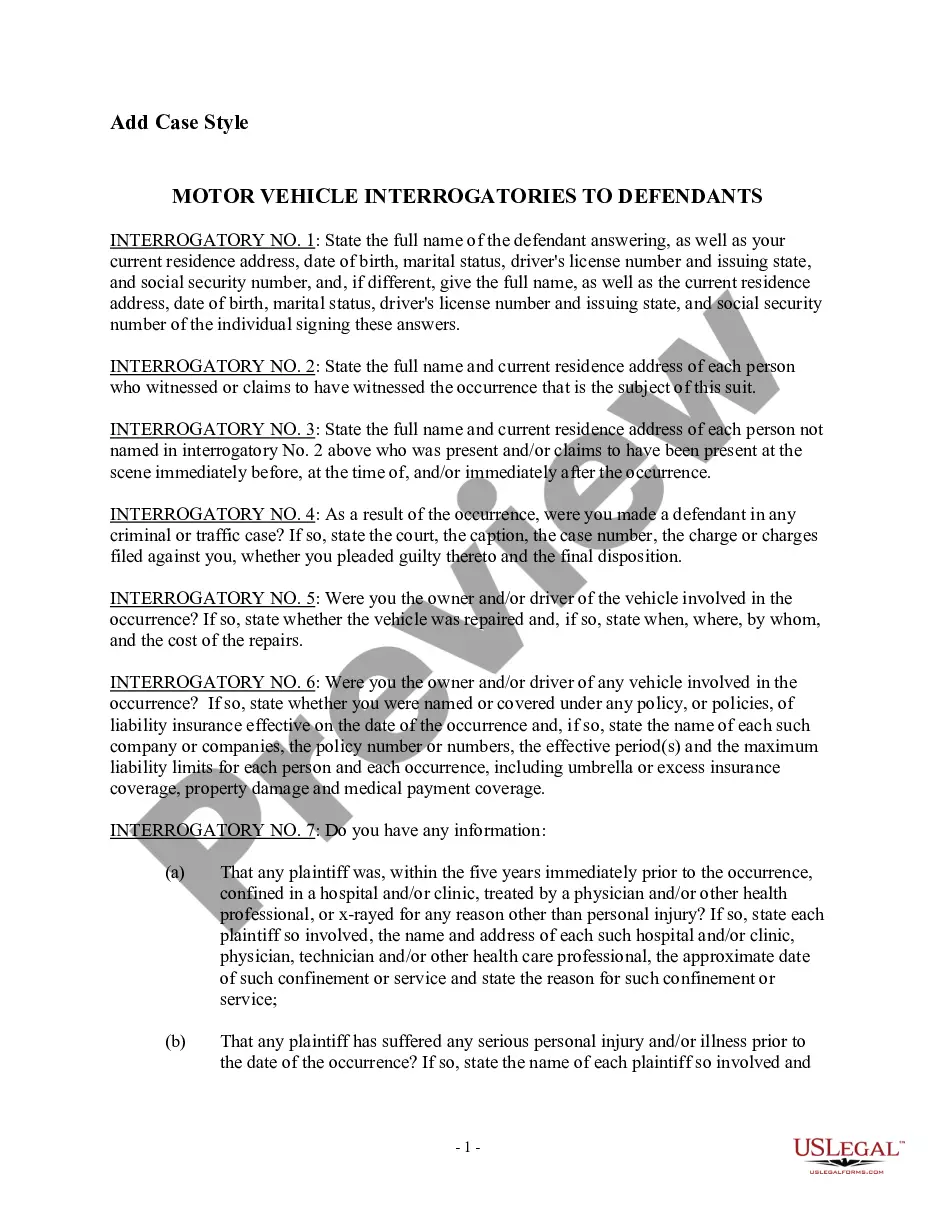
Form popularity
FAQ
You may be able to request your record through your provider's patient portal. You may have to fill out a form — called a health or medical record release form, or request for access—send an email, or mail or fax a letter to your provider.
How you make your request will depend on your provider's processes. You may be able to request your record through your provider's patient portal. You may have to fill out a form — called a health or medical record release form, or request for access—send an email, or mail or fax a letter to your provider.
If your provider has a form, and you want to fix a simple mistake, fill out the form and attach a copy of the health record page where you found the mistake. If your provider doesn't have a form or if the mistake is complex, you may want to write a letter describing the correction.
The best way to obtain specific information about a patient when taking their medical history is to ask direct questions that can be answered briefly.
Here's what happens when a patient requests their medical records: Recording, Tracking and Verifying the Request. Retrieving Patient's PHI. Safeguarding Patient's Sensitive Information. Releasing Patient's PHI. Completing the Request and Preparing an Invoice.
You can collect patient data in several different ways — by conducting an interview in a clinical setting, by having the patient complete a paper form, or by having the patient fill out an online form. There are pros and cons to each method.
While creating your own release forms is possible, it's important to consider a few things before you decide to do so. Consent forms involve intricate legal considerations that have to be specifically tailored to the situation at hand and adhere to certain laws and regulations.
Begin by specifying your name, the entity authorized to disclose information, and the individuals or entities you authorize to receive it. Indicate the specific information and purpose for which it will be disclosed, add an expiration date or event, and sign and date the form to confirm your consent.
A release of information is a document that gives a consumer the opportunity to decide what material they want released from their medical file, who they want it delivered to, how long the data can be issued, and under what statutes and guidelines it is released.
Personal health record (PHR) Electronic medical record (EMR)