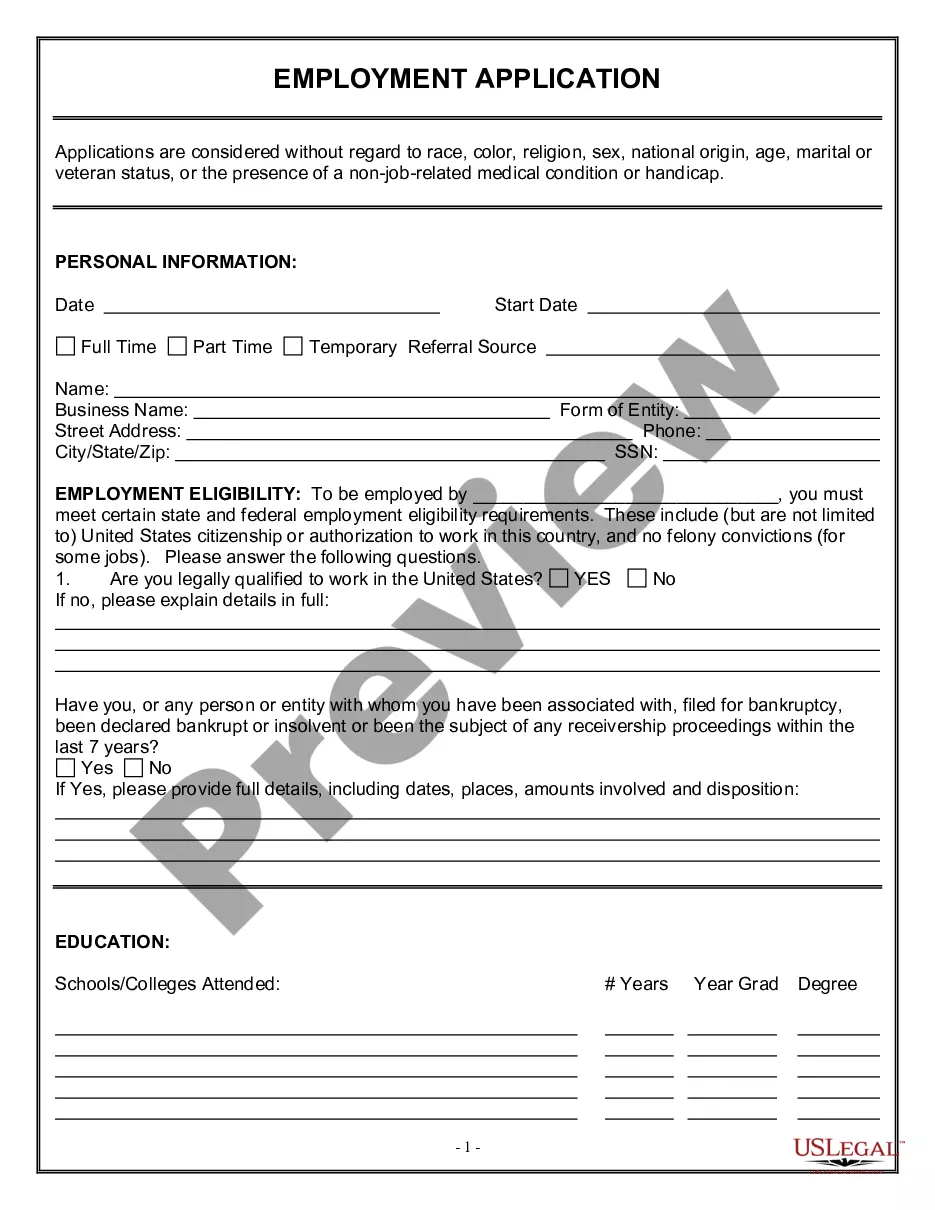
Employment Agreement With Non Compete Clause In Utah
Description
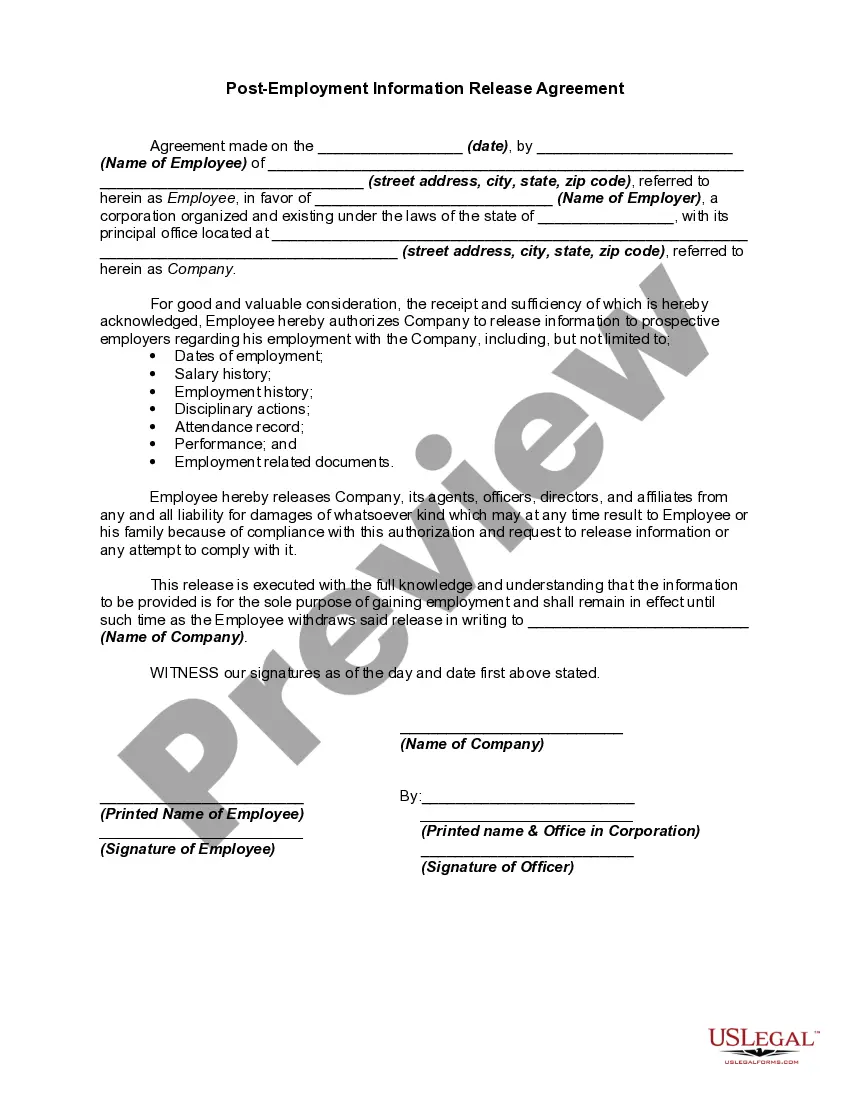
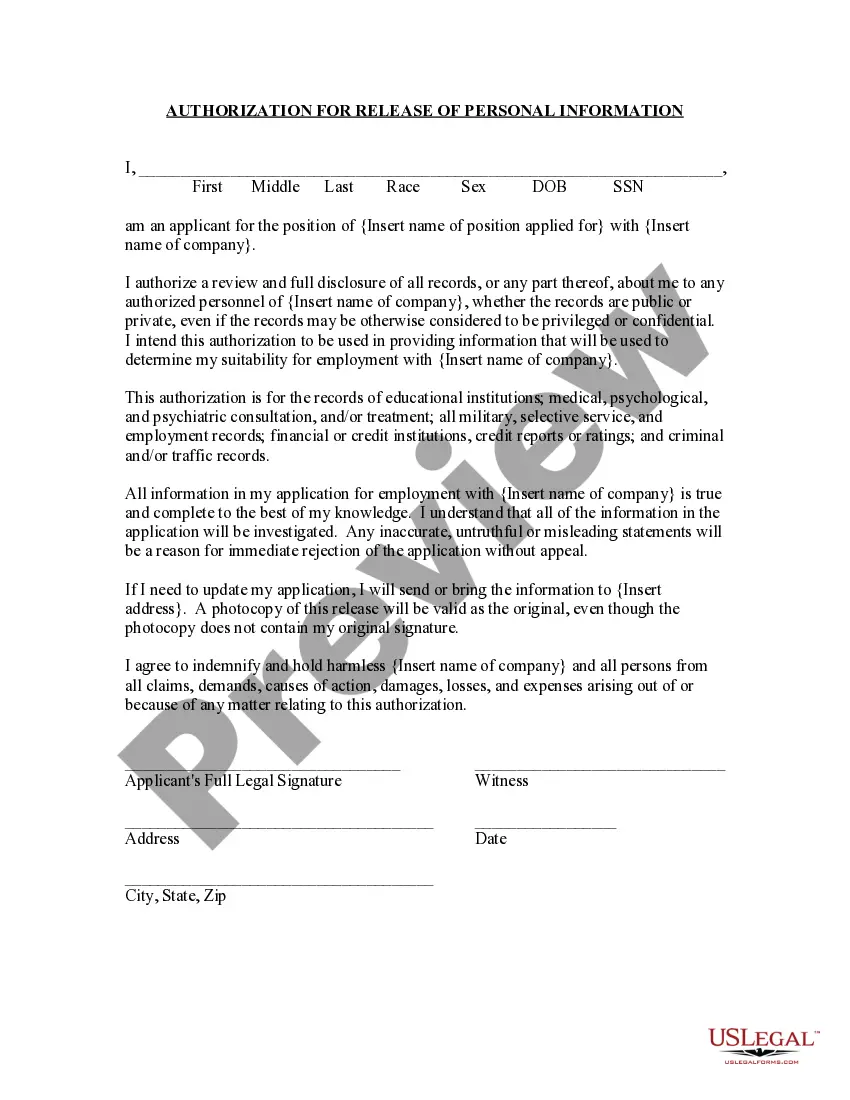
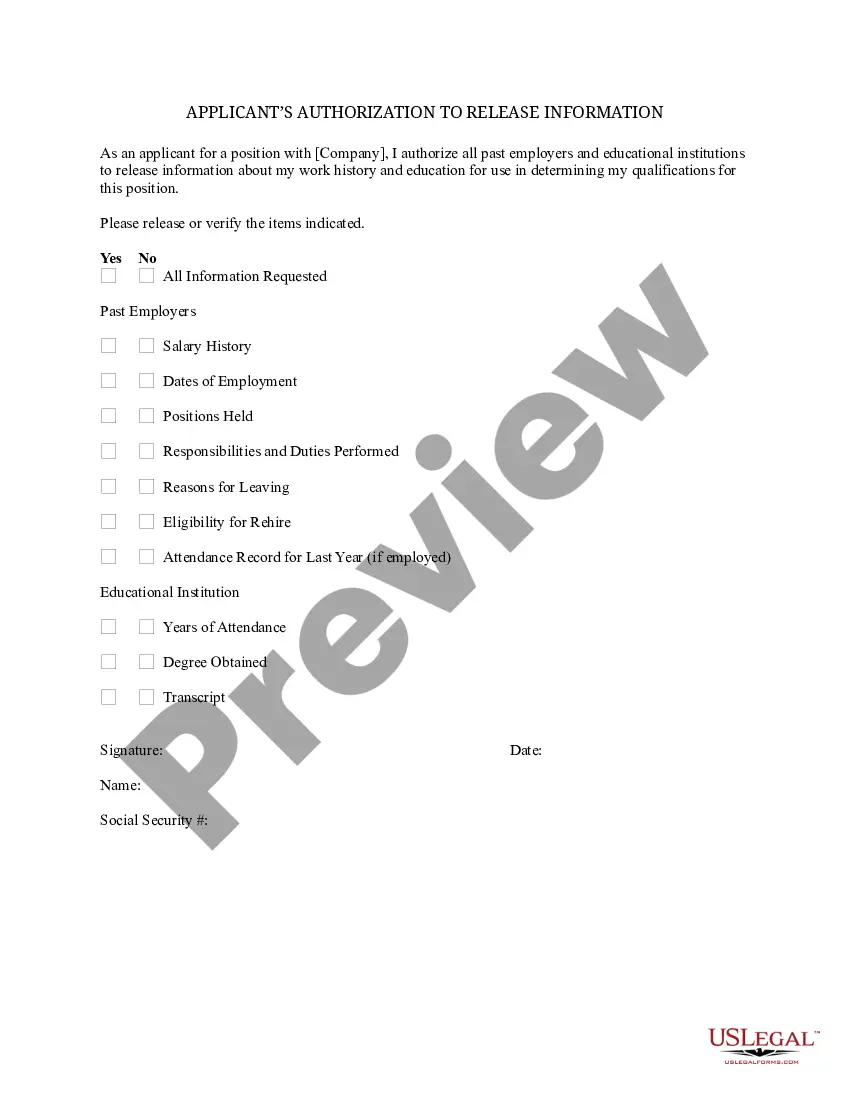
Get your form ready online
Our built-in tools help you complete, sign, share, and store your documents in one place.
Make edits, fill in missing information, and update formatting in US Legal Forms—just like you would in MS Word.
Download a copy, print it, send it by email, or mail it via USPS—whatever works best for your next step.
Sign and collect signatures with our SignNow integration. Send to multiple recipients, set reminders, and more. Go Premium to unlock E-Sign.
If this form requires notarization, complete it online through a secure video call—no need to meet a notary in person or wait for an appointment.
We protect your documents and personal data by following strict security and privacy standards.

Make edits, fill in missing information, and update formatting in US Legal Forms—just like you would in MS Word.

Download a copy, print it, send it by email, or mail it via USPS—whatever works best for your next step.

Sign and collect signatures with our SignNow integration. Send to multiple recipients, set reminders, and more. Go Premium to unlock E-Sign.

If this form requires notarization, complete it online through a secure video call—no need to meet a notary in person or wait for an appointment.

We protect your documents and personal data by following strict security and privacy standards.
Looking for another form?
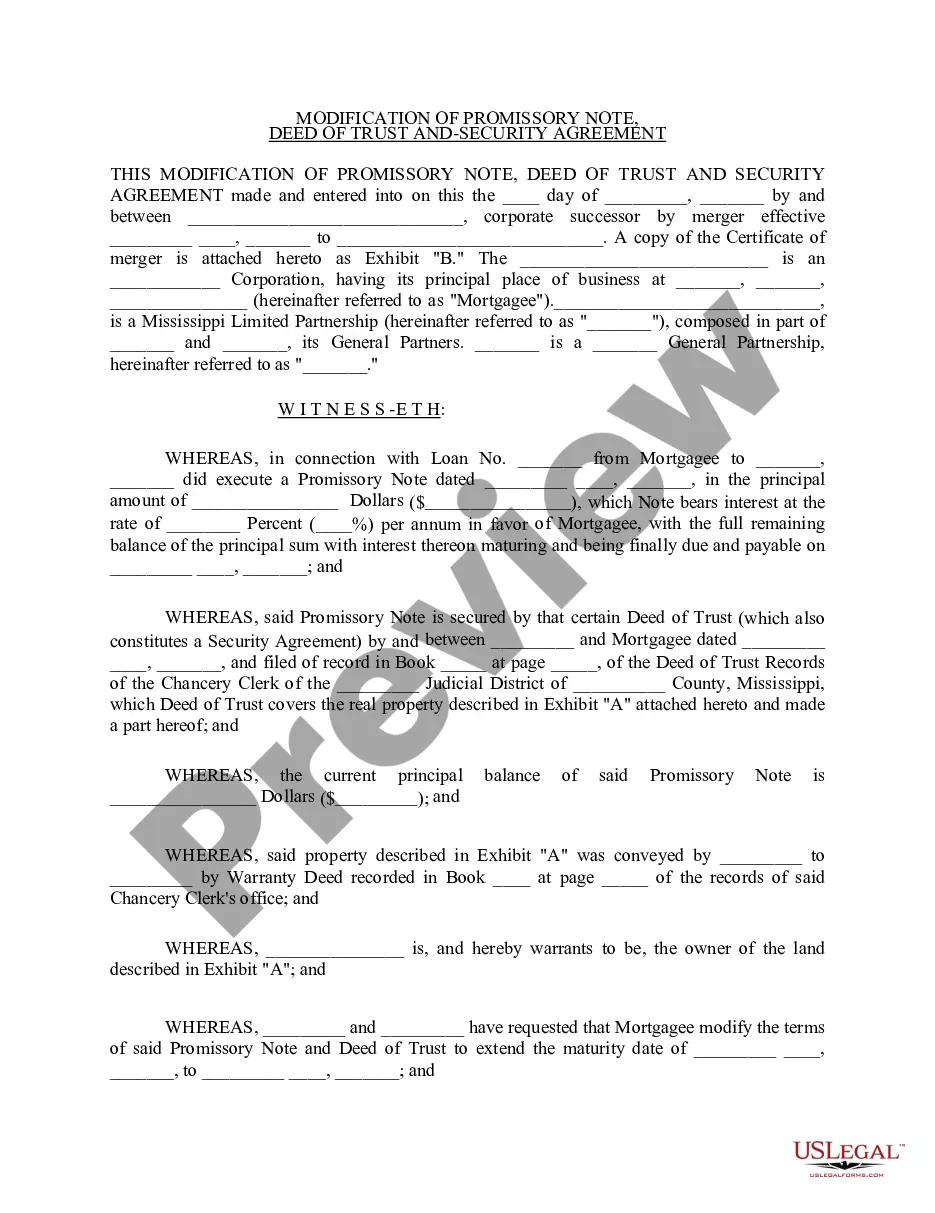
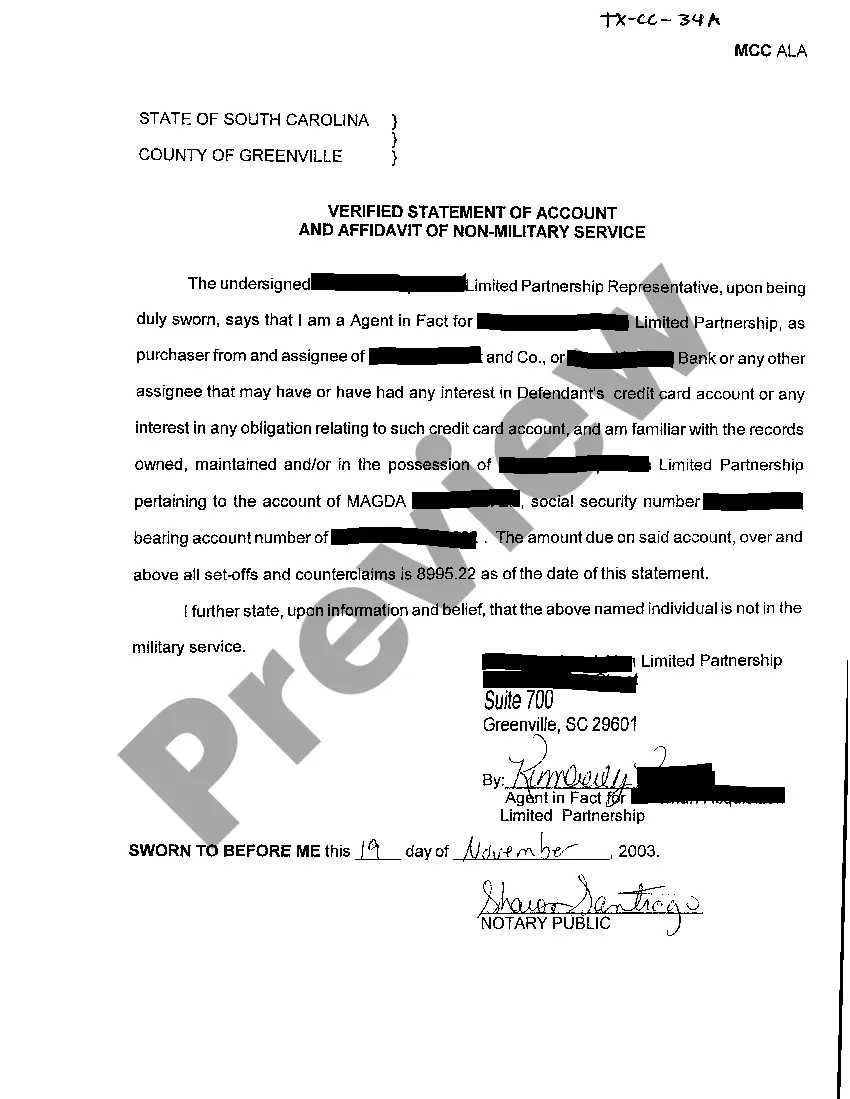
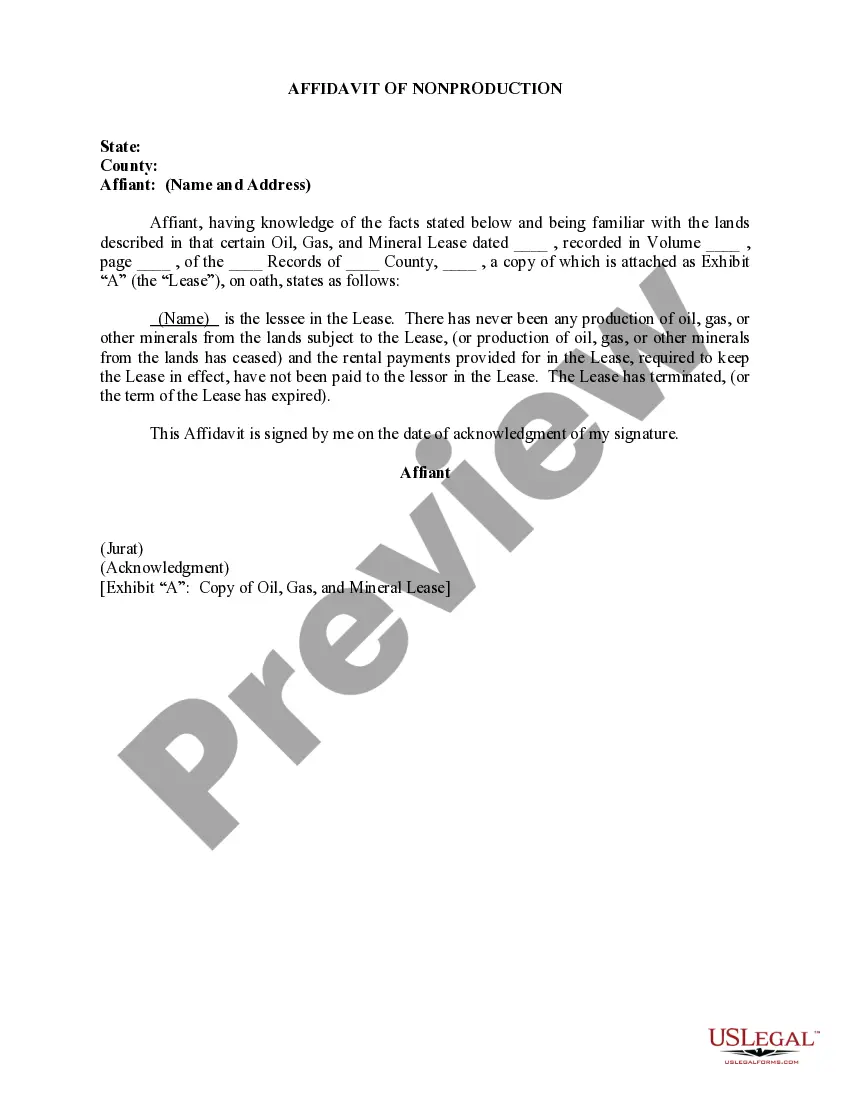
Form popularity
FAQ
On April 23, 2024, the FTC passed a final rule to ban most non-compete clauses in employment agreements, finding such agreements to be unfair methods of competition (the “FTC Rule”).
Comments Section Non-compete clauses are not enforceable post termination of contract in India in case of employment contracts. This means that even if your contract had a non-compete clause, it can only be used to prevent you from working for a competitor while you are employed with your employer.
In addition to a legitimate business interest, many states have requirements for the types of restrictions a non-compete may impose on a person. For instance, in Utah, a non-compete may not restrict an employee from working for a new employer for a period of more than one year.
Take a non-competitive job or role outside your current employer's specialty. Prove your employer breached the contract to invalidate the non-compete clause. Argue that the non-compete is overly restrictive or not enforceable. Negotiate or prove no legitimate business interests exist to uphold the agreement.
The following are the most common ways to get out of a non-compete agreement: Determine that the terms of the contract do not in fact prevent you from a desired course of action. Recognize when a non-compete contradicts the law. Negotiate a release agreement with the involved parties. Ignore the agreement.
This law states that a non-compete agreement may be enforced if it is part of “a reasonable severance agreement mutually and freely agreed upon at or after the time of termination.” The non-compete agreement must also meet the common law requirements imposed by Utah courts in order to be enforceable.
Utah lawmakers added redundancy in March with a bill that prohibits NDAs “related to sexual assault and sexual harassment, as a condition of employment.” “The only way that sexual harassment and violence in the workplace happens is when we cannot talk about it and point it out to stop it,” Rep.
Employment contracts or settlement agreements containing nondisclosure agreements (NDAs) or non-disparagement clauses pertaining to sexual misconduct allegations are now void under Utah state law.
In Part 1 of this series, I explained that Utah courts will enforce Restrictive Covenants (like non-compete agreements, non-solicitation agreements, no-hire clauses, and similar provisions), as long as they are written to protect the employer's “blood, sweat, and tears”—its innovation, investment, goodwill, etc.
H.B. 55 adds a new section to the Utah Antidiscrimination Act providing that nondisclosure or non-disparagement clauses regarding sexual misconduct (sexual assault or harassment) required as a condition of employment are against public policy, void and unenforceable.