Employment Agreement With In San Antonio
Description
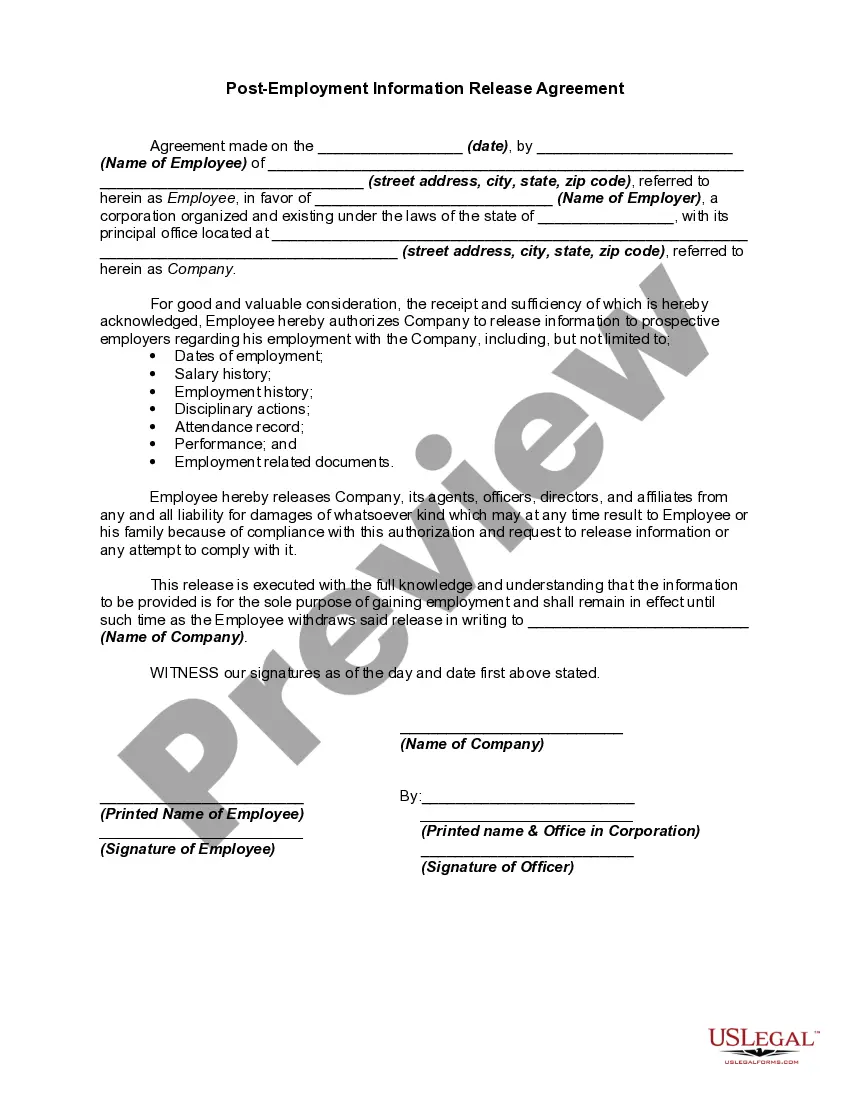
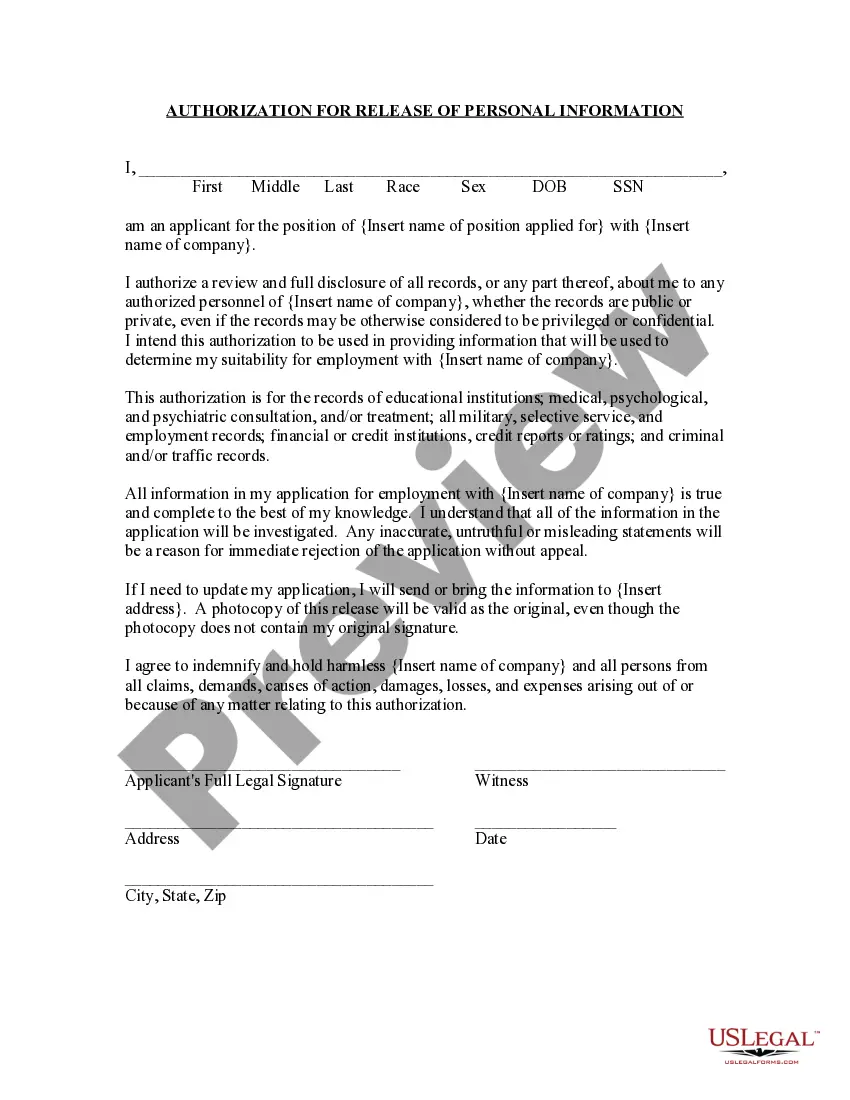
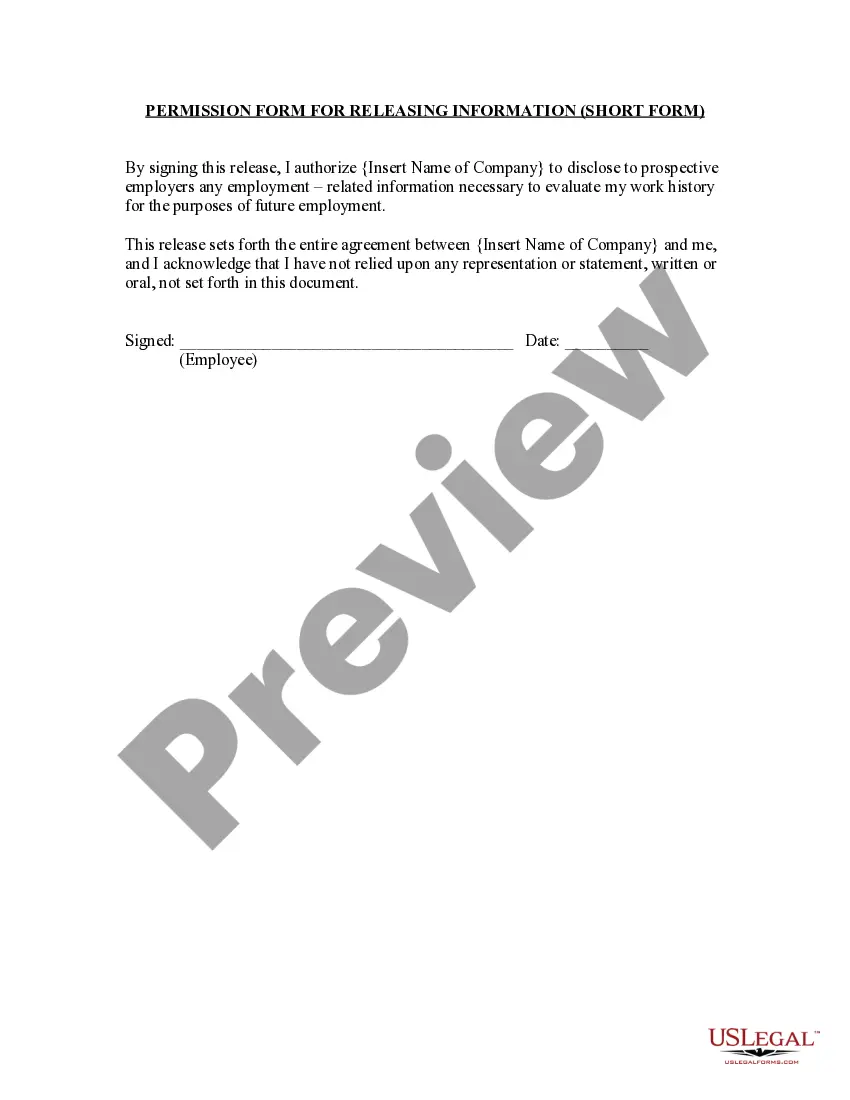
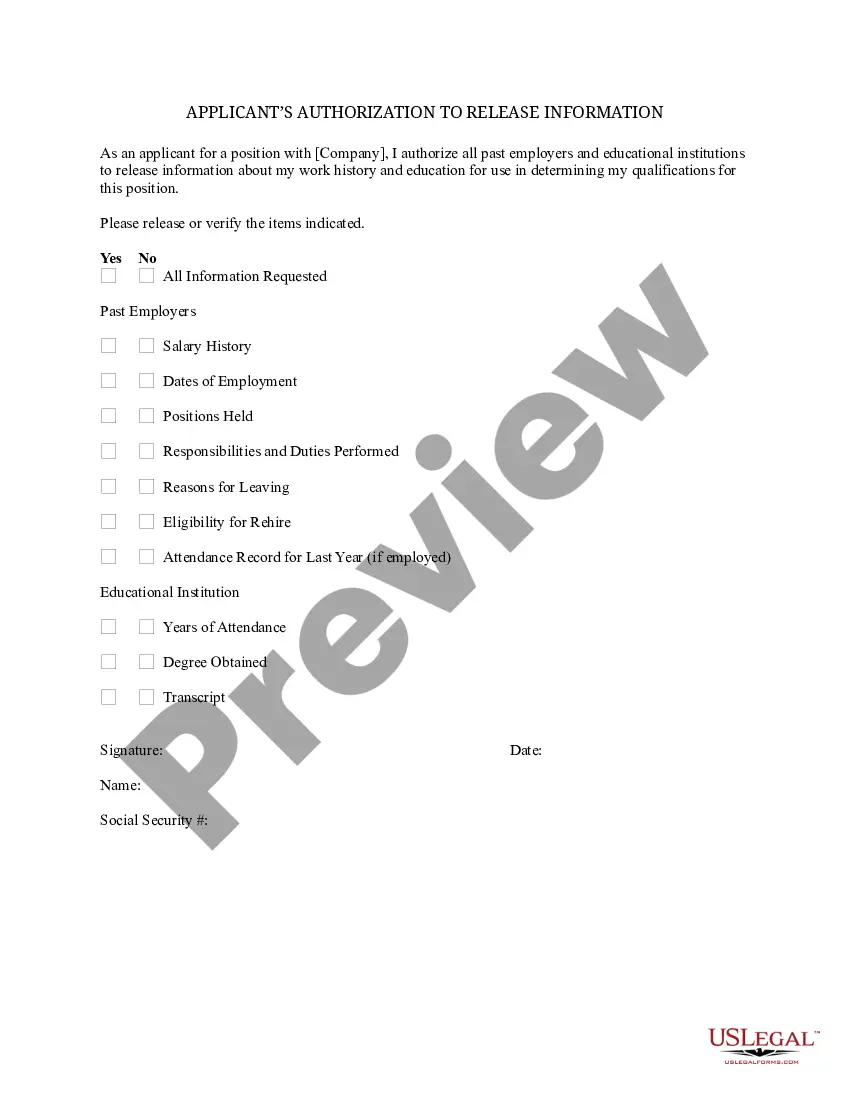
Get your form ready online
Our built-in tools help you complete, sign, share, and store your documents in one place.
Make edits, fill in missing information, and update formatting in US Legal Forms—just like you would in MS Word.
Download a copy, print it, send it by email, or mail it via USPS—whatever works best for your next step.
Sign and collect signatures with our SignNow integration. Send to multiple recipients, set reminders, and more. Go Premium to unlock E-Sign.
If this form requires notarization, complete it online through a secure video call—no need to meet a notary in person or wait for an appointment.
We protect your documents and personal data by following strict security and privacy standards.

Make edits, fill in missing information, and update formatting in US Legal Forms—just like you would in MS Word.

Download a copy, print it, send it by email, or mail it via USPS—whatever works best for your next step.

Sign and collect signatures with our SignNow integration. Send to multiple recipients, set reminders, and more. Go Premium to unlock E-Sign.

If this form requires notarization, complete it online through a secure video call—no need to meet a notary in person or wait for an appointment.

We protect your documents and personal data by following strict security and privacy standards.
Looking for another form?




Form popularity
FAQ
All employment contracts are a type of employment agreement, but not all employment agreements result in formal employment contracts. Employment or employee contracts are typically formal, legally binding written documents that specify the terms and conditions of an employment relationship.
Here are some steps you may use to guide you when you write an employment contract: Title the employment contract. Identify the parties. List the term and conditions. Outline the job responsibilities. Include compensation details. Use specific contract terms. Consult with an employment lawyer. Employment.
For a contract to be legally binding, it must have 4 essential elements: An offer. Acceptance of material terms of the offer. Consideration by both parties.
What are the essential components of an employment agreement? A well-drafted employment agreement typically includes the job title and description, salary, work schedule, benefits, and the employment terms. Both parties should clearly understand their obligations to avoid future disputes.
Texas is considered a “right to work” state, meaning contracts aren't required, and the state doesn't put many legal requirements on employment relationships. Still, employers are increasingly using employment contracts across all industries and professions.
As a general rule, Texas is a “right to work” or “employment at will” state, which means that employees and employers are not required to enter into employment contracts. An “at will” employee can end his or her employment for any reason at any time.
Mutual Assent: A "Meeting of the Minds" of Offer & Acceptance. A legally recognized offer and an acceptance create a "meeting of the minds", or mutual assent, between the parties. The law requires the parties to a contract to demonstrate mutual assent to the contracts' terms.
Texas – While handwritten agreements are valid, some transactions require additional documentation for enforceability.
The basic rule of Texas employment law is employment at will, which applies to all phases of the employment relationship - it means that absent a statute or an express agreement (such as an employment contract) to the contrary, either party in an employment relationship may modify any of the terms or conditions of ...
Written employment contracts are not required. However, many employers use them when hiring for a high-level or professional position. Most written employment contracts will describe the scope and duties of the job in addition to the salary and any other compensation or benefits.

