Release Of Information For Therapist
Description
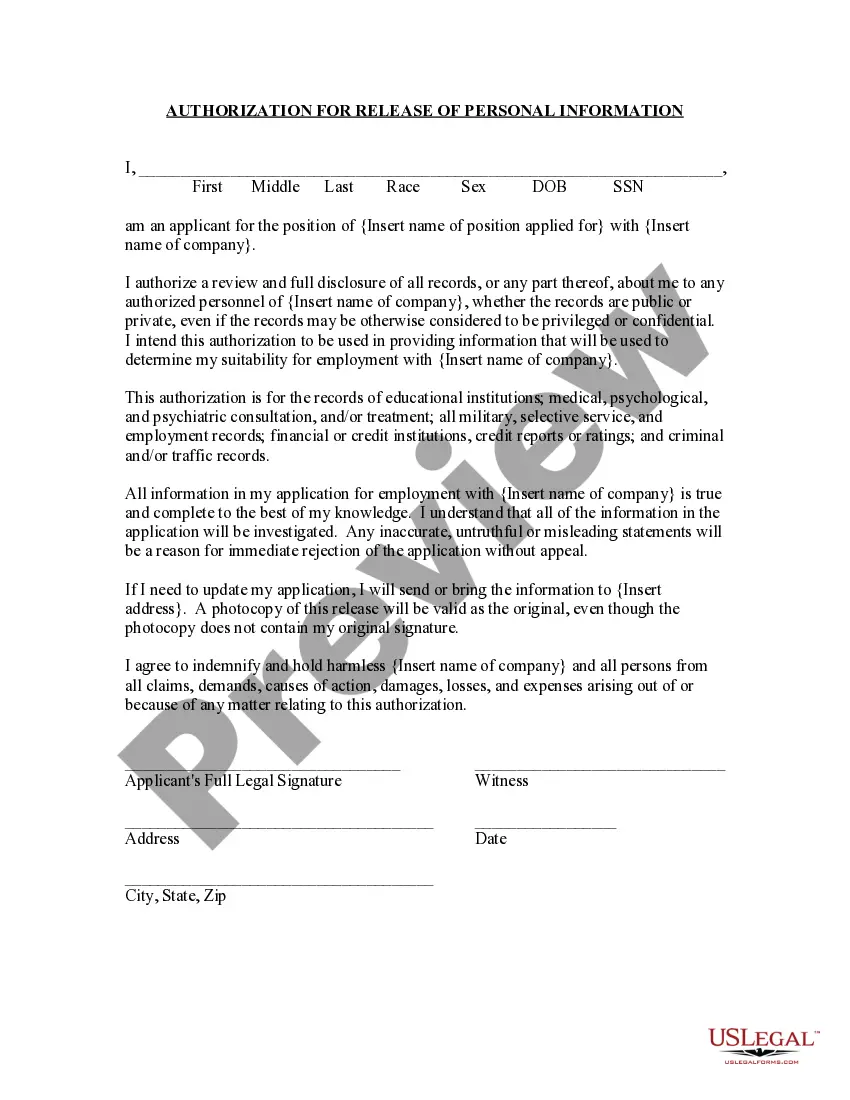
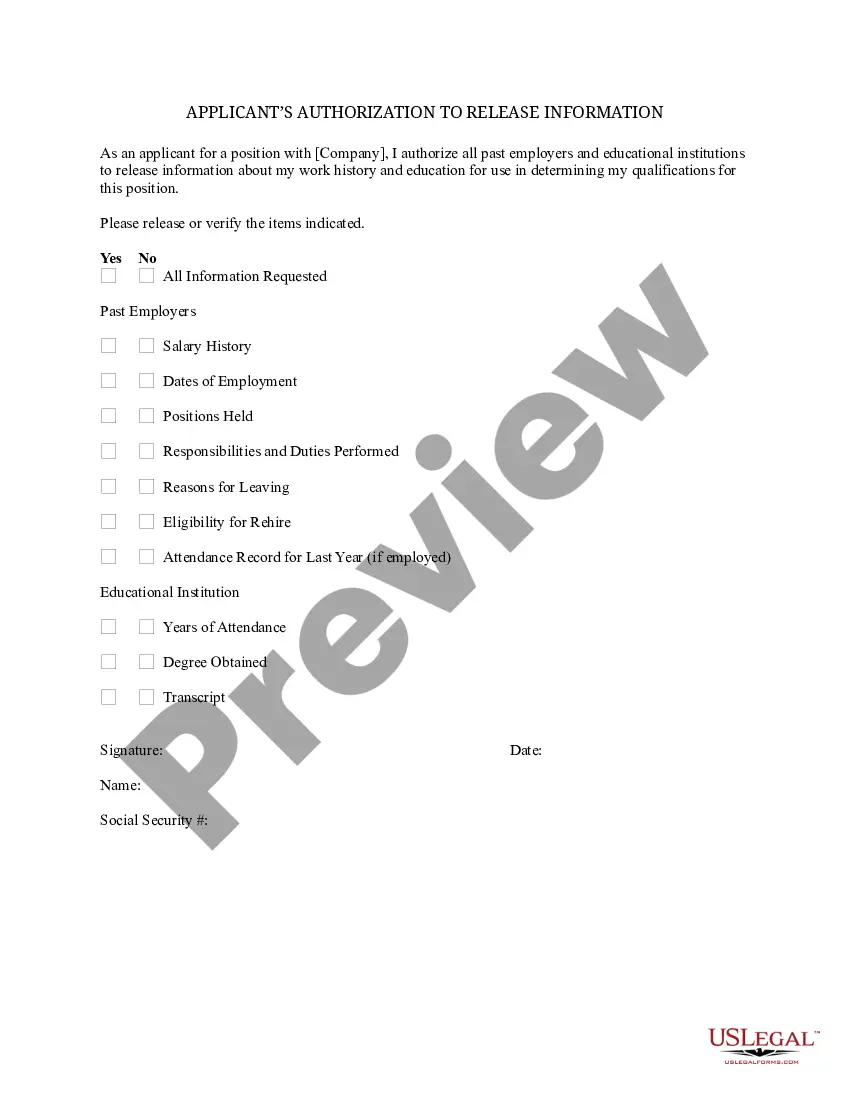
Get your form ready online
Our built-in tools help you complete, sign, share, and store your documents in one place.
Make edits, fill in missing information, and update formatting in US Legal Forms—just like you would in MS Word.
Download a copy, print it, send it by email, or mail it via USPS—whatever works best for your next step.
Sign and collect signatures with our SignNow integration. Send to multiple recipients, set reminders, and more. Go Premium to unlock E-Sign.
If this form requires notarization, complete it online through a secure video call—no need to meet a notary in person or wait for an appointment.
We protect your documents and personal data by following strict security and privacy standards.

Make edits, fill in missing information, and update formatting in US Legal Forms—just like you would in MS Word.

Download a copy, print it, send it by email, or mail it via USPS—whatever works best for your next step.

Sign and collect signatures with our SignNow integration. Send to multiple recipients, set reminders, and more. Go Premium to unlock E-Sign.

If this form requires notarization, complete it online through a secure video call—no need to meet a notary in person or wait for an appointment.

We protect your documents and personal data by following strict security and privacy standards.
Looking for another form?
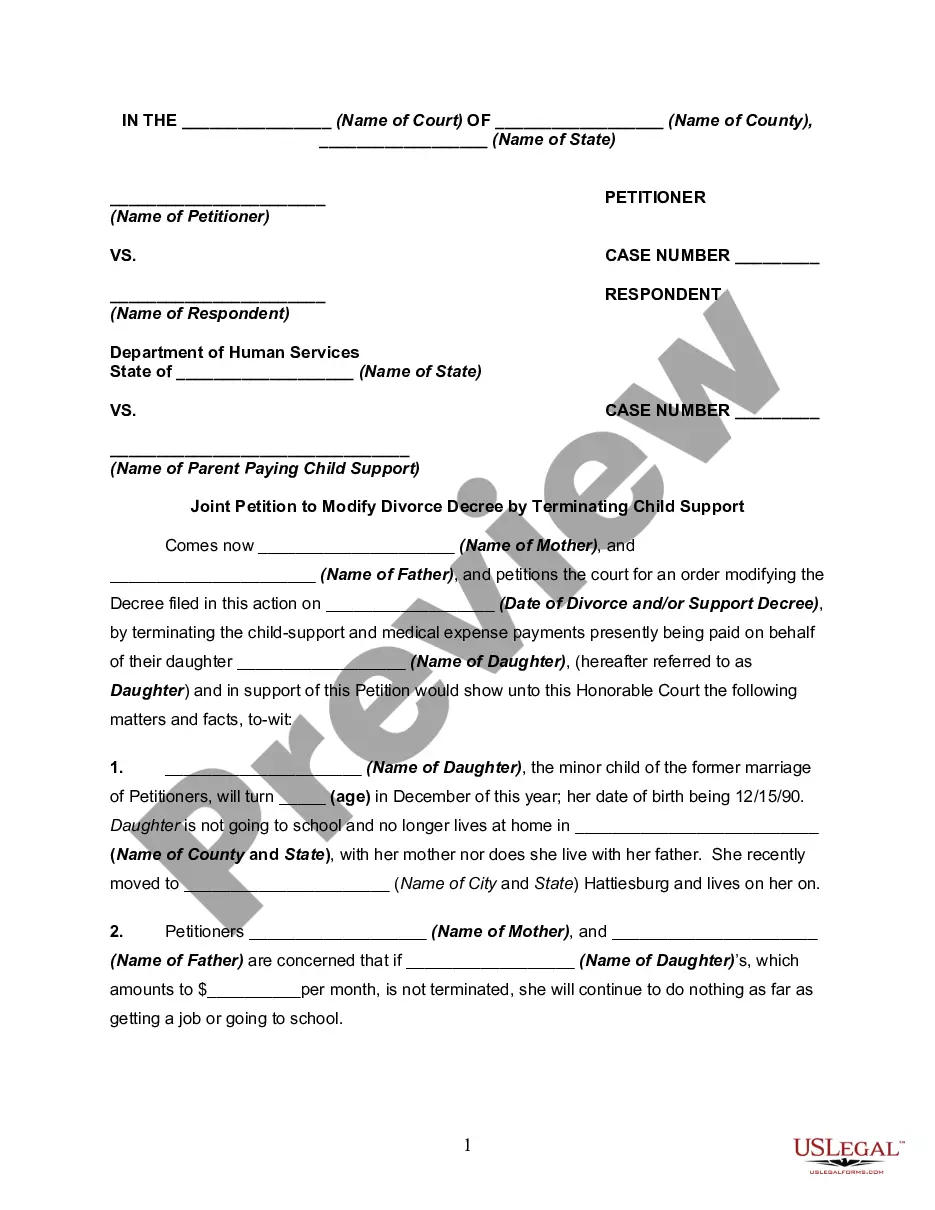
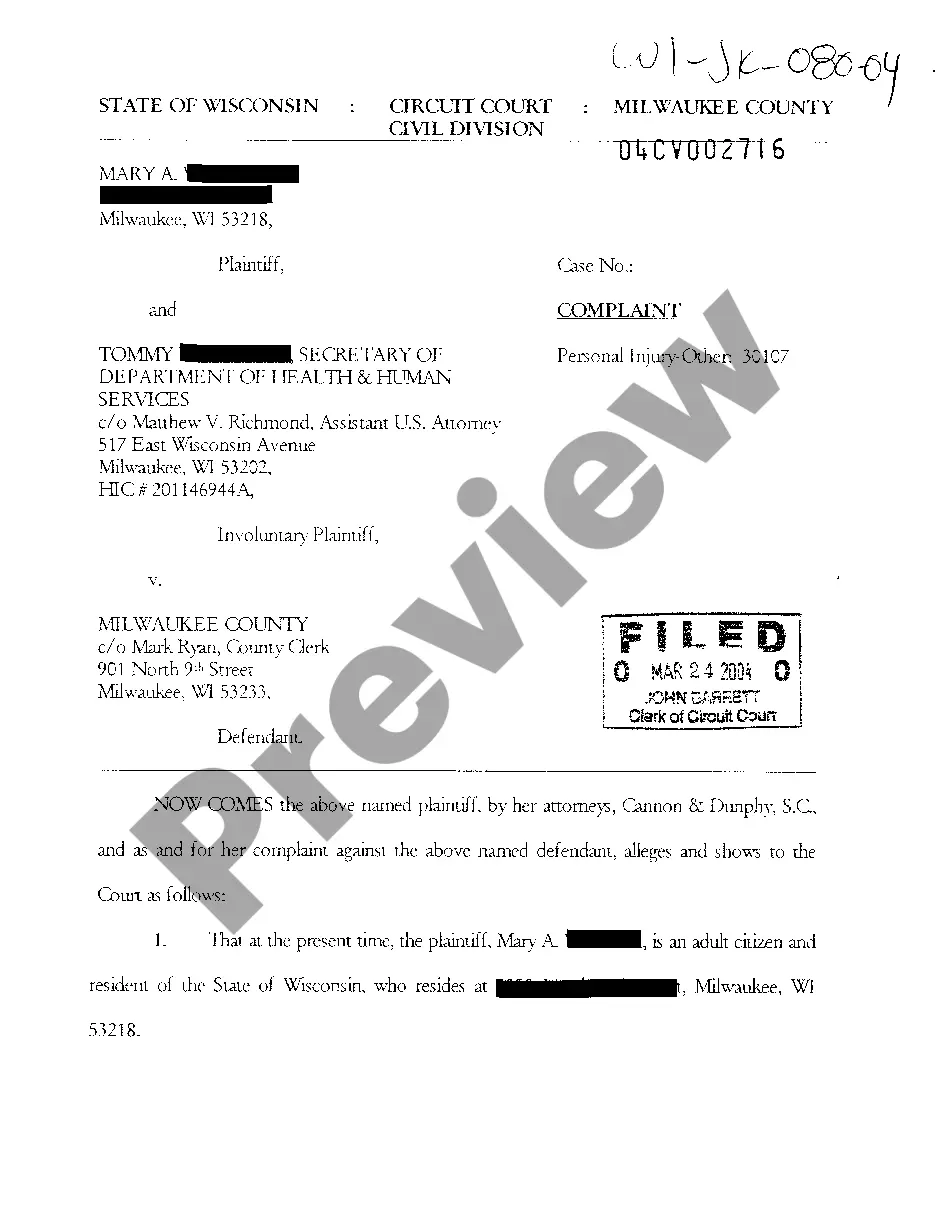
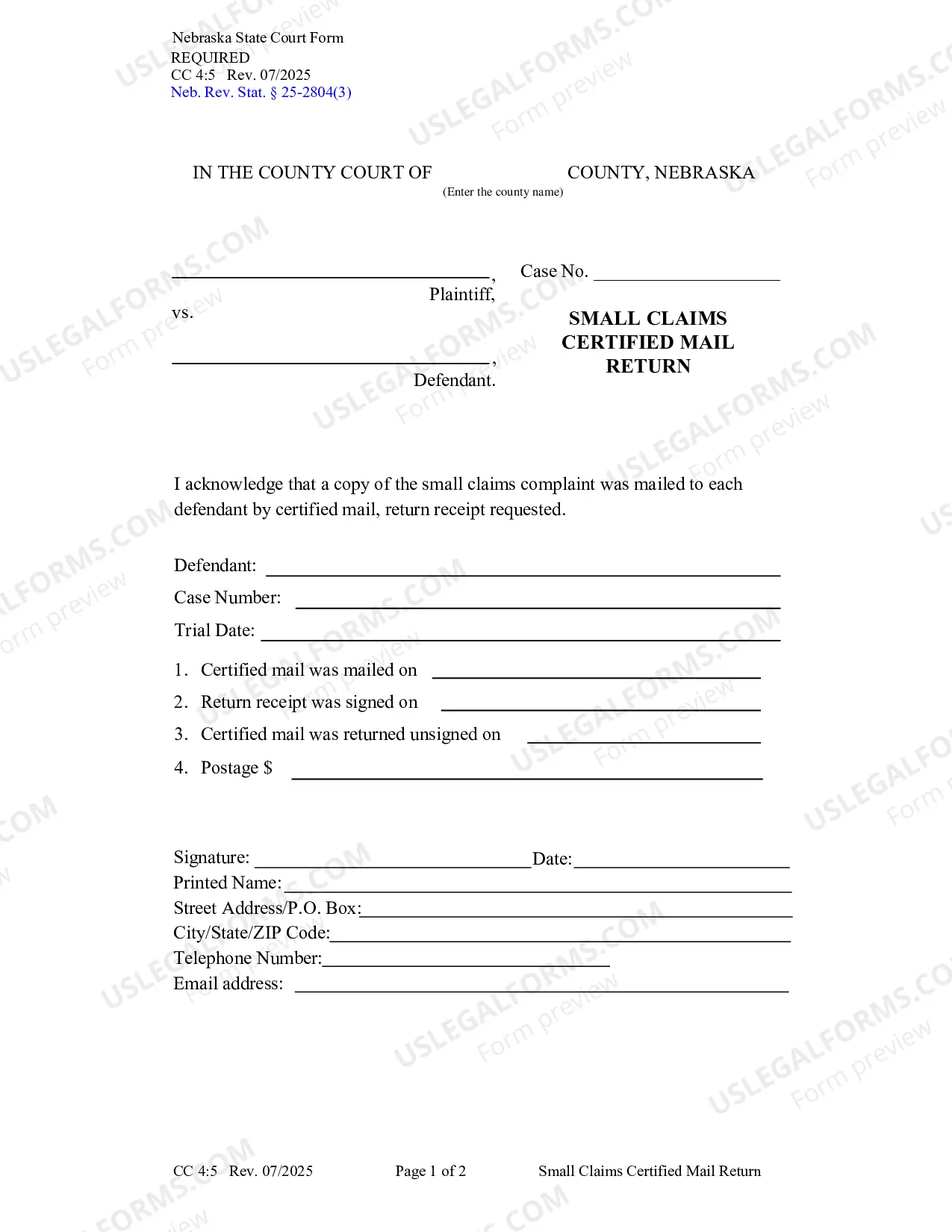
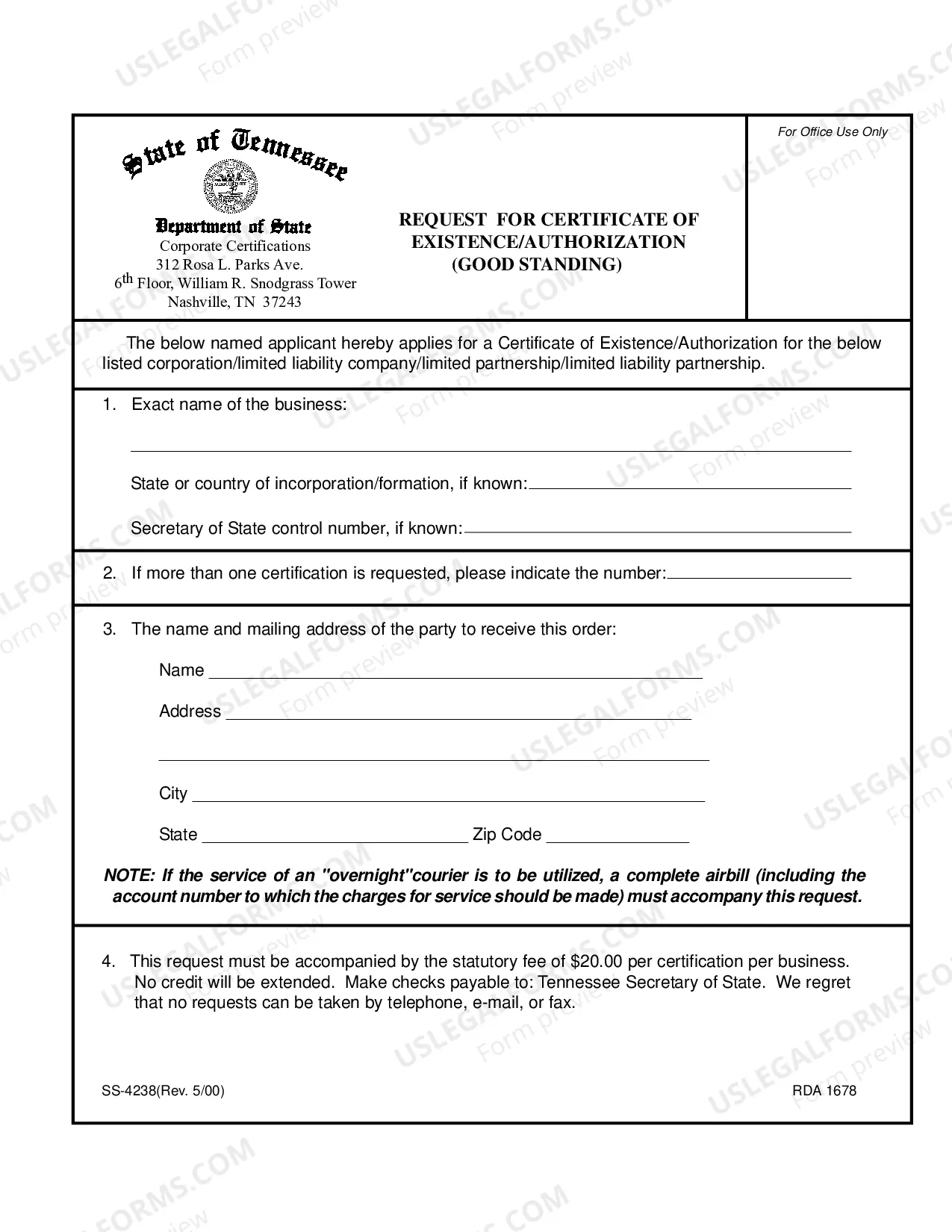
How to fill out Consent To Release Of Employment Information And Release?
Whether you handle documents regularly or occasionally need to submit a legal report, it's vital to possess a valuable resource with all pertinent and current samples.
The first step with a Release Of Information For Therapist is to verify it is the most recent version, as this determines its eligibility for submission.
To streamline your search for the most up-to-date document samples, look for them on US Legal Forms.
Avoid the confusion of dealing with legal documents. By having an account with US Legal Forms, all your templates will be organized and validated.
- US Legal Forms serves as a repository of legal forms and includes nearly every document type you might need.
- Search for the templates required, assess their relevancy immediately, and learn about their applications.
- With US Legal Forms, you gain access to approximately 85,000 document templates across various sectors.
- Quickly locate the Release Of Information For Therapist samples in just a few clicks and save them in your profile for anytime access.
- Having a US Legal Forms profile grants you the convenience of accessing all the samples needed with less hassle.
- Simply click Log In in the site header and navigate to the My documents section to have all the forms at hand, saving time on both finding the right template and verifying its suitability.
- To acquire a form without creating an account, follow these instructions.
Form popularity
FAQ
Under HIPAA, disclosure of psychotherapy notes requires more than just generalized consent; it requires patient authorization--or specific permission--to release this sensitive information.
You have the right not to disclose any confidential communications between you and your psychotherapist in a California criminal jury trial; and. You have the right to prevent your therapist from disclosing any such confidential communications.
Psychologists may disclose private information without consent in order to protect the patient or the public from serious harm if, for example, a client discusses plans to attempt suicide or harm another person.
Ideally, the therapeutic relationship has a clear starting point and ending point. It progresses through the four stages outlined above: commitment, process, change, and termination.
From time to time therapists may receive requests from third parties to access the client record or requests from third parties for information about clients.
