Release Of Patient Information Without Consent In Illinois
Description
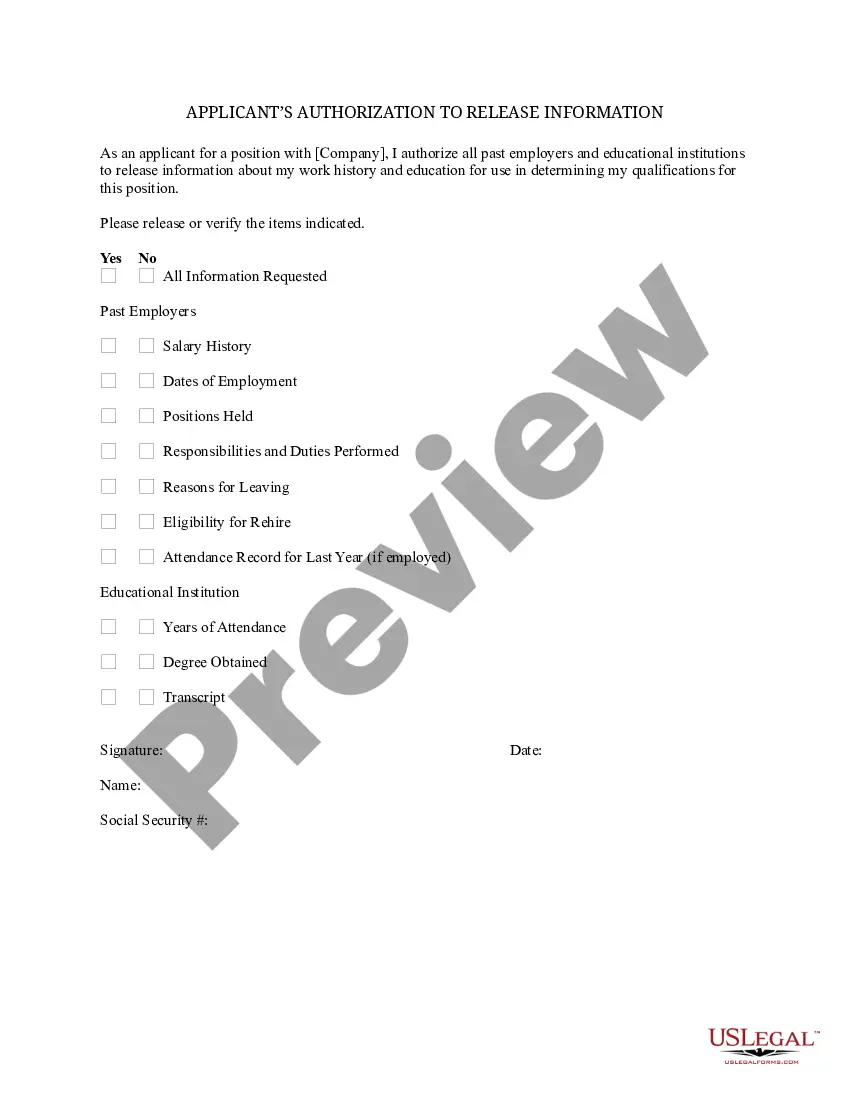
Get your form ready online
Our built-in tools help you complete, sign, share, and store your documents in one place.
Make edits, fill in missing information, and update formatting in US Legal Forms—just like you would in MS Word.
Download a copy, print it, send it by email, or mail it via USPS—whatever works best for your next step.
Sign and collect signatures with our SignNow integration. Send to multiple recipients, set reminders, and more. Go Premium to unlock E-Sign.
If this form requires notarization, complete it online through a secure video call—no need to meet a notary in person or wait for an appointment.
We protect your documents and personal data by following strict security and privacy standards.

Make edits, fill in missing information, and update formatting in US Legal Forms—just like you would in MS Word.

Download a copy, print it, send it by email, or mail it via USPS—whatever works best for your next step.

Sign and collect signatures with our SignNow integration. Send to multiple recipients, set reminders, and more. Go Premium to unlock E-Sign.

If this form requires notarization, complete it online through a secure video call—no need to meet a notary in person or wait for an appointment.

We protect your documents and personal data by following strict security and privacy standards.
Looking for another form?





Form popularity
FAQ
Each physician, health care provider, health services corporation and insurance company shall refrain from disclosing the nature or details of services provided to patients, except that such information may be disclosed: (1) to the patient, (2) to the party making treatment decisions if the patient is incapable of ...
Pritzker signed Public Act 103-0879, amending the Illinois Right to Privacy in the Workplace Act, late this summer. The act imposes new responsibilities on Illinois employers pertinent to E-Verify and workplace verification and also preempts local government requirements. It goes into effect Jan. 1, 2025.
Disclosing confidential information without proper authorization. Discussing confidential information in the presence of individuals who do not have the "need to know' to perform assigned duties. Improper disposal of confidential information.
The Illinois law permits disclosure when a therapist, in their sole discretion, determines that it is necessary to “protect the recipient or other person against a clear, imminent risk of serious physical or mental injury or disease or death being inflicted … by the recipient on himself or another…”
Subject to exceptions not applicable here, the physician-patient privilege bars disclosure by any physician of information acquired in attending his patient and for the purpose of treating the patient, without the patient's expressed consent. (Illinois Revised Statutes, Chapter 110, Section 8-802.)
Illinois Requires Two-Party Consent to Record Private Conversations. Recording laws are largely governed at the state level. Most U.S. states are one-party consent jurisdictions, meaning that only one party to a conversation needs to give consent for a recording to be lawful.
Illinois law tries to reduce the risk of medical malpractice and complications with its informed consent law. The purpose of Illinois Informed Consent law is so that a doctor will disclose all information that a patient would find relevant in deciding whether to proceed with a surgical or other medical procedure.
FOIA is the state Freedom of Information Act. Under the Illinois Freedom of Information Act (5 ILCS 140), records in the possession of public agencies may be accessed by the public upon written request.
The Illinois Freedom of Information Act (FOIA) is designed to ensure that Illinois residents can obtain information about their government. In 2009, Attorney General Lisa Madigan worked with legislators and a diverse group of individuals and organizations to strengthen FOIA and hold government more accountable.