Roommate Agreement In Michigan In Travis
Description

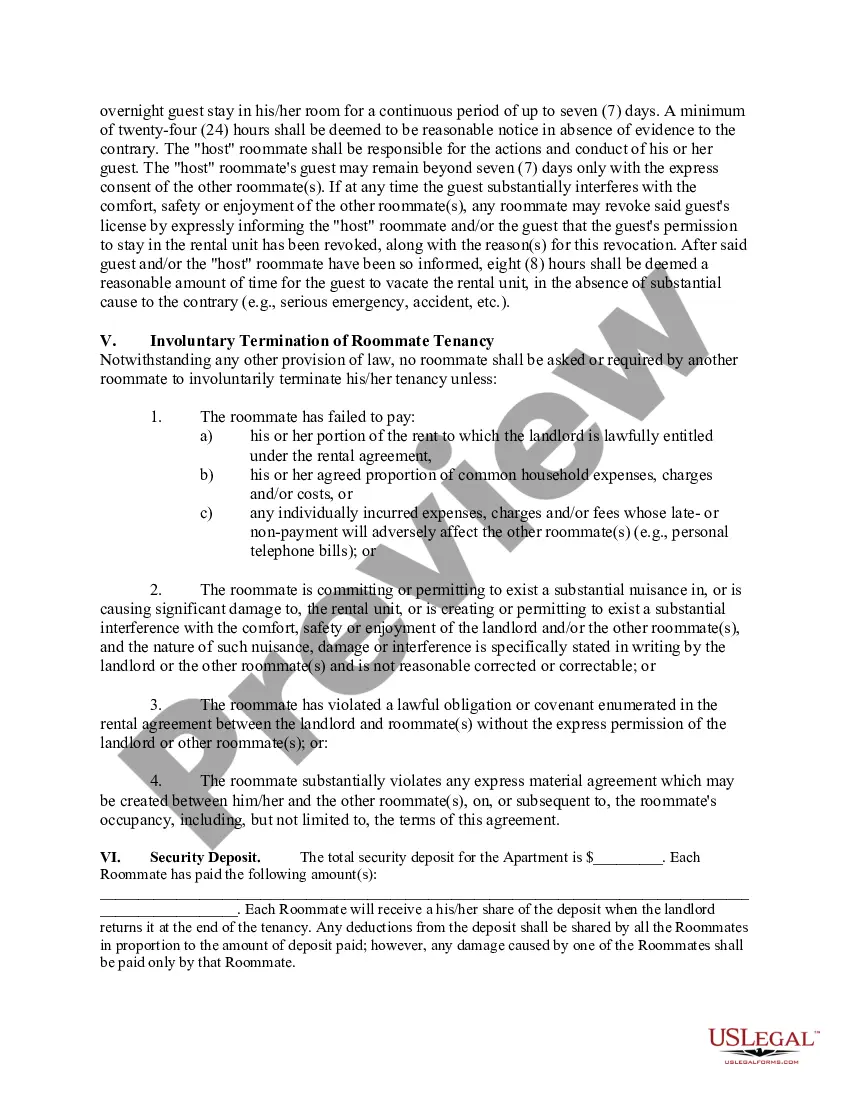
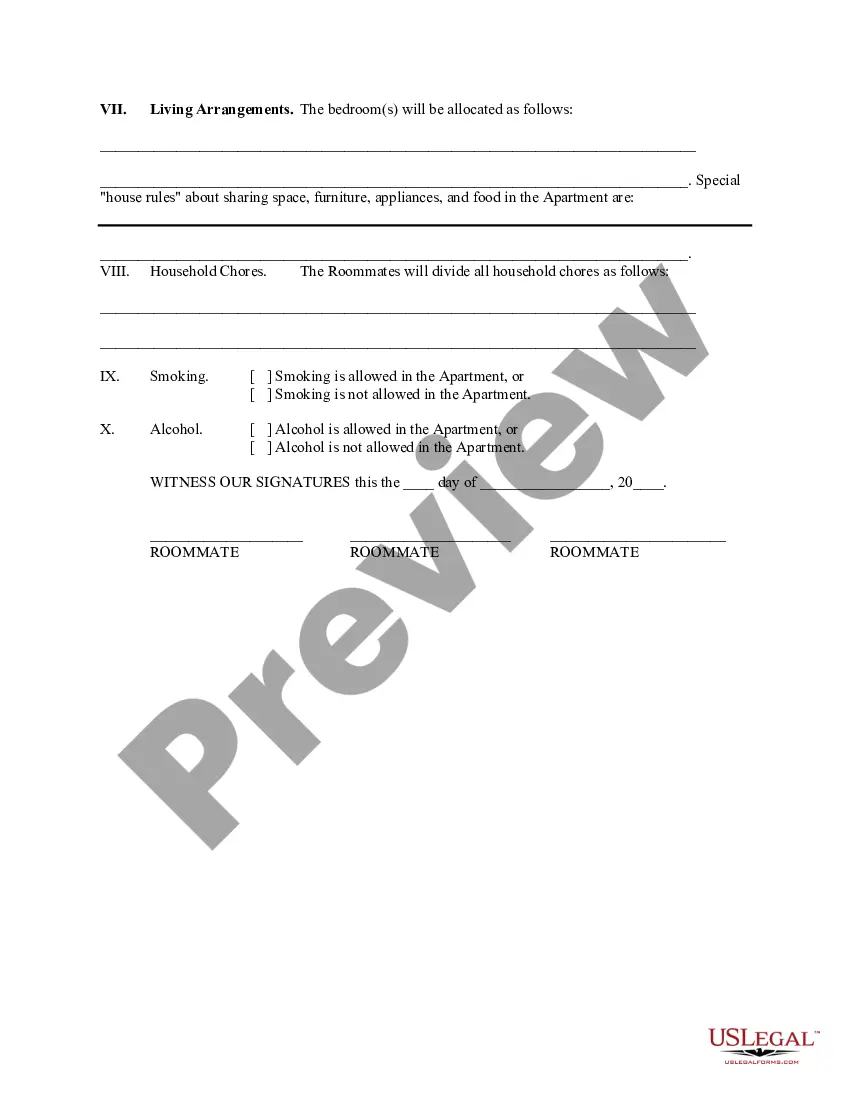
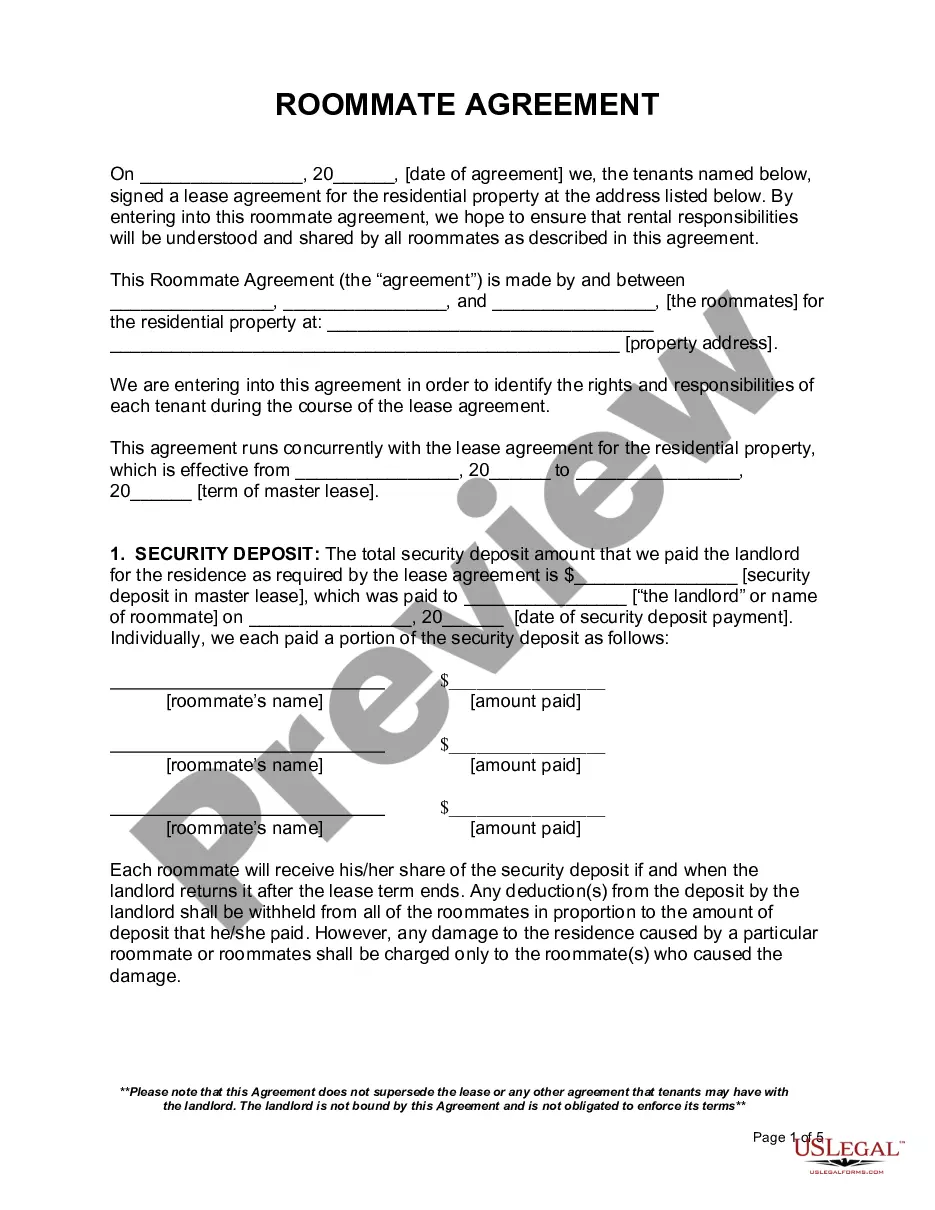
Get your form ready online
Our built-in tools help you complete, sign, share, and store your documents in one place.
Make edits, fill in missing information, and update formatting in US Legal Forms—just like you would in MS Word.
Download a copy, print it, send it by email, or mail it via USPS—whatever works best for your next step.
Sign and collect signatures with our SignNow integration. Send to multiple recipients, set reminders, and more. Go Premium to unlock E-Sign.
If this form requires notarization, complete it online through a secure video call—no need to meet a notary in person or wait for an appointment.
We protect your documents and personal data by following strict security and privacy standards.

Make edits, fill in missing information, and update formatting in US Legal Forms—just like you would in MS Word.

Download a copy, print it, send it by email, or mail it via USPS—whatever works best for your next step.

Sign and collect signatures with our SignNow integration. Send to multiple recipients, set reminders, and more. Go Premium to unlock E-Sign.

If this form requires notarization, complete it online through a secure video call—no need to meet a notary in person or wait for an appointment.

We protect your documents and personal data by following strict security and privacy standards.
Looking for another form?

Form popularity
FAQ
Roommate agreements are important. Here are some things to consider when making yours. A Detailed Plan of Bill Breakdowns. Rules for Pets. Guests and Significant Others. Private Time/Quiet Hours. Cleaning Schedule. Conflict Resolution.
Roommate agreements are typically considered legally binding when both a valid offer and acceptance exist, and there's a clear intention to enter into the contract from all parties.
A legally binding agreement with your roommate, which is carefully drawn out to eliminate problems in the future, is signed between the tenants and has nothing to do with the property owner. An agreement should include your basic details. For example, your name, permanent address, and workplace details.
All parties agree to discuss frankly and unemotionally all concerns with their roommates before problems occur. All parties agree to negotiate in good faith, should the need arise. All parties will respect one another's privacy, sleep schedules, and other requests that are not unreasonably burdensome.
Roommates cannot evict one another. The eviction process is only available in landlord-tenant relationships. This means you cannot force your roommate to leave the home, and your roommate cannot force you to leave the home. This is true even if your roommate stopped paying for their portion of rent and utilities.
Roommate agreements are typically considered legally binding when both a valid offer and acceptance exist, and there's a clear intention to enter into the contract from all parties. However, that doesn't necessarily mean you can legally hold your roommates to every provision of your agreement with them.
Notice to Vacate: You must first serve your roommate with a notice to vacate. In Texas, this notice typically gives the roommate three days to leave the property unless a different period is specified in your rental agreement.
You have to file an eviction against him. Fill out the paperwork and turn it in to the court. They'll set a court date. He either show or not, but lose either way. Court will issue a writ of eviction and if he doesn't comply within a certain time frame, you file more paperwork with the judge.
However, it's crucial to remember that while your roommate agreement is a binding contract between the roommates, it's not the same as a formal lease agreement. Thus, any eviction based on it must still adhere to Florida's landlord-tenant laws.
Handling the Departure of a Roommate If a co-tenant wants to leave before the end of the lease period, they should notify the landlord and get their permission. Otherwise, the other co-tenants can try to replace them with a new tenant who meets the landlord's standards.
