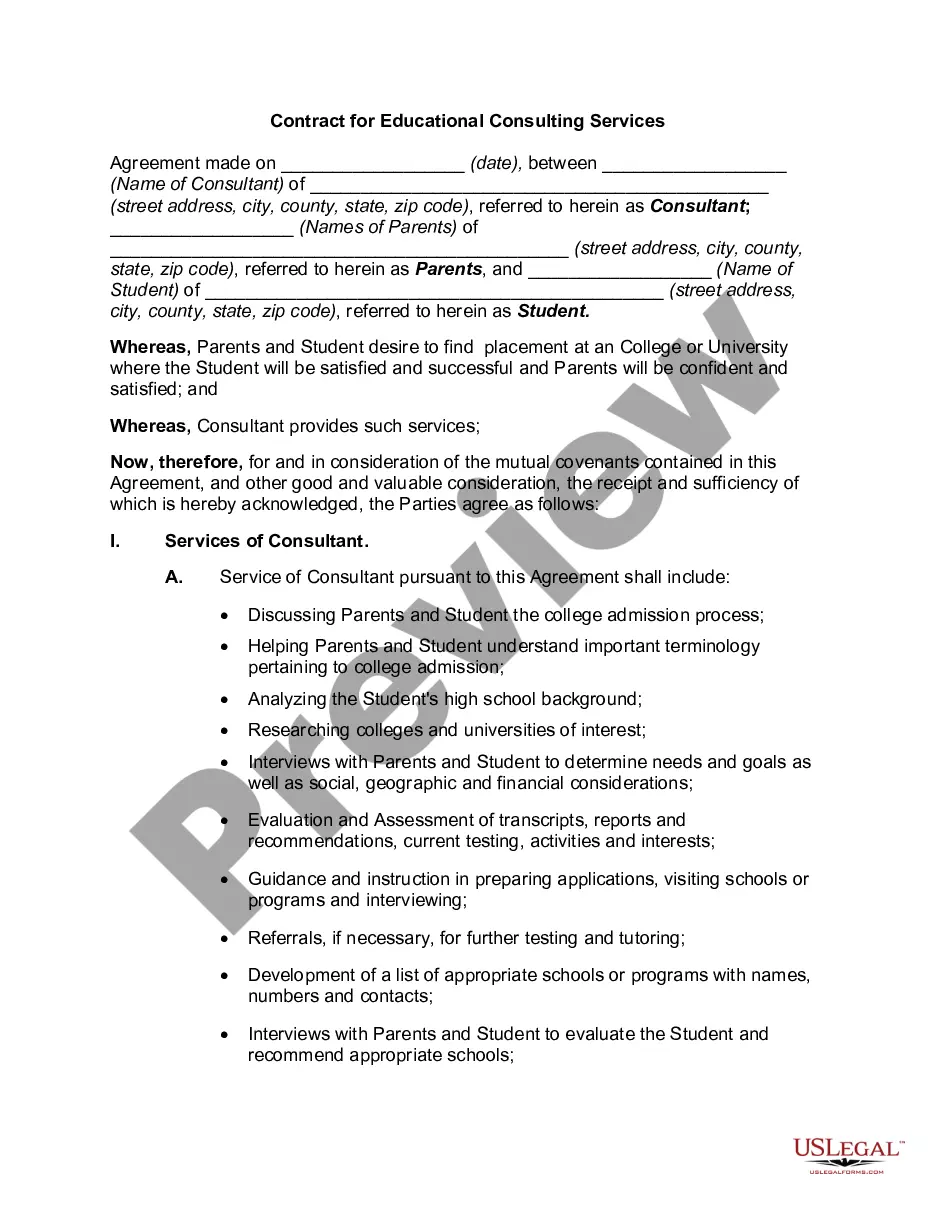
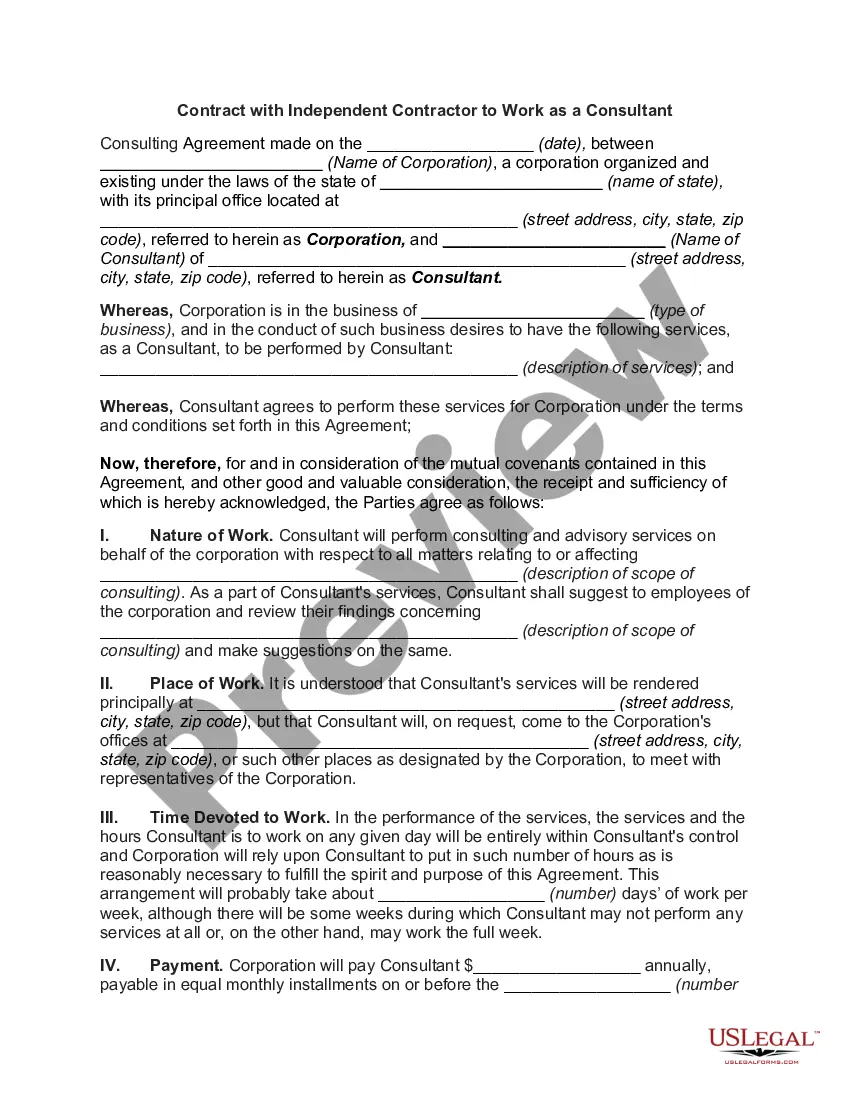
Consultant Work Contract For Taxes In Salt Lake
Description

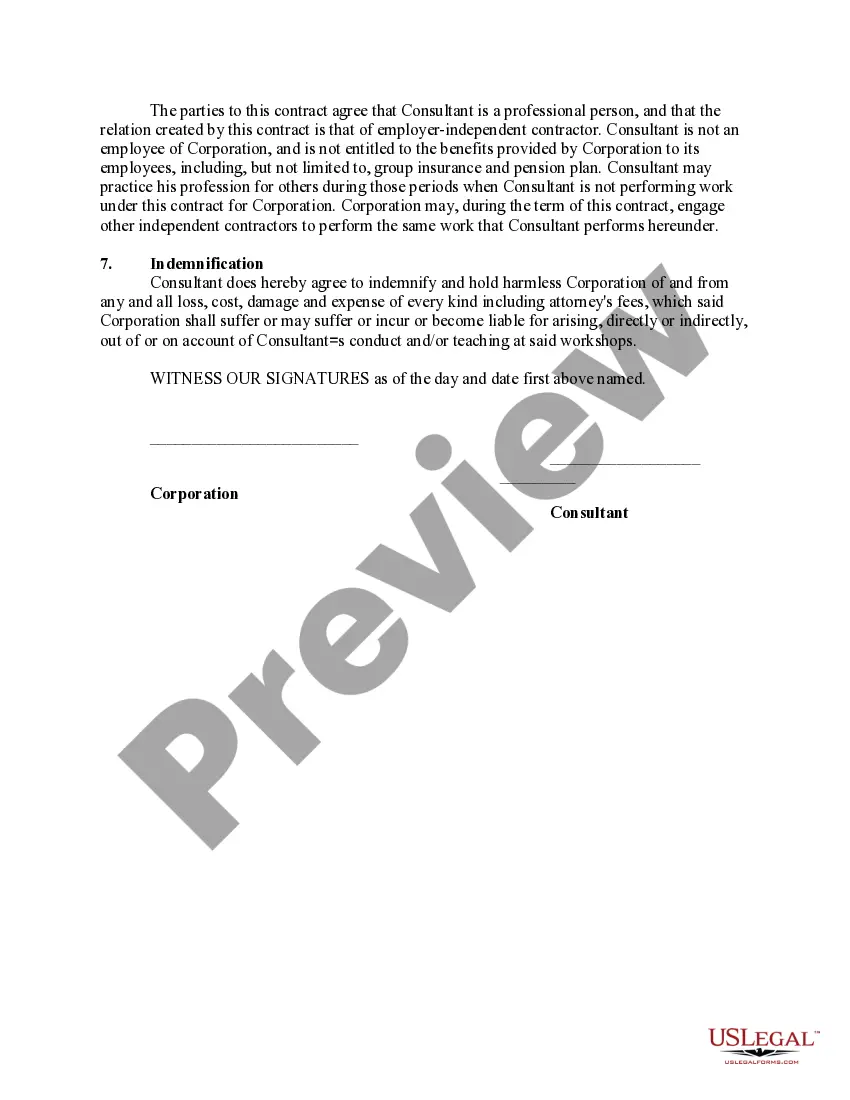
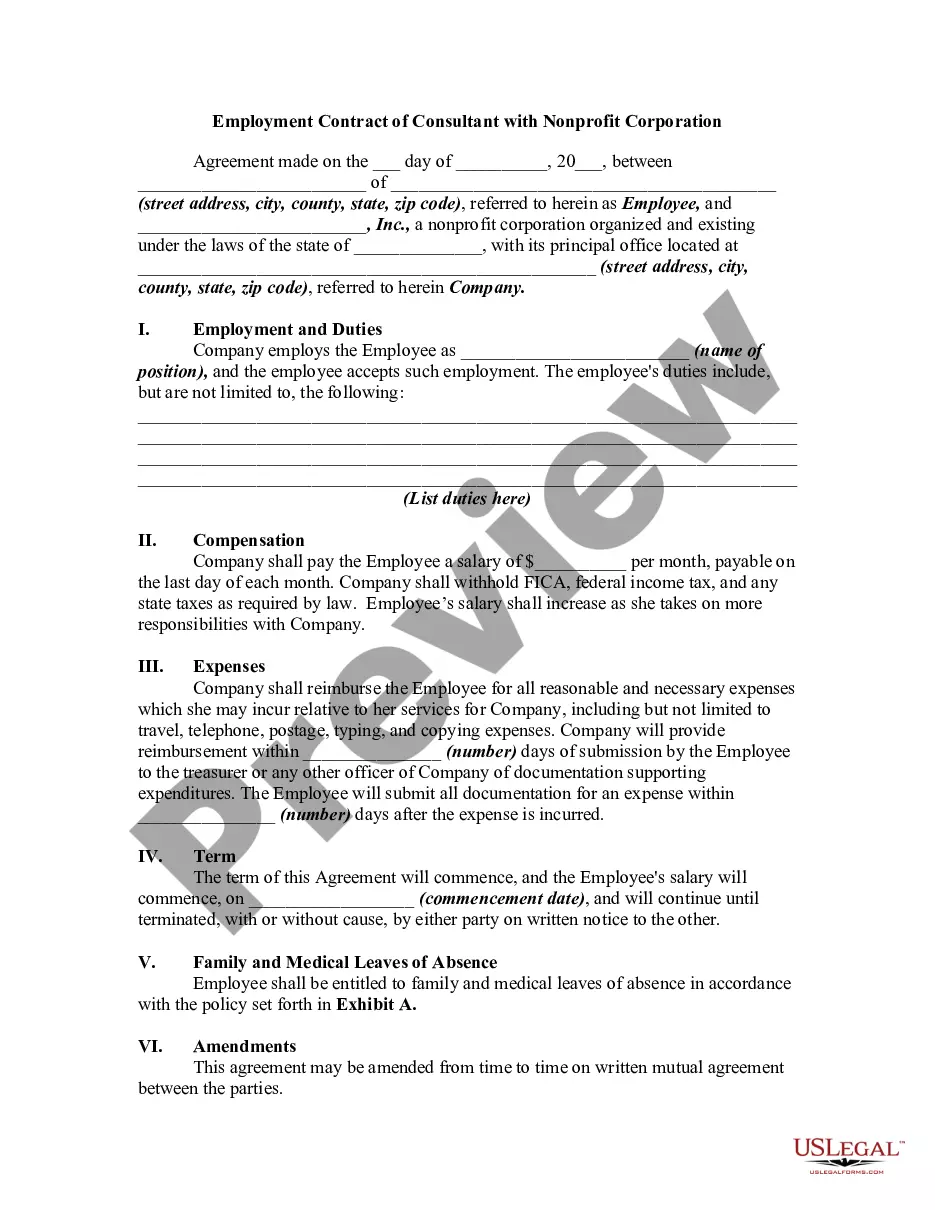
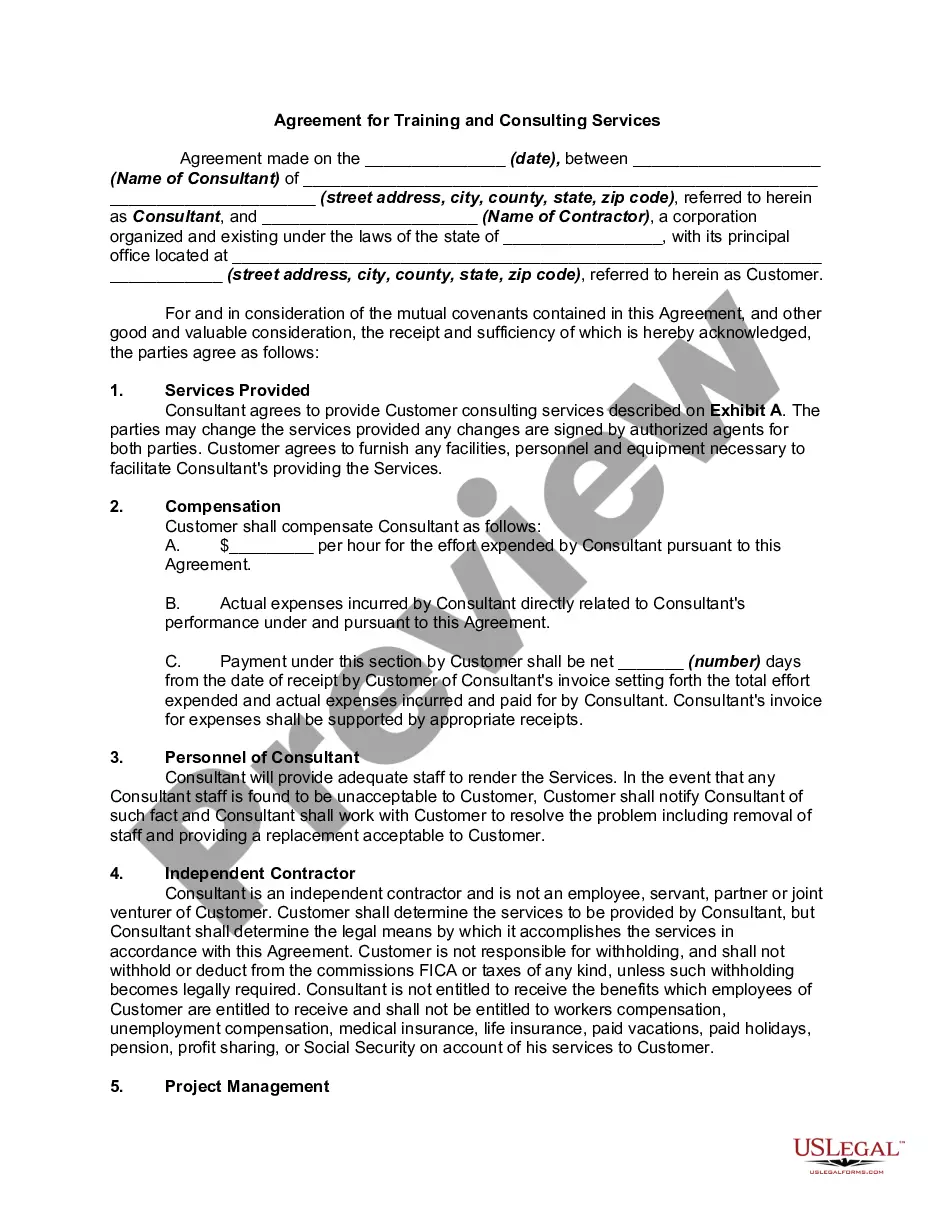
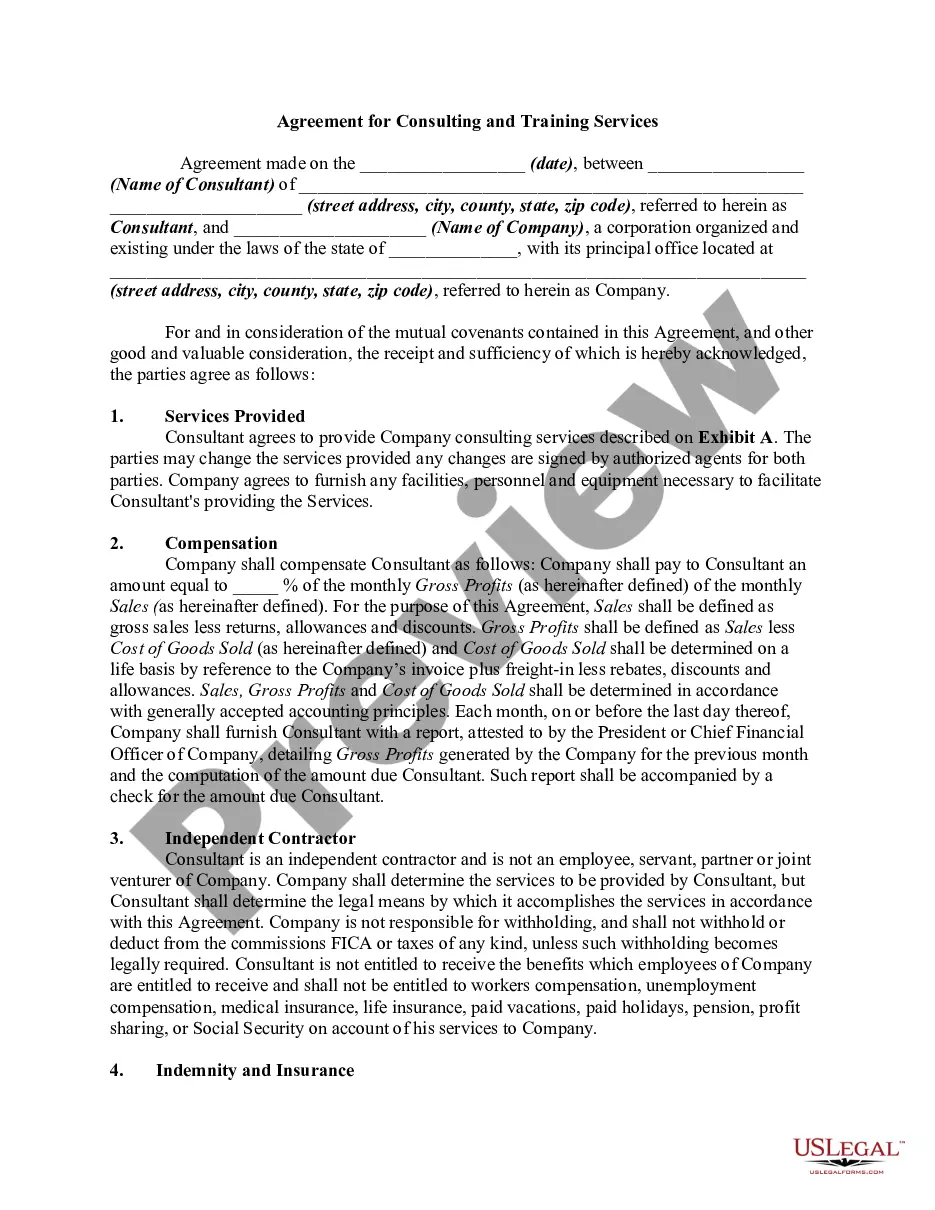
Get your form ready online
Our built-in tools help you complete, sign, share, and store your documents in one place.
Make edits, fill in missing information, and update formatting in US Legal Forms—just like you would in MS Word.
Download a copy, print it, send it by email, or mail it via USPS—whatever works best for your next step.
Sign and collect signatures with our SignNow integration. Send to multiple recipients, set reminders, and more. Go Premium to unlock E-Sign.
If this form requires notarization, complete it online through a secure video call—no need to meet a notary in person or wait for an appointment.
We protect your documents and personal data by following strict security and privacy standards.

Make edits, fill in missing information, and update formatting in US Legal Forms—just like you would in MS Word.

Download a copy, print it, send it by email, or mail it via USPS—whatever works best for your next step.

Sign and collect signatures with our SignNow integration. Send to multiple recipients, set reminders, and more. Go Premium to unlock E-Sign.

If this form requires notarization, complete it online through a secure video call—no need to meet a notary in person or wait for an appointment.

We protect your documents and personal data by following strict security and privacy standards.
Looking for another form?





Form popularity
FAQ
All businesses in Utah are recommended to register with the Utah Department of Commerce either as a "DBA" (Doing Business As), corporation, limited liability company or limited partnership. Businesses should also obtain a business license from the city or county in which they are located.
Yes! It's true that many self-employed individuals, especially those who work from home, never get a business license in Utah. But if your local government finds out that you're running an unlicensed business, you might be fined, or even be prevented from doing business until you obtain the license.
Most People Working in Construction Trades Need a License Under Utah law, anyone working in the “construction trades” or working as a “contractor” must be licensed or exempt from licensure (as explained later in this article). The term “construction trades” includes essentially any work that improves real property.
The state mandates that any individual or business performing construction work valued at $3,000 or more must hold a valid contractor's license. This requirement applies across various classifications, including general contracting, residential/small commercial work, and specialty trades like electrical and plumbing.
Here are the step-by-step instructions for getting your new S220 Carpentry Contractor license from DOPL: Complete pre-licensure education: Sign up for and complete a 25-hour pre-licensure course from ABC, UHBA, or AGC. Pass the licensing exam: Register and pass the Utah Contractor Business and Law Exam through Prov.
Planning to do construction work in Utah? You'll need to get a contractor's license. In addition to protecting your business, a Utah general contractor's license can boost your profit potential by helping you land bigger jobs. Without a license, you're limited to projects valued at less than $3,000.
In most states, including California, you register your fictitious business name at the county level, with the county clerk. Different counties often have different forms and fees for registering a name.
The current self-employment tax rate is 15.3%. You'll be able to deduct some of your business expenses from your income when calculating how much self-employment tax you owe.
Form W-9. If you've made the determination that the person you're paying is an independent contractor, the first step is to have the contractor complete Form W-9, Request for Taxpayer Identification Number and Certification.
