Hauling Contract With The Ship
Description

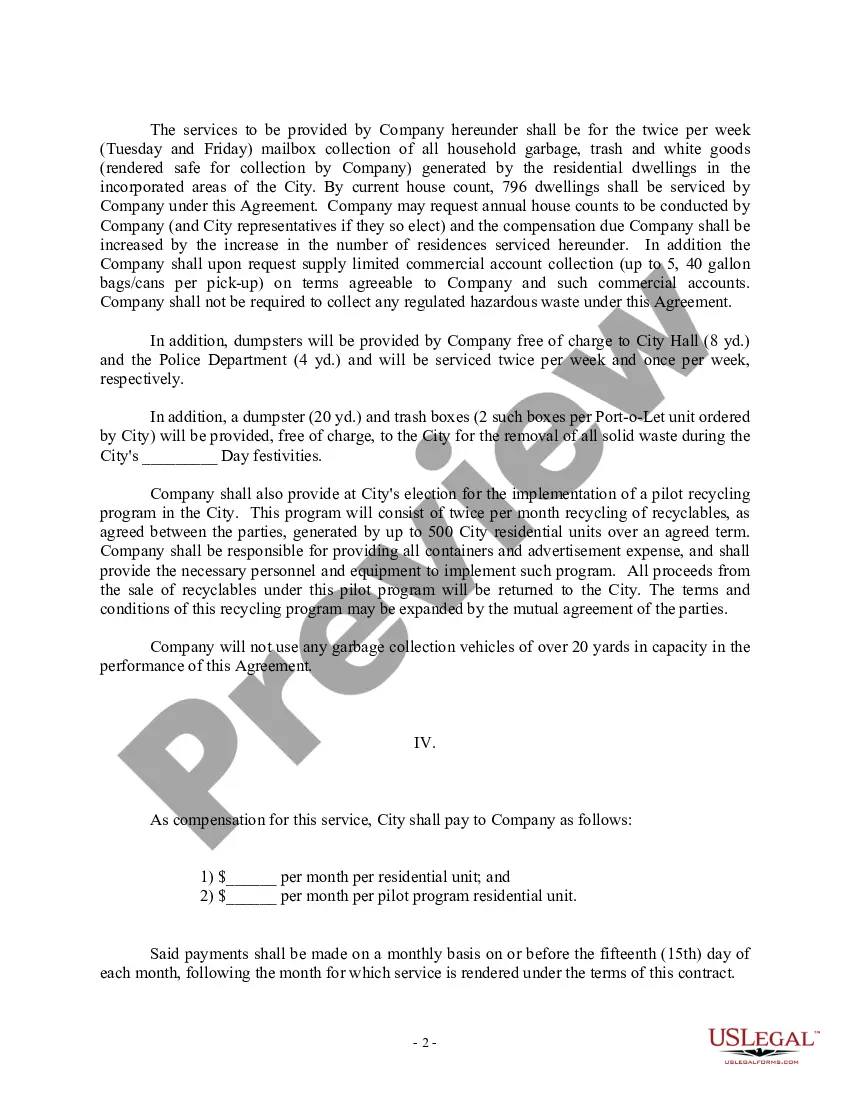
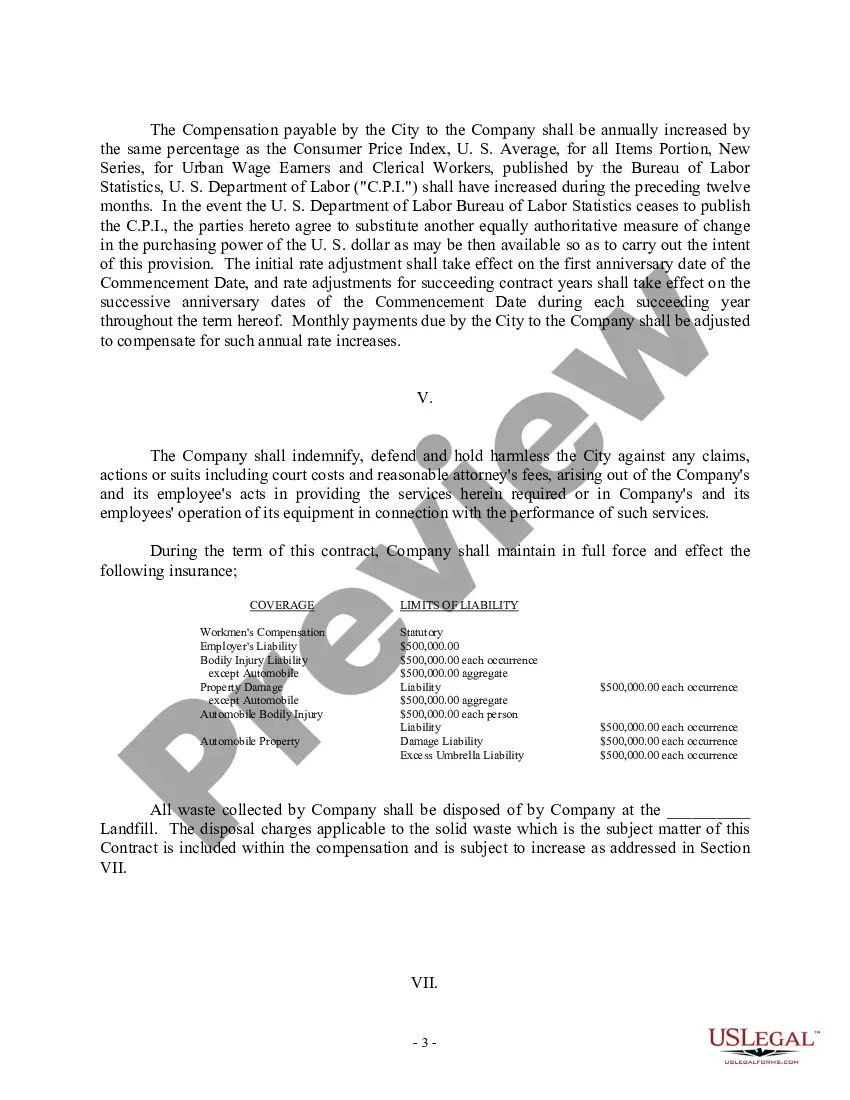
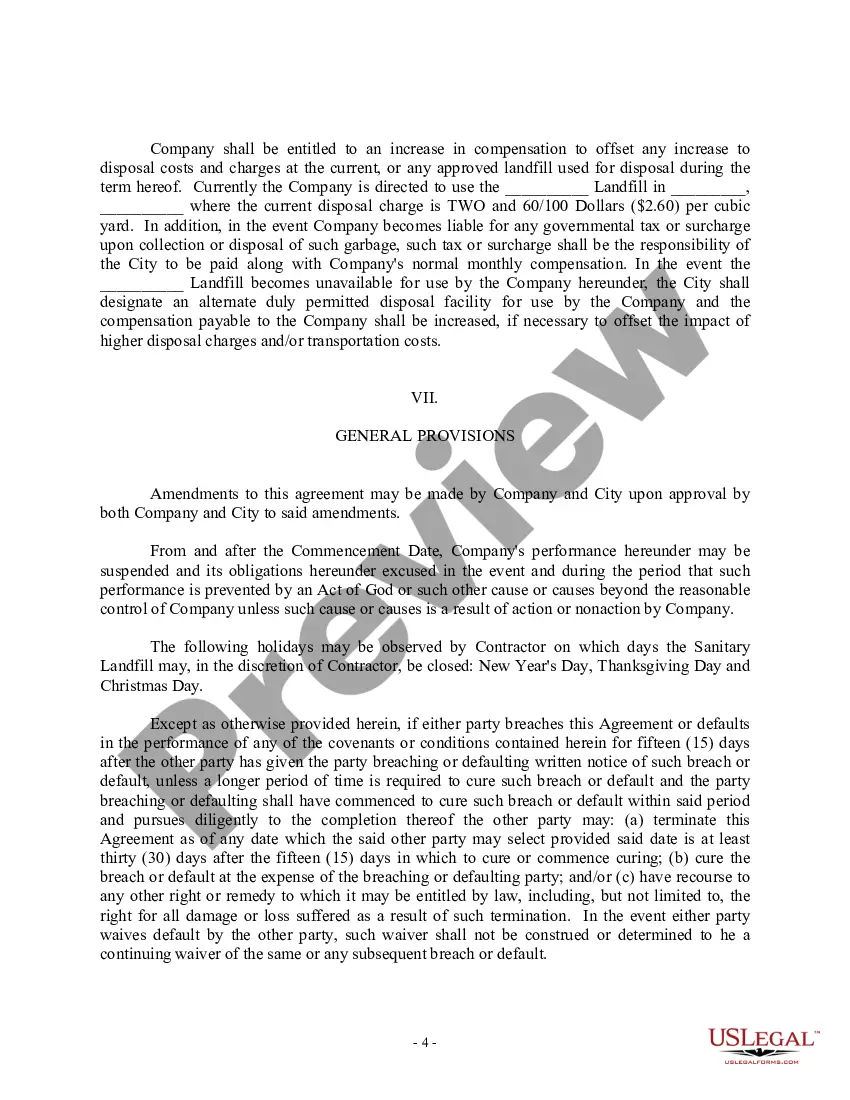
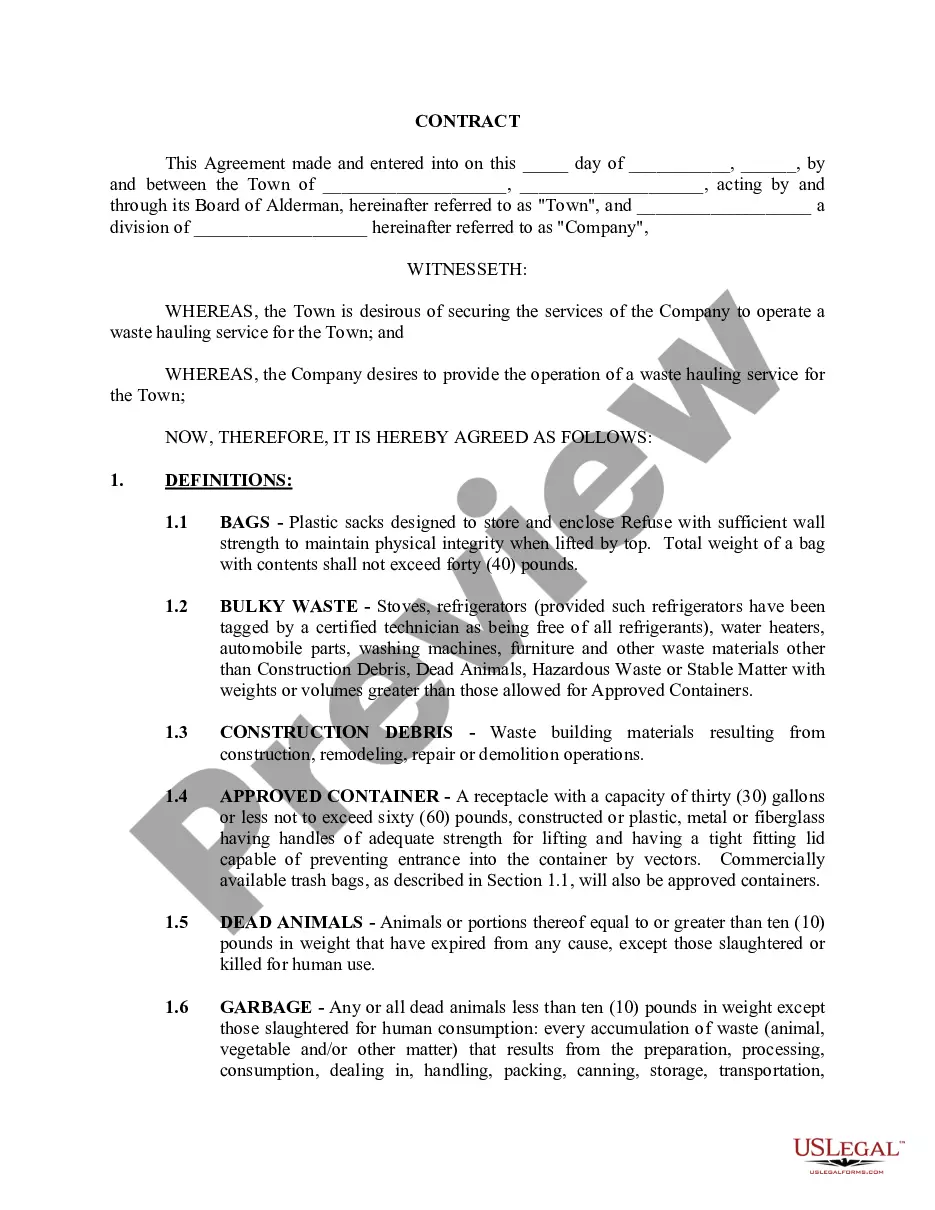

How to fill out Trash Collection And Hauling Contract?
- Log in to your US Legal Forms account if you've used the service before. Check the validity of your subscription and renew it if necessary.
- If you're new, start by looking through the Preview mode and descriptions of forms. Ensure you select the one that meets your needs and complies with local jurisdiction.
- If the form isn't suitable, utilize the Search tab to find an appropriate template. Confirm its correctness before proceeding.
- Proceed to purchase the legal document by clicking the Buy Now button and selecting an affordable subscription plan.
- Complete your payment by providing your credit card details or using your PayPal account.
- Finally, download the form to your device. You can access it anytime through the My Forms section in your profile.
Using US Legal Forms ensures you have access to an extensive library of over 85,000 legal forms, making it easier to find what you need for any situation.
Take advantage of the premium expert support available for form completion, guaranteeing that your legal documents are accurate and enforceable. Start today to simplify your legal processes!
Form popularity
FAQ
An FMC reporting entity is an organization or individual required to provide information to the Federal Maritime Commission. This includes details on shipping practices, contracts, and operational agreements. Understanding your status as an FMC reporting entity is vital for anyone engaging in a hauling contract with the ship, ensuring compliance with federal regulations.
Individuals and organizations involved in international shipping must obtain an FMC license. This includes freight forwarders and ocean transport intermediaries, who facilitate shipping activities. Ensuring you have the necessary FMC licensing is critical when establishing a hauling contract with the ship, as it legitimizes your operations.
An FMC filing refers to the documentation submitted to the Federal Maritime Commission. This filing can include information about tariffs, service agreements, and other essential details related to shipping practices. Proper FMC filings ensure that your hauling contract with the ship complies with legal standards and avoids potential issues.
In a legal context, FMC retains the same meaning: Federal Maritime Commission. This organization oversees various aspects of maritime commerce and provides guidance on compliance. Familiarizing yourself with FMC regulations is crucial when creating or managing a hauling contract with the ship.
FMC stands for the Federal Maritime Commission. This U.S. agency regulates the international ocean transportation system, ensuring fair practices and protecting the interests of those involved in shipping. Understanding FMC regulations is essential when dealing with a hauling contract with the ship.
The contract between the shipper and carrier is typically called a bill of lading. This document serves as proof of the agreement and outlines the terms of the hauling contract with the ship. It details responsibilities, shipping instructions, and legal implications for both parties, ensuring a smooth transportation process.
To get a shipping contract, start by identifying your shipping needs and selecting a suitable carrier. Once you choose a carrier, reach out to them for their terms and conditions. Review the contract carefully, ensuring it meets your requirements for a hauling contract with the ship, then sign the agreement to start your shipping process.
Moving cargo boxes in Star Citizen is easy and can be done while inside your ship or at a cargo facility. Use the interact key to pick up the boxes and carry them to your ship or designated area. Efficiently managing your cargo will help you succeed in your hauling contract with the ship while maximizing your profits.
Picking up cargo in Star Citizen involves approaching a cargo terminal or facility. Interact with the terminal and select the cargo you wish to pick up, ensuring you have a valid hauling contract with the ship. Once confirmed, the cargo will be added to your hold, making it ready for your next destination.
To collect a shipment in Star Citizen, locate the cargo terminal at your destination. After landing, access the terminal and select the shipment you want to collect. Completing the necessary steps here will fulfill your hauling contract with the ship and ensure your cargo is ready for transportation.