Agreement Between Partnership With Profit Sharing In Bexar
Description

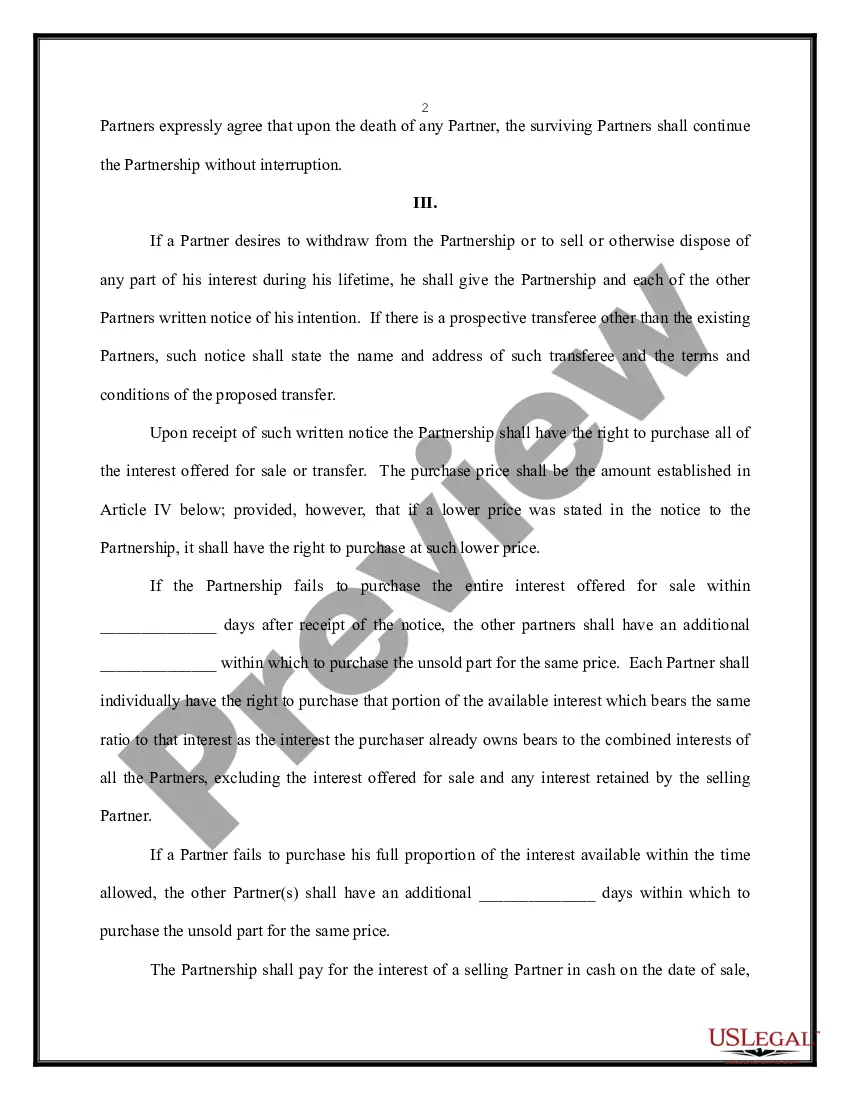
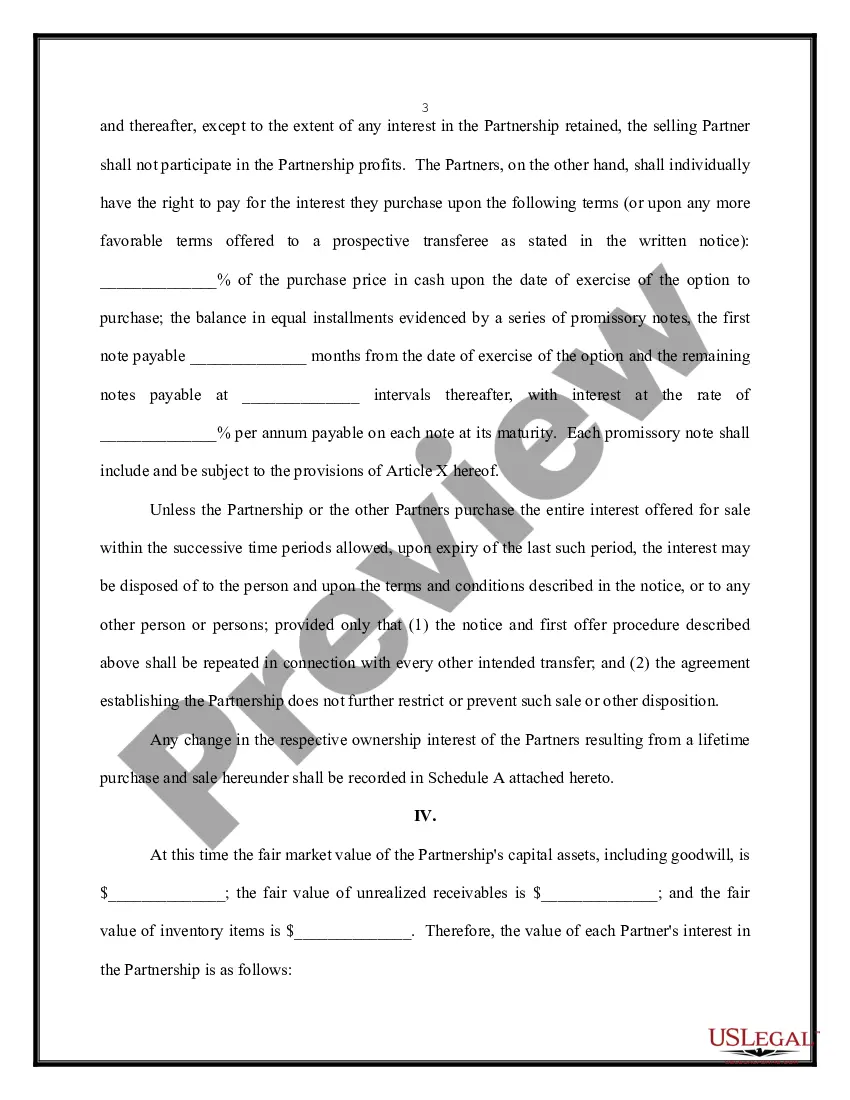
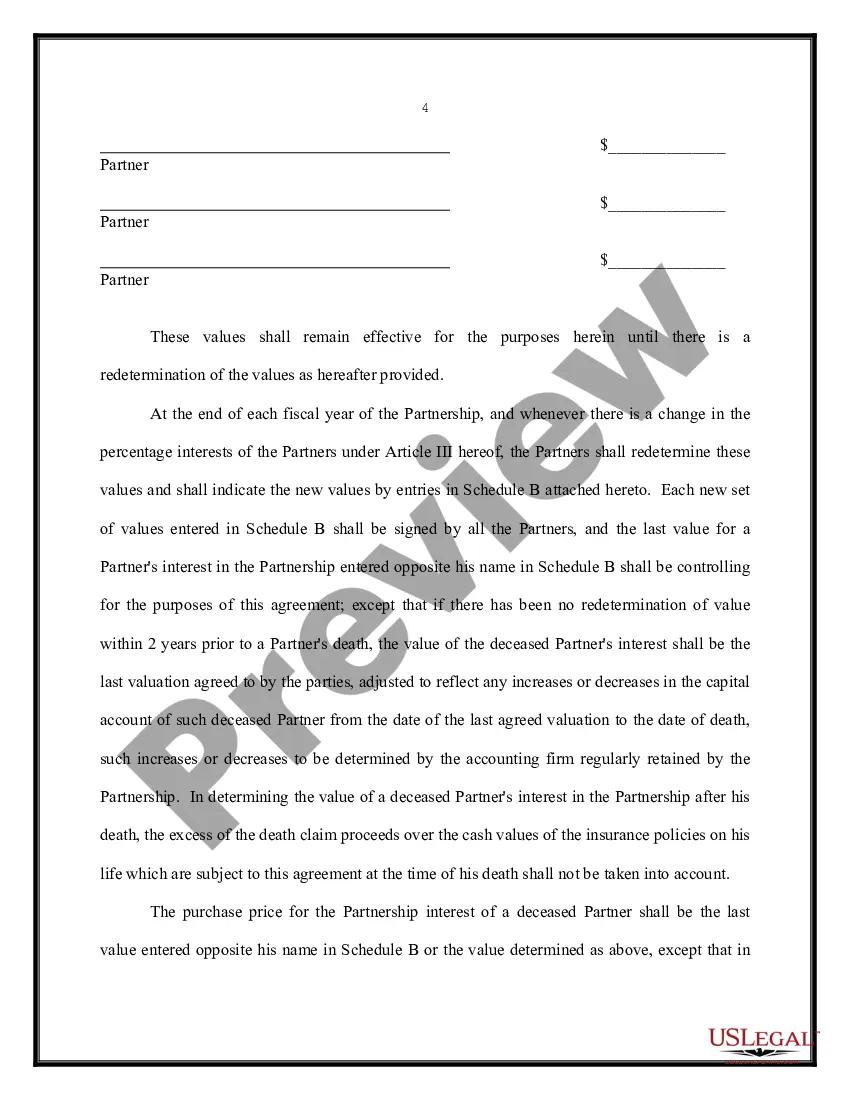
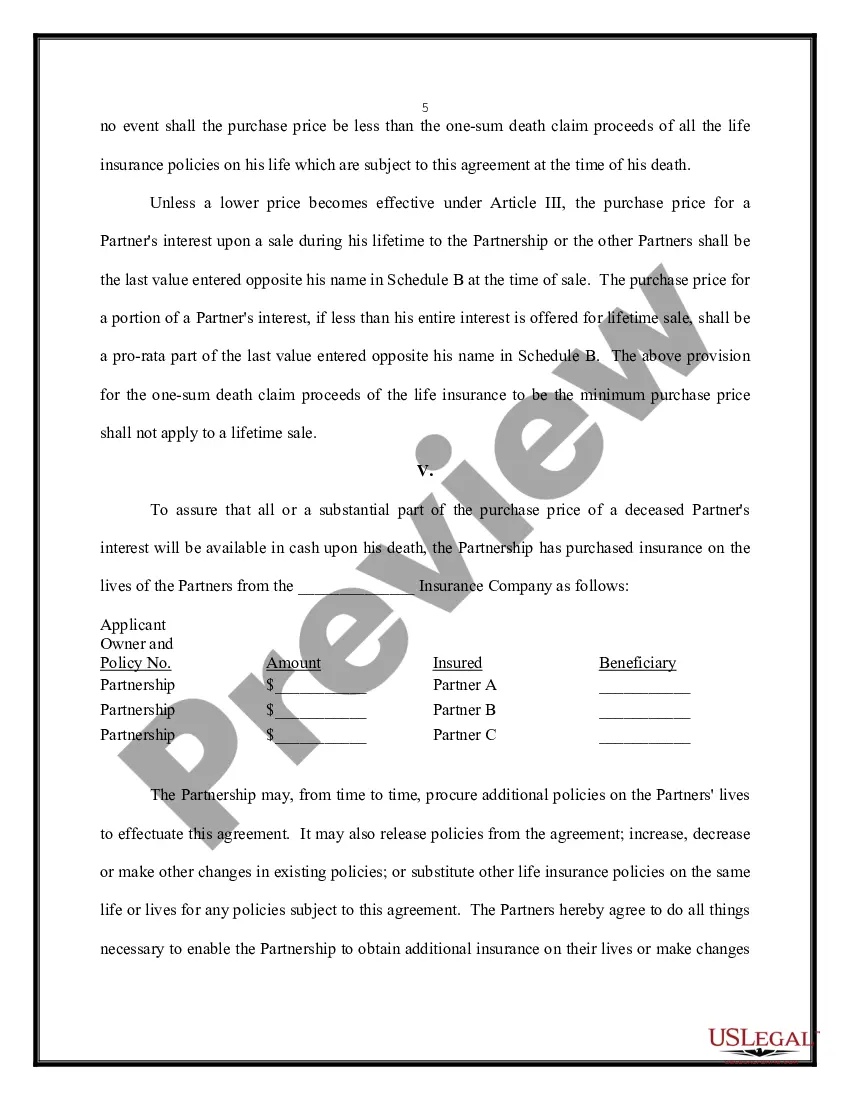
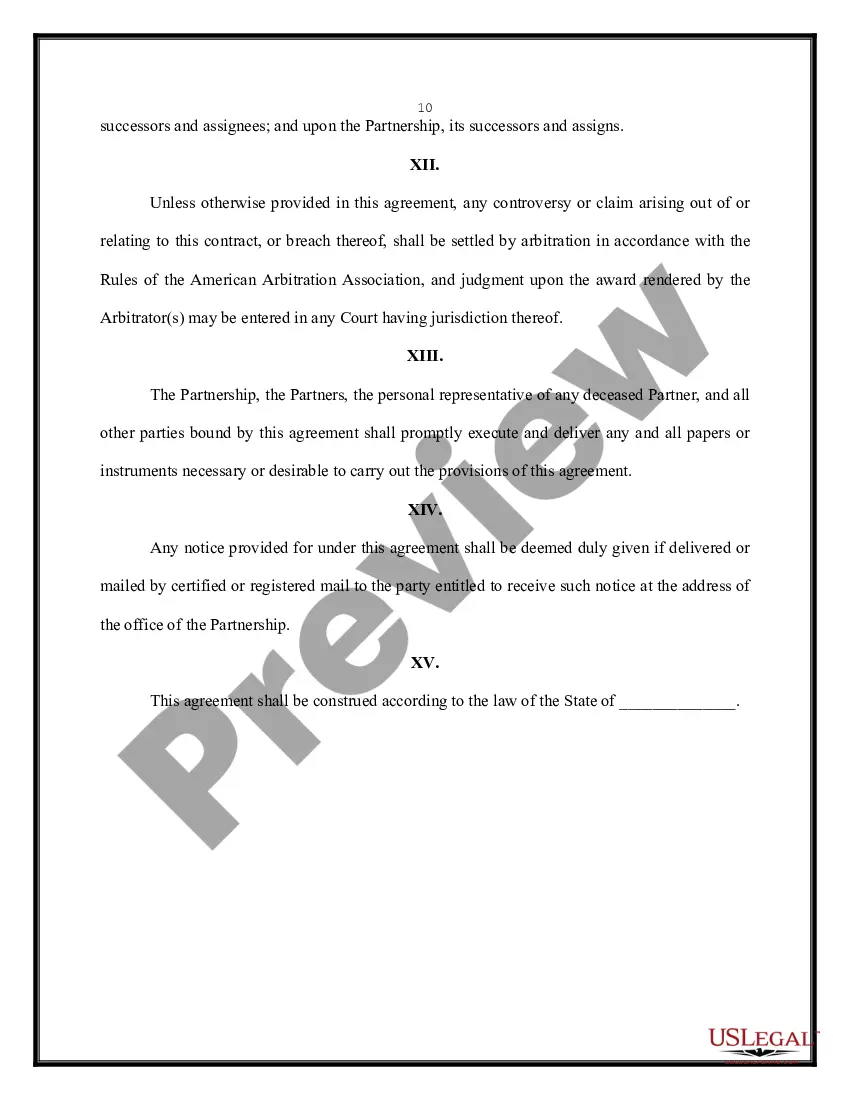


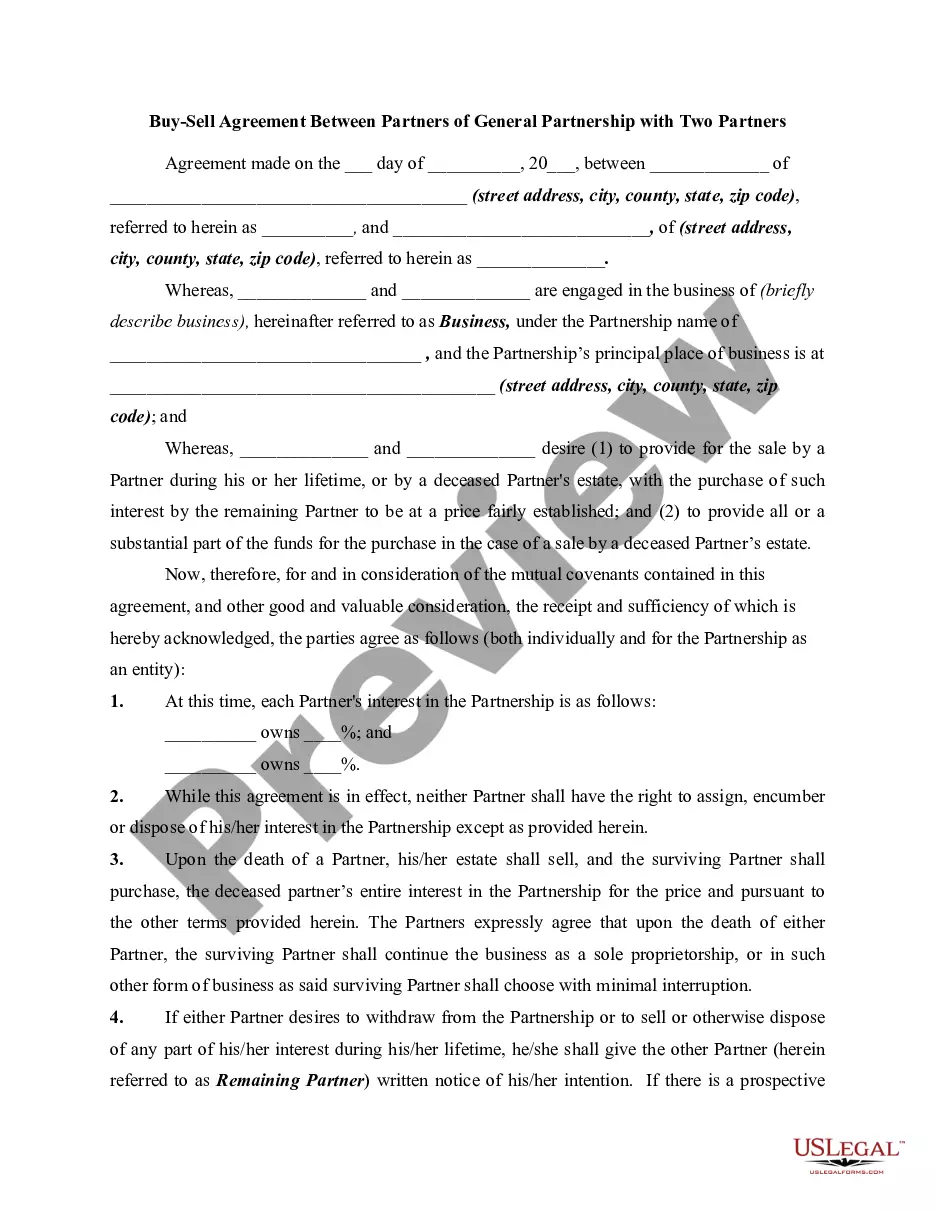
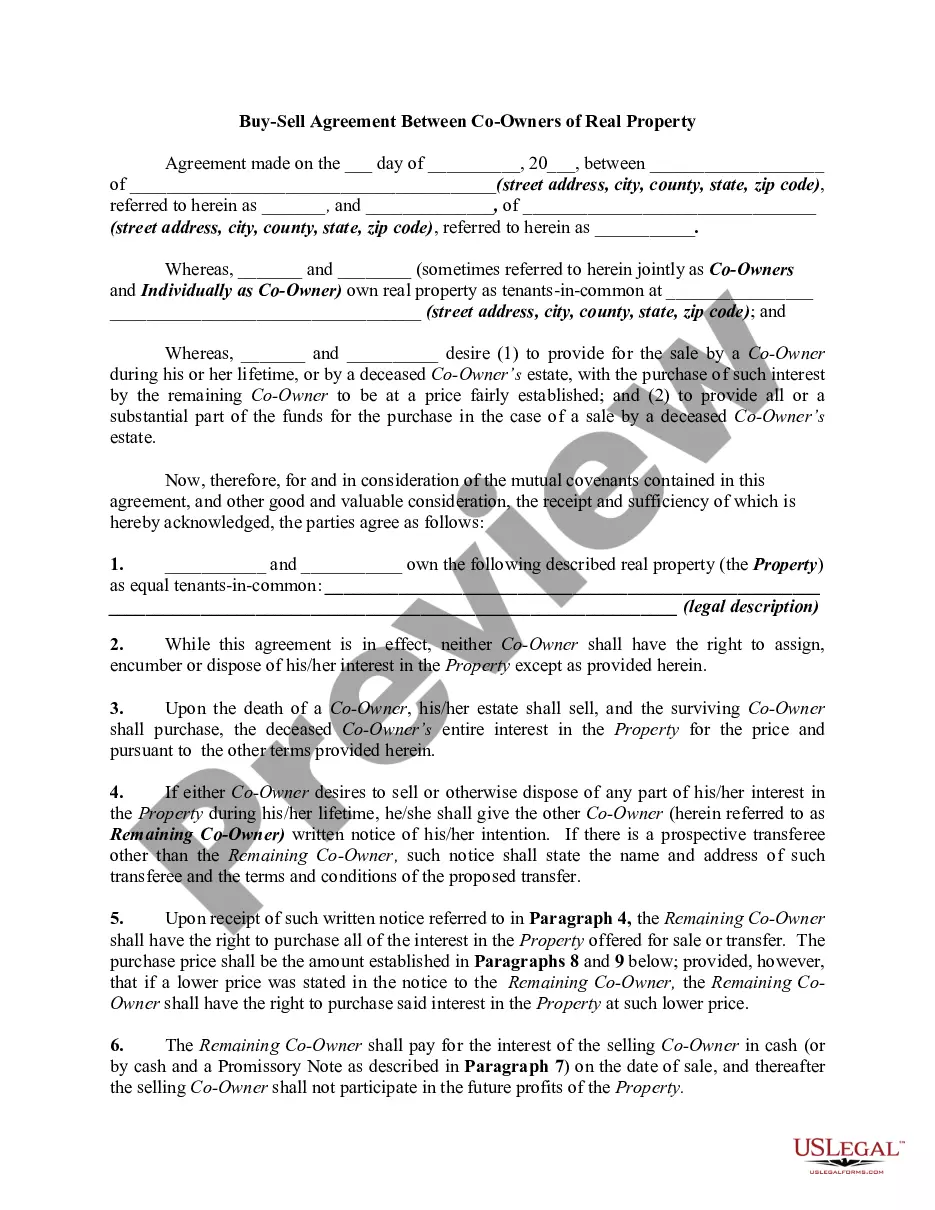
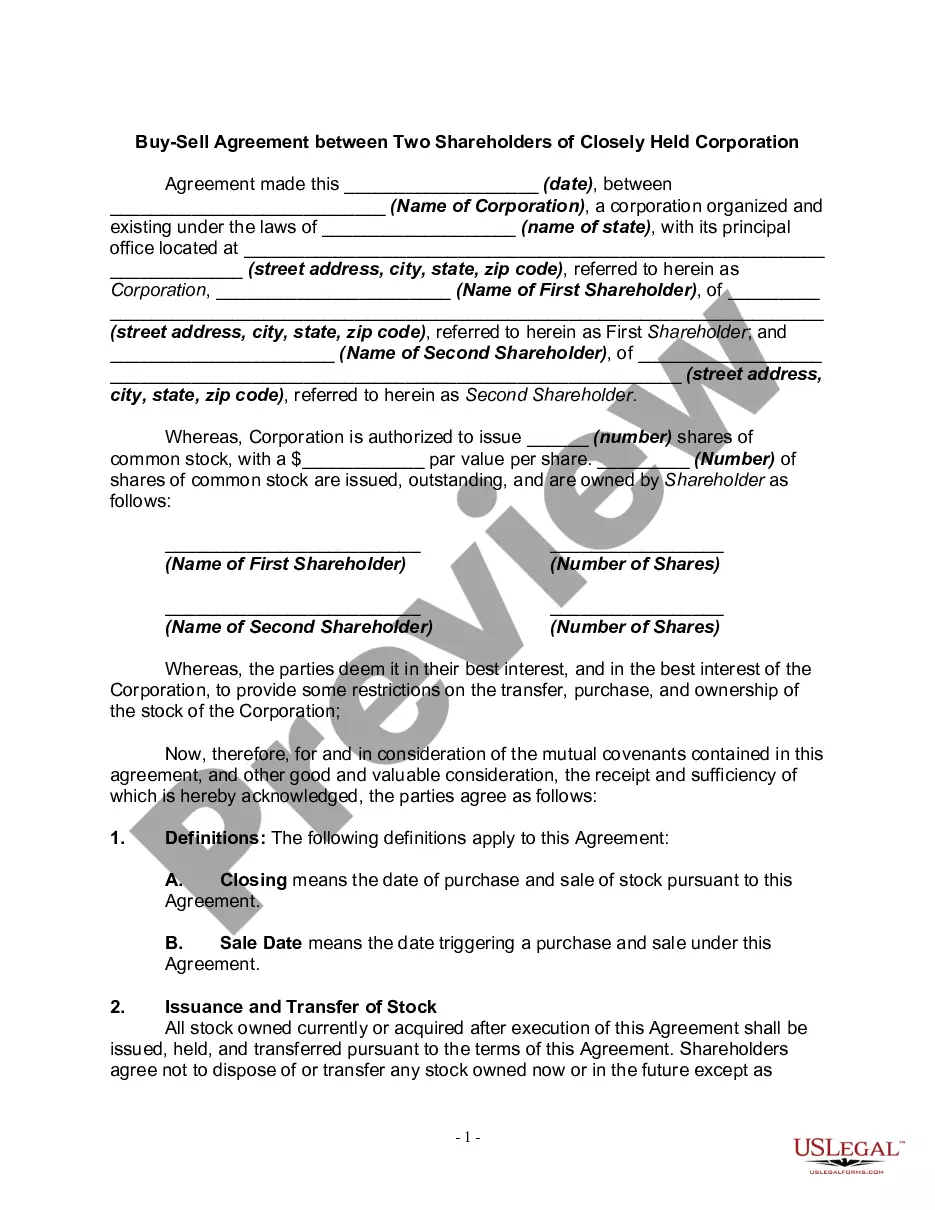
Get your form ready online
Our built-in tools help you complete, sign, share, and store your documents in one place.
Make edits, fill in missing information, and update formatting in US Legal Forms—just like you would in MS Word.
Download a copy, print it, send it by email, or mail it via USPS—whatever works best for your next step.
Sign and collect signatures with our SignNow integration. Send to multiple recipients, set reminders, and more. Go Premium to unlock E-Sign.
If this form requires notarization, complete it online through a secure video call—no need to meet a notary in person or wait for an appointment.
We protect your documents and personal data by following strict security and privacy standards.

Make edits, fill in missing information, and update formatting in US Legal Forms—just like you would in MS Word.

Download a copy, print it, send it by email, or mail it via USPS—whatever works best for your next step.

Sign and collect signatures with our SignNow integration. Send to multiple recipients, set reminders, and more. Go Premium to unlock E-Sign.

If this form requires notarization, complete it online through a secure video call—no need to meet a notary in person or wait for an appointment.

We protect your documents and personal data by following strict security and privacy standards.
Looking for another form?
Form popularity
FAQ
What are things you should include in a Profit-Sharing Agreement? Clearly define the methodology for calculating and distributing profits. Specify the formula, criteria, or percentage allocation used for profit distribution. Outline the frequency of profit distributions, whether monthly, quarterly, or annually.
A traditional profit-sharing plan where contributions are based on a percentage of each participant's net self-employment income (for partners) or salary (for employees).
In the general partnership, the limited liability partnership, the limited liability limited partnership and the limited partnership, profits and losses are passed through to the partners as specified in the partnership agreement. If left unspecified, profits and losses are shared equally among the partners.
When two entities come together to form a partnership, a profit-sharing agreement acts as a vital contract that maps out the distribution of profits among all parties involved.
How To Set Up A Profit-Sharing Plan Define the purpose and goals. Consult with professionals. Decide on the plan structure. Create a written plan document. Establish a trust for plan assets. Implement record-keeping procedures. Provide information to employees. File the plan with the IRS.
You can choose to split the profits equally, or each partner can receive a different base salary and the remaining profits will be distributed evenly. If you form an equal partnership (50/50) between two people, both co-owners must approve the final profit-sharing agreement.
As a general rule, if there are two people in the partnership, it's 50/50, and if there are three people, it's a ⅓ split. The biggest thing to remember is that no matter how you split your profits, the percentage must equal 100.
This deed of partnership is made on Date, Month, Year between: 1. First Partner's Name, Son/Daughter of Mr. Father's Name, residing at Address Line 1, Address Line 2, City, State, Pin Code hereinafter referred to as FIRST PARTNER.
How to Write a Partnership Agreement Define Partnership Structure. Outline Capital Contributions and Ownership. Detail Profit, Loss, and Distribution Arrangements. Set Decision-Making and Management Protocols. Plan for Changes and Contingencies. Include Legal Provisions and Finalize the Agreement.
