Agreement Between Partnership Withdrawal In Arizona
Description

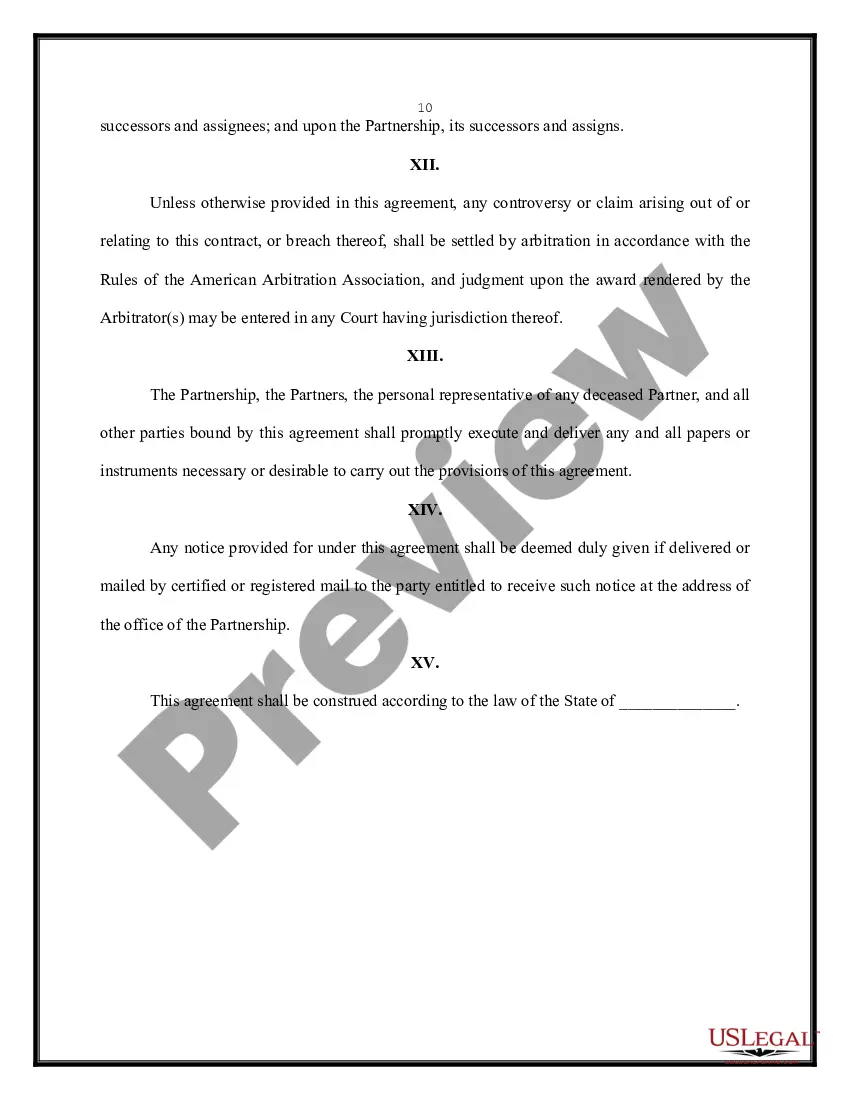


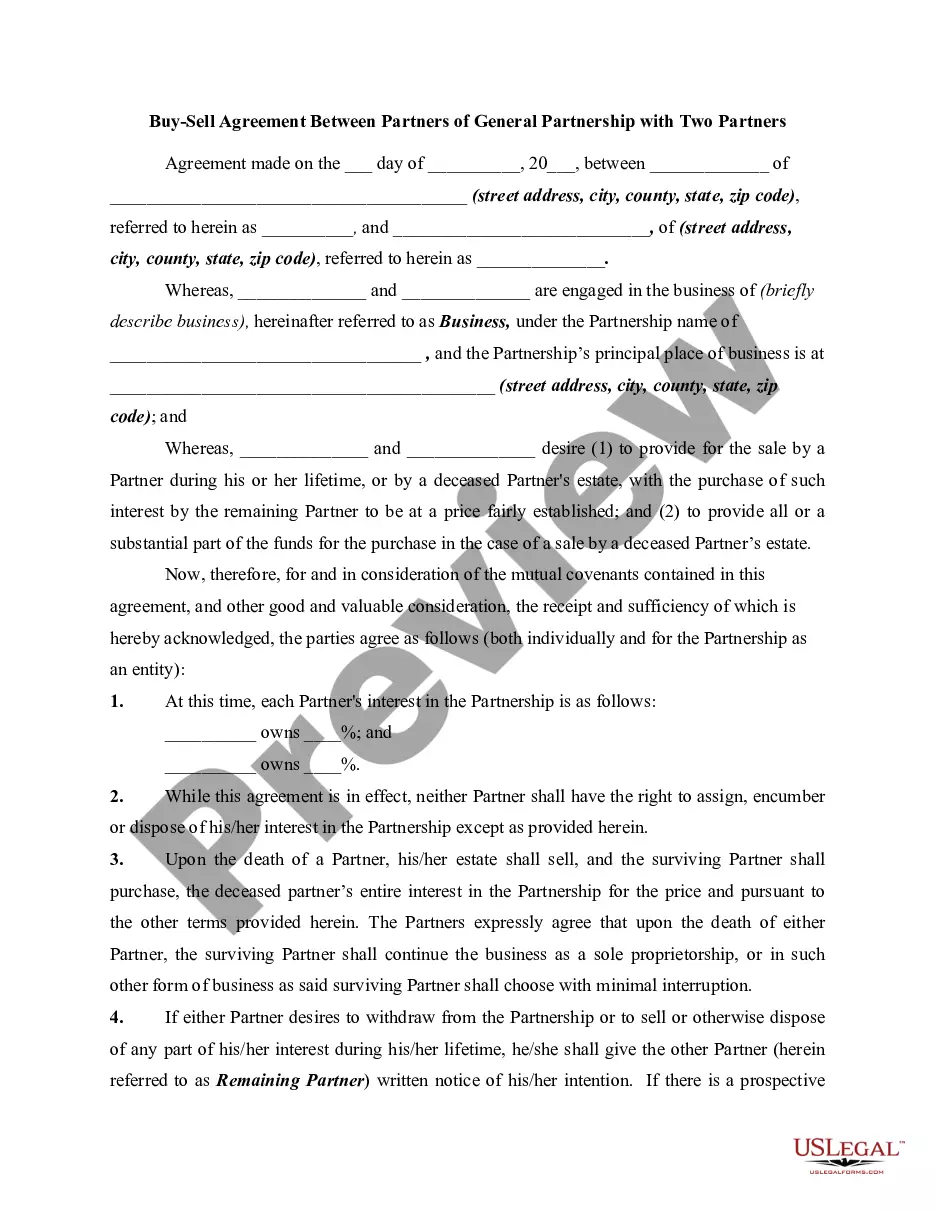
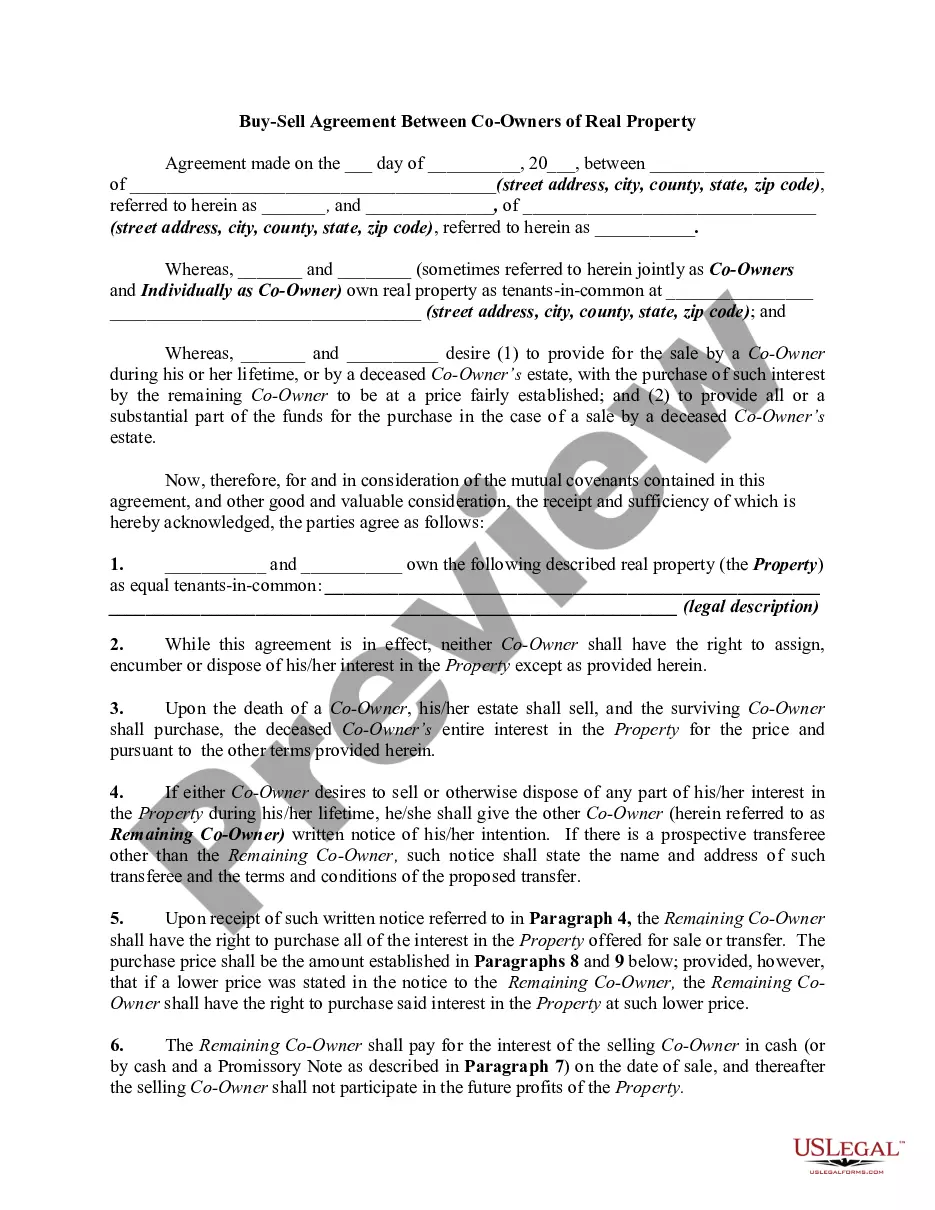
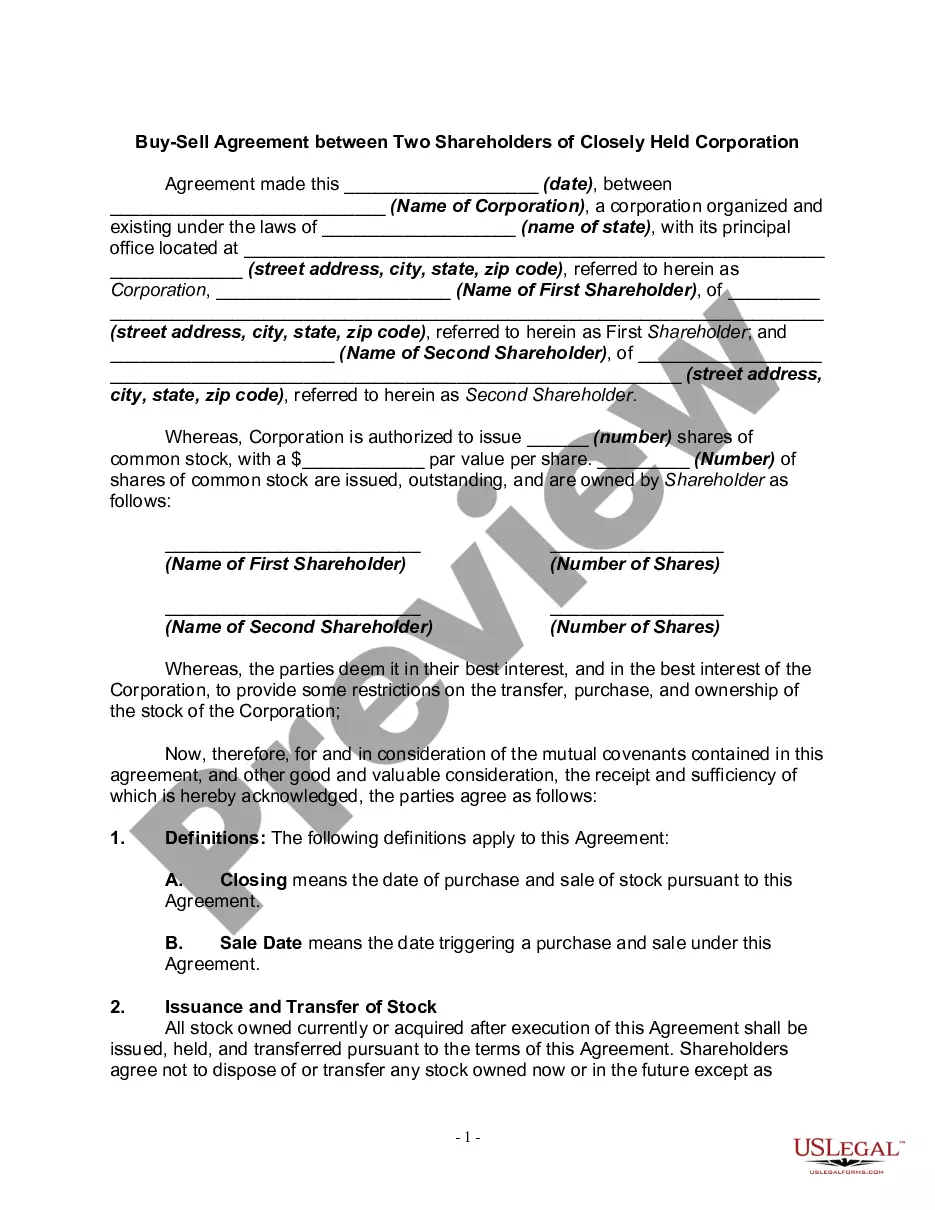
Get your form ready online
Our built-in tools help you complete, sign, share, and store your documents in one place.
Make edits, fill in missing information, and update formatting in US Legal Forms—just like you would in MS Word.
Download a copy, print it, send it by email, or mail it via USPS—whatever works best for your next step.
Sign and collect signatures with our SignNow integration. Send to multiple recipients, set reminders, and more. Go Premium to unlock E-Sign.
If this form requires notarization, complete it online through a secure video call—no need to meet a notary in person or wait for an appointment.
We protect your documents and personal data by following strict security and privacy standards.

Make edits, fill in missing information, and update formatting in US Legal Forms—just like you would in MS Word.

Download a copy, print it, send it by email, or mail it via USPS—whatever works best for your next step.

Sign and collect signatures with our SignNow integration. Send to multiple recipients, set reminders, and more. Go Premium to unlock E-Sign.

If this form requires notarization, complete it online through a secure video call—no need to meet a notary in person or wait for an appointment.

We protect your documents and personal data by following strict security and privacy standards.
Looking for another form?


Form popularity
FAQ
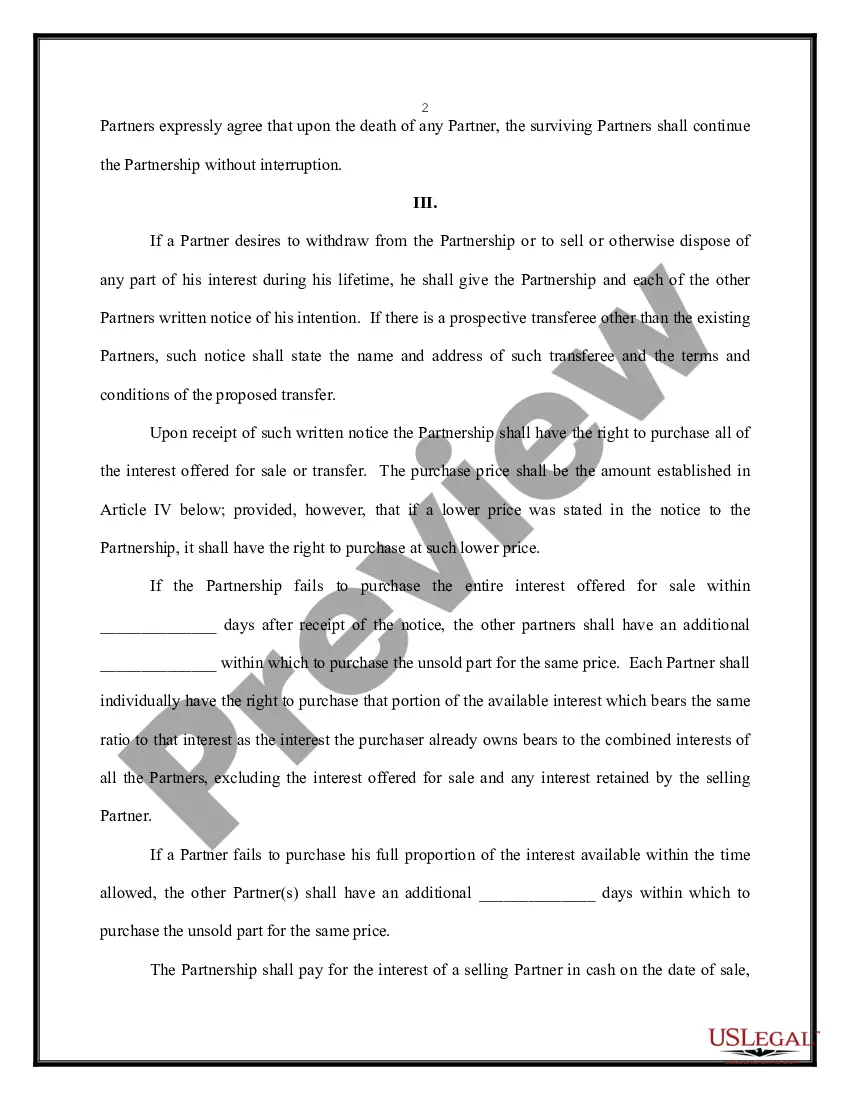
Typically speaking, partnerships involving only two members are those that come to an end when one partner leaves. Still, partnerships with more than one member may also dissolve when one particular member leaves, depending on the circumstances of the partnership and the importance of the leaving associate.
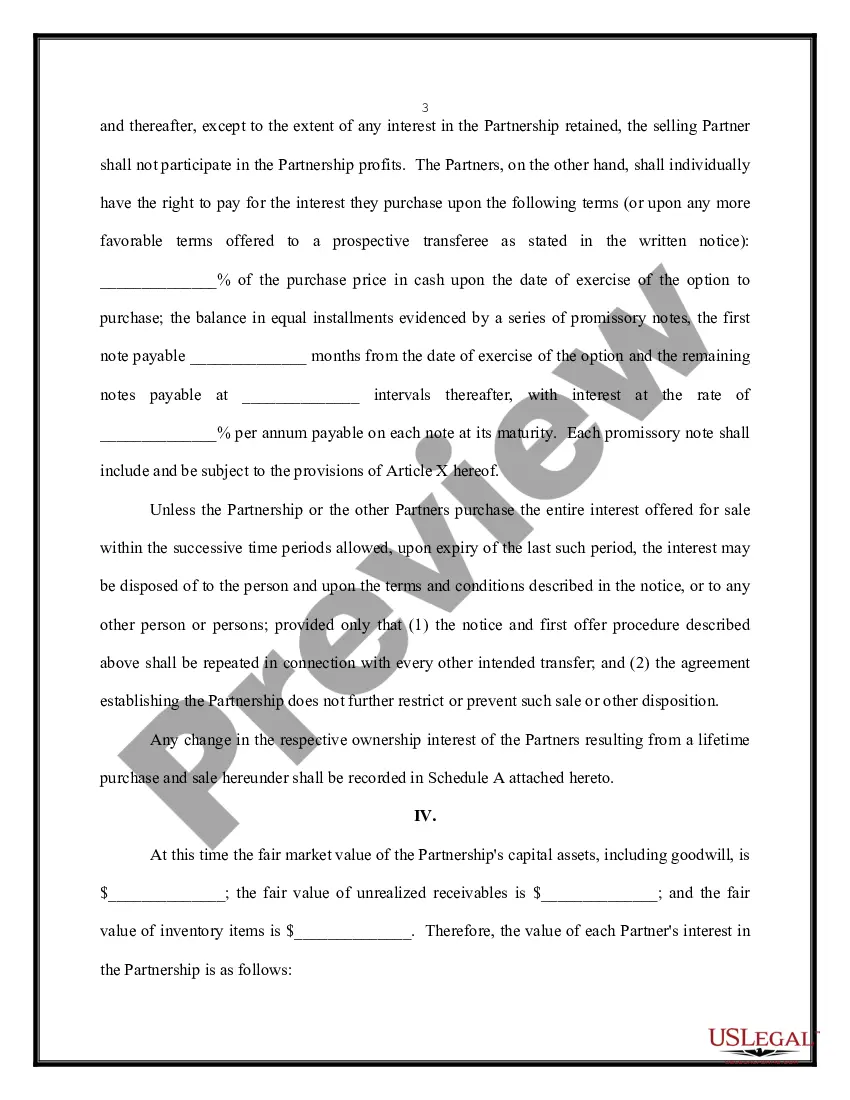
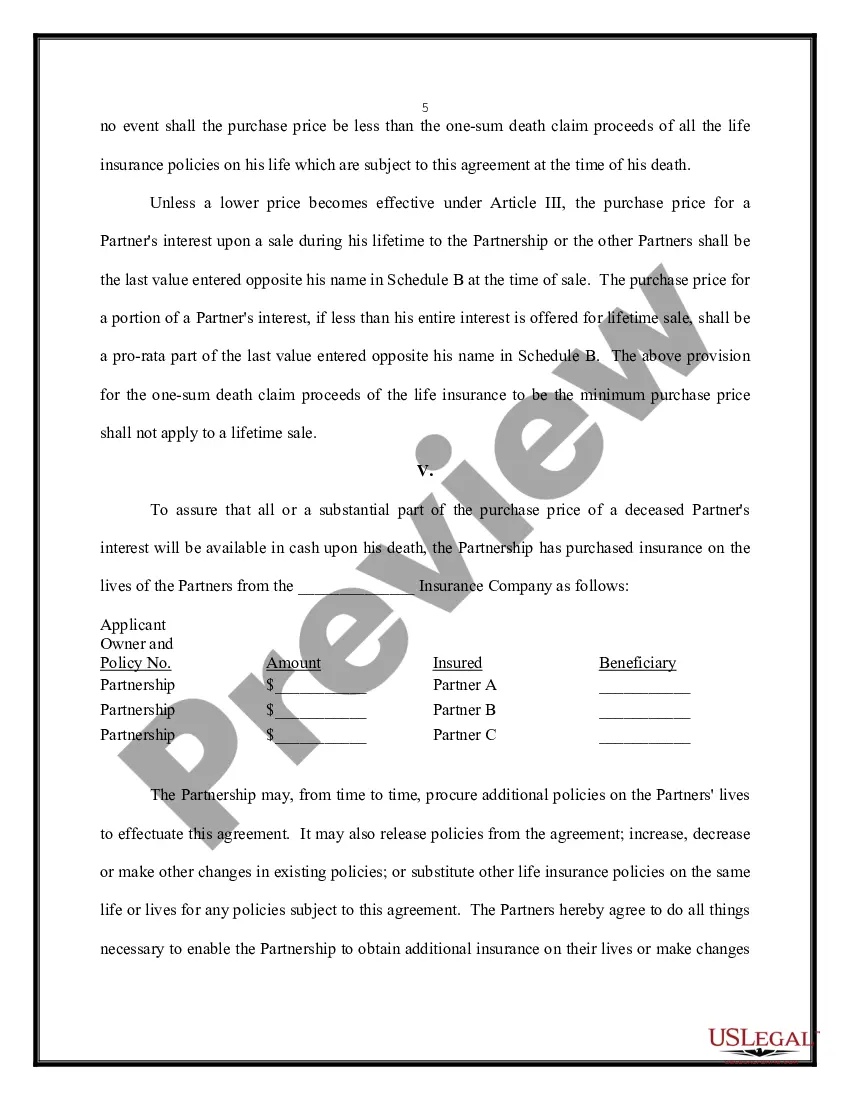
A partner might leave (or "dissociate" from) a partnership voluntarily or involuntarily. When a partner exits the business, the partnership can either continue or dissolve (end), depending on what the partnership agreement or state law allows or requires.
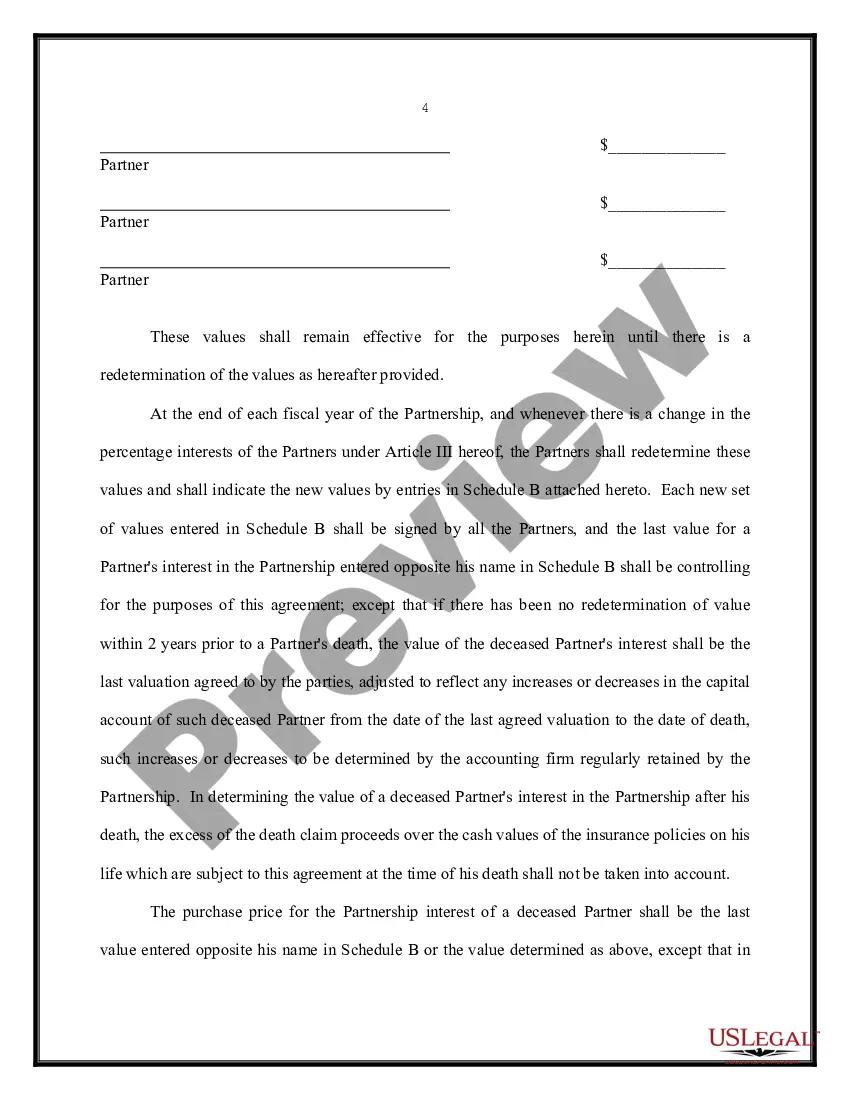
Upon withdrawal, the departing partner's capital account needs to be settled. This involves calculating the partner's share based on the partnership's current financial state. Assets and liabilities of the partnership are evaluated, and the withdrawing partner's equity is determined.
In general, doing a transaction where you're buying out a business partner under a General Partnership is not in the buyer's (your) interest. The reason being is that you can be held personally liable (including all of your property) for the debt owed to your former business partner.
In such a business, you can simply write a withdrawal from partnership letter, if you want to withdraw your partnership. This letter will serve as a notice of intimation to your other partner (s) regarding your impending exit. The notice must mention the date from which the withdrawal will be effective.
Negotiating a Buyout One of the most common ways to remove a partner is through a buyout agreement, in which one partner buys the other's share of the business.
In such a business, you can simply write a withdrawal from partnership letter, if you want to withdraw your partnership. This letter will serve as a notice of intimation to your other partner (s) regarding your impending exit. The notice must mention the date from which the withdrawal will be effective.
If one or more of the facts affirmed in the declaration of domestic partnership no longer exists, one or both parties to a domestic partnership shall file a notarized notice of termination of domestic partnership with the City Clerk Department.
If there isn't such a clause, then all partners, unanimously, at the same time, must agree to dissolve the partnership. Dissolution by notice – If the partnership is a partnership “at will”, any partner can dissolve the partnership “by notice”. However, it takes very little for a partnership not to be “at will”.
In Arizona, you must file a Certificate of Dissolution with the Arizona Corporation Commission (ACC). This form notifies the state that the partnership is being dissolved. Here's how to do it: Obtain the Form: You can download the Certificate of Dissolution form from the ACC website.
