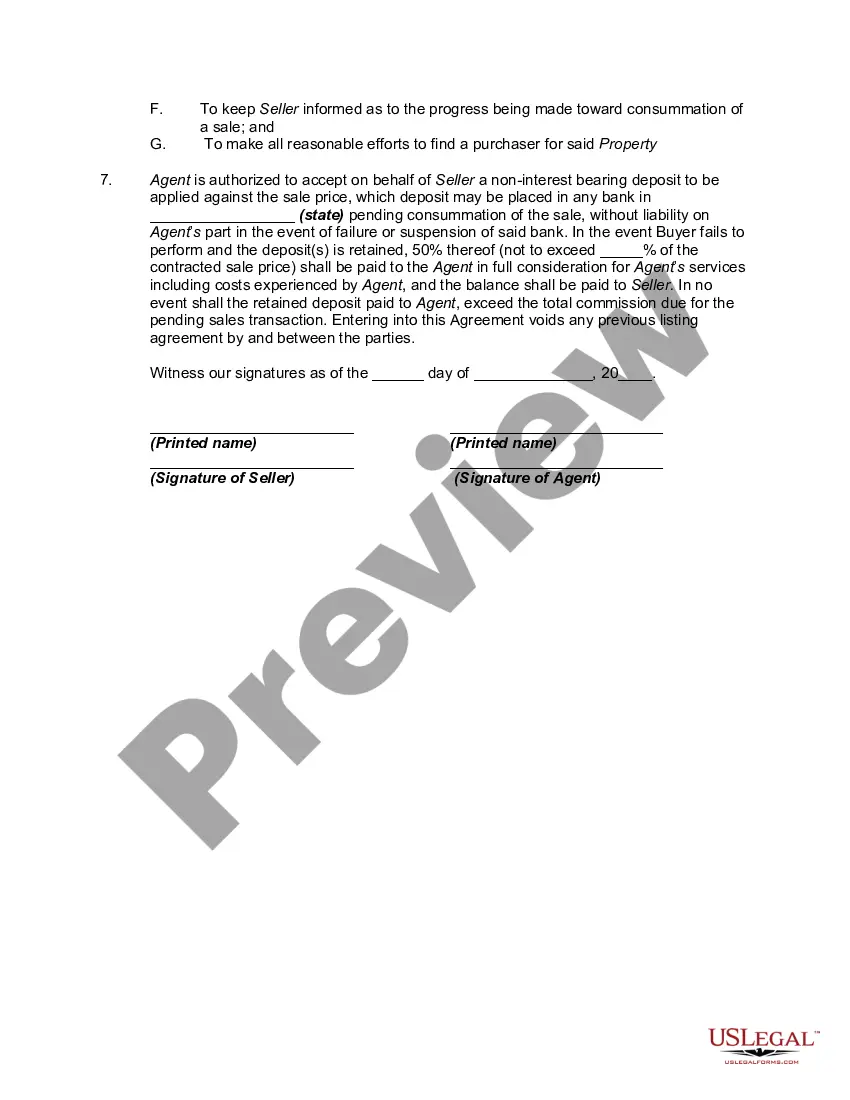
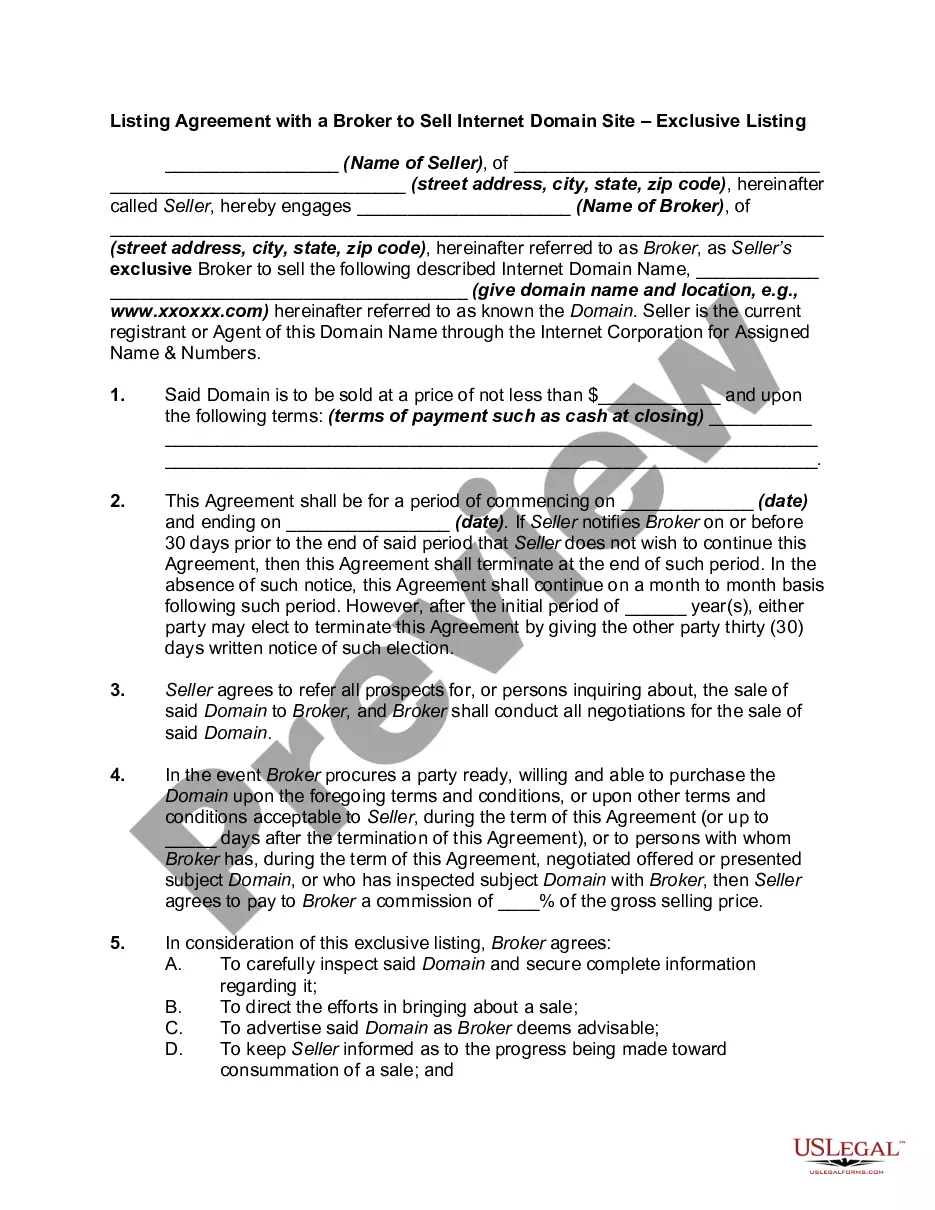
Agent For Commercial Property In North Carolina
Description


Get your form ready online
Our built-in tools help you complete, sign, share, and store your documents in one place.
Make edits, fill in missing information, and update formatting in US Legal Forms—just like you would in MS Word.
Download a copy, print it, send it by email, or mail it via USPS—whatever works best for your next step.
Sign and collect signatures with our SignNow integration. Send to multiple recipients, set reminders, and more. Go Premium to unlock E-Sign.
If this form requires notarization, complete it online through a secure video call—no need to meet a notary in person or wait for an appointment.
We protect your documents and personal data by following strict security and privacy standards.

Make edits, fill in missing information, and update formatting in US Legal Forms—just like you would in MS Word.

Download a copy, print it, send it by email, or mail it via USPS—whatever works best for your next step.

Sign and collect signatures with our SignNow integration. Send to multiple recipients, set reminders, and more. Go Premium to unlock E-Sign.

If this form requires notarization, complete it online through a secure video call—no need to meet a notary in person or wait for an appointment.

We protect your documents and personal data by following strict security and privacy standards.
Looking for another form?



Form popularity
FAQ
A broker is an individual or firm who acts as an intermediary between a buyer and seller, usually charging a commission. A dealer is any person in the business of buying and selling securities for his or her own account, through a broker or otherwise.
The Qualifying Broker acts as the primary contact person between the firm and the Real Estate Commission and performs certain administrative duties (Page 2 of this form). Only one Qualifying Broker is permitted at any time for a particular firm, even if the firm operates multiple real estate offices.
Ing to recent surveys and data, the average real estate agent commission rate in North Carolina is around 5.5%. This rate typically includes a split between the listing agent and the buyer's agent, with an average of 2.75% going to each party.
How to Get Your Commercial Real Estate License in North Carolina #1 – Finish 75 Hours of Pre-Licensing Education. #2 – Submit a License Application. #3 – Pass the License Exam. #4 – Find a Sponsor Broker. #5 – Complete 90 Hours of Post-Licensing Education.
To answer the question of can a residential realtor sell commercial property, know that the answer is, "Yes." Various states have different licensure requirements, but they typically include taking a certain number of hours of an approved course, passing an exam, and working with a licensed firm.
How to Get Your Commercial Real Estate License in North Carolina #1 – Finish 75 Hours of Pre-Licensing Education. #2 – Submit a License Application. #3 – Pass the License Exam. #4 – Find a Sponsor Broker. #5 – Complete 90 Hours of Post-Licensing Education.
