Off License For Lease In Pennsylvania
Description

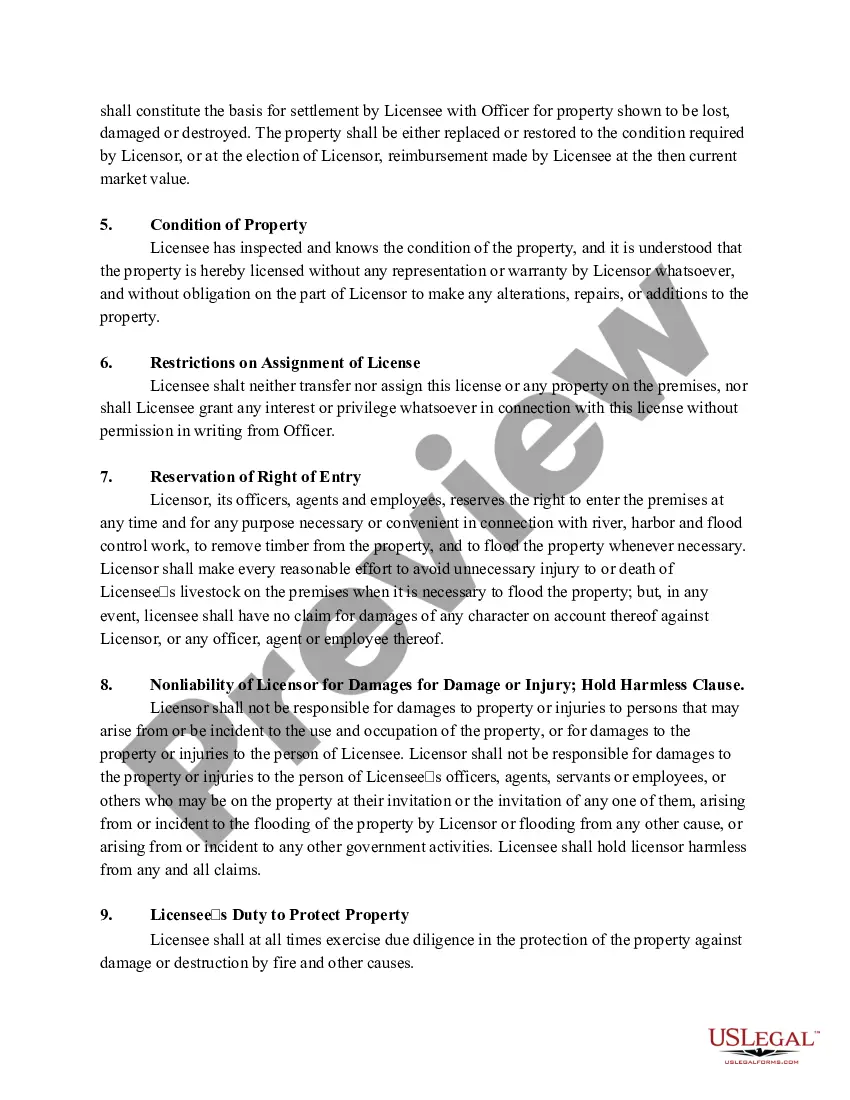
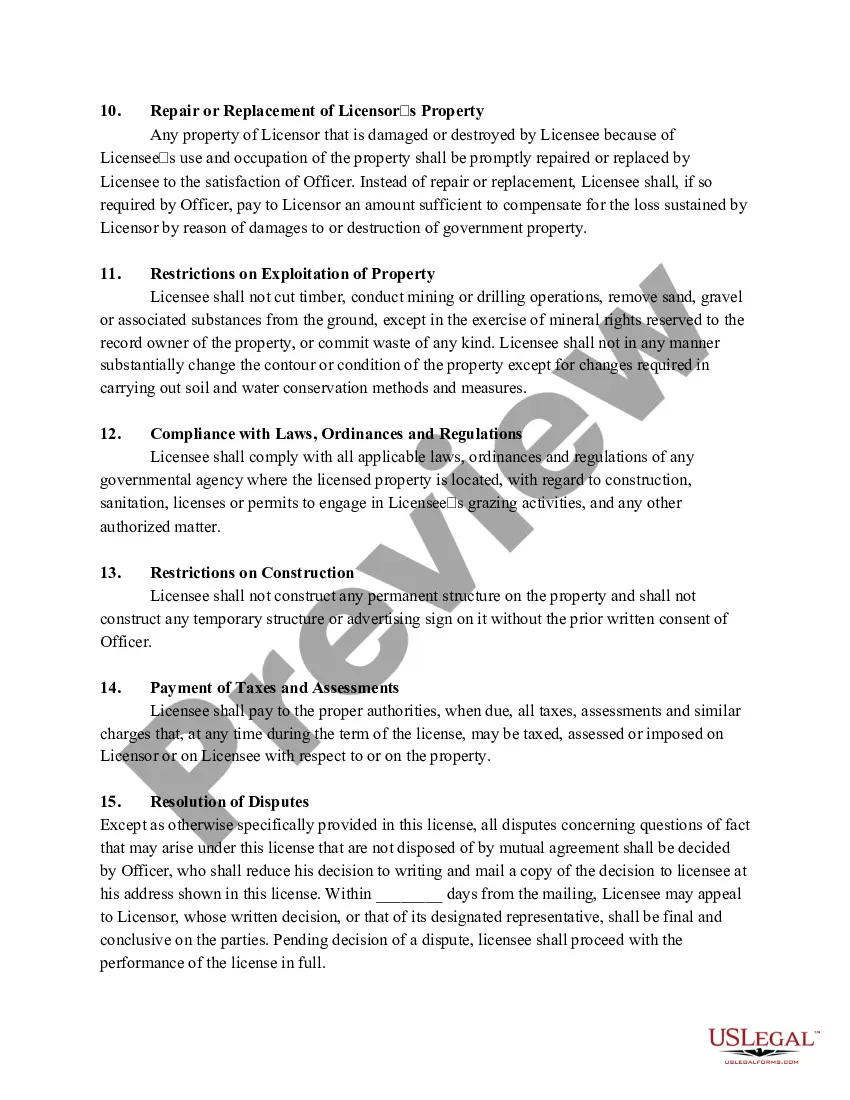
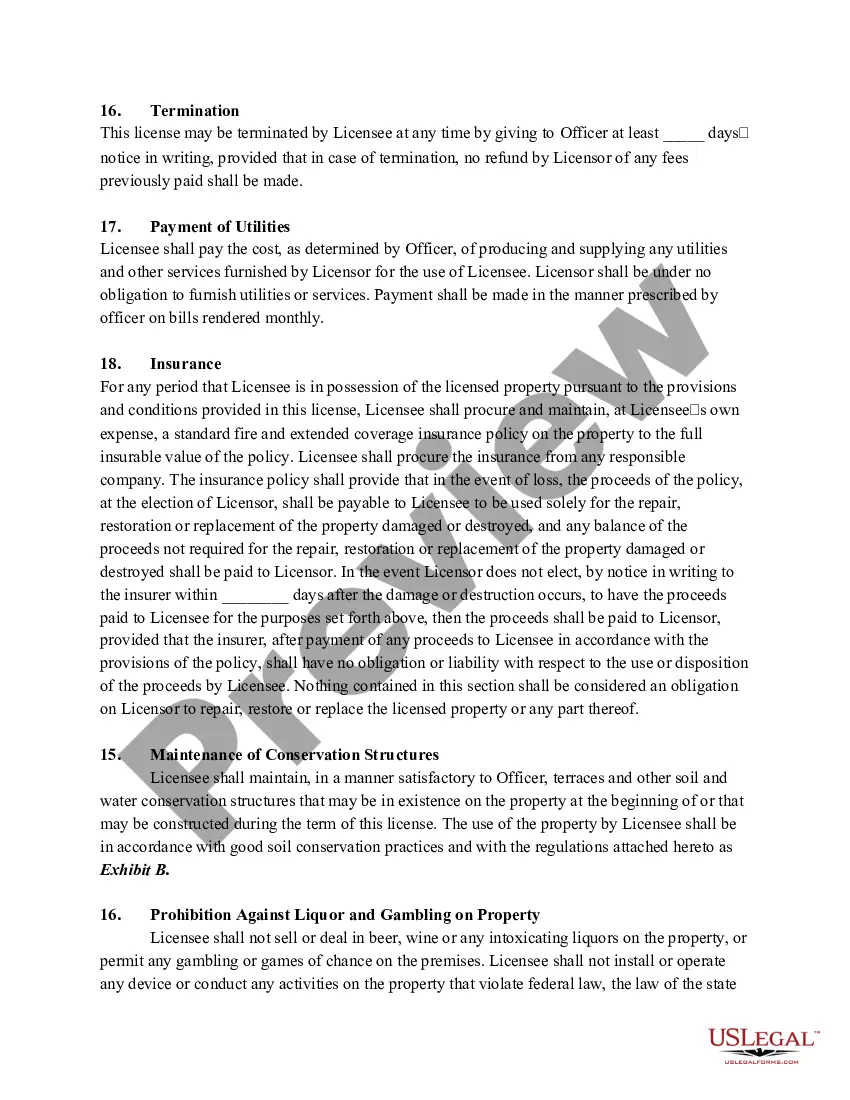
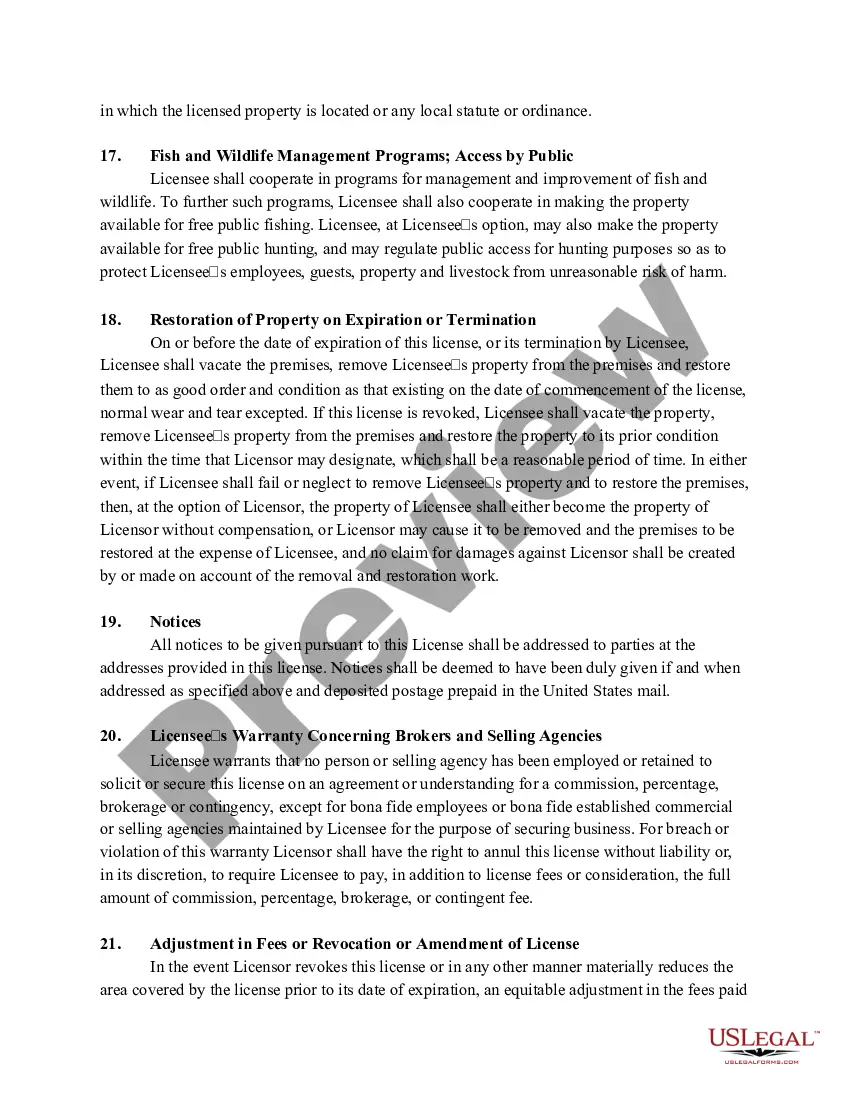
Get your form ready online
Our built-in tools help you complete, sign, share, and store your documents in one place.
Make edits, fill in missing information, and update formatting in US Legal Forms—just like you would in MS Word.
Download a copy, print it, send it by email, or mail it via USPS—whatever works best for your next step.
Sign and collect signatures with our SignNow integration. Send to multiple recipients, set reminders, and more. Go Premium to unlock E-Sign.
If this form requires notarization, complete it online through a secure video call—no need to meet a notary in person or wait for an appointment.
We protect your documents and personal data by following strict security and privacy standards.

Make edits, fill in missing information, and update formatting in US Legal Forms—just like you would in MS Word.

Download a copy, print it, send it by email, or mail it via USPS—whatever works best for your next step.

Sign and collect signatures with our SignNow integration. Send to multiple recipients, set reminders, and more. Go Premium to unlock E-Sign.

If this form requires notarization, complete it online through a secure video call—no need to meet a notary in person or wait for an appointment.

We protect your documents and personal data by following strict security and privacy standards.
Looking for another form?



Form popularity
FAQ
There is nothing in the Liquor Code or the PLCB's Regulations that prohibits an individual from bringing his or her own alcohol into any establishment, as long the alcohol is legally procured, whether or not the establishment possesses a license issued by the PLCB.
The Pennsylvania Liquor Control Board (PLCB) strictly prohibits the leasing or renting of liquor licenses.
For a new license, which may be limited by a statutory quota, an applicant must apply to the PLCB Bureau of Licensing. For a person-to-person transfer, an applicant must apply to have an existing license owned by another transferred to it for use at the same location (the licensed premises).
Pennsylvania liquor license may only be used by the owner of that license, the “licensee.” The licensee may not lease the license or allow an individual that is not recognized by the Liquor Control Board (LCB) as the owner to use that license.
If you are conducting business in Pennsylvania, you may be required to file for a Sales Tax License. The type of sales tax license you will be required to file will vary based on your business activity. Businesses may file for the necessary sales tax license through myPath.
In Pennsylvania, there is no statewide requirement for landlords to have a rental license. However, local municipalities may require a rental license for property owners.
If your landlord does not have a rental license, it is illegal for them to collect rent from you. To find out if your landlord has a rental license, use the city's Atlas tool and search for your address: .
Is a rental license required to be a landlord? Pennsylvania doesn't have a statewide requirement on rental licenses. However, the City of Philadelphia does require landlords to have a license to rent to tenants.
First, the city can fine you $300 per day for every day your property has been rented without a license. For example, if the tenant has been living there for a year, you're looking at 365 days of fines – that's 365 times $300, which can add up very quickly.
You need a Rental License to rent out dwelling, rooming, or sleeping units to tenants. This can include residential dwellings and units, rooms in a home, dormitories, and certain visitor accommodations.
