Lease Rent Agreement Format In Pennsylvania
Description

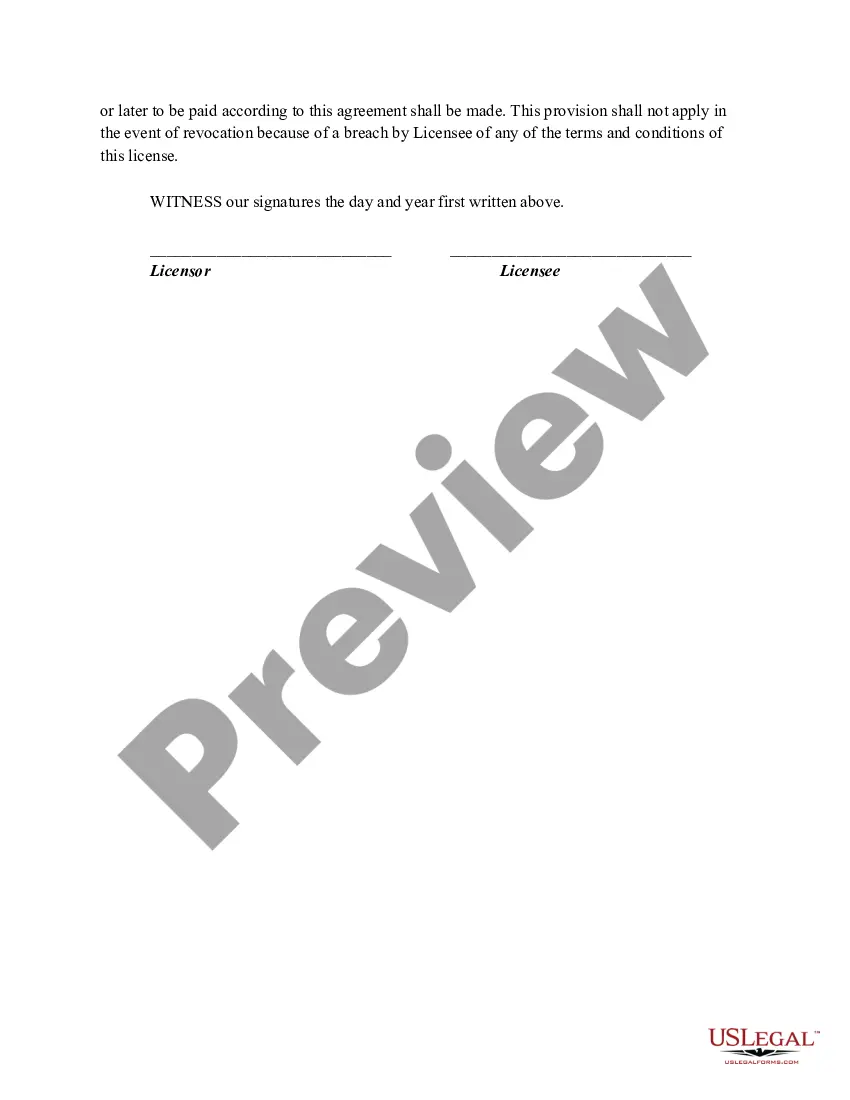
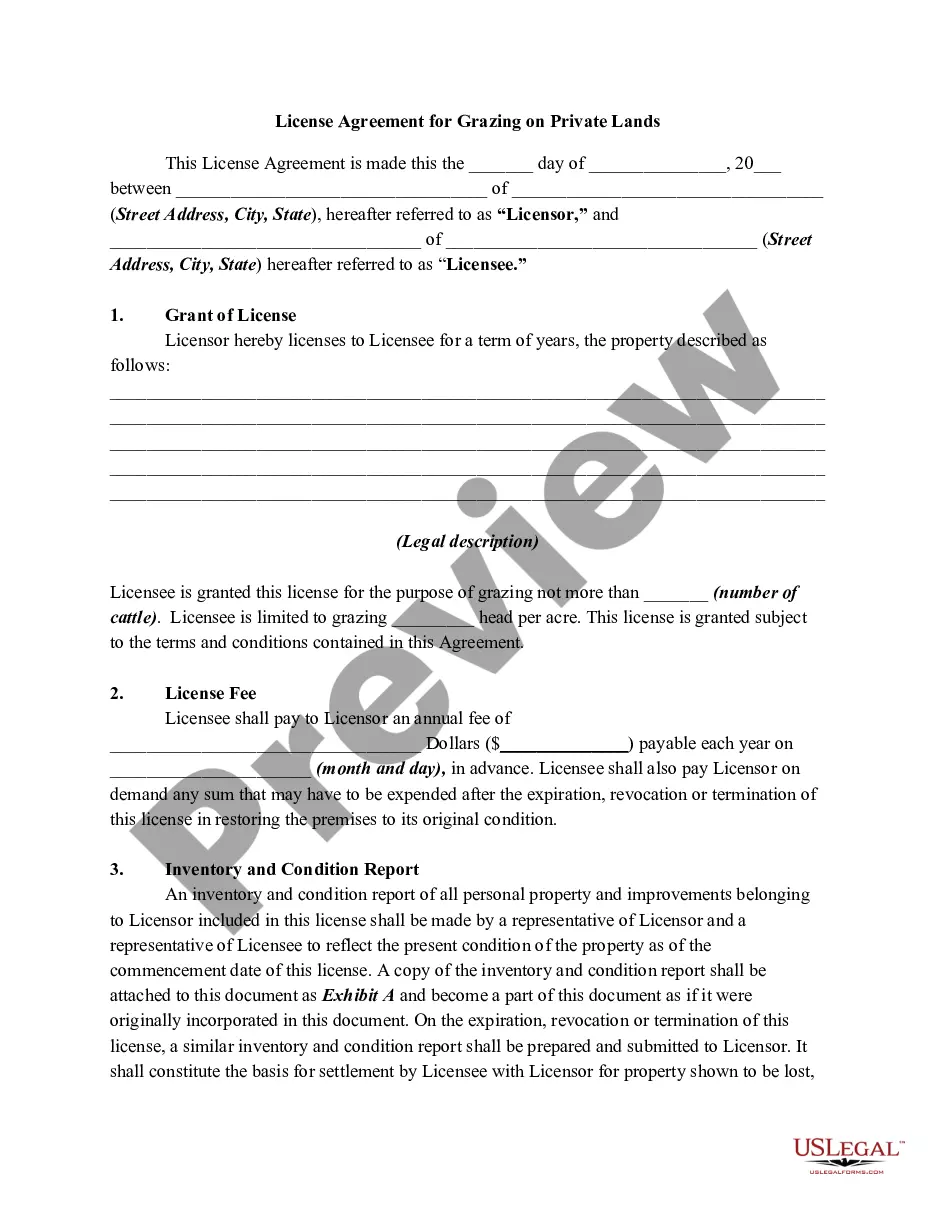
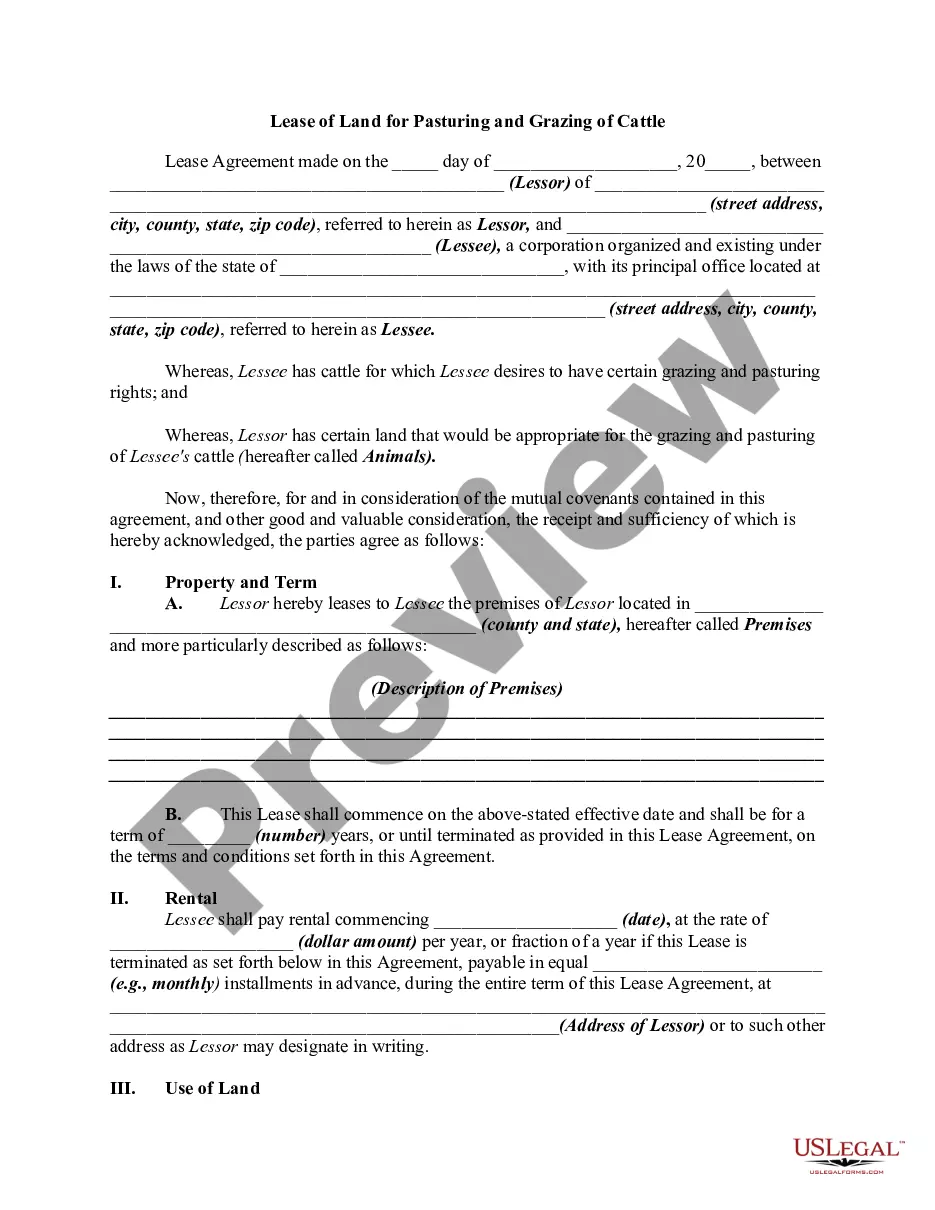
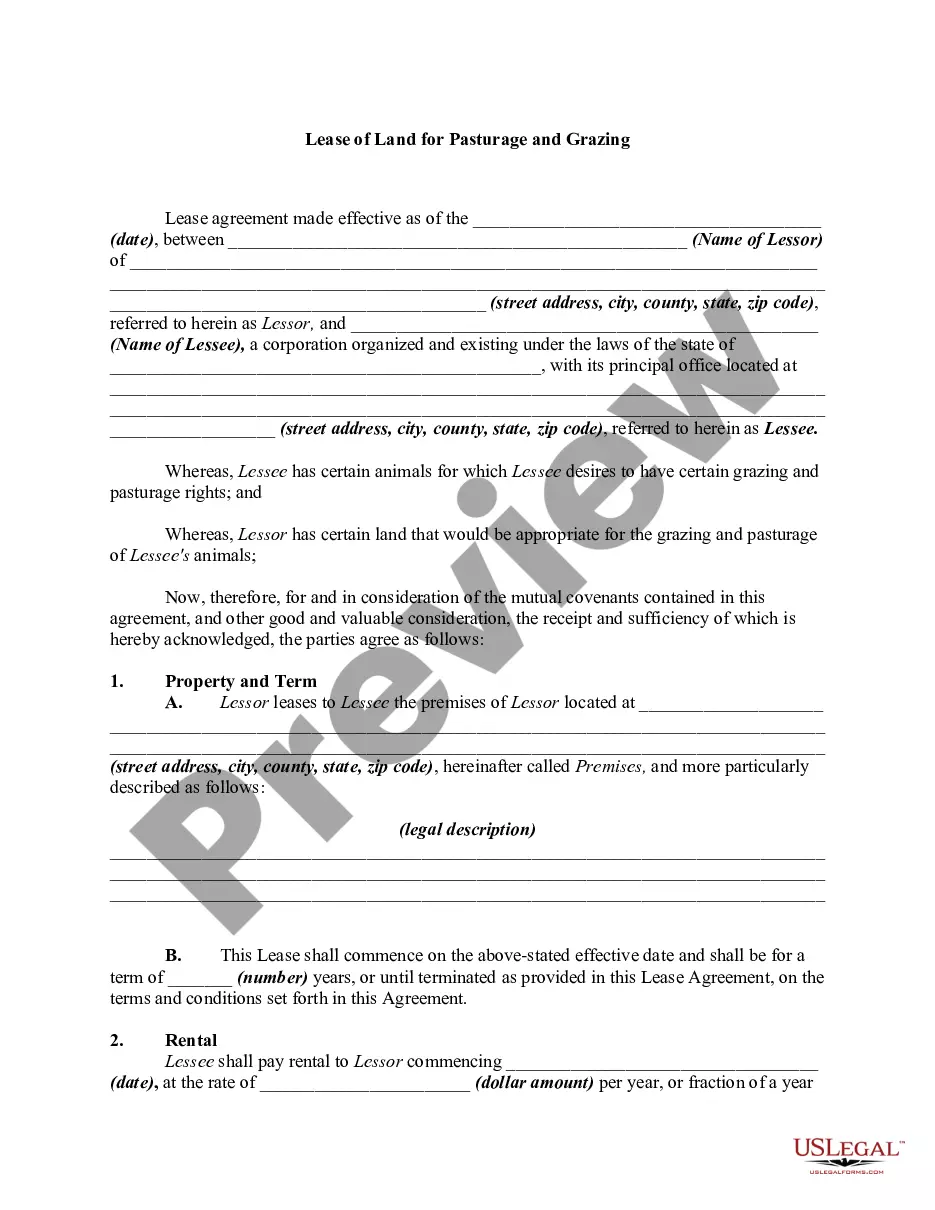
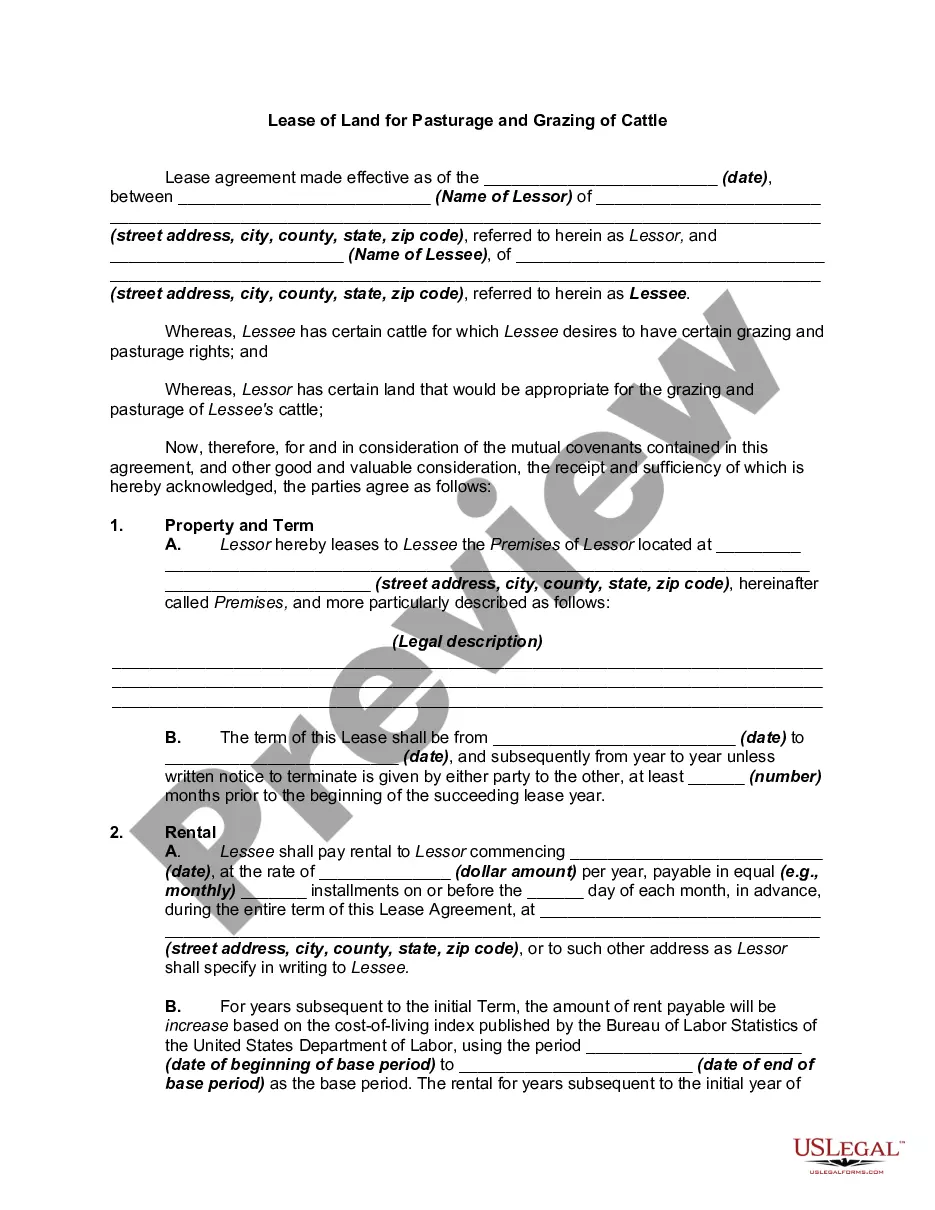
Get your form ready online
Our built-in tools help you complete, sign, share, and store your documents in one place.
Make edits, fill in missing information, and update formatting in US Legal Forms—just like you would in MS Word.
Download a copy, print it, send it by email, or mail it via USPS—whatever works best for your next step.
Sign and collect signatures with our SignNow integration. Send to multiple recipients, set reminders, and more. Go Premium to unlock E-Sign.
If this form requires notarization, complete it online through a secure video call—no need to meet a notary in person or wait for an appointment.
We protect your documents and personal data by following strict security and privacy standards.

Make edits, fill in missing information, and update formatting in US Legal Forms—just like you would in MS Word.

Download a copy, print it, send it by email, or mail it via USPS—whatever works best for your next step.

Sign and collect signatures with our SignNow integration. Send to multiple recipients, set reminders, and more. Go Premium to unlock E-Sign.

If this form requires notarization, complete it online through a secure video call—no need to meet a notary in person or wait for an appointment.

We protect your documents and personal data by following strict security and privacy standards.
Looking for another form?

Form popularity
FAQ
What Are Tenant Rights in Pennsylvania? Tenants have renter rights in PA that grant a habitable living environment, fair treatment and a clear understanding of lease terms. Renters are entitled to privacy, with landlords required to provide notice before entry, except in emergencies.
Pennsylvania leases do not need to be notarized. Once both parties sign the document, it is considered legally valid.
Landlords in Pennsylvania are responsible for maintaining the rental property in a habitable condition. This includes making necessary repairs and ensuring that essential services are provided. Failure to maintain the property can lead to legal consequences.
For tenants opting for a month-to-month living situation, Pennsylvania law provides a degree of flexibility that many find appealing. However, it's important that tenants understand that their rights to a habitable living environment and fair treatment remain intact under these no-lease agreements.
Gross lease - A gross lease, the most common, has a predetermined rent coverage in which the landlord maintains the property. A net lease has a set rent amount covering the occupancy but may not include maintenance work and even property taxes or insurance.
Thirty-Day Notice to Quit: If the tenant has a lease or rental agreement for over one year and violates any terms of the lease or rental agreement, the landlord can give the tenant a 30-day notice to quit. This notice informs the tenant that the tenant has 30 days to move out of the rental unit.
The notice must give the reason for eviction. If there is no written lease, the reason for eviction can be simply that the landlord has decided not to renew the lease.
In Pennsylvania, there is no statewide requirement for landlords to have a rental license. However, local municipalities may require a rental license for property owners.
A Pennsylvania month-to-month rental agreement is a lease that can be canceled upon written 30-day notice from the landlord or tenant. Otherwise, the agreement continues indefinitely. The landlord is able to change the terms of the lease by providing notice within the required period.
