Lease Agreement For Rental Property In Middlesex
Description

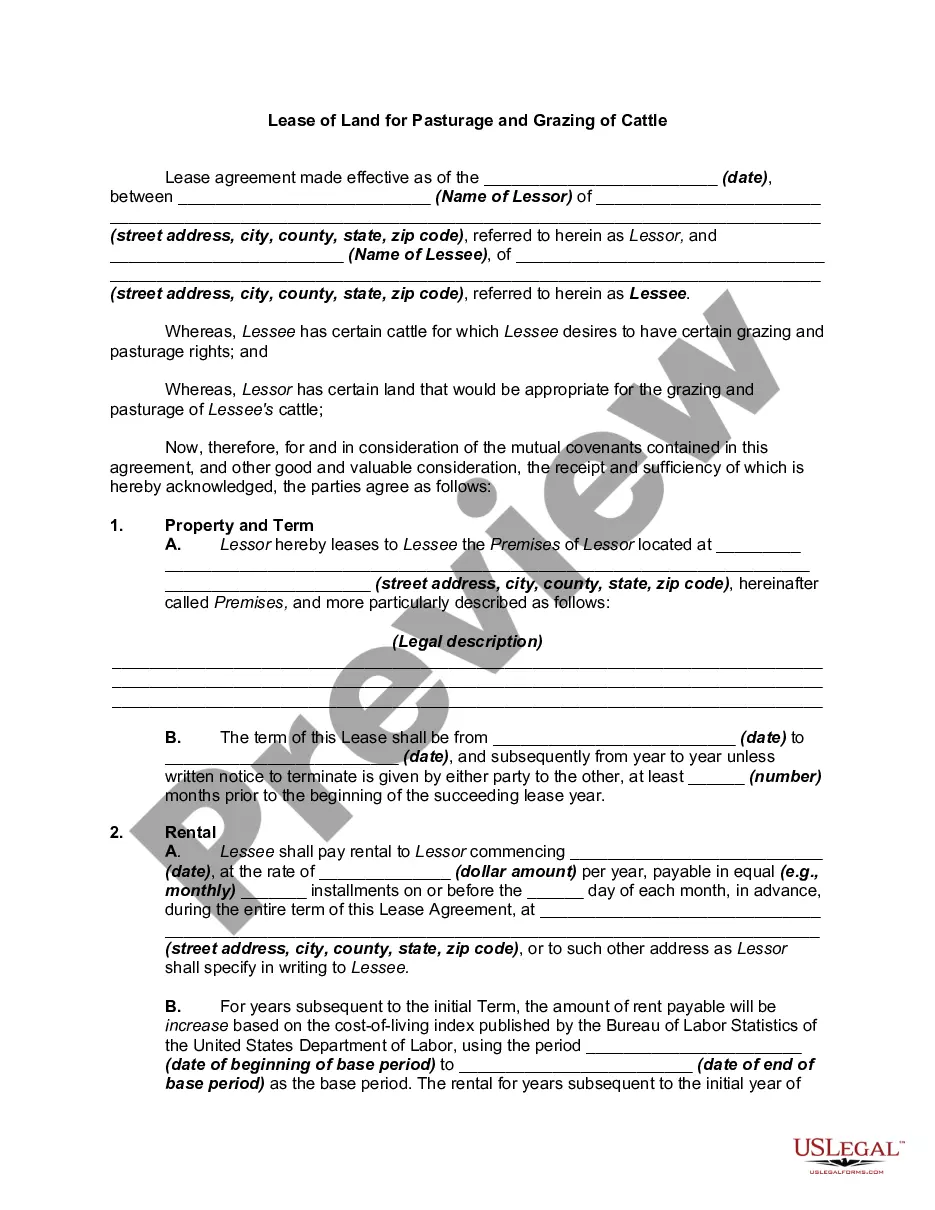
Get your form ready online
Our built-in tools help you complete, sign, share, and store your documents in one place.
Make edits, fill in missing information, and update formatting in US Legal Forms—just like you would in MS Word.
Download a copy, print it, send it by email, or mail it via USPS—whatever works best for your next step.
Sign and collect signatures with our SignNow integration. Send to multiple recipients, set reminders, and more. Go Premium to unlock E-Sign.
If this form requires notarization, complete it online through a secure video call—no need to meet a notary in person or wait for an appointment.
We protect your documents and personal data by following strict security and privacy standards.

Make edits, fill in missing information, and update formatting in US Legal Forms—just like you would in MS Word.

Download a copy, print it, send it by email, or mail it via USPS—whatever works best for your next step.

Sign and collect signatures with our SignNow integration. Send to multiple recipients, set reminders, and more. Go Premium to unlock E-Sign.

If this form requires notarization, complete it online through a secure video call—no need to meet a notary in person or wait for an appointment.

We protect your documents and personal data by following strict security and privacy standards.
Looking for another form?

Form popularity
FAQ
Journal Entry Example for a Short-Term Lease The company recognizes the lease payments as an expense directly in the income statement, without recognizing any lease assets or liabilities on the balance sheet.
A: To ensure that your short-term lease agreement is legally binding, it is important to include all necessary elements such as start and end dates; what type of property is being leased; rules regarding the tenant's use of the property; information about rent payments; an inventory list; and information about how ...
Tenancy or lease Technically in law, there is no difference between the terms "tenancy" and "lease". However, statutes relating to letting residential property most often use the word "tenancy", while those regulating commercial occupancy use the word "lease". As a result, we all tend to follow that usage.
A legal lease must normally be created by deed; however, there are no formal requirements for the creation of a legal lease for a term that takes effect in possession and does not exceed three years at a full market rent without a premium.
What are some tips for negotiating a shorter lease term? Know your market. Be the first to add your personal experience. Be flexible and creative. Be the first to add your personal experience. Build rapport and trust. Review the lease carefully. Negotiate in good faith. Here's what else to consider.
What is considered to be a 'short' lease? Basically, any lease that falls below 80 years is considered to be a short lease. While this may seem like a long time, in terms of leases, 80 years is the cut off point, something commonly referred to as the '80-year rule'.
The tenancy agreement should include: the deposit amount and how it will be protected. when the deposit can be fully or partly withheld, for example to repair damage caused by tenants. the property address. the start and end date of the tenancy. any tenant or landlord obligations. which bills your tenants are responsible for.
An agreement for a lease is however as good as a lease until some of the terms and conditions agreed by the parties is/ are breached by either party.
Fixed-Term or Long-Term Lease Agreement These are usually 12-15 months long (or another period of time depending on the landlord). It's common for landlords to gravitate toward a fixed-term lease as it is guaranteed stable income for a longer time compared with short-term leases.
