Lease License For Alterations In Dallas
Description

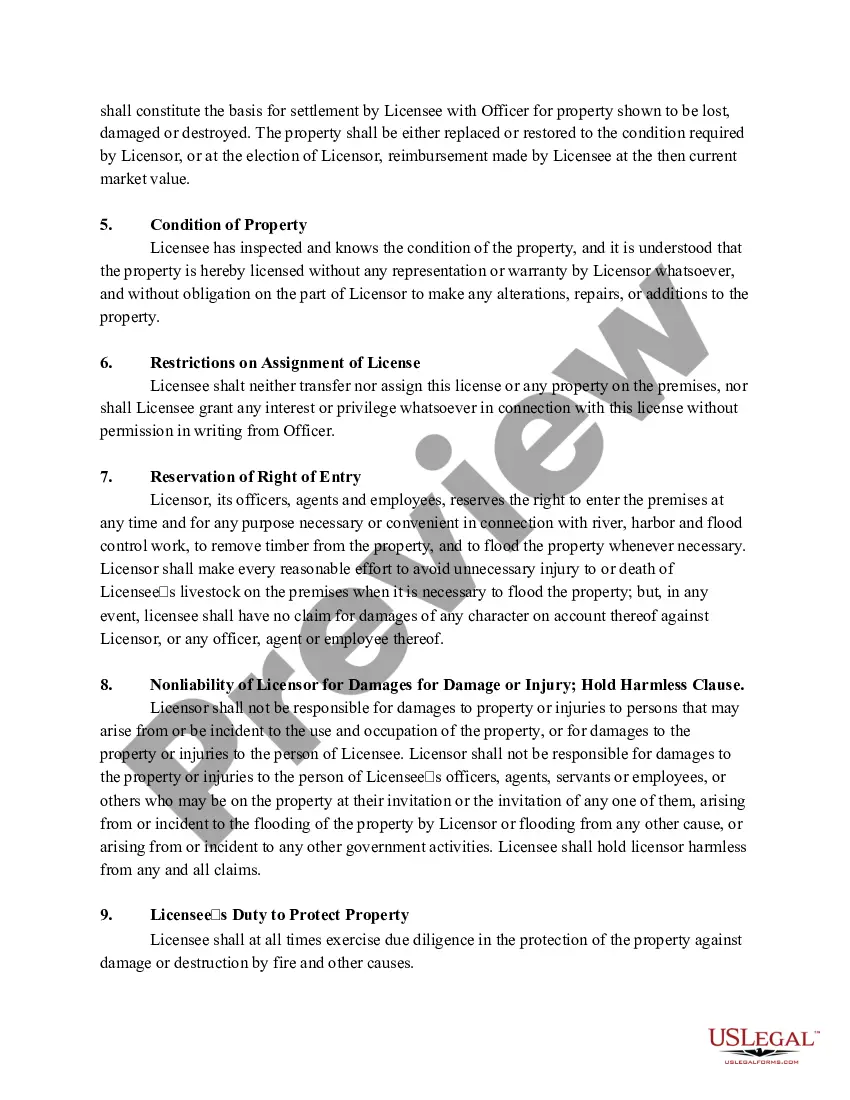
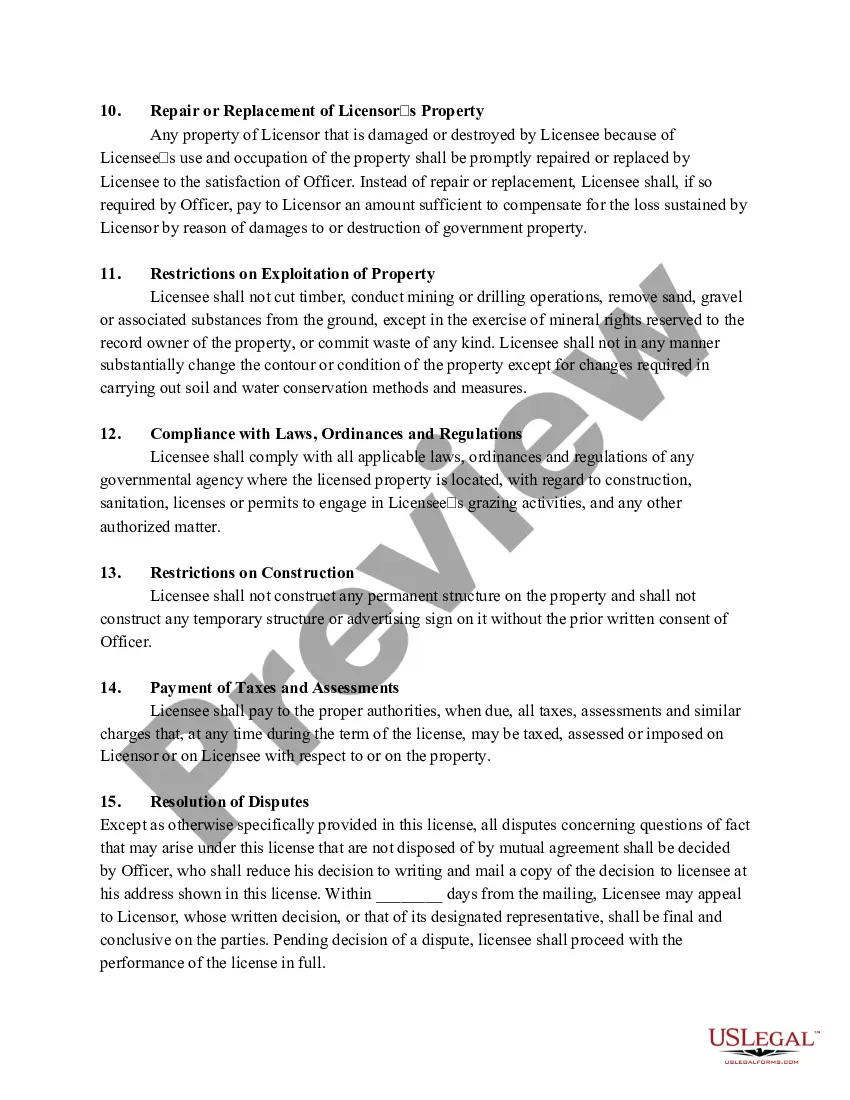
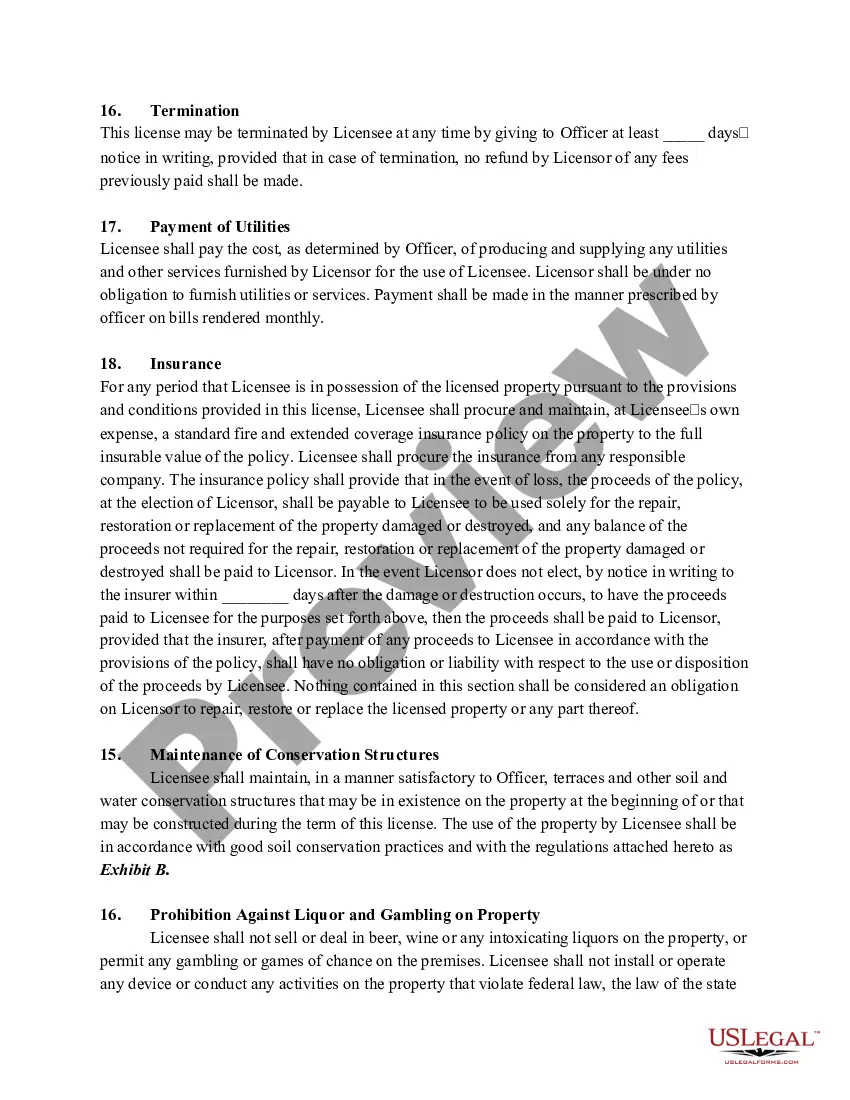
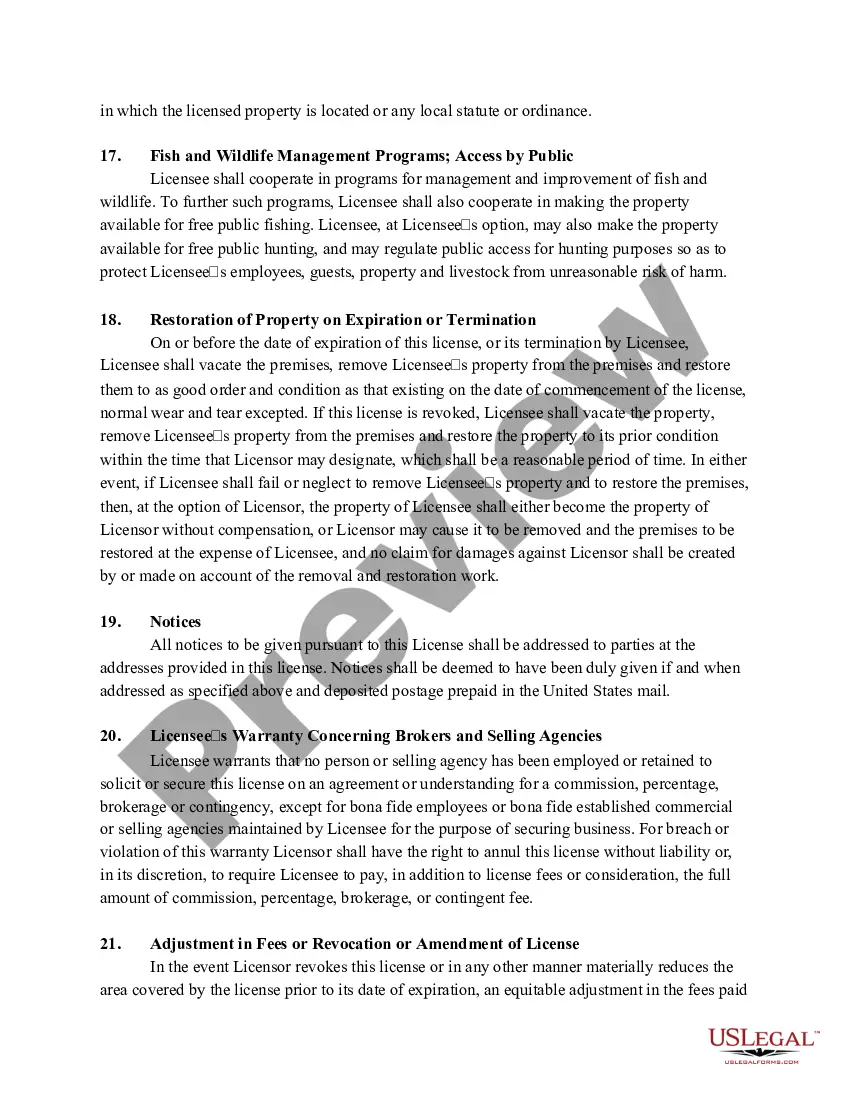
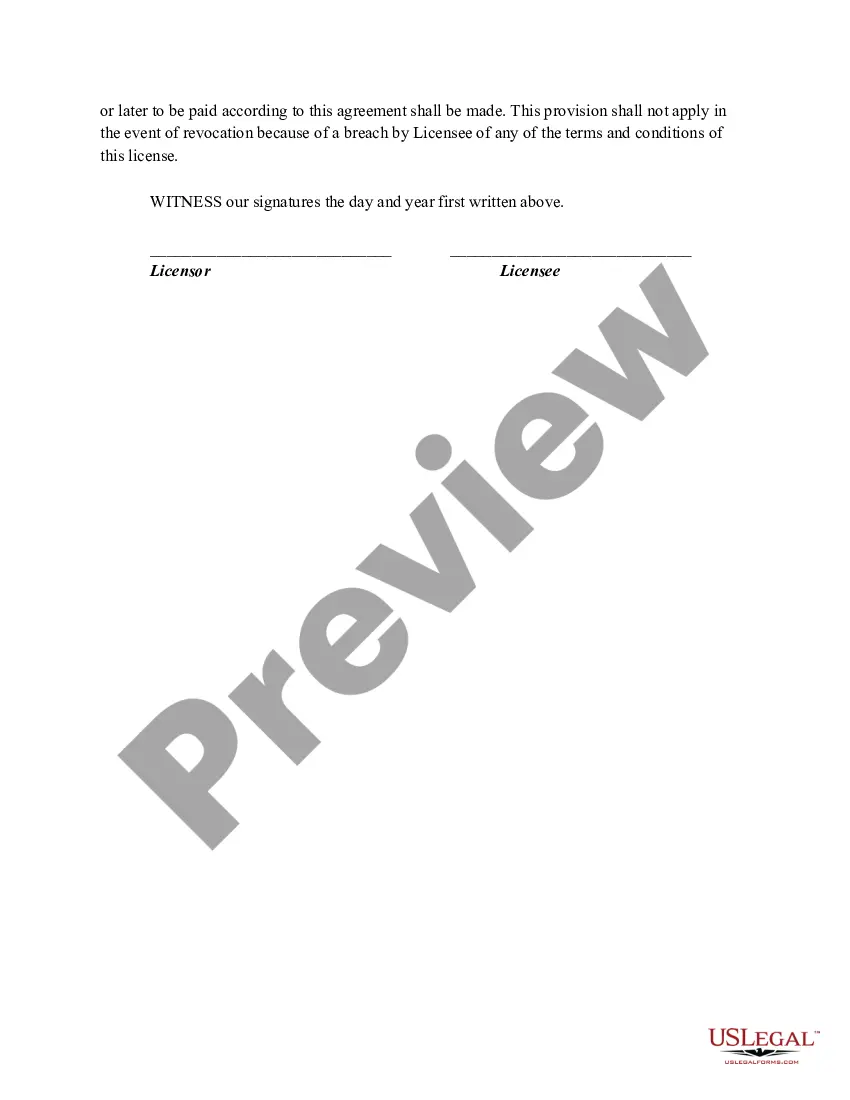
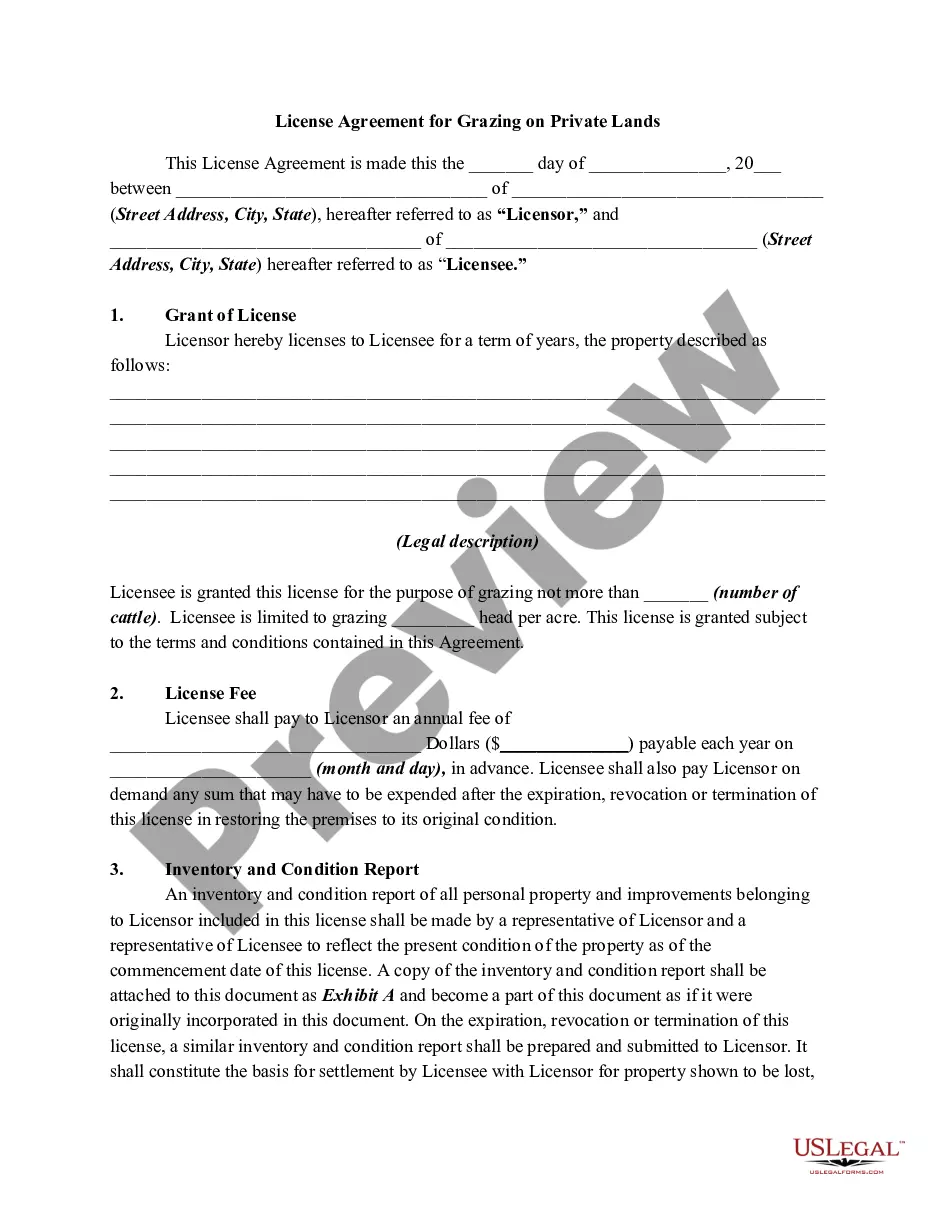
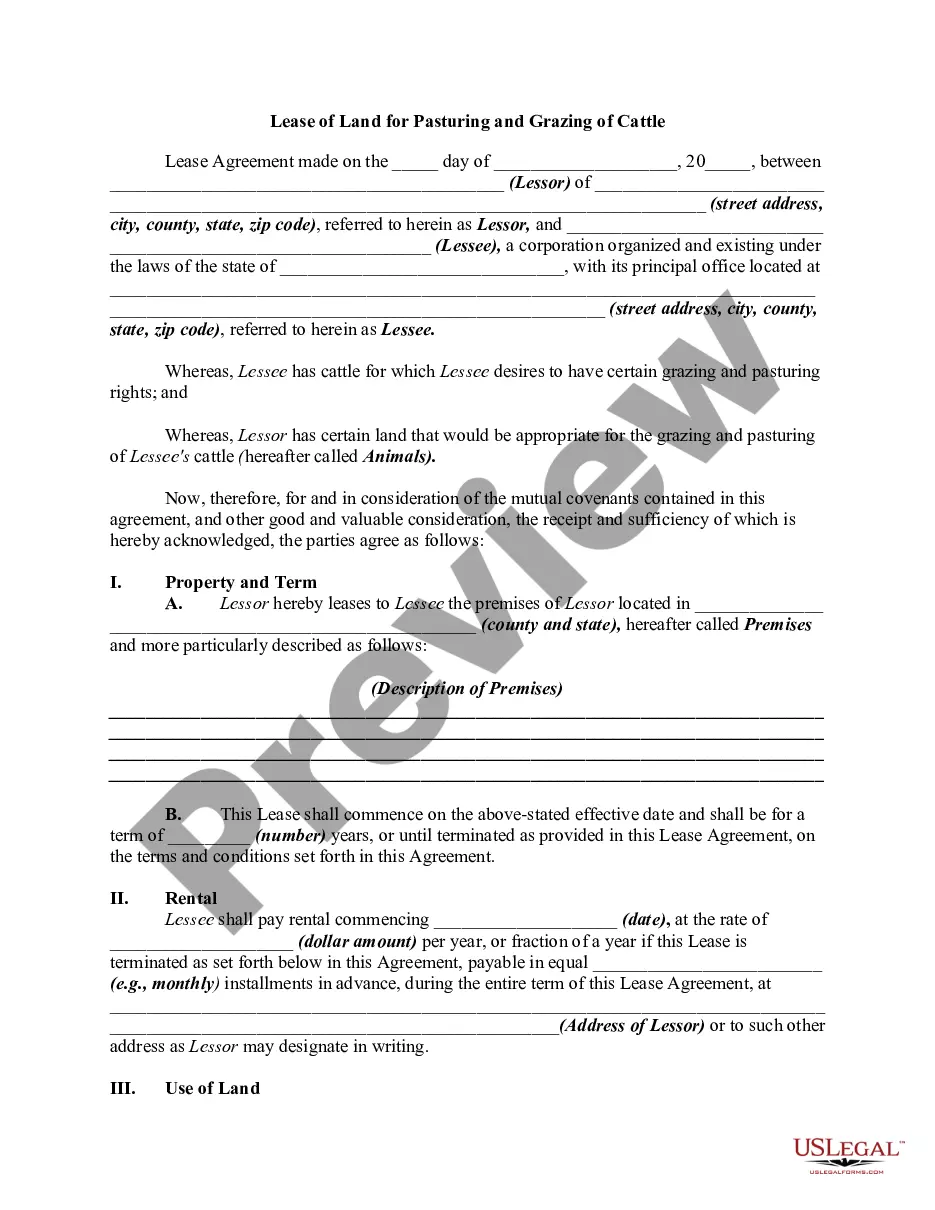
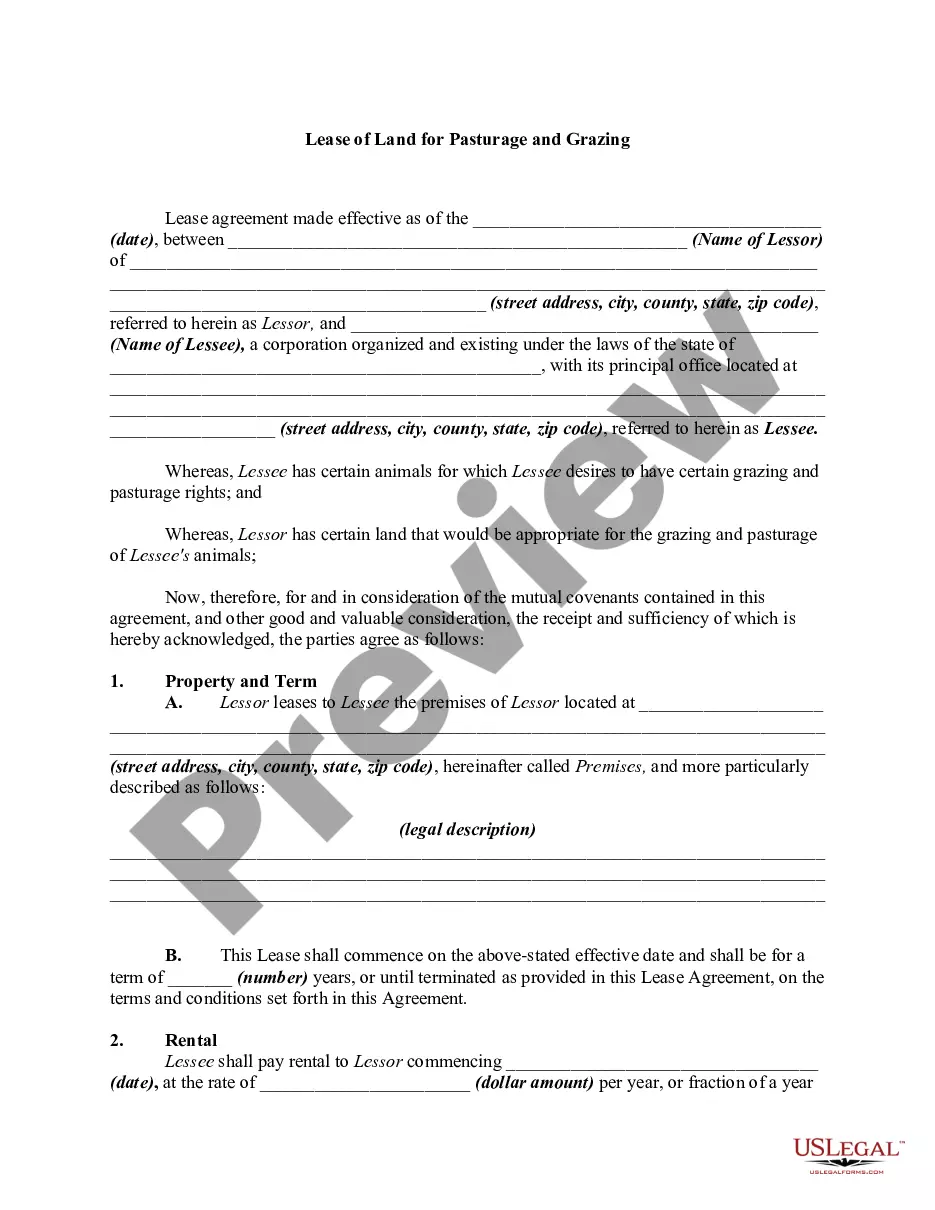
Get your form ready online
Our built-in tools help you complete, sign, share, and store your documents in one place.
Make edits, fill in missing information, and update formatting in US Legal Forms—just like you would in MS Word.
Download a copy, print it, send it by email, or mail it via USPS—whatever works best for your next step.
Sign and collect signatures with our SignNow integration. Send to multiple recipients, set reminders, and more. Go Premium to unlock E-Sign.
If this form requires notarization, complete it online through a secure video call—no need to meet a notary in person or wait for an appointment.
We protect your documents and personal data by following strict security and privacy standards.

Make edits, fill in missing information, and update formatting in US Legal Forms—just like you would in MS Word.

Download a copy, print it, send it by email, or mail it via USPS—whatever works best for your next step.

Sign and collect signatures with our SignNow integration. Send to multiple recipients, set reminders, and more. Go Premium to unlock E-Sign.

If this form requires notarization, complete it online through a secure video call—no need to meet a notary in person or wait for an appointment.

We protect your documents and personal data by following strict security and privacy standards.
Looking for another form?




Form popularity
FAQ
How Much Can You Increase Rent? There is no rent control in Texas, and there are no rent increase laws in Dallas! But, while there are no specific regulations or limits on how much you can increase rent, any rent increase should still be reasonable and in line with market rates.
The alterations clause in the lease will set out what the tenant can and cannot do, and on what basis. A typical clause will prohibit some types of alterations altogether, for example structural changes or work that alters the external appearance of a building.
The goal is to protect renters from sharp rent increases so that housing remains affordable. However, Texas does not currently have any statewide rent control laws that restrict rent increases.
In Dallas, rent increase laws are largely governed by state law, as Texas does not have specific rent control policies at the state or local level. Landlords must provide at least a 30-day notice for month-to-month leases before increasing rent, a common standard in many jurisdictions.
It must be written in strict adherence to property laws of the state where the property is located. Failing to do so can either render the lease invalid or unable to protect the landlord's property and interests from potential problem tenants.
Does Texas require 3x rent? Many landlords ask that your monthly income be at least three times the rent. It's not law, but it's common practice.
Thanks to its favorable regulations for rental property owners, Texas holds its reputation as one of the most landlord-friendly states in the US. From favorable eviction processes to light restrictions on security deposits, the state maintains an open market for real estate investors.
In the state of Texas, getting a landlord license is not required. However, many of the local jurisdictions may require a license, so it is best to check first.
It's a common misconception that a tenant can cancel a lease within 3 days of signing. Our librarians have not found any Texas laws that set out an automatic grace period for canceling a lease agreement. Generally, a tenant would be bound by the terms of the lease agreement once it is signed.
At the bare minimum, a rental agreement or lease should identify the leased property, state the names of all parties to the lease, the names of all occupants, the beginning date, when the contract expires, the amount of rent, when rent is due, when rent is late, and what happens if the tenant stays in the property ...
