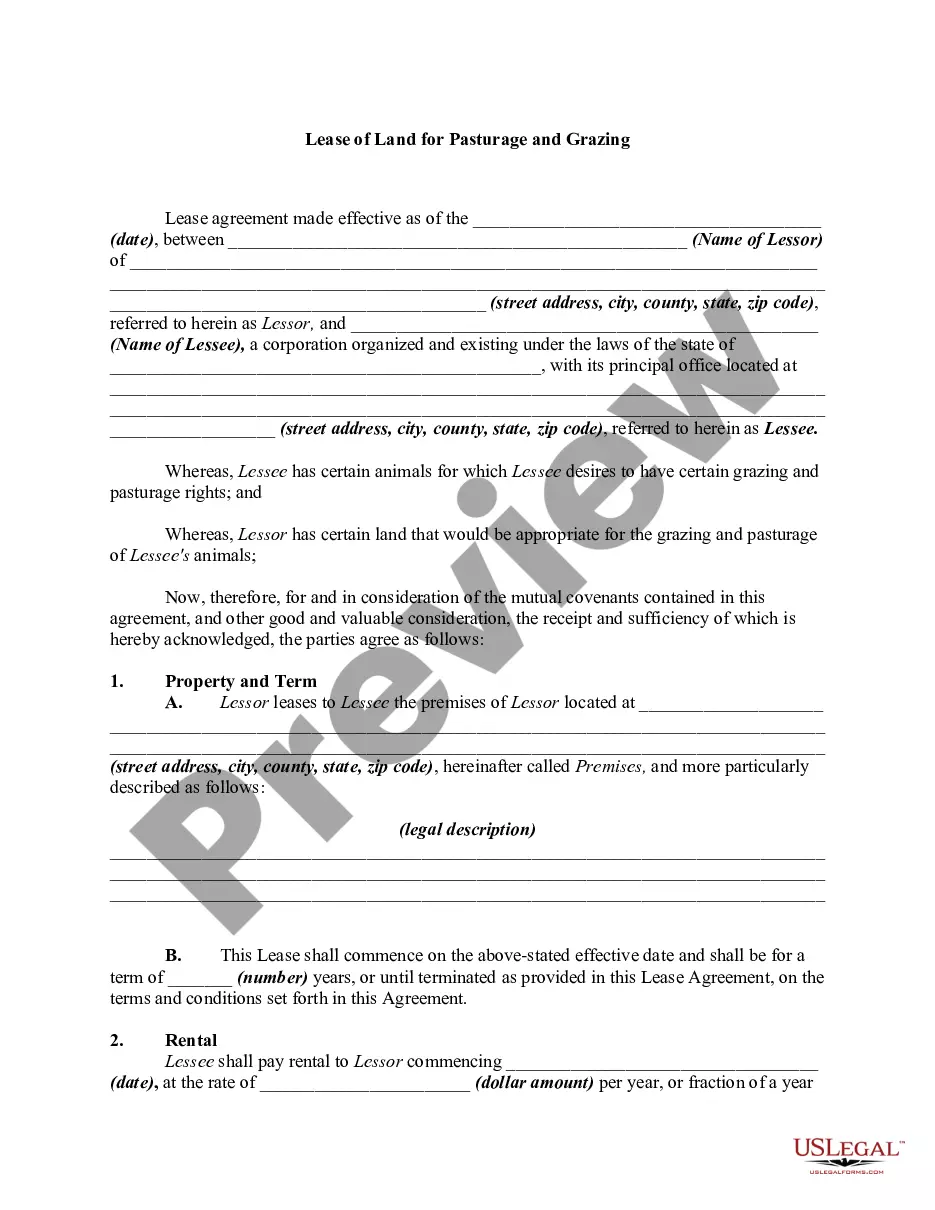
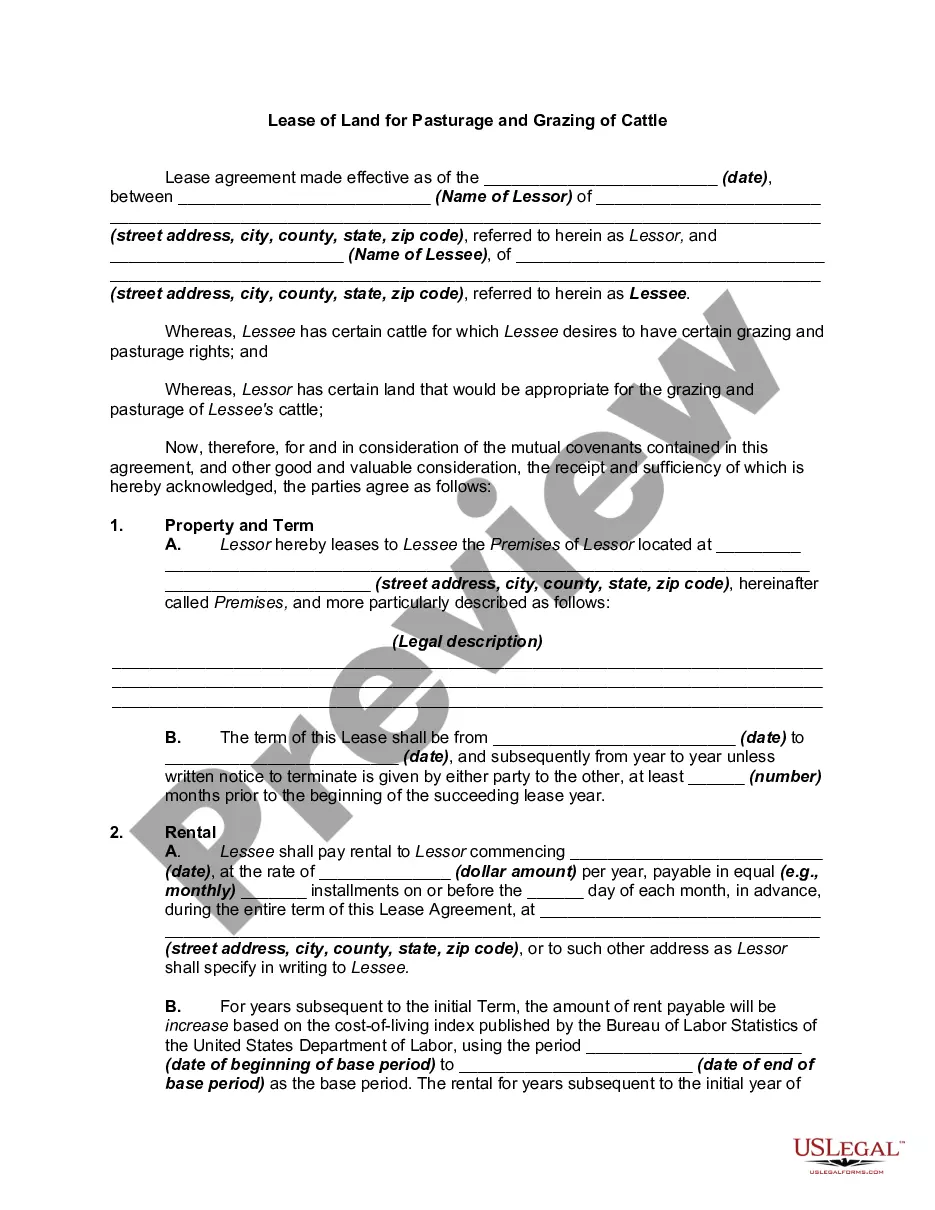
Lease License For Alterations In Contra Costa
Description
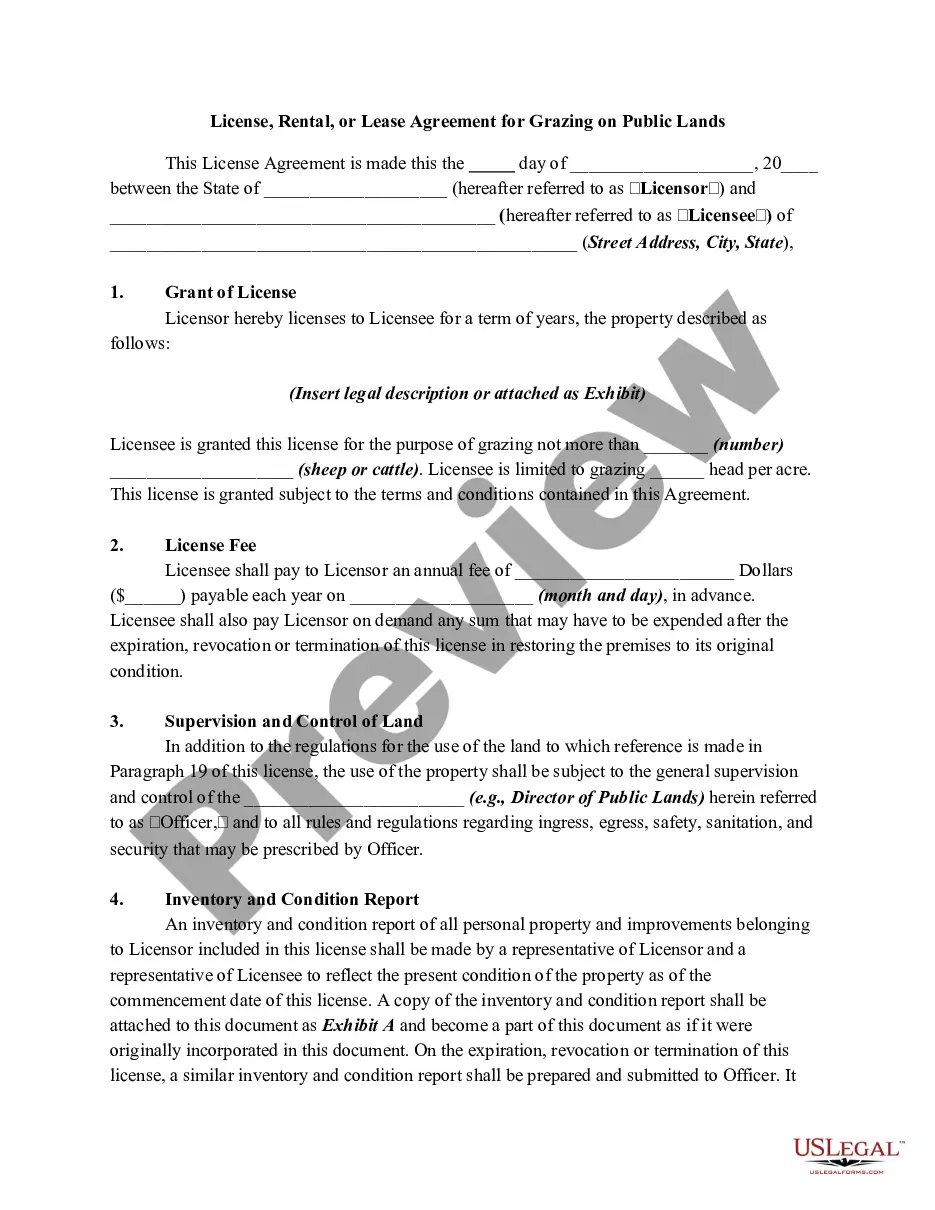
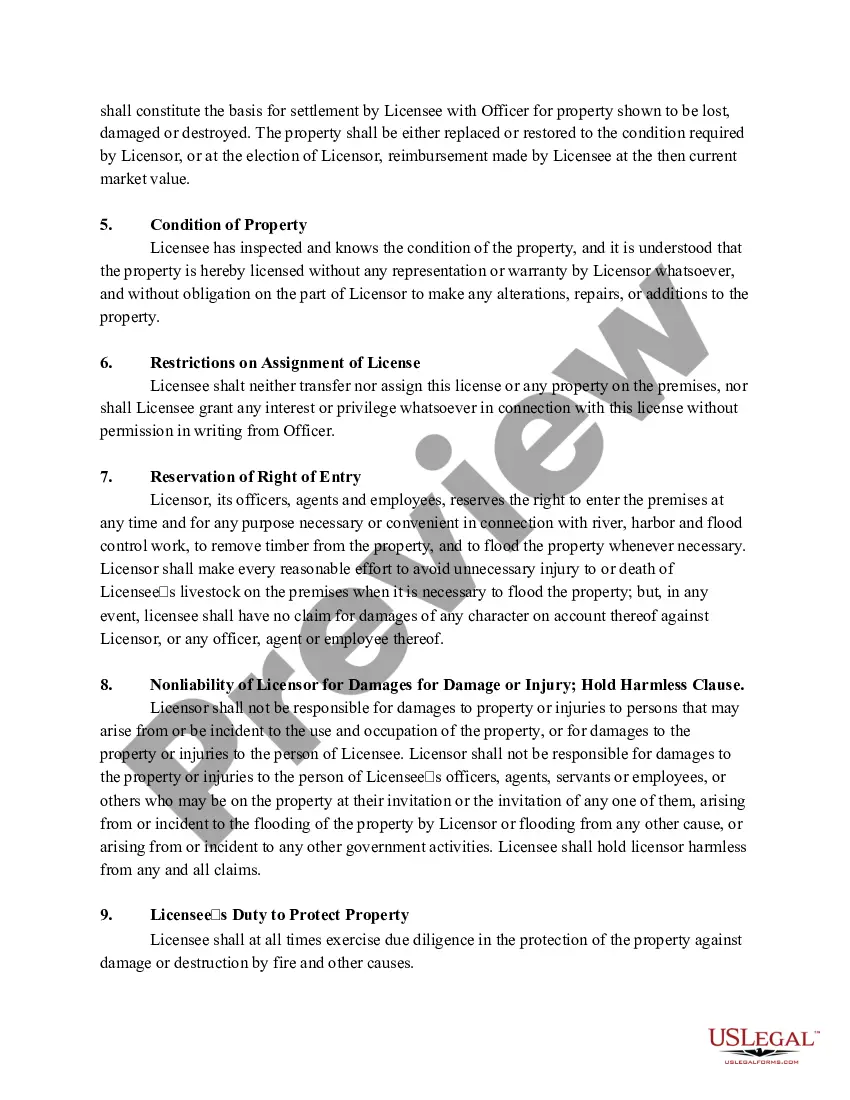
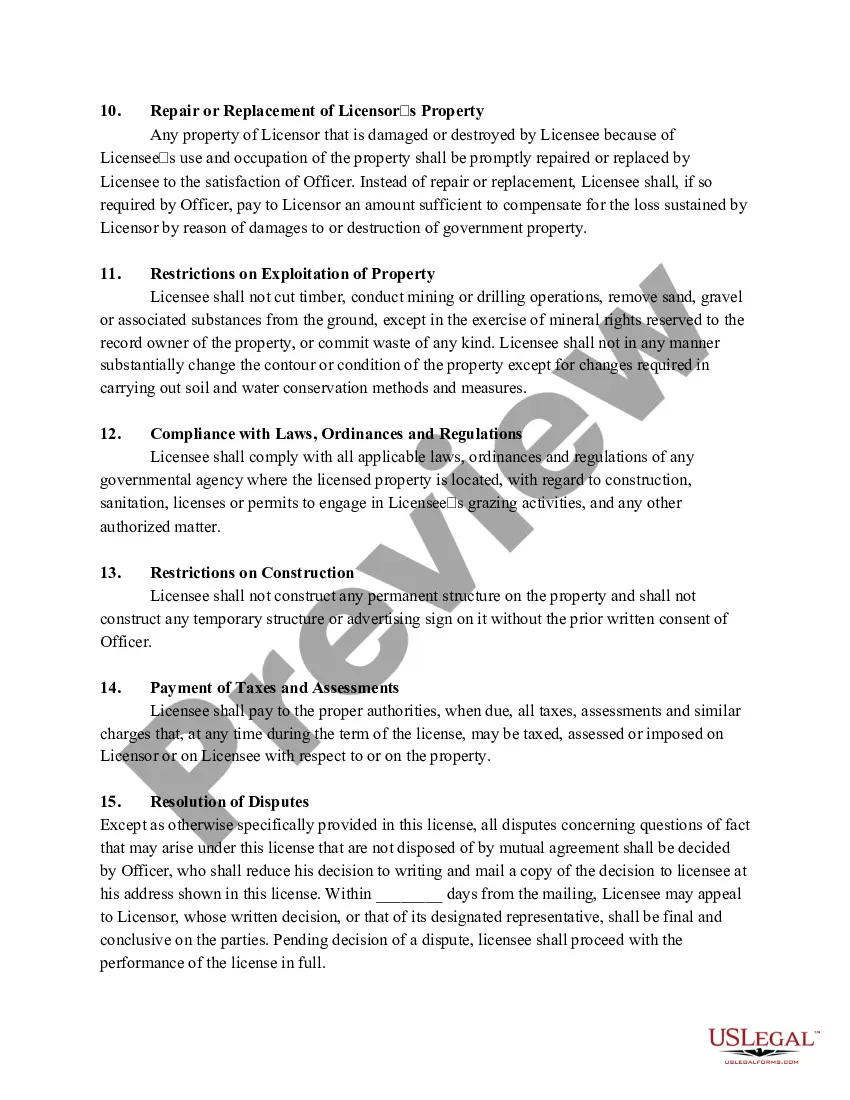
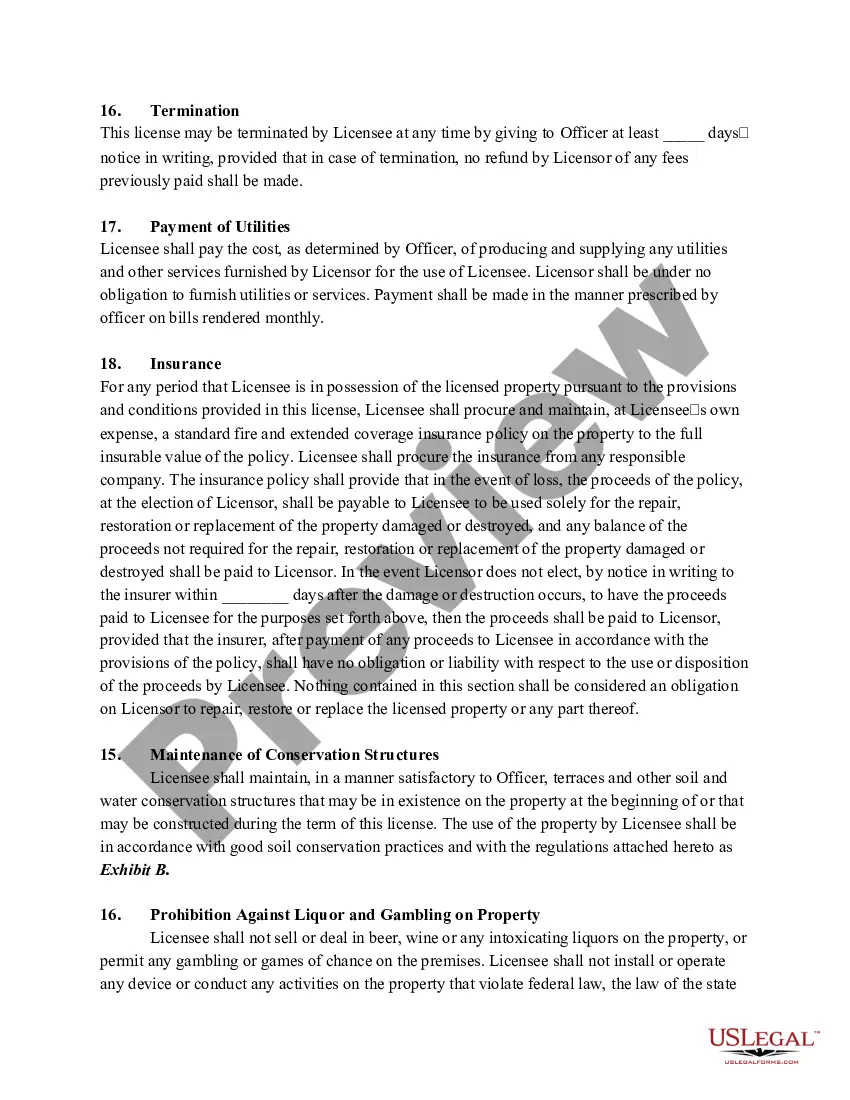
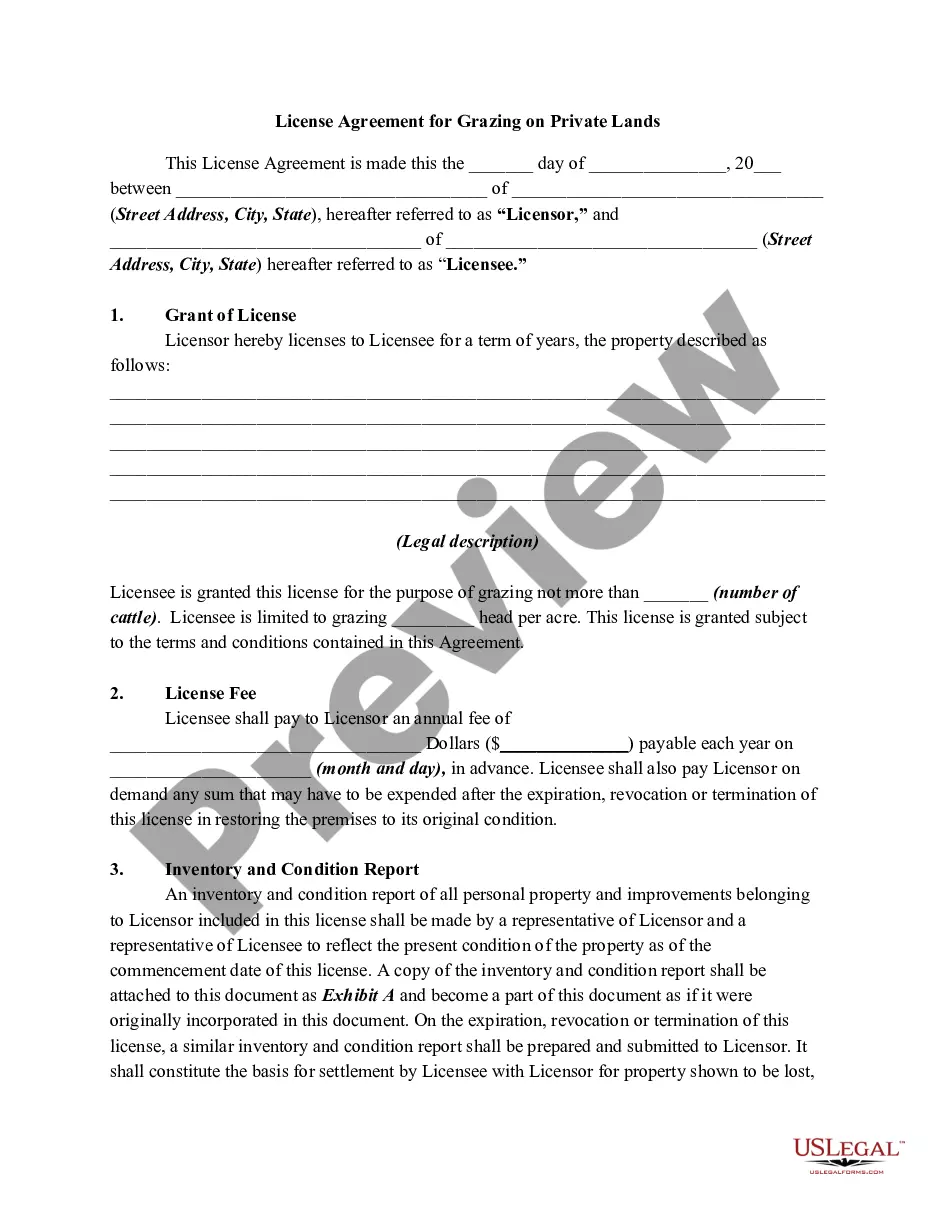
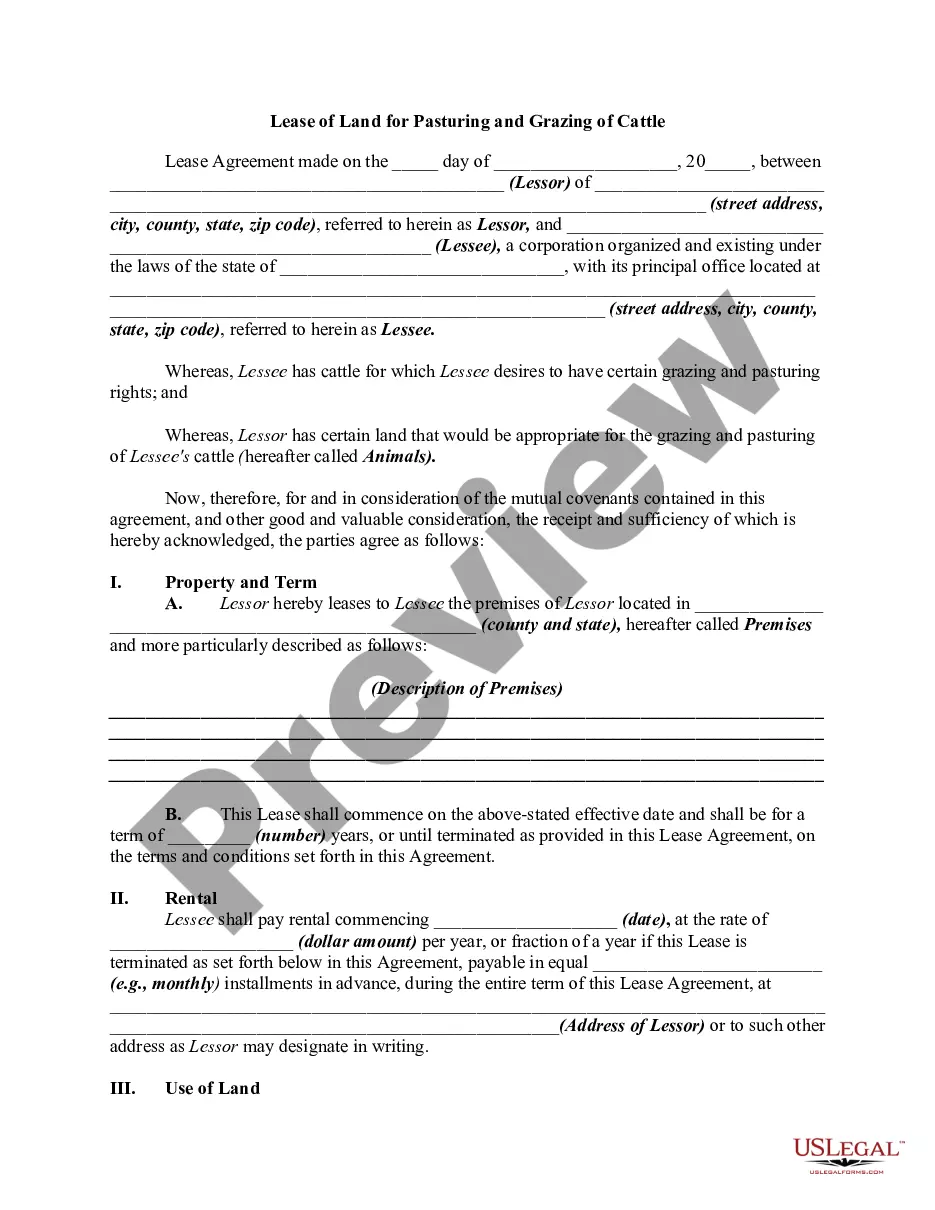
Get your form ready online
Our built-in tools help you complete, sign, share, and store your documents in one place.
Make edits, fill in missing information, and update formatting in US Legal Forms—just like you would in MS Word.
Download a copy, print it, send it by email, or mail it via USPS—whatever works best for your next step.
Sign and collect signatures with our SignNow integration. Send to multiple recipients, set reminders, and more. Go Premium to unlock E-Sign.
If this form requires notarization, complete it online through a secure video call—no need to meet a notary in person or wait for an appointment.
We protect your documents and personal data by following strict security and privacy standards.

Make edits, fill in missing information, and update formatting in US Legal Forms—just like you would in MS Word.

Download a copy, print it, send it by email, or mail it via USPS—whatever works best for your next step.

Sign and collect signatures with our SignNow integration. Send to multiple recipients, set reminders, and more. Go Premium to unlock E-Sign.

If this form requires notarization, complete it online through a secure video call—no need to meet a notary in person or wait for an appointment.

We protect your documents and personal data by following strict security and privacy standards.
Looking for another form?


Form popularity
FAQ
The County Ordinance requires that you obtain a license for conducting business within the unincorporated areas, - even if your business is located outside our limits or you have a business license from another city.
The county ordinance requires that you obtain a license for conducting business within the unincorporated area, even if your business is located outside our limits or you have a business license from another city.
Local business licenses in California Many California counties require businesses to obtain a business operating license before doing business in the county. This requirement applies to all businesses, including one-person, home-based operations. Many cities require a business license in addition to the county license.
Contra Costa County has implemented rent control and just cause eviction protections in certain areas. These laws: Limit annual rent increases. Protect tenants from arbitrary evictions.
The Ellis Act is a 1985 California state law that allows landlords to evict residential tenants to “go out of the rental business.” In California, landlords (big and small) can choose to go out of the rental business and evict tenants.
The Ellis Act (California Government Code Chapter 12.75) is a 1985 California state law that allows landlords to evict residential tenants to "go out of the rental business" in spite of desires by local governments to compel them to continue providing rental housing.
SAN DIEGO (KGTV) — Starting Jan. 1, 2025, a new California law will double the response time for tenants facing eviction, offering them more opportunity to seek legal advice and adequately prepare their cases. The law extends the response period from five business days to 10 business days.
